





— Blogs —
—Products—
 Consumer hotline +8618073152920
WhatsApp:+8615367865107
Address:Room 102, District D, Houhu Industrial Park, Yuelu District, Changsha City, Hunan Province, China
Product knowledge
Time:2025-12-07 16:39:10 Popularity:884
An agricultural weather station supplier should be assessed against a defined configuration and evidence for the required measurements. Compare model specifications, installation responsibilities, data interfaces and service arrangements rather than broad claims about accuracy, certification or maintenance. NiuBoL quotations should identify the selected equipment and any separately specified software, power or integration work.
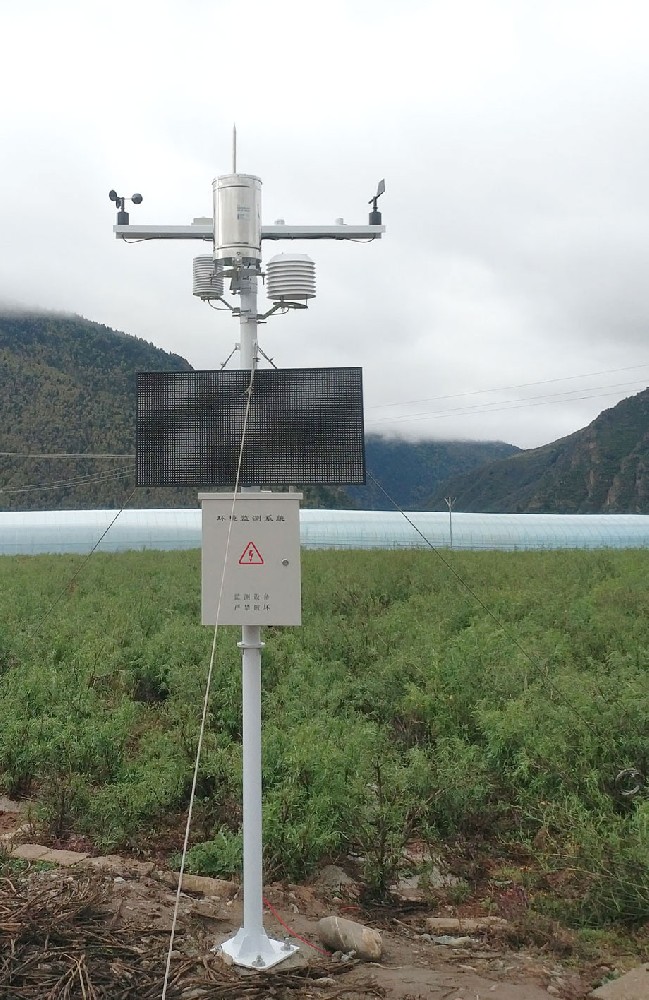
A price for a sensor head is not comparable with a price including a mast, logger, solar supply and installation. Before evaluating suppliers, list the required measurements and what must be delivered at the receiving system. State whether the project needs local records, remote reporting, alerts or physical equipment control.
Ask which functions are standard, optional or outside the quoted scope. A displayed dashboard does not establish an included subscription, a particular export format or remote control. Include recurring service charges, configuration work and any third-party integration in the comparison when they apply.
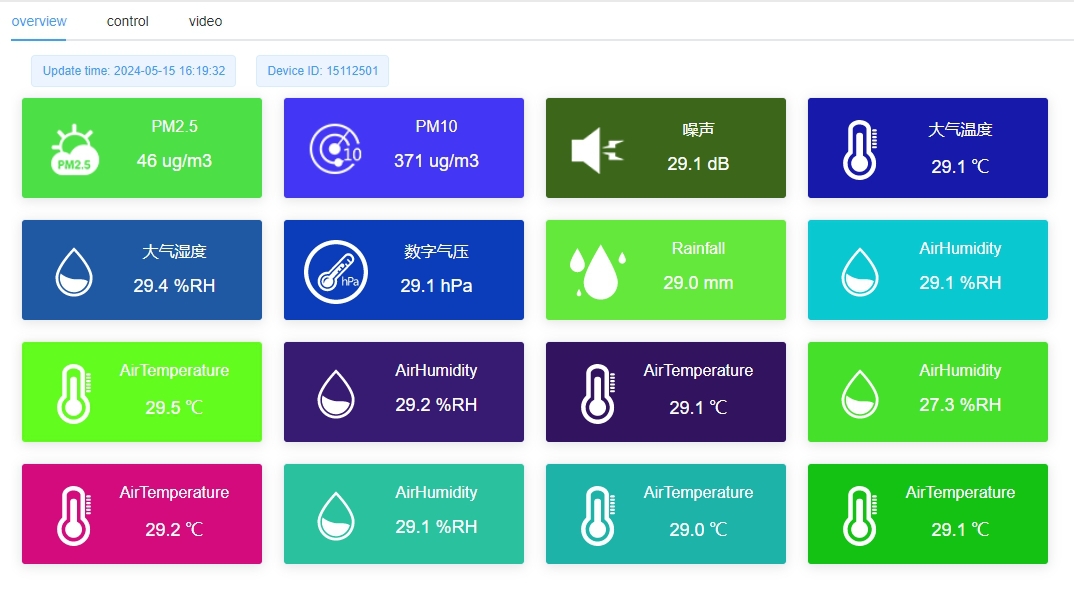
An accuracy figure is meaningful only with its quantity, model and conditions. Do not apply the specification of one air sensor to a complete agricultural station. Resolution, repeatability and installed uncertainty also should not be substituted for one another.
| Selected NiuBoL example | Relevant specification | What to verify |
|---|---|---|
| NBL-W-LBTH air sensor | Temperature accuracy +/-0.5 deg C; RH accuracy +/-5% RH | The quoted model and its intended exposure |
| NBL-W-61MUWS head | Six integrated parameters; DC 12-24 V; approximately 0.35 W average | Included head versus complete station equipment |
| 61MUWS operating limits | -20 to 50 deg C; 0-95% RH; IP65 | Actual site conditions rather than a wider channel span |
| NBL-PH-1 logger | Configured sensor inputs, recording and 4G functions; saving interval 1-240 minutes | Interfaces, recording mode and destination network |
Use the LBTH accuracy figures to assess whether the required temperature and RH measurements are suitable for the project. Check exposure as well as instrument accuracy. The 61MUWS measurement ranges do not override its operating environment. Match the exact model and revision to the order.
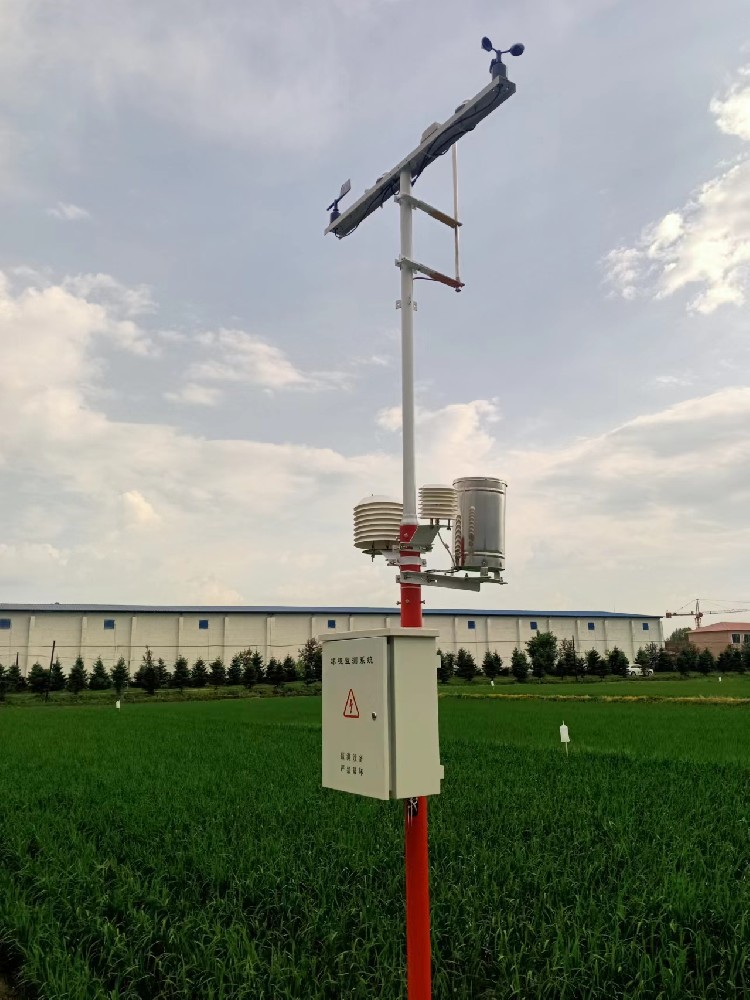
If calibration documentation is required, specify the quantities, ranges, identification and acceptance conditions. A report for another sensor or a different output version may not establish the performance required for the delivered instrument. Clarify whether individual serial-number documentation is needed.
A general claim of compliance with meteorological observation guidance does not by itself qualify the installed site. Sensor exposure, height, surroundings, maintenance and data processing affect the observation. For a research or official-reporting project, agree the applicable method and acceptance process with the project owner rather than relying on an unqualified certification label.
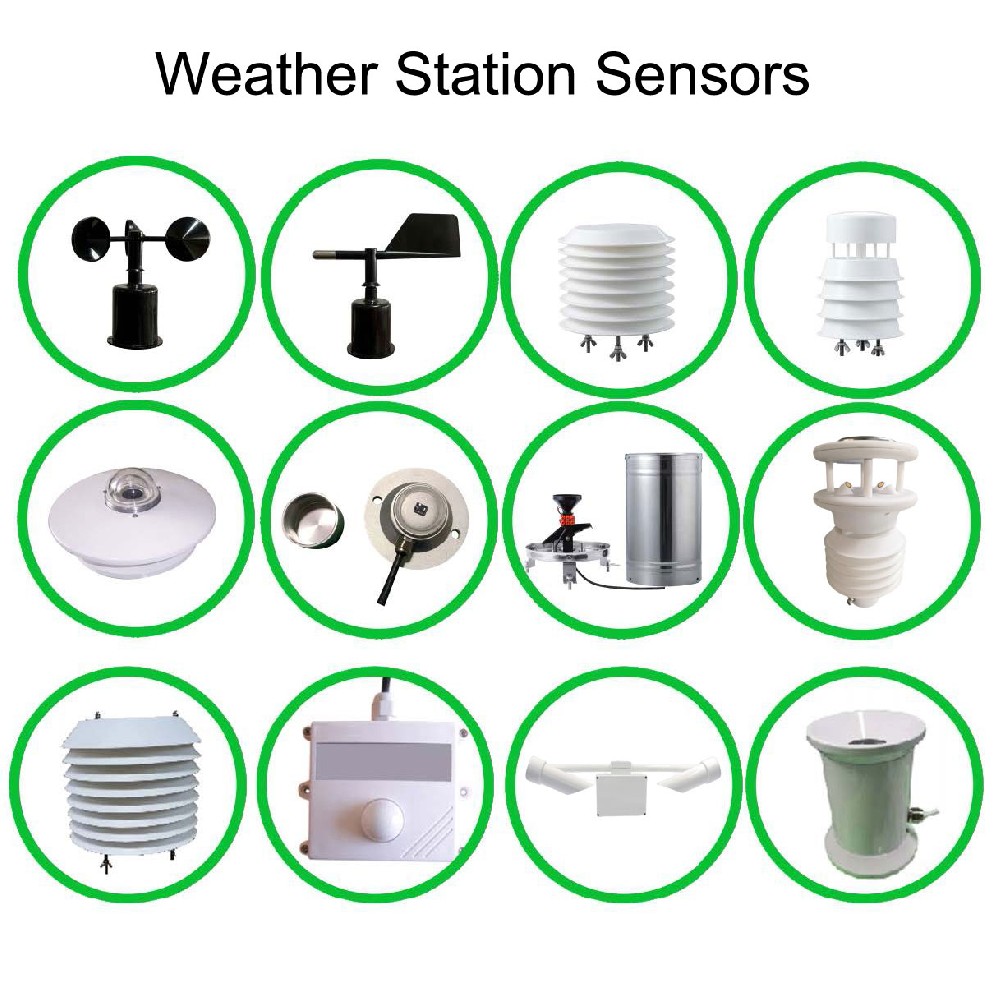
RS485 Modbus RTU describes the relevant instrument connection, while 4G describes one possible onward link. Neither establishes compatibility with every PLC or server. Request the register information, data format and receiver configuration required for the order.
For the NBL-PH-1 logger, identify the installed input combination and the destination country's cellular requirements. Do not assume that references to 5G, a different radio system or a particular cloud service describe the ordered 4G configuration. Demonstrate any required export or server connection with representative records.
An automatic station still needs cleaning, inspection and appropriate reference checks. Ask how the rain collector, radiation surface, air shield and wind assembly are reached safely. IP65 wind protection is not a maintenance-free guarantee, and a solar supply does not remove battery service needs.
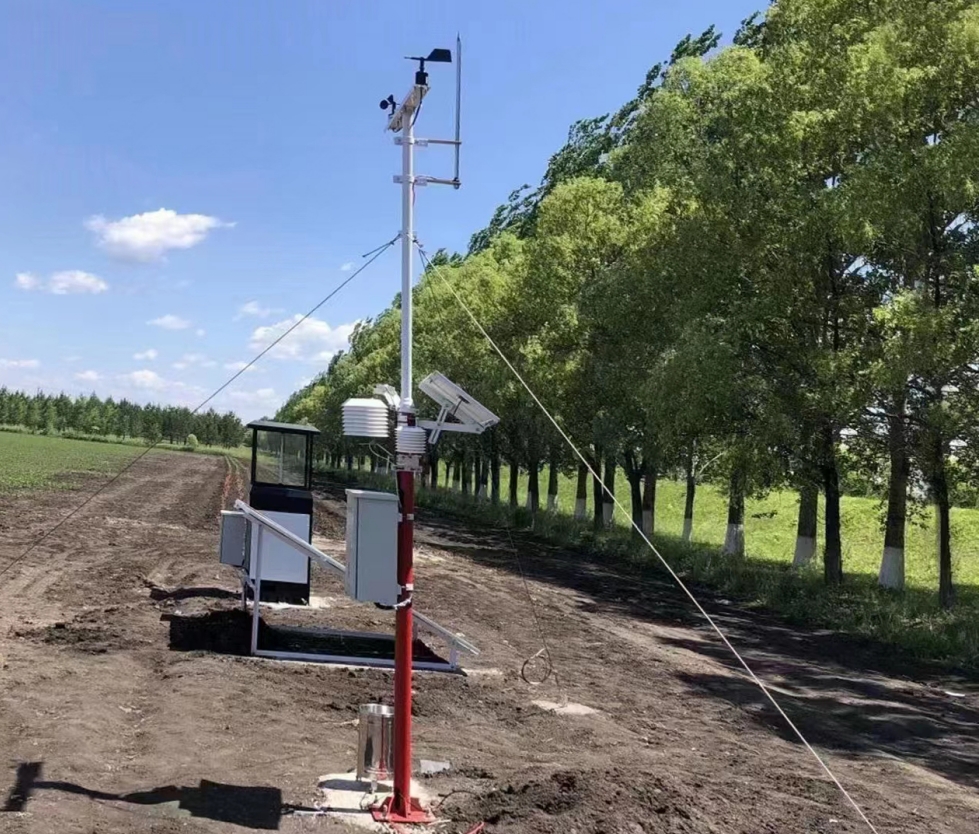
Clarify which components can be replaced separately and which need return for service. Identify compatible spares, replacement procedure and configuration records. A stated equipment life is not a promise that every battery, sensing surface and mechanical part will last the same period.
Set service intervals using the site and check results. Dust, insects, vegetation and deposits can require earlier attention. Include suitable access and the planned service tasks in the installation requirements.
Before a larger order, choose tests around the project's actual uncertainties: a required server interface, local installation conditions, reference comparison or energy demand. A sample that only powers on does not resolve those questions.
Agree the intended configuration and acceptance criteria before testing. Keep the pilot's sensor models, firmware, wiring and output settings identifiable so the production order can match the approved arrangement. Any change should be assessed for its effect on measurement or integration.
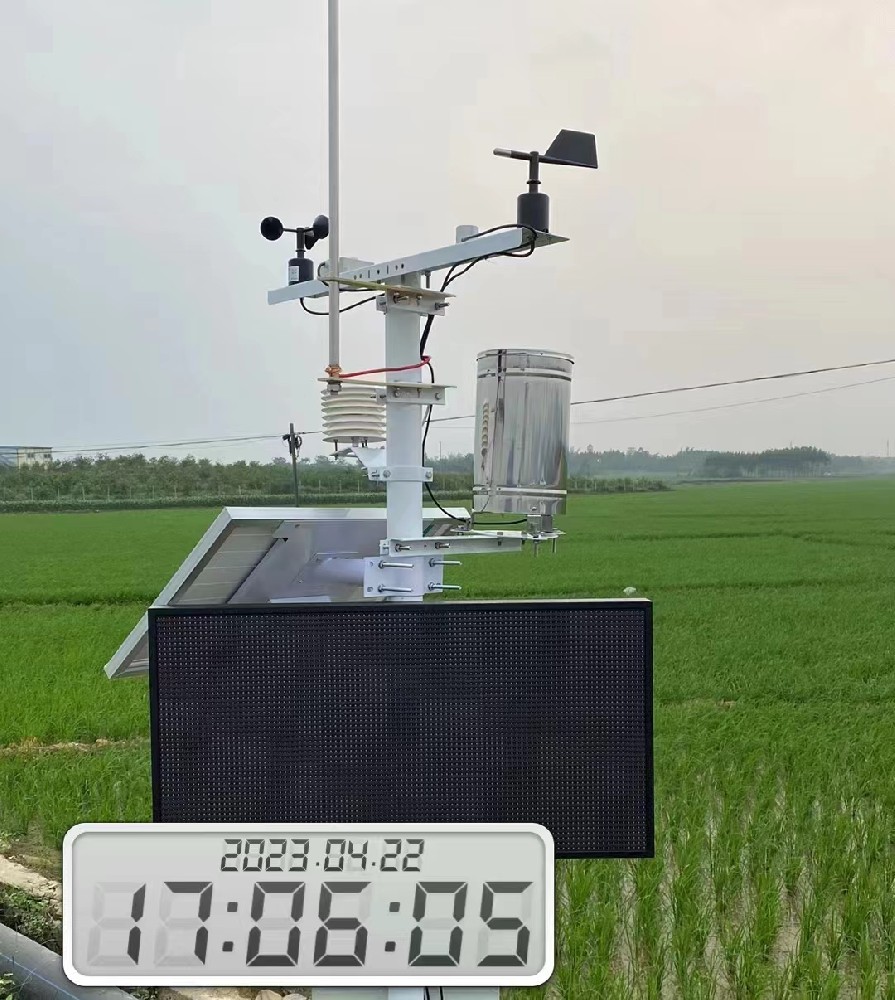
Send NiuBoL the site conditions, parameter list, required ranges and accuracy, existing receiver, installation constraints and required documentation. State the quantity and project schedule, but request current availability and delivery terms rather than assuming a fixed lead time.
Ask for a clear split between instruments, mounting, power, software and commissioning where useful. No universal station price or percentage saving is justified without that scope. The value of the supplier comparison is identifying a maintainable configuration that meets the required observations, not finding the longest feature list.
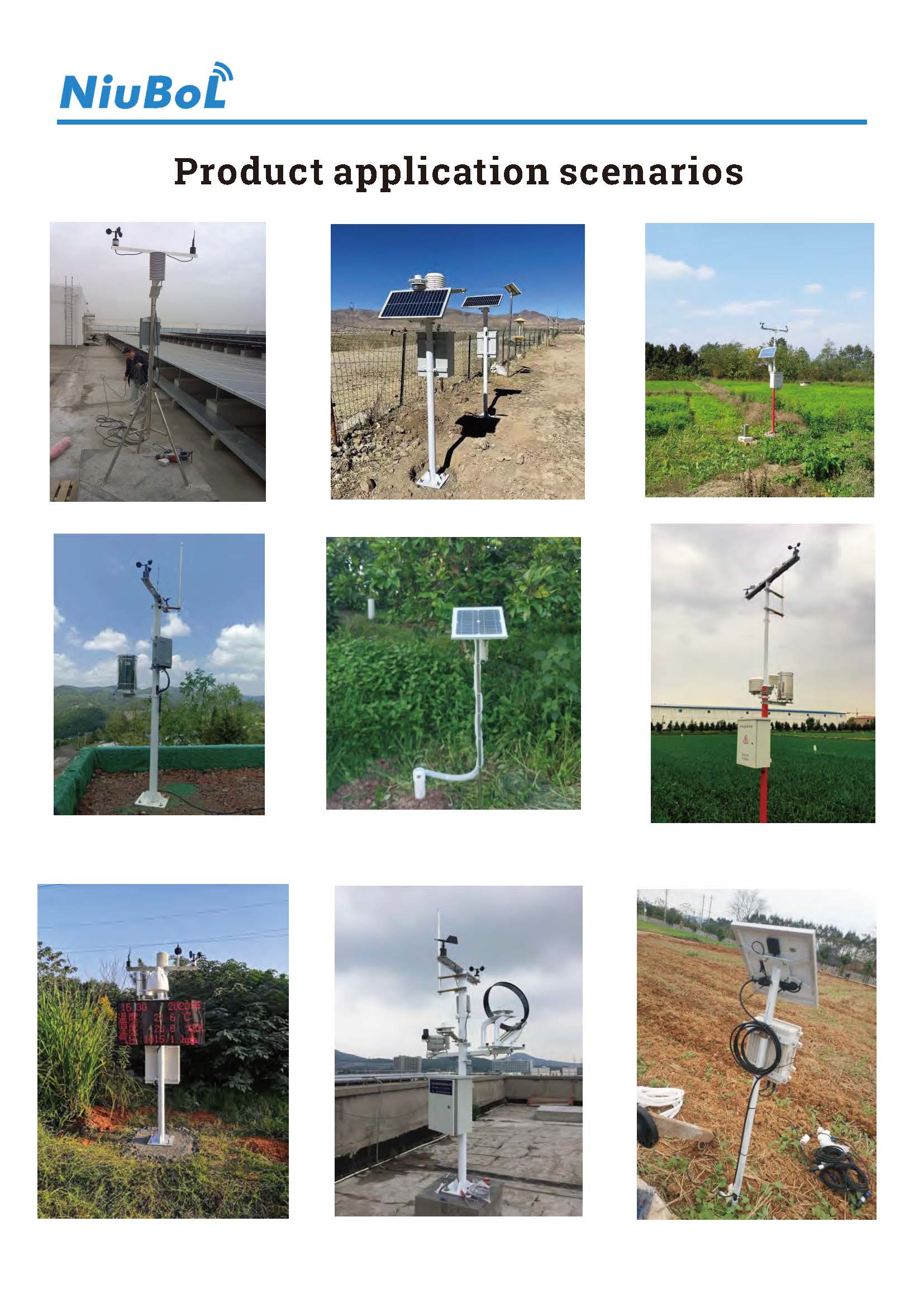
Identify exact sensor and logger models, outputs, cables, mounting and power components, included software functions and documentation. State installation and integration responsibilities separately.
No. Review the document's scope and relation to the delivered instrument. Where measurement evidence is required, specify the actual quantities, ranges and identification needed for acceptance.
Not reliably. A sensor-only offer and an installed monitoring system have different scope. Compare equivalent equipment, services and recurring costs.
No. Plan cleaning, inspection, reference checks and replaceable parts for the environment. Automation of recording does not automate all physical servicing.
Retain the approved model, output and configuration details, then identify any revisions. Confirm that the production units match the tested measurement and data arrangement.
Evaluate an agricultural weather station supplier through a comparable scope, model-specific evidence and a practical service arrangement. Resolve the important measurement and interface questions before ordering. This gives NiuBoL and the buyer a clear basis for specifying equipment and evaluating the delivered system.
Prev:Agricultural Weather Station Coverage: How Many Acres Can One Point Represent?
Next:Weather Station Expansion: Adding Soil and Crop Sensors
Related recommendations
Sensors & Weather Stations Catalog
 Agriculture Sensors and Weather Stations Catalog-NiuBoL.pdf
Weather Stations Catalog-NiuBoL.pdf
Agriculture Sensors Catalog-NiuBoL.pdf
Water Quality Sensor Catalog-NiuBoL.pdf
Related products
 Combined air temperature and relative humidity sensor
 TDR Soil Moisture & Temperature Sensor for irrigation| RS485 |4-20mA| NBL-S-THR
 Soil pH sensor RS485 soil Testing instrument soil ph meter for agriculture |NBL-S-PH
 Wind Speed sensor Output Modbus/RS485/Analog/0-5V/4-20mA
 0.2mm Tipping Bucket Rain Gauge for Weather & Hydrology | NiuBoL
 Pyranometer Solar Radiation Sensor 4-20mA/RS485


Screenshot, WhatsApp to identify the QR code
WhatsApp number:+8615367865107
(Click on WhatsApp to copy and add friends)

