





— Blogs —
—Products—
 Consumer hotline +8618073152920
WhatsApp:+8615367865107
Address:Room 102, District D, Houhu Industrial Park, Yuelu District, Changsha City, Hunan Province, China
Product knowledge
Time:2026-03-14 10:18:31 Popularity:568
A smart pole weather sensor can support urban environmental services, but a shared pole does not make every reading suitable for every department. A parks team, traffic operator and air-quality project may need different quantities, averaging periods and evidence. Specify the intended use of each measurement before selecting a compact head or promising that one node can replace several specialist instruments.

For a landscaped pedestrian route, air temperature and humidity can describe conditions at the monitored location. For a municipal operations team, wind can provide local context during outdoor work. For an environmental survey, PM readings can help investigate spatial patterns. These uses share infrastructure, but the resulting data should not be presented as interchangeable measures of comfort, safety or regulatory compliance.
A useful project brief identifies the question, the measured quantity and the decision owner. "Environmental sensing" is too broad: it can mean weather observation, pollutant screening, road visibility or automatic lighting. Those tasks require different sensing methods. Adding labels to a platform does not add the corresponding instruments to a pole.
| Project question | Relevant measurement | What is not established |
|---|---|---|
| How warm and humid is this monitored place? | Air temperature and relative humidity with suitable exposure | Complete pedestrian heat stress or indoor conditions |
| What local wind conditions are observed? | Wind speed and direction | Conditions at every nearby building, bridge or vehicle |
| Are PM concentrations changing at this node? | Selected PM channel with field performance checks | Pollutant source, chemical composition or visibility distance |
| What is the concentration of a particular gas? | A specified gas sensor or analyzer with relevant performance evidence | A gas reading derived from a standard weather head |
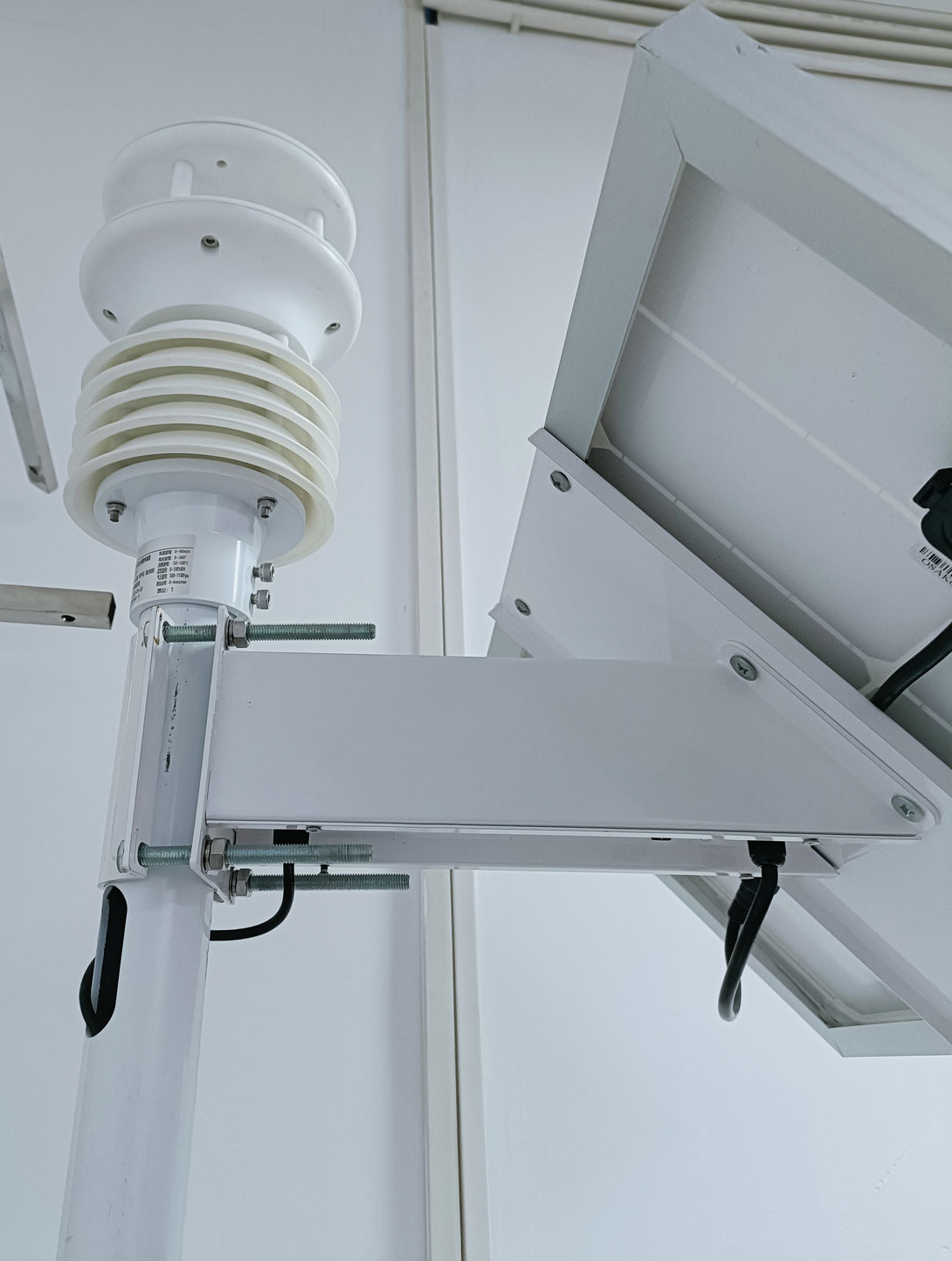
The NiuBoL NBL-W-71GUWS combines wind, temperature, humidity, pressure, rainfall and either solar radiation or illuminance. It is not a standard six-gas analyzer. If a proposal includes CO, SO2, NO2, O3, H2S or VOCs, require a separate model and measurement specification for each proposed gas channel.
A gas option needs more than a range written in ppb. Ask what species is measured, whether other gases affect the response, how temperature and humidity influence it, and what zero/span procedure is required. The maintenance arrangement and replacement element must also be identified. Do not apply one universal accuracy or concentration range to chemically different measurements.
The EPA air-sensor questions and answers explains why selectivity and real-world performance matter. That guidance does not certify a commercial sensor. For a municipal tender, establish the receiving authority's method requirements before treating a supplementary node as an accepted reporting instrument.
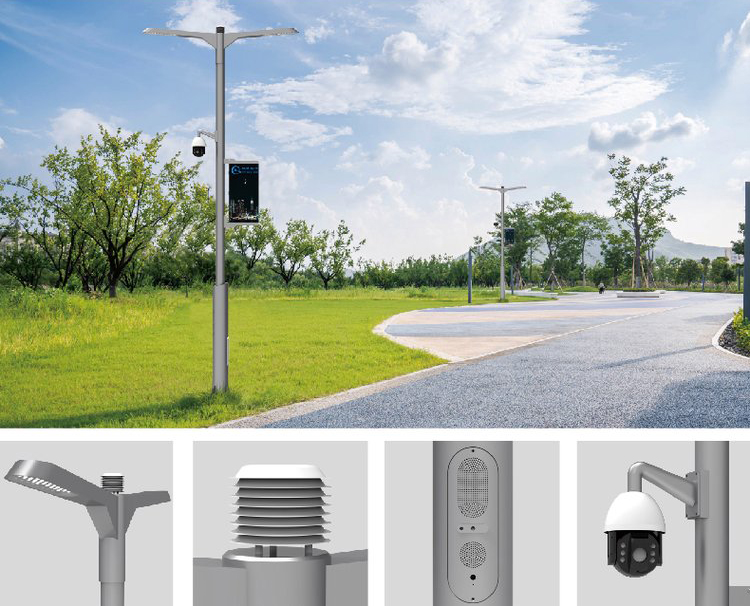
Illuminance in Lux and solar irradiance in W/m² are not two labels for the same output. The standard seven-parameter head offers one or the other. A street-lighting survey may need illuminance at a defined location, whereas a solar-energy or surface-heating study may need irradiance. Neither option automatically supplies road visibility, ultraviolet exposure or plant-usable photon flux.
For a lighting-control proposal, check whether the sensor sees artificial light from the luminaire it might control. A measurement on the pole can be affected by that installation. Agree the measurement purpose and the control interface separately; RS485 weather data does not demonstrate a tested automatic dimming function.
| NBL-W-71GUWS item | Specification | Selection consequence |
|---|---|---|
| Wind | 0-60 m/s; accuracy ±0.3 m/s + 3% F.S.; direction 0-359°, ±3° | Evaluate the specified accuracy basis, not resolution alone |
| Temperature and humidity | -40 to 80°C, ±0.5°C; 0-100% RH, ±5% RH | Installation exposure remains part of the observation |
| Pressure | 10-1100 hPa; ±1.5 hPa | Define station pressure versus any calculated display value |
| Rainfall | Piezoelectric impact; 0-8 mm/min; ±10% | A distinct method from ultrasonic wind sensing |
| Seventh parameter | Solar radiation 0-1500 W/m², ±10%; or illuminance 0-200,000 Lux, ±7% | Select one in the standard seven-parameter configuration |
| Interface and power | RS485 Modbus RTU; 9600 bps; average 0.4 W; 9-24 V or 12-24 V version | Order the required voltage version and map its channels |
| Housing and operating conditions | IP65; -40 to 80°C; 0-95% RH | Not a guarantee of ice-free operation or unrestricted cleaning |
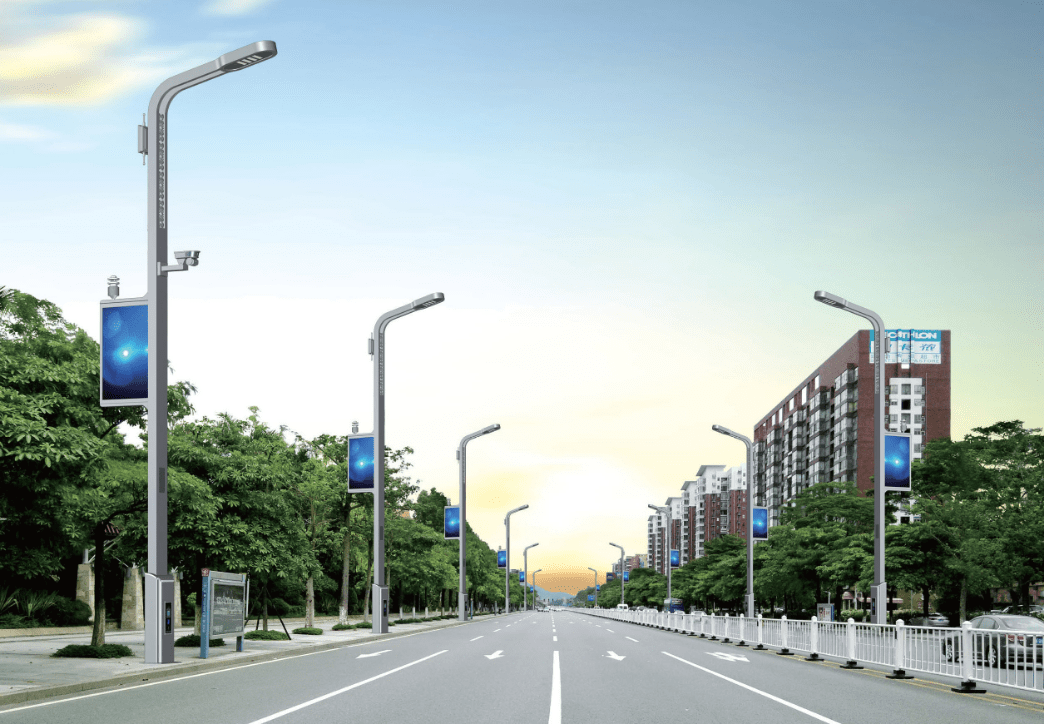
A public display should distinguish measured concentration, calculated index and explanatory message. An AQI-style label requires a defined pollutant, averaging method and index system; it is not a native unit of a PM sensor. A local wind reading should not be labeled as an airport wind observation or as proof that a crane can operate.
For data shared between departments, retain a station description alongside the values: channel, unit, location, height, observation period and quality status. A street-canyon observation can be valuable on its own terms. The error is presenting it as a representative citywide measurement without evidence that the location supports that claim.
Where PM is needed, specify the actual particulate sensor and how it will be sampled. The NiuBoL particulate sensor family includes PM2.5 and PM10 outputs, but those outputs do not identify exhaust, construction dust or smoke by themselves. Confirm the chosen ranges, performance conditions and maintenance access for the air path.
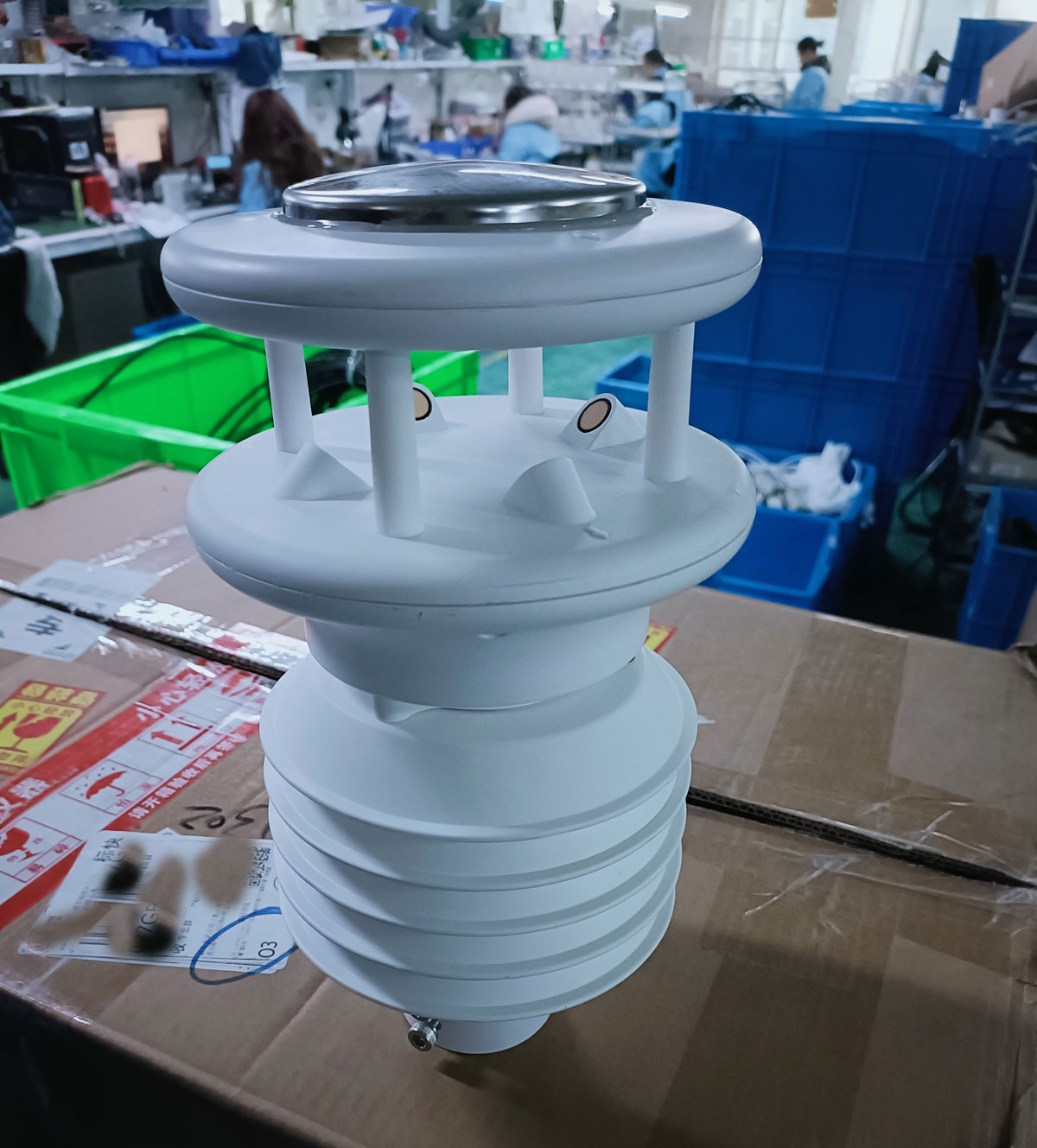
For a pilot, compare the node with an appropriate reference over conditions relevant to the intended deployment. Keep any correction specific to its tested application. A relationship obtained at one site or season should not silently be applied to every pole, particularly when the pollutant mix or humidity changes. Define who reviews questionable records before they reach a public display.
Demonstrate the selected measurements on the receiving system, including units and observation periods. Then disconnect one channel or use a clearly marked test input. The public display and departmental export should both show that the measurement is unavailable, rather than retain a plausible number without warning.
For the quotation, send NiuBoL the list of services and quantities each service requires. Separate the compact weather head, supplementary PM or gas equipment, gateway, enclosure and software work. A smart pole weather sensor is a useful component of that arrangement; the gateway and application must still provide the functions the services require.
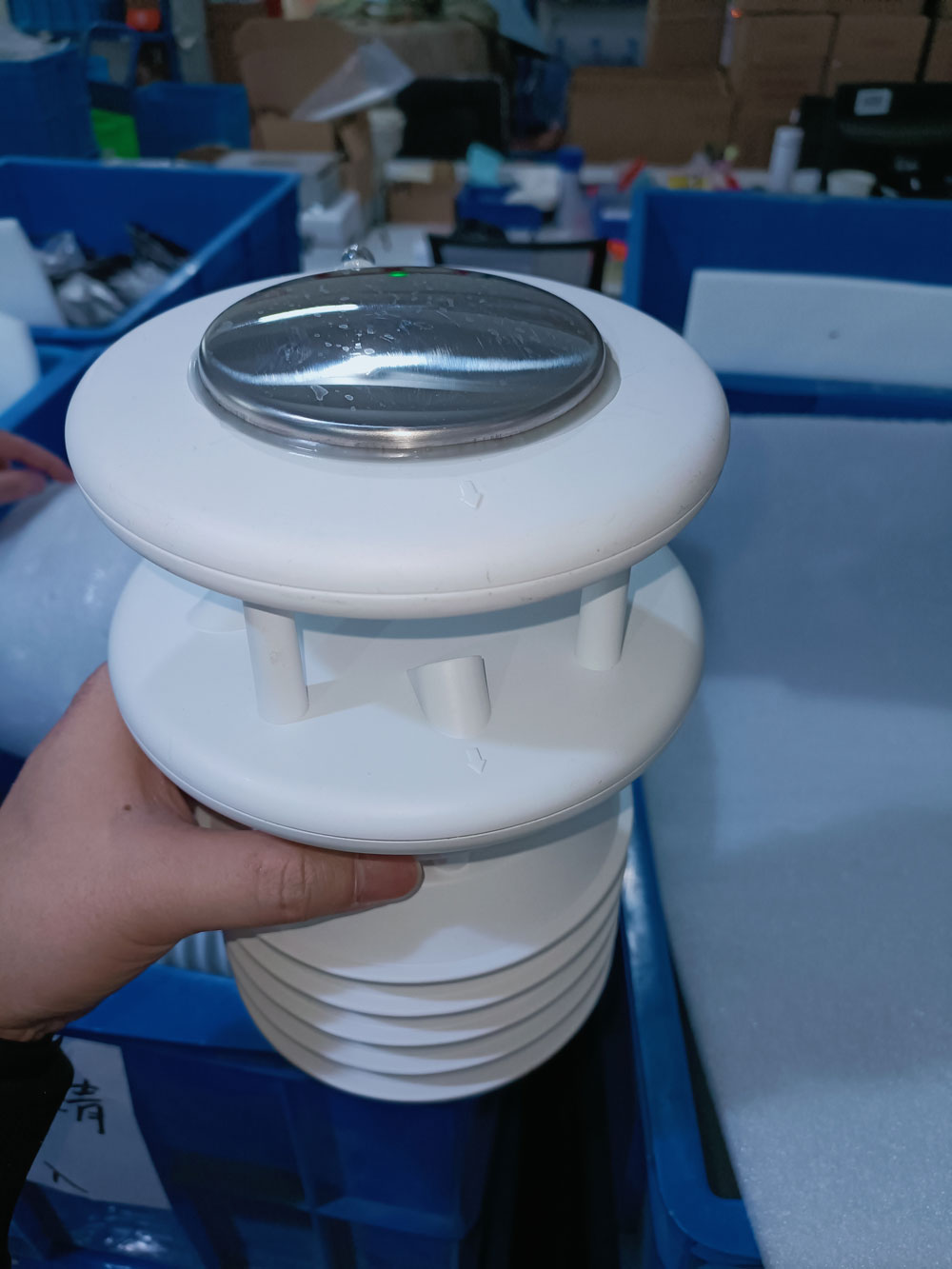
No. The standard NBL-W-71GUWS weather configuration does not establish those gas measurements. Each required gas needs an identified sensing device, suitable range, interference assessment and maintenance procedure.
Order illuminance for a defined visible-light measurement task and irradiance for a solar-energy measurement task. They are alternative channels in the standard seven-parameter configuration and cannot be substituted by changing a display label.
No. A PM concentration is not a direct measurement of optical visibility distance. If a road project needs visibility, specify that quantity and an appropriate instrument rather than estimating it from an unspecified PM relationship.
It establishes a local communications option, not platform acceptance. Demonstrate register mapping through the selected gateway and check the destination's units, periods, quality flags and data contract.
Only where the responsible authority accepts the complete measurement method and supporting evidence. A functioning supplementary sensor, an IP rating or a successful data upload does not establish that acceptance.
Use representative proposed locations, realistic environmental conditions and the actual receiving services. Check measurement suitability and data interpretation as well as connectivity. Resolve a misleading public label or unsupported channel before copying the configuration across the network.
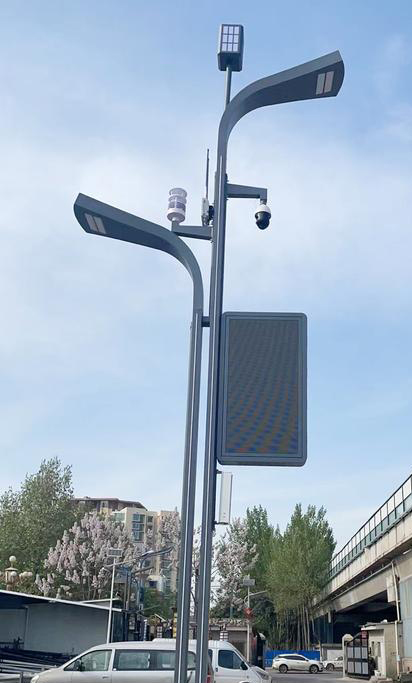
A smart pole weather sensor should be selected around the urban questions it can answer. Keep weather, particulate monitoring, gas analysis and derived public indices distinct. NiuBoL compact weather heads can provide the atmospheric measurements; define any additional instruments and service-specific validation before scaling the project.
Prev:Radar Water Level and Rainfall Monitoring: Define What Flood Data Can Establish
Next:Construction Dust Monitoring Plan: Follow Activities and Background Conditions
Related recommendations
Sensors & Weather Stations Catalog
 Agriculture Sensors and Weather Stations Catalog-NiuBoL.pdf
Weather Stations Catalog-NiuBoL.pdf
Agriculture Sensors Catalog-NiuBoL.pdf
Water Quality Sensor Catalog-NiuBoL.pdf
Related products
 Combined air temperature and relative humidity sensor
 TDR Soil Moisture & Temperature Sensor for irrigation| RS485 |4-20mA| NBL-S-THR
 Soil pH sensor RS485 soil Testing instrument soil ph meter for agriculture |NBL-S-PH
 Wind Speed sensor Output Modbus/RS485/Analog/0-5V/4-20mA
 Tipping bucket rain gauge for weather monitoring auto rainfall sensor RS485/Outdoor/stainless steel
 Pyranometer Solar Radiation Sensor 4-20mA/RS485


Screenshot, WhatsApp to identify the QR code
WhatsApp number:+8615367865107
(Click on WhatsApp to copy and add friends)

