





— Blogs —
—Products—
 Consumer hotline +8618073152920
 WhatsApp:+8615367865107
Address:Room 102, District D, Houhu Industrial Park, Yuelu District, Changsha City, Hunan Province, China
Product knowledge
Time:2025-10-08 12:06:43 Popularity:1189
Water quality monitoring equipment plays a critical role in maintaining the balance between human activities and natural ecosystems. Whether it’s industrial wastewater treatment, agricultural irrigation, or environmental protection, accurate monitoring ensures compliance, efficiency, and sustainability. Modern systems go far beyond simple sampling — they provide real-time, continuous data for early detection of contamination and optimization of water management processes.
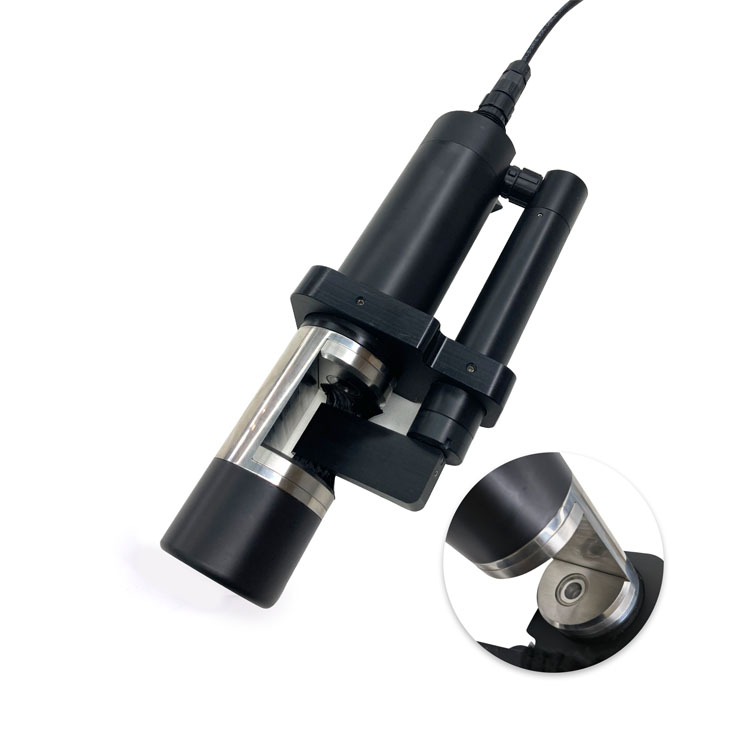
A standard water quality monitoring system is typically composed of the following modules:
Sensor Suite (pH, DO, EC, Turbidity, Temperature)
Each parameter helps assess a specific aspect of water quality:
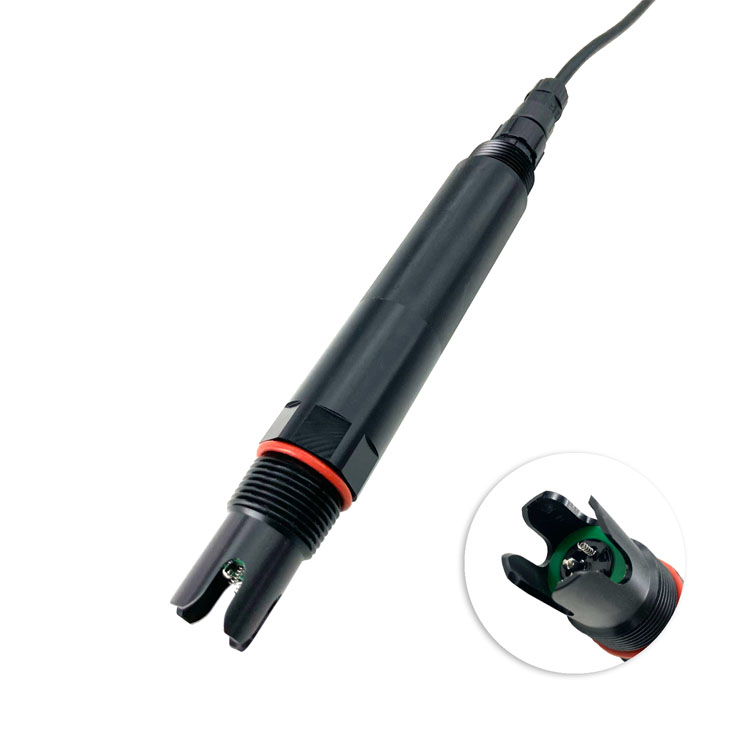
pH: Indicates acidity or alkalinity, critical for wastewater neutralization.
Dissolved Oxygen (DO): Key for aquatic life and biological treatment efficiency.
Electrical Conductivity (EC): Reflects total dissolved solids and salinity.
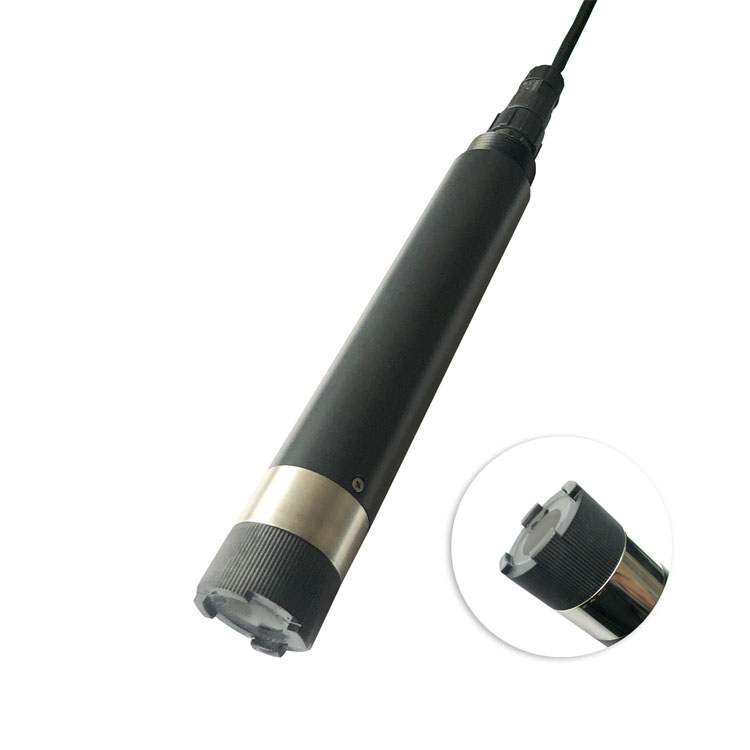
Turbidity: Shows the amount of suspended particles and sediment load.
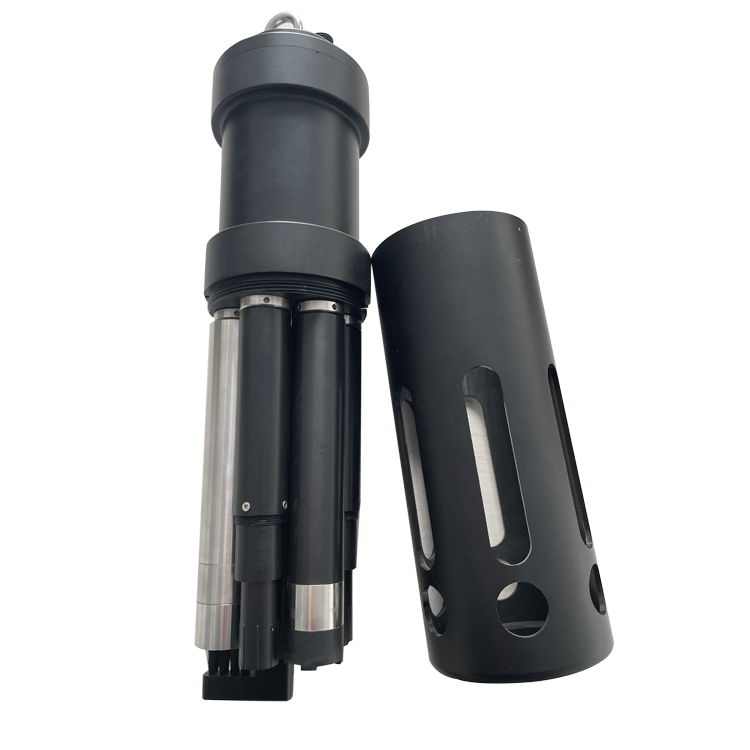
The logger records sensor data at defined intervals. Solar or battery-powered units allow remote operation even in off-grid environments.
Telemetry or Cloud Module
Real-time transmission via GPRS, 4G, or LoRa enables online data access and automatic alerts.
Regular calibration ensures long-term accuracy. Many systems now support auto-calibration or self-cleaning probes to reduce maintenance workload.
Unlike traditional systems that rely on manual sampling, advanced water quality monitoring equipment integrates IoT technology.
Cloud dashboards visualize trends in pH, EC, or DO levels.
Automatic alarms trigger when readings exceed thresholds.
AI-based analysis identifies abnormal changes or equipment drift.
In 2024, a reservoir project in Indonesia adopted NiuBoL modular monitoring system. Using real-time turbidity and DO sensors linked via LoRa communication, the local team reduced pollution response time by 60% and maintained turbidity below 5 NTU during rainy seasons.
Rivers and Lakes: Continuous monitoring detects contamination trends and helps government agencies maintain ecological standards.
Industrial Wastewater: pH and turbidity monitoring prevent non-compliant discharge.
Agriculture: Nutrient balance monitoring optimizes irrigation water quality.
Aquaculture: Real-time oxygen and temperature data ensure healthy pond environments.
| Criteria | Recommendation |
| Parameters to Monitor | Choose probes for pH, EC, DO, Turbidity, and Temp as needed |
| Installation Site | Surface or submersible type depending on environment |
| Power Supply | AC, battery, or solar based on project location |
| Data Transmission | RS485 (short range), GPRS/4G (wide range), LoRa (low power IoT) |
| Maintenance | RS485 (short range), GPRS/4G (wide range), LoRa (low power IoT) |
Also consider data compatibility — many clients integrate NiuBoL systems with SCADA, PLC, or cloud-based dashboards for unified control.
AI-Powered Predictive Maintenance — Systems can predict when a probe will need calibration or replacement.
Compact Modular Designs — Easier to transport and deploy in remote areas.
Cloud Integration — Centralized management for multi-site water monitoring networks.
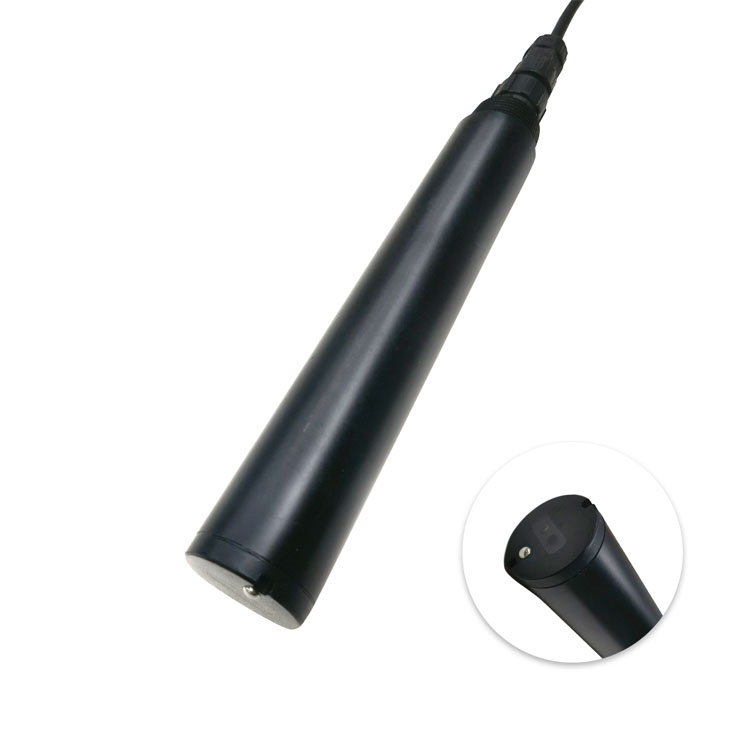
Reliable, precise, and intelligent water quality monitoring equipment is essential for modern environmental and industrial management. It helps reduce risks, lower operational costs, and ensure compliance with environmental regulations.
NiuBoL provides full-scale water quality monitoring systems — from sensors and data loggers to IoT cloud platforms — tailored for agriculture, industry, and government projects. Contact our team to design your customized monitoring solution today.
Prev:How Water Quality Sensors Improve Industrial and Agricultural Water Management
Next:Industrial Liquid Sensors: Detection, Level, and Flow Measurement Solutions
Related recommendations
Sensors & Weather Stations Catalog
 Agriculture Sensors and Weather Stations Catalog-NiuBoL.pdf
Weather Stations Catalog-NiuBoL.pdf
Agriculture Sensors Catalog-NiuBoL.pdf
Water Quality Sensor Catalog-NiuBoL.pdf
Related products
 Combined air temperature and relative humidity sensor
 TDR Soil Moisture & Temperature Sensor for irrigation| RS485 |4-20mA| NBL-S-THR
 Soil pH sensor RS485 soil Testing instrument soil ph meter for agriculture |NBL-S-PH
 Wind Speed sensor Output Modbus/RS485/Analog/0-5V/4-20mA
 Tipping bucket rain gauge for weather monitoring auto rainfall sensor RS485/Outdoor/stainless steel
 Pyranometer Solar Radiation Sensor 4-20mA/RS485

Screenshot, WhatsApp to identify the QR code
WhatsApp number:+8615367865107
(Click on WhatsApp to copy and add friends)

