





— Blogs —
—Products—
 Consumer hotline +8618073152920
 WhatsApp:+8615367865107
Address:Room 102, District D, Houhu Industrial Park, Yuelu District, Changsha City, Hunan Province, China
Product knowledge
Time:2026-05-02 11:34:37 Popularity:395
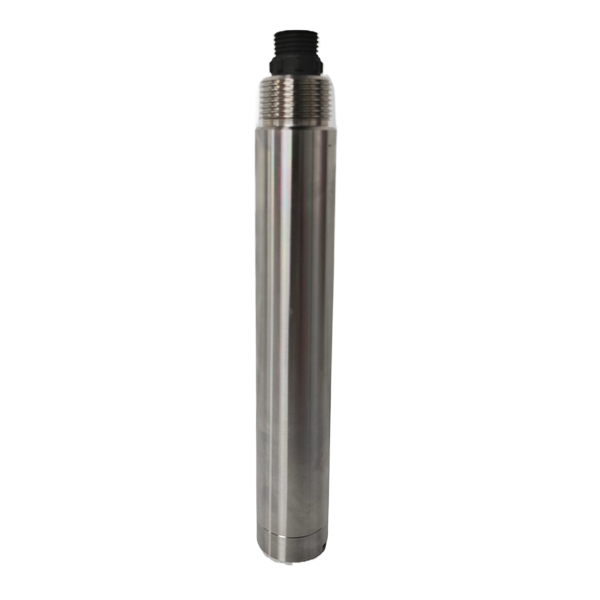
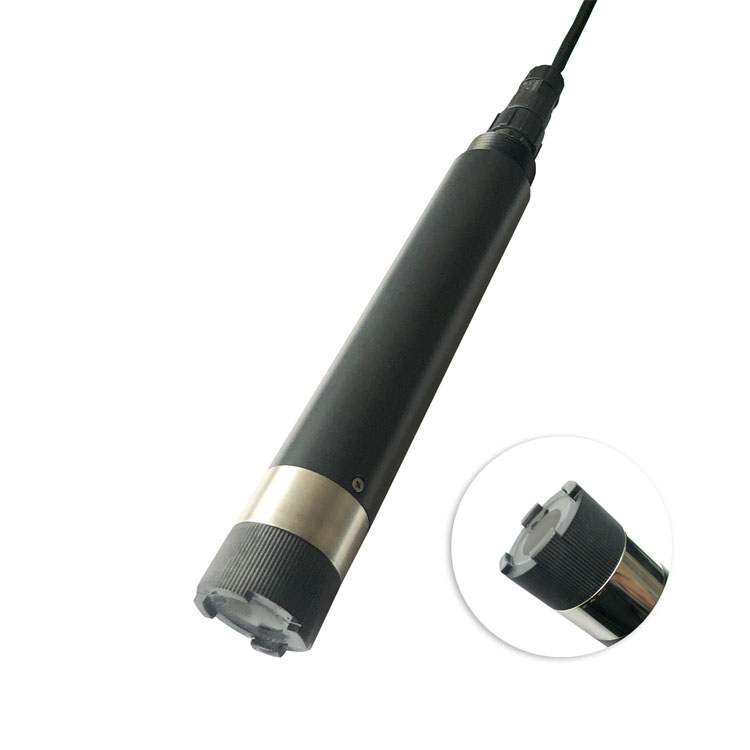
In water environment monitoring projects, total phosphorus, as a key nutrient indicator, directly affects eutrophication assessment and ecological disaster early warning. The NiuBoL NBL-TP-300 in-situ total phosphorus analyzer is based on the ammonium molybdate spectrophotometric method. After optimized design, it is suitable for continuous online monitoring in complex water environments such as surface water, coastal waters, and estuaries. The instrument adopts submersible installation, IP68 protection level, and supports RS-485 Modbus RTU protocol output, making it easy to seamlessly integrate with existing SCADA systems, PLC controllers, or IoT platforms, providing stable data support for system integrators, IoT solution providers, and engineering companies.
The NBL-TP-300 is small in size and low in power consumption (<30W@24V DC). It can be flexibly integrated into buoy platforms, multi-parameter water quality monitoring stations, shipborne systems, or shore-based deployment scenarios, enabling unattended long-term operation. Its core advantage lies in direct digestion and measurement on site, reducing sample transmission delay and secondary pollution risks, and meeting the needs of water quality surveys, pollution traceability, and red tide/green tide early warning projects.
Sewage total phosphorus detection is easily affected by water sample concentration, turbidity, and interfering substances. In actual engineering applications, it is recommended to handle according to the total phosphorus concentration of the water sample:
When the total phosphorus concentration does not exceed 0.5 mg/L, 8 ml of water sample can be taken directly and tested according to the instrument operating procedures.
When the total phosphorus concentration exceeds 0.5 mg/L, dilution treatment is required first, and then measurement is performed according to standard steps. The dilution factor can be selected as five times, ten times, twenty times, fifty times, or one hundred times according to the actual concentration.
Dilution operation examples (laboratory or pretreatment reference):
Five-fold dilution: Take 20 ml of sewage water sample, make up to 100 ml volumetric flask, add distilled water to the mark, and mix thoroughly.
Ten-fold dilution: Take 10 ml of sewage water sample, make up to 100 ml volumetric flask, add distilled water to the mark, and mix thoroughly.
During the detection process, if the water sample contains interfering substances such as arsenic, chromium, or sulfur, or turbidity occurs under acidic conditions, priority should be given to reducing the interference concentration through dilution until the solution is clear after digestion, and then measurement is performed. When adding potassium persulfate reagent for digestion, it is recommended to first verify the turbidity under different dilution factors in small batches, select the multiple that does not produce turbidity, and continue heating for digestion to ensure stable and reliable data output.
These pretreatment experiences can help integrators design pretreatment units or automatic dilution modules on project sites to improve the overall anti-interference capability of the system.
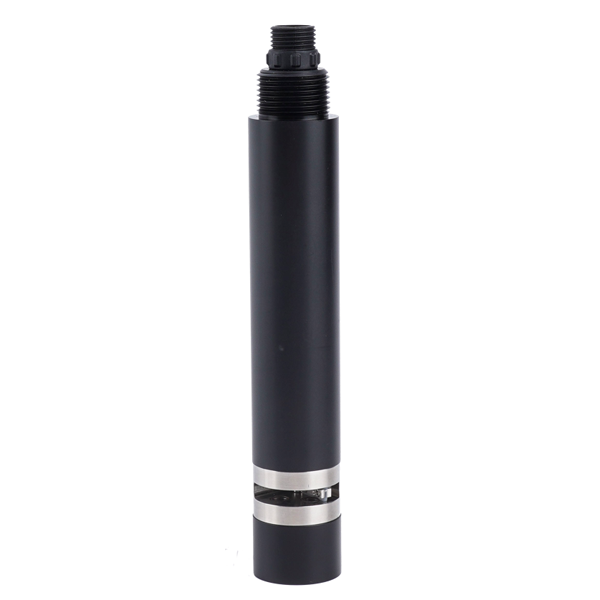
The NBL-TP-300 adopts an improved ammonium molybdate spectrophotometric method. The water sample reacts with potassium persulfate in the digestion cell at 120~124 ℃, converting all forms of phosphorus compounds (orthophosphate, polyphosphate, organic phosphorus, etc.) in the water into orthophosphate. Orthophosphate reacts with ammonium molybdate under antimony salt catalysis to form phosphomolybdic heteropoly acid, which is then reduced by ascorbic acid to a blue complex. The absorbance value is measured by spectrophotometry and converted to obtain the total phosphorus concentration.
This principle achieves efficient digestion and color development in the in-situ environment, reducing sample transportation and storage errors of traditional laboratory methods, and is particularly suitable for monitoring projects that require high-frequency continuous data.
| Parameter | Specification Details |
|---|---|
| Model | NBL-TP-300 |
| Shell Material | PVC |
| Measurement Principle | Ammonium molybdate spectrophotometric method |
| Range & Resolution | 0~2.000 mg/L (resolution 0.001 mg/L) 0~10.000 mg/L (resolution 0.005 mg/L) |
| Accuracy | Within 0~2.000 mg/L: 0~0.100 mg/L ±0.010 mg/L; 0.100~2.000 mg/L ±10% or ±0.050 mg/L (whichever is larger) Within 0~10.000 mg/L: 0~1.000 mg/L ±0.100 mg/L; 1.000~10.000 mg/L ±10% |
| Minimum Detection Limit | 0.01 mg/L |
| Calibration Method | Two-point calibration |
| Cleaning Method | No manual cleaning required (in-situ design) |
| Output Method | RS-485 (Modbus RTU) |
| Storage Temperature | -5~65℃ |
| Operating Conditions | 0~50℃, <0.1 MPa |
| Installation Method | Submersible installation |
| Power Consumption | <30W@24V |
| Power Supply | 24V DC/3A |
| Protection Level | IP68 |
| Cable Length | 5 meters (customizable) |
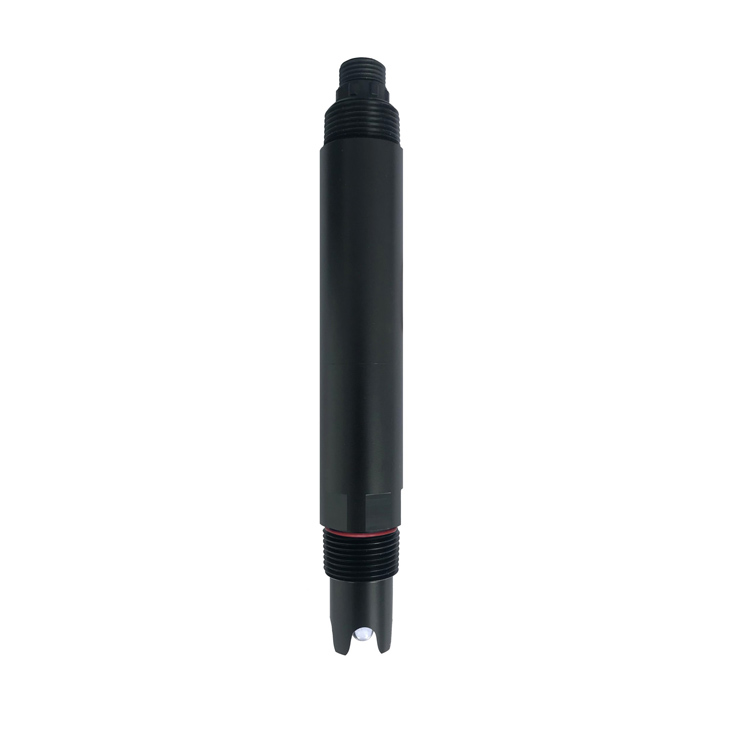
The NBL-TP-300 total phosphorus analyzer is widely used in the following engineering scenarios:
Surface water environment monitoring: Deployed at river and lake assessment sections, forming multi-parameter monitoring stations with other sensors (such as ammonia nitrogen, COD, chlorophyll) to achieve automatic water quality evaluation and early warning.
Coastal waters and estuary monitoring: Provide continuous total phosphorus data for areas with frequent red tides and green tides, supporting early warning models for ecological disasters.
Industrial parks and sewage treatment plant effluent monitoring: Integrated into shore-based or pipeline bypass systems to assist compliance discharge supervision and process optimization.
Buoy and mobile monitoring platforms: Its low power consumption characteristics make it suitable for solar-powered unmanned buoys or shipborne systems, facilitating large-scale water area.
In terms of system integration, the RS-485 Modbus RTU protocol of the NBL-TP-300 can be directly connected to mainstream data collectors (such as DTU, PLC or edge gateways), supporting remote parameter configuration and data upload to cloud platforms. Engineering companies can design automatic pretreatment units (dilution, filtration, interference removal modules) according to on-site water quality characteristics to build highly reliable integrated monitoring solutions. In actual projects, the instrument has been successfully applied in multiple water environment management projects, providing stable and continuous monitoring data sets to provide reliable basis for decision-making.
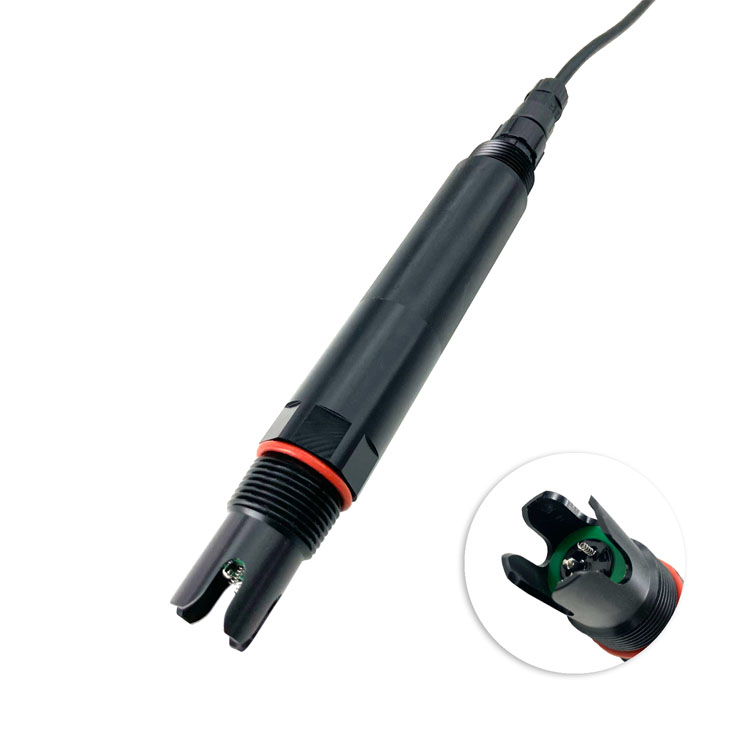
The following selection references are provided for system integrators and project contractors:
Range selection: 0~2.000 mg/L range is recommended for conventional surface water monitoring; 0~10.000 mg/L range can be selected for high-concentration industrial wastewater or preliminary screening scenarios.
Integration compatibility: Confirm whether the host system supports Modbus RTU protocol. If networking with sensors from other brands is required, standard RS-485 bus is recommended and protocol consistency testing should be performed.
Installation environment: Submersible installation is suitable for water bodies with appropriate depth and stable flow velocity. In harsh working conditions, it is recommended to add protective covers or supporting buoy fixing systems.
Q1: What are the power consumption and power supply requirements?
Power consumption is less than 30W@24V DC, suitable for unattended scenarios powered by solar energy or on-site power supply, reducing overall system energy consumption.
Q2: How to handle when the total phosphorus concentration of the water sample is too high?
When it exceeds 0.5 mg/L, dilution treatment is recommended first. Select five times, ten times, or higher multiples until the solution is clear after digestion, then measure and multiply the result by the dilution factor to obtain the original concentration.
Q3: How does the instrument cope with interfering substances such as arsenic, chromium, and sulfur?
Reducing the interference concentration through appropriate dilution is an effective method. In practical applications, gradient dilution verification steps can be designed in the pretreatment unit to ensure accurate measurement results.
Q4: Is the NBL-TP-300 suitable for coastal waters?
Yes. The instrument is particularly suitable for surface water, coastal waters, and estuary water bodies. It can provide continuous and stable total phosphorus monitoring data and support red tide and green tide early warning.
Q5: What is the calibration frequency and method?
It supports two-point calibration. It is recommended to perform it regularly according to the project operation cycle to maintain measurement accuracy.
Q6: What compatibility issues should be noted during system integration?
Focus on confirming the matching of Modbus address, baud rate and other parameters, and test the data transmission stability with the host computer. Technical support can be provided to assist with joint debugging if necessary.
The NiuBoL NBL-TP-300 in-situ total phosphorus analyzer provides efficient solutions for water environment monitoring system integration projects with professional and reliable performance. Its low power consumption, IP68 protection, and standard communication interface characteristics make it easy to integrate into various monitoring platforms. At the same time, through reasonable dilution and interference control measures, it ensures the stability and accuracy of data output in complex water environments.
For system integrators, IoT solution providers, and engineering companies, choosing the NBL-TP-300 means obtaining a monitoring component that balances technical performance and engineering practicality, helping to improve project delivery quality and long-term operation and maintenance efficiency. If you need detailed technical docking, integration solution design, or project case discussion, please feel free to contact the NiuBoL team to jointly promote the technical application in the field of water environment monitoring.
 NBL-WQ-CL Water Quality Sensor Online Residual Chlorine Sensor.pdf
NBL-WQ-DO Online Fluorescence Dissolved Oxygen Sensor.pdf
NBL-WQ-NHN Ammonia Nitrogen Water Quality Sensor.pdf
NBL-WQ-COD Online Water Quality COD Sensor.pdf
NBL-WQ-PH Online pH Water Quality Sensor.pdf
Related recommendations
Sensors & Weather Stations Catalog
Agriculture Sensors and Weather Stations Catalog-NiuBoL.pdf
Weather Stations Catalog-NiuBoL.pdf
Agriculture Sensors Catalog-NiuBoL.pdf
Water Quality Sensor Catalog-NiuBoL.pdf
Related products
 Combined air temperature and relative humidity sensor
 TDR Soil Moisture & Temperature Sensor for irrigation| RS485 |4-20mA| NBL-S-THR
 Soil pH sensor RS485 soil Testing instrument soil ph meter for agriculture |NBL-S-PH
 Wind Speed sensor Output Modbus/RS485/Analog/0-5V/4-20mA
 Tipping bucket rain gauge for weather monitoring auto rainfall sensor RS485/Outdoor/stainless steel
 Pyranometer Solar Radiation Sensor 4-20mA/RS485

Screenshot, WhatsApp to identify the QR code
WhatsApp number:+8615367865107
(Click on WhatsApp to copy and add friends)

