





— Blogs —
—Products—
 Consumer hotline +8618073152920
 WhatsApp:+8615367865107
Address:Room 102, District D, Houhu Industrial Park, Yuelu District, Changsha City, Hunan Province, China
Product knowledge
Time:2026-05-02 11:04:16 Popularity:301
Against the macro background of global ecological civilization development and sustainable strategies, surface water environmental governance has evolved from simple “end-of-pipe treatment” to a systematic approach of “source precision control + real-time process monitoring + ecological collaborative restoration.” As the core carrier of ecological cycles, surface water bodies have complex pollution mechanisms and high governance difficulty. For environmental engineering contractors and system integrators, mastering pollution principles and deploying highly reliable online monitoring solutions are key to improving project delivery quality and regulatory efficiency.
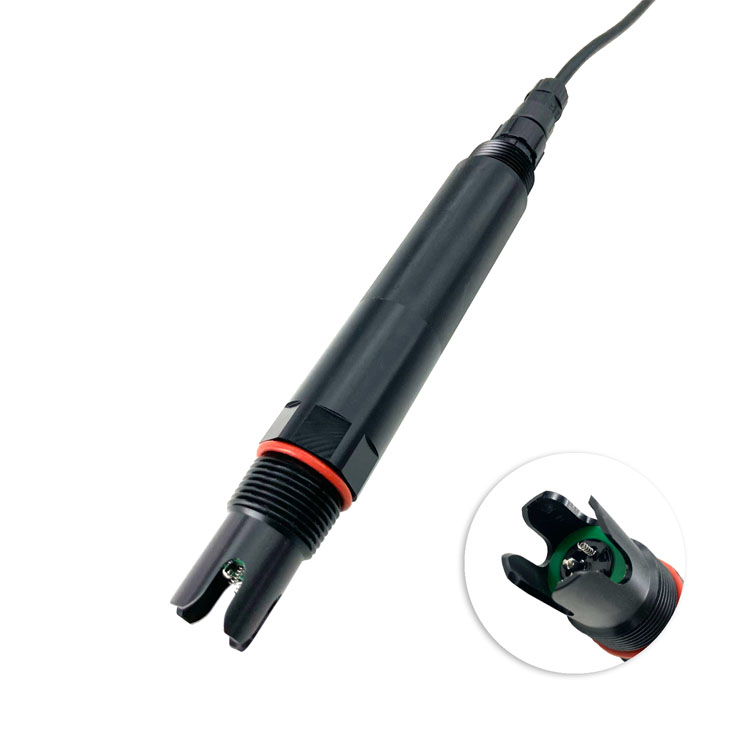
The deterioration of surface water environments is usually the result of the interaction between point source pollution and non-point source pollution. Understanding the underlying pollution logic is the prerequisite for formulating governance strategies.
1. High-load point source discharge: Heavy metals, organic pollutants (COD/BOD), and high-salinity wastewater generated in industrial production, if discharged directly into surface water without advanced treatment, will rapidly disrupt the chemical balance of the water body.
2. Pressure from municipal domestic sewage: With the acceleration of urbanization, nitrogen and phosphorus (TP/TN) concentrations in domestic sewage increase significantly. In areas lacking adequate infrastructure, the influx of these nutrients is the primary cause of eutrophication.
Surface water has a certain biochemical degradation capacity. However, when pollutant loads exceed the ecological carrying capacity, dissolved oxygen (DO) is depleted, and anaerobic microorganisms replace aerobic ones, leading to black and odorous water conditions. In such cases, the ecological feedback regulation fails, and external engineering intervention becomes necessary for restoration.
Effective governance begins with accurate diagnosis. A hallmark of modern surface water management is the establishment of an online monitoring network covering the entire watershed.
NiuBoL has developed a range of water quality monitoring modules based on digital sensor technology for surface water applications, providing low-power, high-stability data support for system integrators.
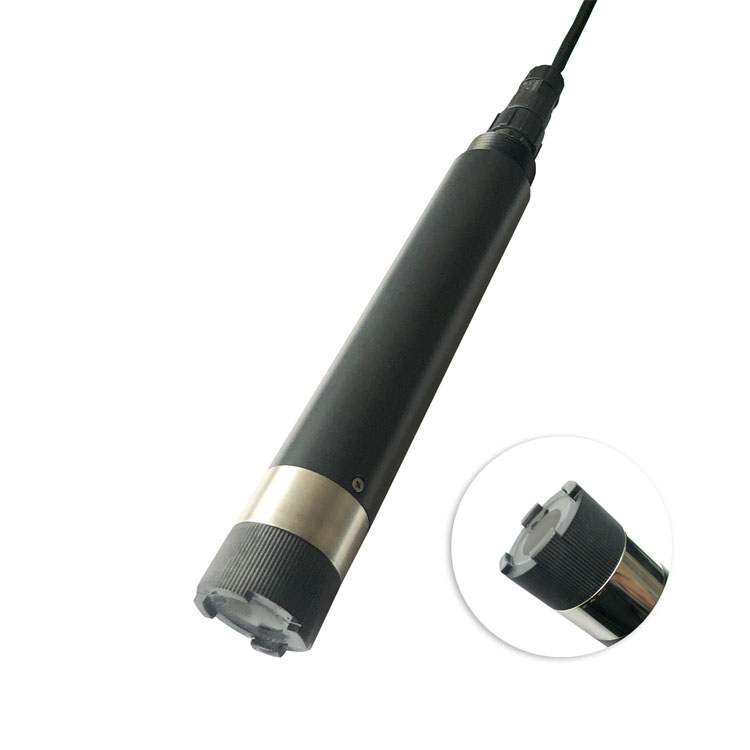
In surface water governance projects, the following parameters are key indicators for evaluating treatment effectiveness:
| Monitoring Parameter | Measurement Principle | Application Value |
|---|---|---|
| Dissolved Oxygen (DO) | Optical (Fluorescence) | Evaluate self-purification capacity and ecological activity, determine black-odor level |
| Turbidity | 90° scattered light method | Monitor sediment content, suspended solids concentration, and transparency |
| Conductivity (EC) | Electrode method | Monitor salinity and detect illegal industrial discharge |
| pH | Electrode method | Monitor acidity/alkalinity changes and chemical pollution risks |
| Ammonia Nitrogen (NH4-N) | Ion-selective electrode (ISE) | Assess domestic sewage impact and eutrophication risk |
| Feature | Technical Specification | Advantages |
|---|---|---|
| Communication interface | RS-485 | Supports long-distance transmission and resists electromagnetic interference |
| Communication protocol | Modbus RTU | Highly standardized, seamlessly integrates with DTU, PLC, and control systems |
| Protection level | IP68 | Suitable for long-term submersible installation in harsh environments |
| Power supply | 12–24V DC | Low power consumption, compatible with solar + battery systems |
| Maintenance design | Digital transmitter | Plug-and-play, calibration parameters stored in probe |
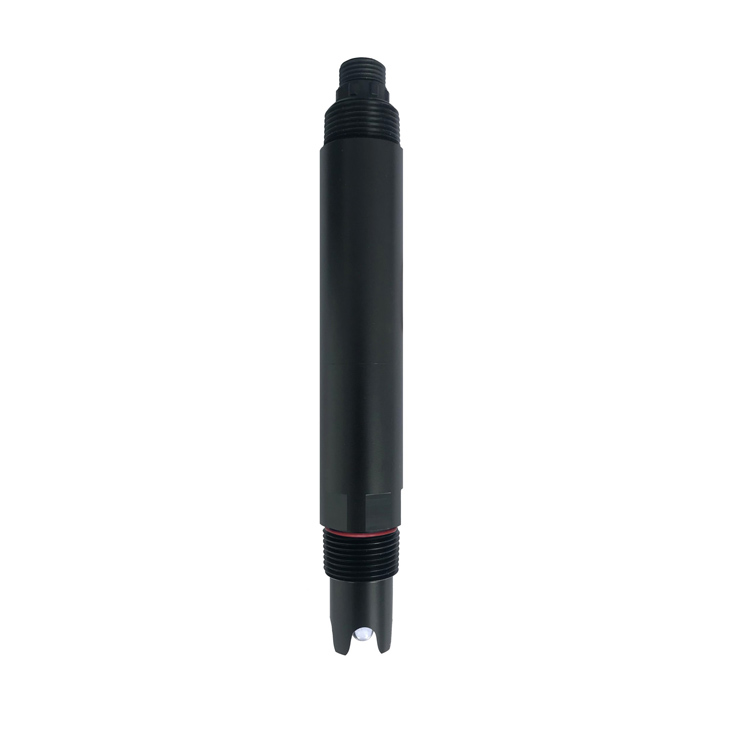
At the initial stage, sewage interception and diversion must be improved through engineering means. In remote areas or industrial zones, deploy distributed wastewater treatment units. NiuBoL monitoring nodes can be installed at influent and effluent points to evaluate treatment efficiency and enable automated pump scheduling through data linkage.
Internal pollution dredging: Remove river sediments to reduce internal release of organic matter and phosphorus.
Biomanipulation: Utilize aquatic organisms and plants (e.g., reeds, water lilies) to absorb residual nutrients and build artificial wetlands.
Chemical and biological enhancement: Apply eco-friendly oxygen agents (e.g., calcium peroxide) combined with microbial strains to improve dissolved oxygen levels and accelerate restoration.
The root of governance lies in emission control. Governments should establish big data-based discharge monitoring systems. By installing high-precision NiuBoL monitoring terminals at discharge outlets, real-time data upload and alarm mechanisms can drive enterprises to adopt greener production processes.
For contractors, the following factors should be considered when selecting monitoring systems:
1. Lifecycle cost: Prefer low-maintenance technologies such as optical DO sensors.
2. Compatibility and scalability: Ensure RS-485 interface for easy expansion.
3. Environmental adaptability: Use corrosion-resistant materials and ensure temperature compensation.
Q1: Why use RS-485 instead of analog signals?
Analog signals are prone to interference over long distances. RS-485 offers strong anti-interference and supports multiple devices on one bus.
Q2: Why is optical DO better than membrane type?
Optical sensors do not consume oxygen, work in low-flow conditions, and require minimal maintenance.
Q3: How to prevent biofouling?
Use probes with automatic cleaning or perform periodic maintenance. Digital sensors can trigger cleaning automatically.
Q4: How to operate in off-grid environments?
Use solar power systems with 4G RTU modules for unattended monitoring.
Q5: Key indicators of eutrophication?
Ammonia nitrogen, total phosphorus, and dissolved oxygen correlation analysis.
Q6: Can data connect to government platforms?
Yes, via MQTT or HTTP protocols through DTU or gateways.
Q7: Where to install monitoring points?
Downstream of discharge outlets, bends, and treatment unit outlets.
Q8: Do sensors support remote calibration?
Some models support it, but physical calibration is recommended periodically.
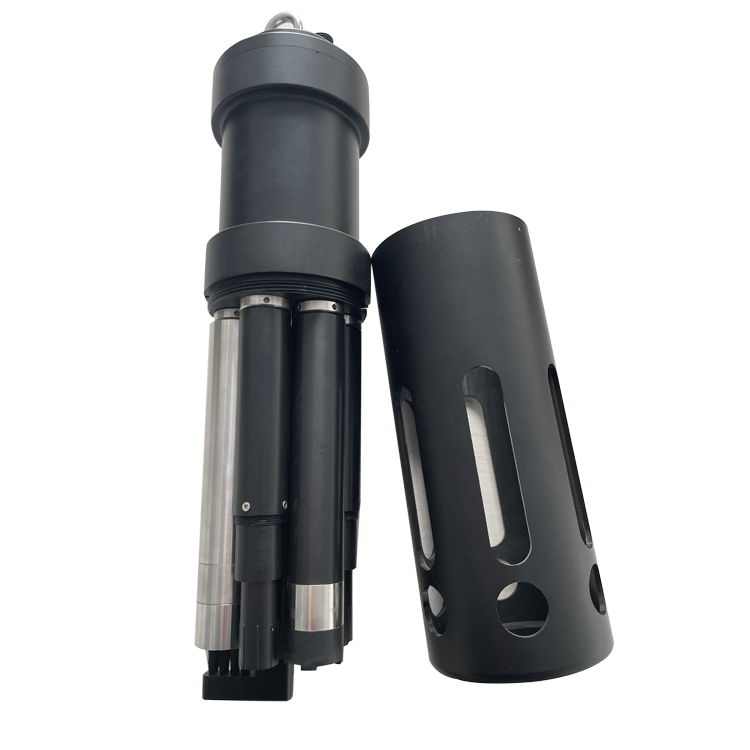
Surface water governance is a long-term and complex task. From infrastructure improvement to industrial optimization, every step relies on accurate data. NiuBoL provides reliable digital sensing hardware to help build a smart water ecosystem with precise monitoring and timely response, supporting sustainable ecological development.
 NBL-WQ-CL Water Quality Sensor Online Residual Chlorine Sensor.pdf
NBL-WQ-DO Online Fluorescence Dissolved Oxygen Sensor.pdf
NBL-WQ-NHN Ammonia Nitrogen Water Quality Sensor.pdf
NBL-WQ-COD Online Water Quality COD Sensor.pdf
NBL-WQ-PH Online pH Water Quality Sensor.pdf
Related recommendations
Sensors & Weather Stations Catalog
Agriculture Sensors and Weather Stations Catalog-NiuBoL.pdf
Weather Stations Catalog-NiuBoL.pdf
Agriculture Sensors Catalog-NiuBoL.pdf
Water Quality Sensor Catalog-NiuBoL.pdf
Related products
 Combined air temperature and relative humidity sensor
 Soil Moisture Temperature sensor for irrigation|NBL-S-THR
 Soil pH sensor RS485 soil Testing instrument soil ph meter for agriculture |NBL-S-PH
 Wind Speed sensor Output Modbus/RS485/Analog/0-5V/4-20mA
 Tipping bucket rain gauge for weather monitoring auto rainfall sensor RS485/Outdoor/stainless steel
 Pyranometer Solar Radiation Sensor 4-20mA/RS485

Screenshot, WhatsApp to identify the QR code
WhatsApp number:+8615367865107
(Click on WhatsApp to copy and add friends)

