





— Blogs —
—Products—
 Consumer hotline +8618073152920
 WhatsApp:+8615367865107
Address:Room 102, District D, Houhu Industrial Park, Yuelu District, Changsha City, Hunan Province, China
Product knowledge
Time:2026-05-02 11:13:52 Popularity:481
In water treatment engineering design, phosphorus removal strategies must be configured based on its forms. Phosphorus in wastewater does not exist in a free ionic state but is distributed in three chemical forms: organic phosphorus compounds, inorganic phosphorus compounds, and reduced phosphine (PH₃). In engineering applications, the first two categories are the primary focus.
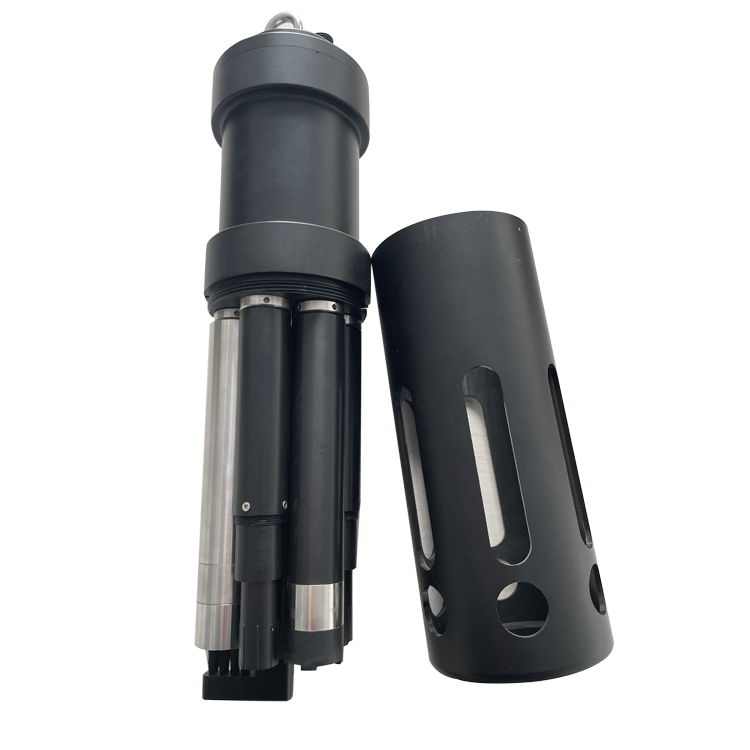
Inorganic phosphorus exists almost entirely in the form of phosphate compounds, including:
| Form Category | Specific Compounds | Engineering Characteristics |
|---|---|---|
| Orthophosphate | PO₄³⁻, HPO₄²⁻, H₂PO₄⁻ | Directly precipitates with metal ions, main target of chemical phosphorus removal |
| Polyphosphate | Pyrophosphate, tripolyphosphate | Can be hydrolyzed into orthophosphate |
| Metaphosphate | (PO₃)ₙⁿ⁻ | Requires acidic hydrolysis before measurement |
The dissociation form of phosphate ions depends on pH: when pH is 2–7, H₂PO₄⁻ dominates; when pH is 7–12, HPO₄²⁻ dominates. This directly affects chemical dosing conditions and precipitation efficiency.
Organic phosphorus mainly originates from organophosphorus pesticides (dimethoate, methyl parathion, malathion, etc.) and biological metabolites. Its engineering characteristics are:
- Solubility: mostly colloidal or particulate, insoluble in water; soluble organic phosphorus accounts for only about 30% of total organic phosphorus
- Removal prerequisite: organic phosphorus must be converted into orthophosphate (PO₄³⁻) before being removed by precipitation or biological uptake
- Engineering implication: if organic phosphorus proportion is high, hydrolysis-acidification or advanced oxidation pretreatment units must be installed
Core logic of total phosphorus monitoring: All phosphorus compounds are first converted into orthophosphate, then measured by the molybdenum-antimony spectrophotometric method. Therefore, online total phosphorus analyzers must be equipped with a high-temperature digestion module.
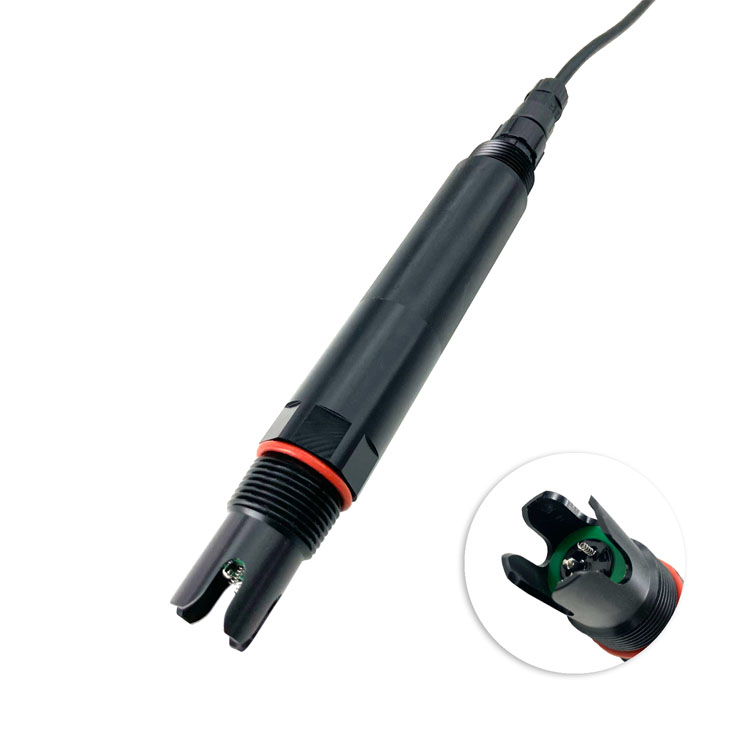
From an engineering perspective, phosphorus sources in wastewater can be classified into three categories:
1. Agricultural sources: fertilizer application and agricultural runoff
2. Domestic sources: phosphorus-containing detergents; domestic sewage TP is typically 10–15 mg/L
3. Industrial sources: chemical, paper, rubber, dyeing, textile, printing and dyeing, pesticide, coking, petrochemical, fermentation, pharmaceutical, and food industries
Soluble phosphorus in water easily reacts with Ca²⁺, Fe³⁺, and Al³⁺ to form insoluble precipitates (such as AlPO₄ and FePO₄), which settle into sediments. However, this process is reversible: when dissolved phosphorus in sediments is significantly higher than overlying water, or when bottom water is reducing (DO < 0.5 mg/L), phosphorus will be released back into the water column.
| Hazard Type | Engineering Consequences |
|---|---|
| Eutrophication | Algal blooms cause filter clogging and membrane fouling; TP > 0.02 mg/L can trigger it |
| Soil pollution | Accumulation caused by irrigation or sludge reuse |
| Equipment scaling | Phosphate forms calcium phosphate scale on pipes and heat exchangers |
| Regulatory penalties | Surface water Class IV requires TP ≤ 0.3 mg/L |
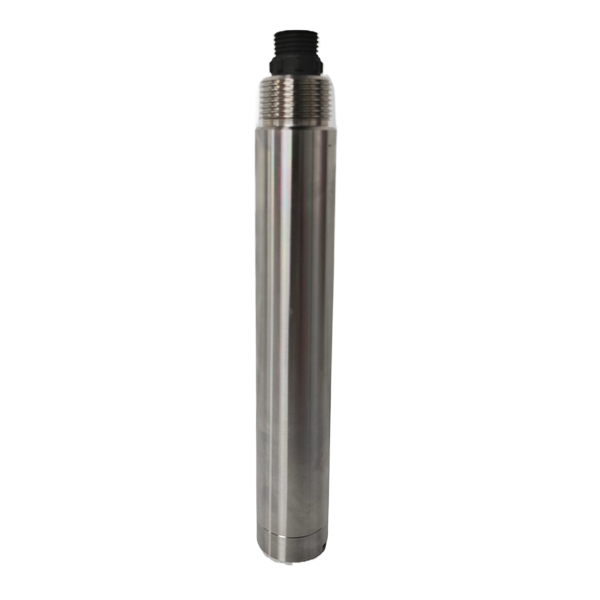
| Chemical Type | Typical Dosage Ratio | Precipitate | Application Scenario |
|---|---|---|---|
| Aluminum salts (aluminum sulfate, PAC) | Al:P = 1.5–3:1 | AlPO₄ | Widely applicable |
| Iron salts (FeCl₃, FeSO₄) | Fe:P = 1.5–3:1 | FePO₄ | Not suitable for biofilters |
| Lime (Ca(OH)₂) | Ca:P = 1.5–2.5:1 | Ca₃(PO₄)₂ | Requires pH control |
| Iron-aluminum polymer | According to product manual | Composite precipitate | Coagulation + precipitation |
Engineering note: If a biofilter process is used, Fe²⁺ chemicals must be avoided to prevent oxidation and yellow rust deposition on filter media.
| Process | Dosing Point | Advantages | Effluent TP |
|---|---|---|---|
| Pre-precipitation | Before primary clarifier | Reduces biological load | 1.5–2.5 mg/L |
| Simultaneous precipitation | Aeration tank effluent / secondary clarifier inlet | Widely used, minimal impact on sludge | 0.5–1.0 mg/L |
| Post-precipitation | After secondary clarifier | Best effluent quality | ≤0.3 mg/L |
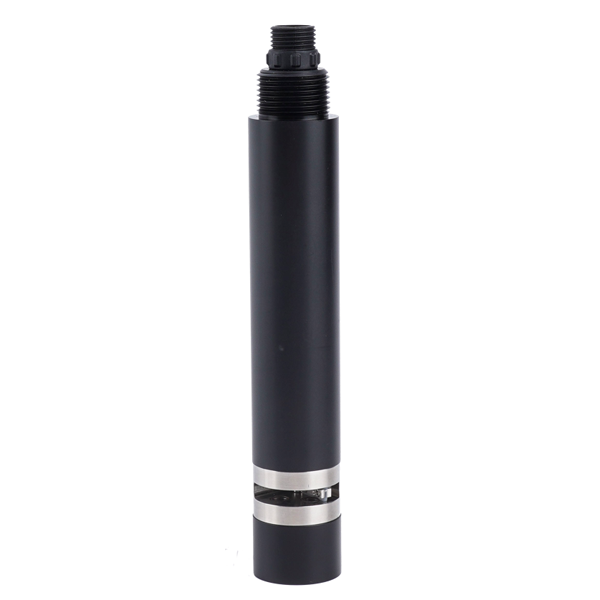
Anaerobic phase: DO ≈ 0, nitrate ≈ 0. PAOs decompose intracellular polyphosphate, releasing phosphate and storing energy as PHB.
Aerobic phase: DO ≥ 2.0 mg/L. PAOs oxidize PHB, uptake phosphate in excess, and remove phosphorus via sludge discharge.
C:N:P ratio based on empirical formula C₁₁₈H₁₇₀O₅₁N₁₇P is 46:8:1.
| Parameter | Requirement | Consequence if deviated |
|---|---|---|
| Anaerobic DO | <0.2 mg/L | Inhibited phosphorus release |
| Aerobic DO | ≈2.0 mg/L | Insufficient uptake energy |
| Nitrate in anaerobic zone | ≈0 mg/L | Consumes carbon source |
| pH | 6.5–8.0 | Reduced efficiency |
| BOD₅/TP | >15 | Carbon limitation |
| Sludge age | 3.5–7 days | Insufficient sludge discharge |
| HRT anaerobic zone | 1–2 h | Incomplete release |
| Process | Flow | Advantages | Limitations |
|---|---|---|---|
| An/O | Anaerobic → Aerobic → Secondary clarifier | Simple process, SVI < 100 | Limited removal efficiency |
| Phostrip | Biological + chemical hybrid | TP < 1 mg/L achievable | Complex and high cost |
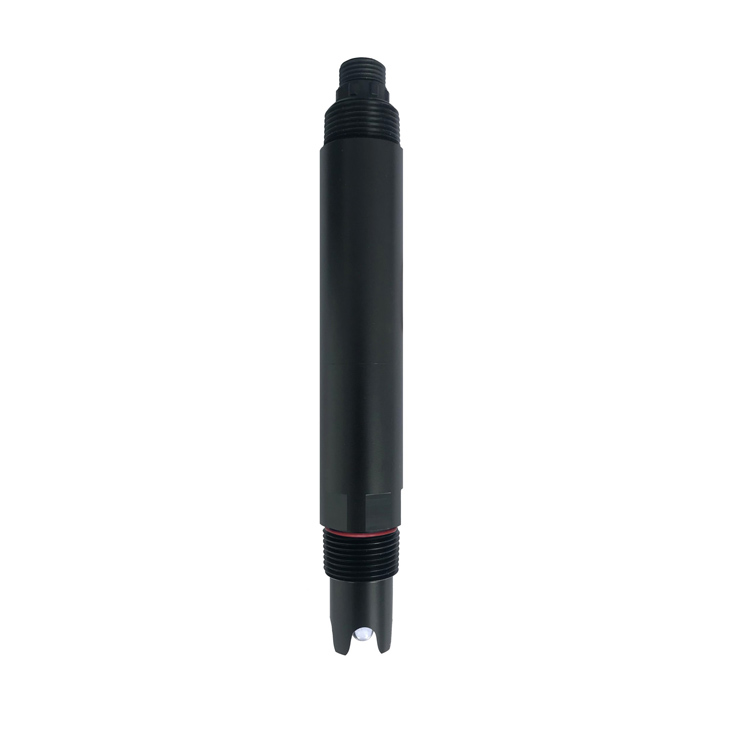
| Parameter | NBL-WQ-TP-300 Online Analyzer |
|---|---|
| Measurement principle | Potassium persulfate digestion - molybdenum antimony spectrophotometry |
| Range | 0–2 / 10 / 50 mg/L (optional) |
| Detection limit | 0.01 mg/L |
| Repeatability | ≤±3% F.S. |
| Measurement cycle | ≤30 minutes |
| Output signal | 4–20mA, RS485 Modbus RTU |
| Protocol compatibility | Profibus DP, HART, EtherNet/IP |
| Protection level | IP65 |
| Power supply | AC 220V ±10%, 50Hz |
- Compatible with Siemens, Rockwell, Schneider PLC systems
- Supports MQTT protocol for IoT platforms
- Supports 4G/Wi-Fi remote maintenance
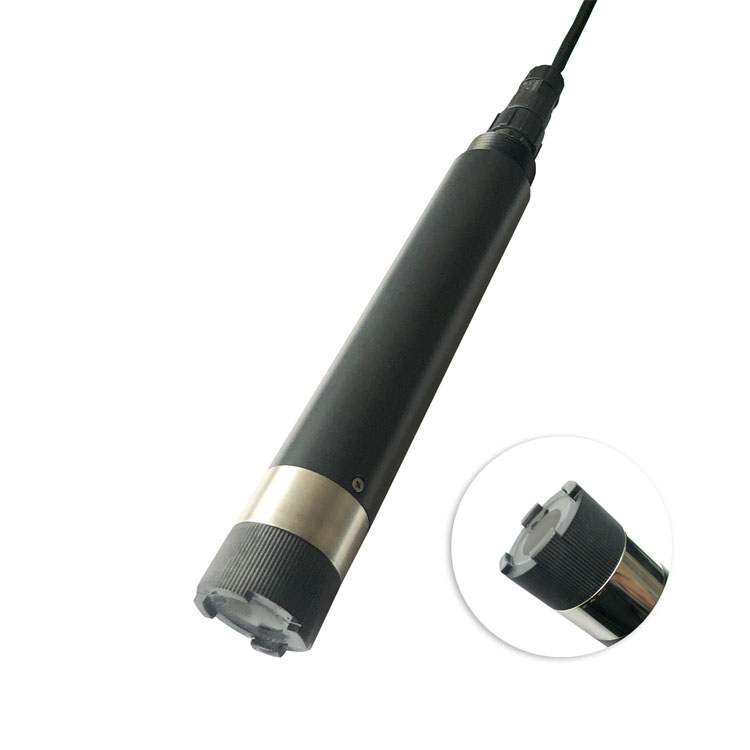
Q1: How to handle high organic phosphorus in influent?
A: Determine the difference between total phosphorus and orthophosphate. If organic phosphorus > 20%, add hydrolysis-acidification or Fenton oxidation unit.
Q2: How to determine optimal aluminum dosage?
A: Perform jar testing starting from Al:P = 1.5:1 and optimize based on effluent TP. NiuBoL instruments can connect to PLC for feedforward + feedback control.
Q3: How to prevent secondary phosphorus release in secondary clarifier?
A: Control sludge retention time < 2 hours, increase sludge discharge, raise return ratio to 50%–100%, and optionally add aeration at influent.
Q4: Can NiuBoL TP analyzer be used in high-chloride wastewater?
A: Standard anti-interference supports Cl⁻ < 10,000 mg/L. Higher levels require optional gas stripping module.
Q5: How to improve efficiency in low temperature conditions?
A: Extend reaction time by 20%–30%, use PAC instead of aluminum sulfate, and increase mixing intensity.
Q6: What should be checked when biological phosphorus removal efficiency suddenly drops?
A: Anaerobic DO, nitrate, influent BOD₅/TP ratio, sludge discharge rate, and aerobic DO.
Q7: Maintenance cycle of digestion unit in online TP analyzer?
A: Check seals and quartz window every 3 months; replace reagents every 6 months.
Q8: pH control in Phostrip process?
A: Use online pH probe to control lime dosing, maintain pH 9.5–10.5, then adjust effluent back to pH 7–8 using CO₂.
Phosphorus removal should be treated as a coupled physicochemical and biological system engineering process. Key recommendations:
1. Source identification determines process route: high organic phosphorus requires pretreatment; low carbon conditions (BOD₅/TP < 15) are not suitable for standalone biological phosphorus removal
2. Online monitoring is the foundation of closed-loop control: NiuBoL NBL-TP-300 supports Modbus RTU and industrial protocols for SCADA integration
3. Sludge management is critical: anaerobic conditions during sludge thickening or dewatering may release phosphorus; aeration or chemical fixation is required
 NBL-WQ-CL Water Quality Sensor Online Residual Chlorine Sensor.pdf
NBL-WQ-DO Online Fluorescence Dissolved Oxygen Sensor.pdf
NBL-WQ-NHN Ammonia Nitrogen Water Quality Sensor.pdf
NBL-WQ-COD Online Water Quality COD Sensor.pdf
NBL-WQ-PH Online pH Water Quality Sensor.pdf
Related recommendations
Sensors & Weather Stations Catalog
Agriculture Sensors and Weather Stations Catalog-NiuBoL.pdf
Weather Stations Catalog-NiuBoL.pdf
Agriculture Sensors Catalog-NiuBoL.pdf
Water Quality Sensor Catalog-NiuBoL.pdf
Related products
 Combined air temperature and relative humidity sensor
 Soil Moisture Temperature sensor for irrigation|NBL-S-THR
 Soil pH sensor RS485 soil Testing instrument soil ph meter for agriculture |NBL-S-PH
 Wind Speed sensor Output Modbus/RS485/Analog/0-5V/4-20mA
 Tipping bucket rain gauge for weather monitoring auto rainfall sensor RS485/Outdoor/stainless steel
 Pyranometer Solar Radiation Sensor 4-20mA/RS485

Screenshot, WhatsApp to identify the QR code
WhatsApp number:+8615367865107
(Click on WhatsApp to copy and add friends)

