





— Blogs —
—Products—
 Consumer hotline +8618073152920
 WhatsApp:+8615367865107
Address:Room 102, District D, Houhu Industrial Park, Yuelu District, Changsha City, Hunan Province, China
Product knowledge
Time:2026-05-02 11:08:07 Popularity:387
In the design and operation of water treatment facilities, the identification of water source types is the foundation for determining pretreatment processes, monitoring points, and equipment selection. From an engineering perspective, drinking water sources are mainly divided into the following three categories:
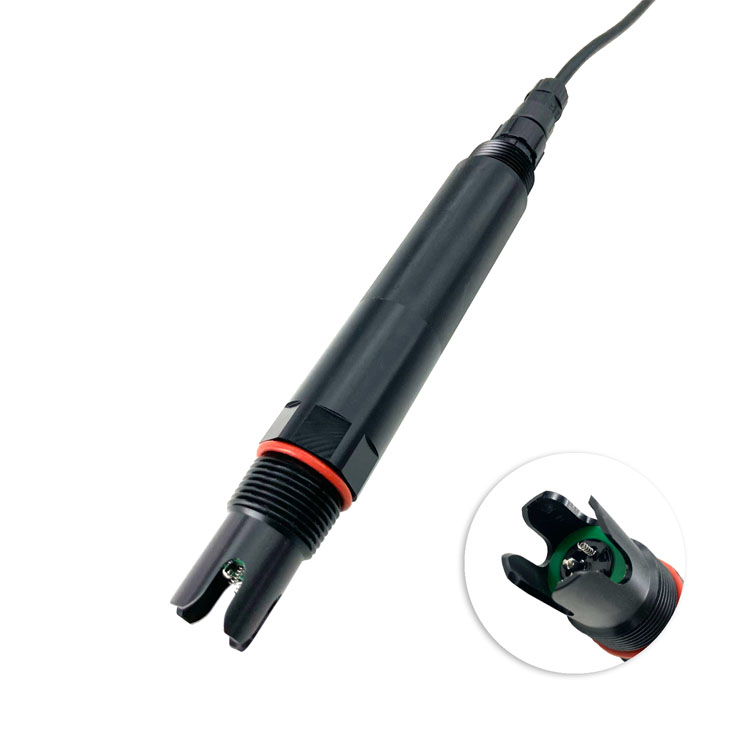
Reservoirs and lakes are usually formed by the accumulation of river water inflow, with long hydraulic retention time and low water body mobility. From the perspective of water quality monitoring, such water sources have the following characteristics:
Suspended solids sedimentation effect: Inflow water carrying sediment and suspended particles experiences a sharp decrease in flow velocity after entering the reservoir area, causing natural sedimentation of coarse particles. This results in relatively low turbidity in surface water but significant accumulation of bottom sediments.
Algae proliferation risk: Long-term sunlight and still water environments provide growth conditions for phytoplankton such as cyanobacteria and green algae, easily causing algal blooms. Algal metabolism produces geosmin and 2-methylisoborneol (2-MIB), leading to odor abnormalities and increasing the concentration of disinfection by-product precursors.
Nutrient enrichment: Exogenous pollutants such as nitrogen and phosphorus continue to accumulate in the reservoir area, potentially transforming the water body from mesotrophic to eutrophic state.
For online monitoring of reservoir water sources, focus should be placed on: chlorophyll-a, dissolved oxygen (vertical profile), turbidity, pH value, and cyanobacteria density.
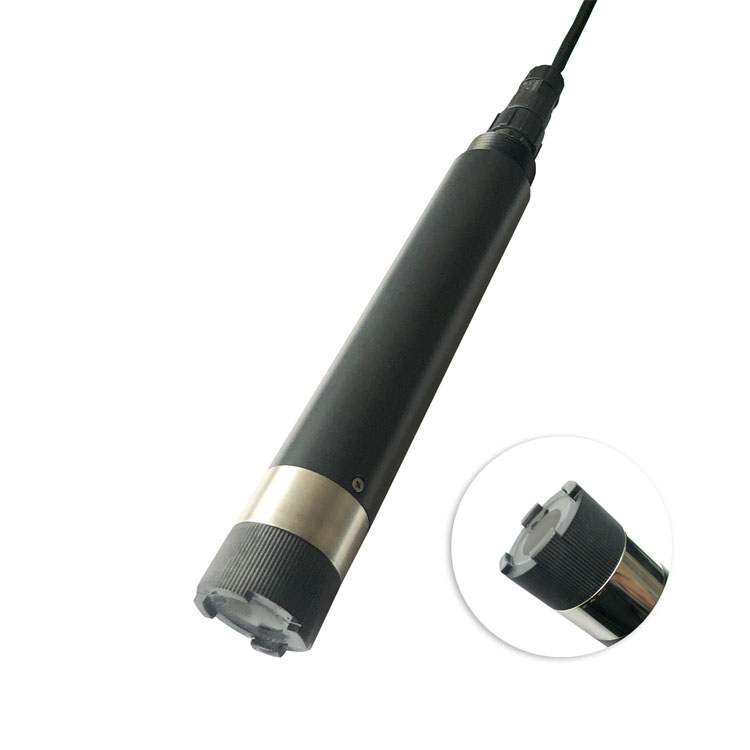
River water recharge sources include atmospheric precipitation, surface runoff, and shallow groundwater discharge. Its core water quality characteristics are:
High dynamic changes: Affected by rainfall, snowmelt, and upstream pollution discharge events, indicators such as turbidity, organic matter concentration (CODMn/TOC), and ammonia nitrogen can fluctuate dramatically within hours.
Low hardness and low salinity: Compared with groundwater, most river water has total hardness (as CaCO₃) less than 150 mg/L and lower conductivity.
High sensitivity to external pollution: Farmland drainage, municipal overflow, and industrial discharge directly flow in, potentially introducing microbial indicators (total coliforms), heavy metals, and synthetic organic compounds.
In engineering practice, river water usually requires pre-sedimentation tanks or regulating reservoirs before treatment, and online multi-parameter water quality analyzers with response times at the minute level.
Groundwater, after stratum filtration and retention, theoretically has good microbial safety, but the following engineering issues still need attention:
High hardness and mineralization: Water dissolves calcium, magnesium, and carbonates when flowing through rock layers. Total hardness often exceeds 200 mg/L, and in some areas, sulfate, chloride, iron, and manganese exceed standards.
Reducing environment: Under anoxic conditions, iron and manganese exist in dissolved states (Fe²⁺, Mn²⁺). They oxidize and precipitate upon contact with air, causing color and turbidity problems.
Low pollution probability but non-zero risk: Although less affected by surface pollution, nitrates, organic solvents, or petroleum hydrocarbons can form pollution plumes through fissures or over-exploitation.
For groundwater, online monitoring should cover: conductivity, dissolved oxygen, oxidation-reduction potential, iron, manganese, and nitrate nitrogen.
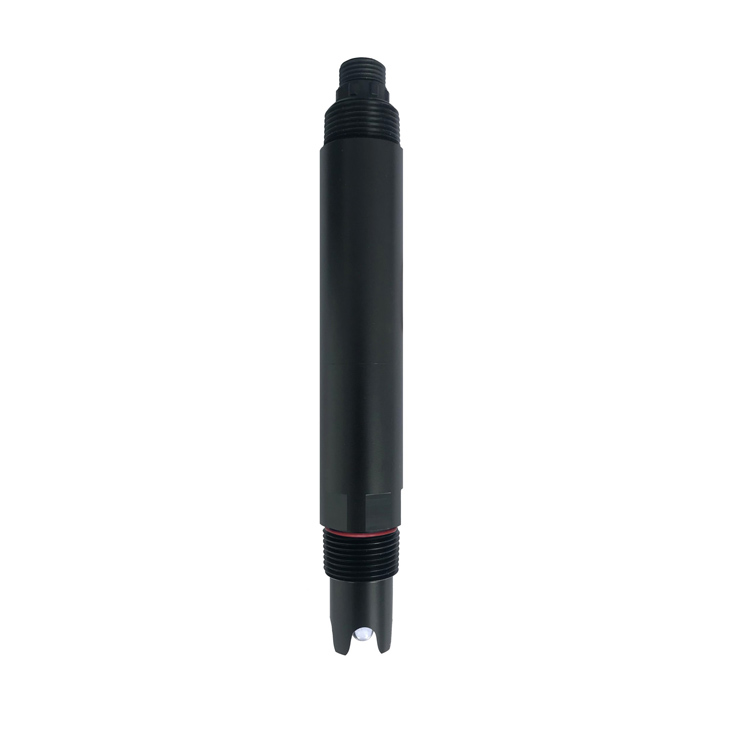
China's current Sanitary Standard for Drinking Water (GB 5749-2022) is a major revision based on the 1985 and 2006 versions, jointly completed by multiple departments including the National Health Commission, Ministry of Housing and Urban-Rural Development, Ministry of Water Resources, and Ministry of Ecology and Environment. Compared with the old version, the core engineering changes include:
| Indicator Category | GB 5749-85 (Old) | GB 5749-2022 (New) | Engineering Significance |
|---|---|---|---|
| Turbidity (NTU) | 3~5 | 1~3 (water plant effluent ≤1) | Improve microbial removal efficiency and reduce disinfection by-product risks |
| Disinfectant Residual | Chlorine, chlorine dioxide | Added ozone, chloramine and other indicators | Adapt to different disinfection processes and strengthen pipe network stability |
| Perchlorate, Nitrosamines, etc. | Not included | New limits added | Address emerging industrial and disinfection-derived trace pollutants |
| Algal Toxin (Microcystin-LR) | Not included | Included in routine monitoring | Address eutrophication of lake and reservoir water sources |
Based on engineering practice of water quality online monitoring, monitoring points are usually divided into three levels:
Water source monitoring: Real-time grasp of raw water quality fluctuations and early warning of pollution events.
Process monitoring: Set feedback control points in coagulation, sedimentation, filtration, and disinfection units.
Finished water and pipe network monitoring: Ensure compliance of water quality at the user end and meet GB 5749 requirements.
The online monitoring equipment series provided by NiuBoL covers the entire chain above and supports industrial communication protocols such as Modbus RTU and 4-20mA, enabling seamless integration into SCADA systems.
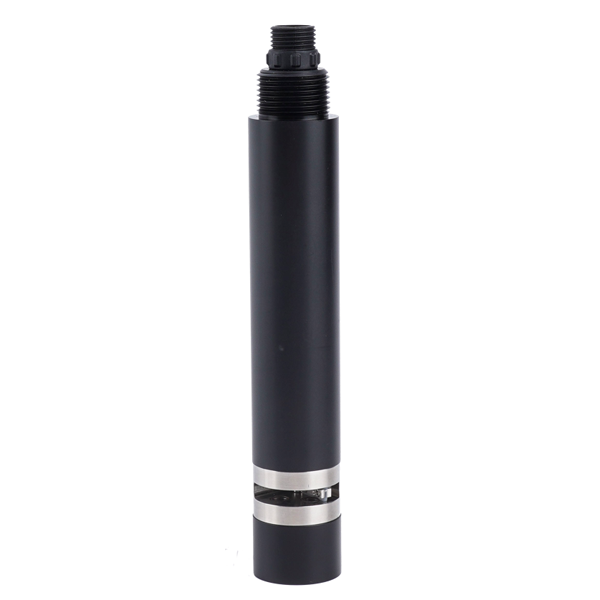
In procurement decisions for water treatment projects, it is necessary to clarify the water body types and parameter ranges covered by monitoring equipment. The following are typical engineering scenarios:
| Water Body Type | Typical Source/Scenario | Key Monitoring Parameters | NiuBoL Equipment">Recommended NiuBoL Equipment |
|---|---|---|---|
| Surface Water (River) | Water intake, pre-regulation pool | Turbidity, CODMn, ammonia nitrogen, pH, dissolved oxygen | NB-2000 Multi-parameter Online Analyzer |
| Reservoir/Lake Water | Different depths at water intake | Chlorophyll-a, cyanobacteria density, turbidity, temperature | NB-Algae Online Algae Monitoring System |
| Groundwater | Wellhead, recharge area | Conductivity, hardness, iron/manganese, nitrate | NB-GW Groundwater Dedicated Analyzer |
| Treated Drinking Water | Factory outlet main pipe | Residual chlorine, turbidity, pH, total colony count (online culture) | NB-DW Drinking Water Safety Monitoring Terminal |
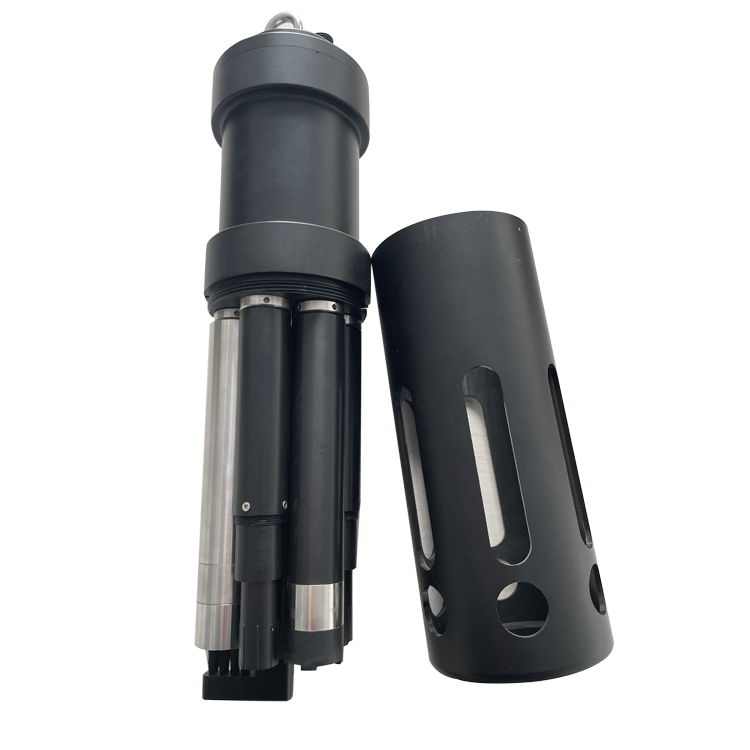
Q1: For water plants mainly using reservoir water sources, how to select online algae monitoring equipment?
It is recommended to use NiuBoL NB-Algae series, which uses fluorescence method for in-situ detection of chlorophyll-a and phycocyanin without reagents, with response time ≤30 seconds. Layered probes can be set to monitor vertical distribution of algae at different depths and provide early warning of algal bloom risks.
Q2: When river water turbidity surges above 1000 NTU due to floods, can conventional online turbidity meters withstand it?
Most conventional turbidity meters have an upper range limit of 400 NTU. NiuBoL NB-2000 can be equipped with a high turbidity module (range 0~5000 NTU) and built-in ultrasonic automatic cleaning to prevent sediment adhesion on optical windows. It is recommended to install pre-sedimentation or bypass dilution systems before extremely high turbidity conditions.
Q3: How does online monitoring equipment communicate with existing PLC systems?
All NiuBoL online analyzers are equipped with RS485 interfaces as standard and support Modbus RTU protocol. Profibus DP, HART or EtherNet/IP modules are also optional, providing GSD files and EDS description files for easy integration with mainstream PLCs such as Siemens and Rockwell.
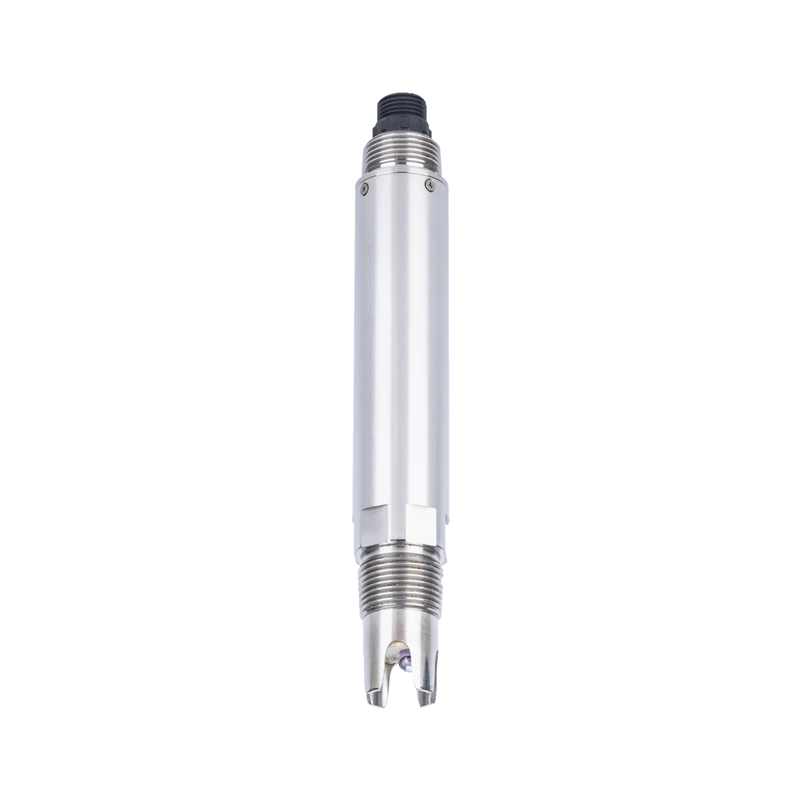
Q4: What is the minimum procurement configuration for a groundwater treatment plant that only needs to monitor hardness and iron/manganese?
You can choose the NiuBoL NB-GW basic version, which includes conductivity, total hardness (ion selective electrode method), and iron/manganese (colorimetric method) three parameters, plus a dissolved oxygen sensor. No cabinet installation is required; it can be fixed in the wellhead sampling box.
Q5: How to calibrate water quality monitoring equipment on site?
NiuBoL equipment supports two-point or three-point calibration. Turbidity uses formazine standard solutions (0, 20, 200 NTU), and conductivity uses KCl standard solutions. All calibration processes can be completed through the touchscreen wizard without special software.
Q6: Is it necessary to configure microbial indicators for finished water online monitoring?
Traditional microbial culture takes too long and is not suitable for real-time control. NiuBoL provides online total colony count monitoring modules based on enzyme substrate method or flow cytometry, outputting results in 2~4 hours, which can be used for membrane treatment or disinfection effect verification.
Q7: Can online sensors work normally in cold regions (winter water temperature<4℃)?
NiuBoL equipment operating temperature range is -10℃~50℃, but some wet chemical modules are recommended to operate above 5℃. Heating sampling lines and instrument insulation boxes can be added, and freeze-resistant reagents can be selected.
Q8: How to determine whether a water source is showing a trend of eutrophication? Is it necessary to purchase a separate nutrient analyzer?
It is recommended to judge by combining total phosphorus, total nitrogen, and chlorophyll-a. NiuBoL NB-NP series simultaneously detects total phosphorus (molybdenum-antimony anti-spectrophotometry) and total nitrogen (potassium persulfate oxidation-ultraviolet method), with detection limits of 0.01 mg/L and 0.05 mg/L respectively, suitable for lake and reservoir early warning.
The water source type of drinking water directly determines water quality fluctuation characteristics, pollution risk categories, and treatment process selection. For designers, procurers, and operators of water treatment projects, evaluation should not only focus on unit price of equipment but also from the following three engineering aspects:
1. Source water adaptability: Reservoir water sources need to strengthen algae and nutrient monitoring; river water needs to cope with rapid turbidity fluctuations and multi-parameter composite pollution; groundwater focuses on hardness, iron/manganese, and reducing parameters.
2. Standard compliance: Take GB 5749-2022 as the bottom line, while referring to industry supplementary standards to ensure compliance of key points such as turbidity, disinfectant residual, and microorganisms.
3. System integration capability: Online monitoring equipment needs to support mainstream industrial communication protocols, with automatic cleaning, remote diagnosis, and low maintenance design to meet continuous and reliable operation.
NiuBoL brand water quality online monitoring product line covers the complete chain from water source to user tap, and provides verifiable monitoring guarantee for water treatment facilities with engineering durability, open communication architecture, and localized service response. When preparing procurement technical specifications or comparison schemes, it is recommended to refer to the water source classification and parameter comparison table in this article to clarify the equipment functions, ranges, and calibration requirements for each monitoring point, so as to achieve a high degree of matching between the monitoring system and actual risks.
NiuBoL — Water Quality Online Monitoring Solution Provider Based on Water Source Characteristics.
 NBL-WQ-CL Water Quality Sensor Online Residual Chlorine Sensor.pdf
NBL-WQ-DO Online Fluorescence Dissolved Oxygen Sensor.pdf
NBL-WQ-NHN Ammonia Nitrogen Water Quality Sensor.pdf
NBL-WQ-COD Online Water Quality COD Sensor.pdf
NBL-WQ-PH Online pH Water Quality Sensor.pdf
Prev:Principles of Surface Water Pollution Analysis and Digital Governance Engineering Solutions
Next:Forms of Phosphorus in Wastewater and Engineering Removal Solutions
Related recommendations
Sensors & Weather Stations Catalog
Agriculture Sensors and Weather Stations Catalog-NiuBoL.pdf
Weather Stations Catalog-NiuBoL.pdf
Agriculture Sensors Catalog-NiuBoL.pdf
Water Quality Sensor Catalog-NiuBoL.pdf
Related products
 Combined air temperature and relative humidity sensor
 Soil Moisture Temperature sensor for irrigation|NBL-S-THR
 Soil pH sensor RS485 soil Testing instrument soil ph meter for agriculture |NBL-S-PH
 Wind Speed sensor Output Modbus/RS485/Analog/0-5V/4-20mA
 Tipping bucket rain gauge for weather monitoring auto rainfall sensor RS485/Outdoor/stainless steel
 Pyranometer Solar Radiation Sensor 4-20mA/RS485

Screenshot, WhatsApp to identify the QR code
WhatsApp number:+8615367865107
(Click on WhatsApp to copy and add friends)

