





— Blogs —
—Products—
 Consumer hotline +8618073152920
 WhatsApp:+8615367865107
Address:Room 102, District D, Houhu Industrial Park, Yuelu District, Changsha City, Hunan Province, China
Product knowledge
Time:2026-05-02 11:25:44 Popularity:475
In the modern smart aquaculture (Smart Aquaculture) system, dissolved oxygen (DO) is the core indicator for measuring water quality health, determining the upper limit of breeding density, and ensuring project profitability. Unlike traditional manual inspection and offline laboratory testing, online monitoring technology has become the standard configuration for large-scale aquaculture projects and industrial water treatment projects. This article, from an industrial application perspective, elaborates on the dissolved oxygen standards for aquaculture water and the integrated application logic of high-performance sensors.
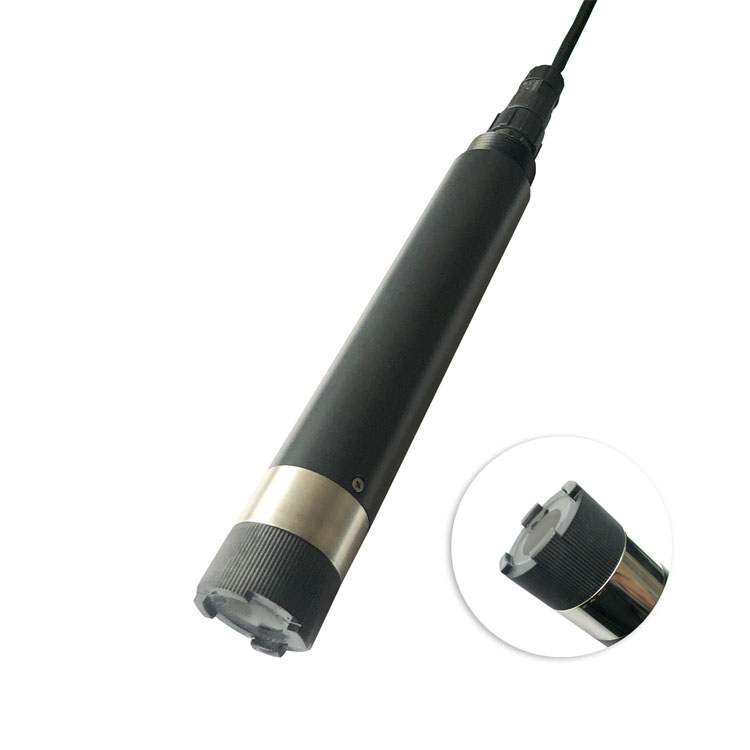
For system integrators and project designers, understanding the dynamic balance of dissolved oxygen is the foundation for building automated control systems. The amount of dissolved oxygen in water is not only affected by biological respiration but is also closely related to water temperature, salinity, air pressure, and organic matter oxidation.
Core Dissolved Oxygen Indicator Requirements
In specialized aquaculture environments, dissolved oxygen levels must be maintained within specific ranges to ensure optimal feed conversion ratio (FCR) and growth rate:
Optimal growth range: During the breeding season, it should be maintained above 5 mg/L for more than 16 hours per day.
Growth inhibition threshold: When dissolved oxygen drops to 4 mg/L, the feeding desire of fish and shrimp decreases significantly, digestion and metabolism are hindered, and long-term exposure at this level will lead to a sharp increase in the feed coefficient.
Physiological danger threshold: Conventional domestic fish begin to float at around 1 mg/L, while special high-value varieties enter emergency status at 2 mg/L.
In high-density aquaculture, low-oxygen environments are often accompanied by a surge in toxic metabolites. Hypoxia slows down the biodegradation of ammonia nitrogen and hydrogen sulfide, leading to increased water toxicity, causing chronic poisoning of cultured organisms, reducing immunity, and inducing large-scale diseases. Therefore, real-time and digital monitoring solutions are the only way to avoid systemic risks.
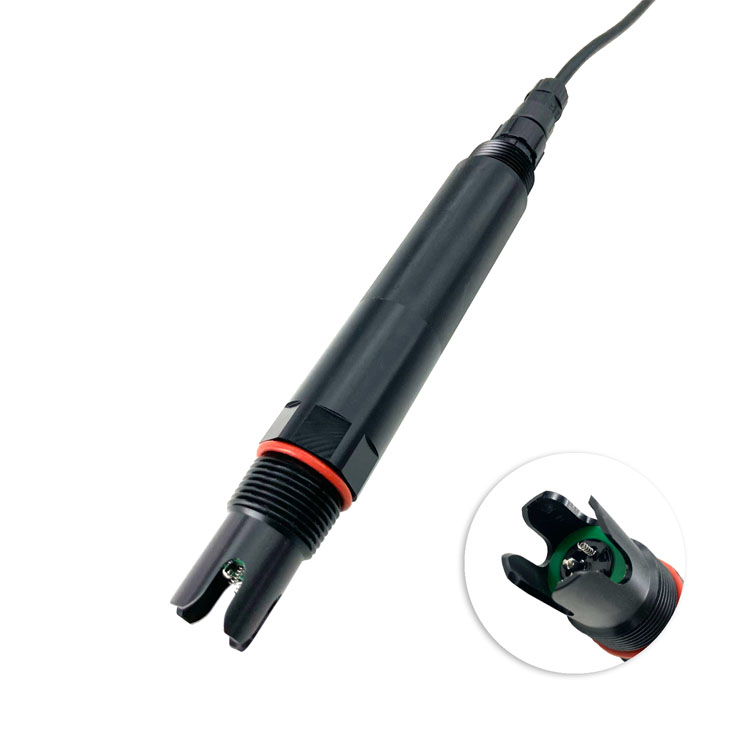
Traditional laboratory titration or portable electrochemical measurements can no longer meet modern engineering needs. Sampling delays, human errors, and maintenance costs are pain points in project management.
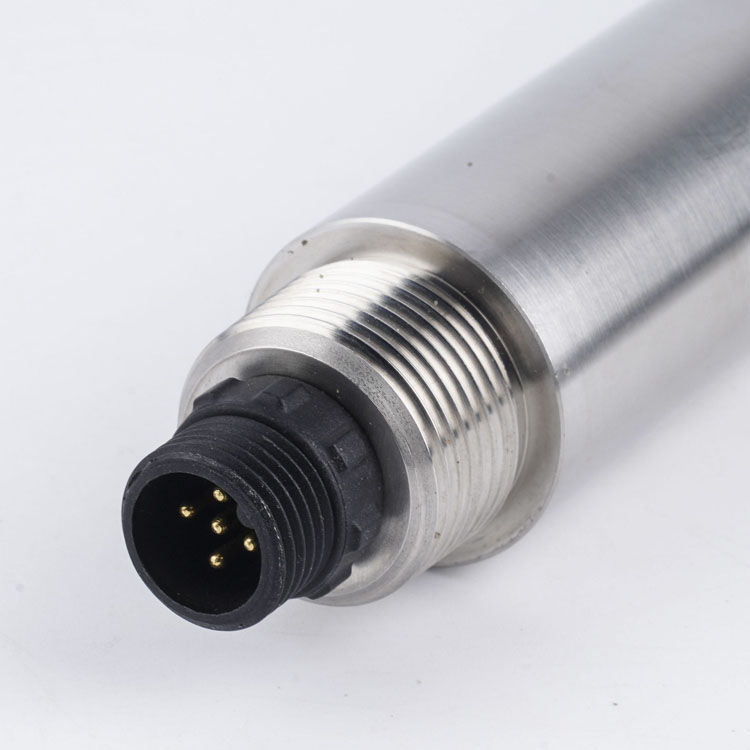
The online fluorescence dissolved oxygen sensor solution provided by NiuBoL aims to solve data drift and maintenance frequency issues in long-term immersion environments. By integrating into automated control cabinets or PLC systems, project parties can achieve variable frequency linkage (VFD) control of aerators for precise energy saving.
Compared with traditional membrane (polarographic) methods, fluorescence quenching technology has significant generational advantages in industrial applications:
1. Zero oxygen consumption: No oxygen is consumed during measurement, maintaining high accuracy even in still water or extremely low flow velocity environments.
2. Strong anti-interference ability: Not affected by chemical substances such as sulfides and ions, very suitable for complex water treatment environments.
3. Extremely low maintenance frequency: No need to replace electrolyte and membrane, fluorescence membrane head life usually reaches more than one year.
4. Long-term stability: The sensor has no polarization process, extremely small drift, reducing on-site calibration workload.

| Parameter Item | Technical Specification |
|---|---|
| Product Model | NBL-WQ-DO |
| Measurement Principle | Fluorescence method (fluorescence quenching principle) |
| Range | 0~20.00 mg/L (0~200% saturation) |
| Resolution | 0.01 mg/L |
| Accuracy | ±2% FS |
| Response Time (T90) | <30s |
| Output Interface | RS-485 (isolated design) |
| Communication Protocol | Modbus RTU |
| Power Supply Voltage | 12~24V DC |
| Power Consumption | 0.2W @12V |
| Protection Level | IP68 |
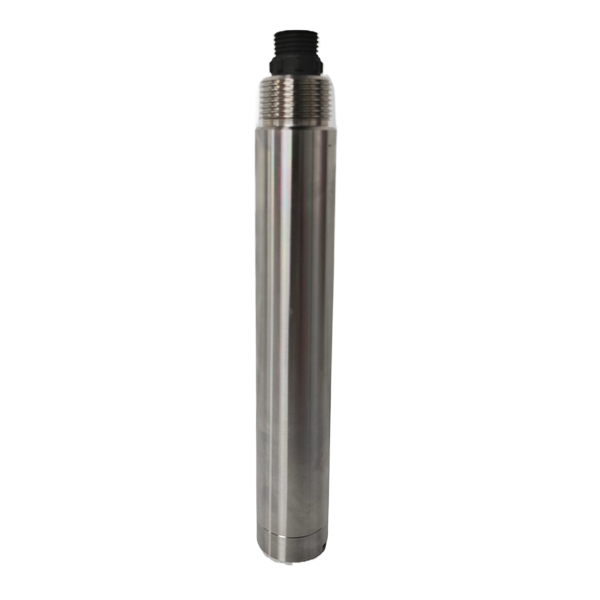
1. Industrial Recirculating Aquaculture System (RAS)
In RAS systems, dissolved oxygen is a key closed-loop control parameter. NiuBoL sensors feed data back to the central control system via RS-485 bus, automatically adjusting pure oxygen dosing or dissolved oxygen cone pressure, optimizing pure oxygen usage costs while ensuring high-speed fish growth.
2. Large-scale Pond IoT Monitoring
By arranging monitoring nodes at different depths and locations, system integrators can use LoRa or 4G/5G transmission solutions to achieve automated execution of "four open and three not open" aeration strategies. Especially during periods of severe air pressure fluctuations such as rainy days, real-time alarm systems can significantly reduce the risk of pond overturning.
When conducting project design and equipment selection, engineers should focus on the following points: communication protocol compatibility, installation location and protection, and environmental compensation mechanisms.
Q1: Does the fluorescence dissolved oxygen sensor (DO sensor) require regular calibration?
Although the fluorescence method has high stability, to ensure engineering accuracy, it is recommended to perform air saturation calibration (two-point calibration) every 3-6 months.
Q2: Can this sensor be directly connected to PLC?
Yes. The sensor outputs standard RS-485 signals and supports Modbus RTU protocol, which can be directly connected to the PLC communication module.
Q3: Can the sensor cable length be customized?
Standard configuration is 5 meters. Length can be customized according to actual project needs. For long-distance transmission (over 500 meters), signal amplification or relay should be considered.
Q4: If the fluorescence membrane head is damaged, does the entire sensor need to be replaced?
No. NiuBoL sensors adopt a modular design, and the fluorescence membrane head is a replaceable part. After replacement and recalibration, it can be put into use.
Q5: How does the sensor cope with biological fouling (such as algae attachment)?
For water bodies with high biological activity, regular manual wiping is recommended. If conditions permit, an automatic cleaning brush can be integrated or timed air flushing cleaning can be performed using an air pump.
Q6: Is the sensor affected by hydrogen sulfide or ammonia nitrogen?
No. The fluorescence principle determines that it only responds to oxygen molecules. Ions such as hydrogen sulfide, ammonia nitrogen, and heavy metals will not interfere with the measurement results.
Q7: What kind of power supply environment does the sensor support?
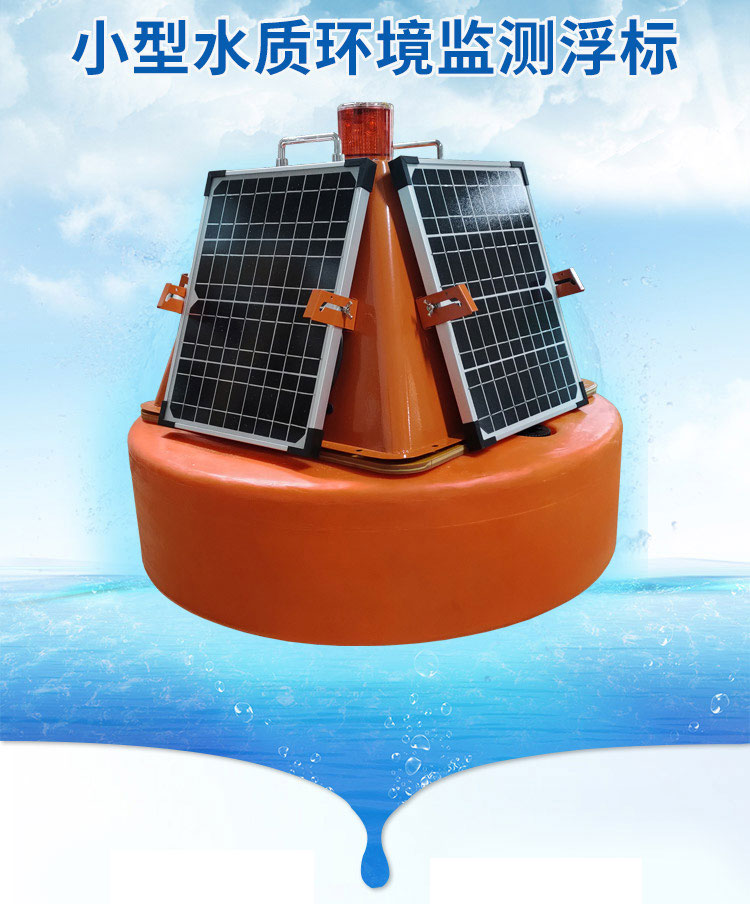
It supports wide voltage power supply (12-24V DC), which is very suitable for solar power supply systems and various industrial regulated power supplies.
Q8: Why does the data fluctuate sharply during certain periods?
Please check the installation location. If the sensor is too close to the aerator or aeration head, air bubbles directly impacting the membrane head will cause high and unstable values. If there is electromagnetic interference, please check whether the shielded wire is reliably grounded.
Dissolved oxygen is the "lifeline" in online water quality monitoring systems. For professional customers committed to smart agriculture and environmental engineering, choosing NiuBoL fluorescence dissolved oxygen sensors not only provides high-precision and low-maintenance monitoring data but also greatly shortens the development cycle in the system integration process thanks to the standard RS-485 Modbus RTU protocol. Through scientific data analysis and automated control, we can help aquaculture enterprises achieve a leapfrog transformation from "depending on the weather" to "precise regulation".
 NBL-WQ-CL Water Quality Sensor Online Residual Chlorine Sensor.pdf
NBL-WQ-DO Online Fluorescence Dissolved Oxygen Sensor.pdf
NBL-WQ-NHN Ammonia Nitrogen Water Quality Sensor.pdf
NBL-WQ-COD Online Water Quality COD Sensor.pdf
NBL-WQ-PH Online pH Water Quality Sensor.pdf
Prev:Forms of Phosphorus in Wastewater and Engineering Removal Solutions
Next:Online Total Hardness Sensor Working Principle and Core Advantages, Application Scenarios
Related recommendations
Sensors & Weather Stations Catalog
Agriculture Sensors and Weather Stations Catalog-NiuBoL.pdf
Weather Stations Catalog-NiuBoL.pdf
Agriculture Sensors Catalog-NiuBoL.pdf
Water Quality Sensor Catalog-NiuBoL.pdf
Related products
 Combined air temperature and relative humidity sensor
 Soil Moisture Temperature sensor for irrigation|NBL-S-THR
 Soil pH sensor RS485 soil Testing instrument soil ph meter for agriculture |NBL-S-PH
 Wind Speed sensor Output Modbus/RS485/Analog/0-5V/4-20mA
 Tipping bucket rain gauge for weather monitoring auto rainfall sensor RS485/Outdoor/stainless steel
 Pyranometer Solar Radiation Sensor 4-20mA/RS485

Screenshot, WhatsApp to identify the QR code
WhatsApp number:+8615367865107
(Click on WhatsApp to copy and add friends)

