





— Blogs —
—Products—
 Consumer hotline +8618073152920
 WhatsApp:+8615367865107
Address:Room 102, District D, Houhu Industrial Park, Yuelu District, Changsha City, Hunan Province, China
Product knowledge
Time:2026-05-02 10:26:59 Popularity:327
In modern industrial wastewater treatment projects, the compliant discharge of ammonia nitrogen (NH3-N) is a core indicator for measuring environmental compliance. As a major cause of water eutrophication and ecological imbalance, ammonia nitrogen removal not only involves complex biochemical reactions but also largely relies on efficient and controllable chemical treatment technologies. For system integrators, environmental engineering contractors, and industrial users, selecting economical and efficient chemical denitrification solutions and pairing them with precise online monitoring systems is key to achieving long-term stable project operation.
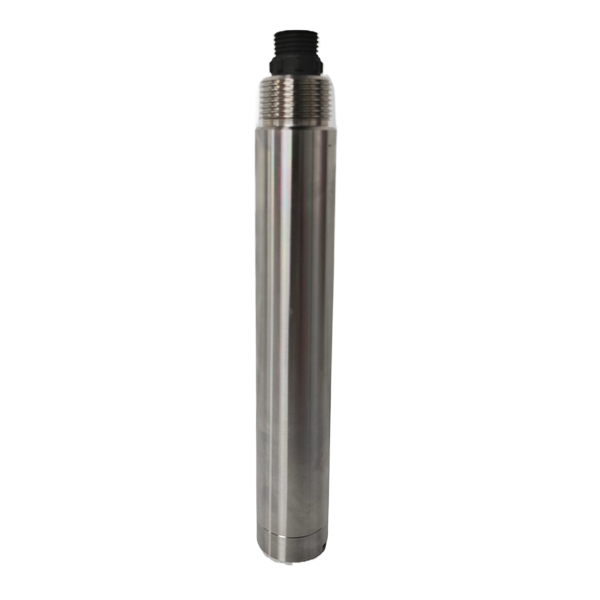
Ammonia nitrogen wastewater widely originates from fertilizer manufacturing, petrochemical industry, meat processing, leather manufacturing, and landfill leachate treatment. These wastewaters usually feature complex composition, large concentration fluctuations, and toxic and harmful substances, posing huge load impacts on traditional biological treatment.
Chemical treatment methods, with advantages such as fast reaction speed, small footprint, and strong operational flexibility, are often used as pretreatment for high-concentration ammonia nitrogen wastewater or as a guarantee for advanced treatment of low-concentration wastewater. However, how to balance high removal rate and operating cost is a technical pain point that must be solved in commercial procurement.
Electrochemical oxidation uses the catalytic effect of an electric field to directly or indirectly oxidize ammonia nitrogen in an electrolytic cell.
1. Reaction Mechanism: Direct Oxidation and Indirect Oxidation
Direct oxidation: Ammonia nitrogen loses electrons directly on the anode surface and is converted into nitrogen gas.
Indirect oxidation: Uses active intermediates (such as ·OH, ClO⁻, HClO) generated by electrolysis for oxidation. Studies show that in wastewater containing chloride ions, the contribution rate of indirect oxidation can reach more than 79%.
2. Reactor Configuration Evolution
Two-dimensional electrode: Conventional electrode structure, mainly limited by mass transfer efficiency. Commonly used Ti/RuO₂-IrO₂ and other DSA electrodes with low chlorine evolution potential and strong corrosion resistance.
Three-dimensional electrode: By filling activated carbon, supported particles, etc. as the third electrode, the reaction specific surface area is greatly increased, and the space-time yield is more than 1.4 times that of two-dimensional electrodes.
Microbial electrolysis (MEC): Couples electrochemistry with microbial metabolism, using anode microorganisms to generate electricity to assist denitrification, significantly reducing energy consumption. It is a future energy-saving research direction.
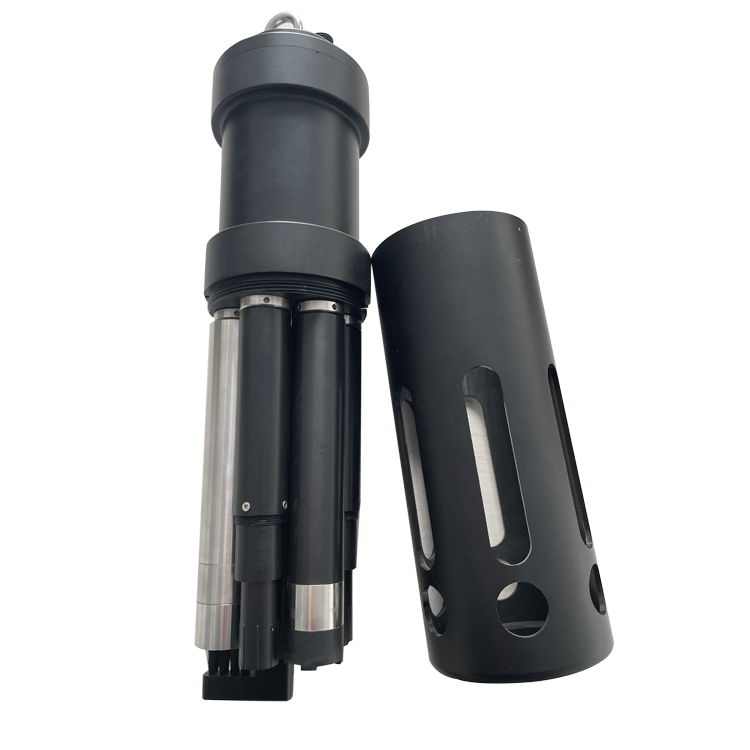
For medium and low concentration ammonia nitrogen wastewater, chlorine oxidation and ozone oxidation methods demonstrate excellent stability and thoroughness.
1. Breakpoint Chlorination and Sodium Hypochlorite Oxidation
The breakpoint chlorination method oxidizes ammonia nitrogen into nitrogen gas by controlling the m(Cl₂):m(NH₄⁺) within the critical range of 8.0–8.2.
Advantages: Extremely high removal rate and complete reaction.
Notes: Strictly control pH (usually 5.5–6.5) and subsequent residual chlorine removal (such as activated carbon adsorption or Na₂SO₃ dosing).
2. Ozone Catalytic Oxidation Process
Ozone has extremely strong oxidation-reduction potential, but its efficiency is limited when treating ammonia nitrogen alone.
Metal oxide catalysis: Catalysts such as MgO and Co₃O₄ can significantly increase the generation rate of hydroxyl radicals (·OH). Ammonia nitrogen removal rate can reach more than 90% under MgO catalysis.
Non-metal catalysis: Uses the porous structure and active sites of activated carbon to enhance ozone utilization. Ozone oxidation efficiency is significantly improved under high pH conditions.
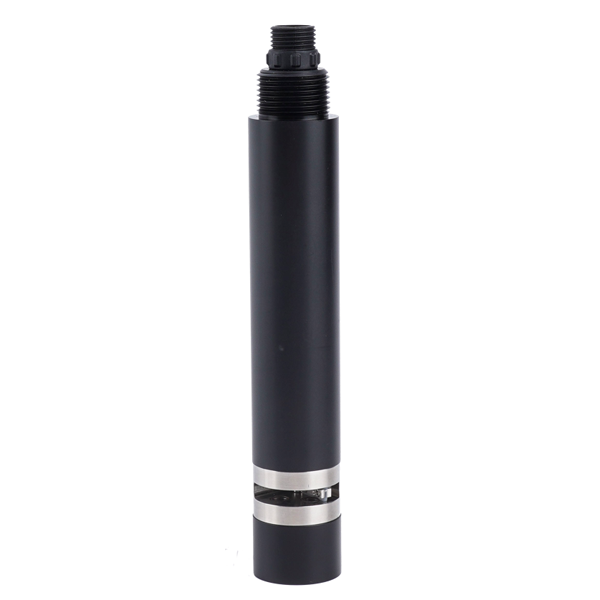
| Process Name | Applicable Concentration | Advantages | Limitations |
|---|---|---|---|
| Electrochemical Oxidation | Medium to high concentration | Small footprint, high automation, no secondary pollution risk | High power consumption, high requirements for electrode materials |
| Breakpoint Chlorination | Low concentration | Removal rate nearly 100%, mature process | Easy to produce residual chlorine pollution, risks in chemical storage |
| Ozone Catalysis | Medium to low concentration | Strong oxidation capacity, increases dissolved oxygen in water | High equipment investment, operating costs affected by electricity price |
| Magnesium Ammonium Phosphate Method | Extremely high concentration | Resource recovery, strong shock load resistance | Large sludge production, sensitive to pH |
Regardless of which chemical treatment scheme is adopted, real-time feedback control is the core to ensuring compliant operation and reducing chemical costs. The digital online monitoring terminals provided by NiuBoL can be seamlessly integrated into automated dosing and electrolysis control systems.
1. Core Monitoring Equipment and Integration Advantages
| Monitoring Equipment | Integration Application Scenarios | Technical Advantages |
|---|---|---|
| Digital Ammonia Nitrogen Sensor (ISE) | Breakpoint chlorination, MAP method front-end and effluent monitoring | Ion selective electrode method, real-time response, no need for chromogenic agent |
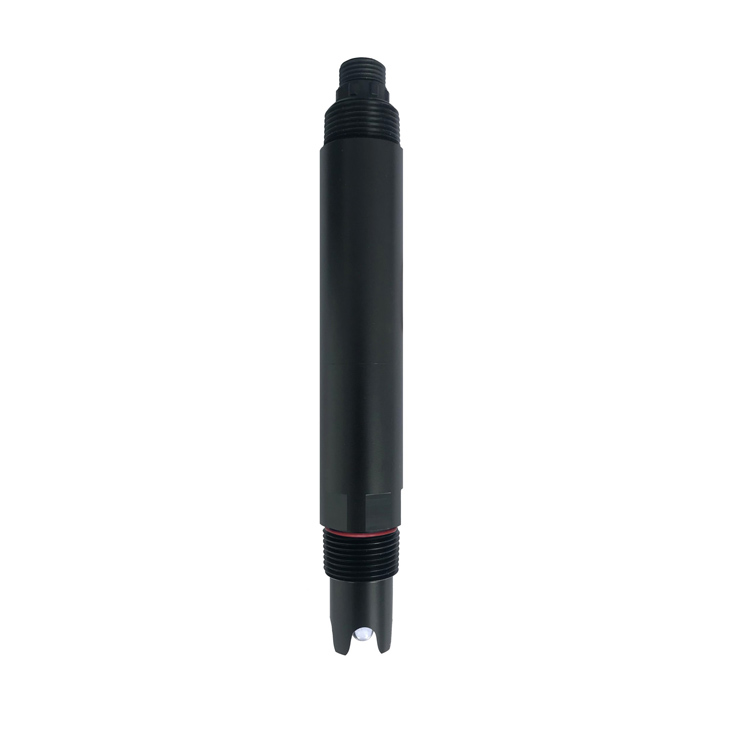
| Digital pH Sensor | pH adjustment throughout the entire process | Automatic temperature compensation, industrial-grade IP68 protection |
| Digital ORP Sensor | Electrochemical oxidation, oxidant dosing control | Sensitive capture of reaction endpoint, prevent excessive dosing |
| Digital Conductivity Sensor | Electrochemical electrolyte concentration monitoring | High linearity, supports long-distance RS-485 transmission |
Q1: Why must chloride ion concentration be concerned when treating ammonia nitrogen by electrochemical oxidation?
Because indirect oxidation is the main pathway for nitrogen removal. If chloride ions in the wastewater are insufficient, the oxygen evolution reaction will dominate, leading to a decrease in current efficiency. In this case, it is usually necessary to add an appropriate amount of salt manually.
Q2: What is the optimal pH value for the magnesium ammonium phosphate method (MAP)?
Usually between 9.0 and 10.5. Too low pH results in incomplete precipitation, while too high pH will cause magnesium hydroxide precipitation, interfering with the purity of struvite.
Q3: How to efficiently remove residual chlorine after breakpoint chlorination treatment?
For commercial projects, activated carbon filter columns are recommended for adsorption, or reducing agents (such as sodium sulfite) are used for neutralization. NiuBoL residual chlorine sensors can monitor effluent residual chlorine in real time to control reducing agent dosing.
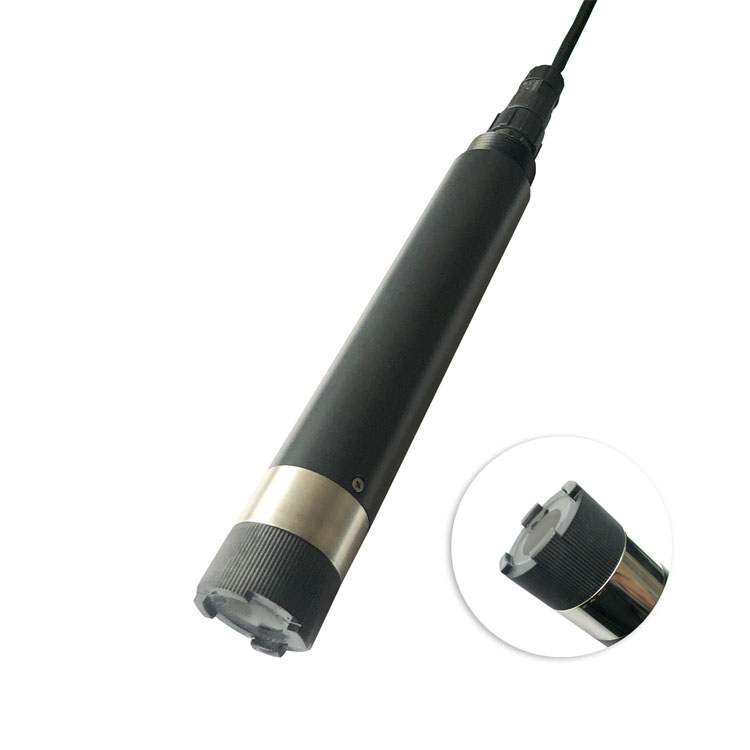
Q4: Will digital ammonia nitrogen sensors (ISE) be damaged in strong alkaline environments?
NiuBoL ammonia nitrogen electrodes use special anti-corrosion shells and industrial-grade sensitive membranes. However, in pH > 11 environments, ammonium ions will largely convert to ammonia gas and escape. It is recommended to adjust the pH to neutral through a sampling adjustment system before measurement to obtain the most accurate liquid nitrogen content.
Q5: What are the main transformation products of the ozone oxidation method?
The products vary under different pH conditions. Under catalytic conditions, most are converted to nitrogen gas for emission; however, under strong oxidation conditions, some ammonia nitrogen will be converted to nitrate nitrogen or nitrite nitrogen. Attention should be paid to the total nitrogen (TN) indicator in the effluent.
Q6: Do the three-dimensional electrode fillers in electrochemical reactors need regular replacement?
It mainly depends on the physical strength of the filler and the life of the loaded catalyst. High-quality activated carbon particles or ceramic-supported particles can usually be used for 1-2 years and require regular backwashing to prevent clogging.
Q7: Why do system integrators prefer RS-485 protocol sensors?
Because industrial site wiring is complex, RS-485 has extremely strong anti-interference capability and supports multi-point networking. NiuBoL's full range of sensors support Modbus RTU, eliminating the need for analog-to-digital conversion modules and reducing system failure rates.
Q8: Are the precipitates generated after chemical treatment of ammonia nitrogen considered hazardous waste?
Magnesium ammonium phosphate produced by the MAP method is generally regarded as a recyclable resource. Sludge produced by electrochemical or chlorine oxidation methods needs to be evaluated for hazardous waste based on the raw water composition (whether it contains heavy metals).
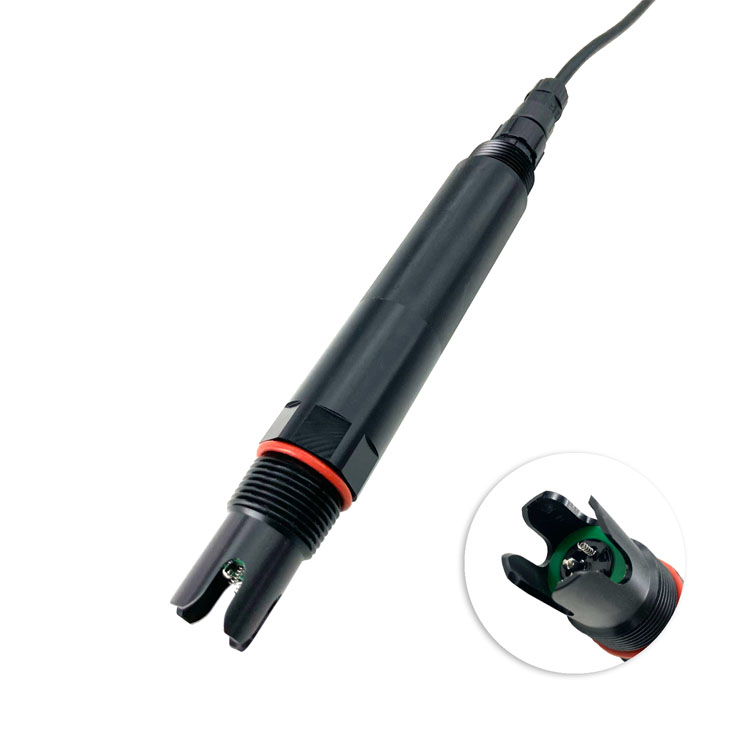
Chemical treatment of ammonia nitrogen wastewater is a refined engineering task. From efficient electrochemical anode materials to economical MAP chemical formulations, and then to technological iterations of ozone catalytic oxidation, every step of improvement cannot be separated from data support.
By introducing the NiuBoL digital water quality online monitoring system, industrial users can integrate fragmented treatment units into an intelligent closed-loop network. Precise real-time monitoring not only means compression of chemical costs and optimization of power consumption, but also represents enterprises' calm response under environmental regulatory pressure. We are committed to providing system integrators and environmental engineers with the most reliable hardware perception layer to help achieve a sustainable future for water resource management.
 NBL-WQ-CL Water Quality Sensor Online Residual Chlorine Sensor.pdf
NBL-WQ-DO Online Fluorescence Dissolved Oxygen Sensor.pdf
NBL-WQ-NHN Ammonia Nitrogen Water Quality Sensor.pdf
NBL-WQ-COD Online Water Quality COD Sensor.pdf
NBL-WQ-PH Online pH Water Quality Sensor.pdf
Related recommendations
Sensors & Weather Stations Catalog
Agriculture Sensors and Weather Stations Catalog-NiuBoL.pdf
Weather Stations Catalog-NiuBoL.pdf
Agriculture Sensors Catalog-NiuBoL.pdf
Water Quality Sensor Catalog-NiuBoL.pdf
Related products
 Combined air temperature and relative humidity sensor
 Soil Moisture Temperature sensor for irrigation|NBL-S-THR
 Soil pH sensor RS485 soil Testing instrument soil ph meter for agriculture |NBL-S-PH
 Wind Speed sensor Output Modbus/RS485/Analog/0-5V/4-20mA
 Tipping bucket rain gauge for weather monitoring auto rainfall sensor RS485/Outdoor/stainless steel
 Pyranometer Solar Radiation Sensor 4-20mA/RS485

Screenshot, WhatsApp to identify the QR code
WhatsApp number:+8615367865107
(Click on WhatsApp to copy and add friends)

