





— Blogs —
—Products—
 Consumer hotline +8618073152920
 WhatsApp:+8615367865107
Address:Room 102, District D, Houhu Industrial Park, Yuelu District, Changsha City, Hunan Province, China
Product knowledge
Time:2026-01-20 09:10:19 Popularity:716
Water level sensor failure modes include more than a missing signal. A frozen value, a valid-looking measurement from the wrong reference or an old record presented as current can be harder to notice. The importance of water level monitoring therefore lies in both the reading and the system's ability to recognise when that reading should not be used.
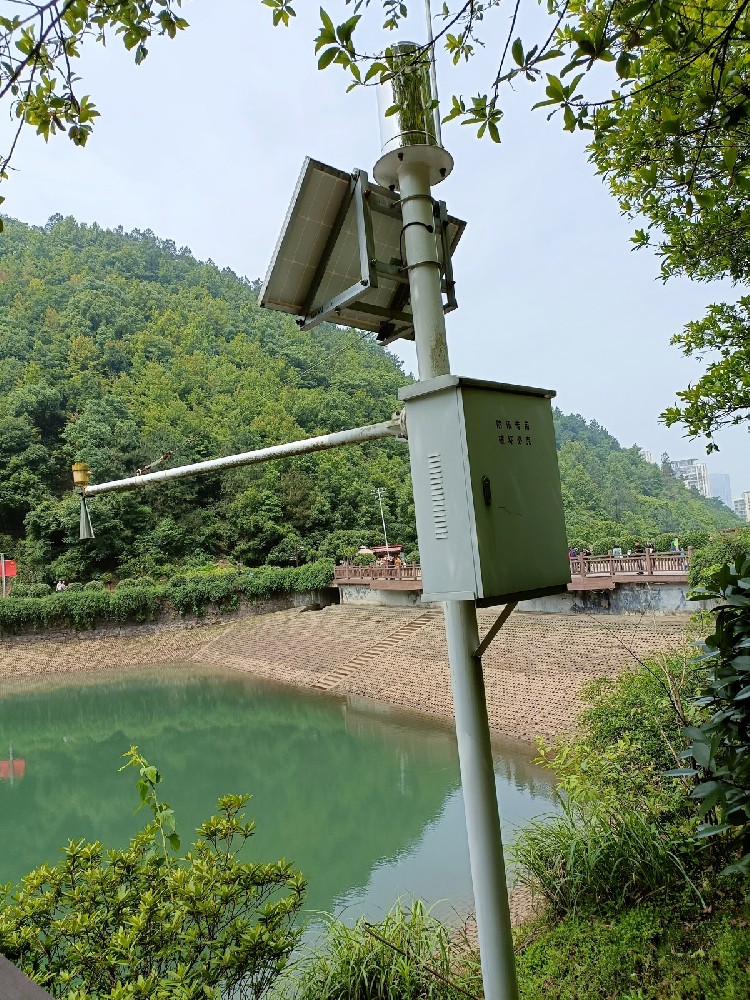
An open connection is often visible because no valid measurement arrives. A fixed but plausible value may continue to appear on a dashboard while the tank fills or drains. If the system checks only whether the number is inside the normal range, that failure can remain unnoticed.
A different problem occurs when the measurement is current but its reference is wrong. A moved probe, shifted bracket or duplicated controller offset can change the reported level without an electrical fault. Communication diagnostics alone cannot establish that the number still represents the intended physical quantity.
| Failure pattern | What the operator may see | Check that distinguishes it |
|---|---|---|
| No valid signal | Timeout, fault state or missing value. | Receiver status, local supply and the raw connection. |
| Old value retained | A normal-looking number with no new observation. | Measurement timestamp and age, not only server connection. |
| Frozen measurement | Fresh messages carrying an unchanged value. | Comparison during a known physical level change. |
| Wrong physical reference | A changing but offset level. | Independent level observation and installation position. |
| Wrong conversion | A consistent but incorrect scale or direction. | Raw value, units, span and controller calculation. |
These patterns require different responses. Replacing a transmitter will not repair a server timestamp problem. Resetting an offset will not restore a flooded atmospheric vent. Identify the failed part of the measurement chain before treating the displayed value as a sensor fault.
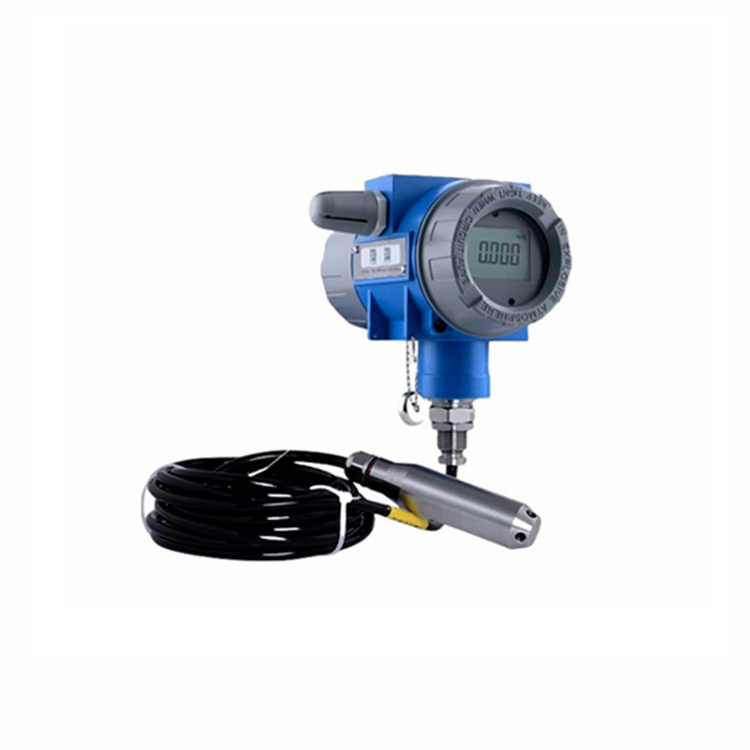
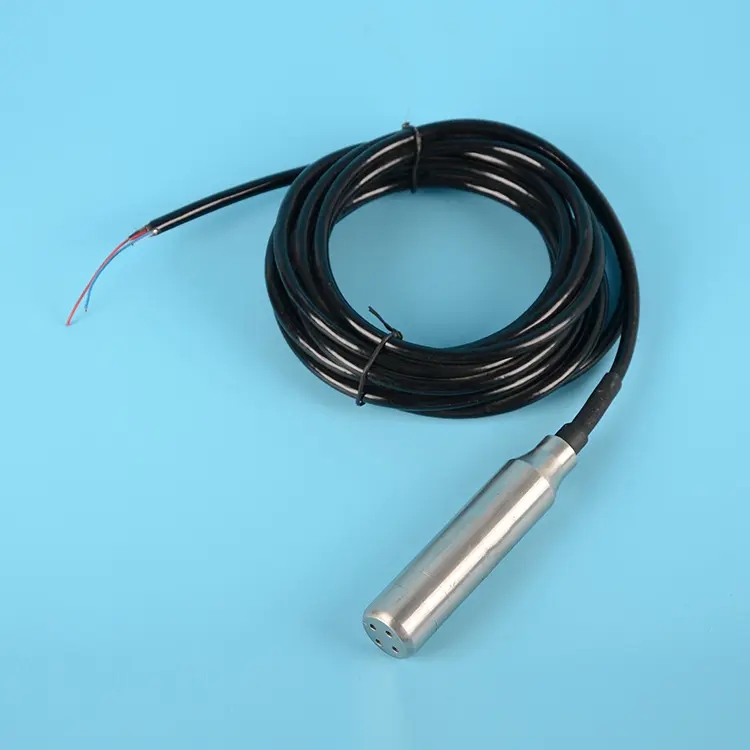
For a hydrostatic instrument, confirm that the probe is still in the intended position and that the pressure inlet is not obstructed. Examine the vented cable termination where that configuration uses an atmospheric reference. A cable that remains electrically connected can still have a damaged or blocked vent path.
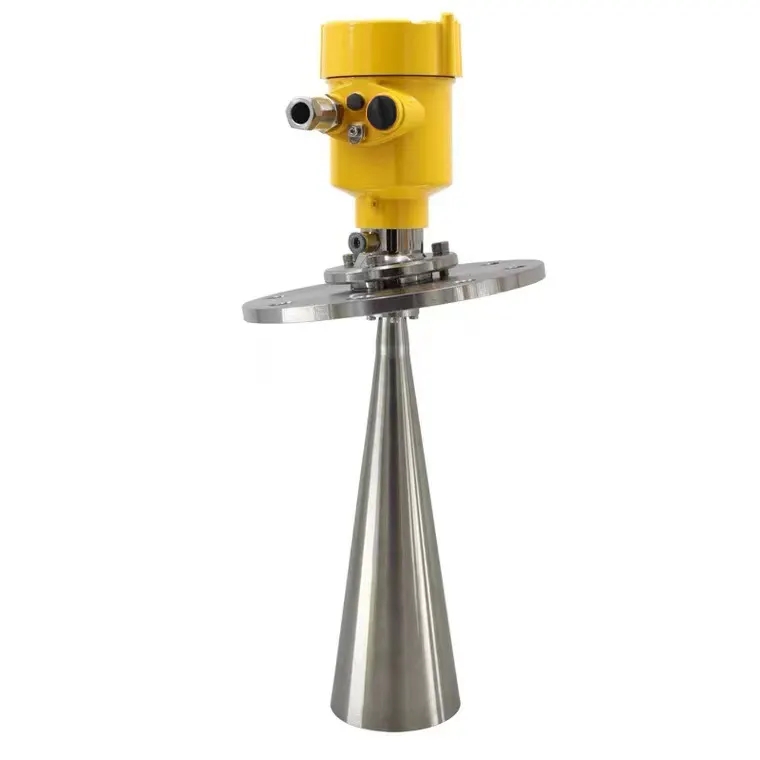
For a non-contact instrument, check the mounting reference, sensor face and available return path. An obstruction or lost echo may be handled differently by different devices: some report a fault, while others may hold or filter a value. Obtain the actual behaviour rather than assuming every bad measurement creates an obvious zero.
Use an independent observation where safe access permits. A local display and a remote display may show the same transmitter value, so agreement between them confirms transmission, not independent measurement accuracy. Compare a known level change with the raw device response.
A NiuBoL NBL-L-WLPS RS485 probe supplies data to a compatible PLC, RTU or logger. The receiver, gateway and server can introduce additional failure states. A working cellular connection does not prove the receiver is successfully reading the probe.
For RS485 Modbus RTU, record successful reads and communication errors separately from the last measurement. For an analog configuration, record the receiver's input status and the interpretation of out-of-range or missing current for that instrument. Do not apply one manufacturer's fault-current convention to every transmitter.
If the platform accepts repeated copies of an older record, a fresh arrival time can disguise an old measurement. Preserve the measurement time and distinguish it from the time received by the server. Offline recovery should not make old observations appear to be current process data.
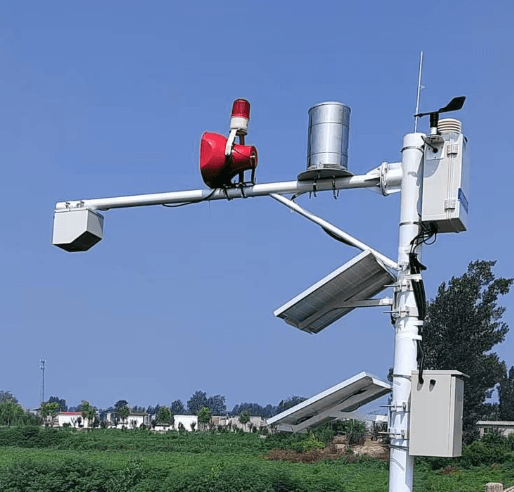
The appropriate action depends on the process. Stopping a pump on lost data might be reasonable in one installation and create another hazard in a different one. Determine the response with the process owner before commissioning; do not leave it to an undocumented software default.
Options may include an explicit unavailable state, a time-limited hold for display only, an operator alarm or a separately designed control fallback. Label any retained reading with its age. A last-known value should not silently continue as proof that a tank remains within limits.
Where independent high- or low-level protection is required, assess shared power, wiring, controller and maintenance dependencies. Two displayed signals are not automatically two independent protection channels. A general monitoring sensor should not be presented as a certified safety function without the relevant device and system evidence.

A pump command, valve state or flow observation can help identify an implausible trace. For example, a verified refill with no outlet flow should normally produce a storage change in the connected tank. If the level remains fixed, investigate before accepting the value.
However, a pump command is not proof of delivered flow. An open valve, bypass, leak or simultaneous withdrawal can change the expected response. Treat such comparisons as diagnostic checks with stated conditions, not universal rules that declare a sensor faulty whenever a pump runs.
Set stale-data limits from the permitted response time and normal acquisition behaviour. A one-hour age limit is not useful for a tank that can cross its operating range in minutes. Conversely, a short arbitrary timeout may create nuisance faults on a system deliberately configured for infrequent reporting.
Use an approved test procedure and isolate any control consequences before simulating faults. Check loss of the local measurement, loss of the remote link and restoration separately. Observe the raw receiver, displayed status, alarm and stored timestamps through each condition.
A safe simulation of unchanged data can check whether the system relies only on communication success. It must be distinguished from a genuine steady process. Document how the test input is generated and removed, and confirm that normal data has resumed before returning control to service.
For maintenance, retain the symptom, affected point, raw values and reference observations. Mark periods when the sensor is removed or under test so those records are not later interpreted as an empty tank or a real event. On restoration, verify the physical reference as well as communication.
Yes. Communication can remain functional while the sensing value is frozen, incorrectly converted or related to a changed installation reference. Compare data freshness and physical response, not only successful packets.
Not by itself. The water may genuinely be steady. Test against a known process change or suitable reference observation, with the inlet and outlet conditions understood.
A stale value is an old observation retained or replayed by the acquisition chain. A frozen sensor can send a new record with an unchanged measurement. Timestamps and a controlled physical comparison help distinguish them.
No universal action is appropriate. Assess the consequences of stopping, continuing or transferring control for that process. Specify and test the required response rather than relying on a generic communication default.
No. Shared power, controllers, reference errors or service activity can affect both. Review the required independence and functional tests before describing the arrangement as a protective system.
Provide the exact model and output, raw local readings, receiver status, measurement timestamps and operating conditions around the event. Include installation changes and an independent level observation where available.
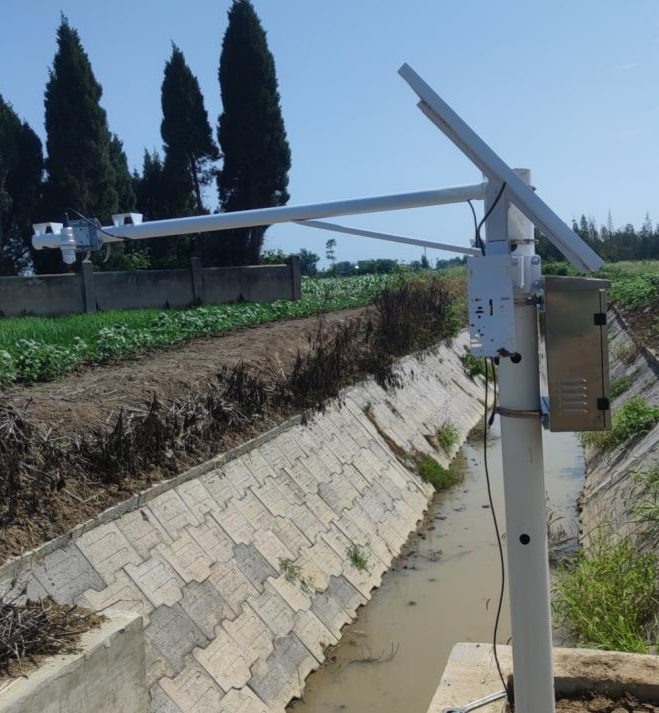
Water level monitoring is useful only while the process meaning and validity of the reading are understood. Missing, old, frozen and incorrectly referenced data are different failure modes. Define how each is detected and handled, then verify recovery before treating the restored trend as operational evidence.
Prev:Liquid Level Sensor vs Water Level Sensor: Media and Model Limits
Next:Liquid Level Measurement and Volume Conversion: What Data Can Show
Related recommendations
Sensors & Weather Stations Catalog
 Agriculture Sensors and Weather Stations Catalog-NiuBoL.pdf
Weather Stations Catalog-NiuBoL.pdf
Agriculture Sensors Catalog-NiuBoL.pdf
Water Quality Sensor Catalog-NiuBoL.pdf
Related products
 Combined air temperature and relative humidity sensor
 TDR Soil Moisture & Temperature Sensor for irrigation| RS485 |4-20mA| NBL-S-THR
 Soil pH sensor RS485 soil Testing instrument soil ph meter for agriculture |NBL-S-PH
 Wind Speed sensor Output Modbus/RS485/Analog/0-5V/4-20mA
 Tipping bucket rain gauge for weather monitoring auto rainfall sensor RS485/Outdoor/stainless steel
 Pyranometer Solar Radiation Sensor 4-20mA/RS485

Screenshot, WhatsApp to identify the QR code
WhatsApp number:+8615367865107
(Click on WhatsApp to copy and add friends)

