— Blogs —
—Products—
 Consumer hotline +8618073152920
 WhatsApp:+8615367865107
Address:Room 102, District D, Houhu Industrial Park, Yuelu District, Changsha City, Hunan Province, China
Product knowledge
Time:2026-07-18 10:24:31 Popularity:296
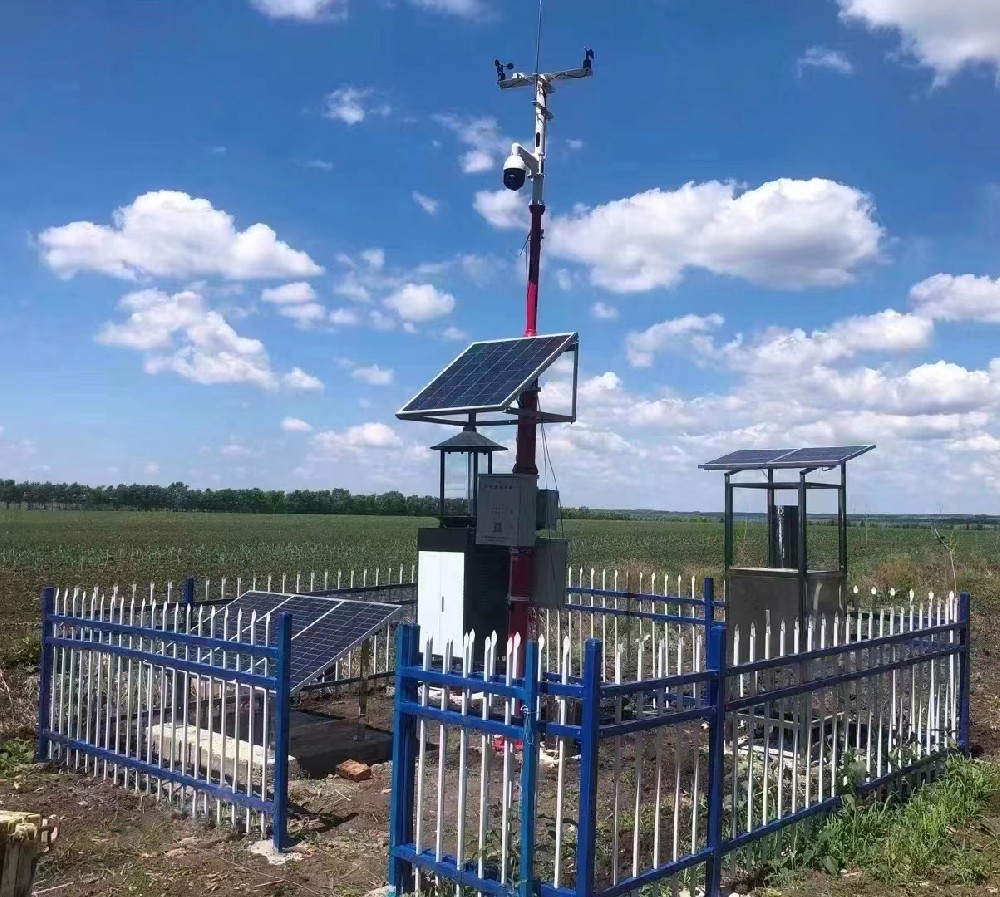
An automatic weather station is useful when site-level weather affects safety, operations, crop growth, transport, environmental monitoring or research. Weather station data support forecasts and daily decisions, and many organizations need real-time weather information from the actual site rather than a distant public weather report.
For buyers, the question is not simply what a weather station is. The question is which weather station architecture, sensor set, mast height, power supply, communication method and data software will make the project reliable after installation.
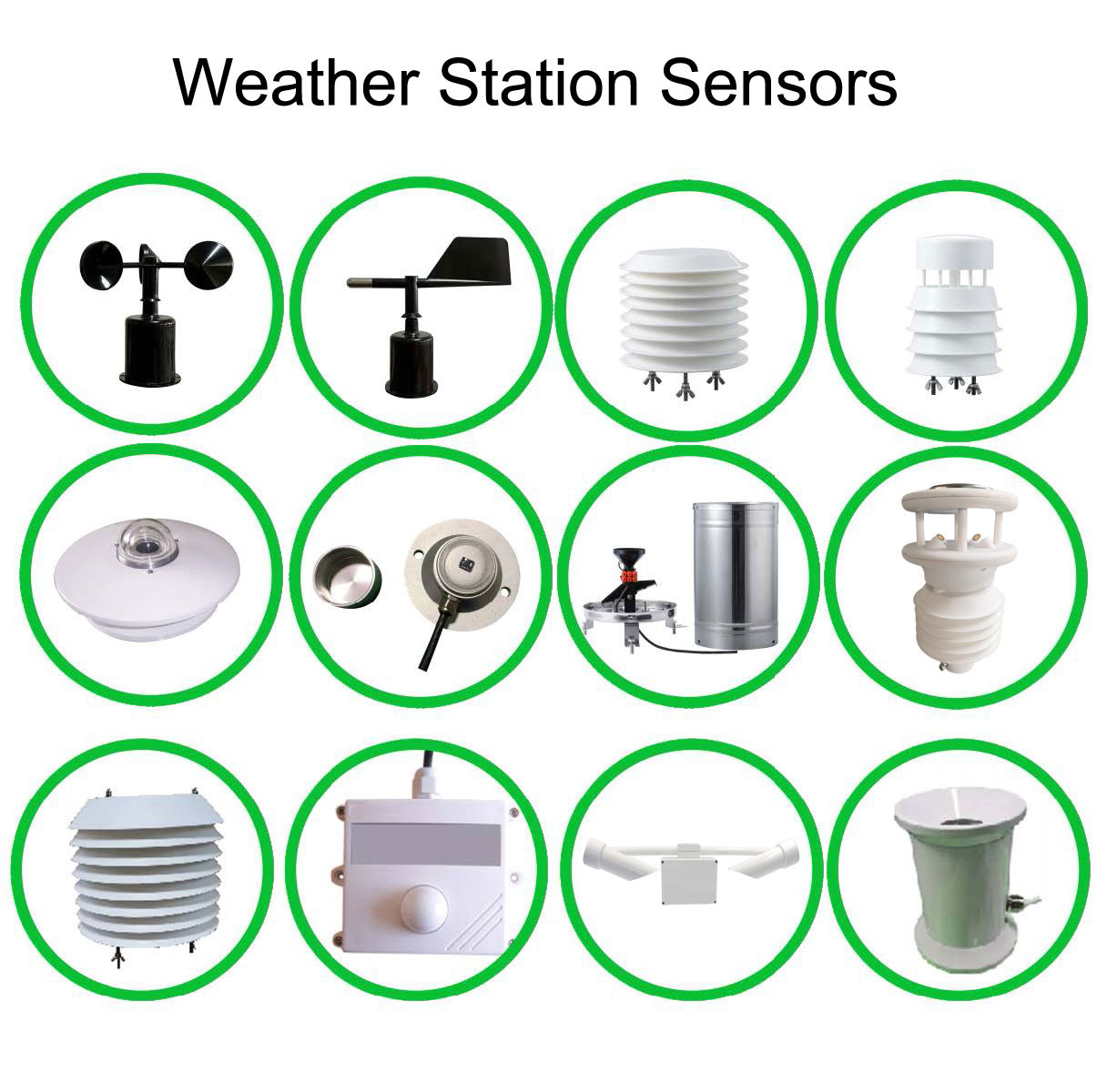
A weather station measures meteorological factors such as air temperature, humidity, wind direction, wind speed, air pressure, rainfall, illumination and solar radiation. Depending on the project, it can be used in agriculture, hydrology, environmental protection, transportation, scenic areas, industrial sites, campuses and research fields.
The station creates value when the data are local, continuous and usable. A farm may use weather data to judge irrigation, disease risk and field work timing. A construction or transportation project may use wind and rainfall alarms for safety. A research station may need long-term records, data export and stable power in unattended conditions.
| Component | Common choice | Buyer check |
|---|---|---|
| Sensor set | Wind, temperature, humidity, pressure, rain, radiation or custom parameters | Match parameters to the project decision. |
| Mounting structure | 2 m, 3 m, 4 m, 6 m or 10 m mast depending on site | Confirm exposure, foundation, corrosion resistance and maintenance access. |
| Data terminal | Logger with display, storage and communication | Check memory, sampling interval, export format and power protection. |
| Power supply | AC/DC, battery backup or solar power | Confirm autonomy during cloudy days or power outage. |
| Communication | Local network, 4G/5G or other wireless methods | Confirm coverage, data interval and platform access. |
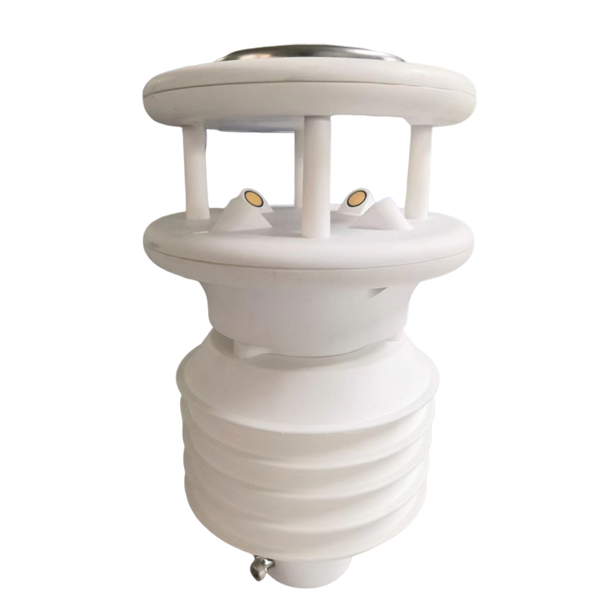
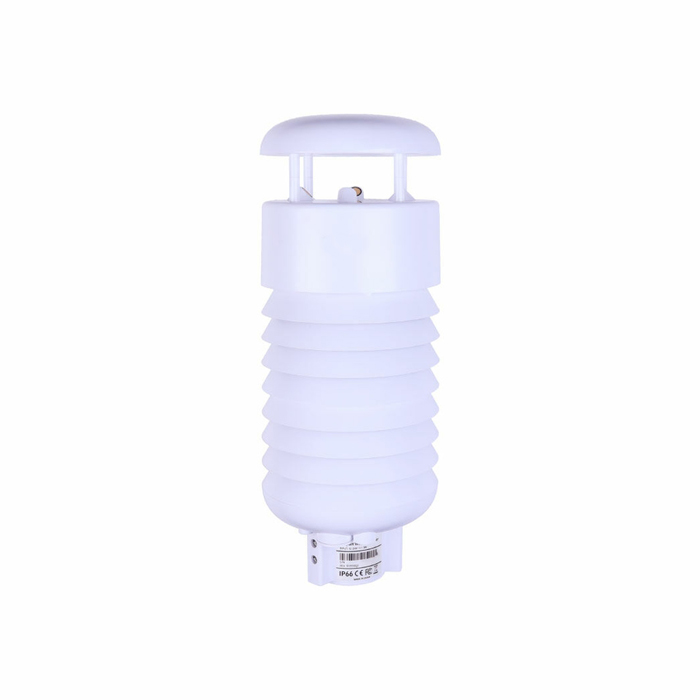
Ultrasonic integrated weather stations are compact devices that measure wind speed and wind direction without moving mechanical parts. This matters in field procurement because cups, vanes and mechanical bearings can suffer wear, icing, dust or low-speed response problems. An ultrasonic integrated sensor reduces moving parts and can simplify installation.
A modular station still has value where buyers need separate sensor placement, specialized sensors, higher serviceability or compliance with a specific measurement standard. The decision should be based on maintenance access, required parameters, standard requirements and site exposure.
| Option | Advantages | Use carefully when |
|---|---|---|
| Integrated ultrasonic station | Compact structure, no moving wind parts, fast installation, easier maintenance. | A project requires separate standard sensor spacing or special sensor placement. |
| Modular weather station | Flexible sensor selection, easier replacement of individual sensors. | Cabling, mast design and installation time are limited. |
| Portable station | Temporary field work, mobile monitoring and emergency use. | The project needs permanent data records and unattended operation. |
Outdoor weather station projects often use multiple power modes, including AC/DC and solar battery supply. In outdoor projects, power design should be checked with the same seriousness as sensor accuracy. A station that loses power during storms, heat waves or remote monitoring periods cannot support decision-making.
Communication also needs early design. Local area network connections may use fiber, wireless router or internal network infrastructure. Long-distance field communication often uses 4G or 5G. Short-distance wireless methods may work within a site, but coverage should be tested before final acceptance.
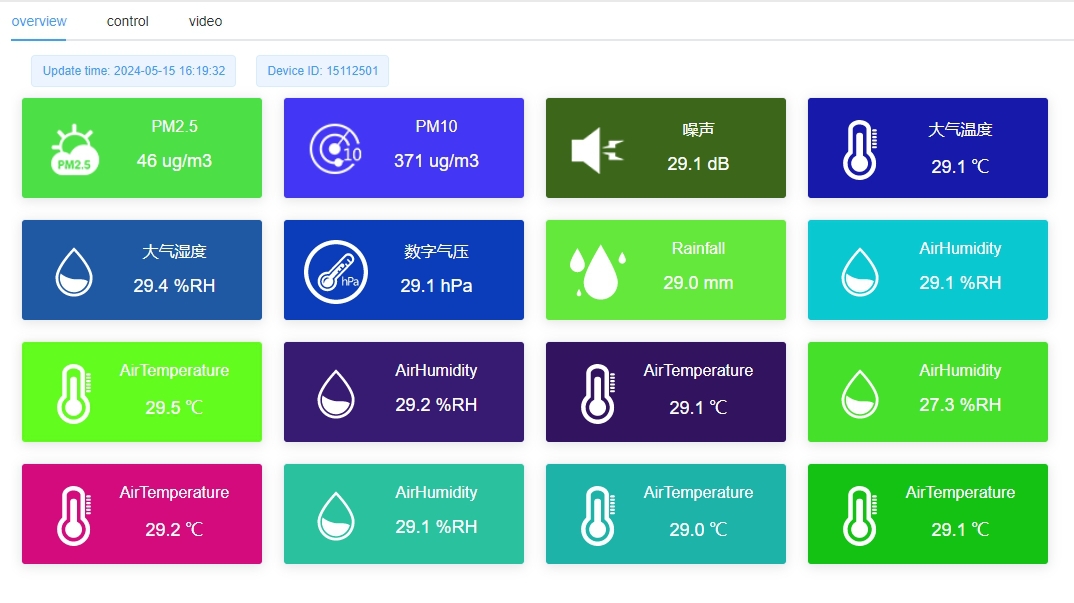
Weather station software should show real-time channel data, store historical records and support export for other software. In many projects, Windows-based management software, real-time display, hourly automatic storage and Excel-format data are practical requirements. For buyers, these are not cosmetic features. They affect whether operators can audit data, compare seasons and provide records to other departments.
Before purchase, ask whether data can be exported, whether the platform supports multiple stations, whether alarms can be set, whether user permissions are available and whether the data remain accessible if the internet connection is interrupted.
In agriculture, a weather station can support sowing, irrigation, disease prevention and field management. Rainfall can increase disease risks during sensitive crop stages, while drainage, water management and pest prevention often need adjustment after weather changes. Site weather data help transform those recommendations into local decisions.
For agricultural buyers, it is useful to combine weather station data with soil moisture, soil temperature and crop-specific observations. A station alone reports weather; a system reports the conditions that affect crop operations.
| Question | Recommended procurement answer |
|---|---|
| Where will the station be installed? | Open area, roof, field, forest, roadside, campus or industrial site. |
| What mast height is needed? | Choose height based on measurement goal, site exposure and maintenance access. |
| Which parameters are required? | Avoid paying for unused parameters or omitting parameters needed for decisions. |
| How will data be transmitted? | Confirm local network, 4G/5G, gateway, data interval and platform. |
| How will the station be accepted? | Test sensor readings, power autonomy, data upload, alarms, storage and export. |
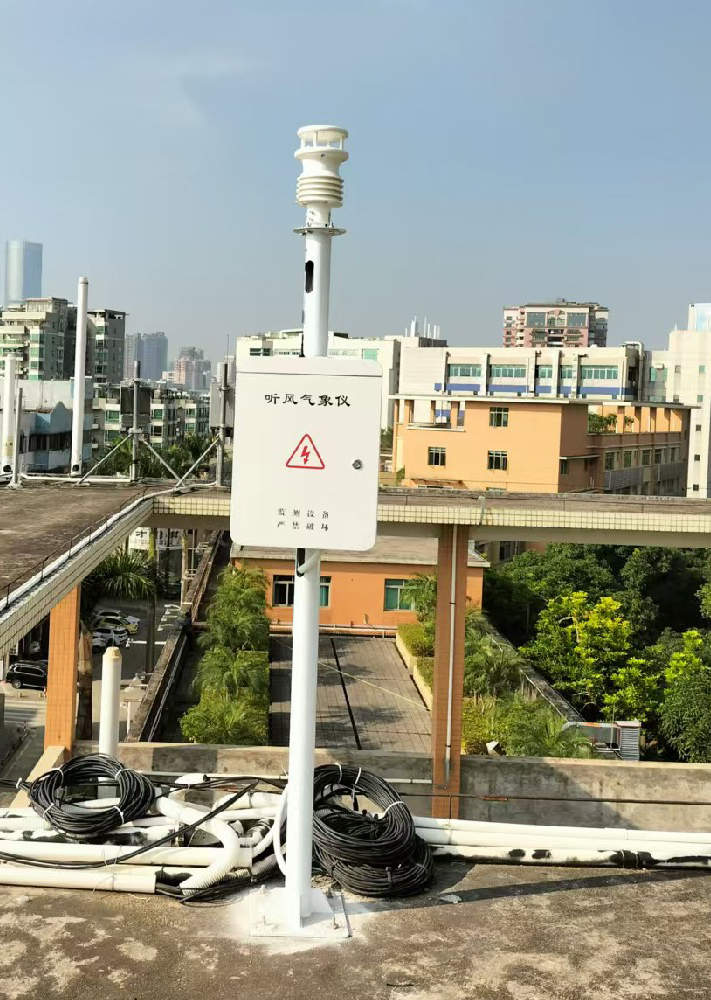
Weather station accuracy is not only a sensor specification. Wind sensors should not be blocked by nearby walls, trees or equipment. Temperature and humidity sensors should avoid direct heating sources and poor ventilation. Rain gauges or optical rain sensors should be installed where splashing, roof edges and obstructions do not distort rainfall records. These site issues should be checked before ordering mast height and accessories.
For agricultural and environmental stations, the station should represent the monitored area. A station installed beside a building may be convenient for power and maintenance, but it may not represent an open field, forest edge or road environment. The project team should decide whether convenience or representative data is more important.
| Stage | What can go wrong | How to reduce risk |
|---|---|---|
| Measurement | Wrong exposure or contaminated sensor | Use proper siting, mast height and inspection plan. |
| Power | Battery drains during cloudy periods | Size solar panel and battery for local climate. |
| Transmission | Weak 4G or unstable local network | Test signal and set offline storage. |
| Storage | Data gaps or inaccessible format | Confirm memory capacity and export function. |
| Use | Data collected but not used in decisions | Set alarms, reports and user responsibility. |
Weather data becomes more valuable when it is combined with the process being managed. In agriculture, add soil moisture or soil water potential sensors if irrigation decisions are required. In hydrology, add water level or rainfall stations if runoff risk is the focus. In scenic or industrial sites, add air quality, noise or visibility sensors when safety and visitor experience depend on more than weather.
This modular thinking helps buyers avoid both under-buying and over-buying. The station should be expandable enough for future sensors, but the first purchase should still focus on the parameters that drive immediate decisions.
Weather station orders should check mast sections, tripod or foundation parts, sensor brackets, lightning protection, solar panel, battery, controller cabinet and communication module. Long masts and delicate sensors should be packed so that the site team can identify parts quickly and avoid damage during transport.
Before shipment, ask for an installation checklist and wiring diagram. If the buyer will install the station without supplier engineers on site, remote commissioning should be planned in advance. The team should prepare tools, concrete base, SIM card, platform account and safe lifting method before the equipment arrives.
A full automatic weather station is not always necessary. If the buyer only needs one temperature value inside a warehouse, a single temperature and humidity sensor may be more practical. If the project only checks short-term field conditions, a portable meter may be enough. A station becomes justified when the owner needs continuous records, multiple parameters, remote viewing, alarms or long-term comparison across seasons.
A: An automatic weather station provides continuous local weather data for decisions that cannot rely on a distant public forecast. It is used for agriculture, hydrology, environmental monitoring, traffic, scenic areas, industrial sites, campuses and research stations.
A: Common sensors include air temperature, humidity, wind speed, wind direction, air pressure, rainfall and solar radiation. The final list should follow the decision being made. A farm, bridge site and campus do not need exactly the same station.
A: Choose an ultrasonic integrated station when compact structure, fast installation and low maintenance are important. It has no moving wind cups or vanes, which helps in dusty, windy or hard-to-service locations. A modular station may still be better for strict sensor spacing requirements.
A: Mast height should match the monitoring purpose and site exposure. A 2 m station may work for agricultural microclimate; a higher mast may be needed for wind monitoring. Nearby buildings, trees and terrain can make the selected height more important than the sensor brand.
A: Check station load, solar panel size, battery capacity, local sunlight, data interval and expected cloudy-day autonomy. A station that fails during bad weather loses the data that the project often needs most.
A: Yes, if the data logger and platform support multiple station nodes, user permissions and historical records. This should be stated before ordering when a farm, campus or environmental project needs more than one monitoring point.
A: Request sensor list, wiring diagram, mast or foundation drawing, communication settings, platform guide, maintenance instructions and acceptance checklist. These documents let the local team install and verify the station without guessing.
A: Test sensor readings, mast stability, power charging, battery backup, data upload, platform display, alarm rules and data export. Also check whether the installation position represents the monitored site.
A: Select a modular station when the project has strict sensor exposure requirements, needs separate rain gauge placement, requires special radiation sensors or may add more channels later. An all-in-one station is usually easier to deploy, but modular design gives the integrator more control over siting and expansion.
An automatic weather station should be specified as a complete monitoring system, not only as a set of sensors. Procurement teams should compare integrated and modular designs, check power and communication, and set acceptance checks before ordering. NiuBoL can supply weather station configurations for agriculture, environmental monitoring, industry, hydrology, tourism and research applications.
Prev:Water Quality Monitoring for Environmental Protection: Sensor Selection and Project Planning Guide
Next:Air and Gas Sensor Selection Guide for Environmental Monitoring Stations
Related recommendations
Sensors & Weather Stations Catalog
 Agriculture Sensors and Weather Stations Catalog-NiuBoL.pdf
Weather Stations Catalog-NiuBoL.pdf
Agriculture Sensors Catalog-NiuBoL.pdf
Water Quality Sensor Catalog-NiuBoL.pdf
Related products
 Combined air temperature and relative humidity sensor
 TDR Soil Moisture & Temperature Sensor for irrigation| RS485 |4-20mA| NBL-S-THR
 Soil pH sensor RS485 soil Testing instrument soil ph meter for agriculture |NBL-S-PH
 Wind Speed sensor Output Modbus/RS485/Analog/0-5V/4-20mA
 Tipping bucket rain gauge for weather monitoring auto rainfall sensor RS485/Outdoor/stainless steel
 Pyranometer Solar Radiation Sensor 4-20mA/RS485

Screenshot, WhatsApp to identify the QR code
WhatsApp number:+8615367865107
(Click on WhatsApp to copy and add friends)