





— Blogs —
—Products—
 Consumer hotline +8618073152920
 WhatsApp:+8615367865107
Address:Room 102, District D, Houhu Industrial Park, Yuelu District, Changsha City, Hunan Province, China
Product knowledge
Time:2026-07-18 10:24:24 Popularity:277
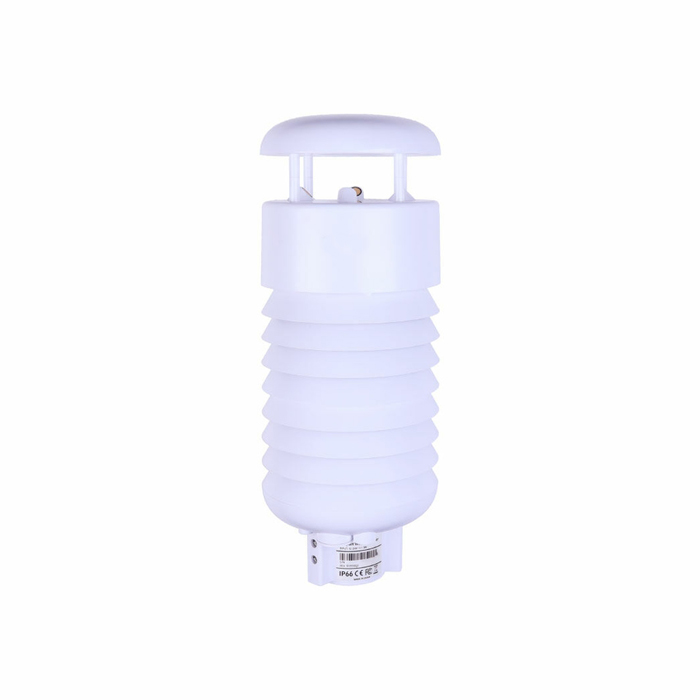
Sensor selection should start with the measured variable, not with a product catalog. A project may need temperature, pressure, vibration, position, gas, light, water quality or biological data, but the buying risk is usually the same: the sensor must produce a stable signal that the control system can use without excessive conversion, calibration or maintenance work.
A grounded procurement review should group sensors by market category and by detection signal. That distinction matters for buyers. Market labels such as image sensor, gas sensor or pressure sensor are easy to understand, but engineering teams should also classify the signal as mechanical, thermal, electrical, magnetic, radiation, chemical or biological. This prevents a wrong purchase when two sensors share a similar name but measure different physical behavior.
For an industrial or IoT project, the first specification question is: what decision will the data support? A vibration sensor used for equipment diagnosis has different response time, mounting and signal-conditioning requirements from a temperature sensor used for weather compensation. A pH sensor in water quality monitoring needs calibration planning and electrode maintenance, while a pressure sensor in a pipeline needs mechanical compatibility and overpressure protection.
| Signal group | Typical variables | Buyer check |
|---|---|---|
| Mechanical | Pressure, flow, vibration, distance, speed, acceleration, force | Confirm range, response time, mounting, vibration resistance and mechanical interface. |
| Thermal | Temperature, heat flux, heat capacity, thermal conductivity | Confirm probe material, ambient exposure, cable length and compensation method. |
| Electrical | Voltage, current, resistance, capacitance, charge | Confirm isolation, power supply, grounding and signal noise control. |
| Chemical | pH, ions, concentration, moisture, gas, oxygen | Confirm calibration interval, consumable parts, sample condition and cleaning plan. |
| Radiation and optical | Infrared, visible light, ultrasound, radio wave | Confirm field of view, contamination risk, alignment and enclosure protection. |
| Biological | Proteins, glucose, enzymes, microbes and biological indicators | Confirm sample handling, response time and maintenance responsibility. |
Sensor demand is driven by IoT deployment, Industrial 4.0 automation, consumer electronics progress, sensor technology improvement, smartphones and automotive growth. For industrial buyers, the important point is not the market trend itself. The point is that more projects now require sensors to be networked, addressable, diagnosable and compatible with a data platform.
A basic analog device may still be suitable for short cable runs and simple panels. A smart sensor becomes more attractive when the project needs remote diagnostics, digital calibration records, multiple devices on one bus, or direct communication with a PLC, RTU, data logger or gateway. This is where protocol compatibility becomes part of the buying decision.
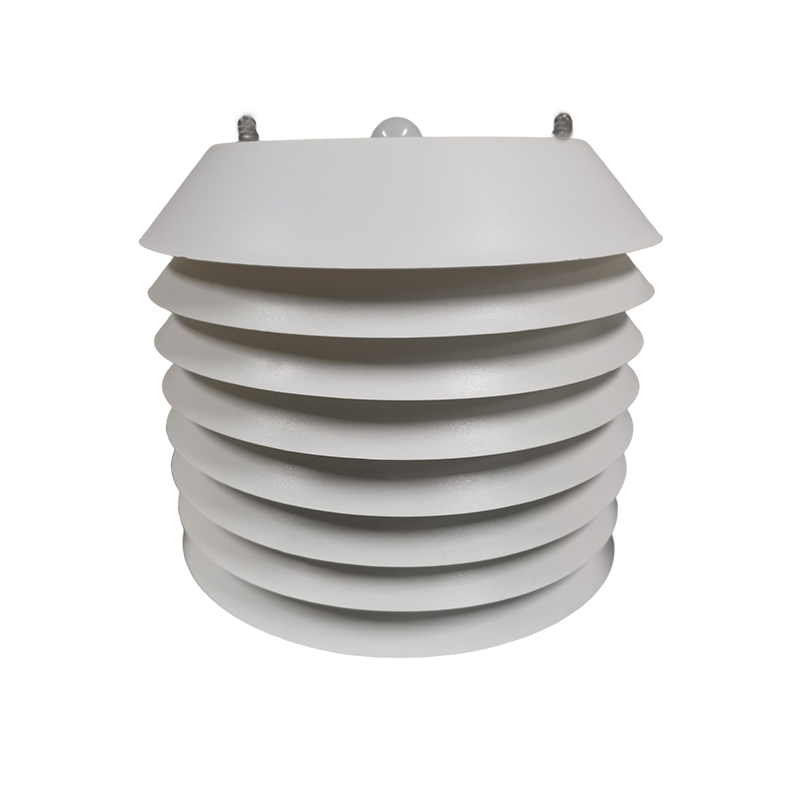
The output format affects panel design, commissioning time and long-term service. 4-20 mA is familiar for industrial control and tolerant of cable length, but it usually carries one variable per channel. RS485 Modbus RTU is practical when several field sensors share a bus and the host needs digital values, device addresses and lower wiring cost. Wireless transmission is useful where trenching or long cable runs are expensive, but it adds power, signal coverage and cybersecurity questions.
| Output choice | Where it fits | Project risk if ignored |
|---|---|---|
| 4-20 mA | Single-variable control loops and legacy PLC inputs | Extra I/O modules may be needed for many sensors. |
| 0-5 V or 0-10 V | Short-distance cabinet or laboratory use | Signal loss and noise can affect field accuracy. |
| RS485 Modbus RTU | Multi-sensor industrial and agricultural monitoring networks | Address conflict or polling errors can delay commissioning. |
| LoRa, 4G or WiFi | Distributed outdoor monitoring where cabling is difficult | Power budget and coverage must be checked before order. |
A low sensor price can disappear quickly if the project later needs conversion modules, custom cabling, firmware changes, repeated calibration or on-site troubleshooting. Procurement should ask for a complete device file: measurement range, accuracy, resolution, output signal, power supply, enclosure rating, operating temperature, communication protocol, register map, wiring diagram, warranty terms and lead time.
For NiuBoL projects, buyers normally look for practical compatibility with weather stations, agricultural monitoring systems, water quality systems and environmental IoT platforms. That means the sensor should not be evaluated as an isolated component. It should be evaluated as part of a measurement-to-platform path from sensing point to platform dashboard.
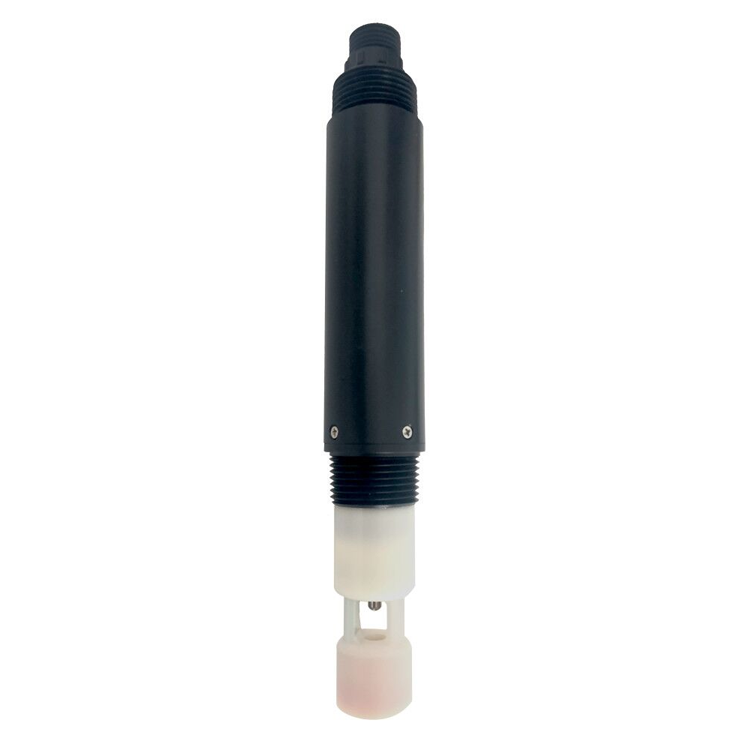
The first mistake is buying by sensor name only. A temperature sensor, for example, can be a surface probe, air probe, soil probe or integrated weather sensor, and each version behaves differently. The second mistake is ignoring installation. A good sensor installed at the wrong depth, height or exposure angle will deliver poor data. The third mistake is leaving protocol checkation until commissioning. At that stage, a missing Modbus register map can stop a project even if the hardware is otherwise correct.
A better approach is to set the measured variable, measurement location, installation method, data interval, host system, communication distance and acceptance test before requesting a quotation. This gives suppliers enough information to recommend the right sensor type and accessories.
A practical sensor specification should be written in the language of the site, not only in the language of the catalog. Instead of writing only "temperature sensor" or "gas sensor", specify the medium, mounting point, expected range, cable distance, enclosure requirement, output signal and host device. This makes the quotation comparable and reduces the chance that suppliers quote different assumptions.
For example, a gas sensor for an enclosed pump room may require a fixed wall-mounted installation, alarm threshold, relay output and RS485 connection. A gas sensor for an environmental monitoring station may require CO2, CO, TVOC, PM2.5, PM10, temperature and humidity data, plus a data collector and cloud platform. These are different purchases even though both may be called air sensors.
Commissioning should verify physical installation, electrical wiring, communication, scaling and data reasonableness. For RS485 Modbus devices, ask the supplier to provide address setting method, baud rate, data bits, parity, register address, scaling factor and example request frame. For analog sensors, check signal range, zero point, full-scale value, grounding and how the host converts engineering units.
| Commissioning item | Acceptance evidence |
|---|---|
| Physical installation | Sensor height, depth, orientation or mounting method matches the drawings. |
| Electrical connection | Supply voltage, polarity, shielding and grounding are checked before power-on. |
| Signal conversion | Host display matches expected engineering units and scaling. |
| Trend response | Measured value changes reasonably when the process or environment changes. |
| Documentation | Wiring diagram, register map and maintenance notes are stored with the project file. |
If a project combines weather, soil, water quality and air monitoring, buying sensors one by one can create hidden integration cost. A package is usually better when the same data logger, gateway or platform must accept several sensor families. It also simplifies spare parts, documentation and after-sales communication because one supplier understands the complete measurement-to-platform path.
A: Classify sensors by the physical or chemical variable first, then by output signal and installation method. That sequence keeps the engineering requirement visible. A catalog category such as temperature sensor or gas sensor is too broad unless range, medium, mounting point and host device are also named.
A: Use RS485 Modbus when the project has several field sensors, a data logger, PLC, RTU or IoT gateway, and the buyer wants addressable digital values. Analog output is still reasonable for one control loop, but it becomes expensive and wiring-heavy when many variables are added.
A: No. Smart sensors are worth the cost when diagnostics, remote data, multi-node networks or platform integration matter. For a short cable run into an existing controller, a basic sensor may be easier to maintain. The right choice depends on the measurement-to-platform path, not the label.
A: Ask for the data sheet, wiring diagram, output definition, Modbus register map if applicable, power requirement, enclosure rating, calibration method, installation guide and warranty terms. These documents are needed during commissioning, not after a fault appears.
A: The usual causes are wrong installation position, noise from grounding, incorrect scaling, no calibration plan, address conflict on the RS485 bus, or a host system that cannot read the output correctly. The sensor may be fine; the system design is often the weak point.
A: Compare the complete delivered scope: sensor, cable, connector, mounting accessories, gateway, platform, documentation, lead time, spares and integration support. A cheaper sensor can be more expensive if it needs converters or extra engineering hours.
A: One supplier is useful when the project combines weather, soil, water quality and air monitoring because one data logger or platform may need to read several sensor families. Mixed purchasing is acceptable only when the integrator owns protocol matching and after-sales responsibility.
A: Check the measured variable, range, accuracy, output signal, protocol, cable length, installation method, enclosure rating, host compatibility, documentation and acceptance test method. Approval should be based on the complete measurement path from sensing point to PLC, RTU, data logger or cloud platform, not on the sensor name alone.
A: Cable length, probe material, enclosure grade, communication output, calibration requirement, mounting accessories, display or gateway options, packaging and certification documents can all change the final price. For project comparison, ask suppliers to state these items separately instead of giving only a unit price.
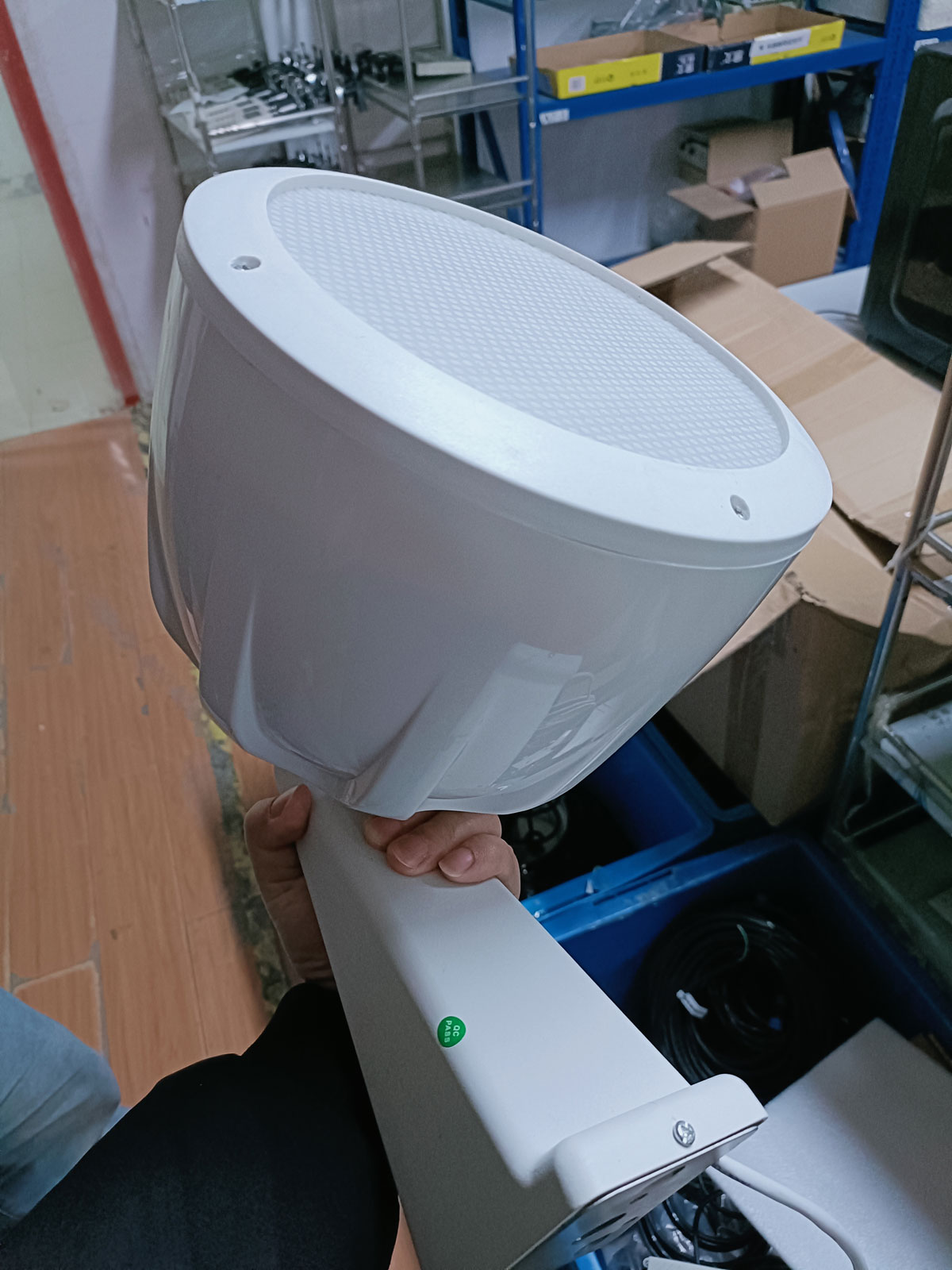
Sensor selection is an engineering decision before it is a purchasing decision. Procurement teams should classify the measured signal, check output compatibility, check installation constraints and request enough technical documentation to support commissioning. NiuBoL can help match sensors with weather stations, agriculture systems, water quality monitoring and environmental IoT projects when the application details are provided in advance.
Prev:High-Altitude Insect Forecasting Lamp Principle and Selection Guide for Monitoring Projects
Next:Agricultural IoT Greenhouse Monitoring System: What Buyers Should Specify Before Ordering
Related recommendations
Sensors & Weather Stations Catalog
 Agriculture Sensors and Weather Stations Catalog-NiuBoL.pdf
Weather Stations Catalog-NiuBoL.pdf
Agriculture Sensors Catalog-NiuBoL.pdf
Water Quality Sensor Catalog-NiuBoL.pdf
Related products
 Combined air temperature and relative humidity sensor
 TDR Soil Moisture & Temperature Sensor for irrigation| RS485 |4-20mA| NBL-S-THR
 Soil pH sensor RS485 soil Testing instrument soil ph meter for agriculture |NBL-S-PH
 Wind Speed sensor Output Modbus/RS485/Analog/0-5V/4-20mA
 Tipping bucket rain gauge for weather monitoring auto rainfall sensor RS485/Outdoor/stainless steel
 Pyranometer Solar Radiation Sensor 4-20mA/RS485

Screenshot, WhatsApp to identify the QR code
WhatsApp number:+8615367865107
(Click on WhatsApp to copy and add friends)

