





— Blogs —
—Products—
 Consumer hotline +8618073152920
 WhatsApp:+8615367865107
Address:Room 102, District D, Houhu Industrial Park, Yuelu District, Changsha City, Hunan Province, China
Product knowledge
Time:2026-07-18 10:24:34 Popularity:288
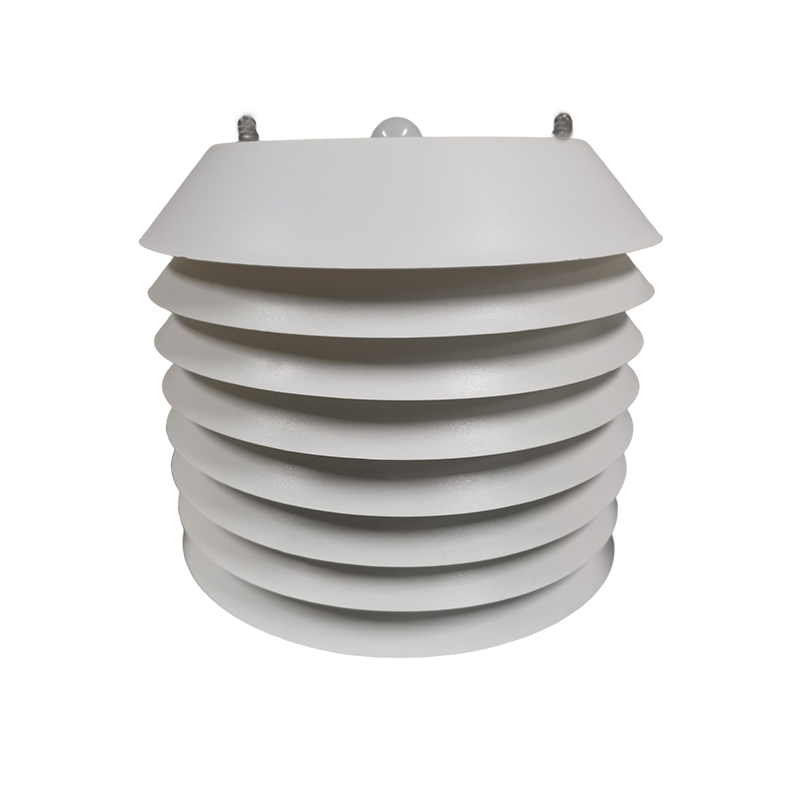
Air and gas sensors are used to detect the presence of target gases or continuously measure gas composition within a defined range. Common applications include mining, chemical plants, agriculture, municipal projects, medical environments, power plants and manufacturing. For buyers, the important question is which gas, which risk and which installation method the project must control.
A sensor used to warn against explosive gas is not selected in the same way as a particulate sensor used for urban environmental data. Toxic gases, corrosive gases, combustible gases and comfort-related air quality parameters all require different sensing principles, maintenance cycles and alarm strategies.
| Risk category | Typical gases or parameters | Selection focus |
|---|---|---|
| Toxic gas | CO, H2S, ammonia, chlorine and similar gases | Alarm threshold, response time, cross-interference and calibration. |
| Corrosive gas | Chlorine, ozone, chlorine dioxide and disinfectant gases | Probe material, exposure tolerance and sensor recovery. |
| Combustible gas | Methane, hydrogen and flammable vapors | Explosion risk, measuring range and certification requirements. |
| Indoor air quality | CO2, TVOC, formaldehyde, PM2.5, PM10, temperature and humidity | Long-term stability, comfort thresholds and platform integration. |
| Dust and particulate | PM1.0, PM2.5, PM10 and larger particles | Optical path protection, airflow and cleaning environment. |
Sensitivity is the ratio between sensor output change and measured gas change. High sensitivity is useful, but it is not enough. A good project specification also asks about selectivity, response time, recovery time, drift, calibration method, working temperature, humidity influence and exposure to high concentration gas.
Corrosion resistance is especially important when a sensor may be exposed to high-volume target gas. If a large amount of toxic or corrosive gas is suddenly released, the sensing element may be attacked or temporarily saturated. Procurement teams should ask how the sensor recovers after exposure and whether the expected error remains acceptable.
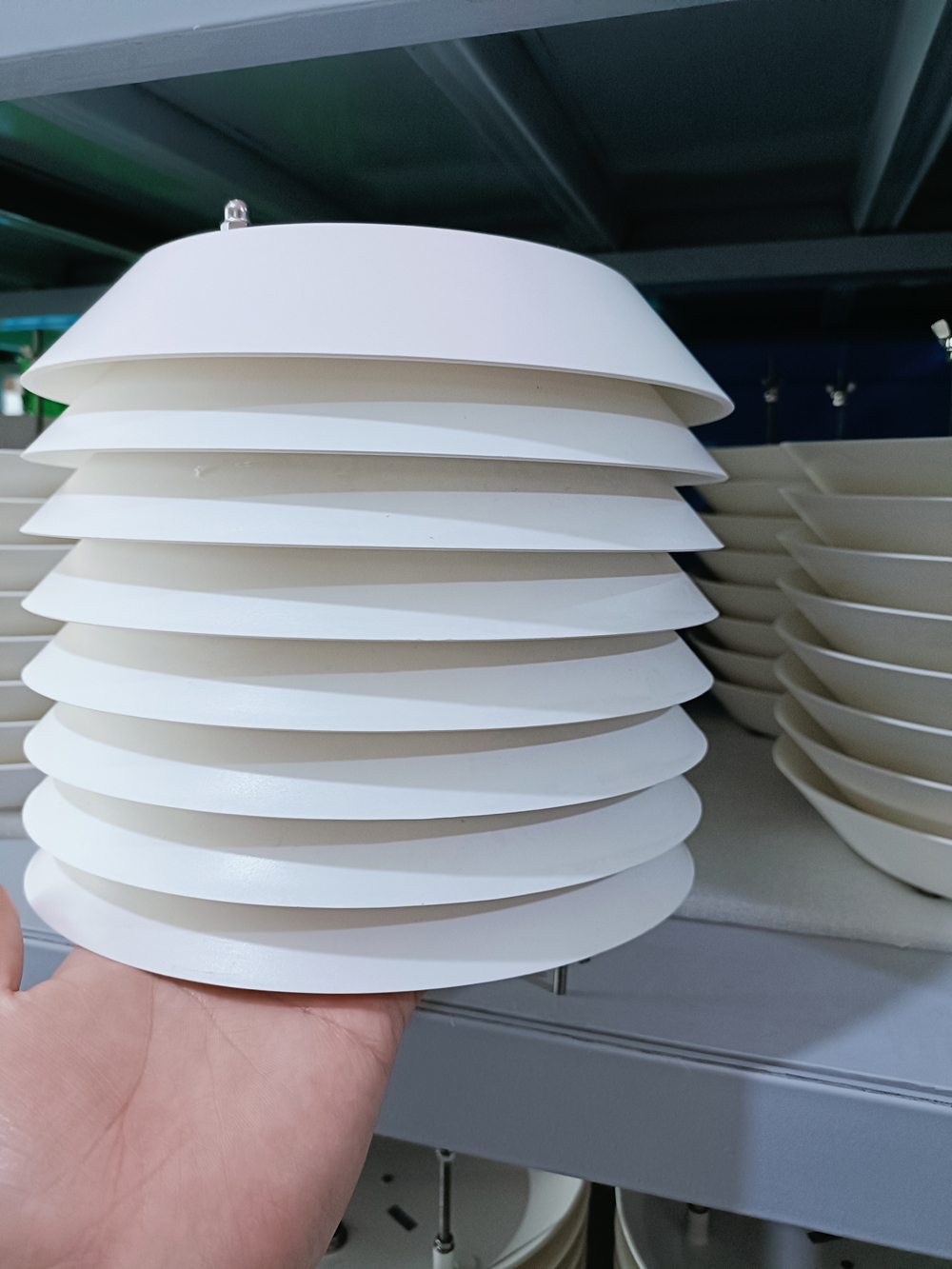
Gas sensors should be classified by gas type, installation method, sampling method and detection principle before purchasing. Two sensors with the same target gas may perform differently depending on whether they are portable, fixed, diffusion-type or pump-sampling instruments.
| Classification | Options | Buyer decision |
|---|---|---|
| Installation | Portable or fixed | Use portable for inspection; use fixed for continuous station monitoring. |
| Sampling | Diffusion or pumped sampling | Use pumped sampling when the gas must be drawn from a duct, cabinet or remote point. |
| Principle | Semiconductor, electrochemical, optical, thermal and other methods | Choose by gas type, range, selectivity, cost and maintenance. |
| Output | Analog, RS485 Modbus, wireless or platform device | Match the sensor to the data logger, PLC or monitoring platform. |
Semiconductor gas sensors are often sensitive and fast, and they may detect high-concentration combustible gases or high-ppm harmful gases. Their limitation is that the measurable range can be narrow and the output may be influenced by environmental conditions.
Electrochemical gas sensors are widely used for toxic and harmful gases in chemical pollution monitoring. They are sensitive and stable enough for many mature applications, but they can be affected by temperature, humidity and cross-gas interference. The project team should request calibration requirements and expected sensor life before ordering.
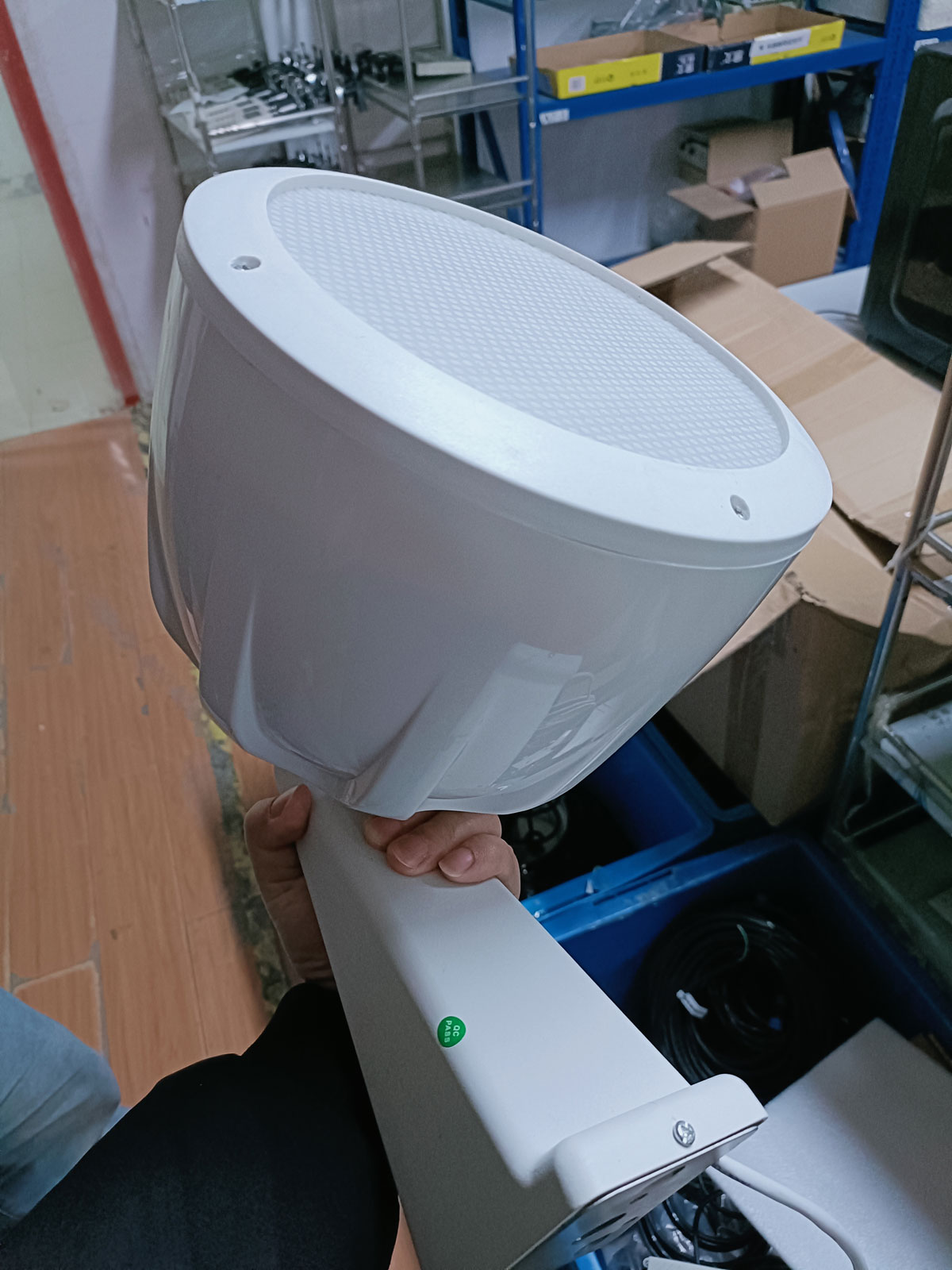
An environmental monitoring station is generally composed of gas sensors, data collector, intelligent control system and data monitoring platform. This structure should appear in the procurement document. Sensors collect data, the collector manages power and communication, and the platform stores, displays and alarms the data.
Common air monitoring parameters include temperature, humidity, CO2, CO, formaldehyde, TVOC, PM2.5, PM1.0 and PM10. For industrial emissions or safety projects, the target gas list may be completely different. The project team should not copy a standard air quality package into a chemical plant without reviewing the actual gas hazards.
| Question | Why it matters |
|---|---|
| What gas or particle is being measured? | Determines sensor principle, range and calibration gas. |
| Is the sensor for safety alarm or trend monitoring? | Alarm use requires faster response and clearer threshold management. |
| Where will the sensor be installed? | Indoor, outdoor, duct, cabinet and greenhouse sites require different enclosures. |
| What communication is needed? | RS485 Modbus is suitable for fixed stations and IoT data collectors. |
| How will calibration be handled? | Calibration gas, interval and replacement parts affect operating cost. |
A multi-parameter air quality sensor is useful when the project needs general environmental data from one location: temperature, humidity, pressure, CO2, CO, PM and TVOC, for example. It reduces installation points and wiring. It is not always suitable when a safety-critical gas requires dedicated alarm-grade detection or certified hazardous-area equipment.
This distinction gives the buyer a more credible specification. Use multi-parameter sensors for environmental monitoring and data trends. Use dedicated gas detectors when the gas risk, certification requirement or alarm response demands it.
A safety alarm project should specify alarm thresholds, response time, relay output, audible or visual alarm linkage, calibration gas and fault indication. An environmental monitoring project should specify data interval, long-term stability, platform display, trend accuracy and maintenance schedule. Mixing these two purposes leads to unclear acceptance criteria.
For example, a CO sensor in a parking area may require alarm linkage and clear safety thresholds. A CO2 sensor in a greenhouse may be used for ventilation or enrichment decisions. A PM2.5 sensor in an outdoor station needs enclosure and airflow protection. The same parameter name does not create the same system requirement.
| Interference factor | Impact on sensor project |
|---|---|
| Temperature change | Can shift electrochemical response or affect compensation. |
| Humidity | Can influence gas diffusion, electrochemical output and particulate readings. |
| Dust or oil | May block optical path, diffusion membrane or sampling inlet. |
| Cross gas | Other gases may produce response on the same sensing element. |
| Airflow | Poor airflow can delay response or make readings unrepresentative. |
Ask for the recommended installation height, inlet orientation, weather shield, cleaning method, calibration interval and replacement cycle. If the sensor connects to a data collector, ask for wiring definition, RS485 address, Modbus register map and power consumption. These details help engineering teams install the station without repeated supplier calls.
For fixed stations, the project team should also ask whether the enclosure, cable gland and mounting bracket are suitable for the local environment. Outdoor air monitoring is often harder on equipment than indoor demonstration testing.
Air monitoring quotations should state whether the price includes sensor module only, complete monitoring station, enclosure, data collector, mounting bracket, power supply, platform access and communication device. Many misunderstandings happen because one quotation is for a probe and another is for a complete station.
For export or contractor projects, provide target gas list, measuring range, installation photos, indoor or outdoor condition, power source, communication method and required certificates or test reports. This allows the supplier to select the correct sensor principle and housing instead of offering a generic air quality device.
A low-cost air sensor may be acceptable for trend observation in a school, farm office or general environmental display. It is a poor choice when the project is used for gas leakage alarm, worker safety decisions or compliance evidence. In those cases, the buyer should check calibration method, alarm output, response time, housing protection, maintenance interval and whether a dedicated detector is required by the local project specification.
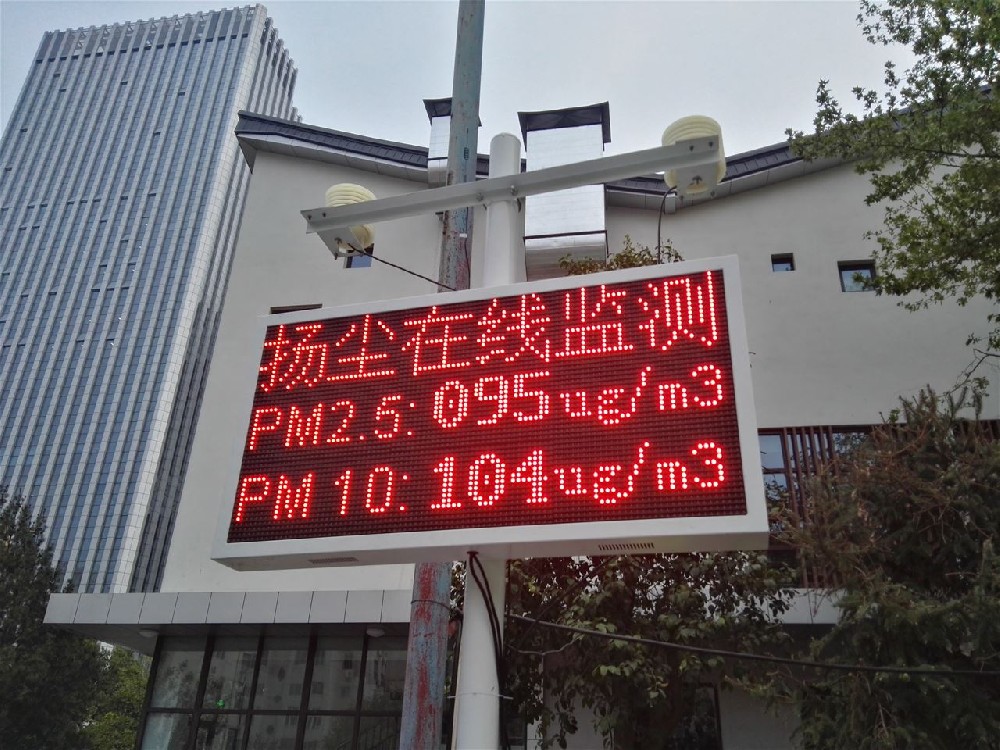
A: Identify the target gas or particle and the purpose of monitoring. Safety alarm, comfort monitoring, emission trend analysis and greenhouse control each require different range, response time, enclosure and communication design.
A: Sensitivity is the ratio between output change and gas concentration change. It is useful only when considered with selectivity, drift, response time and interference. A sensitive sensor that responds to the wrong gas can still be a poor project choice.
A: Use fixed gas sensors for continuous monitoring, alarms and platform records. Portable meters are suitable for inspection, maintenance and temporary checks, but they do not provide continuous evidence or automatic response.
A: Diffusion sensors wait for gas to reach the sensing element naturally. Pump sampling draws air from a point, duct or cabinet. Pump sampling is useful when the sensor cannot be mounted directly at the measurement location.
A: No. Electrochemical sensors are common for many toxic gases, but each gas requires the right cell, range, cross-interference check, temperature range and calibration gas. The project team should not assume one electrochemical sensor covers all hazards.
A: Yes, if the sensor or collector supports a compatible output such as RS485 Modbus, analog signal or wireless gateway. For multi-parameter stations, the project team should request channel list, data interval and platform display format.
A: List target gases or particles, measuring range, alarm threshold, indoor or outdoor installation, power supply, communication method, enclosure requirement, calibration expectation, quantity and delivery country. Photos of the site help avoid wrong housing choices.
A: A multi-parameter sensor is suitable for environmental trends. It may not be enough for safety-critical gas alarms, hazardous-area installations or processes that require certified gas detection. In those cases, use a dedicated gas detector.
A: Common causes include poor ventilation around the sensor, direct exhaust impact, water condensation, dust blockage, incorrect warm-up time, power noise and using the wrong range for the site. The first check should compare installation position, zero point and calibration history before replacing the sensor.
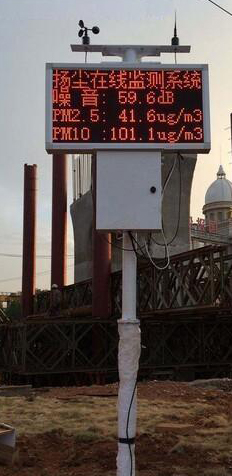
Air and gas sensor procurement should be based on risk, target gas, installation method, sensing principle and system integration. NiuBoL can support environmental monitoring stations with air quality sensors, particulate sensors, temperature and humidity sensors, data collectors and platform integration when the project conditions are stated clearly.
Prev:Automatic Weather Station Selection Guide: Components, Uses and Buyer Checks
Next:Water-Saving Irrigation System Design: Beyond Pump Flow and Head Selection
Related recommendations
Sensors & Weather Stations Catalog
 Agriculture Sensors and Weather Stations Catalog-NiuBoL.pdf
Weather Stations Catalog-NiuBoL.pdf
Agriculture Sensors Catalog-NiuBoL.pdf
Water Quality Sensor Catalog-NiuBoL.pdf
Related products
 Combined air temperature and relative humidity sensor
 TDR Soil Moisture & Temperature Sensor for irrigation| RS485 |4-20mA| NBL-S-THR
 Soil pH sensor RS485 soil Testing instrument soil ph meter for agriculture |NBL-S-PH
 Wind Speed sensor Output Modbus/RS485/Analog/0-5V/4-20mA
 Tipping bucket rain gauge for weather monitoring auto rainfall sensor RS485/Outdoor/stainless steel
 Pyranometer Solar Radiation Sensor 4-20mA/RS485

Screenshot, WhatsApp to identify the QR code
WhatsApp number:+8615367865107
(Click on WhatsApp to copy and add friends)

