





— Blogs —
—Products—
 Consumer hotline +8618073152920
 WhatsApp:+8615367865107
Address:Room 102, District D, Houhu Industrial Park, Yuelu District, Changsha City, Hunan Province, China
Product knowledge
Time:2026-07-18 10:24:36 Popularity:342
Water-saving irrigation is often discussed as a pump selection problem, but pump flow and head are only part of the design. Pump selection should meet flow and head requirements, operate near efficient working points, reduce investment and remain easy to operate and maintain. For modern irrigation projects, sensors and control logic should be added to that foundation.

A pump must match the required irrigation flow and head. Flow is related to crop water demand, irrigated area, irrigation depth, channel or pipeline loss and available working hours. Head is related to the vertical distance from water source to field or channel, installation height, suction loss and distribution pressure requirement.
If the pump is undersized, irrigation may not reach the required area or pressure. If it is oversized, energy cost rises and valves or pipelines may operate outside the intended condition. The project team should compare pump efficiency, motor power, drive method and operating cost after flow and head are calculated.
| Design item | What to calculate | Why it affects procurement |
|---|---|---|
| Flow | Crop water demand, area, irrigation depth and working hours | Determines pump size, pipeline diameter and valve zoning. |
| Head | Water source level, field elevation, suction loss and distribution pressure | Determines pump type and motor power. |
| Loss allowance | Channel, pipe, filter and fitting losses | Prevents actual flow from being lower than design flow. |
| Operating efficiency | Pump working point during long-term use | Reduces electricity or fuel cost. |
| Maintenance access | Pump room, filters, valves and sensors | Affects service cost and downtime. |
Traditional irrigation often uses experience to decide watering time. A water-saving system should use field data: soil moisture, soil temperature, soil water potential, rainfall, air temperature, humidity and radiation. These parameters help the controller decide when irrigation is needed and when it should stop.
Soil moisture sensors support zone-level irrigation decisions. Soil water potential sensors help evaluate plant-available water. Weather station data help estimate evaporation and rain impact. Together, they prevent the system from watering only because a timer says so.
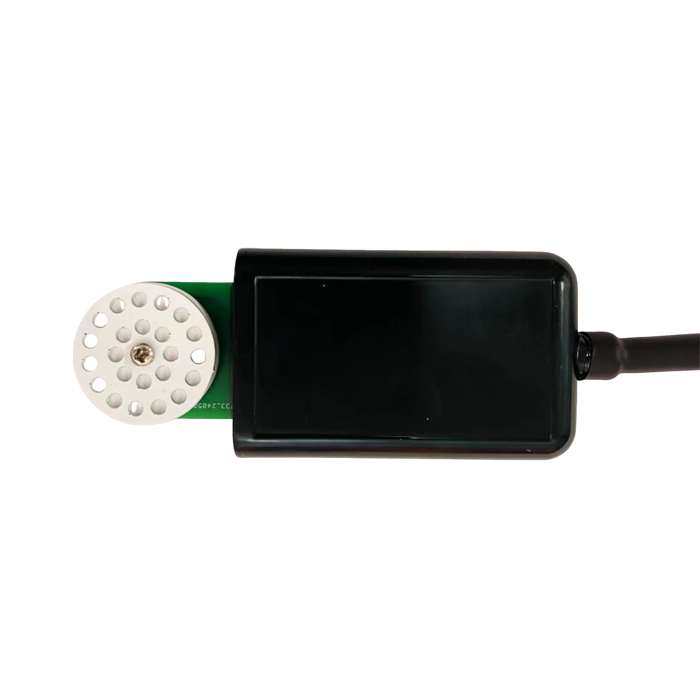
Pump selection commonly distinguishes centrifugal, axial-flow and mixed-flow pumps by flow and head. Centrifugal pumps are generally used where flow is smaller and head is higher. Axial-flow pumps are used where flow is large and head is low. Mixed-flow pumps sit between these two conditions.
| Pump type | Typical use condition | Buyer note |
|---|---|---|
| Centrifugal pump | Higher head and relatively smaller flow | Check suction condition, efficiency point and motor power. |
| Axial-flow pump | Large flow and low head | Useful for drainage or low-lift irrigation conditions. |
| Mixed-flow pump | Medium flow and medium head | Consider when project sits between centrifugal and axial-flow conditions. |
| Solar pumping package | Remote fields with limited grid power | Size pump, panel and battery according to water demand and sunlight. |
A system can have efficient pumps and still waste water if control logic is weak. Set irrigation start threshold, stop threshold, minimum interval, maximum runtime, valve sequence, pump protection, rain delay and manual override before procurement. These values can be adjusted after field testing, but the logic structure should exist before installation.
A practical control design also includes protection against dry running, abnormal pressure, communication failure and valve failure. Sensors should not only collect data; they should help the system avoid unsafe or wasteful operation.
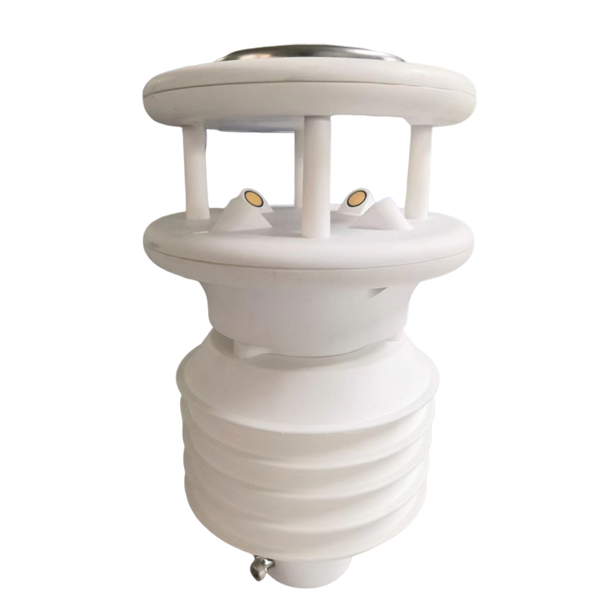
A smart irrigation package may include soil sensors, weather station, pump controller, solenoid valves, filters, pressure sensors, flow meter, data logger and cloud platform. RS485 Modbus sensors are practical for wired field cabinets and multi-sensor networks, while 4G gateways are useful when the field needs remote access.
For system integrators, the I/O list is critical. List every pump, valve, pressure point, flow point and sensor address. Without this list, the project may suffer from missing controller channels or unclear wiring during installation.
| Layer | Devices | Acceptance check |
|---|---|---|
| Water supply | Pump, filter, main pipe, pressure protection | Flow and pressure meet design condition. |
| Field control | Valves, zones, relays and controller outputs | Each zone opens and closes correctly. |
| Sensing | Soil moisture, soil water potential, weather, flow and pressure | Readings are stable and assigned to correct zones. |
| Communication | RS485 bus, wireless link, 4G gateway or local network | Data and commands remain stable during operation. |
| Platform | Dashboard, history, alarms and reports | Operator can review irrigation events and sensor trends. |
Ask the supplier for pump sizing assumptions, sensor list, valve zoning plan, cable length, controller I/O table, communication diagram, power plan and commissioning checklist. These documents make quotations easier to compare and reduce change orders after equipment arrives.
If the project has uncertain crop water demand, start with a pilot zone. Use data from soil sensors and actual pump operation to adjust thresholds before expanding the system across a larger field.
Pump flow, pipeline diameter and valve zoning set how water moves. Sensors set when and why the water should move. If these two designs are separated, the system may have good hardware but poor irrigation decisions. For example, a pump may deliver enough flow, but if soil sensors are installed outside the active root zone, the control system may still irrigate at the wrong time.
The project team should ask the irrigation designer and sensor supplier to agree on zone boundaries, sensor depth and control thresholds. This is especially important in orchards, greenhouses and high-value fields where water stress and over-irrigation both affect output.
| Cost driver | How to control it |
|---|---|
| Oversized pump | Calculate realistic flow and head, then select efficient operating point. |
| Long runtime | Use soil and weather data to avoid unnecessary irrigation events. |
| Pressure loss | Review filters, fittings, pipe diameter and elevation. |
| Manual over-watering | Use alarms and historical data to guide operators. |
| Maintenance downtime | Keep pump, filter, valve and sensor access clear. |
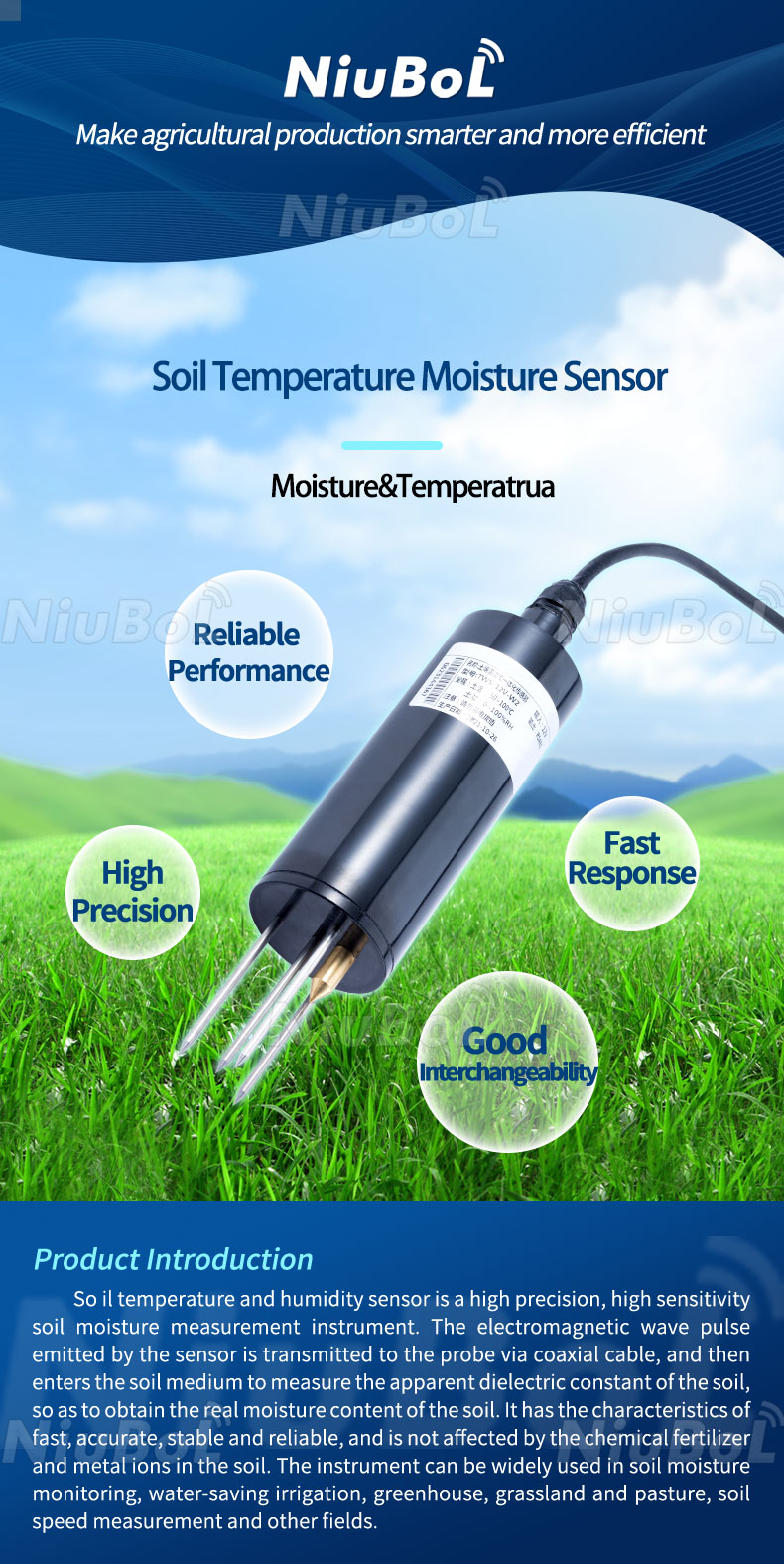
Not every farm should switch directly to full automatic irrigation. If crop thresholds are uncertain, start with monitoring and advisory alarms. After several irrigation cycles, use the data to set automatic control limits. This reduces the risk of crop stress caused by an untested threshold.
A phased project can begin with soil moisture sensors, weather monitoring and manual valve operation. The next phase can add pump control, solenoid valves and automatic rules. This approach gives the buyer useful data early while keeping the project manageable.
A complete irrigation quotation should identify which parts are supplied by NiuBoL and which parts are supplied locally. Soil sensors, weather station, controller, gateway and software may come from the monitoring supplier, while pumps, main pipes and civil work may be handled by the irrigation contractor. The boundary must be clear before purchasing.
Ask for a commissioning sequence: first verify pump flow and pressure, then test each valve zone, then check sensor readings, then enable alarm or automatic logic. This prevents the control system from being blamed for hydraulic problems that should be corrected in the pump or pipeline system.
Sensors cannot correct a pump that is outside its efficient operating range, a blocked filter, undersized pipes or zones with very uneven pressure. In these cases, the monitoring system will show the problem, but the hydraulic design still needs correction. Buyers should treat sensor data as a decision tool, not as a substitute for pump sizing, pipe review and field inspection.
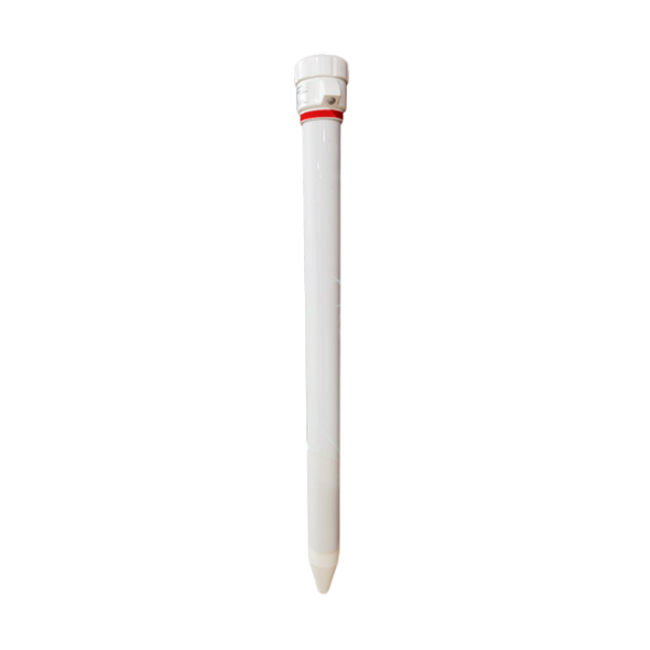
A: The design should include pump head, pipeline loss, filter loss, valve zoning, soil sensor placement, weather data, control logic, power supply and maintenance access. Flow alone does not determine whether irrigation is efficient.
A: Estimate flow from crop water demand, irrigated area, irrigation depth, system loss and available working hours. Local crop stage, soil type and operator schedule should be included because they affect how much water must be delivered in a practical irrigation window.
A: Head determines whether water can reach the field at the required pressure. It includes source water level, field elevation, suction loss, pipe loss and pressure required by emitters or sprinklers. Wrong head selection wastes energy or reduces coverage.
A: Soil moisture, soil temperature, soil water potential, rainfall, air temperature, humidity and solar radiation sensors can all help. The useful set depends on crop value, irrigation method and whether the system is advisory or automatic.
A: Not always. If crop thresholds are uncertain, start with monitoring and alarms, then enable automatic control after several irrigation cycles. This reduces the risk of stressing crops because a threshold was set too aggressively.
A: Install sensors in the active root zone and in representative irrigation zones. Avoid edges, leaking emitters, compacted spots and places that do not represent the field. Bad sensor placement can make a good controller irrigate badly.
A: State whether the supplier provides sensors, controller, gateway, software, valves, pump interface, cabinet, wiring and commissioning. If pumps and civil work are local, set that boundary clearly in the quotation.
A: Verify pump flow and pressure first, then valve operation, sensor readings, communication, alarm logic, manual override and historical records. Do not enable automatic irrigation until hydraulic performance is proven.
A: Provide crop type, field area, irrigation method, water source, pump condition, elevation difference, number of zones, soil type, power supply, communication coverage and whether NiuBoL is expected to supply sensors only or a monitoring and control package. This prevents confusion between hydraulic work and monitoring system scope.
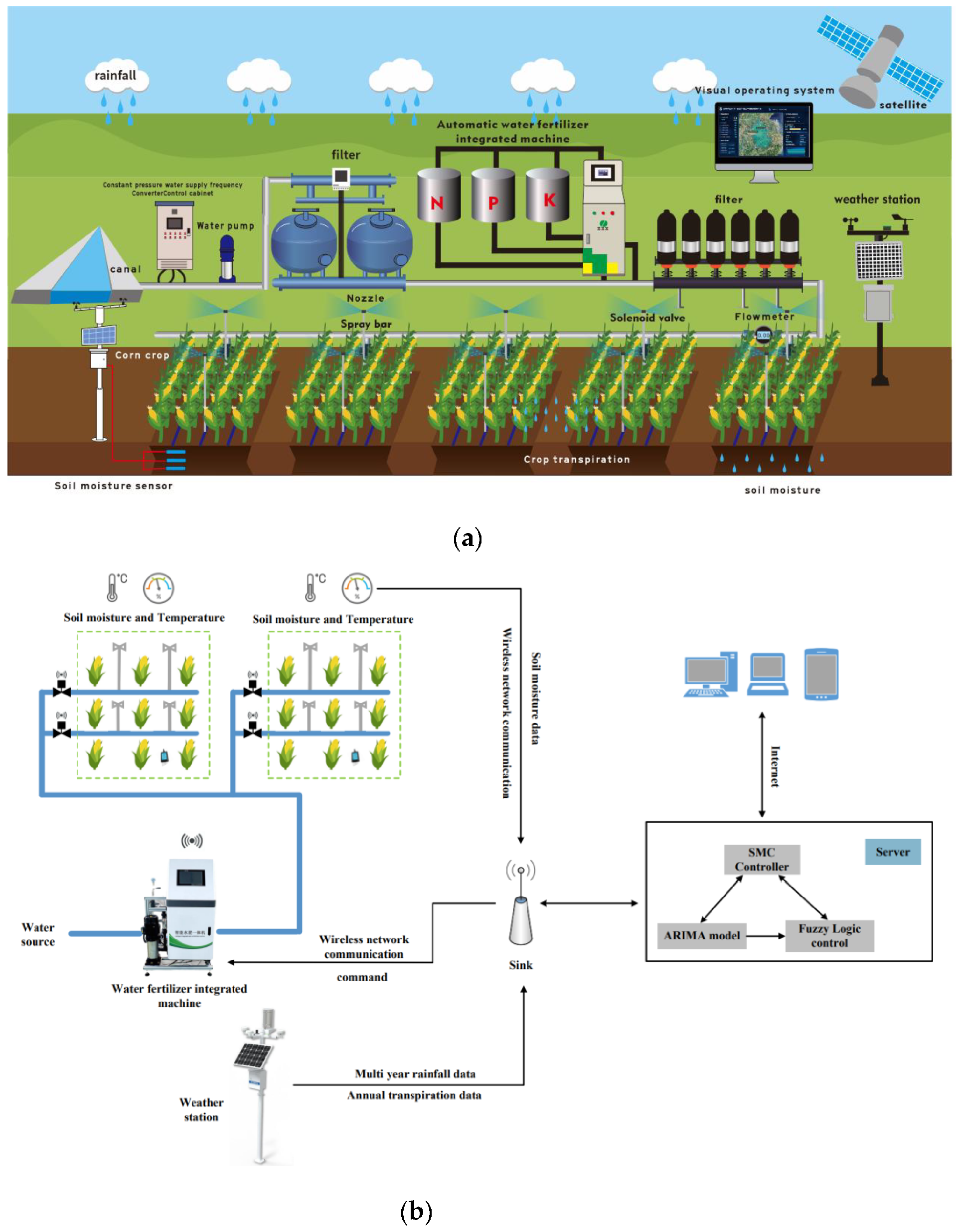
Water-saving irrigation requires pump sizing, field hydraulics and sensor-based control to work together. Procurement teams should not treat the pump, sensors and controller as separate purchases. NiuBoL can support irrigation projects with soil sensors, weather data, RS485 communication and monitoring system integration when the field conditions and control goals are stated clearly.
Prev:Air and Gas Sensor Selection Guide for Environmental Monitoring Stations
Next:How to Choose a pH Meter for Water Testing: Buyer Checks for Projects
Related recommendations
Sensors & Weather Stations Catalog
 Agriculture Sensors and Weather Stations Catalog-NiuBoL.pdf
Weather Stations Catalog-NiuBoL.pdf
Agriculture Sensors Catalog-NiuBoL.pdf
Water Quality Sensor Catalog-NiuBoL.pdf
Related products
 Combined air temperature and relative humidity sensor
 TDR Soil Moisture & Temperature Sensor for irrigation| RS485 |4-20mA| NBL-S-THR Soil pH sensor RS485 soil Testing instrument soil ph meter for agriculture |NBL-S-PH
 Wind Speed sensor Output Modbus/RS485/Analog/0-5V/4-20mA
 Tipping bucket rain gauge for weather monitoring auto rainfall sensor RS485/Outdoor/stainless steel
 Pyranometer Solar Radiation Sensor 4-20mA/RS485

Screenshot, WhatsApp to identify the QR code
WhatsApp number:+8615367865107
(Click on WhatsApp to copy and add friends)

