— Blogs —
—Products—
 Consumer hotline +8618073152920
 WhatsApp:+8615367865107
Address:Room 102, District D, Houhu Industrial Park, Yuelu District, Changsha City, Hunan Province, China
Product knowledge
Time:2026-07-18 10:24:28 Popularity:287
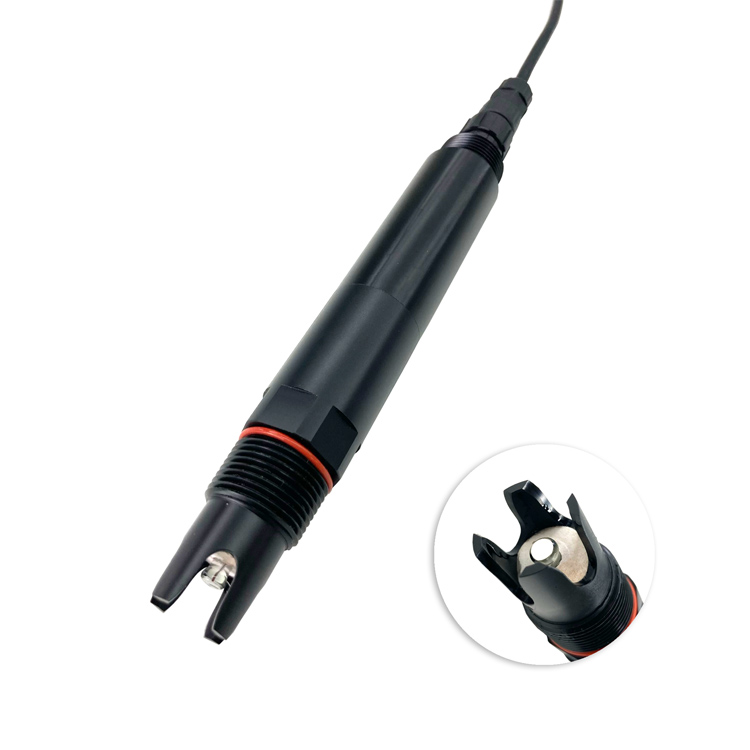
Environmental protection work depends on water quality data that can be trusted, trended and audited. Water quality monitoring is used to identify pollutants, judge water condition changes and support treatment decisions. For project buyers, the practical question is which parameters must be monitored and how the data will be used.
A water quality monitoring project may involve COD, ammonia nitrogen, total phosphorus, total nitrogen, heavy metals, biological toxicity, coliform indicators, residual chlorine, turbidity, hardness, TDS, pH, conductivity and dissolved oxygen. Not every site needs every parameter. A good specification starts with the pollution source, discharge standard, water body type and reporting requirement.
Water quality monitoring can serve several purposes: discharge compliance, drinking water safety, aquaculture risk control, surface water observation, wastewater treatment optimization or industrial process protection. These purposes require different parameter combinations and different levels of maintenance.
| Project purpose | Typical parameters | Procurement focus |
|---|---|---|
| Discharge compliance | COD, ammonia nitrogen, total phosphorus, total nitrogen, pH, flow | Auditability, data continuity, cleaning and calibration plan. |
| Aquaculture | Dissolved oxygen, pH, temperature, ammonia, turbidity | Fast alarms, stable probes and outdoor cabinet protection. |
| Surface water | Turbidity, pH, conductivity, DO, temperature, ammonia | Solar power, telemetry and anti-fouling strategy. |
| Industrial reuse water | pH, conductivity, hardness, turbidity, residual chlorine | Process compatibility and maintenance access. |
| Drinking water process | Residual chlorine, turbidity, pH, conductivity | Sensor accuracy, response time and calibration documentation. |
Common pollutant indicators include COD, ammonia nitrogen, total phosphorus, total nitrogen, heavy metals, biological toxicity, coliform and residual chlorine. These indicators describe different risks. COD reflects organic pollution load. Ammonia nitrogen is important for wastewater and aquaculture risk. Turbidity shows suspended particles and treatment performance. pH affects chemical reactions and biological safety. Conductivity and TDS indicate dissolved ionic content, while dissolved oxygen affects aquatic life and biological treatment.
Buying a broad list of sensors without defining the decision rule can increase cost without improving environmental management. A more useful specification says what parameter is measured, where the probe is installed, how often data are uploaded, what value triggers an alarm and who is responsible for calibration.
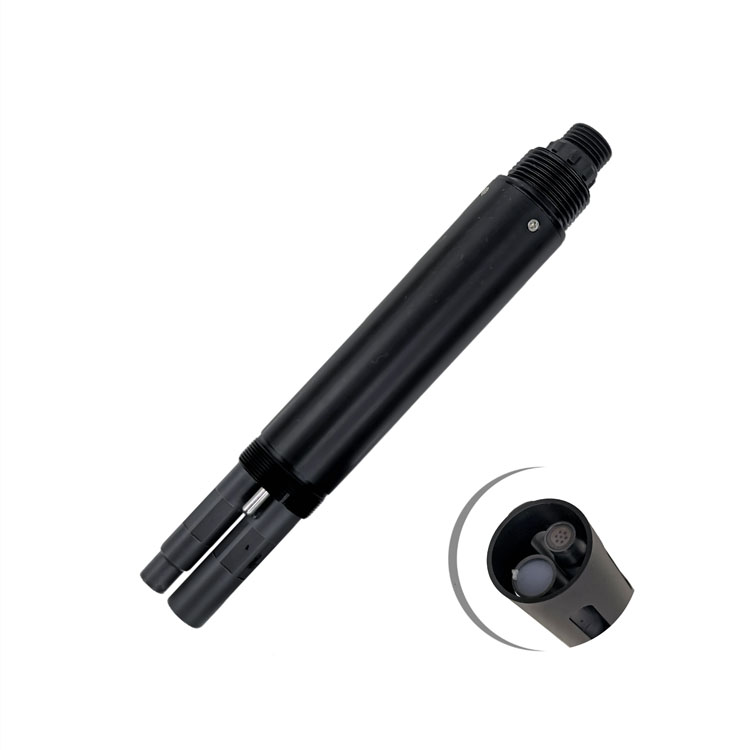
For continuous projects, online sensors or analyzers are usually required. Portable testing is suitable for spot checks, commissioning and verification, but it cannot replace continuous records where discharge supervision or automatic alarm is needed. Colorimetric analysis may be suitable for certain online analyzers, but sample clarity, reagent management and maintenance workload must be considered.
| Method | Useful when | Limitations |
|---|---|---|
| Online sensor | Continuous trend monitoring and alarms are required. | Probe cleaning and calibration must be planned. |
| Online analyzer | Chemical parameters need reagent-based or colorimetric analysis. | Higher maintenance and consumable management. |
| Portable meter | Field inspection, commissioning or cross-checking online data. | Not suitable as the only data source for continuous compliance. |
| Laboratory test | Legal checkation, detailed analysis or periodic audit. | Slow response and not real-time. |
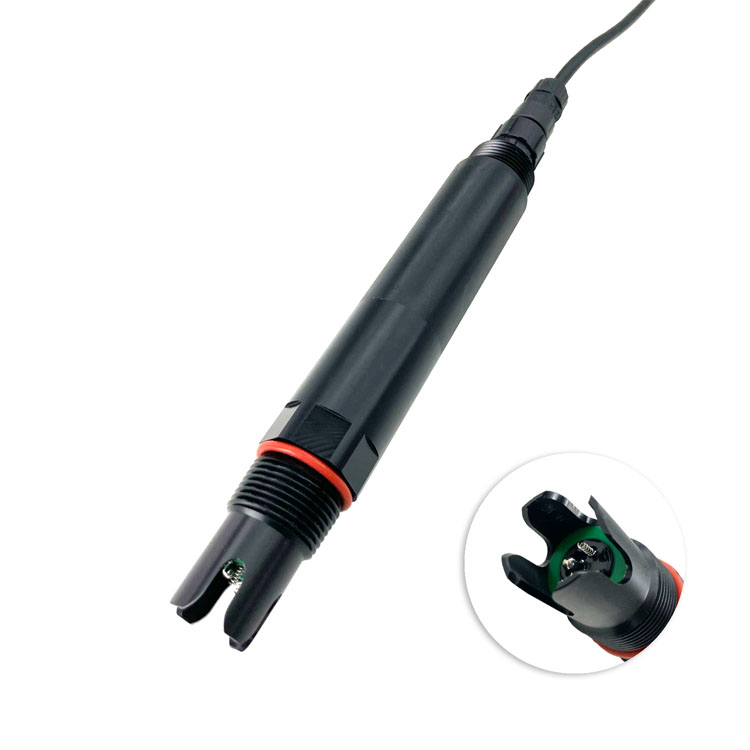
A water quality monitoring system usually includes sensors or analyzers, flow cell or immersion installation, controller, data logger, power supply, cleaning device, cabinet, telemetry and platform. Many NiuBoL water quality sensors can be specified with industrial communication such as RS485 Modbus, which simplifies connection to data collectors, PLCs, RTUs and IoT gateways.
The integration documents should include the sensor model, measured range, accuracy, output signal, Modbus register map, power supply, probe material, cable length, installation method, calibration steps and maintenance interval. These documents are as important as the hardware because they determine whether the project can be accepted and maintained.
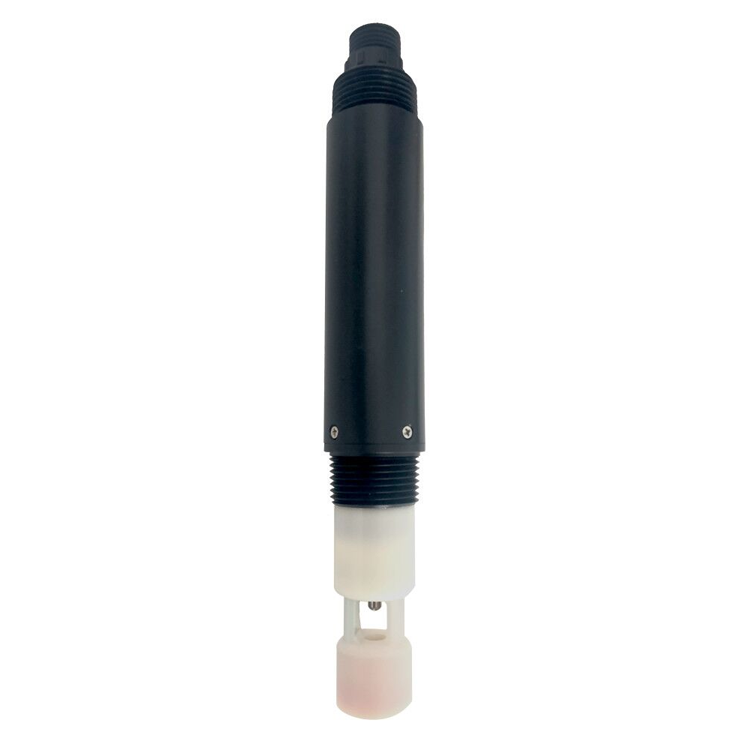
Hardness and TDS should be considered when the monitored water is connected to pipes, washing equipment, heat exchange equipment or water treatment units. High dissolved mineral content may cause scaling, increase cleaning frequency and reduce equipment efficiency. For industrial users, hardness or TDS is not only a water quality label; it can become an operating cost and maintenance issue.
If the project is intended to prevent scaling or process damage, conductivity, TDS, hardness-related testing, pH and temperature may all be relevant. The project team should describe the equipment being protected, water source, operating temperature and acceptable control limit before selecting sensors.
Ask whether the probe can handle the water condition. Highly dirty water, oil, bubbles, biological growth or high suspended solids can affect measurement. Confirm whether automatic cleaning is needed. Confirm calibration solutions, reagent consumption if any, spare probes, sensor lifetime, cabinet protection, lightning protection and remote platform requirements.
| RFQ item | What to provide |
|---|---|
| Water type | River, wastewater, aquaculture pond, industrial discharge, drinking water process or reuse water. |
| Target parameters | COD, ammonia, pH, turbidity, DO, conductivity, residual chlorine or other indicators. |
| Installation | Immersion, bypass flow cell, pipeline, tank, floating station or cabinet. |
| Communication | RS485 Modbus, analog output, data logger, PLC, RTU or cloud platform. |
| Maintenance plan | Calibration frequency, cleaning method, consumables and spare parts. |
A correct sensor installed at a poor sampling point will still produce weak data. For discharge monitoring, the sampling point should represent the mixed outlet and allow safe maintenance. For pond monitoring, the point should represent the water layer and area that affect production. For river or reservoir monitoring, flow conditions, sediment, flood level and installation protection must be considered.
When online analyzers require a bypass or pretreatment system, the sampling line becomes part of the instrument. Procurement teams should ask about pump, filter, flow rate, drain, cleaning access and winter protection. These details affect long-term reliability as much as the sensor model.
| Control item | Practical requirement |
|---|---|
| Calibration | Set calibration solution, frequency and responsible person. |
| Cleaning | Decide manual cleaning, automatic brush, air cleaning or chemical cleaning if needed. |
| Comparison test | Use portable or laboratory checks during commissioning and periodic audit. |
| Alarm logic | Set warning and critical levels separately to reduce false emergency responses. |
| Data completeness | Track missing data caused by power, communication or maintenance. |
A water quality quotation is more accurate when the buyer describes the pollutant risk, sampling point, installation condition and reporting requirement. COD, ammonia, pH, turbidity and dissolved oxygen do not solve the same problem, so a quotation based only on a parameter name may miss pretreatment, cleaning or data transmission needs.
For inquiry preparation, provide site photos, water source description, expected parameter range, installation method and power or communication conditions. Specify whether the sensor will be installed indoors, outdoors, in a pipeline, in a tank, on a floating platform or in a bypass cabinet. This allows NiuBoL to recommend a sensor package that is closer to the real project.
For water quality projects, delivery terms should include more than sensor quantity and price. Confirm whether calibration solution, mounting bracket, flow cell, cleaning accessories, cable length, data logger, enclosure and communication gateway are included. A missing flow cell or cable can delay installation even when the main sensor arrives on time.
Packaging should protect probes and electrodes from impact and drying risks where applicable. For export projects, ask for product manuals, wiring diagrams, packing list, HS code support and spare-part recommendations. These details support customs clearance, installation and after-sales service.
A single pH, turbidity or dissolved oxygen sensor can solve a narrow monitoring task, but it may not explain the cause of a water quality change. Wastewater outlets often need COD, ammonia nitrogen, pH and flow context. Aquaculture ponds may need dissolved oxygen, temperature, pH and ammonia risk. Industrial circulating water may need conductivity, TDS, temperature and scaling indicators. The sensor package should follow the decision the buyer needs to make.
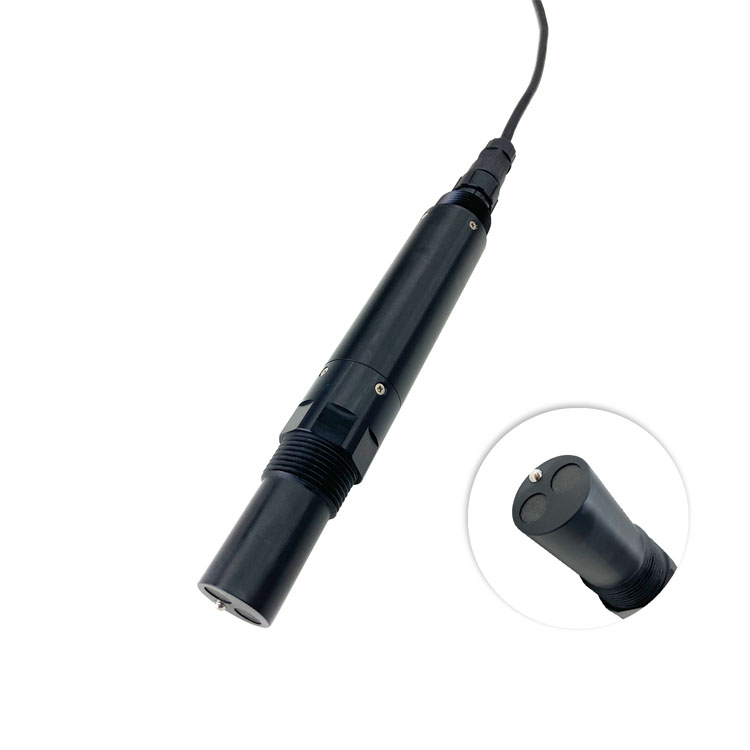
A: Water quality monitoring gives measured evidence of pollutant type, concentration and trend. Environmental protection decisions need that evidence to judge discharge risk, treatment performance and whether a water body is moving toward or away from acceptable conditions.
A: Start with the pollutant or process risk. COD and ammonia nitrogen are common for wastewater; dissolved oxygen and pH are important in aquaculture; turbidity and residual chlorine matter in treatment processes; conductivity or TDS helps track dissolved solids.
A: Not always. Online sensors support continuous monitoring and alarms, but some projects also need analyzer records, calibration logs, laboratory comparison or locally accepted methods. The project team should check the reporting requirement before selecting the instrument type.
A: A sensor measures the water that reaches it. If the probe is placed in a stagnant corner, near bubbles, before proper mixing or where sediment covers it, the data may not represent the discharge or water body. Siting is part of sensor selection.
A: Use a flow cell or bypass when direct immersion is unsafe, unstable or hard to maintain. It is common for analyzers and some process monitoring points, but the buyer must plan sample pump, filter, drain and cleaning access.
A: Check power supply, RS485 A/B wiring, grounding, baud rate, address, register map, scaling factor and host compatibility. Also decide how missing data and maintenance status will be shown on the platform.
A: A complete quotation states the sensor or analyzer, mounting method, cable length, cleaning method, calibration supplies, cabinet, data logger, communication method, spare parts and documents. A sensor-only price often excludes items needed for installation.
A: Send the water type, target parameters, expected range, installation photos, indoor or outdoor condition, power supply, communication method, quantity and destination country. If there is a discharge standard or alarm limit, include it.
A: Laboratory verification is still needed during commissioning, regulatory reporting, abnormal events and periodic audits. Online sensors provide continuous trends and alarms, while laboratory methods help confirm accuracy and investigate disputes or unexpected data changes.
A: Consider calibration solution, cleaning accessories, replacement electrodes or probes, reagent use for analyzers, site labor and downtime during service. Dirty wastewater and algae-rich ponds usually need more frequent cleaning than clean process water.
Water quality monitoring supports environmental protection only when the measured parameters match the actual risk and the measurement-to-platform path is maintainable. Procurement teams should set purpose, parameters, installation, communication, calibration and acceptance rules before ordering. NiuBoL can help match water quality sensors and monitoring systems for environmental, aquaculture, wastewater and industrial water projects.
Prev:Agricultural IoT Greenhouse Monitoring System: What Buyers Should Specify Before Ordering
Next:Automatic Weather Station Selection Guide: Components, Uses and Buyer Checks
Related recommendations
Sensors & Weather Stations Catalog
 Agriculture Sensors and Weather Stations Catalog-NiuBoL.pdf
Weather Stations Catalog-NiuBoL.pdf
Agriculture Sensors Catalog-NiuBoL.pdf
Water Quality Sensor Catalog-NiuBoL.pdf
Related products
 Combined air temperature and relative humidity sensor
 TDR Soil Moisture & Temperature Sensor for irrigation| RS485 |4-20mA| NBL-S-THR
 Soil pH sensor RS485 soil Testing instrument soil ph meter for agriculture |NBL-S-PH
 Wind Speed sensor Output Modbus/RS485/Analog/0-5V/4-20mA
 Tipping bucket rain gauge for weather monitoring auto rainfall sensor RS485/Outdoor/stainless steel
 Pyranometer Solar Radiation Sensor 4-20mA/RS485

Screenshot, WhatsApp to identify the QR code
WhatsApp number:+8615367865107
(Click on WhatsApp to copy and add friends)