





— Blogs —
—Products—
 Consumer hotline +8618073152920
 WhatsApp:+8615367865107
Address:Room 102, District D, Houhu Industrial Park, Yuelu District, Changsha City, Hunan Province, China
Product knowledge
Time:2026-09-03 13:00:00 Popularity:202
A project involving water quality meter safety limits should begin with one practical fact: buyers may expect one meter or composite score to certify water quality.
The project decision is to define which hazards the selected parameters can detect and which still require laboratory analysis. Define the measurement role, installation inputs and handover evidence around one constraint: normal pH, conductivity or turbidity does not prove absence of pathogens, metals or organic micropollutants.
Field meters answer parameter-specific questions, not the universal question of whether water is safe.
A multi-parameter trend is useful for detecting change from an established baseline.
Compliance decisions require the applicable parameter list, method and sampling frequency.
Together, these conditions define the engineering question for water assessment projects: whether the proposed measurement and system scope can define which hazards the selected parameters can detect and which still require laboratory analysis.
| Project item | What the specification should state |
|---|---|
| Operating problem | Buyers may expect one meter or composite score to certify water quality. |
| Required decision | Define which hazards the selected parameters can detect and which still require laboratory analysis. |
| Method boundary | Normal pH, conductivity or turbidity does not prove absence of pathogens, metals or organic micropollutants. |
| Minimum evidence for water quality meter safety limits | Matched water quality meter safety limits readings, installation record, units, timestamps and a documented acceptance method. |
Field challenge: Field meters answer parameter-specific questions, not the universal question of whether water is safe. At this stage, the engineering risk is that buyers may expect one meter or composite score to certify water quality.
Selection of Water Quality Meter Safety Limits should begin with the measurement duty, site condition and receiving-system interface. System integration: During design review, the team must write the measurand, unit, compensation and reporting convention into the specification and historian tag.
The water quality meter safety limits record should remain unambiguous across suppliers, controllers and software platforms. This creates a documented basis for the decision to define which hazards the selected parameters can detect and which still require laboratory analysis.
Field challenge: A multi-parameter trend is useful for detecting change from an established baseline. For water quality meter safety limits, site conditions can alter the reported parameter before it reaches the operator, so the full measurement path requires review.
The required class of Water Quality Meter Safety Limits depends on whether the project needs continuous data, remote alarms or documented handover records. System integration: During design review, the team must control location, timing, temperature, bubbles, settling and sample disturbance according to the measurement principle.
The water quality meter safety limits result should represent the intended water condition, not merely the easiest sampling point. This reduces exposure to the stated problem: buyers may expect one meter or composite score to certify water quality.
Field challenge: Compliance decisions require the applicable parameter list, method and sampling frequency. At this stage, the engineering risk is that normal pH, conductivity or turbidity does not prove absence of pathogens, metals or organic micropollutants.
Installation quality is part of measurement quality for Water Quality Meter Safety Limits, so exposure and service access must be checked together. System integration: During design review, the team must compare synchronized results with stated uncertainty and keep every conclusion inside the validated method boundary.
The water quality meter safety limits result should support a conclusion that can withstand technical review. The conclusion remains subject to this stated constraint: normal pH, conductivity or turbidity does not prove absence of pathogens, metals or organic micropollutants.
The quotation for Water Quality Meter Safety Limits should distinguish the field device, accessories, controller interface and site-service scope. In the Water Quality Meter Safety Limits acceptance plan, start selection with four records: water matrix, routine range, credible upset and the operator action. State whether the reported parameter is intended for observation, alarm, reporting or automatic control.
A nominally compatible sensor can still be the wrong purchase because normal pH, conductivity or turbidity does not prove absence of pathogens, metals or organic micropollutants. Close the technical and operating gap before selecting cable, mounting or controller options.
Price comparison needs an itemized bill of supply. One supplier may quote only the multi-parameter assembly while another includes mounting, communications, cleaning parts and site support; those totals are not equivalent. The acceptance record must also state this project constraint: normal pH, conductivity or turbidity does not prove absence of pathogens, metals or organic micropollutants.

For the Water Quality Meter Safety Limits measuring point, in a NiuBoL project, the multi-parameter assembly creates the field value. When integrating Water Quality Meter Safety Limits, the controller applies units and scaling, while the PLC, RTU or logger transfers status and readings to the operating platform. The purchase order for water quality meter safety limits should assign every system layer to a named supplier. At this water assessment projects point, remember that buyers may expect one meter or composite score to certify water quality.
A Modbus connection is complete only after the integrator verifies serial settings, register meaning, units and timeout behavior. Cable routing, earthing and surge protection for the water assessment projects point remain field-installation responsibilities.
During final commissioning, read one value at the sensor, controller and platform. Within the Water Quality Meter Safety Limits supply scope, matching units and timestamps across all three points is a simple but effective integration test.
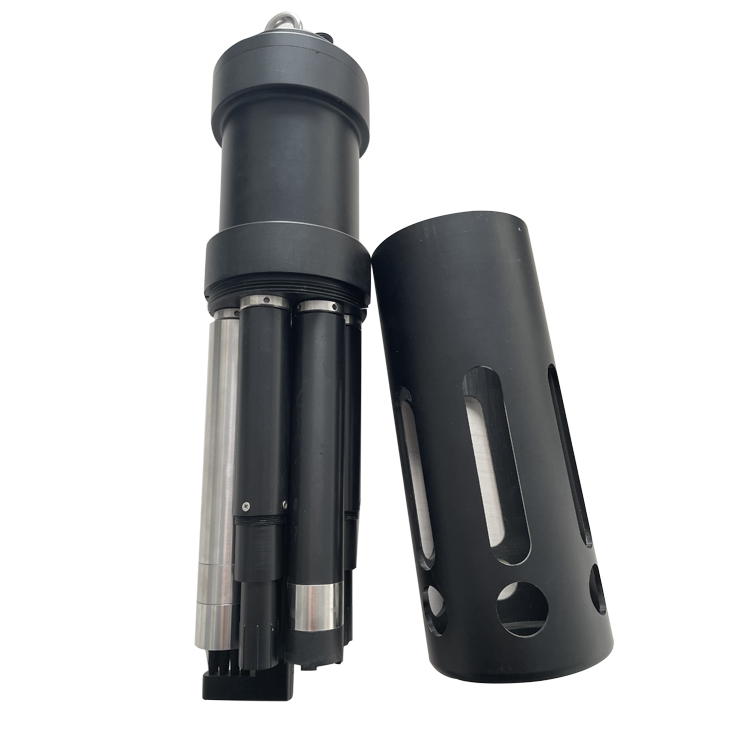
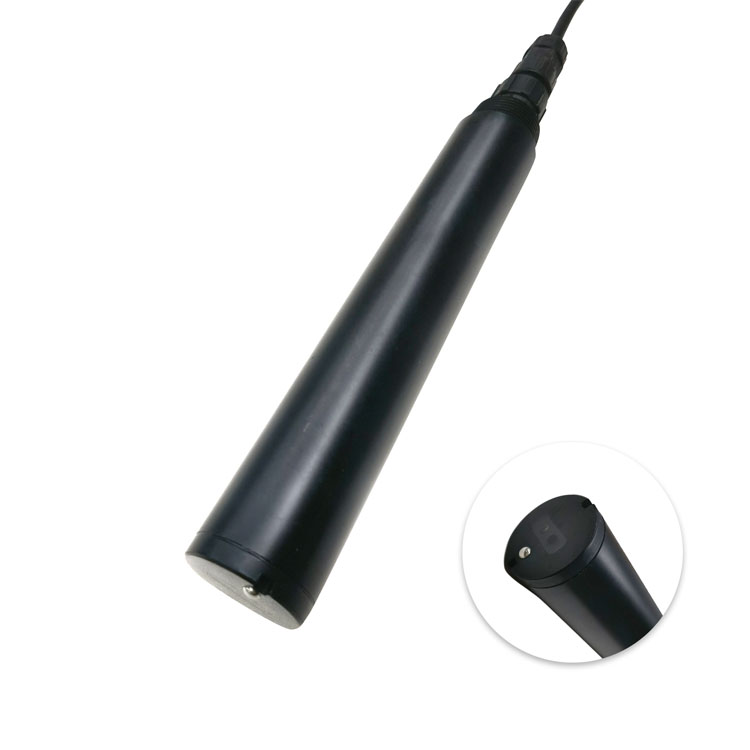
For water quality meter safety limits, the table uses the current NBL-WQ-MPS-5A self-cleaning sensor manual as a verified reference. It defines a realistic engineering option for water assessment projects; it does not remove the project constraint described above. The final configuration, range and accessories should be confirmed against the quotation and project water data.
| Parameter | Verified reference |
|---|---|
| Reference model | NBL-WQ-MPS-5A |
| Capacity for water quality meter safety limits | Up to 8 parameters including temperature |
| Optional parameters for water quality meter safety limits | DO, COD, pH, ORP, conductivity/salinity, ammonia nitrogen and turbidity |
| DO | 0-20 mg/L; +/-2%; 0.01 mg/L |
| pH | 0-14 pH; +/-0.1 pH; 0.01 pH |
| ORP | -1500 to +1500 mV; +/-6 mV; 1 mV |
| Output | RS485, Modbus RTU |
| Cleaning — water quality meter safety limits | Configurable automatic cleaning |
| Power | 12 VDC +/-5%; 5 W at 12 V |
| Cable | 5 m standard; customizable |
For work in water assessment projects, nominal accuracy is only one part of suitability.
Acceptance documents for Water Quality Meter Safety Limits should follow the delivered hardware and configured data path. Acceptance for the reported parameter must cover installation, stable response, unit, range, communications, alarms and the comparison method. A number on the display proves data transfer, not measurement quality.
The comparison method must match the parameter and reporting basis. Record sample time, location, temperature and preparation so disagreement with the multi-parameter assembly can be investigated instead of argued from unmatched data. The acceptance record must also state this project constraint: normal pH, conductivity or turbidity does not prove absence of pathogens, metals or organic micropollutants.
A complete Water Quality Meter Safety Limits package is appropriate when power, logging, communication and mounting responsibilities must remain coordinated. In the Water Quality Meter Safety Limits acceptance plan, record the as-built cable route, device address, Modbus settings, scaling, alarm tests and responsible service contact. For the Water Quality Meter Safety Limits measuring point, include evidence that the point recovers correctly after power and network interruption.
When integrating Water Quality Meter Safety Limits, for the multi-parameter assembly, send water source, routine and maximum values, temperature, pressure, pH, conductivity or salinity, solids, fouling condition, drawing, cable length, power, output and number of points. State the required decision: define which hazards the selected parameters can detect and which still require laboratory analysis.
Bid details for water assessment projects should cover quantity, destination, delivery date, documentation language, packaging, spares, calibration accessories and commissioning. Custom cable, analog output, holder, flow cell or gateway can affect price and lead time.
The main commercial risk is not simply an inaccurate reading. If buyers may expect one meter or composite score to certify water quality, the owner may approve a design or operating response that cannot define which hazards the selected parameters can detect and which still require laboratory analysis.
For water quality meter safety limits, a repeat order is reliable only when range, material, output, cable and accessories match the original duty.

A1: The selected water quality meter safety limits method can establish the stated measurement or trend within its documented limits. It cannot cross this boundary: normal pH, conductivity or turbidity does not prove absence of pathogens, metals or organic micropollutants Additional analysis is needed for properties the method does not identify.
A2: Results for water quality meter safety limits are not directly comparable when temperature references, reporting bases, optical conventions or sample preparation differ. Keeping the full water quality meter safety limits measurement basis prevents false comparison during handover and later data review.
A3: For water quality meter safety limits, check the interferences relevant to the selected principle, including bubbles, particles, color, temperature, pH, salinity, redox chemistry, ion competition and sample disturbance.
A4: For Water Quality Meter Safety Limits, confirm polarity, address, baud rate, parity, register, unit and decimal scaling from the field device to the PLC, RTU or data logger. Within the Water Quality Meter Safety Limits supply scope, then test stale-data handling, communication loss and restart recovery. At this water assessment projects point, remember that buyers may expect one meter or composite score to certify water quality.
A5: For Water Quality Meter Safety Limits, use the same location and time after stabilization. Record sample handling, temperature, units, method and uncertainty; one unmatched grab sample is not enough to approve or reject an online point. This requirement helps the team define which hazards the selected parameters can detect and which still require laboratory analysis.
A6: In the Water Quality Meter Safety Limits acceptance plan, the cited product family includes Up to 8 parameters including temperature. For the Water Quality Meter Safety Limits measuring point, this is a manual-based reference, not automatic model approval; routine values, credible peaks and the water matrix still control final selection. The acceptance record must also state this project constraint: normal pH, conductivity or turbidity does not prove absence of pathogens, metals or organic micropollutants.
A7: When integrating Water Quality Meter Safety Limits, separate the sensor, holder or flow cell, cable options, controller, gateway, cabinet, calibration items, consumables, spares, documentation, commissioning and freight. This prevents a smaller supply scope from appearing cheaper than a complete point. At this water assessment projects point, remember that buyers may expect one meter or composite score to certify water quality.
A8: Within the Water Quality Meter Safety Limits supply scope, send water data, photographs or drawings, required output, cable distance, quantity, destination and schedule. Include the current problem: buyers may expect one meter or composite score to certify water quality. That detail lets engineering review suitability before price is issued.
Specifications addressing water quality meter safety limits should start from the operating decision, water matrix and acceptance evidence. The monitoring plan needs to define which hazards the selected parameters can detect and which still require laboratory analysis, while respecting the boundary that normal pH, conductivity or turbidity does not prove absence of pathogens, metals or organic micropollutants.
In the Water Quality Meter Safety Limits acceptance plan, to obtain a project-specific NiuBoL offer, attach representative water data and the intended installation and control boundary. For the Water Quality Meter Safety Limits measuring point, separate hardware, accessories, spares and support so the commercial comparison remains traceable. At this water assessment projects point, remember that buyers may expect one meter or composite score to certify water quality.
Prev:Urban Secondary Water Monitor: Acceptance and Maintenance Guide
Next:Suspended Solids Exceedance: Monitoring and Troubleshooting Causes
Related recommendations
Sensors & Weather Stations Catalog
 Agriculture Sensors and Weather Stations Catalog-NiuBoL.pdf
Weather Stations Catalog-NiuBoL.pdf
Agriculture Sensors Catalog-NiuBoL.pdf
Water Quality Sensor Catalog-NiuBoL.pdf
Related products
 Combined air temperature and relative humidity sensor
 TDR Soil Moisture & Temperature Sensor for irrigation| RS485 |4-20mA| NBL-S-THR
 Soil pH sensor RS485 soil Testing instrument soil ph meter for agriculture |NBL-S-PH
 Wind Speed sensor Output Modbus/RS485/Analog/0-5V/4-20mA
 Tipping bucket rain gauge for weather monitoring auto rainfall sensor RS485/Outdoor/stainless steel
 Pyranometer Solar Radiation Sensor 4-20mA/RS485

Screenshot, WhatsApp to identify the QR code
WhatsApp number:+8615367865107
(Click on WhatsApp to copy and add friends)

