





— Blogs —
—Products—
 Consumer hotline +8618073152920
 WhatsApp:+8615367865107
Address:Room 102, District D, Houhu Industrial Park, Yuelu District, Changsha City, Hunan Province, China
Product knowledge
Time:2026-06-23 11:26:28 Popularity:284
Leaf temperature and humidity are closer to the plant surface than general air temperature and humidity. In agriculture, many growers monitor soil moisture and greenhouse air humidity, but the leaf surface is where dew, mist, spray droplets, ice crystals and pathogen infection risk often appear first. A leaf temperature and humidity sensor gives project teams a direct way to observe the microenvironment around the leaf surface.
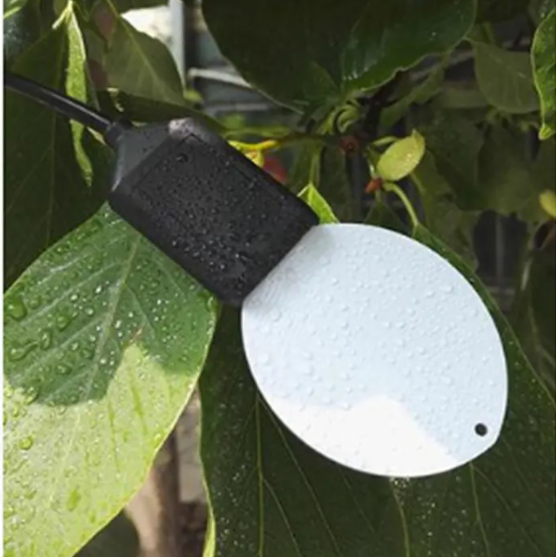
The NiuBoL NBL-W-LM leaf temperature and humidity sensor is designed for plant surface humidity measurement, greenhouse disease risk review, artificial climate rooms, crop research and agricultural IoT projects. It uses a simulated leaf structure and RS485 communication, allowing the sensor to be connected to a data logger, small host or cloud monitoring platform.
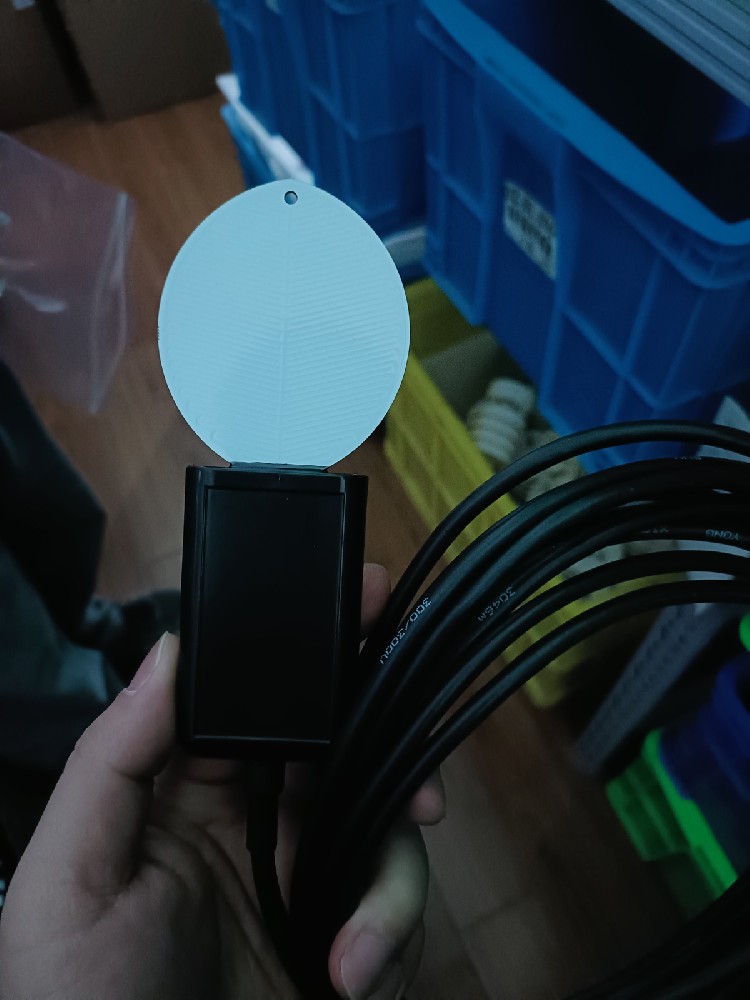
High leaf surface humidity can increase the probability of bacterial and fungal infection. When a leaf stays wet for a long period, pathogens may develop more easily and damage the leaf structure. In greenhouse and orchard projects, the problem is not only whether the air is humid, but whether the leaf surface remains wet long enough to create disease pressure.
Leaf temperature also helps distinguish water, dew, ice and environmental stress. In protected agriculture, this data can support ventilation decisions, irrigation scheduling, fungicide timing and research records. For buyers, the sensor should be understood as a crop risk monitoring device rather than only a humidity probe.
The leaf sensor is normally installed near the crop canopy or suspended close to representative leaves. It is connected to a data collector through RS485. The collector sends data to a local display, cloud platform or farm management system. If air temperature, humidity, illumination, CO2, soil moisture and rainfall sensors are also used, leaf data becomes one layer of a complete crop microclimate monitoring system.
RS485 output supports longer cable runs and field integration. The default baud rate is 9600 bps, and protocol or baud rate can be customized when required. For Modbus RTU projects, integrators should confirm register addresses, sensor ID, polling interval and data unit before installation. Shielded cable, proper grounding and separated power wiring are recommended in greenhouse and outdoor agricultural environments.
| Parameter | Reference Value | Procurement Note |
|---|---|---|
| Model | NBL-W-LM | Leaf temperature and humidity monitoring |
| Temperature range | -40 to 80℃ | Covers greenhouse, orchard and outdoor agricultural conditions |
| Temperature accuracy | ±0.5℃ | Useful for microclimate and ice/dew interpretation |
| Humidity range | 0 to 100%RH | Detects surface moisture, dew, mist and wetting events |
| Humidity accuracy | ±5%RH | Suitable for disease risk trend monitoring |
| Power supply | DC 12V-24V | Compatible with field station and data collector power systems |
| Output signal | RS485 | Protocol and baud rate can be customized by project requirement |
| Baud rate | 9600 bps default | Confirm before Modbus or collector integration |
| Power consumption | Peak 120 mW, standby 72 mW | Suitable for long-term station operation |
| Protection | Sealed waterproof housing, IP67 referenced in product material | Direct outdoor use should still consider cable protection |
| Operating environment | -40 to 85℃ | Suitable for greenhouse, orchard and plant research sites |
Site challenge: High humidity and leaf wetness increase risk for downy mildew, leaf mold and other crop diseases.
System integration scheme: Install leaf sensors near cucumber, tomato or leafy vegetable canopy and combine with air temperature humidity sensors.
User value: Managers can adjust ventilation, heating or spray timing based on leaf surface conditions.
Site challenge: Fruit trees experience dew, mist and frost events that are not always visible from general weather data.
System integration scheme: Suspend leaf sensors near representative branches and connect them to an outdoor data logger.
User value: Growers can review wetness duration and frost-risk periods for crop protection planning.
Site challenge: Research needs repeatable plant surface data, not only chamber air data.
System integration scheme: Use RS485 sensors with fixed mounting position, documented height and exportable historical records.
User value: Researchers can compare treatment groups with consistent microenvironment data.
Site challenge: After pesticide or foliar fertilizer spraying, droplet retention time affects effectiveness and disease risk.
System integration scheme: Use leaf humidity trends to understand wetting and drying periods after spraying or mist irrigation.
User value: Operators can adjust spray timing and ventilation strategy.
Site challenge: Large farms need distributed plant surface information across varieties or plots.
System integration scheme: Deploy multiple leaf sensors with station hosts and unified platform naming.
User value: Managers can compare field conditions and respond before disease pressure spreads.
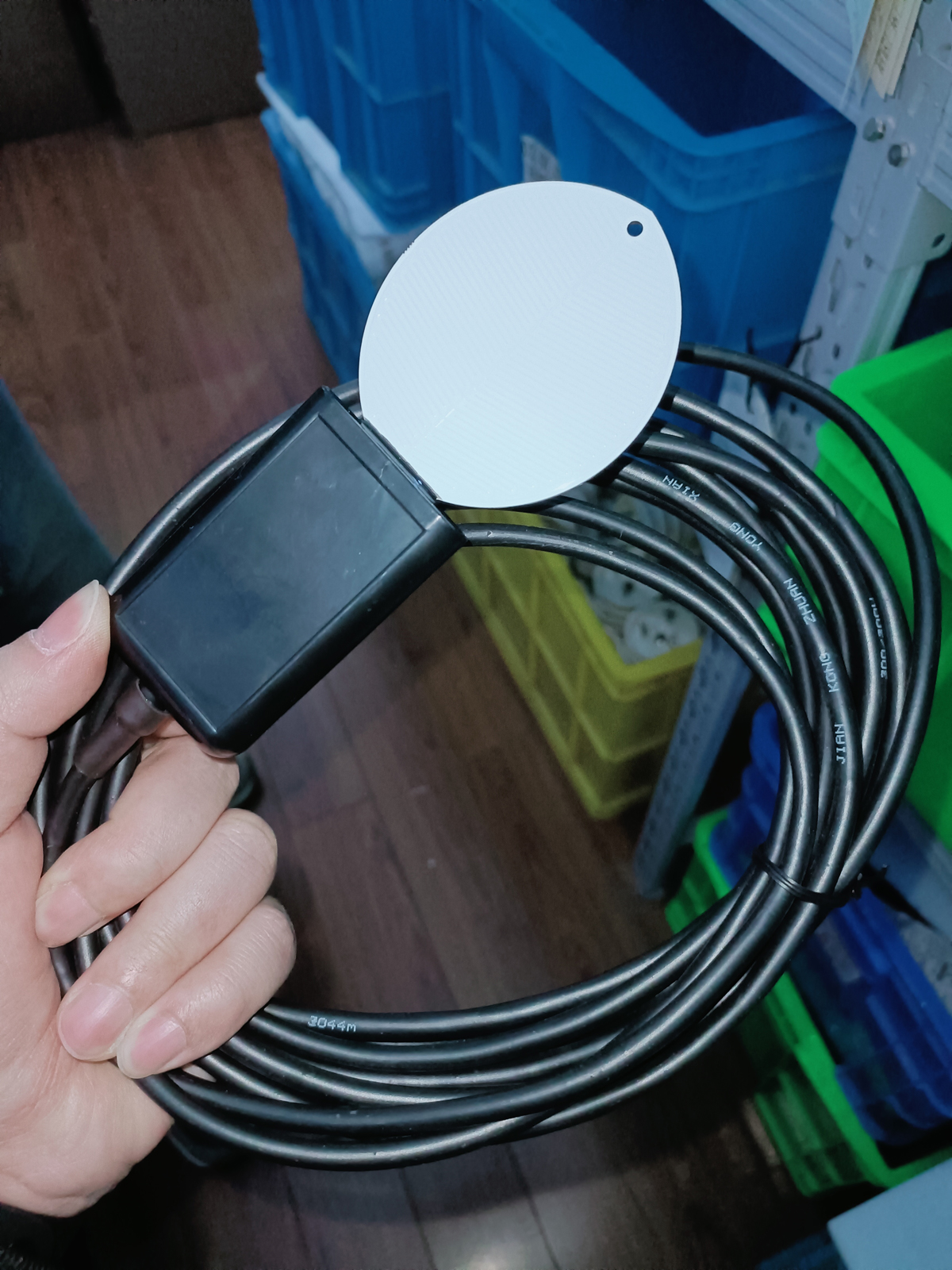
Leaf surface data answers a question that air humidity alone cannot answer: how long does the plant surface stay wet? This matters because many fungal and bacterial disease risks depend on wetness duration, canopy temperature and drying speed after dew, mist, irrigation or spraying.
A leaf temperature and humidity sensor is most useful when it is connected with air temperature humidity, light, soil moisture and crop-stage records. The sensor does not diagnose disease by itself; it provides an early environmental signal that helps the grower decide whether to ventilate, heat, delay spraying or inspect plants.
The sensor should be placed near representative leaves, not in a random corner of the greenhouse. In orchards, it should be mounted near the canopy zone that reflects disease-risk conditions. If the sensor is moved, the location change should be recorded because leaf wetness trends are highly position-sensitive.
RS485 output allows the leaf sensor to be connected to a collector or station host. The platform should display wetness trends, not only current value. For disease prevention, the useful information is often the duration of wetness and the timing of drying after night, irrigation or rainfall.
For disease prevention, the key value is often not the highest humidity reading but the duration of wetness. A leaf that stays wet for several hours after night condensation or irrigation may create a different risk level from a leaf that dries quickly. The platform should therefore help users review wetting and drying periods.
Growers can compare leaf wetness duration with disease appearance, spray timing and ventilation settings. Over time, this creates a local management reference that is more useful than general weather forecasts.
The sensor should be fixed so that its surface receives similar exposure to target leaves. It should not touch wet soil, plastic film or metal structures. Cable strain relief is important because greenhouse workers may move hoses, vines or support wires around the crop.
In orchard use, the sensor should be installed in a canopy zone that represents disease risk, not only the easiest branch to reach. The installation height and direction should be recorded with photos.
Leaf humidity is easier to interpret when combined with air humidity, temperature, light and rainfall. High leaf wetness with low light may indicate slow drying after cloudy weather. High wetness after irrigation may suggest that ventilation or irrigation timing should be adjusted.
A leaf sensor becomes valuable when the grower defines actions linked to wetness duration. For example, if leaves remain wet through the morning, the operator may improve ventilation or adjust irrigation time. If wetness increases after spraying, the operator can review droplet retention and drying speed.
The project should also define how alarms are used. A single high humidity reading may not require action, but several hours of wetness under suitable temperature conditions may justify inspection. The platform should allow the user to review duration, not only threshold exceedance.
For research projects, the installation record should include crop variety, canopy height, sensor direction and nearby airflow condition. Without these notes, leaf wetness data may be difficult to compare across experiments or seasons.
When the leaf sensor is purchased for disease-risk monitoring, the buyer should define how the data will be interpreted. The sensor provides wetness and temperature evidence, but disease prevention still depends on crop variety, growth stage, airflow, irrigation method and field inspection.
The procurement scope should include sensor mounting accessories, cable length, collector compatibility, platform trend display and a maintenance plan. If the project is for research, the buyer should also request stable data export and installation metadata records.
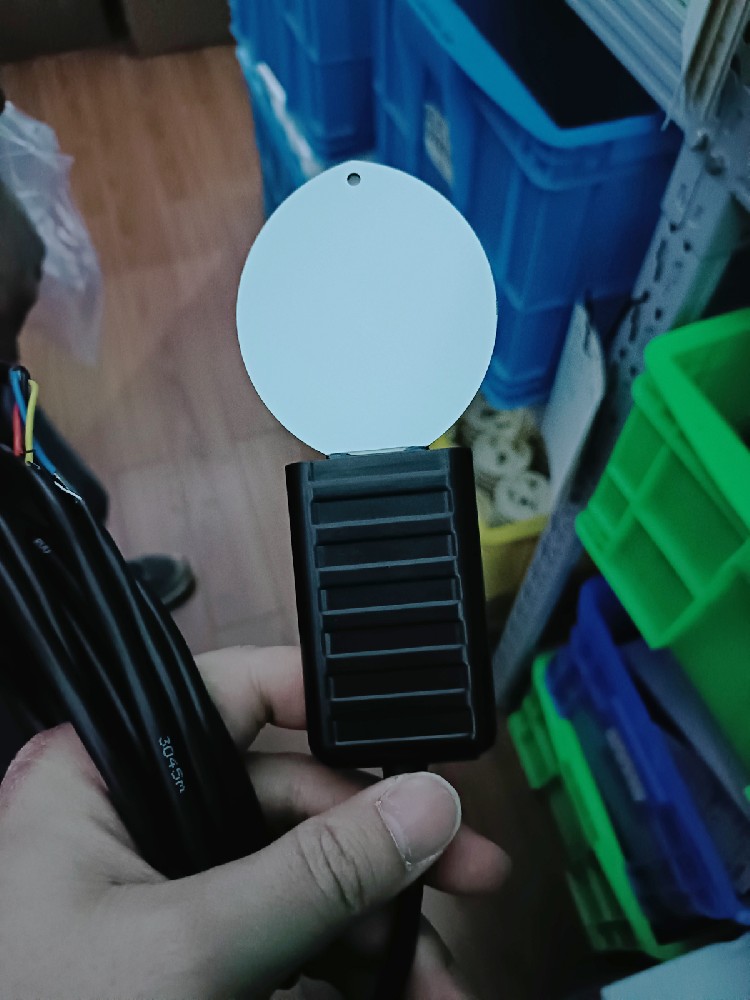
A: It monitors the microenvironment near a simulated leaf surface, helping users understand dew, wetness, ice, mist and leaf-surface drying conditions.
A: Disease often develops on the leaf surface. Air humidity may be moderate while the leaf remains wet, so leaf data gives a closer view of infection risk conditions.
A: No. It does not diagnose pathogens. It provides environmental evidence that helps growers judge when disease risk may increase and when field inspection is needed.
A: RS485 supports stable wired communication to a collector or station host. It is suitable for long-term monitoring when address, baud rate, cable and grounding are configured correctly.
A: Install it near representative leaves or crop canopy. Avoid positions that are too close to vents, walls, irrigation nozzles or heat sources unless those locations are the monitoring target.
A: The simulated leaf surface responds to small droplets, dew and wetness changes so that the sensor can reflect leaf-surface conditions more realistically than a standard air humidity sensor.
A: Air temperature humidity, light, CO2, soil moisture, soil temperature, rainfall and greenhouse weather sensors help explain why leaf wetness increases or decreases.
A: Confirm model, temperature range, humidity range, accuracy, power supply, RS485 protocol, cable length, mounting method, platform compatibility and alarm logic.
A: Growers should review wetness duration, night-time dew, drying time after irrigation or spraying and repeated high-risk periods before adjusting ventilation or protection measures.
A: Check live readings, platform trend, RS485 communication, installation position, cable protection, alarm display and at least one wetting or drying event record.
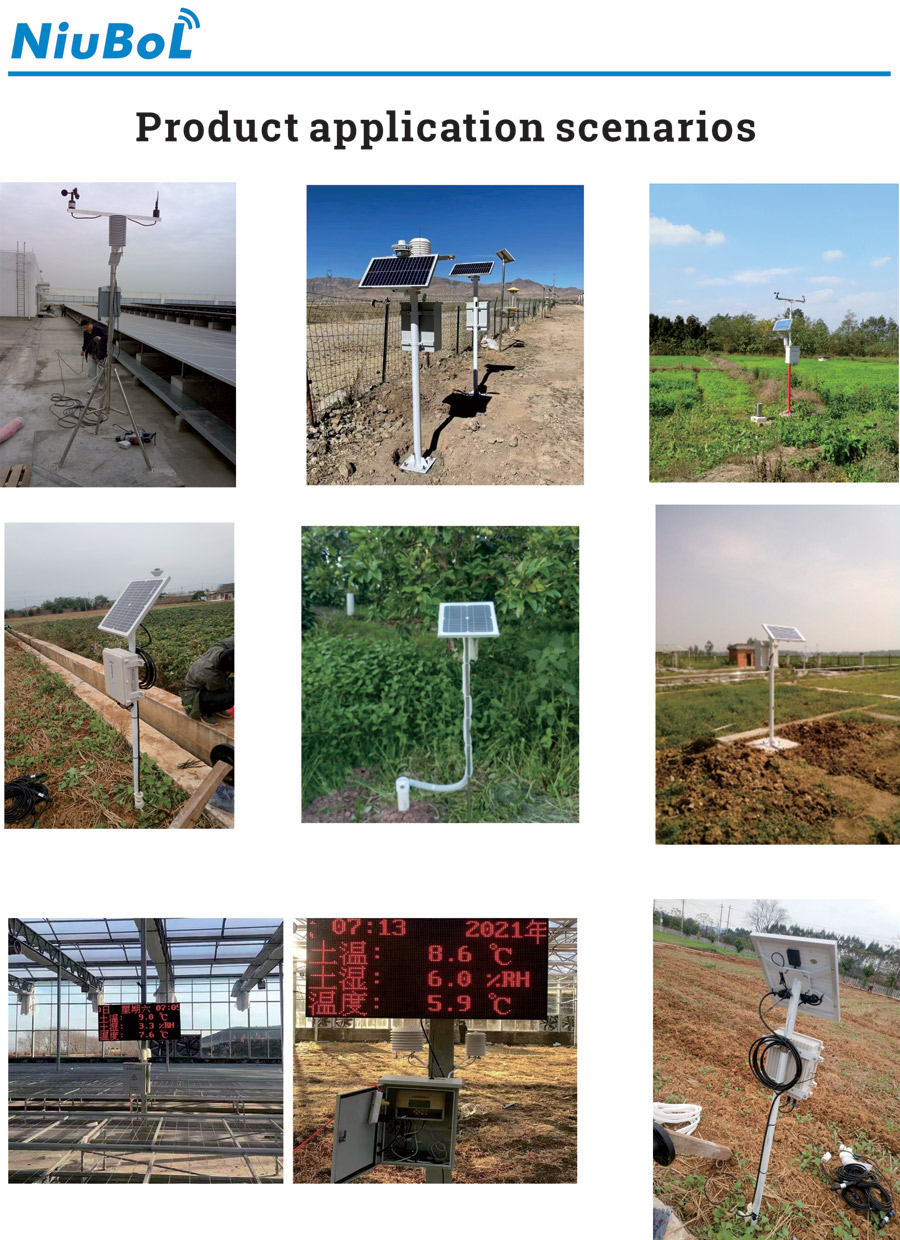
A leaf temperature and humidity sensor adds plant-surface evidence to agricultural monitoring. For greenhouse, orchard and research projects, it helps buyers move from general environmental observation to crop-risk monitoring. When RS485 communication, installation position, platform alarms and maintenance responsibilities are defined clearly, NBL-W-LM can become a useful component in disease prevention and precision crop management systems.
 NBL-W-LM-Leaf-Temperature-and-Humidity-Sensor-Instruction-Manual.pdf
Related recommendations
Sensors & Weather Stations Catalog
Agriculture Sensors and Weather Stations Catalog-NiuBoL.pdf
Weather Stations Catalog-NiuBoL.pdf
Agriculture Sensors Catalog-NiuBoL.pdf
Water Quality Sensor Catalog-NiuBoL.pdf
Related products
 Combined air temperature and relative humidity sensor
 TDR Soil Moisture & Temperature Sensor for irrigation| RS485 |4-20mA| NBL-S-THR
 Soil pH sensor RS485 soil Testing instrument soil ph meter for agriculture |NBL-S-PH
 Wind Speed sensor Output Modbus/RS485/Analog/0-5V/4-20mA
 Tipping bucket rain gauge for weather monitoring auto rainfall sensor RS485/Outdoor/stainless steel
 Pyranometer Solar Radiation Sensor 4-20mA/RS485

Screenshot, WhatsApp to identify the QR code
WhatsApp number:+8615367865107
(Click on WhatsApp to copy and add friends)

