





— Blogs —
—Products—
 Consumer hotline +8618073152920
 WhatsApp:+8615367865107
Address:Room 102, District D, Houhu Industrial Park, Yuelu District, Changsha City, Hunan Province, China
Product knowledge
Time:2026-08-13 09:06:00 Popularity:194
Rain gauge meter price should be compared as a configured rainfall measuring point. In project procurement, the buyer is not only purchasing a gauge; the package may also need a level base, bracket, cable, logger input, pulse counter, RS485 Modbus RTU gateway, solar power, enclosure, platform connection and commissioning record. A clear scope prevents a low quoted meter price from becoming incomplete during installation.
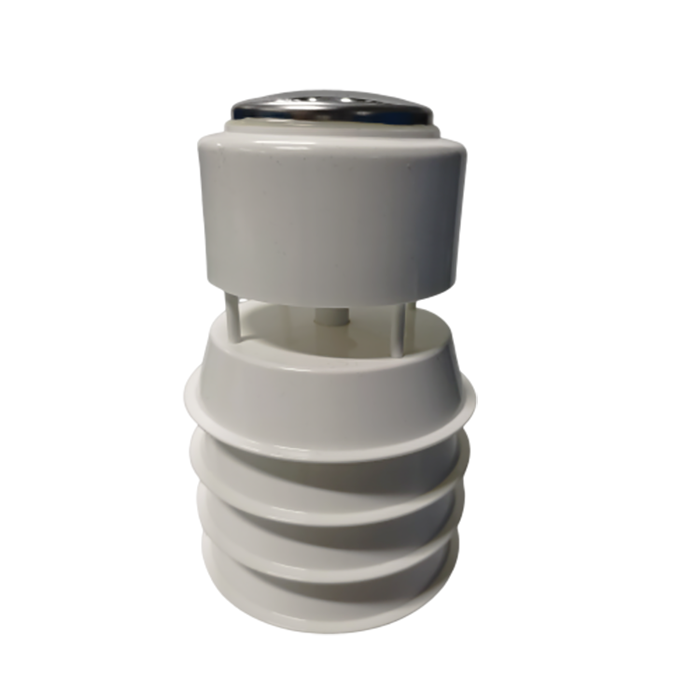
This page focuses on package boundaries and data acquisition. It is useful for contractors and integrators who must connect rainfall measurement to a weather station, irrigation controller, drainage warning system or environmental monitoring platform.
Before comparing suppliers, ask whether the price includes only the rainfall sensor or a working measurement package. A bare gauge can be suitable for a buyer with an existing logger and mounting system. A field project normally needs accessories, wiring and data configuration.
The project should state the output required by the host system. Some rainfall meters use pulse output; station packages may expose data through RS485 Modbus RTU or a logger channel. The chosen interface changes the accessory list and the commissioning work.
| Package item | What to verify | Effect on price |
|---|---|---|
| Rain gauge meter | Rainfall principle, resolution and funnel structure | Defines the core measurement device |
| Mounting set | Level base, bracket, mast or cabinet support | Controls field stability and installation labor |
| Signal connection | Pulse input, RS485 Modbus RTU or logger channel | Determines controller and gateway compatibility |
| Power and cabinet | DC 12-24 V supply, solar option or station terminal | Adds cost for remote or unattended sites |
| Data platform | Local display, cloud upload or project SCADA connection | Changes communication hardware and configuration scope |
| Handover record | Photos, wiring, scaling and sample data | Reduces disputes during acceptance |
Rainfall measurement becomes useful when each pulse or digital value is scaled correctly in the logger or platform. The quotation should identify the signal type, cable length, channel assignment, unit and data interval. For multi-station projects, each point should have a clear ID and configuration sheet.
If rainfall is used for irrigation delay, drainage alarms or weather reports, the platform should show both live data and historical rainfall totals. Acceptance should include a signal test and a sample data record, not only a visual inspection of the installed gauge.
Obstruction clearance, stable leveling, splash prevention, cable protection and maintenance access directly affect rainfall data. When these items are missing from the quoted scope, the buyer may need extra field work before the station can be accepted.
Remote sites may also require lightning protection, solar power sizing, battery autonomy and communication coverage checks. These costs belong in the system plan rather than being discovered after delivery.
Irrigation automation: rainfall totals can delay irrigation or support water-balance review. The controller logic and rainfall scaling should be agreed before cabinet wiring.
Urban drainage monitoring: rainfall data may trigger inspection or flood warning. The package should include dependable communication and power recovery after storms.
Automatic weather stations: rainfall must work together with wind, temperature, humidity, pressure and other channels. Logger capacity and data platform labels should be checked as a complete station.
Ask for wiring definition, output description, mounting drawing or photo reference, power requirement, data scaling rule, maintenance notes and sample platform screenshot where applicable. These documents make the meter price easier to compare and help installers avoid assumptions.
For repeat orders, keep a standard configuration sheet. It should include point ID, location, cable length, signal channel, unit, platform name and maintenance responsibility.
Confirm the measurement purpose, installation environment, signal output, power supply, cable route, data platform, maintenance access, and acceptance record. These details help the project team avoid field changes after procurement.
Match the communication interface, address plan, polling interval, unit display, alarm rule, and cabinet wiring with the existing gateway or controller. The integration document should be approved before site work starts.
Temperature, moisture, fouling, vibration, flow condition, cable distance, enclosure position, and service access can all affect long-term stability. The final selection should follow the real installation point, not only the catalog text.
The RFQ should include target parameter, range, output protocol, supply voltage, cable length, mounting method, enclosure requirement, quantity, project location, and any platform or data format requirement.
Acceptance should verify live value, unit, timestamp, wiring, address, platform channel, alarm action, photos, and the first stable data records. Keeping this evidence makes later operation easier to support.
Define cleaning, inspection, calibration or comparison method, spare parts, responsible team, and service interval according to the medium and site access. A clear plan reduces unexpected downtime.
Yes, but each site should use a consistent naming rule, address list, installation photo standard, and data template. This keeps commissioning and future expansion easier to manage.
NiuBoL can review the application condition, help match the sensor package, provide interface information, and support model selection for project teams that need reliable field data.
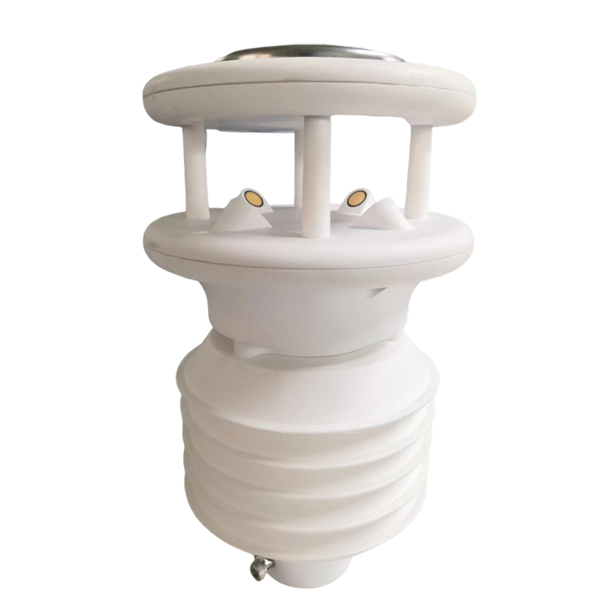
Rain gauge meter price should be reviewed by package scope and data acquisition needs. A complete comparison includes the gauge, mounting, signal interface, power, communication, platform configuration and acceptance record. This gives project buyers a clearer cost basis and reduces field rework.
Prev:Portable Water Quality Meter: Replacement Planning for Online Monitoring Projects
Next:Ground Microphone Leak Detector: Industrial Selection Guide for Online Monitoring Projects
Related recommendations
Sensors & Weather Stations Catalog
 Agriculture Sensors and Weather Stations Catalog-NiuBoL.pdf
Weather Stations Catalog-NiuBoL.pdf
Agriculture Sensors Catalog-NiuBoL.pdf
Water Quality Sensor Catalog-NiuBoL.pdf
Related products
 Combined air temperature and relative humidity sensor
 TDR Soil Moisture & Temperature Sensor for irrigation| RS485 |4-20mA| NBL-S-THR
 Soil pH sensor RS485 soil Testing instrument soil ph meter for agriculture |NBL-S-PH
 Wind Speed sensor Output Modbus/RS485/Analog/0-5V/4-20mA
 Tipping bucket rain gauge for weather monitoring auto rainfall sensor RS485/Outdoor/stainless steel
 Pyranometer Solar Radiation Sensor 4-20mA/RS485

Screenshot, WhatsApp to identify the QR code
WhatsApp number:+8615367865107
(Click on WhatsApp to copy and add friends)

