





— Blogs —
—Products—
 Consumer hotline +8618073152920
 WhatsApp:+8615367865107
Address:Room 102, District D, Houhu Industrial Park, Yuelu District, Changsha City, Hunan Province, China
Product knowledge
Time:2026-09-03 15:00:00 Popularity:216
The purchasing risk around small outdoor water quality station is easy to miss because small stations must balance sensor load, solar power, enclosure heat, telemetry coverage and maintenance access.
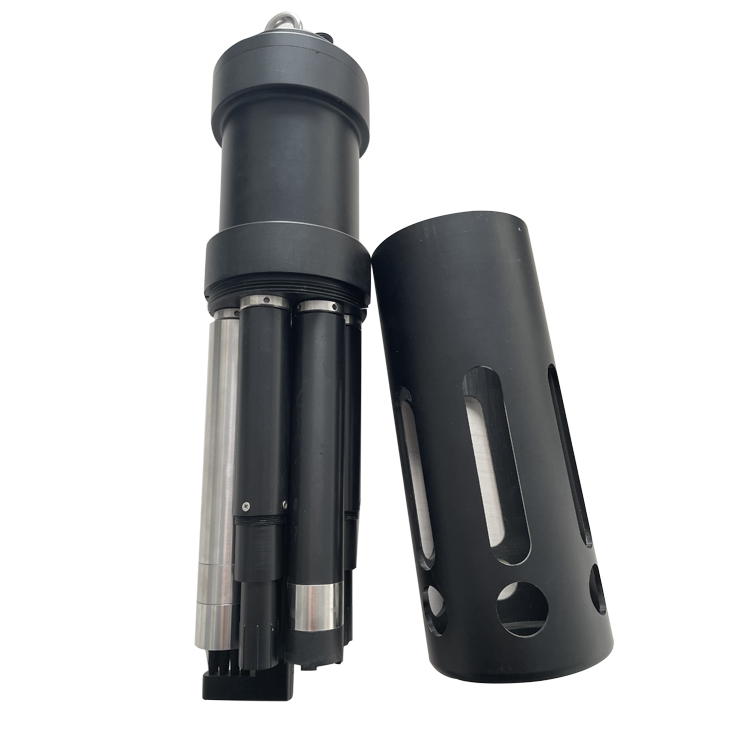
Procurement should enable the team to size the station from sampling duty and worst-case power consumption. That requires a clear measuring point, integration boundary and acceptance method, while recognizing that a compact cabinet does not reduce the need for surge protection, grounding, waterproof cable entries and safe retrieval.
A workable outdoor station combines stable power, communications, practical sensors and maintainable mechanical construction.
Solar autonomy should be calculated from winter radiation and communication duty rather than average annual sunlight.
Remote stations need watchdog, data buffering and clear offline alarms because communication failure is not a water-quality event.
Together, these conditions define the engineering question for remote monitoring sites: whether the proposed measurement and system scope can size the station from sampling duty and worst-case power consumption.
| Project item | What the specification should state |
|---|---|
| Operating problem | Small stations must balance sensor load, solar power, enclosure heat, telemetry coverage and maintenance access. |
| Required decision | Size the station from sampling duty and worst-case power consumption. |
| Method boundary | A compact cabinet does not reduce the need for surge protection, grounding, waterproof cable entries and safe retrieval. |
| Minimum evidence for small outdoor water quality station | Matched readings, installation record, units, timestamps and a documented acceptance method for the installed loop. |
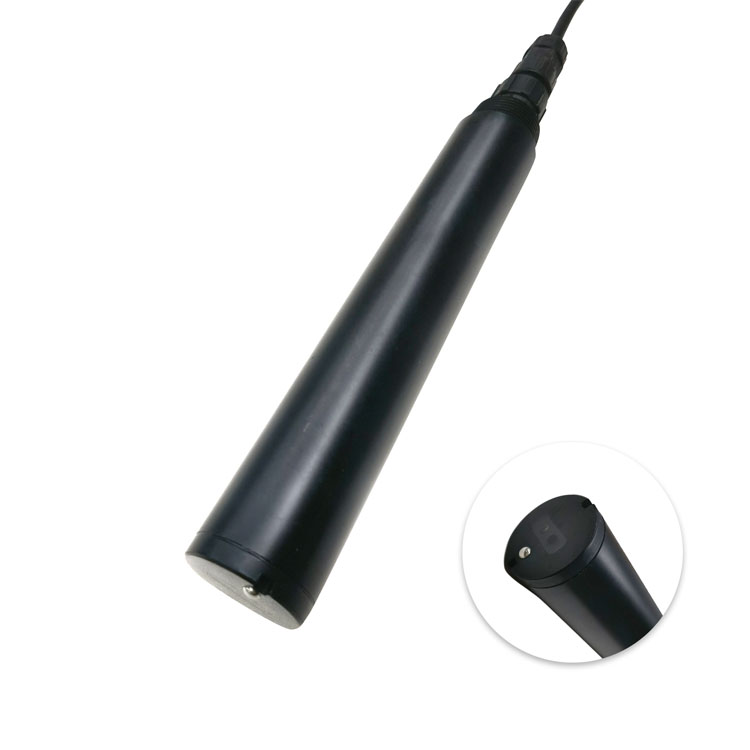
For small outdoor water quality station, the table uses the current NBL-WQ-MPS-5A self-cleaning sensor manual as a verified reference. It defines a realistic engineering option for remote monitoring sites; it does not remove the project constraint described above. When integrating Small Outdoor Water Quality Station Design, the proposed model, range and accessories should be confirmed against the quotation and project water data.
| Parameter | Verified reference |
|---|---|
| Reference model | NBL-WQ-MPS-5A |
| Capacity for small outdoor water quality station | Up to 8 parameters including temperature |
| Optional parameters for small outdoor water quality station | DO, COD, pH, ORP, conductivity/salinity, ammonia nitrogen and turbidity |
| DO | 0-20 mg/L; +/-2%; 0.01 mg/L |
| pH | 0-14 pH; +/-0.1 pH; 0.01 pH |
| ORP | -1500 to +1500 mV; +/-6 mV; 1 mV |
| Output | RS485, Modbus RTU |
| Cleaning — small outdoor water quality station | Configurable automatic cleaning |
| Power | 12 VDC +/-5%; 5 W at 12 V |
| Cable | 5 m standard; customizable |
For work in remote monitoring sites, nominal accuracy is only one part of suitability.
For the multi-parameter assembly, support the sensor body without cable strain, allow brush clearance and make the complete assembly retrievable. The small outdoor water quality station site drawing should show elevation, insertion depth, flow direction, cable route, retrieval method and maintenance clearance. For context, Remote stations need watchdog, data buffering and clear offline alarms because communication failure is not a water-quality event.
Electrical preparation should cover DC voltage at the load, polarity, cable segregation, surge protection and enclosure sealing. The rating of the multi-parameter assembly does not protect an exposed splice or flooded terminal box. At this remote monitoring sites point, remember that small stations must balance sensor load, solar power, enclosure heat, telemetry coverage and maintenance access.
Where practicable, commission small outdoor water quality station under both normal and upset operating conditions. Record water condition, reference result, displayed value, Modbus value and alarm response so later disputes about the installed loop can be traced to evidence. This requirement helps the team size the station from sampling duty and worst-case power consumption.

In a NiuBoL project, the multi-parameter assembly creates the field value. Within the Small Outdoor Water Quality Station Design supply scope, the controller applies units and scaling, while the PLC, RTU or logger transfers status and readings to the operating platform. The purchase order for small outdoor water quality station should assign every system layer to a named supplier. For context, A workable outdoor station combines stable power, communications, practical sensors and maintainable mechanical construction.
A Modbus connection is complete only after the integrator verifies serial settings, register meaning, units and timeout behavior. Cable routing, earthing and surge protection for the remote monitoring sites point remain field-installation responsibilities.
A defensible handover demonstrates that the multi-parameter assembly responds in the installed water and that the same value reaches the control system with correct units and status. Screen illumination alone is not an acceptance test. The acceptance record must also state this project constraint: a compact cabinet does not reduce the need for surge protection, grounding, waterproof cable entries and safe retrieval.
Agree the reference procedure and tolerance before testing. A valid comparison accounts for time, location, stabilization and uncertainty on both sides of the remote monitoring sites measurement.
Before accepting small outdoor water quality station, save the working configuration and verify restart and fault behavior. The remote monitoring sites team should receive as-built settings, comparison evidence and a named maintenance responsibility.
In the Small Outdoor Water Quality Station Design acceptance plan, define the complete duty for the multi-parameter assembly: matrix and range, location, mechanical arrangement, electrical interface, communication, quantity and acceptance purpose. The small outdoor water quality station offer should identify every missing site input as an explicit assumption. This requirement helps the team size the station from sampling duty and worst-case power consumption.
For the Small Outdoor Water Quality Station Design measuring point, state Incoterm or destination expectation, quantity, document set, spare policy and whether remote or site commissioning is required. When integrating Small Outdoor Water Quality Station Design, supplier lead time should identify any custom cable, material or output option. The acceptance record must also state this project constraint: a compact cabinet does not reduce the need for surge protection, grounding, waterproof cable entries and safe retrieval.
The main commercial risk is not simply an inaccurate reading. If small stations must balance sensor load, solar power, enclosure heat, telemetry coverage and maintenance access, the owner may approve a design or operating response that cannot size the station from sampling duty and worst-case power consumption.
For small outdoor water quality station, a repeat order is reliable only when range, material, output, cable and accessories match the original duty.
Calculate energy from the complete duty cycle: sensor measurement, self-cleaning, controller, modem transmission, enclosure ventilation or heating and conversion losses. Use the highest simultaneous load for cable and protection sizing, then use daily watt-hours for battery autonomy. A solar calculation based only on sensor nameplate power will understate winter demand when the modem retries or the cleaner starts.
Battery capacity should be based on the required days of autonomy, allowable depth of discharge, low-temperature derating and aging margin. The design record should show the assumed winter solar resource and communication schedule. During acceptance, isolate charging and confirm how long the station remains operational and whether it raises a low-voltage alarm before data quality is affected.
An outdoor cabinet must manage solar gain, condensation, insects, cable-gland sealing and service clearance. Put wet sample components below sensitive electronics where possible, provide drainage, and avoid placing a modem antenna or power supply where technicians must disturb sensor wiring. The enclosure rating applies only when every gland, door seal and vent is installed correctly.
Telemetry commissioning should cover weak-signal behavior, local buffering, timestamp recovery and retransmission after an outage. A communication alarm must remain distinct from a water-quality alarm. The RFQ should state expected reporting interval, retained records, remote configuration limits and who supplies the SIM, platform account and field network survey.
A small station is only useful if a technician can reach, isolate, clean and verify it safely. The layout should provide a stable work position, lifting or retrieval method, sample or reference access and enough room to open the enclosure without disconnecting live cables. Record the expected visit interval and maximum acceptable outage before selecting battery and spare quantities.
Remote sites also need tamper control. Define cabinet locks, exposed cable protection, antenna placement and whether door opening creates an alarm. Security measures must not prevent emergency isolation or routine calibration. For the acceptance record, conduct one complete maintenance visit and record travel time, tools, waste-water handling and the steps required to return every channel to service.
Parameter selection should remain compact. Temperature, pH, conductivity, DO, turbidity, ammonia or optical organic indicators belong in the package only when a measured change triggers a documented response. Every extra probe adds power load, cleaning work, calibration records and a possible common-bus fault; it should earn its place in the station.

A1: The point must expose the multi-parameter assembly to representative water while avoiding stagnant pockets, trapped gas, direct chemical impact and inaccessible removal. The drawing should make that condition auditable.
A2: Show process connection, elevation, insertion depth, flow direction, isolation, drain, cable route, junction box, removal clearance and a safe maintenance position.
A3: Introduce an agreed process or sample change and time its arrival at the sensor, controller and historian. Use the measured delay when setting alarm persistence or control expectations.
A4: For Small Outdoor Water Quality Station Design, confirm polarity, address, baud rate, parity, register, unit and decimal scaling from the field device to the PLC, RTU or data logger. Then test stale-data handling, communication loss and restart recovery. At this remote monitoring sites point, remember that small stations must balance sensor load, solar power, enclosure heat, telemetry coverage and maintenance access.
A5: For Small Outdoor Water Quality Station Design, use the same location and time after stabilization. Within the Small Outdoor Water Quality Station Design supply scope, record sample handling, temperature, units, method and uncertainty; one unmatched grab sample is not enough to approve or reject an online point. This requirement helps the team size the station from sampling duty and worst-case power consumption.
A6: For Small Outdoor Water Quality Station Design, the project requires the cited product family includes Up to 8 parameters including temperature. In the Small Outdoor Water Quality Station Design acceptance plan, this is a manual-based reference, not automatic model approval; routine values, credible peaks and the water matrix still control final selection. The acceptance record must also state this project constraint: a compact cabinet does not reduce the need for surge protection, grounding, waterproof cable entries and safe retrieval.
A7: For the Small Outdoor Water Quality Station Design measuring point, separate the sensor, holder or flow cell, cable options, controller, gateway, cabinet, calibration items, consumables, spares, documentation, commissioning and freight. When integrating Small Outdoor Water Quality Station Design, this prevents a smaller supply scope from appearing cheaper than a complete point. At this remote monitoring sites point, remember that small stations must balance sensor load, solar power, enclosure heat, telemetry coverage and maintenance access.
A8: Send water data, photographs or drawings, required output, cable distance, quantity, destination and schedule. Include the current problem: small stations must balance sensor load, solar power, enclosure heat, telemetry coverage and maintenance access. Within the Small Outdoor Water Quality Station Design supply scope, that detail lets engineering review suitability before price is issued.
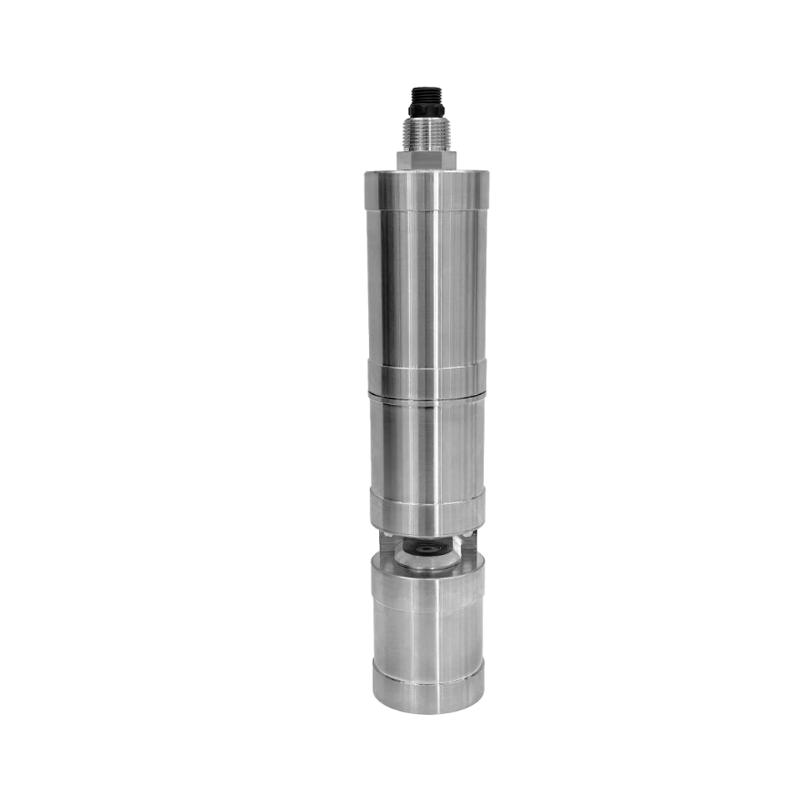
A final specification addressing small outdoor water quality station should connect site conditions to an operator decision and an acceptance test. Its purpose is to size the station from sampling duty and worst-case power consumption; its limit is that a compact cabinet does not reduce the need for surge protection, grounding, waterproof cable entries and safe retrieval.
To obtain a project-specific NiuBoL offer, attach representative water data and the intended installation and control boundary. In the Small Outdoor Water Quality Station Design acceptance plan, separate hardware, accessories, spares and support so the commercial comparison remains traceable. At this remote monitoring sites point, remember that small stations must balance sensor load, solar power, enclosure heat, telemetry coverage and maintenance access.
Prev:Suspended Solids Exceedance: Monitoring and Troubleshooting Causes
Next:Ammonia Nitrogen Removal Troubleshooting: Match Treatment Method to the Failure Mode
Related recommendations
Sensors & Weather Stations Catalog
 Agriculture Sensors and Weather Stations Catalog-NiuBoL.pdf
Weather Stations Catalog-NiuBoL.pdf
Agriculture Sensors Catalog-NiuBoL.pdf
Water Quality Sensor Catalog-NiuBoL.pdf
Related products
 Combined air temperature and relative humidity sensor
 TDR Soil Moisture & Temperature Sensor for irrigation| RS485 |4-20mA| NBL-S-THR
 Soil pH sensor RS485 soil Testing instrument soil ph meter for agriculture |NBL-S-PH
 Wind Speed sensor Output Modbus/RS485/Analog/0-5V/4-20mA
 Tipping bucket rain gauge for weather monitoring auto rainfall sensor RS485/Outdoor/stainless steel
 Pyranometer Solar Radiation Sensor 4-20mA/RS485

Screenshot, WhatsApp to identify the QR code
WhatsApp number:+8615367865107
(Click on WhatsApp to copy and add friends)

