





— Blogs —
—Products—
 Consumer hotline +8618073152920
 WhatsApp:+8615367865107
Address:Room 102, District D, Houhu Industrial Park, Yuelu District, Changsha City, Hunan Province, China
Product knowledge
Time:2026-06-24 11:25:21 Popularity:247
A smart multi-span greenhouse is a facility agriculture system built around a controlled indoor environment. Compared with a simple plastic tunnel, a multi-span greenhouse has a more unified structure, higher equipment density and better conditions for mechanized operation. This makes it suitable for automated climate control, fertigation, shading, ventilation, lighting and crop data management.
For a buyer, the important point is that a smart greenhouse is not a single machine. It is an integrated system that combines structure, sensors, controllers, actuators, irrigation equipment, power distribution and software. The procurement document should therefore describe how each subsystem will exchange data and how the final operator will use the information.
Modern facility agriculture needs stable crop production under variable outdoor weather. A multi-span greenhouse reduces the influence of rain, wind, low temperature and excessive light, but it also creates a more complex internal climate. Light, CO2, temperature and humidity are tightly connected. When one factor changes, the control system may need to adjust fans, curtains, irrigation, heating or enrichment equipment.
System integrators usually face two practical requirements. The first is to collect reliable field values from multiple greenhouse zones. The second is to convert these values into control actions that workers can understand and maintain. This is why the sensor system and the mechanical equipment should be designed together rather than purchased separately.
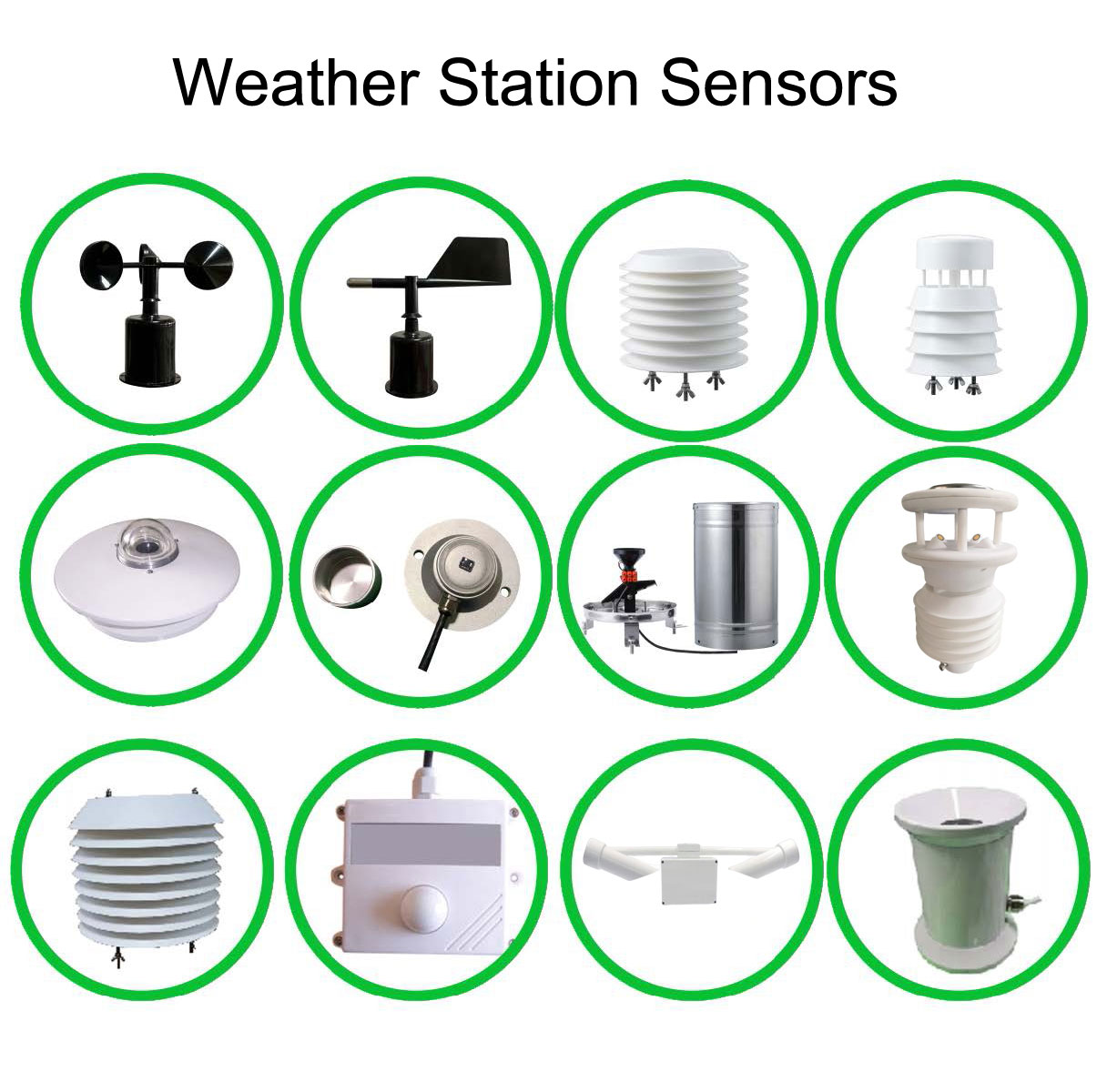
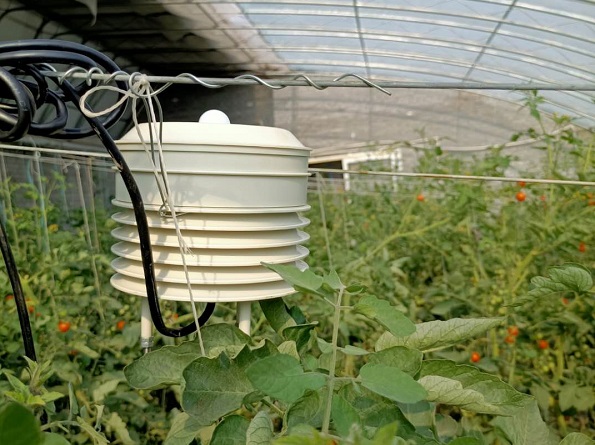
Sensors form the perception layer of the smart multi-span greenhouse. Typical measuring points include air temperature, air humidity, light intensity, carbon dioxide concentration, soil moisture, soil temperature, EC, pH, leaf wetness, outdoor weather and irrigation water quality. These values feed the control layer, which may include PLCs, greenhouse controllers, RTUs or IoT gateways.
The execution layer includes exhaust fans, circulation fans, roof vents, side vents, shade curtains, thermal screens, supplemental lighting, humidifiers, irrigation valves, pumps and fertigation equipment. A platform or local display then provides historical curves, alarms, manual override and operation records. Procurement should clearly define which equipment is automatic, which is manual and which has remote control permission.
RS485 and Modbus RTU are widely used in greenhouse sensor networks because they support multi-point acquisition and industrial cabinet integration. A smart greenhouse may have dozens of sensors distributed across different spans. With Modbus, each sensor can be assigned an address and read by a central acquisition terminal or controller.
Compatibility should be checked at the register level. The integrator should confirm unit conversion, data type, baud rate, parity, polling interval and cable topology. For actuators and relays, control logic must include manual fallback and safety interlocks so automatic operation does not create crop or equipment risk.
| Parameter | Reference Value | Engineering Note |
|---|---|---|
| Typical sensor power | DC 12-24V | Common for greenhouse sensor and control cabinet integration |
| Communication interface | RS485 / Modbus RTU | Suitable for multi-zone sensor acquisition |
| Air temperature range | -40 to 80℃ typical for greenhouse sensors | Select according to local heating and ventilation conditions |
| Air humidity range | 0 to 100%RH | High humidity installation should avoid direct condensation |
| CO2 range | 0 to 5000 ppm for greenhouse CO2 monitoring | Useful for enrichment and ventilation decisions |
| Illuminance range | 0 to 200000 Lux | Supports shading and supplemental lighting reference |
| Soil moisture range | 0 to 100% volumetric water content depending on sensor type | Used for irrigation and root-zone management |
| Protection level | IP65 for outdoor control boxes and many field sensors; IP68 for buried soil probes | Choose protection according to mounting environment |
| Working temperature | -40 to 80℃ for many outdoor sensors | Confirm each selected sensor model before final purchase |
| Platform functions | Real-time data, alarms, trend curves, export and remote viewing | Should match the owner operation process |
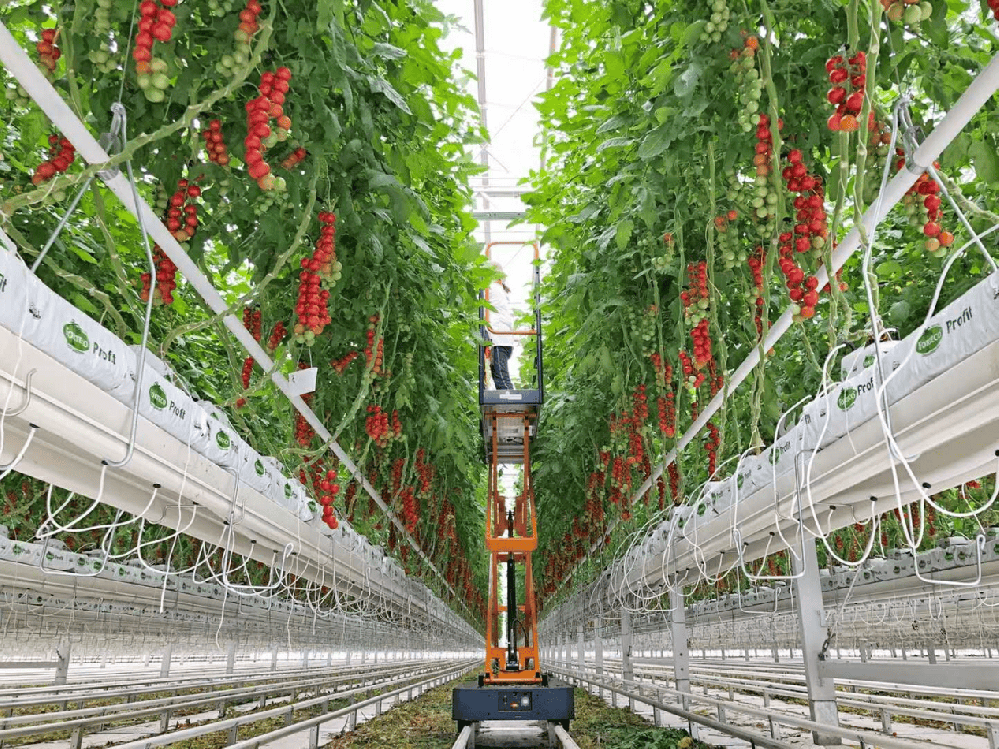
Site challenge: Tomato, cucumber and leafy vegetable production needs stable temperature, humidity, light and irrigation management.
System integration scheme: Deploy air sensors, CO2 sensors, light sensors, soil sensors and fertigation control in each functional zone.
User value: Operators can adjust climate and irrigation by measured conditions rather than by rough experience.
Site challenge: Seedlings are sensitive to humidity, excessive heat, low light and uneven irrigation.
System integration scheme: Use dense monitoring points with alarms for temperature, humidity, light and substrate moisture.
User value: The nursery gains better batch consistency and lower risk during early growth stages.
Site challenge: Research trials need data that can be compared between treatments, zones and crop cycles.
System integration scheme: Use standardized RS485 sensor nodes and exportable historical records.
User value: Researchers can connect environmental conditions with growth results and trial conclusions.
Site challenge: Several greenhouses may share workers, water source, pumps, power and a management platform.
System integration scheme: Build a central platform with greenhouse-level dashboards, alarms and equipment status.
User value: The owner can manage many zones with fewer manual inspections and clearer responsibility.
Site challenge: The buyer may not know every sensor or actuator required at the quotation stage.
System integration scheme: Prepare a modular bill of materials covering sensor layer, control layer, execution layer and platform.
User value: The package becomes easier to price, install and expand in later phases.
Start with crop type, planting density, greenhouse area and target control functions.
Define zones before deciding sensor quantity; structure size alone is not enough.
Select RS485 Modbus sensors when centralized acquisition and future expansion are needed.
Confirm whether the project requires local control only or cloud platform access.
Separate monitoring points from control outputs in the bill of materials.
Reserve manual override for fans, curtains, pumps and valves.
Confirm power supply, surge protection, cable routing and cabinet position before installation.
Request commissioning documents that show sensor addresses, equipment names and control logic.
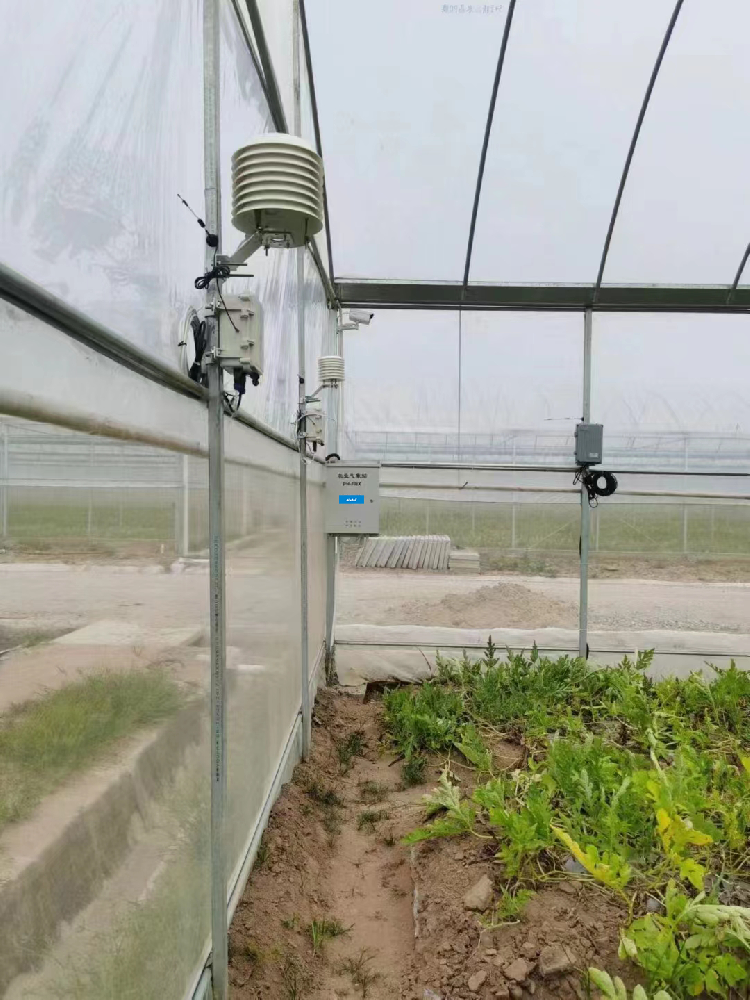
The greenhouse structure should be reviewed together with the control system. Vent location, curtain travel, fan position and irrigation zones influence where sensors should be installed. A sensor placed near a vent or heater may produce data that is not representative of the crop area.
A useful commissioning process includes sensor reading checks, actuator direction checks, alarm threshold review, manual override test, platform login test and historical data export. These items help the owner accept the system as an operating tool rather than only a construction delivery.
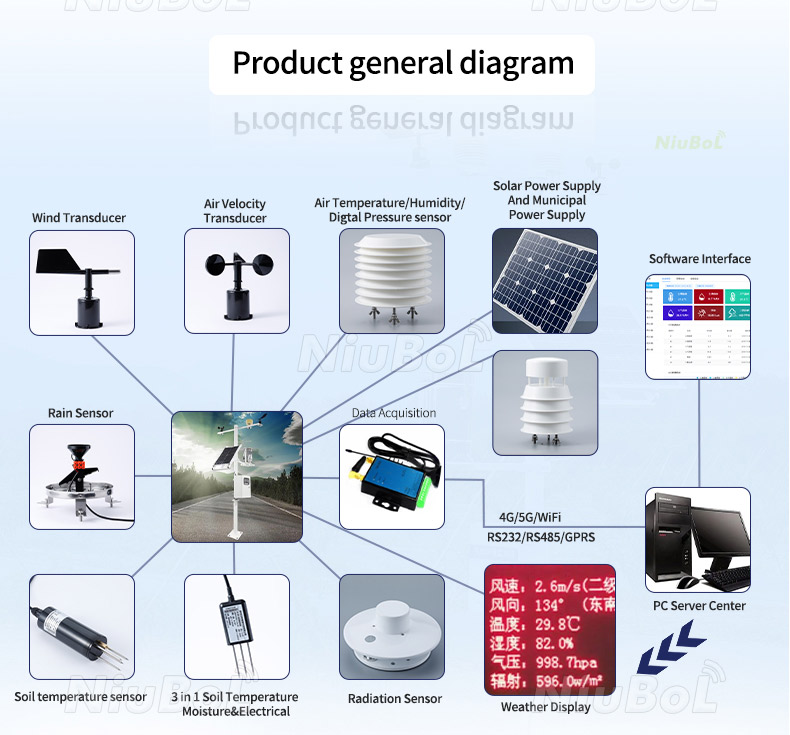
A smart multi-span greenhouse should be designed by zones, not only by total area. Roof vents, side vents, curtains, fans, irrigation blocks and crop benches may create different microclimates inside the same structure.
A useful design drawing should mark sensor positions, actuator groups, cabinet positions and cable routes. Without this drawing, installation teams may place sensors where they are easy to mount but not representative of crop conditions.
The operating value comes from linking control rules to field equipment. For example, high light may close shade curtains, high humidity may increase ventilation, low CO2 may start enrichment, and low substrate moisture may trigger irrigation only in the affected zone.
Light, CO2, temperature and humidity are the daily control core in a multi-span greenhouse. In a real project, these factors should not be written as separate sensor purchases. They should be written as control loops: light with shading or lamps, CO2 with exhaust or enrichment, temperature with cooling or heating, and humidity with ventilation or irrigation control.
The greenhouse is divided into climate zones before sensor points are selected.
Light, CO2, air temperature, humidity and substrate sensors are matched with actual control equipment.
Fan, curtain, vent, irrigation and fertigation groups are named consistently in drawings and platform screens.
Manual override is retained for critical equipment such as pumps, fans, vents and curtains.
Cabinet space, terminals and communication addresses are reserved for later expansion.
Acceptance includes actuator direction checks, alarm checks and historical data export.
Quoting sensors without a zone drawing, which makes installation location arbitrary.
Treating vents, fans and curtains as separate devices instead of connected control outputs.
Ignoring future expansion and filling the control cabinet during the first phase.
Accepting the system without testing manual override and alarm recovery.
For a phased construction project, the first phase should reserve extra communication addresses, cabinet terminals and platform fields. This small design decision makes later greenhouse expansion much easier and avoids replacing the original acquisition structure.
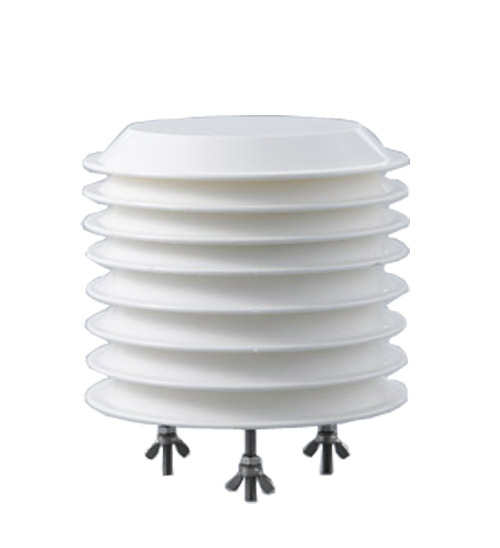
A: Its unified structure, mechanized equipment and divided control zones make it easier to install sensors, automate actuators and manage the crop environment through a control system.
A: Common sensors include temperature, humidity, CO2, illuminance, soil moisture, soil temperature, EC, pH, leaf wetness, outdoor wind and rainfall sensors.
A: RS485 Modbus allows several sensors to be connected to a controller or gateway with standardized addressing and data reading, which supports expansion and platform integration.
A: The number depends on crop zones, area, ventilation layout and control objectives. Buyers should define representative zones rather than using one fixed number for all projects.
A: Automatic control is useful, but manual override and safety logic are still necessary for fans, curtains, pumps and valves. Operators need control authority during maintenance or abnormal conditions.
A: Area, span layout, bay size, column height, crop type, equipment list, sensor points, power supply, communication method and platform functions should be described.
A: Provide drawings or greenhouse dimensions, required parameters, control functions, platform requirements and installation conditions before requesting the final quotation.
A: Yes, expansion is easier when RS485 addresses, cabinet space, power capacity and platform data fields are reserved during the first phase.
A: Check sensor values, actuator responses, alarm thresholds, platform records, user permissions and manual override functions.
A: NiuBoL supplies environmental sensors and monitoring components that can be integrated into greenhouse control systems by distributors, contractors and project integrators.
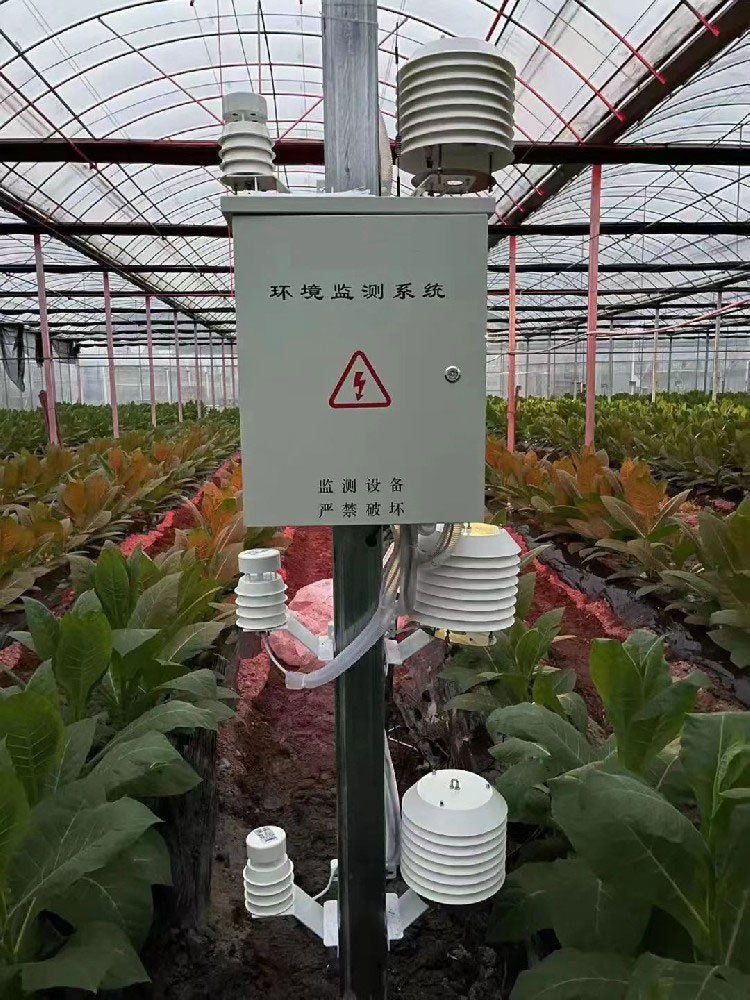
A smart multi-span greenhouse works well when structure, sensors, control equipment and operating procedures are designed as one system. For procurement teams, the strongest specification is a clear map from crop requirement to sensor point, control output and platform record. NiuBoL greenhouse monitoring devices can support this architecture through industrial communication interfaces and practical field deployment options.
Prev:Greenhouse CO2 Sensor Procurement Guide for Crop Climate Control and RS485 Integration
Next:Agricultural Weather Station for Meteorological Disaster Preparedness and Farm Risk Decisions
Related recommendations
Sensors & Weather Stations Catalog
 Agriculture Sensors and Weather Stations Catalog-NiuBoL.pdf
Weather Stations Catalog-NiuBoL.pdf
Agriculture Sensors Catalog-NiuBoL.pdf
Water Quality Sensor Catalog-NiuBoL.pdf
Related products
 Combined air temperature and relative humidity sensor
 TDR Soil Moisture & Temperature Sensor for irrigation| RS485 |4-20mA| NBL-S-THR
 Soil pH sensor RS485 soil Testing instrument soil ph meter for agriculture |NBL-S-PH
 Wind Speed sensor Output Modbus/RS485/Analog/0-5V/4-20mA
 Tipping bucket rain gauge for weather monitoring auto rainfall sensor RS485/Outdoor/stainless steel
 Pyranometer Solar Radiation Sensor 4-20mA/RS485

Screenshot, WhatsApp to identify the QR code
WhatsApp number:+8615367865107
(Click on WhatsApp to copy and add friends)

