





— Blogs —
—Products—
 Consumer hotline +8618073152920
 WhatsApp:+8615367865107
Address:Room 102, District D, Houhu Industrial Park, Yuelu District, Changsha City, Hunan Province, China
Product knowledge
Time:2026-06-15 10:48:13 Popularity:261

Odor in wastewater stations is not only a comfort problem. H2S, ammonia and VOCs can affect worker safety, neighborhood complaints, corrosion, ventilation design and treatment-unit management.
Odor may come from the wastewater itself, from treatment units such as screens, grit chambers, oil separators and primary clarifiers, and from sludge handling units such as storage tanks, thickening tanks and dewatering areas.
Hydrogen sulfide often creates the typical rotten-egg smell, while ammonia and VOCs may come from nitrogen compounds, organic degradation or industrial inflow. Odor intensity changes with temperature, retention time, covering, ventilation and sludge condition.
Operators cannot rely only on smell. Human perception is subjective and can become fatigued, while hazardous concentrations may occur in enclosed spaces. Instrument monitoring supports ventilation, safety alarms and odor-treatment performance evaluation.
Gas data is most useful when connected with process data. For example, high sulfide odor may relate to anaerobic conditions, sludge storage time or industrial influent, while ammonia odor may connect with nitrogen load or pH conditions.
Common odor control methods include biological filtration, activated carbon adsorption, plasma treatment, chemical washing, ozone oxidation and catalytic oxidation. In many projects, odor is collected by covers and ducts, then treated before discharge.
Monitoring can be arranged near odor sources, duct inlets, treatment outlets and worker exposure zones. The point selection should match the risk: safety, nuisance complaint, process diagnosis or treatment performance.
| Item | Engineering Reference |
|---|---|
| Application | Metallurgy, power plant desulfurization, chemical, dyeing, paper, food and other industrial wastewater |
| Common monitoring parameters | pH, ORP, conductivity, turbidity, TSS, COD, ammonia nitrogen, chlorine, temperature and flow |
| pH range | 0 to 14 pH for glass-electrode online pH sensors |
| TSS range | 0 to 2000 mg/L for online suspended solids reference configuration |
| Turbidity range | 0 to 20 / 200 / 1000 NTU |
| Conductivity range | 0 to 5000 uS/cm |
| Output signal | RS485 Modbus RTU, with selected 4-20 mA options |
| Power supply | 12 to 24 VDC for field sensors |
| Protection rating | IP68 field probes where submerged installation is used |
| Installation | Immersion, flow-cell, tank, channel or pipeline installation by process point |
| System interface | PLC, DCS, SCADA, IoT gateway and online reporting platform |
| Engineering note | Parameter list should follow wastewater source, treatment process and discharge permit |
Site environment challenge: Odor concentration may rise quickly under poor ventilation.
System integration scheme: Use gas monitoring with ventilation and alarm logic.
User value delivered: Operators improve worker safety and odor response.
Site environment challenge: Treatment media performance changes with moisture and loading.
System integration scheme: Monitor inlet and outlet odor-related gases and process conditions.
User value delivered: The plant can evaluate deodorization performance.
Site environment challenge: VOCs and sulfide may vary by production batch.
System integration scheme: Combine gas monitoring with water quality trend data.
User value delivered: Operators can identify abnormal inflow and protect staff.
Site environment challenge: Poor ventilation increases exposure risk.
System integration scheme: Use fixed monitoring and forced ventilation control.
User value delivered: The site reduces occupational health risk.
Odor complaints often appear at the boundary of a wastewater station, but the cause may be inside the process: septic influent, long sludge storage time, poor ventilation, low dissolved oxygen, excessive sulfide formation or industrial discharge. Monitoring should therefore connect gas data with process records.
When H2S increases around sludge tanks, the operator may need to check sludge age, covering condition and ventilation. When ammonia rises, the operator may review nitrogen load, pH and aeration conditions. This type of interpretation turns a gas sensor into an operating tool.
If the project goal is worker safety, sensors should be located near access routes, enclosed spaces and locations where personnel may be exposed. If the goal is odor treatment evaluation, sensors should be placed before and after treatment equipment such as biofilters or activated carbon units.
If the goal is complaint management, boundary monitoring and wind direction records may be useful. These three goals can overlap, but the sensor location and alarm logic are not identical, so they should be written clearly in the project scope.
Wastewater stations are humid, corrosive and often dusty. Sensor enclosures, cable entries, mounting height and condensation protection should be reviewed before procurement. A device selected only by gas name may fail early if the housing and installation method are not suitable.
NiuBoL can support odor-related environmental monitoring as part of a wider wastewater station data system, especially when the buyer also needs water quality parameters for process diagnosis.
A wastewater station normally has several odor sources, but not every source creates the same project risk. Screens and grit chambers may affect worker exposure during maintenance. Sludge storage may create concentrated H2S and ammonia. Boundary areas may drive complaints from nearby facilities or residents.
A risk map should divide monitoring goals into occupational safety, process diagnosis, treatment performance and boundary supervision. This prevents the common mistake of installing one gas sensor at a convenient wall and expecting it to answer all odor-control questions.
Gas alarms should be tied to operating actions. A high H2S alarm near a sludge tank may trigger ventilation, access restriction and process inspection. A rising VOC trend in an industrial wastewater station may trigger influent review or cover-system inspection. A low oxygen alarm in an enclosed area should trigger immediate safety response.
For system integrators, the value is in the alarm logic, not only the gas name. The design should define alarm level, delay time, fan interlock, data logging, maintenance mode and who receives notification.
When odor treatment equipment such as a biofilter, activated carbon unit or chemical scrubber is installed, monitoring should be placed where it can show treatment effectiveness. Inlet and outlet comparison is more useful than only measuring the room air after complaints appear.
Humidity, condensation and corrosive gases should be considered during sensor selection. A wastewater odor project usually needs robust housing, protected cable entry, suitable mounting height and a maintenance path that does not expose workers unnecessarily.
Odor monitoring data can support daily operation reports, safety reviews and communication with nearby facilities. A time-stamped H2S or ammonia trend is more useful than a general complaint record because it shows when the event occurred and whether treatment or ventilation responded.
For wastewater operators, this data can also help compare seasonal conditions. Higher temperature, lower ventilation efficiency or longer sludge retention may increase odor risk. Trend records help the plant adjust operation before complaints become frequent.
Odor control is stronger when gas monitoring is connected with water quality and sludge operation data. High organic load, ammonia nitrogen, low dissolved oxygen, pH shift and long sludge storage can all contribute to odor generation.
A combined monitoring approach helps system integrators build a more complete wastewater station dashboard, where operators can see both the source condition and the air-side result.
Buyers need more than a list of gases. They need to know where odor is produced, which gas is linked with which risk, where sensors should be installed and what action should follow an alarm.
A monitoring proposal should therefore connect H2S, ammonia and VOC data with ventilation, deodorization equipment, access control and wastewater process operation.
This makes the article and the proposal useful for both engineering review and internal purchasing approval, especially when several departments share responsibility for safety, complaints, ventilation, process operation and maintenance planning. It also helps the buyer compare monitoring proposals on the same technical basis.
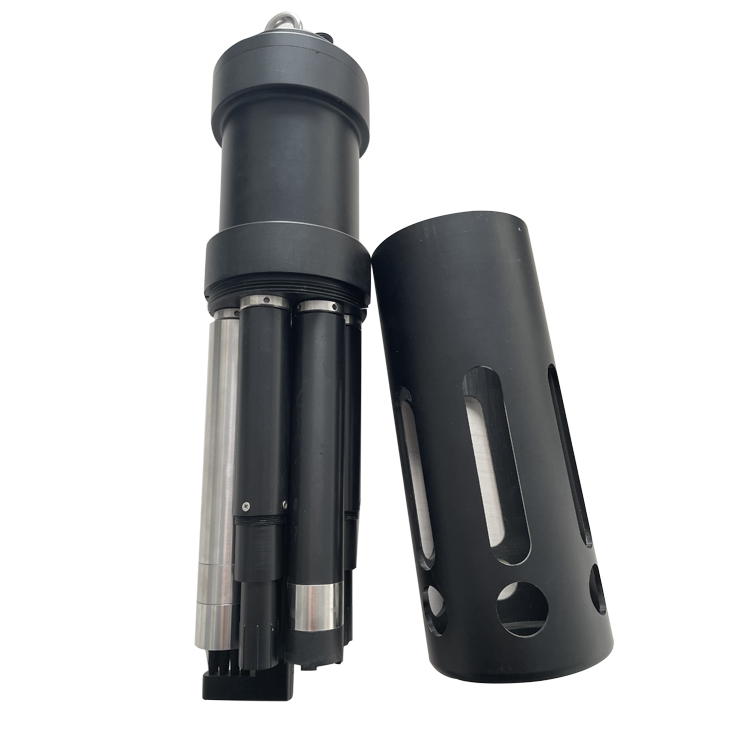
Odor is produced by wastewater, screens, grit chambers, oil separators, clarifiers, sludge tanks and sludge dewatering units.
Hydrogen sulfide, ammonia, VOCs and oxygen deficiency are common monitoring targets, depending on the station layout and risk.
Hydrogen sulfide is toxic, corrosive and can cause serious health risk at high concentration, especially in enclosed or poorly ventilated spaces.
Human smell is subjective, can become fatigued and may not provide reliable warning before hazardous exposure occurs.
Sensors should be placed near odor sources, enclosed spaces, worker access routes, treatment inlets or outlets, depending on the monitoring goal.
Inlet and outlet gas trends can show whether biofilters, activated carbon units, scrubbers or other treatment systems are working effectively.
Yes. Gas alarms can trigger ventilation when alarm levels, delay time, maintenance mode and safety logic are correctly designed.
Humidity, condensation, corrosive gas, dust, mounting height, cable protection and calibration access all affect sensor selection.
Low oxygen, high organic load, sludge retention, ammonia nitrogen, pH and sulfide formation can all influence odor generation.
A proposal should include target gases, measurement ranges, installation points, alarm logic, ventilation interface, maintenance plan and data output protocol.
Wastewater odor control benefits from structured monitoring. Gas data, ventilation design and water quality trends together help operators manage safety, complaints and treatment performance.
Prev:Suspended Solids in Water: Engineering Meaning, Sensor Installation and Maintenance Guide
Next:Oilfield Produced Water Treatment: Monitoring Parameters for Reinjection and Discharge Control
Related recommendations
Sensors & Weather Stations Catalog
 Agriculture Sensors and Weather Stations Catalog-NiuBoL.pdf
Weather Stations Catalog-NiuBoL.pdf
Agriculture Sensors Catalog-NiuBoL.pdf
Water Quality Sensor Catalog-NiuBoL.pdf
Related products
 Combined air temperature and relative humidity sensor
 Soil Moisture Temperature sensor for irrigation|NBL-S-THR
 Soil pH sensor RS485 soil Testing instrument soil ph meter for agriculture |NBL-S-PH
 Wind Speed sensor Output Modbus/RS485/Analog/0-5V/4-20mA
 Tipping bucket rain gauge for weather monitoring auto rainfall sensor RS485/Outdoor/stainless steel
 Pyranometer Solar Radiation Sensor 4-20mA/RS485

Screenshot, WhatsApp to identify the QR code
WhatsApp number:+8615367865107
(Click on WhatsApp to copy and add friends)

