





— Blogs —
—Products—
 Consumer hotline +8618073152920
 WhatsApp:+8615367865107
Address:Room 102, District D, Houhu Industrial Park, Yuelu District, Changsha City, Hunan Province, China
Product knowledge
Time:2026-06-15 10:48:14 Popularity:693
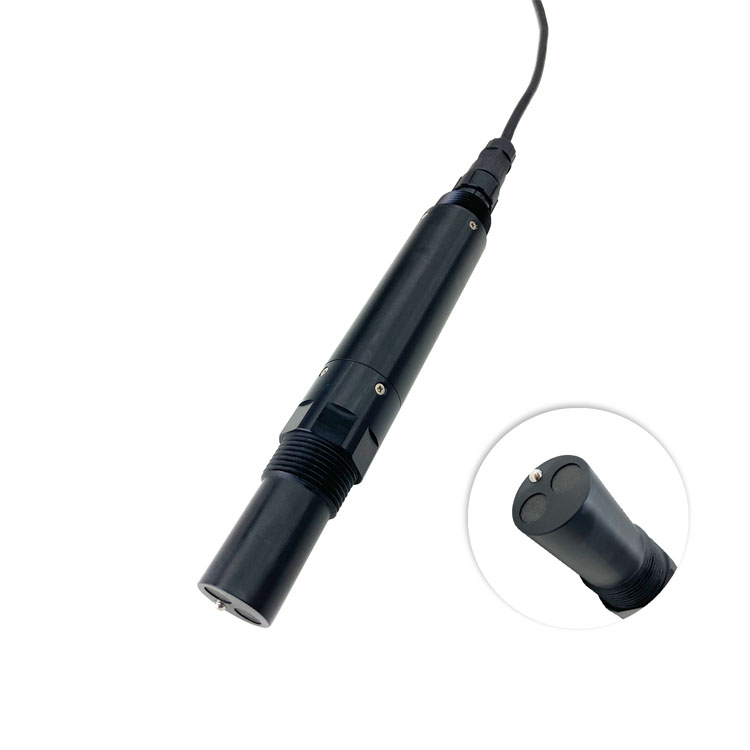
Oilfield produced water becomes more difficult to manage as water cut rises. Treatment design must deal with dispersed oil, emulsified oil, suspended solids, salinity, pH adjustment, sludge generation and corrosion risk.
Produced water treatment protects the ecological environment around oilfields, reduces water waste and supports reinjection or discharge management. If treatment is poor, oil, solids, salts and chemicals can damage receiving environments or reinjection systems.
Because produced water composition changes with reservoir, chemical use and production stage, monitoring should support process adjustment rather than only final inspection.
Gas flotation is commonly used for oil removal and is often combined with flocculation. Chemical treatment can separate emulsified oil by adding coagulants or pH-adjusting chemicals. Adsorption may be used as a polishing step, although media cost and regeneration must be considered.
Newer strategies include water-quality modification and low-sludge treatment approaches. For example, lime milk can raise pH and remove harmful ions, but it may also increase sludge generation if not controlled.
pH supports chemical conditioning and corrosion control. Conductivity indicates salinity and dissolved ion level. TSS shows solids and sludge carryover. COD or organic-load indicators help evaluate residual pollutants. Turbidity can support clarification and filtration monitoring.
For system integrators, RS485 Modbus RTU sensors simplify data acquisition across different units. The monitoring plan should connect values to flotation, coagulation, clarification, filtration or reinjection decisions.
| Item | Engineering Reference |
|---|---|
| Application | Metallurgy, power plant desulfurization, chemical, dyeing, paper, food and other industrial wastewater |
| Common monitoring parameters | pH, ORP, conductivity, turbidity, TSS, COD, ammonia nitrogen, chlorine, temperature and flow |
| pH range | 0 to 14 pH for glass-electrode online pH sensors |
| TSS range | 0 to 2000 mg/L for online suspended solids reference configuration |
| Turbidity range | 0 to 20 / 200 / 1000 NTU |
| Conductivity range | 0 to 5000 uS/cm |
| Output signal | RS485 Modbus RTU, with selected 4-20 mA options |
| Power supply | 12 to 24 VDC for field sensors |
| Protection rating | IP68 field probes where submerged installation is used |
| Installation | Immersion, flow-cell, tank, channel or pipeline installation by process point |
| System interface | PLC, DCS, SCADA, IoT gateway and online reporting platform |
| Engineering note | Parameter list should follow wastewater source, treatment process and discharge permit |
Site environment challenge: Free and dispersed oil removal may be unstable.
System integration scheme: Monitor turbidity, TSS and supporting water quality data after separation.
User value delivered: Operators see separation performance continuously.
Site environment challenge: Coagulant dosage depends on water quality variation.
System integration scheme: Use pH and solids trend data to support dosing adjustment.
User value delivered: The plant reduces over-dosing and sludge production.
Site environment challenge: Solids and corrosion risk can affect formation and pipelines.
System integration scheme: Monitor TSS, conductivity and pH before reinjection.
User value delivered: The operator protects reinjection infrastructure.
Site environment challenge: Discharge quality must meet project requirements.
System integration scheme: Use online parameter station with records and alarms.
User value delivered: The owner gains evidence for environmental management.
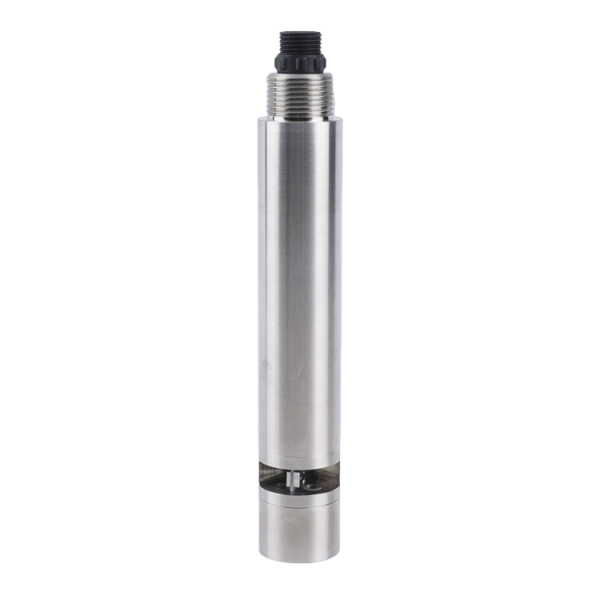
Produced water treatment normally includes separation, conditioning, flotation, clarification, filtration and sometimes polishing. A single final monitoring point can tell the operator whether the outlet is acceptable, but it cannot show which process unit caused the problem.
A stronger design places monitoring at key points: after oil-water separation, after chemical conditioning, before reinjection and at final discharge or reuse. This layout helps operators find whether oil carryover, solids, salinity or pH is the main source of instability.
Chemical dosing, sludge handling, media replacement and cleaning frequency all depend on produced water quality. If pH adjustment is too aggressive, sludge volume may rise. If solids removal is weak, downstream filters or reinjection systems may suffer. If salinity changes, corrosion risk and treatment chemistry may change.
Online sensors do not remove the need for laboratory analysis, but they show trend changes between lab tests. This is especially valuable in oilfields where production conditions change with wells, chemicals and water cut.
For an accurate quotation, buyers should provide expected temperature, pressure, oil content tendency, suspended solids range, salinity or conductivity range, pH range, installation method and whether the signal is collected by PLC, RTU or a cloud gateway.
When this information is available, a sensor package can be selected around the treatment process instead of sending unrelated instruments to a difficult wastewater environment.
At the front of the process, the operator usually needs to understand oil-water separation behavior, suspended solids and large water-quality fluctuations. After chemical conditioning, pH and turbidity or TSS help judge whether coagulation and flotation are stable. Before reinjection or reuse, conductivity, solids and corrosion-related conditions become more important.
This staged parameter selection helps avoid over-instrumentation at one point and under-instrumentation at another. A produced-water project is easier to operate when each sensor has a clear relationship with a treatment decision.
Produced water treatment cost is often driven by chemical dosage, sludge volume, cleaning frequency and equipment downtime. Excessive pH adjustment can increase sludge. Poor solids removal can damage filters or reinjection systems. Unstable salinity can affect corrosion and treatment chemistry.
Online monitoring gives the operator a way to see these changes before the final outlet fails. Trend data can also support chemical optimization because the plant can compare dosing records with pH, TSS, turbidity and conductivity behavior.
Contractors should provide water temperature, pressure, salinity range, expected solids range, oil contamination tendency, cleaning access and communication interface before selecting sensors. Produced water is a severe application, so installation design is as important as measurement range.
Bypass sampling is often useful when direct immersion faces heavy oil film, high pressure or difficult maintenance. The design should include isolation valves, cleaning access and a safe method for removing the sensor during inspection.
For reinjection projects, poor water quality can affect pipelines, pumps and formation acceptance. Suspended solids may plug formation pores, unstable pH can increase corrosion or scaling risk, and salinity changes can influence chemical behavior. Monitoring should therefore be placed before the reinjection point, not only at the final discharge outlet.
The monitoring data should be linked with maintenance records such as filter backwash, pump inspection and chemical dosage. This helps the operator understand whether water quality instability is causing equipment problems or whether mechanical issues are affecting the treatment process.
Many oilfield sites are distributed and difficult to inspect frequently. RS485 Modbus RTU sensors connected to RTU or SCADA systems allow engineers to review pH, conductivity, turbidity or TSS trends without waiting for manual sampling visits.
For procurement teams, remote visibility reduces the risk of buying instruments that only work as local displays. The project should specify data protocol, power supply, enclosure protection, cleaning access and how alarms will be transmitted to the operating team.
Oilfield water proposals should be compared by application fit, not only by model name. A useful proposal explains why each parameter is selected, where it will be installed, how fouling will be managed and how the data will support separation, conditioning, filtration or reinjection.
If a proposal ignores oil film, solids, salinity, pressure or cleaning access, it may look simple but create expensive maintenance problems after installation.
The buyer should also ask whether the supplier can provide wiring guidance, Modbus documentation, installation recommendations and parameter combinations for different treatment stages. These items reduce commissioning time, make later troubleshooting more predictable and help the contractor explain the monitoring logic to the end user before site installation begins and acceptance records are signed. This is particularly important for remote oilfield sites with limited service access.
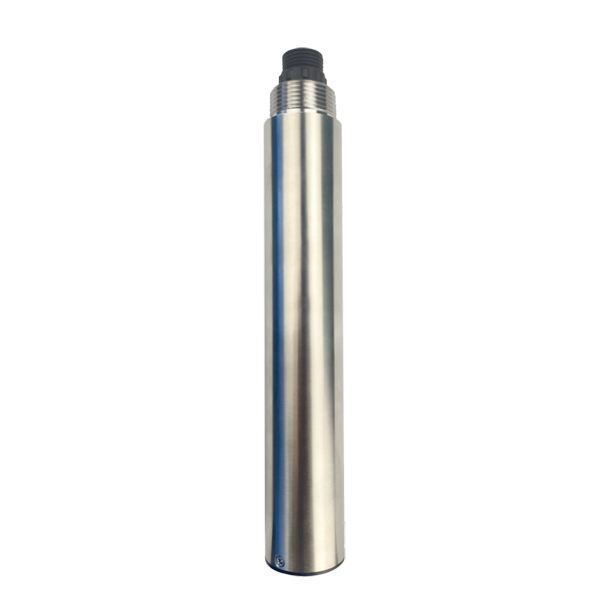
Produced water is wastewater brought to the surface during oil production, often containing oil, salts, suspended solids, chemicals and variable pH.
It contains dispersed oil, emulsified oil, high salinity, suspended solids and chemical residues that change with reservoir and production conditions.
pH, conductivity, TSS, turbidity, COD-related organic load and temperature are commonly useful, depending on treatment objective.
Conductivity indicates salinity and dissolved ion changes that affect corrosion, treatment chemistry and reinjection suitability.
pH affects coagulation, precipitation, corrosion behavior and the amount of sludge generated during treatment.
Useful locations include separation outlet, chemical conditioning outlet, clarification or filtration stage, reinjection point and final discharge point.
Yes, but the installation must consider oil film, fouling, cleaning access, pressure and whether bypass sampling is safer than direct immersion.
Trend data helps optimize chemical dosing, prevent unnecessary sludge generation, protect filters and reduce late response to abnormal water quality.
Buyers should provide water temperature, pressure, salinity, pH range, solids range, oil tendency, installation point and control interface.
RS485 Modbus RTU allows multiple water quality sensors to connect with PLC, RTU or SCADA systems for remote monitoring and alarms.
Oilfield produced water monitoring should be designed around treatment decisions. NiuBoL water quality sensors can support pH, conductivity, TSS, turbidity and organic-load trend monitoring for reinjection, reuse and discharge projects.
Prev:Wastewater Station Odor and VOC Control: Monitoring Logic for H2S, Ammonia and Process Risk
Next:Agricultural Insect Trap Spacing: How to Plan Solar Insect Killer Lamp Density for Field Projects
Related recommendations
Sensors & Weather Stations Catalog
 Agriculture Sensors and Weather Stations Catalog-NiuBoL.pdf
Weather Stations Catalog-NiuBoL.pdf
Agriculture Sensors Catalog-NiuBoL.pdf
Water Quality Sensor Catalog-NiuBoL.pdf
Related products
 Combined air temperature and relative humidity sensor
 Soil Moisture Temperature sensor for irrigation|NBL-S-THR
 Soil pH sensor RS485 soil Testing instrument soil ph meter for agriculture |NBL-S-PH
 Wind Speed sensor Output Modbus/RS485/Analog/0-5V/4-20mA
 Tipping bucket rain gauge for weather monitoring auto rainfall sensor RS485/Outdoor/stainless steel
 Pyranometer Solar Radiation Sensor 4-20mA/RS485

Screenshot, WhatsApp to identify the QR code
WhatsApp number:+8615367865107
(Click on WhatsApp to copy and add friends)

