

— Blogs —
—Products—
 Consumer hotline +8618073152920
WhatsApp:+8615367865107
Address:Room 102, District D, Houhu Industrial Park, Yuelu District, Changsha City, Hunan Province, China
Product knowledge
Time:2022-06-30 21:38:38 Popularity:2235
Quick Answer: Weather station components form a complete measurement chain: sensors observe the environment, a data logger acquires and timestamps the signals, power and mounting support field operation, and communications and software deliver usable records. Choose the components together. A sensor list alone does not establish channel compatibility, data recovery or a maintainable installation.
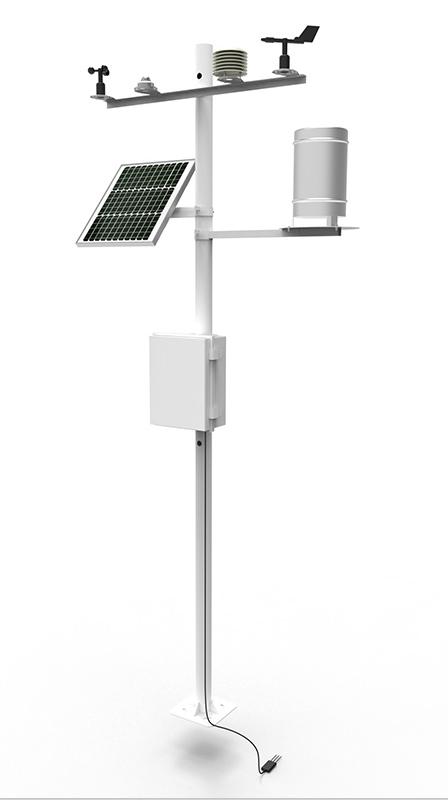
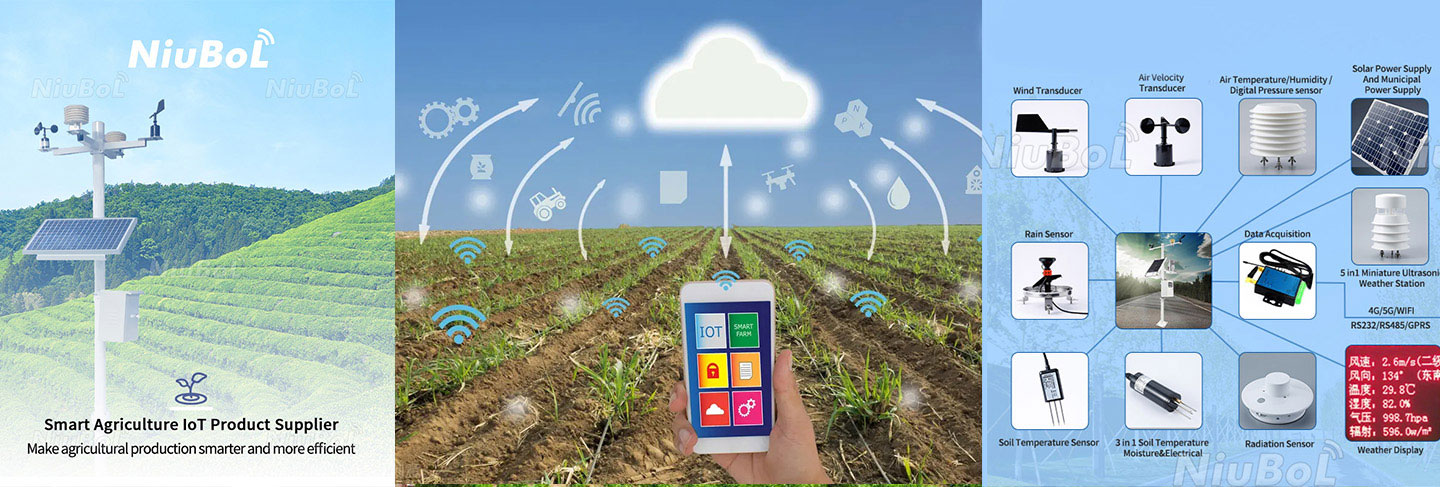
Common measurements include air temperature and relative humidity, atmospheric pressure, wind speed, wind direction, precipitation and solar radiation. Agricultural stations may add soil temperature, soil moisture, leaf wetness or photosynthetically active radiation. Photovoltaic stations often emphasize irradiance, module temperature, ambient conditions and wind.
More parameters do not automatically produce a better station. Each sensor needs a defined purpose, exposure requirement, sampling interval and maintenance task. For example, a rain gauge needs a level, unobstructed position and routine debris inspection, while an air-temperature sensor needs a radiation shield and representative ventilation.
For an automatic weather station component schedule, give every measurement a tag, unit, signal type and physical location. An air-temperature tag may be in degrees C, rainfall in mm and solar irradiance in W/m2. Calling all three digital channels does not identify how the logger reads them or whether it can supply the required power.
Do not confuse a sensor head with the complete station. An integrated ultrasonic head may combine several atmospheric measurements, while a modular assembly uses separate instruments. Both still need suitable acquisition, power and mounting. Verify which measurements are actually included rather than inferring rain or radiation from the appearance of the head.
The following NiuBoL components illustrate why a complete station specification should retain device-level limits. An optional soil channel does not change the atmospheric sensor's temperature range, and the mast does not inherit the protection rating of a sealed probe.
| Component | Measurement or integration limit |
|---|---|
| NBL-W-LBTH air sensor | Air temperature -40 to 80 degrees C, +/-0.5 degrees C; RH 0-100%, +/-5% RH; pressure 10-1200 hPa, +/-1.5 hPa |
| NBL-W-RS rainfall configuration | 0.2 mm per tip; the logger must count or read the selected pulse or digital output version |
| NBL-W-SS and NBL-W-DS | IP65 wind speed and wind direction sensor housings; specify each ordered output |
| NBL-S-TMC optional soil sensor | Soil temperature -40 to 80 degrees C; VWC range 0-100%; conductivity 0-10000 uS/cm; RS485 / Modbus RTU; IP68 |
| NBL-S-TMC cable | Standard length 5 m; cable route, jacket suitability and extensions require project review |
| Station supply and consumption | Calculate from selected sensors, logger and communications hardware; there is no single value for every configuration |
A rainfall increment of 0.2 mm is a resolution, not a guarantee of accumulated rainfall accuracy. Likewise, a 0-100% soil moisture span does not mean every field soil can physically hold its full volume as water. These distinctions help prevent superficially comparable specifications from masking different measurement requirements.
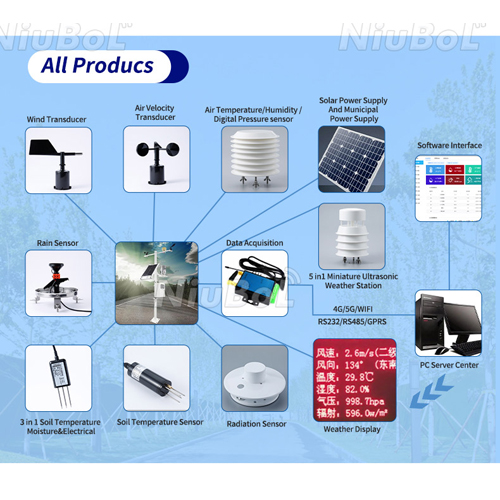
The data logger supplies or switches sensor power, reads signals, timestamps measurements, stores records and forwards data. Interfaces may include analog inputs, pulse or switch inputs, and RS485. Where Modbus RTU is used, the logger acts as the master and must be configured with the correct address, baud rate, parity and register map for each sensor.
Storage capacity should be specified as a duration at the selected logging interval, not only as a memory size. Define what happens when communications fail: the logger should retain data locally and transmit it after the connection returns if store-and-forward operation is required.
Check channel resources before ordering. Two sensors with separate 4-20 mA outputs need two compatible analog inputs; several Modbus devices may share a suitable serial bus if addressing, electrical loading and timing permit. A pulse-output rain gauge needs an input that reliably counts its contact or pulse characteristics, not an arbitrary voltage input.
Power switching also needs a settling-time check. A sensor that requires stabilization after power-up cannot simply be switched on and sampled immediately to reduce energy consumption. If the logger provides switched excitation, confirm its voltage, current capacity and timing for the actual device.
A logger can sample frequently, calculate interval statistics and transmit less frequently. Define whether wind records contain averages, extrema or direction statistics. A simple arithmetic average of 359 degrees and 1 degree is 180 degrees, which is the wrong representation of two near-north observations. Direction processing needs an appropriate circular or vector method.
For rainfall, preserve the distinction between incremental and accumulated values. If the instrument reports a cumulative counter, define reset and rollover handling before calculating interval rain. For analog channels, record engineering units after the agreed conversion, while retaining diagnostic information needed to investigate scaling faults.
Illustrative calculation: a 96-byte record saved once per minute uses 138240 bytes/day before database overhead, file headers or extra diagnostics. Thirty days requires about 4.15 MB of payload. A larger record or shorter interval changes the requirement; a memory capacity without record size and interval does not establish storage duration.
If network outages are expected, test local retention and later upload rather than assuming that every data logger includes that function. Recovered observations should retain their measurement timestamps. A restored connection must not turn yesterday's weather into today's readings.
Power, enclosure, grounding and the mounting structure complete the field installation. Keep their requirements separate so an equipment quotation can be compared with the actual site work.
| Subsystem | Practical specification |
|---|---|
| Power | Supply voltage at the equipment, continuous load, communications peaks and required reserve |
| Enclosure | Protection for logger, terminals and modem; condensation management and service access |
| Grounding and surge protection | A coordinated site design covering mast, power and signal routes |
| Mounting | Foundation, mast, brackets, instrument exposure and safe maintenance access |
Build the power budget from operating modes. For example, a constant 1.8 W load consumes 43.2 Wh/day. A modem drawing an additional 5 W for a total of 12 minutes per day adds 1 Wh/day before conversion losses. Include sensor heating separately if fitted; it can substantially change the winter energy balance.
Battery nameplate capacity is not usable energy. Account for the selected chemistry, permitted discharge, temperature and aging when calculating reserve. Solar recharge also depends on the installation's low-resource season. An attractive panel size in a product photograph does not establish a particular number of autonomous days.
Mounting positions have different purposes. Rain collection needs exposure and a level collector; air temperature needs radiation shielding and ventilation; wind needs the required height and obstruction assessment; irradiance needs a clear view and the intended plane. Putting every device at the same convenient height is not a general solution.
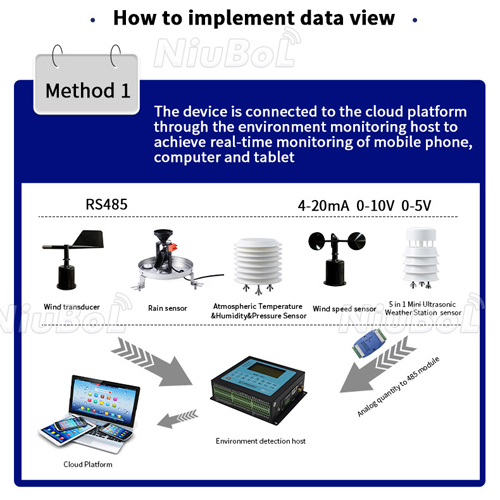
A station may deliver data locally through serial or Ethernet interfaces, or remotely through cellular, radio or another gateway connection. Communications should be selected after confirming coverage, recurring service cost, cybersecurity responsibility and the required recovery behavior.
Software should display current and historical records, export data in an agreed format, manage alarms and preserve units and timestamps. For integration into a customer PLC, SCADA or IoT platform, define the protocol and data ownership before ordering. A dashboard is not a substitute for a documented interface.
Separate sensor acquisition from onward transport. RS485 / Modbus RTU connects a compatible sensor to a logger or RTU; cellular service or Ethernet connects the acquisition equipment to another system. A cellular modem does not automatically decode every sensor register, and a serial sensor does not automatically publish MQTT messages.
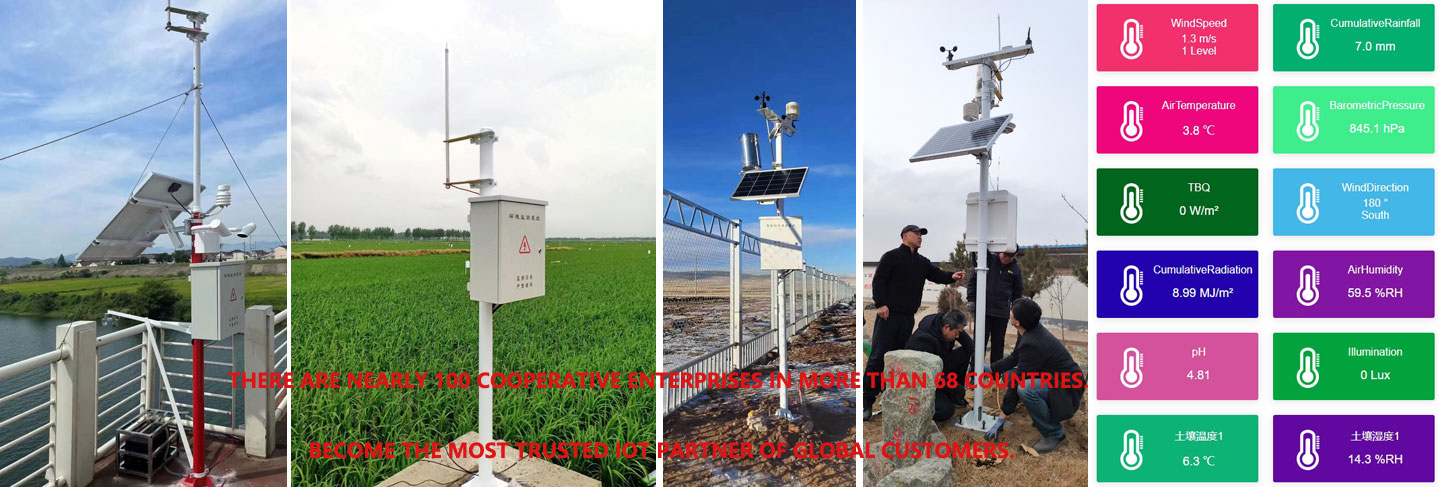
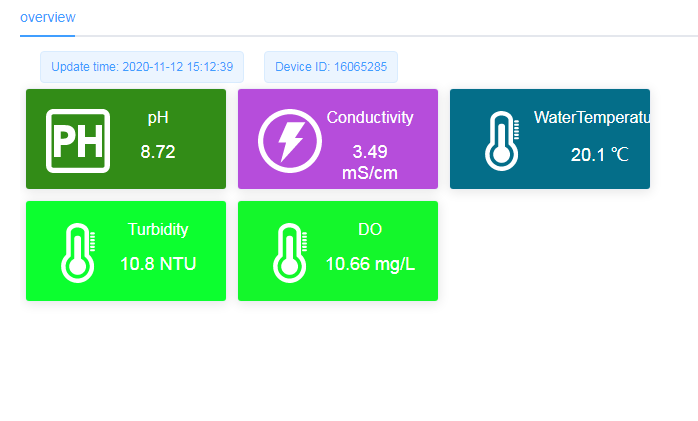
Software is useful when its displayed values correspond to real configured channels. A dashboard template may contain water-quality or other environmental tiles as well as weather tiles. Those tiles are not evidence that the station measures every displayed parameter. Match the visible points to the ordered sensors and label missing or invalid data clearly.
For a customer-owned platform, verify the export with an actual sample record: timestamp, station identifier, unit, statistic and quality status. Also determine who manages user accounts, network credentials and changes to configuration. A demonstration dashboard is not the same deliverable as access to a production data interface.
Compare quotations against one component schedule. A bare sensor package may exclude the data logger, SIM service, solar battery, foundation or installation. Another package may include hardware but exclude remote-platform access. List these differences explicitly instead of assuming that both prices represent the same working system.
For expansion, check spare channel types as well as spare terminal positions. Adding a soil probe may require another serial address and cable route; adding a current-output instrument may require an analog input. Adding another weather station at a distant location is a separate communications and power decision.
During acceptance, trace one measurement of each signal type from the instrument to an exported record. Check a valid rain-counter increment, a decoded digital temperature and an analog scale where fitted. Then test the required outage recovery and verify that units and timestamps remain correct after reconnection.
A working automatic installation needs the selected measurements, compatible acquisition, suitable power and physical support. Remote communication and hosted software depend on the delivery requirement. The number of sensors is application-specific rather than a universal package.
No. Check the input type, sensor supply, channel availability, protocol and firmware support. A free terminal is not proof of a compatible input, and a shared serial bus still requires individual device configuration.
Not by itself. Some devices combine acquisition and cellular communication, but a modem that only transports serial data does not necessarily timestamp, calculate or retain weather observations. Specify the combined functions that the project needs.
Specify accuracy by measurement and applicable conditions, then address exposure and the acquisition chain. Do not quote one percentage for temperature, rainfall and wind together. Installation errors can remain significant even when the electronics meet their individual specifications.
Send the measurement list, intended location, output or platform requirements, logging interval and power conditions. State whether mounting, enclosure, foundations, communications service and calibration records are included in the purchase.
That depends on its power and wiring architecture and the service procedure. Separate instruments can improve replacement access, but hot connection should not be assumed. Record maintenance intervals as invalid where necessary and verify the affected channel after service.
Weather station components should be selected as a connected measurement chain. Retain device-specific limits, match logger inputs and define how records reach the user. NiuBoL can review a measurement and interface schedule and identify the sensors, acquisition equipment and site accessories needed for the installation.
Prev:Agricultural and Campus Weather Stations
Next:Soil temperature measurement devices are available in probe and tube types
Related recommendations
Sensors & Weather Stations Catalog
 Agriculture Sensors and Weather Stations Catalog-NiuBoL.pdf
Weather Stations Catalog-NiuBoL.pdf
Agriculture Sensors Catalog-NiuBoL.pdf
Water Quality Sensor Catalog-NiuBoL.pdf
Related products
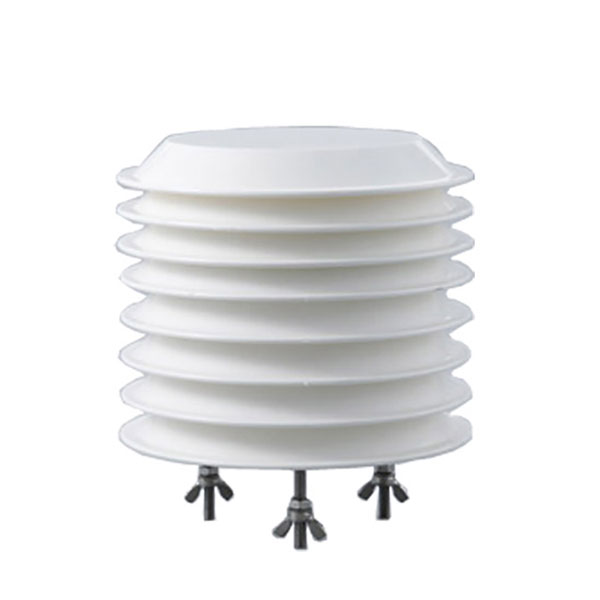 Combined air temperature and relative humidity sensor
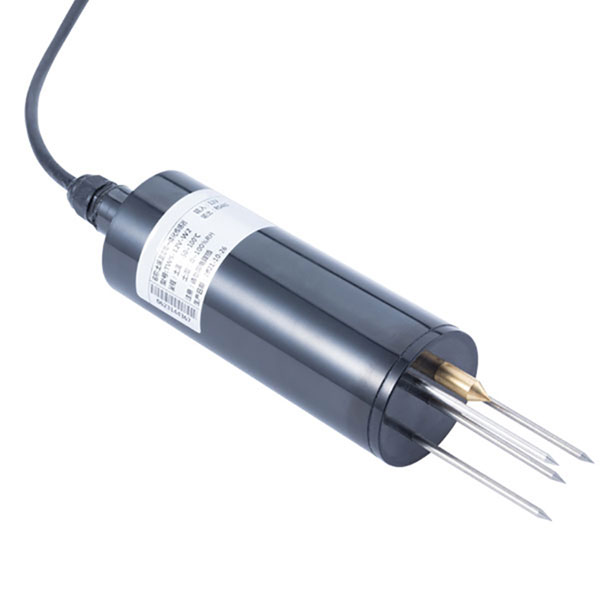 TDR Soil Moisture & Temperature Sensor for irrigation| RS485 |4-20mA| NBL-S-THR
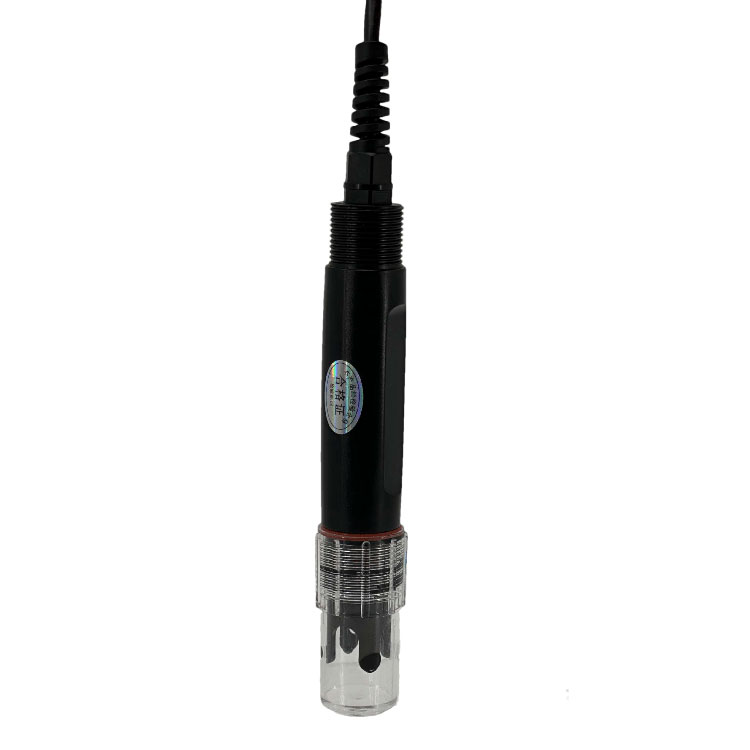 Soil pH sensor RS485 soil Testing instrument soil ph meter for agriculture |NBL-S-PH
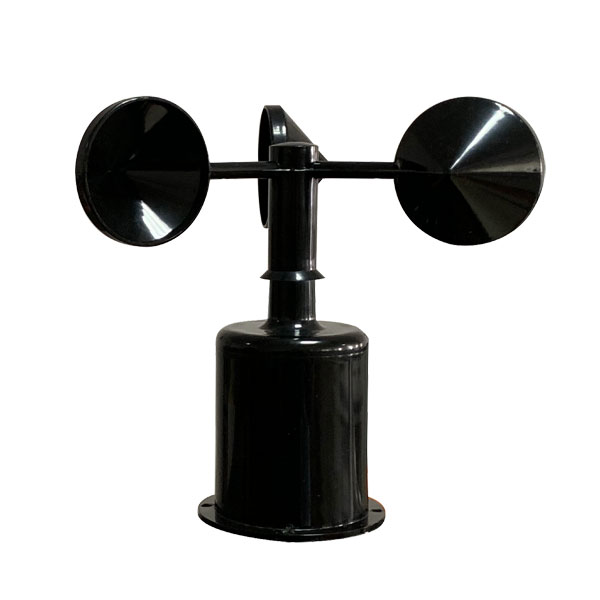 Wind Speed sensor Output Modbus/RS485/Analog/0-5V/4-20mA
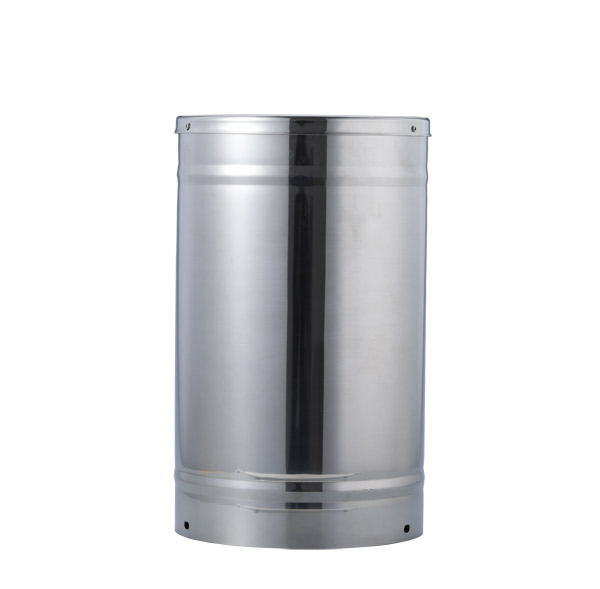 Tipping bucket rain gauge for weather monitoring auto rainfall sensor RS485/Outdoor/stainless steel
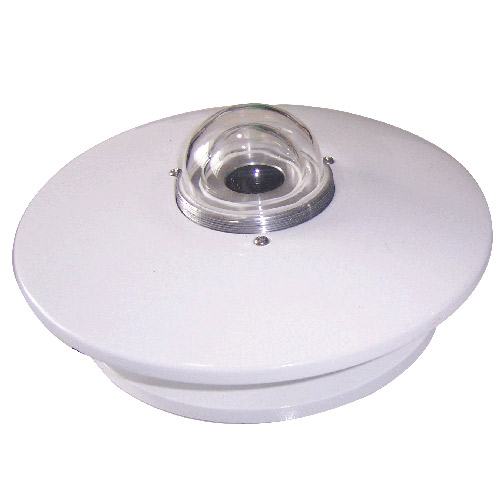 Pyranometer Solar Radiation Sensor 4-20mA/RS485

Screenshot, WhatsApp to identify the QR code
WhatsApp number:+8615367865107
(Click on WhatsApp to copy and add friends)