





— Blogs —
—Products—
 Consumer hotline +8618073152920
 WhatsApp:+8615367865107
Address:Room 102, District D, Houhu Industrial Park, Yuelu District, Changsha City, Hunan Province, China
Product knowledge
Time:2026-09-02 10:00:00 Popularity:179
Engineers reviewing winter wastewater monitoring often discover that low temperature slows biological reactions, changes oxygen transfer and can expose weak nitrification.
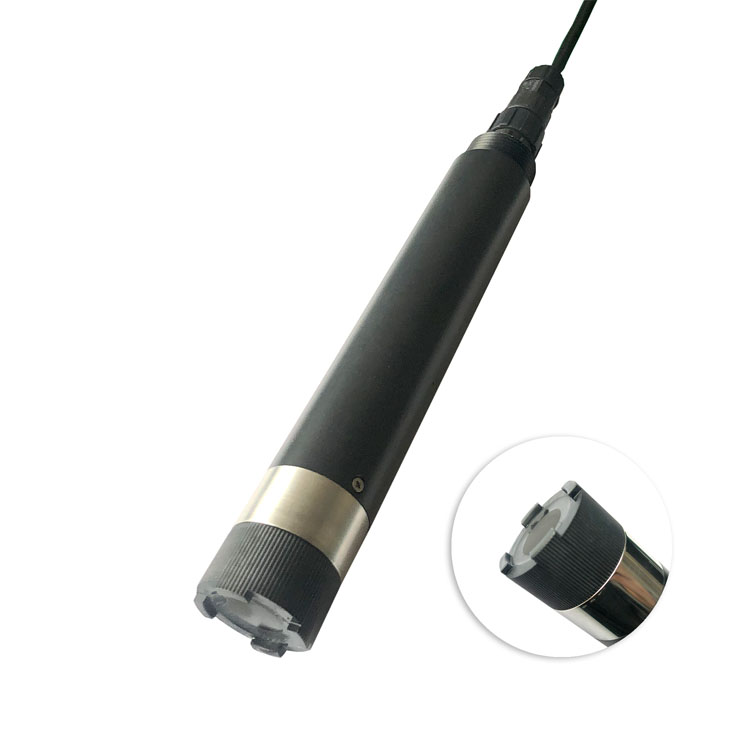
The useful outcome is not simply a displayed value; it is the ability to trend DO, ammonia, pH, flow and sludge condition before increasing aeration or retention time. Specify the field device and verification work with the constraint that temperature compensation corrects sensor response but does not correct a biological process slowed by cold water.
Nitrifying organisms are particularly sensitive to low temperature and insufficient sludge age.
Cold water can hold more oxygen, yet oxygen transfer and biological demand do not change in the same way.
Winter diagnosis should separate sensor compensation, process kinetics and hydraulic loading.
Together, these conditions define the engineering question for wastewater treatment: whether the proposed measurement and system scope can trend DO, ammonia, pH, flow and sludge condition before increasing aeration or retention time.
| Project item | What the specification should state |
|---|---|
| Operating problem | Low temperature slows biological reactions, changes oxygen transfer and can expose weak nitrification. |
| Required decision | Trend DO, ammonia, pH, flow and sludge condition before increasing aeration or retention time. |
| Method boundary | Temperature compensation corrects sensor response but does not correct a biological process slowed by cold water. |
| Minimum evidence for winter wastewater monitoring | Matched readings, installation record, units, timestamps and a documented acceptance method for the diagnostic measurement. |
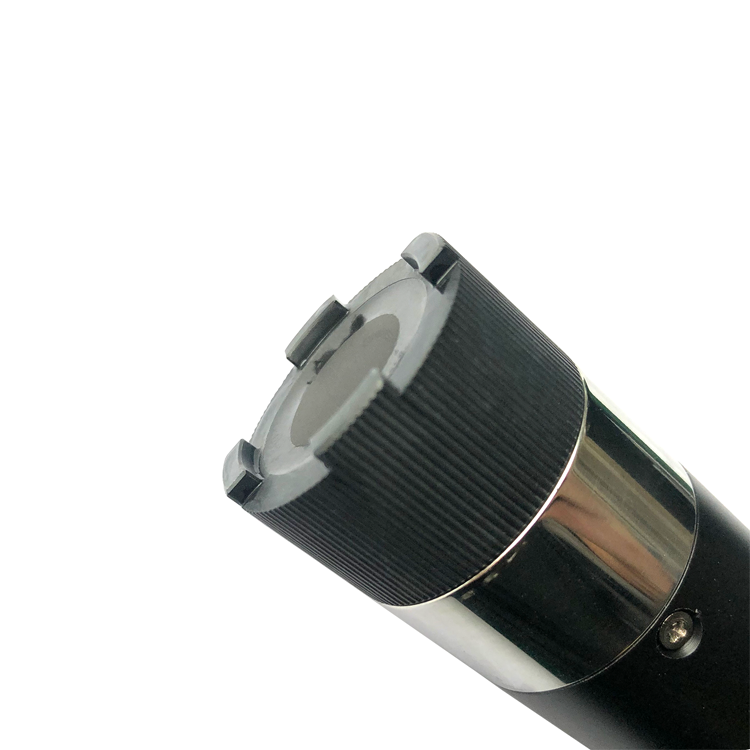
The signal path starts at the optical DO probe and ends only when a usable value reaches the responsible operator. Define who provides the controller, PLC mapping, gateway, historian tag and maintenance status before placing the order.
The referenced digital route for winter wastewater monitoring is RS485 with Modbus RTU. The witnessed test should cover bus polarity, address conflicts, serial format, register conversion and loss-of-communication behavior as well as physical shielding and junction sealing. For context, Cold water can hold more oxygen, yet oxygen transfer and biological demand do not change in the same way.
For wastewater treatment, keep raw values and quality flags alongside the displayed result so technicians can distinguish a water event from a communication or maintenance fault.
For winter wastewater monitoring, the table uses the current NBL-WQ-DO fluorescence DO sensor manual as a verified reference. It defines a realistic engineering option for wastewater treatment; it does not remove the project constraint described above. In the Winter Wastewater Monitoring acceptance plan, model approval, range and accessories should be confirmed against the quotation and project water data.
| Parameter | Verified reference |
|---|---|
| Reference model | NBL-WQ-DO |
| Principle | Fluorescence dissolved oxygen |
| Range for winter wastewater monitoring | 0-20 mg/L; 0-200% saturation at 25 deg C |
| Accuracy / resolution — winter wastewater monitoring | +/-2% F.S. / 0.01 mg/L |
| Compensation for winter wastewater monitoring | Pt1000 automatic temperature compensation |
| Output | RS485, Modbus RTU |
| Power | 12-24 VDC; below 0.3 W at 12 V |
| Working condition — winter wastewater monitoring | 0-45 deg C; below 0.2 MPa |
| Protection / material for winter wastewater monitoring | IP68; POM and 316L stainless steel |
| Installation / cable for winter wastewater monitoring | Immersion; 5 m cable, customizable |
For work in wastewater treatment, nominal accuracy is only one part of suitability. The acceptance record must also state this project constraint: temperature compensation corrects sensor response but does not correct a biological process slowed by cold water.
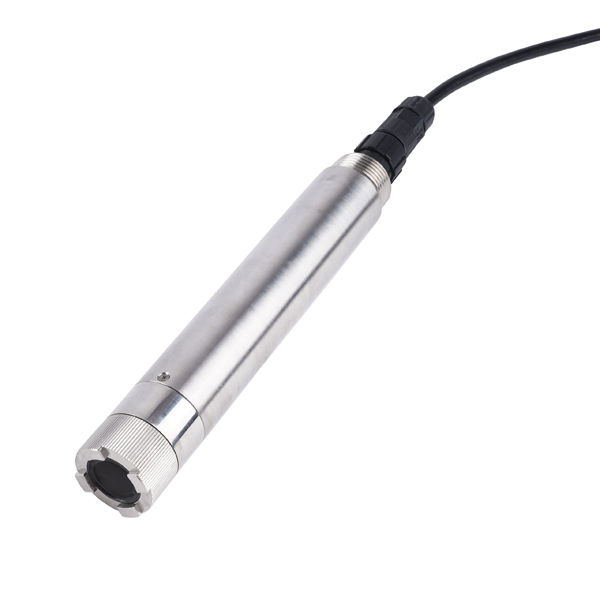
Field challenge: Nitrifying organisms are particularly sensitive to low temperature and insufficient sludge age. At this stage, the engineering risk is that low temperature slows biological reactions, changes oxygen transfer and can expose weak nitrification.
Selection of Winter Wastewater Monitoring should begin with the measurement duty, site condition and receiving-system interface. System integration: The integrator and owner need to preserve raw values, timestamps, operator actions and companion parameters before anyone cleans or recalibrates the instrument.
The winter wastewater monitoring record should give the owner a defensible event timeline. This creates a documented basis for the decision to trend DO, ammonia, pH, flow and sludge condition before increasing aeration or retention time.
Field challenge: Cold water can hold more oxygen, yet oxygen transfer and biological demand do not change in the same way. For the Winter Wastewater Monitoring measuring point, at this stage, the engineering risk is that site conditions can alter the diagnostic measurement before the operator sees it.
System integration: The integrator and owner need to inspect the exposure, flow, fouling, supply and RS485 record for the optical DO probe, then compare the symptom with the event shape.
The winter wastewater monitoring workflow should give the owner a ranked fault diagnosis supported by field evidence. This reduces exposure to the stated problem: low temperature slows biological reactions, changes oxygen transfer and can expose weak nitrification.
Field challenge: Winter diagnosis should separate sensor compensation, process kinetics and hydraulic loading. At this stage, the engineering risk is that temperature compensation corrects sensor response but does not correct a biological process slowed by cold water.
The required class of Winter Wastewater Monitoring depends on whether the project needs continuous data, remote alarms or documented handover records. System integration: The integrator and owner need to repeat a synchronized reference check after the identified cause is corrected and retain both the as-found and as-left records.
When integrating Winter Wastewater Monitoring, user value: The owner receives proof that the correction restored trustworthy data. The conclusion remains subject to this stated constraint: temperature compensation corrects sensor response but does not correct a biological process slowed by cold water.
A defensible handover demonstrates that the optical DO probe responds in the installed water and that the same value reaches the control system with correct units and status. Screen illumination alone is not an acceptance test.
Take the reference sample at the same wastewater treatment point and time after stabilization. Set tolerance from both the NiuBoL specification and reference-method uncertainty; different methods should not be required to agree exactly. The acceptance record must also state this project constraint: temperature compensation corrects sensor response but does not correct a biological process slowed by cold water.
Before accepting winter wastewater monitoring, save the working configuration and verify restart and fault behavior. The wastewater treatment team should receive as-built settings, comparison evidence and a named maintenance responsibility.
Within the Winter Wastewater Monitoring supply scope, give suppliers measured water data and an installation sketch rather than only an application name. Identify pressure or depth, flow, fouling, cable distance, output, controller requirement and how the operator will use the reading. At this wastewater treatment point, remember that low temperature slows biological reactions, changes oxygen transfer and can expose weak nitrification.
In the Winter Wastewater Monitoring acceptance plan, state Incoterm or destination expectation, quantity, document set, spare policy and whether remote or site commissioning is required. For the Winter Wastewater Monitoring measuring point, supplier lead time should identify any custom cable, material or output option. This requirement helps the team trend DO, ammonia, pH, flow and sludge condition before increasing aeration or retention time.
The main commercial risk is not simply an inaccurate reading. If low temperature slows biological reactions, changes oxygen transfer and can expose weak nitrification, the owner may approve a design or operating response that cannot trend DO, ammonia, pH, flow and sludge condition before increasing aeration or retention time.
For winter wastewater monitoring, a repeat order is reliable only when range, material, output, cable and accessories match the original duty.
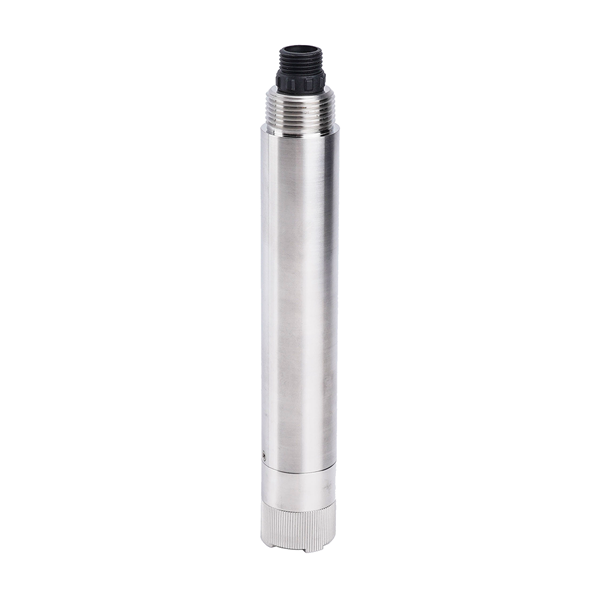
A1: When integrating Winter Wastewater Monitoring, preserve the unsmoothed event window, operator actions, companion parameters, communication state and maintenance history before changing calibration. The original evidence is needed to separate a process event from an instrument fault. This requirement helps the team trend DO, ammonia, pH, flow and sludge condition before increasing aeration or retention time.
A2: No. Begin winter wastewater monitoring troubleshooting by inspecting the point and recording its as-found condition. Within the Winter Wastewater Monitoring supply scope, cleaning may be justified, but immediate recalibration can hide bubbles, fouling, matrix interference, stale data or a real process change. The acceptance record must also state this project constraint: temperature compensation corrects sensor response but does not correct a biological process slowed by cold water.
A3: For Winter Wastewater Monitoring, look for a plausible time relationship with flow, load and companion parameters. The following project fact is relevant: Cold water can hold more oxygen, yet oxygen transfer and biological demand do not change in the same way. An isolated step without process context should trigger instrument and data-path checks.
A4: Verify the winter wastewater monitoring interface end to end: wiring, device address, baud rate, parity, register address, data type, scaling and engineering unit. During winter wastewater monitoring acceptance, compare the local value with the PLC, RTU or logger value and retain the tested register map.
A5: For Winter Wastewater Monitoring, use the same location and time after stabilization. For the Winter Wastewater Monitoring measuring point, record sample handling, temperature, units, method and uncertainty; one unmatched grab sample is not enough to approve or reject an online point. This requirement helps the team trend DO, ammonia, pH, flow and sludge condition before increasing aeration or retention time.
A6: The cited product family includes 0-20 mg/L; 0-200% saturation at 25 deg C. When integrating Winter Wastewater Monitoring, this is a manual-based reference, not automatic model approval; routine values, credible peaks and the water matrix still control final selection. The acceptance record must also state this project constraint: temperature compensation corrects sensor response but does not correct a biological process slowed by cold water.
A7: The winter wastewater monitoring quotation should separate the sensor, holder or flow cell, cable options, controller, gateway, cabinet, calibration items, consumables, spares, documentation, commissioning and freight. Within the Winter Wastewater Monitoring supply scope, this prevents a smaller supply scope from appearing cheaper than a complete point. At this wastewater treatment point, remember that low temperature slows biological reactions, changes oxygen transfer and can expose weak nitrification.
A8: For a winter wastewater monitoring inquiry, send water data, photographs or drawings, required output, cable distance, quantity, destination and schedule. Include the current problem: low temperature slows biological reactions, changes oxygen transfer and can expose weak nitrification. In the Winter Wastewater Monitoring acceptance plan, that detail lets engineering review suitability before price is issued.
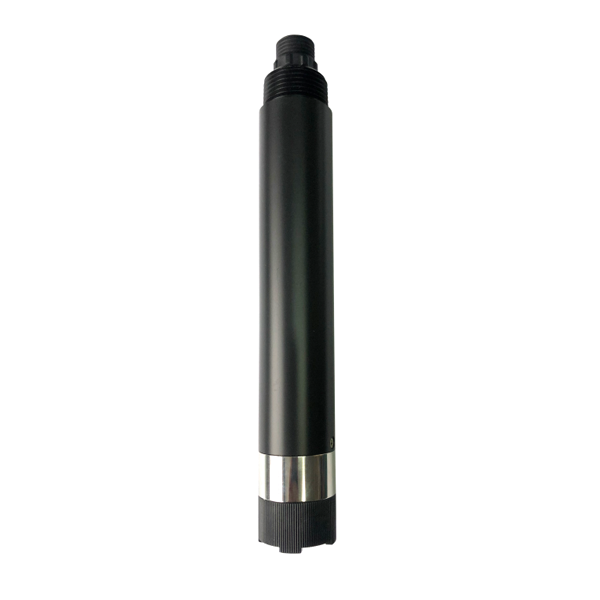
For wastewater treatment, the use of winter wastewater monitoring is justified only inside a defined measurement and response plan. Selection should enable the team to trend DO, ammonia, pH, flow and sludge condition before increasing aeration or retention time without ignoring that temperature compensation corrects sensor response but does not correct a biological process slowed by cold water.
Prev:Rural Drinking Water Ammonia Monitoring: Risk Points and Project Design
Next:Sudden Total Phosphorus Increase at Wastewater Outlets: Diagnostic and Monitoring Plan
Related recommendations
Sensors & Weather Stations Catalog
 Agriculture Sensors and Weather Stations Catalog-NiuBoL.pdf
Weather Stations Catalog-NiuBoL.pdf
Agriculture Sensors Catalog-NiuBoL.pdf
Water Quality Sensor Catalog-NiuBoL.pdf
Related products
 Combined air temperature and relative humidity sensor
 TDR Soil Moisture & Temperature Sensor for irrigation| RS485 |4-20mA| NBL-S-THR
 Soil pH sensor RS485 soil Testing instrument soil ph meter for agriculture |NBL-S-PH
 Wind Speed sensor Output Modbus/RS485/Analog/0-5V/4-20mA
 Tipping bucket rain gauge for weather monitoring auto rainfall sensor RS485/Outdoor/stainless steel
 Pyranometer Solar Radiation Sensor 4-20mA/RS485

Screenshot, WhatsApp to identify the QR code
WhatsApp number:+8615367865107
(Click on WhatsApp to copy and add friends)

