





— Blogs —
—Products—
 Consumer hotline +8618073152920
 WhatsApp:+8615367865107
Address:Room 102, District D, Houhu Industrial Park, Yuelu District, Changsha City, Hunan Province, China
Product knowledge
Time:2025-12-09 15:43:21 Popularity:723
In photovoltaic power generation systems, temperature is one of the key environmental factors affecting the power generation efficiency and service life of PV modules. The PV module temperature sensor is an electronic component specifically designed to accurately monitor this critical parameter.
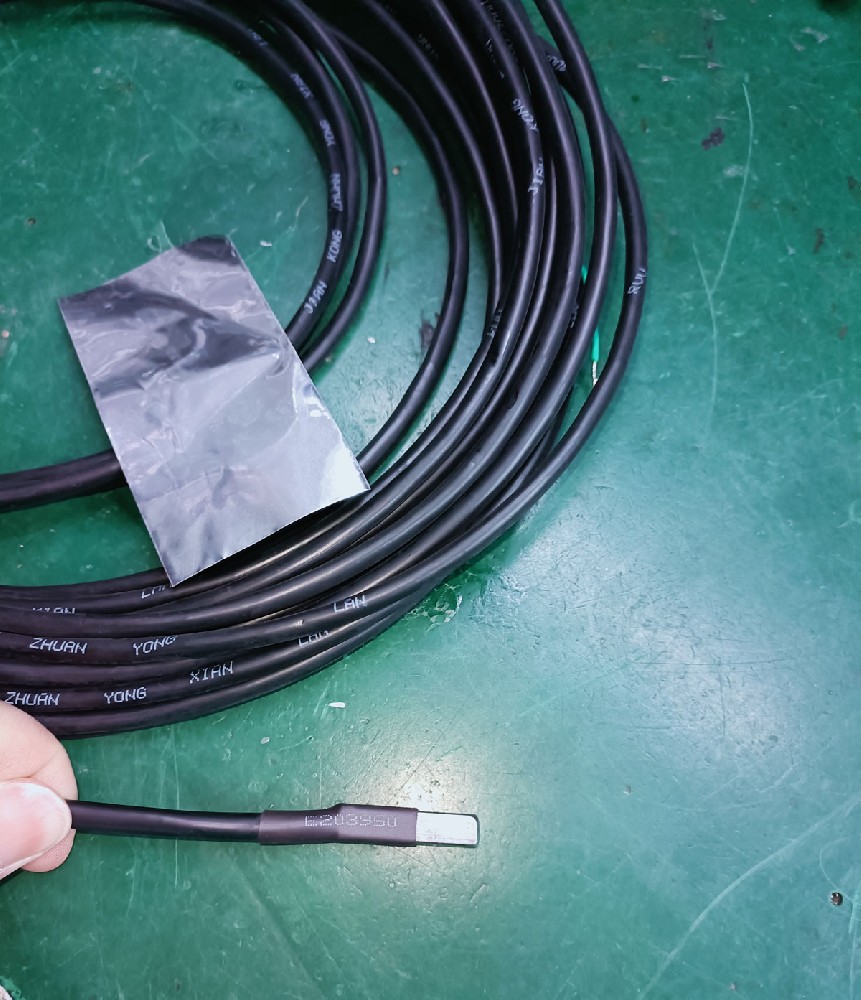
A PV module temperature sensor is a contact-type temperature sensor primarily used to measure the surface temperature of photovoltaic modules (solar panels). It typically adopts a surface-mount design and is tightly attached to the back of the PV panel using screws or high-temperature-resistant adhesive to achieve optimal measurement results.
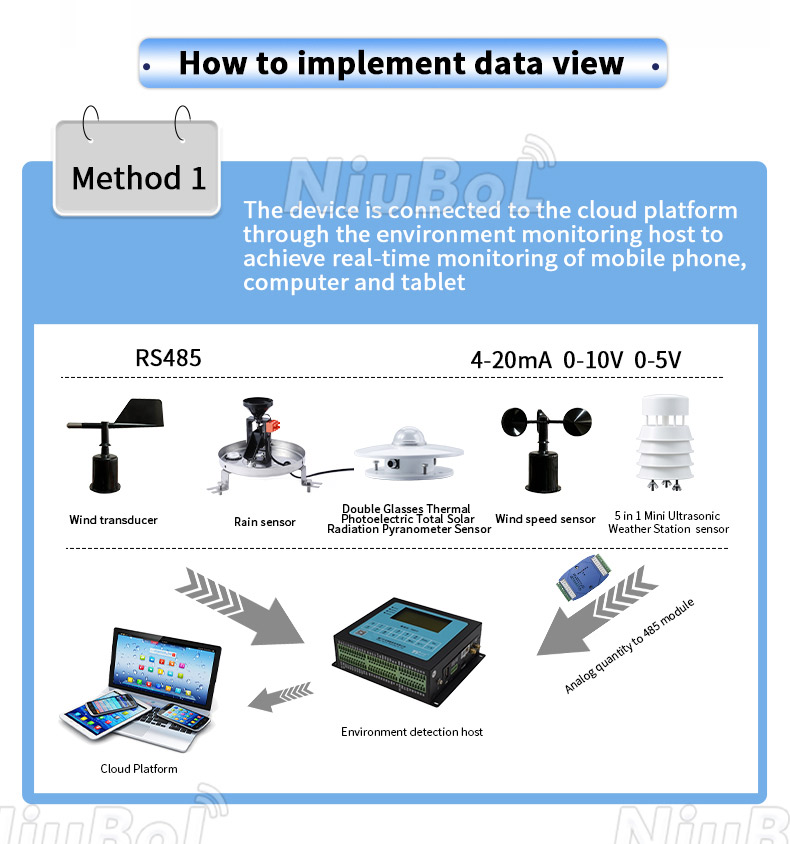
The sensor converts the detected temperature into standard voltage, current, or digital signals (RS485) for recording, analysis, and alarming by the monitoring system.
The NiuBoL NBL-W-PPT PV module temperature sensor mainly uses the thermal resistance principle:
Thermal resistance principle: Thermal resistors (such as platinum resistance PT100/PT1000 or high-precision thermistors) measure temperature based on the characteristic that the resistance of a material changes with temperature.
Working process: When the PV module surface temperature rises, the resistance inside the sensor changes precisely. The signal conversion module converts this resistance change into a standard electrical signal (e.g., 4–20 mA current or RS485 digital signal) corresponding to the temperature value, which is transmitted to the monitoring system.
Advantages of platinum resistance: PT100/PT1000 offers high accuracy, excellent stability, and superior linearity, making it especially suitable for long-term, highly reliable temperature monitoring of critical assets like PV modules.
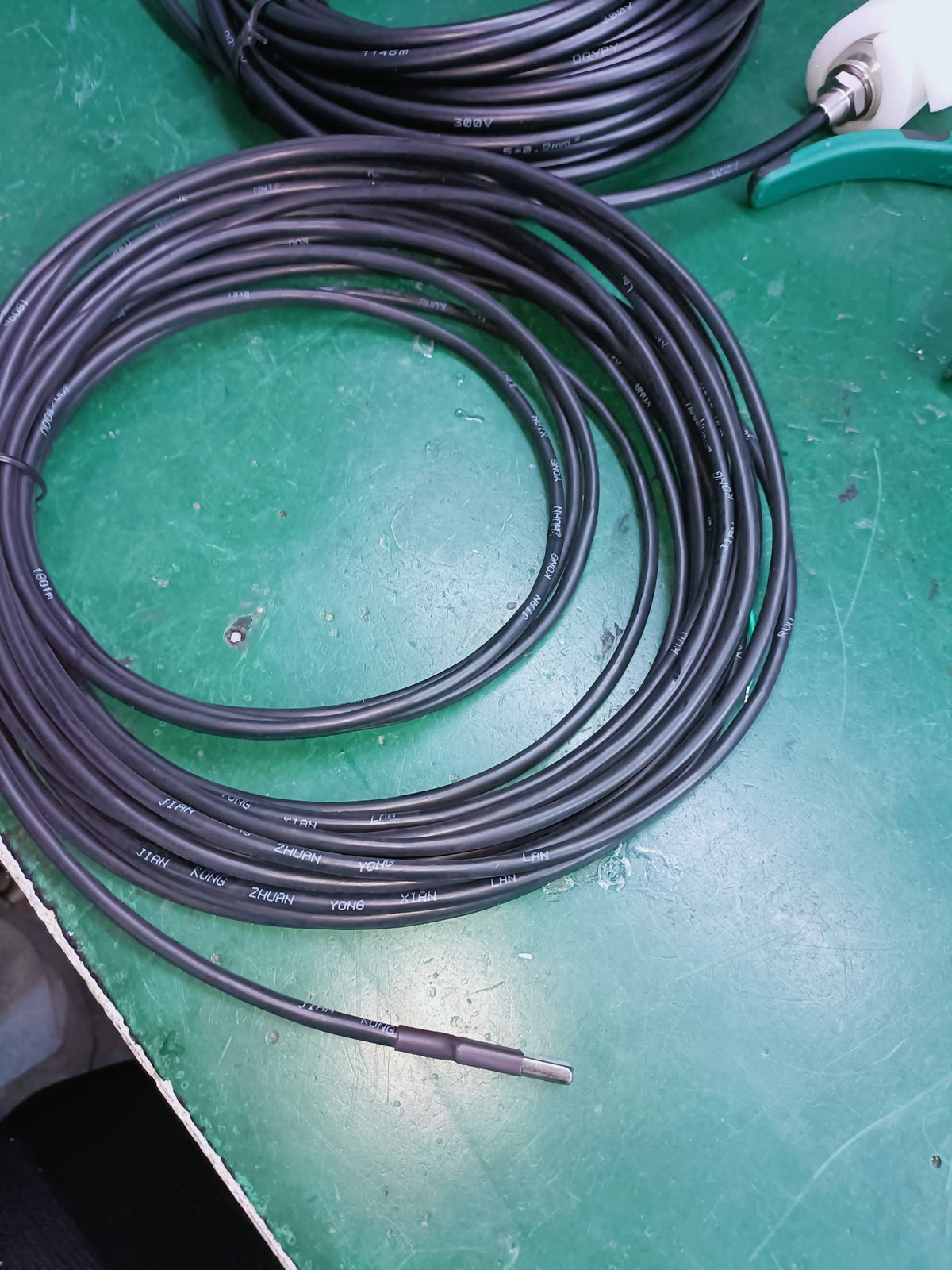
The NiuBoL NBL-W-PPT surface-mount temperature sensor is optimized for photovoltaic applications:
Surface-mount design: Large contact area and tight fit with the measured object ensure high measurement accuracy.
Environmental resistance: Uses highly corrosion-resistant, high-temperature adhesive, suitable for outdoor weather and PV environments.
Signal transmission advantages: Proprietary wiring and advanced integrated modules guarantee excellent linearity, strong load capacity, long transmission distance, and high anti-interference capability.
Multiple output signals: Offers current (4–20 mA), voltage (0–5 V / 0–2.5 V), and RS485 options for easy integration into various monitoring systems.
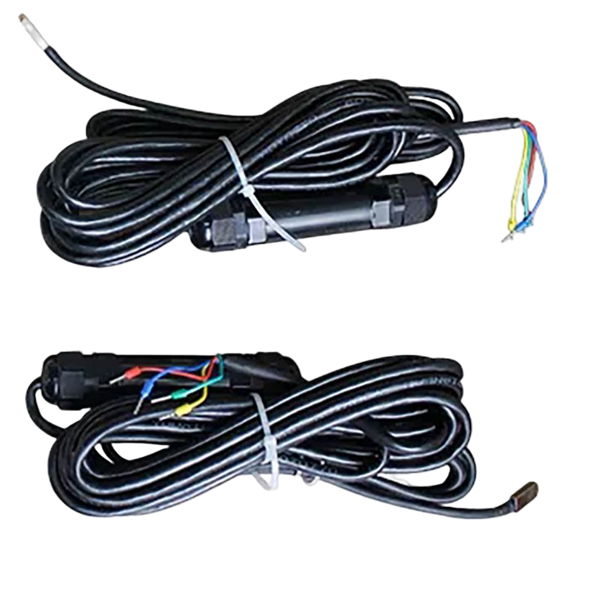
The significance of PV module temperature sensors goes far beyond simple temperature recording — they are essential tools for refined operation, fault diagnosis, and asset management in photovoltaic systems.
1. PV Power Plant Performance Monitoring & Optimization
Efficiency evaluation: PV cell efficiency decreases with rising temperature (typically ~0.4%–0.5% per 1°C increase). Real-time monitoring of module temperature allows calculation of theoretical output power at actual operating temperature, enabling precise comparison with actual generation and accurate assessment of plant efficiency.
Performance correction: In meteorological stations or mobile monitoring vehicles, temperature data corrects irradiance and wind speed impacts on PV performance, yielding more accurate Performance Ratio (PR) metrics.
2. Hot Spot Effect & Fault Diagnosis
Hot spot warning: When a PV panel is partially shaded, defective, or has failed cells, current cannot pass through the affected area, causing a hot spot effect. The temperature in the hot spot area rises sharply, potentially burning the module or even causing fire.
Application: Combined with infrared thermal imaging or other component monitoring systems, PV module temperature sensors serve as a key early-warning data source, indicating possible internal defects or shading for proactive maintenance.
3. New Energy Solutions & Meteorological Stations
System integration: NiuBoL focuses on smart environmental monitoring and new energy solutions. PV module temperature sensors are a vital environmental data acquisition component in PV storage systems and wind-solar hybrid power systems.
Meteorological monitoring: Widely used in meteorological stations, ports, and laboratories for contact temperature measurement, providing accurate environmental temperature data for research and industrial production.
| Q:Common Questions | A:NiuBoL Answers and Recommendations |
|---|---|
| 1.How much does PV module temperature affect power generation efficiency? | As temperature rises, cell efficiency decreases. Typically, for every ~1°C increase, power output drops by 0.4%–0.5%. Accurate temperature monitoring is key to calculating component performance degradation and expected generation. |
| 2.How to install the NBL-W-PPT sensor to ensure accuracy? | Must use surface-mount installation with supplied thermal conductive silicone gel, tightly attached to the center of the PV panel back, and held for about 5–10 minutes. Installation position, adhesion, and thermal conductivity are critical for measurement accuracy. |
| 3.Why install the sensor at the center of the PV module back? | The center position best reflects the average operating temperature of the entire module. Edges or frame areas are easily affected by airflow, leading to larger data deviation. Strictly follow the installation instructions. |
| 4.How to choose between RS485 and 4–20 mA output? | RS485 (digital) offers strong anti-interference, long distance, and multi-device networking — ideal for large-scale IoT platforms. 4–20 mA (analog current) suits PLC or traditional instruments. NBL-W-PPT supports multiple output types — choose based on your monitoring system. |
| 5.If the collector shows 0 or out-of-range values, how to troubleshoot? | First check wiring: ensure correct and secure connections, and that power supply voltage is within DC 5V/12V/24V range. If wiring is fine, contact the manufacturer. NBL-W-PPT uses proprietary anti-interference wiring — focus on external power and connections. |
| 6.Can the PT100/PT1000 platinum resistor in NBL-W-PPT be customized? | Yes, NiuBoL supports customization of PT100, PT1000, and other high-precision platinum resistors to meet different resistance and accuracy requirements. PT100/PT1000 outperform ordinary thermistors in accuracy and stability. |
| 7.What is the difference between PV module temperature sensor and ambient temperature sensor? | PV module sensor (surface-mount) measures panel surface (contact) temperature; ambient sensor measures air (non-contact) temperature. Both are needed together for accurate real-world performance calculation. |
| 8.Standard cable length is 5 m — can it be longer? | Yes, NiuBoL can customize longer cables based on site needs. However, longer cables increase signal attenuation and interference risk. Follow industrial wiring standards. |
| 9.What are the load resistance requirements for 4–20 mA current output? | Load resistance RL ≤ 250 Ω. Excessive load may cause signal distortion or failure. Ensure the input impedance of the acquisition device meets this requirement. |
| 10.Why is PV module temperature monitoring critical for hot spot diagnosis? | Hot spot effect manifests as localized abnormal temperature rise. Real-time module temperature monitoring quickly identifies abnormally high-temperature panels, enabling timely intervention before damage occurs. It is a vital means of preventive maintenance. |
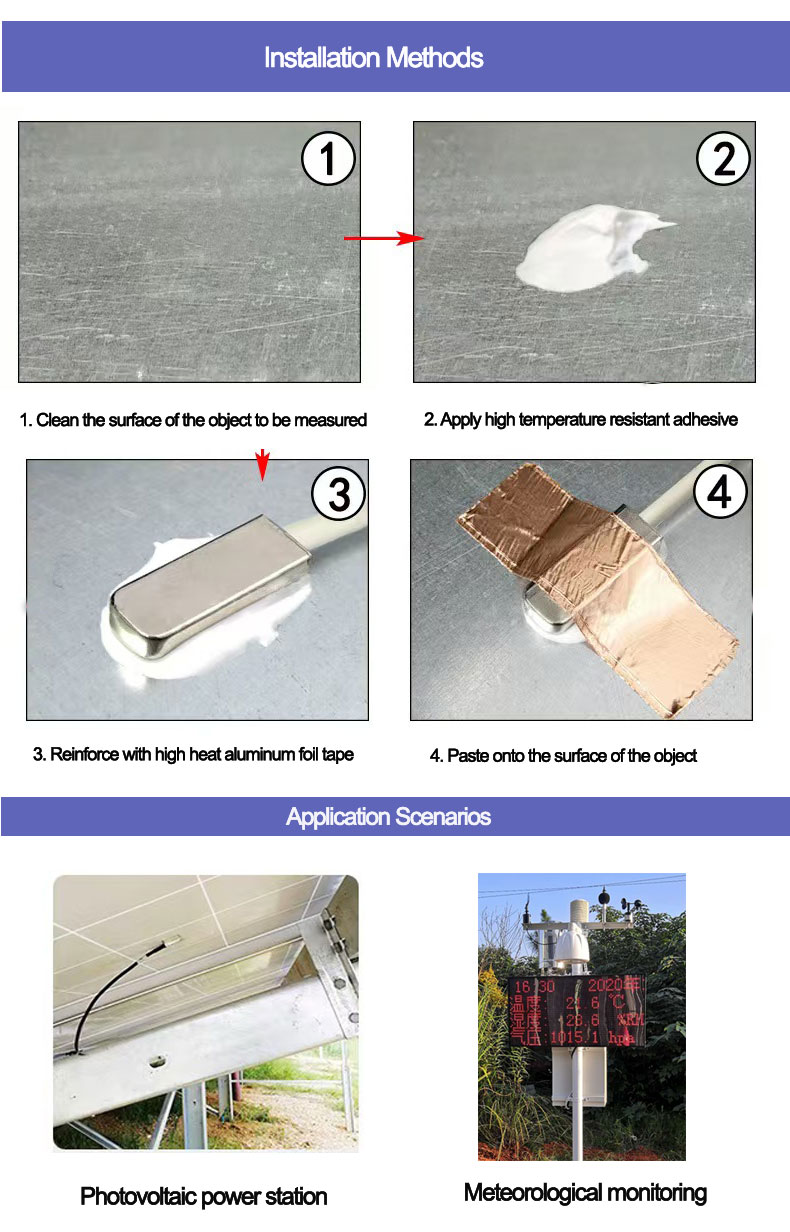
The PV module temperature sensor is an indispensable key electronic component for achieving efficient operation, maintenance, and asset protection in modern photovoltaic power plants. Through high-precision thermal resistance technology and surface-mount design, it provides accurate operating temperature data for PV systems.
NiuBoL’s NBL-W-PPT sensor, with its superior accuracy, stability, multiple signal outputs, and strong anti-interference capability, is widely used in photovoltaic power generation and meteorological monitoring. Integrating these highly reliable sensors into monitoring systems enables users to perform refined performance analysis, early hot spot fault warning, and significantly improve power generation efficiency and long-term system reliability.
Are you also interested in other environmental monitoring solutions for photovoltaic power plants (such as solar irradiance sensors, wind speed & direction sensors)?
Prev:What is a Temperature and Humidity Monitoring System?
Next:Soil Conductivity Sensor: The Key to Smart Agriculture and Environmental Monitoring
Related recommendations
Sensors & Weather Stations Catalog
 Agriculture Sensors and Weather Stations Catalog-NiuBoL.pdf
Weather Stations Catalog-NiuBoL.pdf
Agriculture Sensors Catalog-NiuBoL.pdf
Water Quality Sensor Catalog-NiuBoL.pdf
Related products
 Combined air temperature and relative humidity sensor
 TDR Soil Moisture & Temperature Sensor for irrigation| RS485 |4-20mA| NBL-S-THR
 Soil pH sensor RS485 soil Testing instrument soil ph meter for agriculture |NBL-S-PH
 Wind Speed sensor Output Modbus/RS485/Analog/0-5V/4-20mA
 Tipping bucket rain gauge for weather monitoring auto rainfall sensor RS485/Outdoor/stainless steel
 Pyranometer Solar Radiation Sensor 4-20mA/RS485

Screenshot, WhatsApp to identify the QR code
WhatsApp number:+8615367865107
(Click on WhatsApp to copy and add friends)

