





— Blogs —
—Products—
 Consumer hotline +8618073152920
 WhatsApp:+8615367865107
Address:Room 102, District D, Houhu Industrial Park, Yuelu District, Changsha City, Hunan Province, China
Product knowledge
Time:2025-12-16 17:33:09 Popularity:695
Precipitation, as one of the most important meteorological elements, provides decision-making basis for various sectors of the national economy. Traditional rainfall observation methods have limitations such as limited coverage, data delays, and low automation. Rainfall sensors have emerged to address these issues—they are professional instruments capable of real-time, continuous, and automated remote measurement of liquid precipitation amount, intensity, and start/end times.
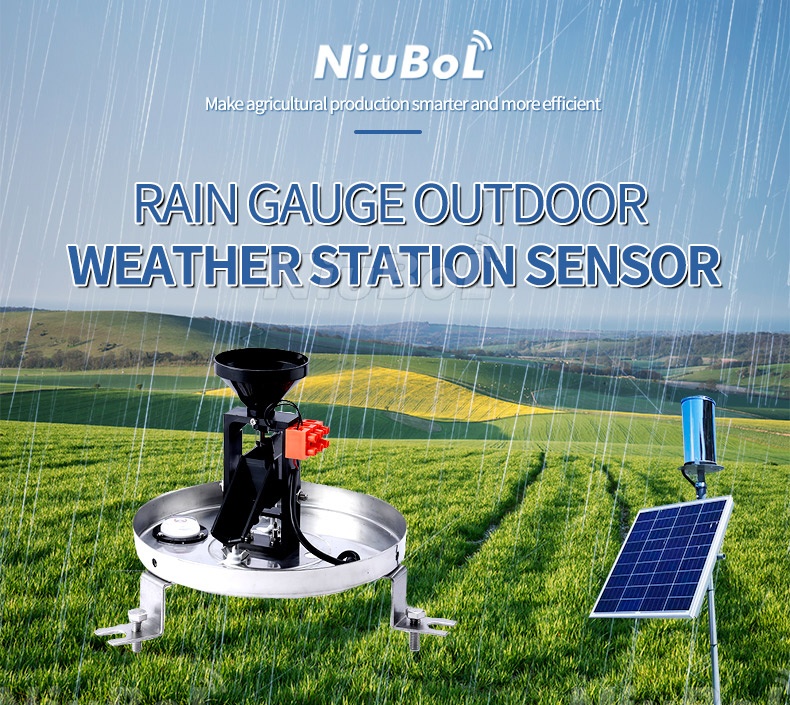
The core value of rainfall sensors lies in:
Real-Time Performance: Breaking through the time lag of traditional observations, providing minute- or even second-level rainfall data.
Accuracy: Ensuring data reliability and providing high-quality input for complex models.
Automation: Reducing labor costs and enabling unattended operation at field and remote monitoring stations.
Rainfall sensors are primarily classified into the following types based on their measurement mechanisms:
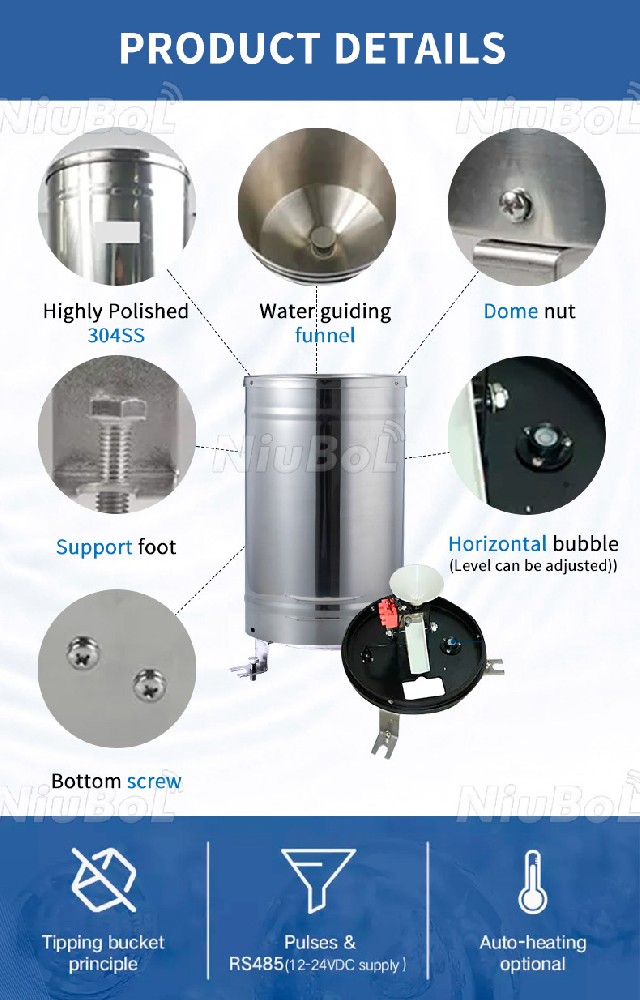
Principle: Mechanical metering principle. Rainfall is collected through the water intake port and flows into a dual-chamber tipping bucket made of metal or polymer material. When the accumulated rainwater reaches a preset volume (corresponding to a precise rainfall amount, e.g., 0.2mm), the bucket loses balance and tips instantly, discharging the water while triggering an internal reed switch or photoelectric switch to generate an electrical pulse signal.
Working Mechanism: The sensor calculates total precipitation by counting pulses and precipitation intensity by pulse frequency per unit time.
Weighing Rain Gauge:
Principle: Real-time measurement of the total weight of rainwater, snow, hail, etc., in the collection container using high-precision weighing sensors.
Working Mechanism: The weighing sensor converts weight changes into electrical signals, then converts to precipitation amount via density calculation.
Features: Extremely high accuracy, measures various forms of precipitation without being affected by intensity, but expensive; suitable for high-end research meteorological stations.
Optical Rain Gauge:
Principle: No mechanical moving parts. Emits infrared beams or lasers; measures raindrop size and speed based on beam attenuation or scattering caused by raindrops passing through.
Features: Simple maintenance, fast response, provides raindrop spectrum information, but susceptible to heavy fog or probe contamination.
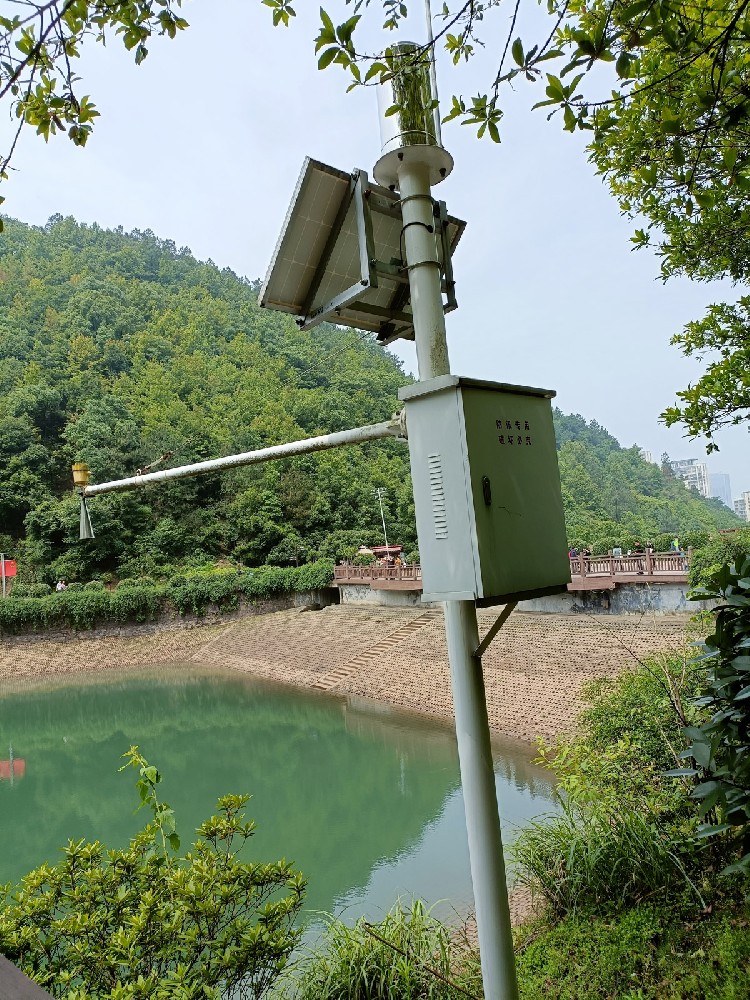
The NiuBoL tipping bucket rainfall sensor (NBL-W-RS) is a mature, reliable remote measurement instrument compliant with national hydrological standards.
The NBL-W-RS tipping bucket rain gauge mainly consists of three parts:
Water Collector (Collection Port): Strictly designed with a Φ200±0.6mm diameter per standards, for collecting rainfall. This is key to standardizing the measurement area.
Metering System (Tipping Bucket Mechanism): Core component that converts continuous rainwater into discrete counting signals. The NBL-W-RS bucket is precisely balanced and calibrated to trigger one tip per 0.2mm rainfall (6.28ml).
Signal Output and Acquisition System: Bucket tipping drives reed switch on/off, generating pulse signals. The signal processing module converts pulses to user-required voltage, current, or RS485 digital signals.
The NBL-W-RS is produced strictly in accordance with national hydrological standards such as SL61-2003 and GB11831-89, ensuring data reliability in critical applications like flood prevention and water supply scheduling.
| Parameter Name | Technical Specifications | Remarks/Standard Requirements |
|---|---|---|
| Collection Port Diameter | Φ200±0.6mm | Complies with national standards, determines rainfall capture area |
| Resolution | 0.2mm (6.28ml) | Rainfall thickness represented by single bucket tip, high precision |
| Accuracy | ±4% (indoor static test, intensity 2mm/min) | Measures deviation from true value, meets hydrological remote measurement requirements |
| Measurement Range | 0 - 4mm/min (precipitation intensity) | Suitable for moderate to heavy rain measurement |
| Power Supply | DC 5V / DC 12V-24V (optional) | Wide voltage input, convenient for field power supply |
| Output Forms | Switch signal (reed switch), voltage (0-2.5V/0-5V), RS485, 4-20mA (optional) | Meets traditional pulse and modern digital transmission needs |
| Operating Temperature | 0℃ - 50℃ | |
| Storage Temperature | -40℃ - 80℃ | Suitable for storage in northern or high-altitude regions |
Marketing Highlight: The NBL-W-RS offers up to five output forms, especially RS485 digital output with strong anti-interference and long-distance transmission advantages, greatly enhancing compatibility and integration convenience with automated reporting systems.
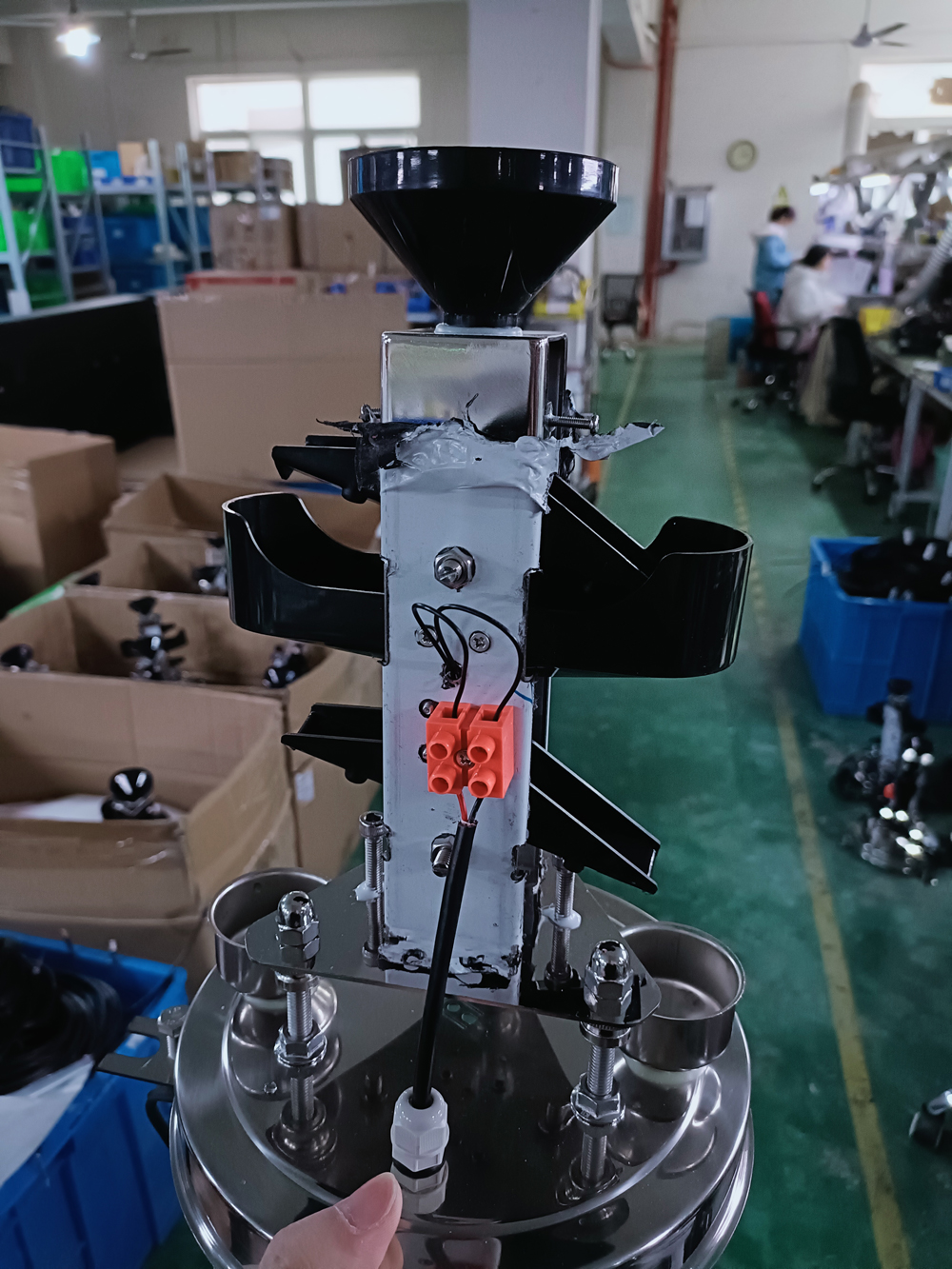
Rainfall sensors serve as the "eyes and ears" for achieving refined water resource management and early disaster warnings.
Real-time data from rainfall sensors is fundamental for water resource assessment and planning.
Reservoir Scheduling: Precisely measure basin precipitation to predict reservoir inflow runoff and flood peak timing, providing decision basis for power station reservoir storage, flood discharge, and prevention scheduling.
Water Supply Systems: Rainfall data helps urban water supply systems plan surface and groundwater recharge, ensuring stable urban supply.
In the context of frequent extreme weather, rainfall sensors are core elements of flood warning systems.
Flash Flood Warning: Real-time monitoring of precipitation intensity and accumulation in mountainous and valley areas; triggers warnings upon reaching thresholds, gaining valuable evacuation time for threatened regions.
Urban Waterlogging Prevention: Rain gauges deployed in low-lying urban areas link data with drainage models to help managers activate pumps and regulate gates in advance, preventing urban flooding.
Weather Forecast Model Optimization: Large-scale, high-density rainfall sensor networks complement radar and satellite observations, providing ground truth data for precipitation assimilation and correction in numerical models, improving local forecast accuracy.
Agricultural Irrigation: Combined with soil moisture and evapotranspiration data, rainfall data calculates effective farmland precipitation, guiding precise irrigation and improving water efficiency.
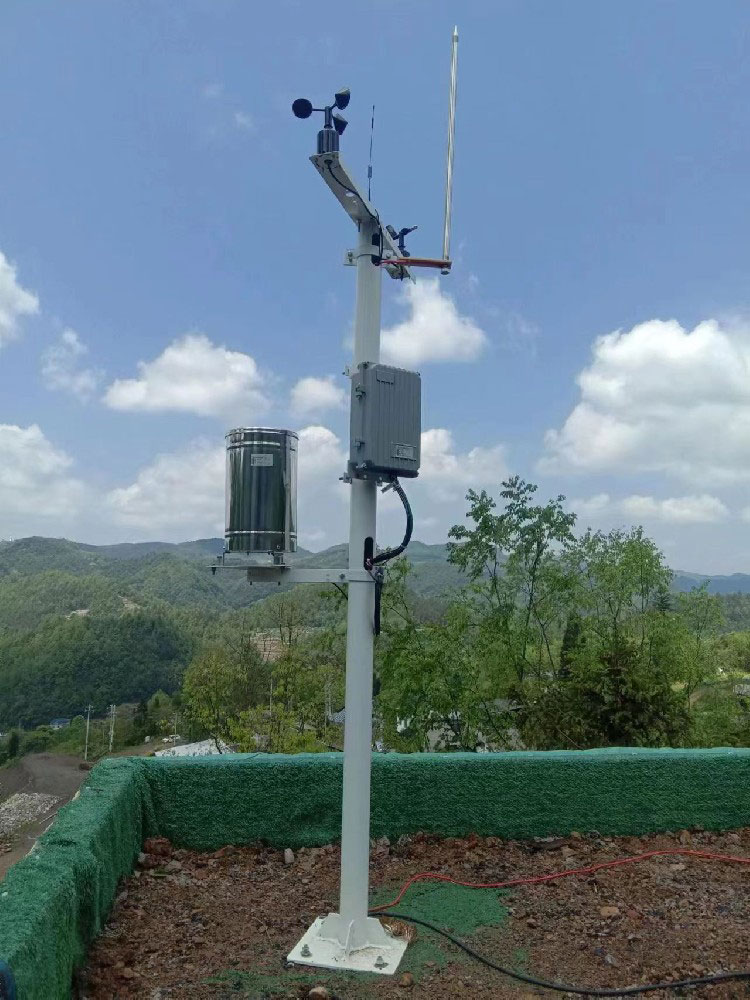
The reliability of the NBL-W-RS depends not only on the instrument itself but also on standardized installation and maintenance.
Select Installation Location: Choose an open, unobstructed site (e.g., rooftop, dedicated pole, or ground) to ensure the collection port is unaffected by airflow from surrounding buildings, trees, or obstacles.
Base Leveling (Core Step): Adjust the three leveling screws on the base until the bubble level is centered. This ensures the base is completely level—critical for accurate 0.2mm metering per tip.
Secure Fixing: Use M8 expansion screws to firmly tighten the base, preventing shaking or wind influence on measurements.
Functional Self-Check: After fixing, open the bucket and slowly pour calibrated water (e.g., equivalent to 60-70mm rainfall); observe bucket tipping and verify data display on the acquisition device matches. This confirms normal operation of the instrument and system.
Regular Cleaning: Periodically check and remove leaves, insects, dust, or bird droppings from the collection port, funnel, and bucket to prevent blockage or balance issues.
Check Balance: Ensure the bucket mechanism is flexible, reliable, without jamming or rust.
Winter Protection: In low-temperature areas, take measures to prevent internal water freezing that could damage the bucket or affect accuracy.
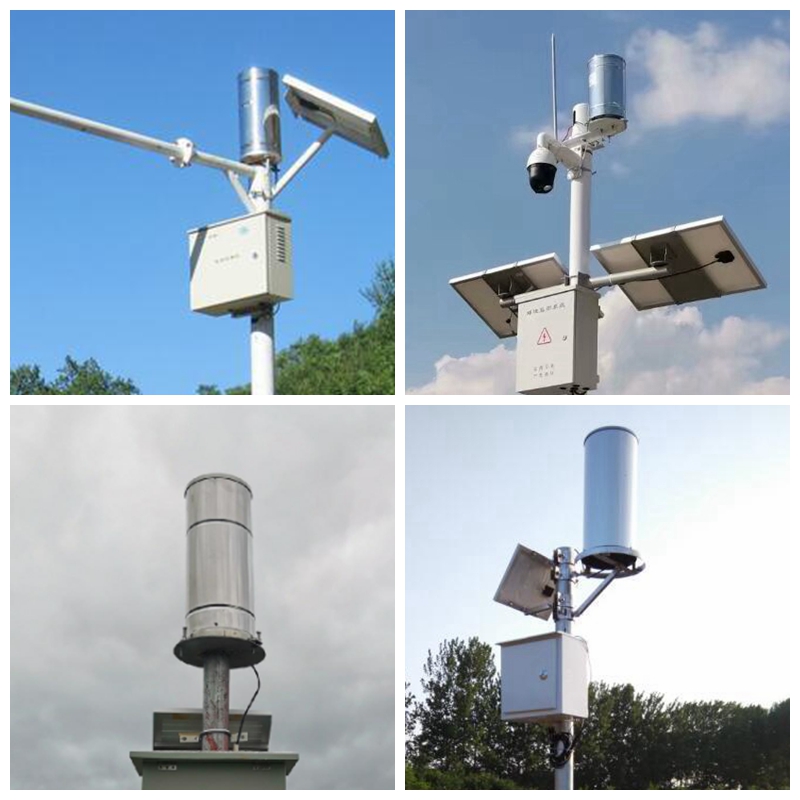
Rainfall sensors are one of the most fundamental and critical devices in modern hydrological and meteorological monitoring. The NiuBoL tipping bucket rainfall sensor NBL-W-RS, with its high resolution (0.2mm), excellent accuracy (±4%), and industrial-grade multi-signal outputs (including RS485/4-20mA), is an ideal choice for meteorological stations, hydrological stations, reservoir management, and flood warning systems.
By deploying NiuBoL's highly reliable rainfall sensors, we can obtain precise, real-time precipitation data, thereby enhancing weather forecast accuracy, ensuring scientific water resource management, and providing critical warning time before natural disasters.
NiuBoL is committed to providing rainfall monitoring solutions compliant with national standards, contributing precise "sky-water" data to human society's safety and sustainable development.
 NBL-W-ARS-Tipping-bucket-rain-gauge-instruction-manual.pdf
Prev:Rainfall Sensor Principles, Types, and Key Applications in Smart Water Management
Next:Illuminance Sensor Principle, Application, and NiuBoL Technology Analysis
Related recommendations
Sensors & Weather Stations Catalog
Agriculture Sensors and Weather Stations Catalog-NiuBoL.pdf
Weather Stations Catalog-NiuBoL.pdf
Agriculture Sensors Catalog-NiuBoL.pdf
Water Quality Sensor Catalog-NiuBoL.pdf
Related products
 Combined air temperature and relative humidity sensor
 TDR Soil Moisture & Temperature Sensor for irrigation| RS485 |4-20mA| NBL-S-THR
 Soil pH sensor RS485 soil Testing instrument soil ph meter for agriculture |NBL-S-PH
 Wind Speed sensor Output Modbus/RS485/Analog/0-5V/4-20mA
 Tipping bucket rain gauge for weather monitoring auto rainfall sensor RS485/Outdoor/stainless steel
 Pyranometer Solar Radiation Sensor 4-20mA/RS485

Screenshot, WhatsApp to identify the QR code
WhatsApp number:+8615367865107
(Click on WhatsApp to copy and add friends)

