





— Blogs —
—Products—
 Consumer hotline +8618073152920
 WhatsApp:+8615367865107
Address:Room 102, District D, Houhu Industrial Park, Yuelu District, Changsha City, Hunan Province, China
Product knowledge
Time:2025-12-16 17:23:10 Popularity:958
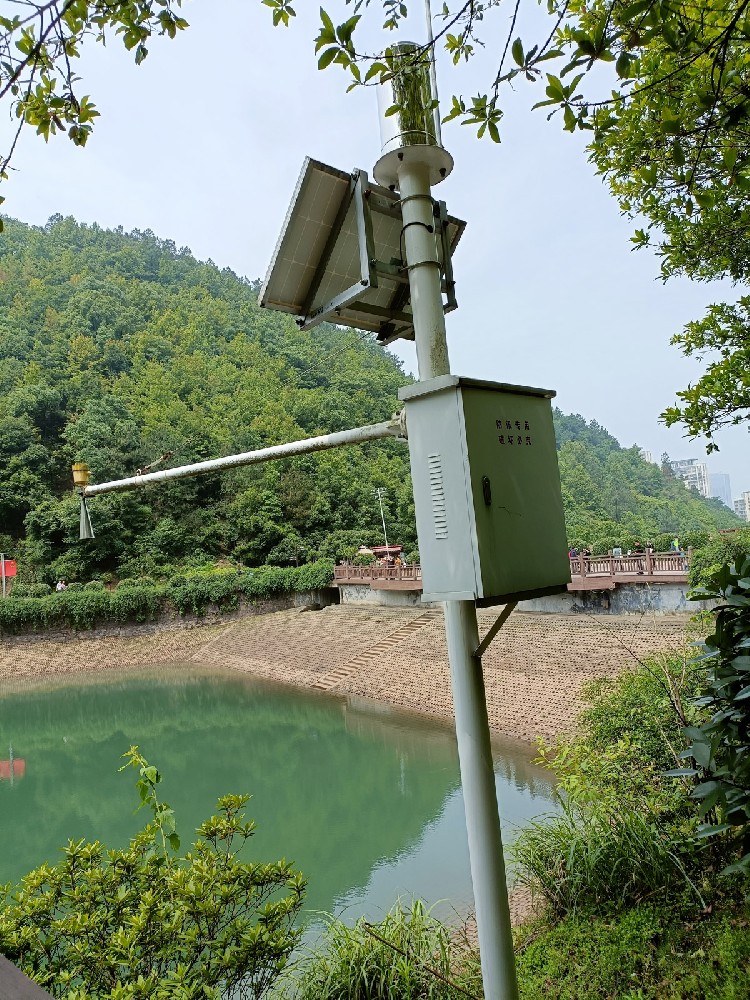
A rainfall sensor (or rain gauge) is a device used to measure the amount of precipitation in a specific area over a given period. Its basic function is to detect precipitation and convert it into measurable electrical signals. These signals are then recorded and analyzed by data acquisition systems, providing critical quantitative data support for meteorological forecasting, hydrological models, and disaster early warnings.
Accurate rainfall data is the foundation of modern scientific research and practical applications:
Meteorological Forecasting and Climate Research: It is a key indicator for measuring precipitation patterns, intensity, and distribution, directly affecting the accuracy of weather forecasts.
Hydrological Model Construction: Used to assess water resource supply and demand, estimate basin runoff, and serve as core input data for water resource management, reservoir scheduling, and flood prevention and mitigation.
Disaster Early Warning: Real-time rainfall data is the basis for predicting extreme weather events such as floods, flash floods, and urban waterlogging.
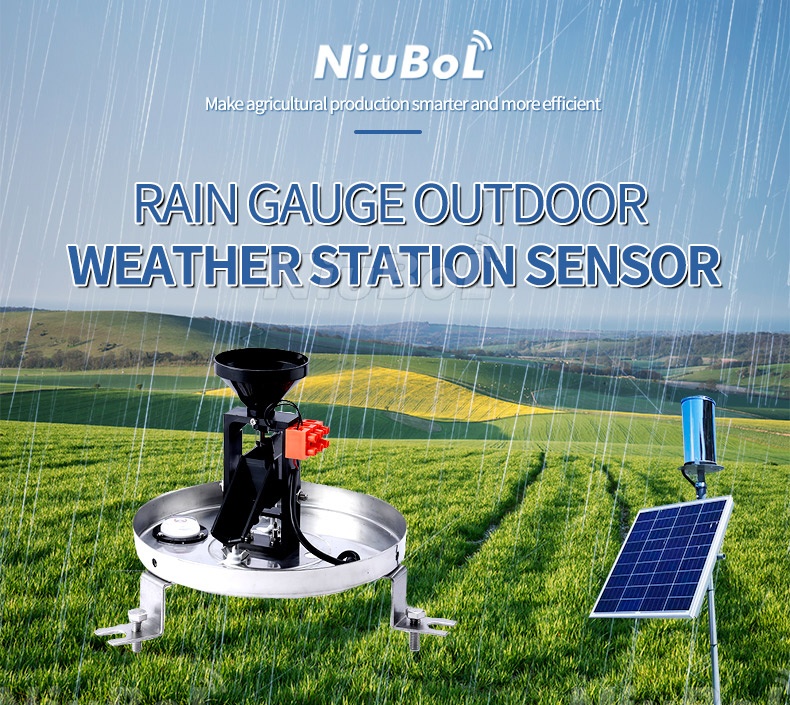
Rainfall sensors can be classified into various types based on their working principles, with tipping bucket, optical, and piezoelectric being the most common.
Working Principle:
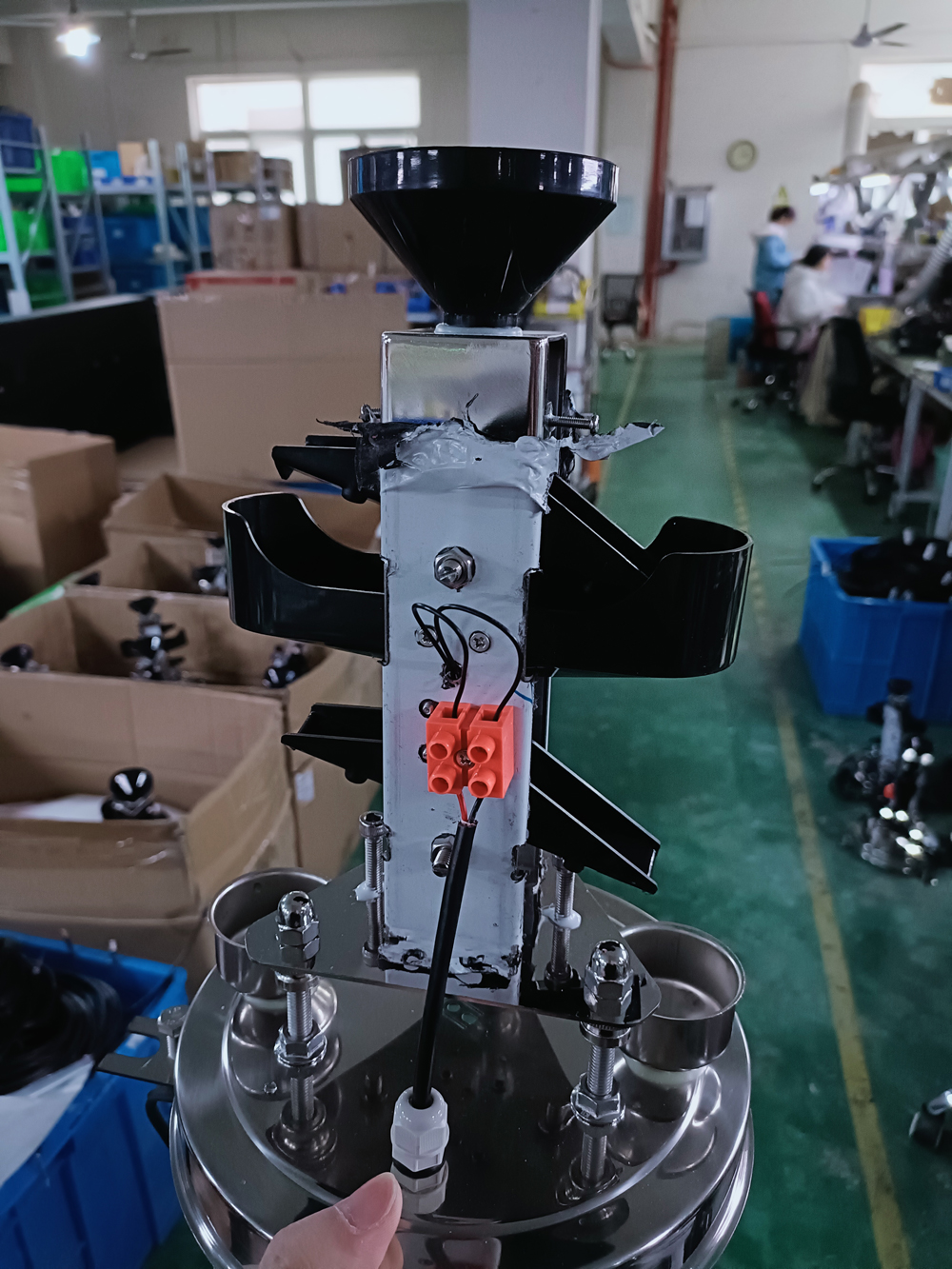
The tipping bucket rain gauge uses the mechanical balance principle for measurement. Rainwater enters a funnel through the water collection port and drips into a V-shaped metering bucket (tipping bucket) that can flip back and forth. When the precipitation reaches a preset value (e.g., 0.2mm), the gravitational moment of the water in the bucket causes it to tip, pouring out the water. Each tipping action triggers a switch signal (usually via a reed switch), and the acquisition system calculates total precipitation and intensity by recording the number of pulses and time.
| Features | Description |
|---|---|
| Structure | Simple structure, moderate cost, relatively easy maintenance, complies with national hydrological reporting standards. |
| Disadvantages | In heavy rainfall, measurement errors (dynamic errors) may occur due to tipping lag and residual water film. |
| Applicable Scenarios | Meteorological stations, hydrological stations, agriculture, forestry, national defense; widely used in automatic reporting systems for flood prevention and water supply scheduling. |
| NBL-W-RS Parameter Highlights | Collection port diameter Φ200±0.6mm, resolution 0.2mm, high accuracy (indoor ±4%). |
Working Principle:
Optical rainfall sensors use infrared beam interruption or scattering principles. A transmitter emits an infrared beam, and a receiver captures it. When raindrops fall through or hit the beam, they block or scatter the light, reducing the received light intensity. The sensor infers precipitation intensity and amount by measuring changes in light intensity over time.
Advantages: High precision and real-time performance, provides continuous data; insensitive to wind speed and direction changes; no mechanical moving parts, minimal maintenance.
Disadvantages: Higher cost; may require complex installation and calibration.
Applicable Scenarios: Automatic meteorological stations, flood warning systems, urban drainage management, and other scenarios requiring high-precision real-time data.
Working Principle:
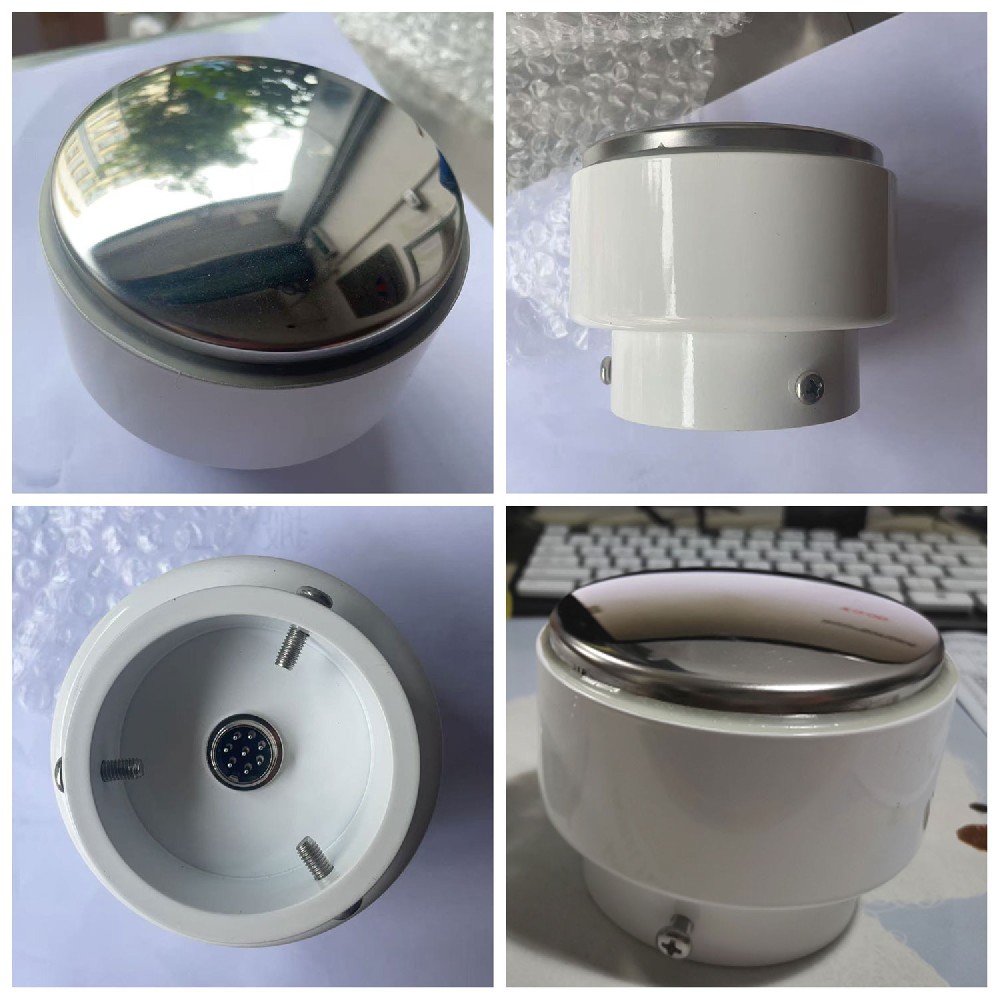
Piezoelectric rain gauges use piezoelectric ceramic kinetic energy monitoring. As raindrops fall, influenced by gravity and air resistance, they reach a constant speed upon hitting the sensor surface. The impact force is detected by internal piezoelectric ceramic elements and converted into electrical signals. Based on P=mv (momentum = mass × velocity), measuring the impact force allows calculation of individual raindrop weight, size, and quantity, thereby precisely determining precipitation.
Advantages: No mechanical parts, rugged and durable, sensitive and reliable; no physical leveling required, simple installation; anti-fouling and anti-stick coating with self-cleaning function; accurate monitoring in heavy rain.
Disadvantages: Higher initial cost; susceptible to external vibration interference (install away from vibration sources).
Applicable Scenarios: Meteorological environmental monitoring, agricultural irrigation, automatic rain sensing systems, scenarios requiring high data accuracy.
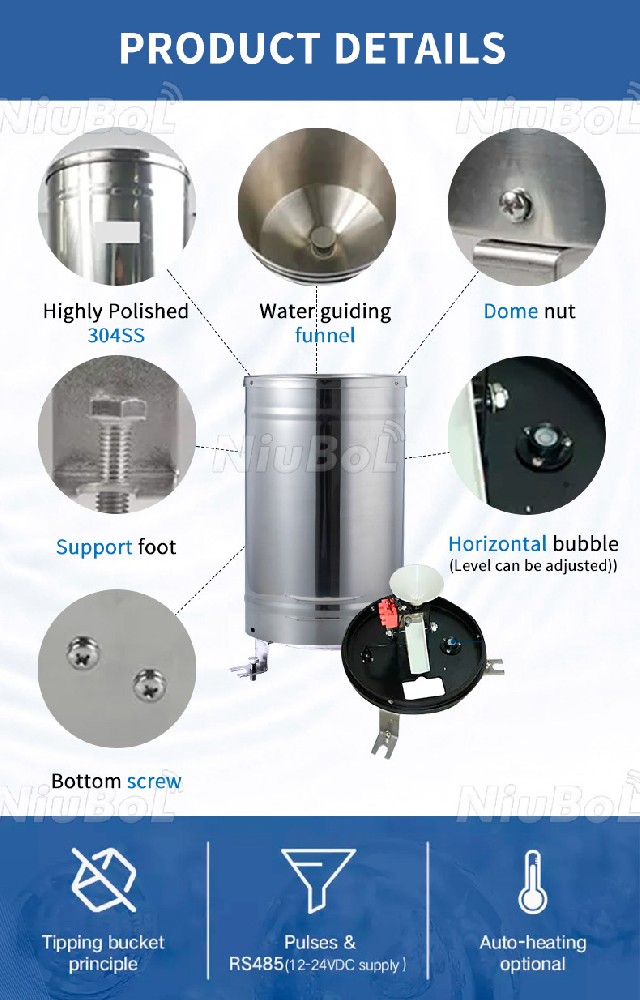
Latest technological advances have significantly improved rainfall sensors in data quality, real-time performance, multi-integration, and intelligence.
Improved Measurement Accuracy and Stability: Using industrial-grade processors and anti-fouling coatings, such as NiuBoL piezoelectric rain gauge, achieving ±4% high accuracy for reliable data.
Real-Time Monitoring and Remote Access: Combined with RS485, IoT, and wireless transmission, data can be transmitted in real-time to cloud platforms or central stations for remote access and timely decision-making.
Multi-Data Integration: Advanced sensors easily integrate with other meteorological parameters (e.g., temperature, humidity, wind speed) for comprehensive environmental context.
Rainfall sensor data is the foundation for efficient operation in multiple key fields:
Water Resource Management: Accurately estimate basin precipitation and runoff to develop water allocation plans, conservation measures, and reservoir scheduling for sustainable supply.
Agricultural Irrigation: Provide farmers with accurate farmland precipitation records to optimize irrigation schemes, improve water efficiency, and reduce over-irrigation.
Urban Planning and Flood Prevention: Provide urban precipitation intensity and accumulation data for:
Flood Risk Assessment: Simulate flow paths and predict flood extents.
Drainage System Design: Guide capacity and optimization of urban drainage systems.
Urban Greening Planning: Determine suitable plant species and irrigation needs for efficient water use.
Analyzing and predicting with rainfall sensor data provides valuable information for decision-making:
Historical Data Analysis: Through time series analysis and data mining, identify seasonal, long-term trends, and cyclical patterns in precipitation for climate research support.
Real-Time Prediction Models: Combine real-time data with historical correlations using statistical regression, machine learning (e.g., neural networks) to build flood prediction models for early warnings and emergency response.
Irrigation System Optimization: Integrate rainfall data with soil moisture and crop water demand to establish hydrological models for optimal irrigation timing and amount.
Future development of rainfall sensors will focus on enhancing intelligence, adaptability, and networking:
High Precision and Self-Calibration: Continuously improve resolution and accuracy, develop on-site calibration-free and adaptive technologies to reduce maintenance.
Miniaturization and Low Power Consumption: Further reduce size and energy use for portability, transport, and deployment in remote field stations, relying more on renewable energy.
Intelligence and Cross-Field Integration: Enhance data processing for edge computing at the sensor; promote data sharing to form comprehensive precipitation monitoring networks for complex urban management and climate change research.
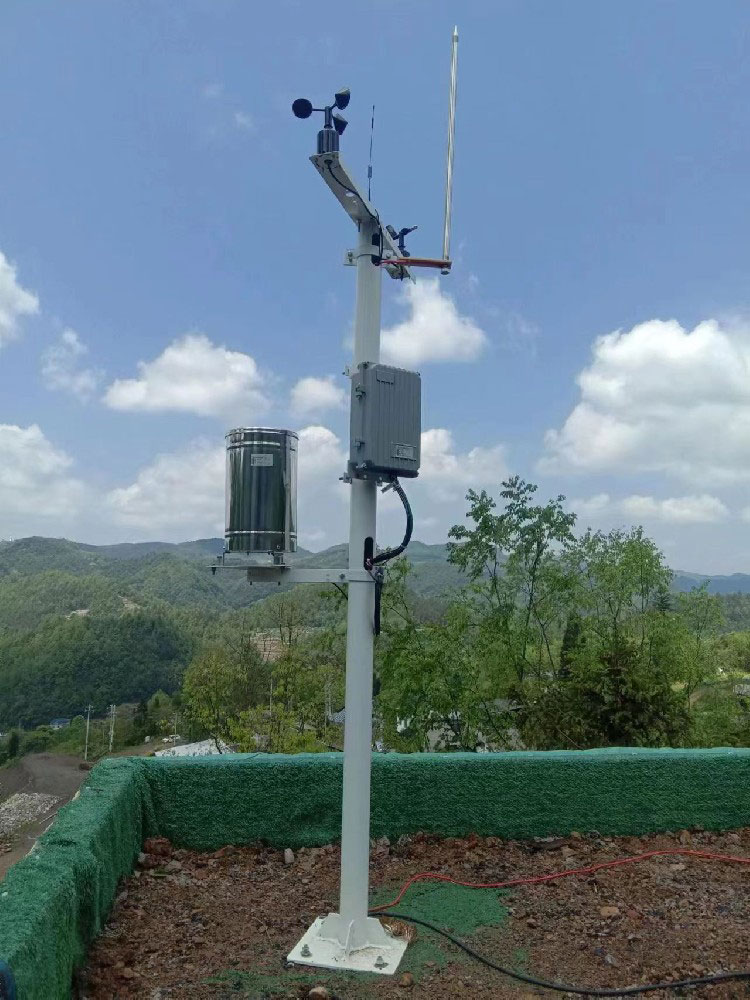
Q1: Why do tipping bucket rain gauges produce errors in heavy rainfall? How to solve it?
A: Tipping bucket rain gauges produce dynamic errors in heavy rainfall. When intensity is too high, some rainwater may overflow or splash without being measured during one tipping cycle, leading to low readings.
Solutions:
Data Correction: Establish dynamic error models in software to mathematically correct data based on rainfall intensity.
Select New Sensors: In heavy rainfall areas, prioritize piezoelectric or optical rain gauges without mechanical inertia limitations for improved accuracy.
Q2: Why does the NiuBoL piezoelectric rain gauge not require physical leveling?
A: Traditional tipping bucket rain gauges rely on gravity to drive the bucket and must be absolutely level to ensure balanced weight on both sides for accurate 0.2mm tipping.
The NiuBoL piezoelectric rain gauge uses kinetic energy measurement, calculating raindrop weight from impact force on the surface, independent of sensor tilt angle. Thus, it has no special installation requirements and does not need physical leveling, greatly simplifying on-site installation.
Q3: What is the most important role of rainfall sensor data in agriculture?
A: The most important role is precise irrigation decision-making. Accurate precipitation data helps farmers know how much natural rainfall the farmland has received, avoiding over-irrigation. By combining with soil moisture sensors and evapotranspiration data, on-demand irrigation strategies can be developed, improving water efficiency while reducing negative impacts from poor drainage and waste.
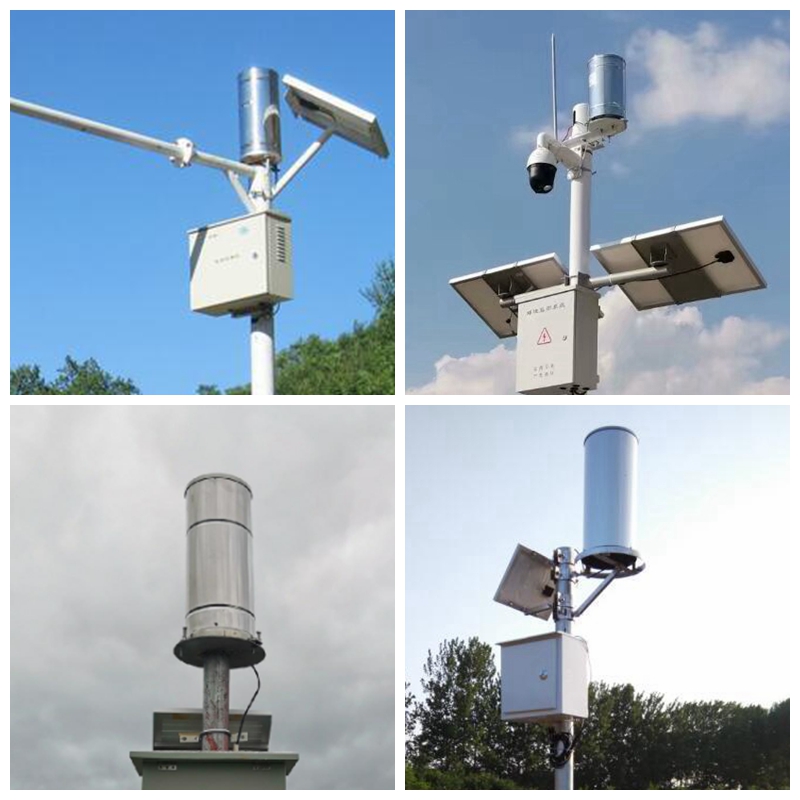
Rainfall sensors are an indispensable cornerstone in modern meteorological, hydrological, and environmental monitoring systems. Whether the classic and reliable tipping bucket rain gauge or the innovative and durable piezoelectric rain gauge, they undertake the task of converting the most basic water cycle phenomenon in nature into precise digital data.
NiuBoL is committed to adhering to the highest national standards (such as SL61-2003, GB11831-89), providing high-performance and high-reliability rainfall sensors (transmitters). Through continuous technological innovation, rainfall sensors are becoming more intelligent and adaptive, offering strong support for more accurately addressing climate change challenges and effectively managing water resources.
Choose NiuBoL to provide accurate, reliable, and real-time precipitation data for your meteorological monitoring and water management systems, jointly promoting sustainable development goals.
 NBL-W-ARS-Tipping-bucket-rain-gauge-instruction-manual.pdf
Related recommendations
Sensors & Weather Stations Catalog
Agriculture Sensors and Weather Stations Catalog-NiuBoL.pdf
Weather Stations Catalog-NiuBoL.pdf
Agriculture Sensors Catalog-NiuBoL.pdf
Water Quality Sensor Catalog-NiuBoL.pdf
Related products
 Combined air temperature and relative humidity sensor
 TDR Soil Moisture & Temperature Sensor for irrigation| RS485 |4-20mA| NBL-S-THR
 Soil pH sensor RS485 soil Testing instrument soil ph meter for agriculture |NBL-S-PH
 Wind Speed sensor Output Modbus/RS485/Analog/0-5V/4-20mA
 Tipping bucket rain gauge for weather monitoring auto rainfall sensor RS485/Outdoor/stainless steel
 Pyranometer Solar Radiation Sensor 4-20mA/RS485

Screenshot, WhatsApp to identify the QR code
WhatsApp number:+8615367865107
(Click on WhatsApp to copy and add friends)

