





— Blogs —
—Products—
 Consumer hotline +8618073152920
 WhatsApp:+8615367865107
Address:Room 102, District D, Houhu Industrial Park, Yuelu District, Changsha City, Hunan Province, China
Product knowledge
Time:2025-12-16 17:16:00 Popularity:836
The leaf wetness sensor (Leaf Wetness Sensor) is a device specifically designed to measure the moisture status on the surface of plant leaves. It can monitor in real-time and continuously the presence and duration of trace water films, dew, fog, rainwater residues, or even ice crystals on the leaf surface, providing key environmental data for agricultural production, plant physiology research, and pest and disease control.
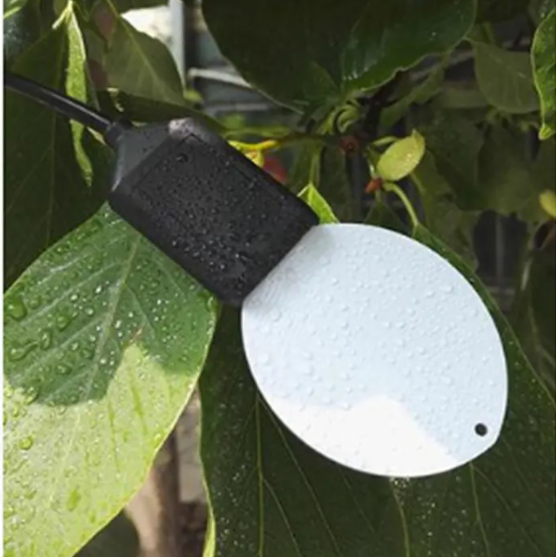
The working principle of the leaf wetness sensor is based on the influence of moisture on specific physical parameters. While different manufacturers may use resistance or capacitance methods, NiuBoL's sensor adopts a more advanced and comprehensive dielectric constant measurement method to achieve precise monitoring of trace moisture.
Moisture and Dielectric Constant: Water (with a relative dielectric constant of about 80) has a significantly different dielectric constant compared to other substances (such as dry air or sensor substrate). When a water film adheres to the sensor surface, it changes the overall dielectric constant around the sensor's sensitive element.
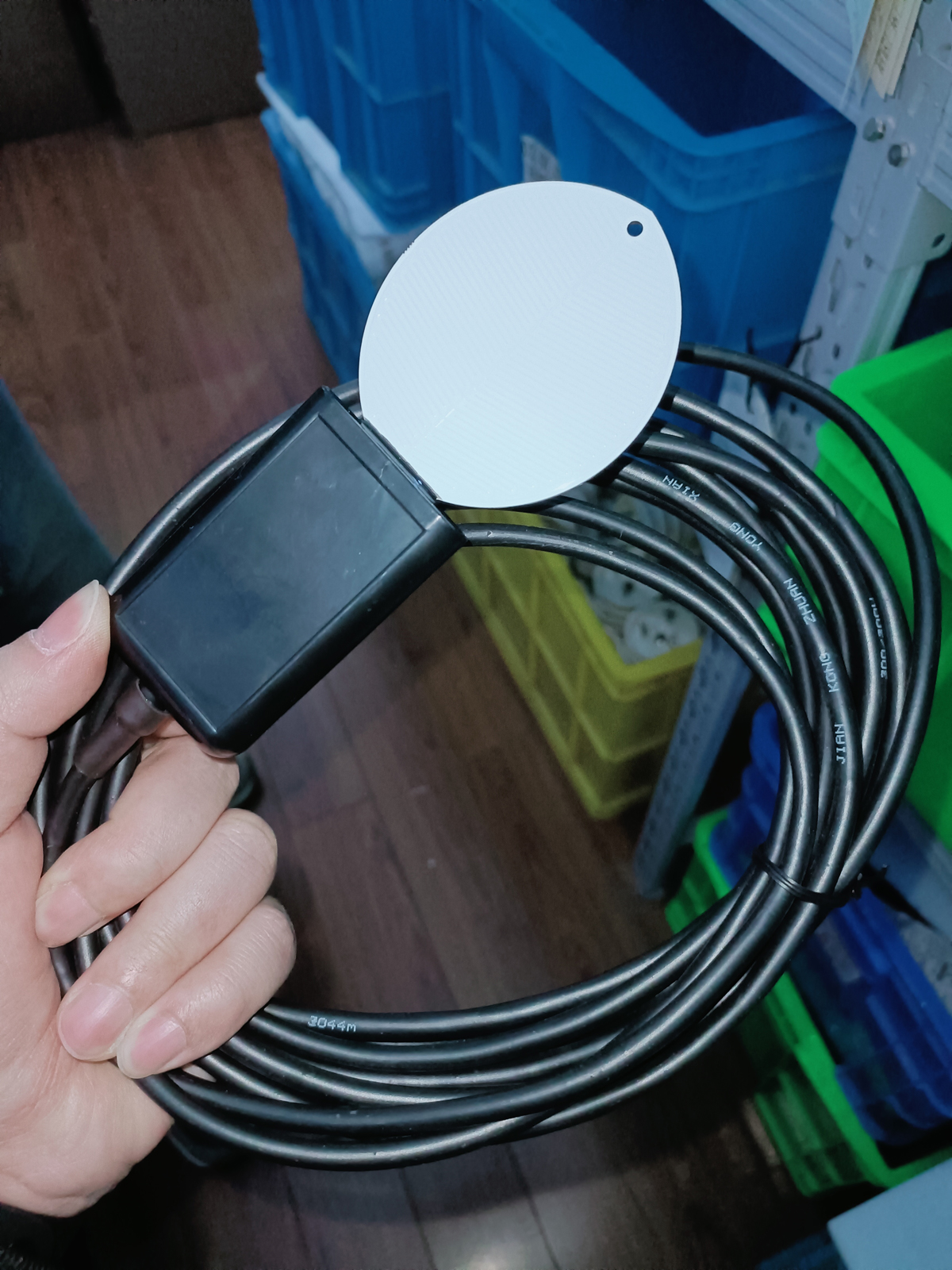
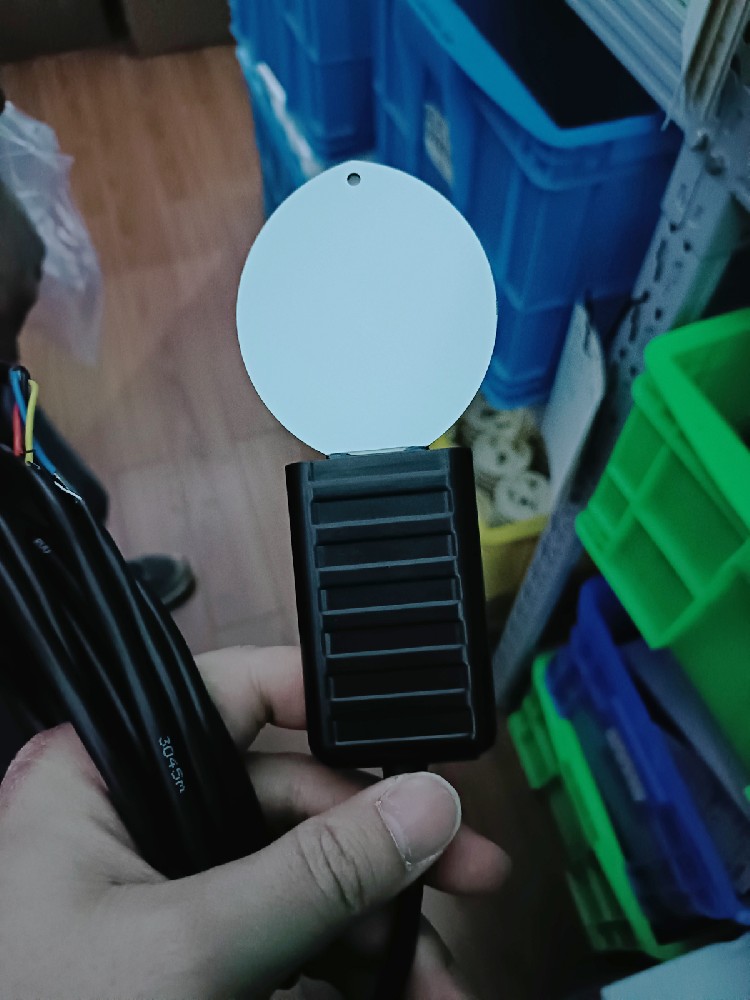
Sensor Structure: NiuBoL's sensor cleverly simulates the shape of real leaves, allowing it to more accurately reflect the true thermodynamic and moisture status of the plant leaf surface. The core components are the humidity-sensitive element and the temperature detection element.
Working Mechanism of Leaf Wetness Sensor:
When moisture (dew, fog, rainwater, etc.) condenses or adheres to the plant leaf surface, the sensor's simulated leaf surface will also form a water film.
The sensor's measurement circuit detects changes in the dielectric constant around the sensitive element. This change is proportional to the leaf surface moisture content.
Through the built-in temperature detection function, the sensor can simultaneously measure the temperature on the leaf surface. This not only provides temperature and humidity information but also helps the system distinguish whether the detected substance is liquid water (moisture) or solid water (ice crystals) residue.
Signal Output: The measurement circuit converts changes in dielectric constant and temperature into standard RS485 digital signals, offering high anti-interference capability and long-distance transmission.
The data provided by the leaf wetness sensor is an indispensable part of achieving modern precision agriculture, particularly in crop protection management.
This is one of the most critical applications of the leaf wetness sensor. Many plant pathogens, especially fungi and bacteria, can only infect and spread when the leaf surface remains wet for a prolonged period (i.e., "leaf wetness duration").
Pathogen Infection Mechanism: High leaf surface humidity provides the necessary conditions for pathogen spore germination and infection. When the leaf remains wet for too long, pathogens continue to infect and damage the leaf structure.
Real-Time Warning: By continuously monitoring leaf wetness duration, wetness level, and temperature, and combining with known disease models (such as late blight, downy mildew, etc.), the sensor can calculate disease risk indices in advance, enabling precise warnings and guiding farmers to apply preventive measures before outbreaks.
Leaf wetness data assists in irrigation decisions, effectively saving water resources.
Prevent Over-Irrigation: Especially at night or early morning, dew or condensation can cause leaf wetness. Irrigating at such times not only wastes water but also increases disease risk. Sensor data can guide automatic irrigation systems to avoid starting when the leaf surface is already wet.
Transpiration Research: There is a gradient between leaf surface humidity and ambient air humidity, which affects plant transpiration rates. Sensor data can be used to study plant water regulation mechanisms, transpiration processes, and adaptability to environmental changes.
Pesticide Retention Duration: Leaf wetness data helps assess the retention time of pesticide droplets on leaves, guiding farmers to choose the best spraying times (e.g., avoiding windy conditions or impending rain) and suitable formulations to ensure full absorption and utilization of pesticides or foliar fertilizers.
Foliar Fertilization: Determining if the leaf surface is in a slightly wet state can improve the efficiency of foliar fertilization.
The NiuBoL NBL-W-LM leaf temperature and humidity sensor is designed for harsh agricultural environments, featuring several outstanding advantages:
Simulates Real Leaf Appearance: The shape is designed to mimic real leaves, allowing it to more accurately reflect the true thermodynamic characteristics of the leaf surface, improving measurement representativeness and precision.
Precise Detection of Trace Moisture and Ice Crystals: By measuring changes in dielectric constant, it can precisely detect trace moisture such as fog, dew, and rainwater residues. With the built-in temperature detection function, it distinguishes between moisture and ice crystals (freezing), providing more comprehensive information.
High Sensitivity and Fast Response: The sensor has high sensitivity and responds quickly to changes in leaf surface moisture status, ensuring timely warnings.
| Parameter Name | NBL-W-LM Basic Parameters | Performance Description |
| Power Supply Voltage | DC 12V - 24V | Suitable for various agricultural power environments. |
| Communication Method | RS485 | Industrial-grade communication, supports long-distance and multi-point networking. |
| Humidity Range | 0 – 100%RH | Full-range humidity monitoring, high precision: ±5%RH. |
| Temperature Range | -40℃ – 80℃ | Wide operating temperature range, high precision: ±0.5℃. |
| Power Consumption | Standby 72mW, Peak 120mW | Low power consumption design, suitable for long-term uninterrupted monitoring. |
| Structural Features | Sealed Waterproof Design | Excellent waterproof sealing performance, can operate long-term in harsh outdoor environments. |
The installation process for the NBL-W-LM sensor is simple and convenient:
Select Location: Place the sensor next to representative crop leaves or tree leaves.
Fixing: Use non-metallic wire through the small hole at the front of the sensor to hang it on branches or stems. Secure the device with wire or string, ensuring the sensor simulates the actual exposure of leaves.
Connection: Connect the power supply and RS485 data cable to the data acquisition system or control terminal.
Q1: What is the difference between a leaf wetness sensor and a regular air humidity sensor?
A: The difference lies in the monitoring object and purpose:
Air humidity sensors measure the water vapor content in the surrounding ambient air (relative humidity), used to assess air dryness.
Leaf wetness sensors measure whether there is a liquid water film (dew, rainwater, etc.) or trace ice crystals on the leaf surface. Leaf wetness is a key factor affecting disease occurrence and pesticide retention, and it does not have a direct linear relationship with air humidity. In the same environment, air humidity may be only 70%RH, but the leaf surface could reach 100% wetness due to dew point temperature.
Q2: How does the NiuBoL sensor distinguish between moisture and ice crystals?
A: The NiuBoL NBL-W-LM sensor integrates a temperature detection function.
The sensor detects changes in dielectric constant (i.e., something is adhering).
At the same time, the system reads the surface temperature detected by the sensor.
If the surface temperature is above 0℃, it determines the adhering substance is liquid water (moisture, dew).
If the surface temperature is below or equal to 0℃, it determines the adhering substance is solid water (ice crystals). This differentiation capability is crucial for studying winter crop diseases or freeze damage warnings.
Q3: Can using a leaf wetness sensor completely eliminate pesticide use?
A: The leaf wetness sensor cannot completely eliminate pesticide use, but it can enable precise pesticide application (reducing quantity while increasing efficiency). Through sensor data, farmers can:
Preventive Application: Apply only when disease infection risk reaches a threshold, avoiding unnecessary periodic applications.
Optimize Application Timing: Apply during the time window when pesticide retention is longest and absorption is optimal.
Selective Application: Focus monitoring and application on high-risk areas.
This data-driven decision-making model can significantly reduce pesticide usage while ensuring control effectiveness, achieving green and sustainable agricultural production.
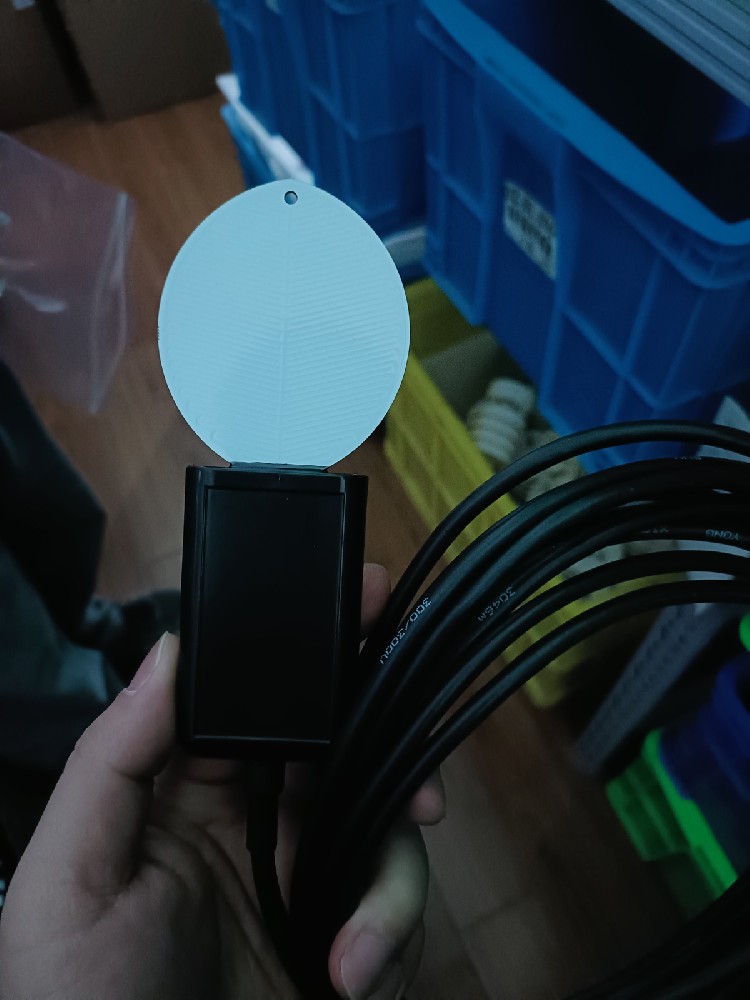
As the "eyes" in smart agriculture, the leaf wetness sensor is fundamentally changing how we understand and manage crop microenvironments. The NiuBoL leaf temperature and humidity sensor (NBL-W-LM), with its high precision, high sensitivity, and innovative simulated leaf design, provides stable and reliable data support for agricultural research, pest and disease warnings, and precise irrigation control.
By continuously and precisely monitoring leaf temperature and humidity, farmers can gain a deeper understanding of plant growth and development, take scientific and reasonable protective measures to prevent pathogen and pest infections, and achieve rational control of fertilization and watering. This holds irreplaceable strategic significance for increasing crop yields, ensuring food safety, and promoting sustainable agricultural development.
NiuBoL is committed to providing professional leaf wetness sensing solutions to help your agricultural production move towards precision and efficiency.
 NBL-W-LM-Leaf-Temperature-and-Humidity-Sensor-Instruction-Manual.pdf
Prev:Improving Photovoltaic Station Benefits: NiuBoL Environmental Monitoring Solutions
Next:Rainfall Sensor Principles, Types, and Key Applications in Smart Water Management
Related recommendations
Sensors & Weather Stations Catalog
Agriculture Sensors and Weather Stations Catalog-NiuBoL.pdf
Weather Stations Catalog-NiuBoL.pdf
Agriculture Sensors Catalog-NiuBoL.pdf
Water Quality Sensor Catalog-NiuBoL.pdf
Related products
 Combined air temperature and relative humidity sensor
 TDR Soil Moisture & Temperature Sensor for irrigation| RS485 |4-20mA| NBL-S-THR
 Soil pH sensor RS485 soil Testing instrument soil ph meter for agriculture |NBL-S-PH
 Wind Speed sensor Output Modbus/RS485/Analog/0-5V/4-20mA
 Tipping bucket rain gauge for weather monitoring auto rainfall sensor RS485/Outdoor/stainless steel
 Pyranometer Solar Radiation Sensor 4-20mA/RS485

Screenshot, WhatsApp to identify the QR code
WhatsApp number:+8615367865107
(Click on WhatsApp to copy and add friends)

