





— Blogs —
—Products—
 Consumer hotline +8618073152920
 WhatsApp:+8615367865107
Address:Room 102, District D, Houhu Industrial Park, Yuelu District, Changsha City, Hunan Province, China
Product knowledge
Time:2025-12-16 17:08:23 Popularity:729

Photovoltaic power station environmental monitoring refers to the use of professional sensors and systems to perform real-time, continuous, and precise collection, analysis, and recording of meteorological environmental parameters that affect the power generation efficiency and safe operation of photovoltaic modules (such as solar radiation, temperature, wind speed, wind direction, precipitation, humidity, air pressure) as well as the module's own status parameters (such as module temperature, surface dust pollution).
Weather conditions are the most primary and uncertain factors affecting the energy output of photovoltaic power stations. Even a momentary passing cloud can cause drastic changes in incident solar energy.
Improve Power Generation: Accurate meteorological data is the foundation for predicting power generation and grid scheduling. Through real-time monitoring, the impact of weather changes on output can be anticipated, allowing for more precise production planning.
Precise Fault Diagnosis: When station output fluctuates, meteorological monitoring data provides a critical "control group." Operations and maintenance personnel can quickly determine if the output drop is due to normal weather changes (such as cloudy days, high temperatures) or hardware faults or degradation (such as inverter failures, module attenuation).
Performance Ratio (PR) Calculation: One of the core roles of meteorological monitoring is for calculating the Performance Ratio (PR) of photovoltaic power stations.
Performance Ratio (PR) is a key indicator for measuring the operational efficiency of photovoltaic power stations.
PR = Actual Output / Theoretical Output × 100%
Among them, the "theoretical output" must be calculated based on the actually measured total solar radiation. Without accurate radiation data, the true performance of the station cannot be scientifically evaluated.
Optimize O&M Strategies: Long-term data accumulation (such as precipitation, wind conditions, dust accumulation trends) helps reveal seasonal patterns, thereby optimizing module cleaning, weeding, and maintenance plans, achieving predictive maintenance and reducing unnecessary O&M costs.
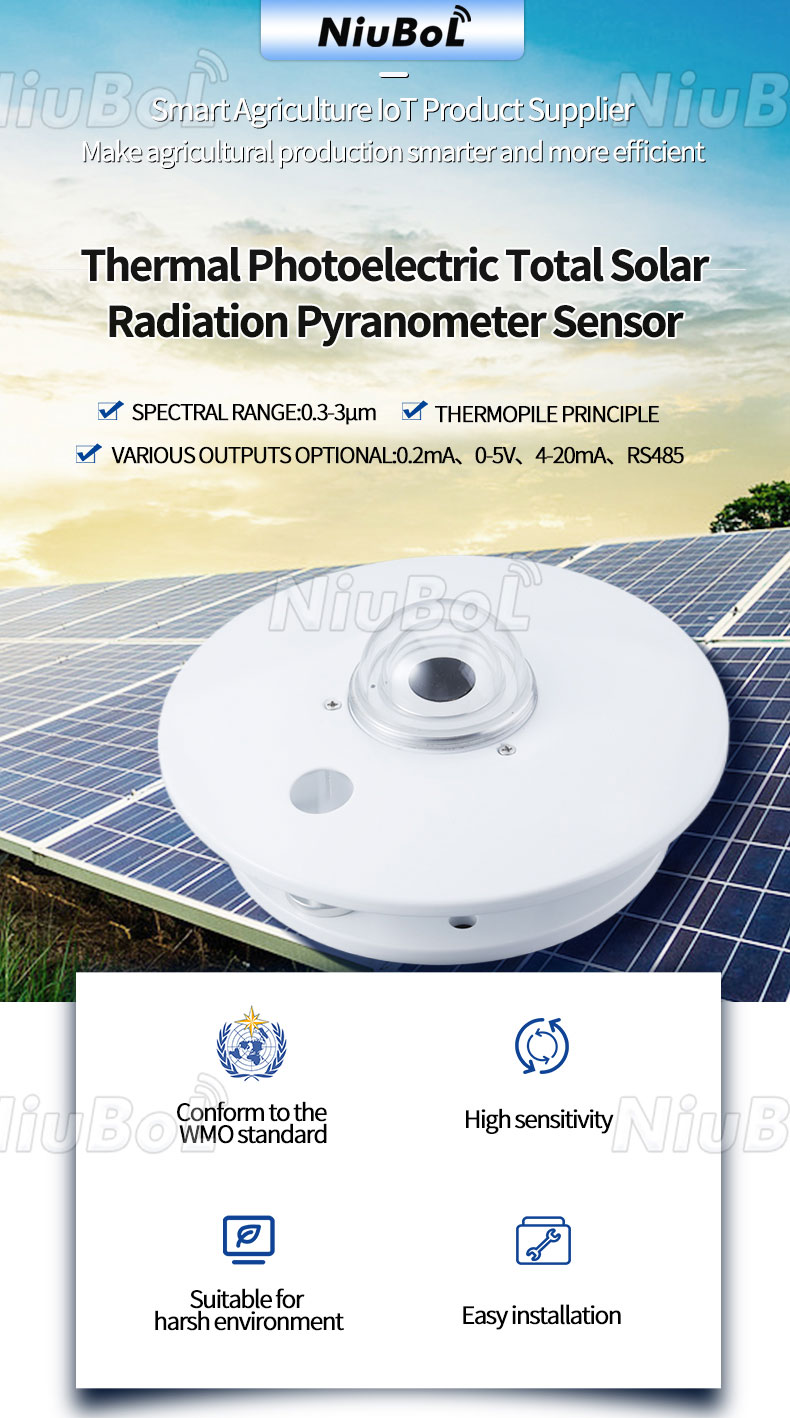
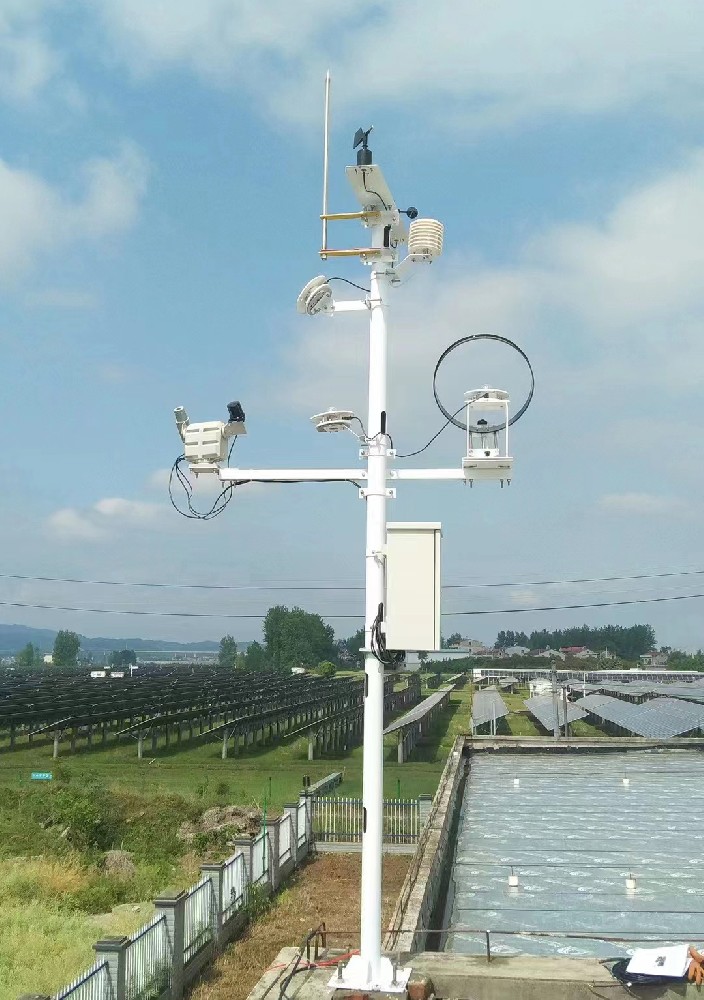
The NiuBoL photovoltaic power station environmental monitoring system can comprehensively cover key parameters affecting the operational efficiency and safety of photovoltaic power stations:
| Influencing Factors | Monitoring Indicators | Role/Influence | NiuBoL Recommended Products |
|---|---|---|---|
| Solar Energy Input | Tilted Total Radiation, Horizontal Total Radiation, Direct/Diffuse Solar Radiation, Sunshine Hours | Calculate theoretical power generation, PR value, assess shading/dust impact. | Total Solar Radiation Sensor (NBL-W-HPRS) / Photoelectric Total Radiation Meter (NBL-W-SRS) |
| Thermal Effects | Module Temperature, Ambient Temperature, Humidity | Module temperature directly affects power generation efficiency (higher temperature, lower efficiency). | PV Module Temperature Sensor (NBL-W-PPT) |
| Physical Effects | Wind Speed, Wind Direction | Affects module cooling (improves efficiency); high wind speed safety warnings; dust diffusion. | Wind Speed Sensor (NBL-W-SS) / Wind Direction Sensor (NBL-S-DS) |
| Surface Pollution | Dust Pollution Ratio (SR) | Assess module surface pollution degree, guide cleaning timing. | Dust Detection System (Soiling Sensor) |
| Other Meteorology | Air Pressure, Precipitation | Air pressure changes have minor impact on high-altitude module performance; precipitation affects cleaning. | Integrated Weather Station Sensors |
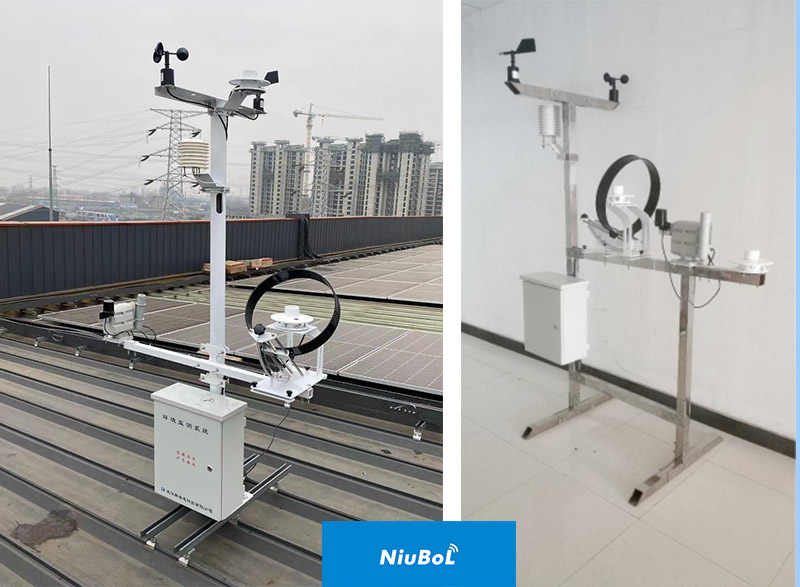
Recommended Products: NBL-W-HPRS (Thermopile Principle) / NBL-W-SRS (Photoelectric Principle)
Principle:
Thermopile Type (NBL-W-HPRS): Based on the thermopile effect. The sensing element consists of a thermopile coil plated with multiple contacts. When solar radiation hits the sensor, a temperature difference occurs between the cold and hot ends, generating a weak thermoelectromotive force proportional to the incident total solar radiation intensity. Thermopile has a wide spectral range (300-3000nm) and high precision.
Photoelectric Type (NBL-W-SRS): Uses high-precision photosensitive elements to measure photocurrent for radiation intensity. Its spectral range (300-1100nm) is closer to the response range of photovoltaic modules, lower cost, suitable for general monitoring.
Structure Analysis: The core photosensitive element is protected by a quartz glass dome precisely ground with optical cold processing, filtering UV rays while ensuring transmittance and reducing environmental interference.
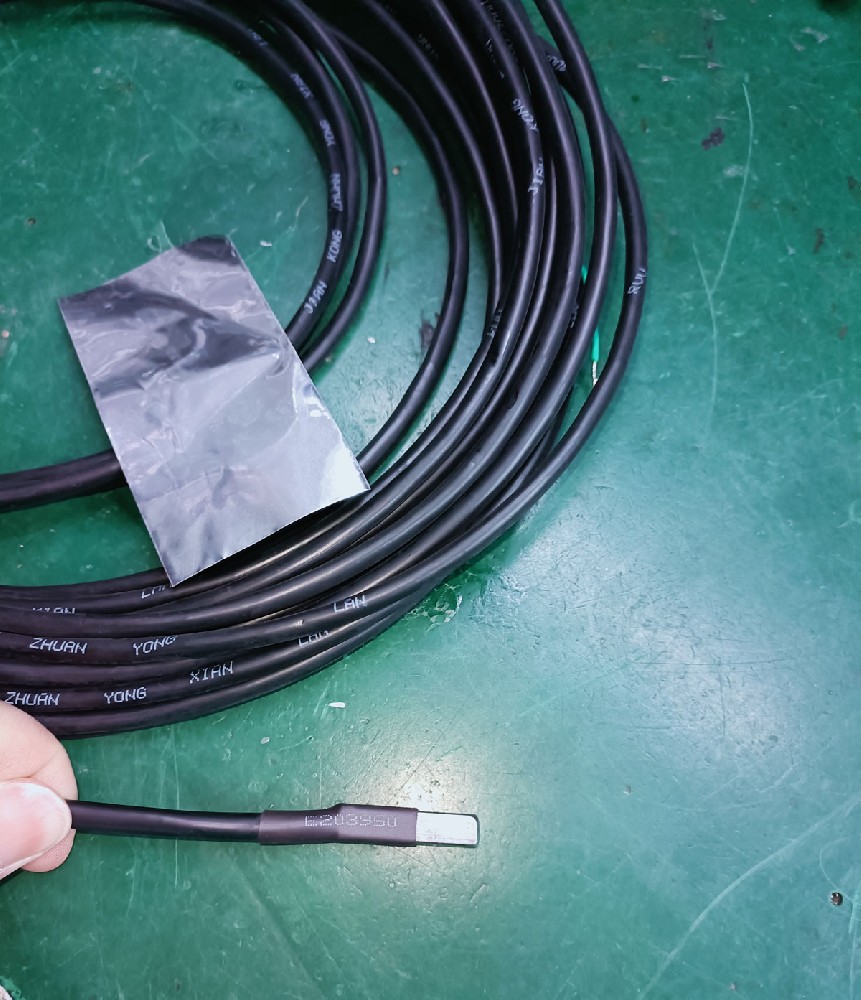
Recommended Product: NBL-W-PPT Patch Temperature Sensor
Principle: Uses high-precision thermistor or digital temperature probe. Thermistor resistance changes regularly with temperature. Changes are measured and converted to standard voltage or current signals via transmitter.
Role: Photovoltaic module peak power temperature coefficient is about −0.35%∼−0.50%/℃. Meaning every 1℃ rise reduces generation by about 0.50%. Accurate module temperature measurement allows temperature-corrected PR calculation, providing more realistic performance data.
Structure Features: Patch design, compact, easy installation, directly adhered to PV panel back for tight contact, high precision and stability.
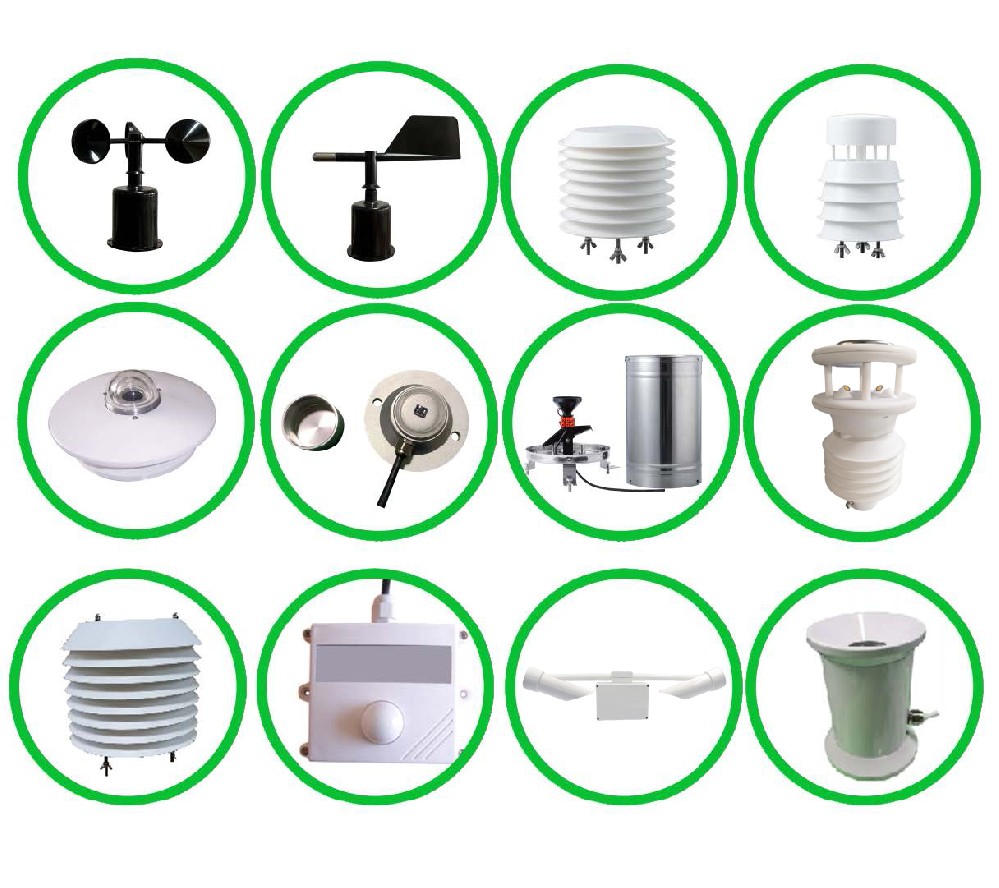
Recommended Products: Wind Speed Sensor (NBL-W-SS) / Wind Direction Sensor (NBL-S-DS)
Wind Speed (NBL-W-SS): Three-cup design. Cups rotate under wind, built-in unit converts speed to pulse or analog signals. Cups made of polycarbonate, high strength, low startup threshold.
Role: Wind removes module surface heat, cooling and improving high-temperature efficiency. High wind is safety hazard; monitoring aids equipment safety assessment.
Wind Direction (NBL-S-DS): Vane design with high-precision magnetic chip, outputs standard signals based on direction.
Structure Features: Internal circuits coated with three-proof paint for harsh environment reliability.
Recommended Product: Soiling Sensor
Principle: Uses blue light pollutant optical closed-loop measurement. System has two sensors/areas: one measures polluted glass transmittance, another clean state (or direct environmental radiation). Compares values to calculate pollutant ratio (SR), converting to real-time generation loss assessment.
Role: Dust is a major cause of generation loss. Real-time pollution ratio monitoring allows scientific cleaning timing, avoiding excessive pollution losses or wasteful experience-based cleaning costs.
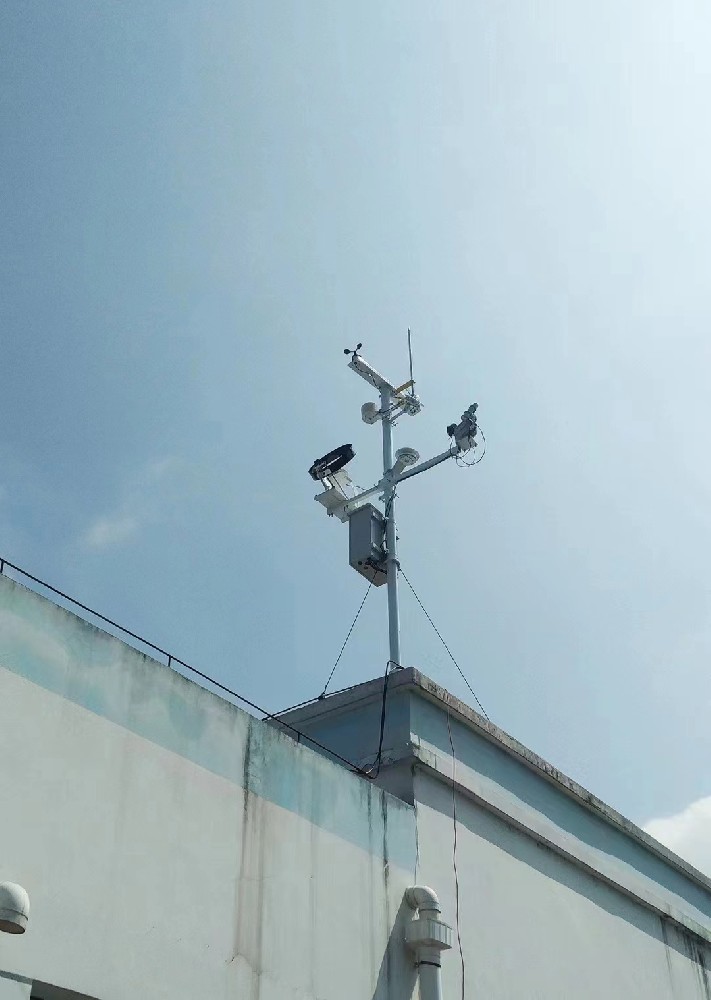
The NiuBoL system, with its excellent design and performance, provides reliable assurance for photovoltaic power station operations and maintenance:
Flexible Multi-Element Matching: Observation elements can be flexibly adjusted based on station scale, location, and user needs for customized solutions.
High Precision and Stability: Sensor cores use high-precision design with temperature compensation for long-term data accuracy.
Reliable Three-Proof Design:
Protection level reaches IP65, effective dust and waterproof.
Uses stainless steel light metal brackets and field protection boxes, beautiful, corrosion-resistant, anti-interference.
Complete lightning protection, anti-interference measures for long-term stable operation in harsh outdoor environments.
Multiple Power Supply Compatibility: Supports AC/DC dual use, optional solar battery for unattended continuous monitoring in remote or power-outage areas.
Q1: Why measure both tilted total radiation and horizontal total radiation in solar radiation monitoring?
A: Horizontal total radiation is benchmark data for local solar resource potential, used in meteorological analysis. Tilted total radiation (at actual module installation angle) is the energy input actually received by modules, most critical for calculating theoretical output and PR. Comparison helps analyze if installation angle is reasonable or if there's local shading.
Q2: How does high temperature affect photovoltaic power station generation efficiency?
A: Photovoltaic module efficiency is negatively correlated with temperature due to semiconductor properties (e.g., silicon): higher temperature reduces open-circuit voltage. Most modules have peak power temperature coefficient of about -0.5%/℃. For example, a station rated 100kW at 25℃ may drop to ≈87.5kW at 50℃ module temperature. Accurate module temperature monitoring is crucial for assessing actual performance loss.
Q3: What are the advantages of the NiuBoL dust detection system? Can it directly replace cleaning operations?
A: Advantages lie in providing quantified pollution data (ratio/generation loss). It cannot replace cleaning but guides it. Traditional O&M may rely on experience or fixed cycles, while the dust detection system informs when pollution reaches a threshold (e.g., 5% loss) for cleaning. This avoids premature cleaning costs and delayed cleaning losses, maximizing benefits.
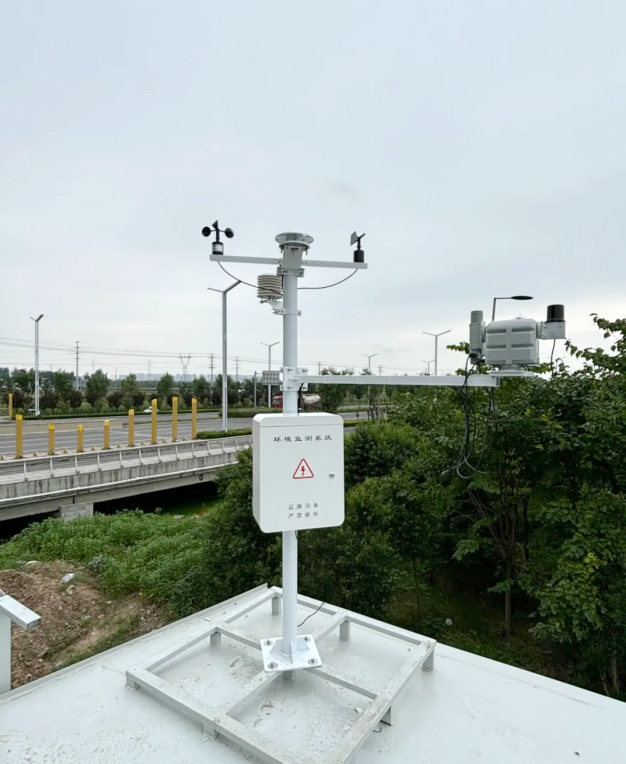
In the era of grid parity for photovoltaics, every kilowatt-hour matters. The NiuBoL photovoltaic power station environmental monitoring system provides operators with a powerful tool to shift from "extensive O&M" to "precise O&M." Precise meteorological data is key for tracking, evaluating, and controlling station performance, as well as ensuring and improving power output.
Choose NiuBoL, with high-precision, high-reliability meteorological monitoring sensors, your photovoltaic power station will:
More accurately calculate Performance Ratio (PR) for scientific management. Faster locate fault causes, shorten downtime. More reasonably schedule cleaning and maintenance, reduce O&M costs.
NiuBoL is committed to professional products and technology to help your photovoltaic power station achieve long-term, efficient, and stable operation, continuously improving operational benefits.
Prev:Soil Moisture Monitoring Station Principle, Application, Manufacturer Advantages
Next:New Tool for Precision Agricultural Monitoring: Leaf Wetness Sensor
Related recommendations
Sensors & Weather Stations Catalog
 Agriculture Sensors and Weather Stations Catalog-NiuBoL.pdf
Weather Stations Catalog-NiuBoL.pdf
Agriculture Sensors Catalog-NiuBoL.pdf
Water Quality Sensor Catalog-NiuBoL.pdf
Related products
 Combined air temperature and relative humidity sensor
 TDR Soil Moisture & Temperature Sensor for irrigation| RS485 |4-20mA| NBL-S-THR
 Soil pH sensor RS485 soil Testing instrument soil ph meter for agriculture |NBL-S-PH
 Wind Speed sensor Output Modbus/RS485/Analog/0-5V/4-20mA
 Tipping bucket rain gauge for weather monitoring auto rainfall sensor RS485/Outdoor/stainless steel
 Pyranometer Solar Radiation Sensor 4-20mA/RS485

Screenshot, WhatsApp to identify the QR code
WhatsApp number:+8615367865107
(Click on WhatsApp to copy and add friends)

