





— Blogs —
—Products—
 Consumer hotline +8618073152920
 WhatsApp:+8615367865107
Address:Room 102, District D, Houhu Industrial Park, Yuelu District, Changsha City, Hunan Province, China
Product knowledge
Time:2025-12-16 17:46:54 Popularity:883
The illuminance sensor (Illuminance Sensor) is a device used to measure ambient light intensity or lighting levels. It quantifies human eye perception of light and converts optical signals into measurable electrical signals. The international unit of illuminance is lux (Lux), representing the luminous flux received per unit area.
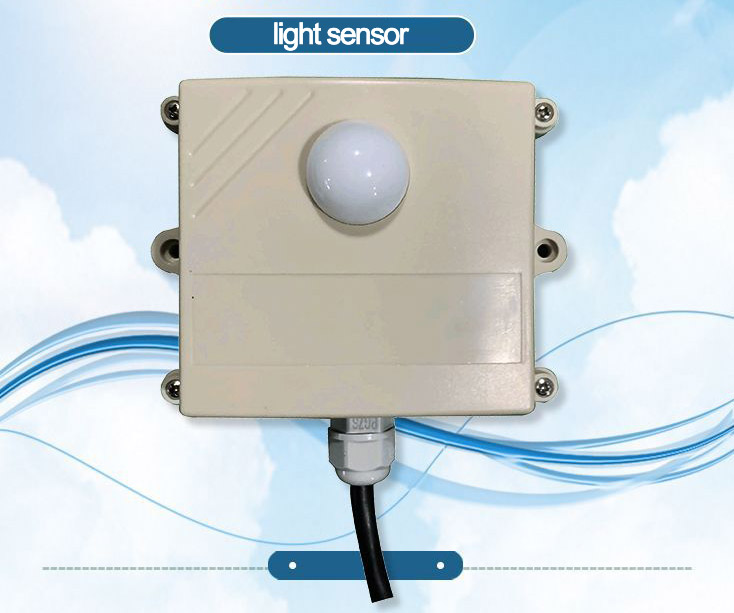
The core of the illuminance sensor is the photoelectric conversion effect, particularly based on the photovoltaic detector (such as silicon blue photovoltaic detector) working principle:
Photoelectric Effect: The key component inside the sensor is a high-sensitivity photocell (photodiode or photoresistor). When light irradiates the photocell surface, photon energy excites electrons in the semiconductor material, generating photovoltage or photocurrent.
Signal Conversion: The generated potential difference or current intensity is proportional to the incident light intensity.
Amplification and Output: The built-in circuit of the sensor amplifies and processes this weak electrical signal, converting it according to the design into standard digital signals (such as RS485) or analog signals (such as 0-5V or 4-20mA) for external devices to measure, record, and control.
A standard illuminance sensor typically consists of the following key parts:
Photosensitive Element: Uses silicon blue photovoltaic detector for photoelectric conversion.
Optical Filter/Lens: To make the sensor's response curve to different wavelengths as close as possible to the human eye, specific optical filters are used. The NiuBoL NBL-W-LUX wavelength range is 380 nm-730 nm, covering the human visible light range.
Signal Processing Circuit: Includes amplifiers, temperature compensation circuits, and analog-to-digital converters to ensure stable and linear electrical signal output under different environmental conditions.
Housing: Features waterproof sealing performance, suitable for various harsh outdoor or indoor environments.
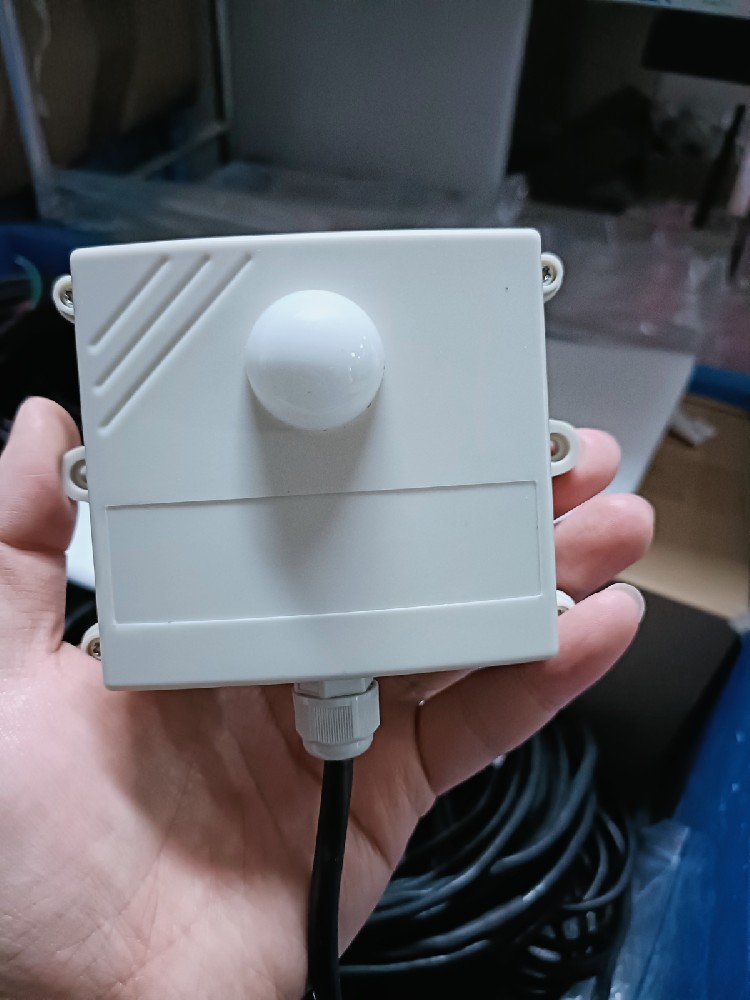
The NiuBoL illuminance sensor (NBL-W-LUX) is designed to provide high sensitivity and wide measurement range to meet diverse industrial and agricultural application needs:
High Sensitivity: Capable of precisely detecting weak light sources, meeting monitoring needs in nighttime lighting or low-light environments.
Wide Measurement Range: Features a super-wide 0-200000 Lux range, covering various lighting conditions from indoor lighting to direct strong sunlight.
High Linearity and Good Waterproof Performance: Ensures accuracy and reliability of measurement results, suitable for various harsh environments.
Multiple Output Forms: Supports current (4-20mA), voltage (0-5V), and RS485 outputs, facilitating integration into different control and monitoring systems.
When selecting an illuminance sensor, key technical parameters determine its applicability and performance.
| Parameter Name | NBL-W-LUX Parameter Range | Significance and Influencing Factors |
|---|---|---|
| Measurement Range | 0-200000 Lux | Upper and lower limits of light intensity the sensor can measure. This range is suitable for outdoor strong light. |
| Wavelength Range | 380 nm - 730 nm | Spectral range the sensor responds to, highly matching the human visible light range. |
| Accuracy | ±7% | Error range between measurement results and true illuminance. Influenced by ambient temperature, spectrum, etc. |
| Resolution | 0.01-1 Lux or higher (depending on model) | Minimum change in light intensity the sensor can measure. |
| Output Forms | Current (4-20mA), Voltage (0-5V), RS485 | Signal transmission methods. RS485 suitable for long-distance transmission and anti-interference. |
| Operating Temperature | -10℃ – 70℃ | Ambient temperature range for normal sensor operation. |
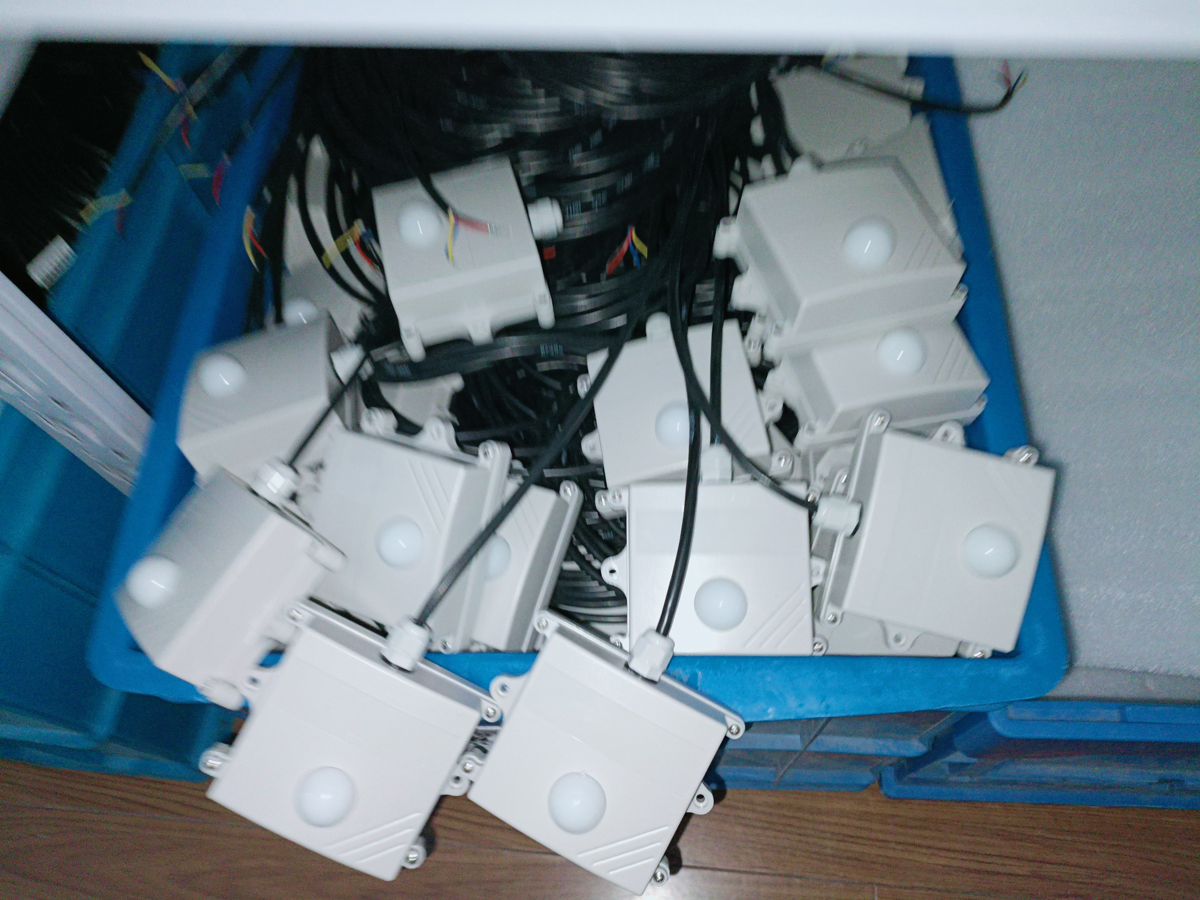
Illuminance sensors are not just for measuring light; they are key components for achieving system intelligence, energy saving, and optimization.
In agriculture, illuminance is an important factor affecting crop yield.
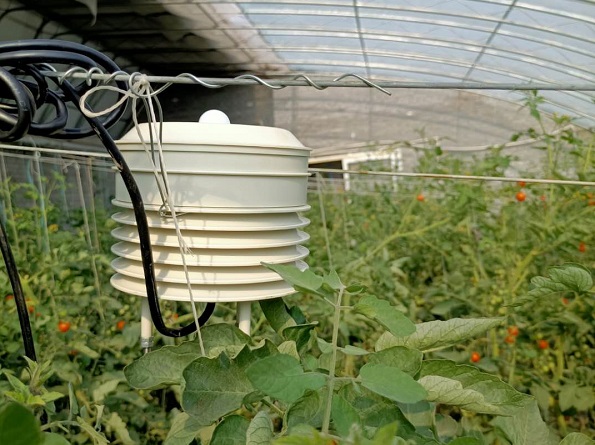
Greenhouse Environment Control: The sensor monitors greenhouse light intensity in real time and automatically controls supplementary lighting or shading systems. Turns on supplementary lights when intensity is insufficient and activates shading when too high, ensuring optimal photosynthesis range.
Photosynthesis Research: Precisely measures light intensity on plant leaves to study photosynthesis processes and light saturation points, helping researchers optimize planting schemes and variety selection.
Using illuminance sensors achieves energy savings and improved environmental comfort.
Building Lighting Automatic Adjustment: In areas near windows, the sensor measures natural light intensity. When natural light is sufficient, the system automatically dims or turns off indoor lights, achieving daylight harvesting and significant energy savings.
Urban Street Light Control: The sensor monitors outdoor light changes (e.g., dusk or dawn) to automatically control street light on/off and brightness, avoiding unnecessary lighting waste, especially suitable for urban lighting and smart street light management.
Solar Panel Optimization: Measures light intensity on solar panels to evaluate actual conversion efficiency, optimize tracking systems, and calculate theoretical power output, improving overall photovoltaic system benefits.
Driving Safety: In automotive applications, illuminance sensors measure interior/exterior light intensity to automatically adjust dashboard brightness, central control screen, or headlights on/off, enhancing driving safety and comfort.
To ensure long-term accuracy and reliability of illuminance sensors, proper installation and regular maintenance are crucial.
Select Installation Location: The sensor should be installed in a representative, unobstructed position to ensure received light represents the monitored area's intensity.
Fixing and Leveling: The sensor should be fixed on a horizontal surface (e.g., wall or ceiling) to avoid tilt affecting measurement angle and accuracy.
Avoid Interference Sources: Keep the sensor away from other high-intensity light sources (e.g., supplementary lights, strong spotlights) or equipment that may cause electromagnetic interference.
Regular Calibration: Photoelectric elements may slightly age over time, affecting accuracy. Calibrate annually using a known standard illuminance meter to ensure measurement precision.
Routine Cleaning: Regularly clean the sensor's protective cover or lens to remove dust, water stains, or impurities, as these can block light entry and affect accuracy.
Check Wiring: Regularly inspect power and signal lines for good connections, especially RS485 or current/voltage output lines, to avoid signal attenuation or errors due to poor contact.
Q1: What is the difference between an illuminance sensor and a solar radiation sensor?
A:
Illuminance Sensor (Lux): Measures luminous flux density in the human visible light range, with spectral response corrected to simulate human visual characteristics. Unit is Lux, mainly used for lighting, photography, and agricultural visible light control.
Solar Radiation Sensor (W/m²): Measures energy density across the full spectrum (usually including UV, visible, IR), i.e., irradiance. Unit is W/m², mainly used for energy (photovoltaic, solar thermal) and meteorological research.
The two have different focuses and application fields but both reflect light intensity information.
Q2: What are the advantages of RS485 output in NiuBoL sensors?
A: RS485 is an industrial-grade communication standard with main advantages:
Long-Distance Transmission: Achieves stable data transmission up to hundreds of meters, ideal for dispersed outdoor applications like agricultural greenhouses and meteorological stations.
Strong Anti-Interference: Uses differential signal transmission to effectively suppress electromagnetic interference and common-mode noise, ensuring data reliability in complex industrial environments.
Multi-Point Networking: Allows multiple sensors on one bus, simplifying wiring and system architecture.
Q3: What is the specific impact of light intensity on agricultural crop yield?
A: Light intensity affects crop yield through photosynthesis rate:
Insufficient Light: Low photosynthesis rate, less organic matter accumulation, slow growth, low yield.
Appropriate Light: Photosynthesis reaches light saturation point, vigorous growth, highest yield.
Excessive Light: Beyond saturation point, photosynthesis no longer increases; may cause stomatal closure, "photoinhibition," or leaf burn, reducing efficiency and yield.
Therefore, precise illuminance monitoring is key to greenhouse control.
As the "eye of light" in environmental monitoring systems, illuminance sensors are the cornerstone for achieving intelligence and energy optimization. The NiuBoL NBL-W-LUX illuminance sensor, with its high sensitivity, wide range, and multi-output compatibility, plays an irreplaceable role in agriculture, architecture, and meteorology.
Through proper selection, installation, and maintenance of illuminance sensors, we can obtain precise and reliable light data, achieving on-demand lighting adjustment, optimal agricultural production control, and maximum energy conversion efficiency.
NiuBoL is committed to providing excellent illuminance monitoring solutions to help your systems achieve higher efficiency and more precise control.
Related recommendations
Sensors & Weather Stations Catalog
 Agriculture Sensors and Weather Stations Catalog-NiuBoL.pdf
Weather Stations Catalog-NiuBoL.pdf
Agriculture Sensors Catalog-NiuBoL.pdf
Water Quality Sensor Catalog-NiuBoL.pdf
Related products
 Combined air temperature and relative humidity sensor
 TDR Soil Moisture & Temperature Sensor for irrigation| RS485 |4-20mA| NBL-S-THR
 Soil pH sensor RS485 soil Testing instrument soil ph meter for agriculture |NBL-S-PH
 Wind Speed sensor Output Modbus/RS485/Analog/0-5V/4-20mA
 Tipping bucket rain gauge for weather monitoring auto rainfall sensor RS485/Outdoor/stainless steel
 Pyranometer Solar Radiation Sensor 4-20mA/RS485

Screenshot, WhatsApp to identify the QR code
WhatsApp number:+8615367865107
(Click on WhatsApp to copy and add friends)

