





— Blogs —
—Products—
 Consumer hotline +8618073152920
 WhatsApp:+8615367865107
Address:Room 102, District D, Houhu Industrial Park, Yuelu District, Changsha City, Hunan Province, China
Product knowledge
Time:2026-03-04 10:09:14 Popularity:550
An agricultural environmental monitoring station can measure several quantities and calculate others, but the resulting channels are not equivalent evidence. Temperature, rainfall and soil water content are observations from identified instruments; heat accumulation or a crop-risk index depends on an additional method. Before using those outputs for farm decisions, identify the inputs, assumptions and conditions under which each result is valid.
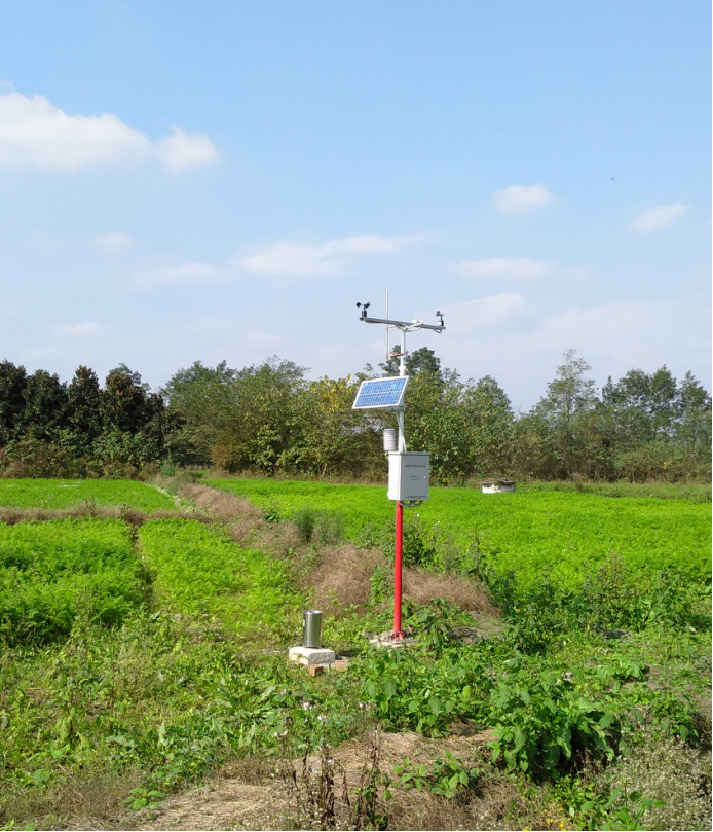
A useful equipment enquiry separates measured quantities, calculated indicators and management recommendations. This avoids buying a station on the assumption that every dashboard value has a dedicated sensor or that every calculated result is already validated for the crop. The distinction also establishes what must be checked when software changes.
| Output type | Examples | What establishes its meaning |
|---|---|---|
| Measured channel | Air temperature, rainfall, soil moisture, conductivity | Instrument, location, calibration, unit and observation time |
| Calculated environmental indicator | Dew point, heat accumulation, reference evapotranspiration | Input observations, calculation method, period and quality rules |
| Crop interpretation | Development estimate, disease-risk category, root-zone assessment | Crop-specific model, field conditions and local validation |
| Management action | Irrigation, ventilation or another intervention | Operating strategy, constraints, controller and responsible decision process |
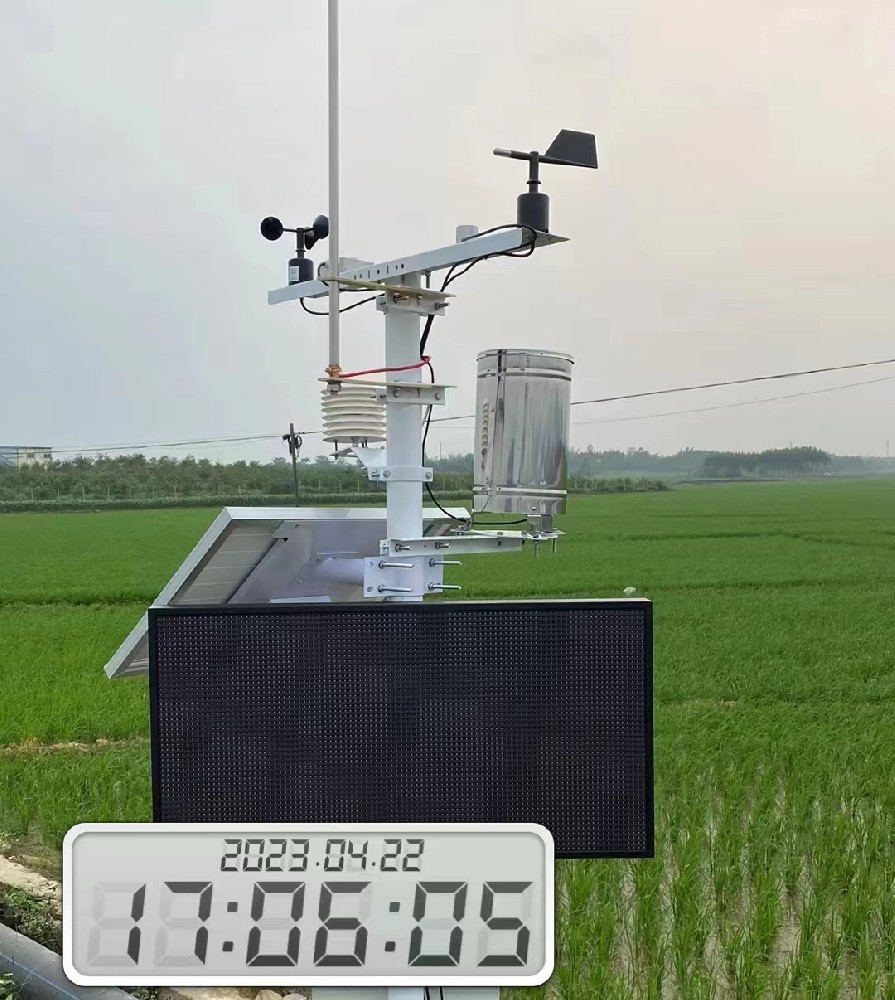
A logger may acquire readings while a server calculates daily results. Another system may calculate them locally. Establish which device owns the algorithm, how its settings are retained and what happens during an internet interruption. A sensor-side RS485 Modbus RTU interface does not establish either architecture by itself.
For an agricultural research station, retaining input records allows a calculation to be checked later. For an operational greenhouse, the controller may also need a current local input even when a dashboard is unavailable. Treat those requirements separately rather than assuming that a common display makes every function independent of the network.
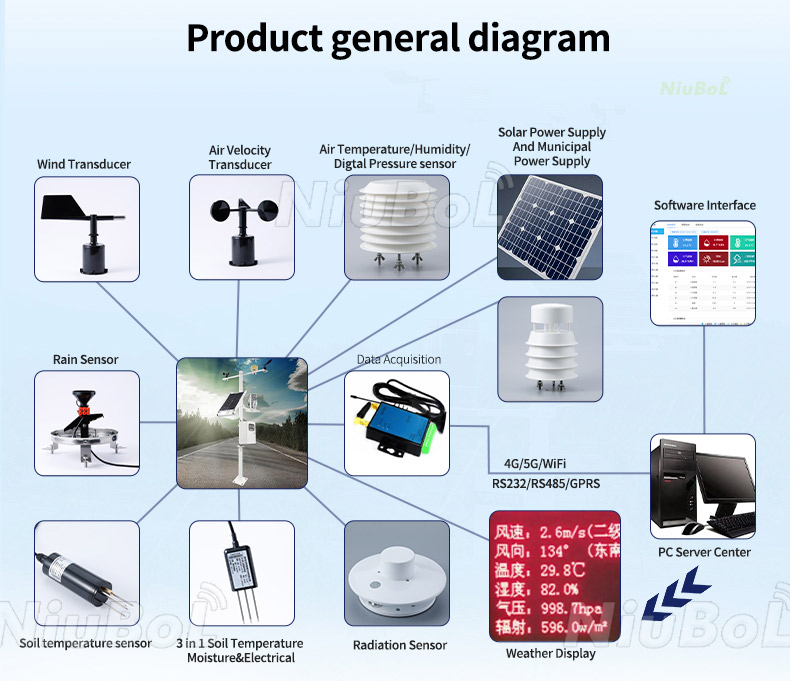
Growing degree days are calculated indicators, not another temperature sensor output. The base temperature, start date, daily boundary and upper or lower adjustments can change the result. University of Florida degree-day guidance distinguishes a simple daily-mean method from modified calculations that apply temperature limits.
For a simplified example, assume a daily maximum of 26 C, minimum of 14 C and an agreed base of 10 C, with no additional adjustments. The daily mean is 20 C and the result is 10 C-days. That base is an illustrative setting, not a recommendation for every crop or pest. A different method can produce a different accumulated total from the same weather history.
Do not present an accumulation as observed crop maturity. Variety, stress and field conditions can affect development. If staff change the base or start date halfway through a season, retain the previous settings and recalculate the relevant history deliberately rather than joining incompatible totals into one trend.
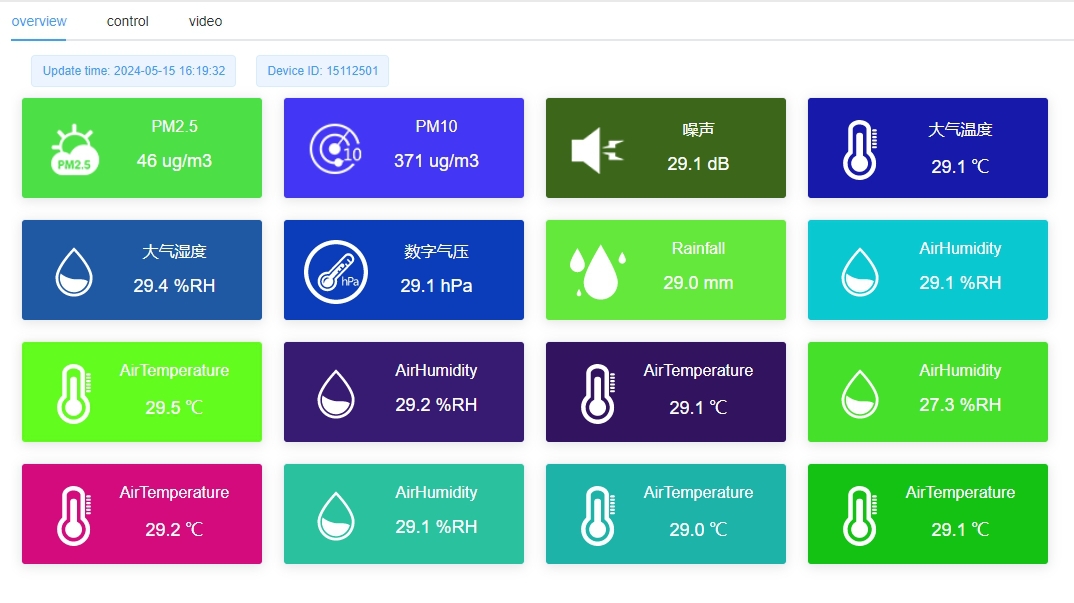
A moisture probe estimates water content around its sensing volume. Water potential describes a different property. A conversion between them requires a suitable soil-water relationship and its assumptions; one built-in curve cannot be transferred unquestioned between sand, clay, compacted soil and different wetting histories.
University of Florida soil-water guidance separates water-content and tension measurements. If a project specifically needs tension, assess a suitable measurement method rather than adding a software label to a VWC channel. Keep calculated estimates distinct from directly acquired quantities.
Conductivity has a similar interpretation boundary. EC may help track conductive conditions, but it does not independently identify individual nutrient concentrations or generate a complete fertilizer prescription. A combined atmospheric and soil station needs those distinctions even when all values arrive through the same logger.
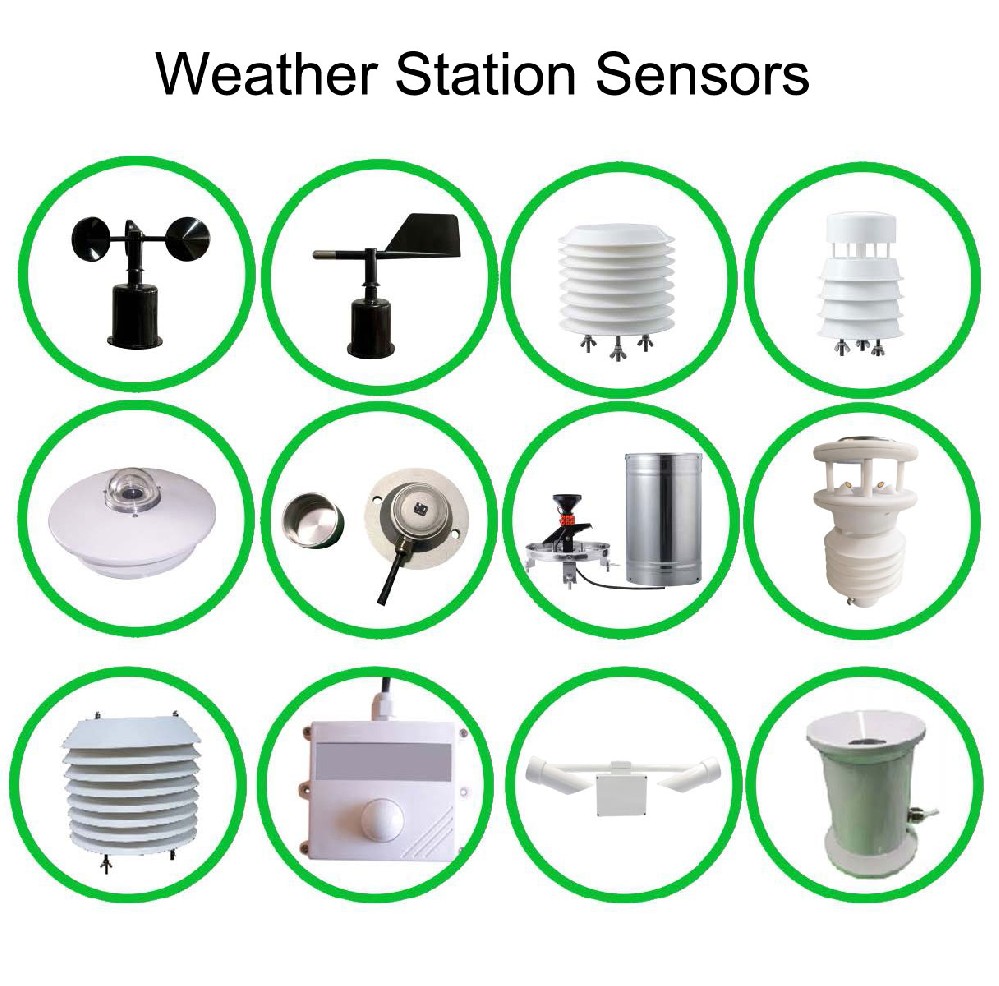
| Measured input example | Technical parameters | Derived-output limitation |
|---|---|---|
| NBL-W-LBTH air temperature and humidity | Temperature -40 to 80 C, ±0.5 C; RH 0-100%, ±5%RH | Calculated atmospheric indicators retain input uncertainty |
| NBL-W-LBTH pressure and interface | 10-1200 hPa, ±1.5 hPa; 12-24 VDC; RS485 Modbus RTU version | Pressure does not supply a missing light or soil channel |
| NBL-S-TM soil inputs | FDR volumetric moisture 0-100%, stated accuracy ±5%; temperature -40 to 80 C, ±0.5 C; IP68 | No direct soil tension or nutrient measurement |
| NBL-S-TM acquisition | RS485 Modbus RTU; 5-24 VDC or 12-24 VDC by configuration | Confirm output interpretation and supplied power version |
| NBL-W-SS / NBL-W-DS | Separate wind speed and direction instruments; IP65 | Wind-derived calculations also require appropriate exposure and time definitions |
The NBL-W-LBTH and NBL-S-TM supply the listed observations. They do not guarantee that a particular logger includes every calculation discussed here. Power, cable jacket, data retention and communications need to be specified for the selected station configuration.
Reference evapotranspiration is another calculated result with a defined input set. The separate ET0 input guide addresses radiation quantities and wind-height checks. Avoid treating that reference estimate as either measured crop water use or an automatic irrigation command.
Dew point can be calculated from suitable temperature and humidity observations, but a dew-point value alone does not prove that a leaf surface is wet. Surface temperature, radiative cooling and local canopy conditions matter. A disease model requiring leaf-wetness duration needs the specified input or a separately validated estimation method.
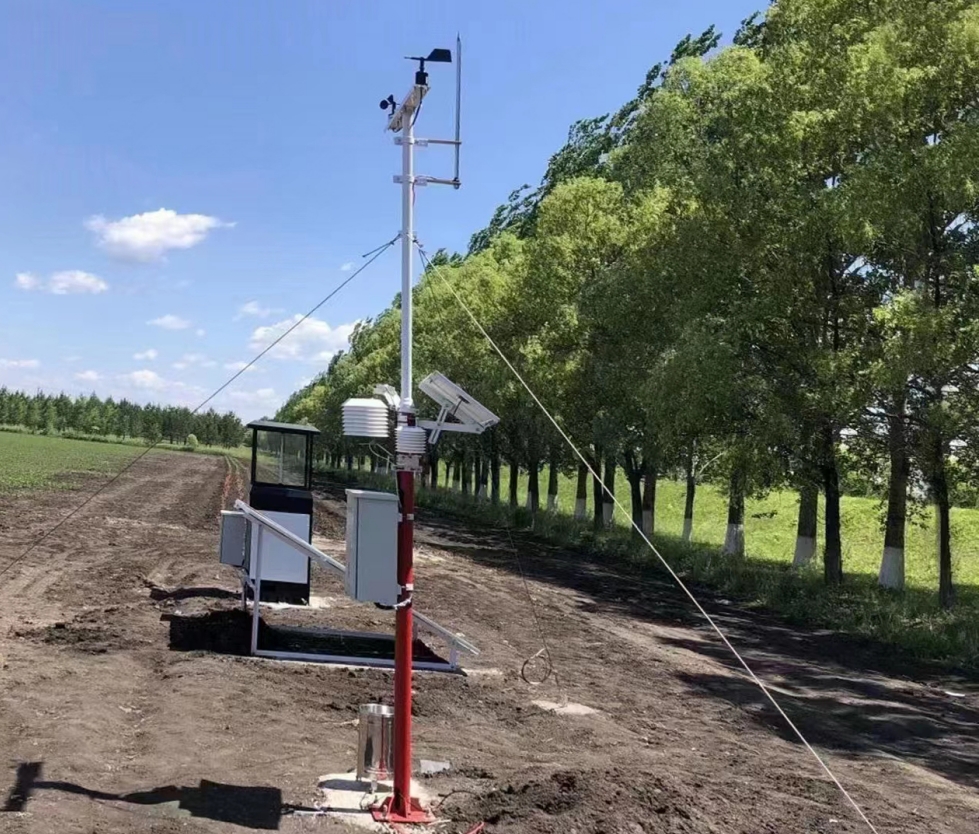
For greenhouse projects, confirm whether an indicator uses indoor or outdoor observations. An external weather head may provide useful context without representing a closed compartment. Mixing outdoor humidity with indoor temperature in a calculation can produce a value that describes neither measured air mass.
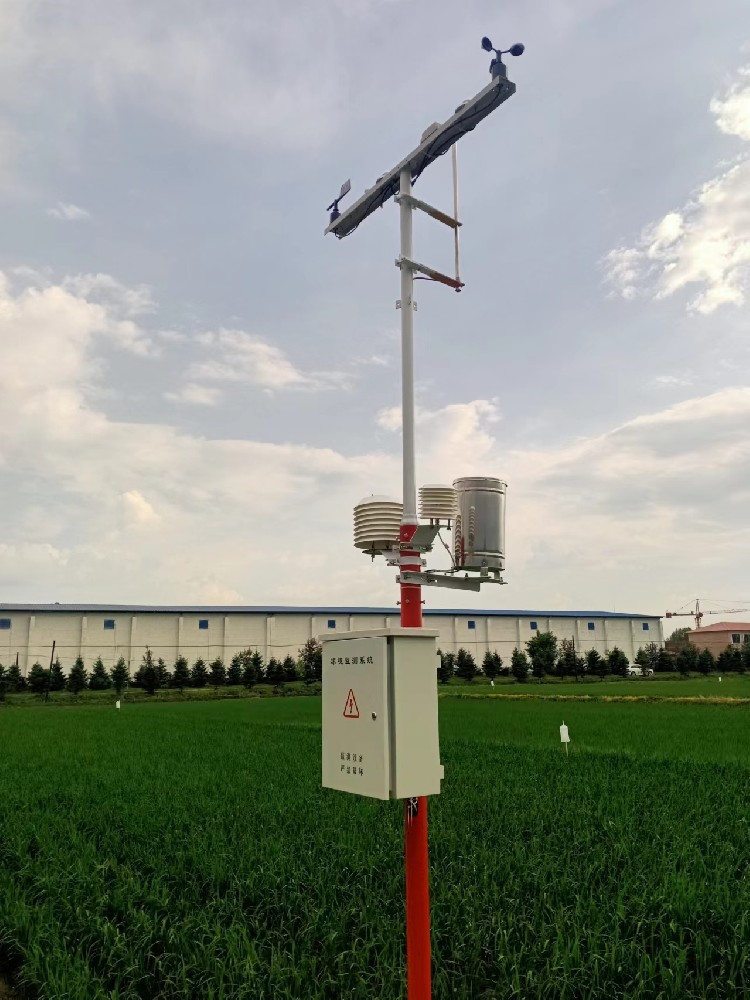
For open-field crops, a weather station may support a regional or block-level model, while the soil instruments represent installed local points. A common timestamp does not make those sensing volumes identical. Record the spatial relationship when evaluating whether a combined indicator suits the decision.
Agree acceptance around the calculation and intended use rather than a generic promise of high accuracy. A programme that reproduces its formula can still use an unsuitable crop model. Conversely, a disagreement caused by different daily boundaries is not evidence that the underlying temperature sensor failed.
Ask the supplier to separate measured-channel hardware, calculation software and any control integration in the quotation. Send NiuBoL the required outputs, crop or research task, input locations and receiving platform. Optional capabilities should have a named method and a demonstrable output, not simply an extra item on a feature list.
Only when the added observations meet the model's actual needs and are installed appropriately. Reliability depends on input quality, method suitability and interpretation. Extra channels that are unrelated to the decision do not validate a crop recommendation.
Not through a universally valid conversion. Any estimate requires an appropriate soil-water relationship and documented assumptions. If the project needs measured tension or potential, specify a suitable instrument and method rather than relabelling water content.
Check base temperature, upper or lower adjustments, daily aggregation, start date and missing-data handling. Different settings can create different totals from the same sensor records. Compare the calculation definitions before attributing the difference to hardware accuracy.
Only under the chosen method's acceptable estimation or missing-data rules. The result should identify that condition. Quietly carrying forward an old input can create an apparently current output that no longer represents the observation period.
No. Environmental suitability and observed infection are different evidence. Use the model for its stated crop and conditions, retain scouting and avoid describing a risk category as a direct pathogen measurement.
Request the required inputs, method, settings, execution location and sample output with its time and validity information. Include an independent calculation and interruption test in the proposed checks. Confirm which software functions and ongoing services are included.
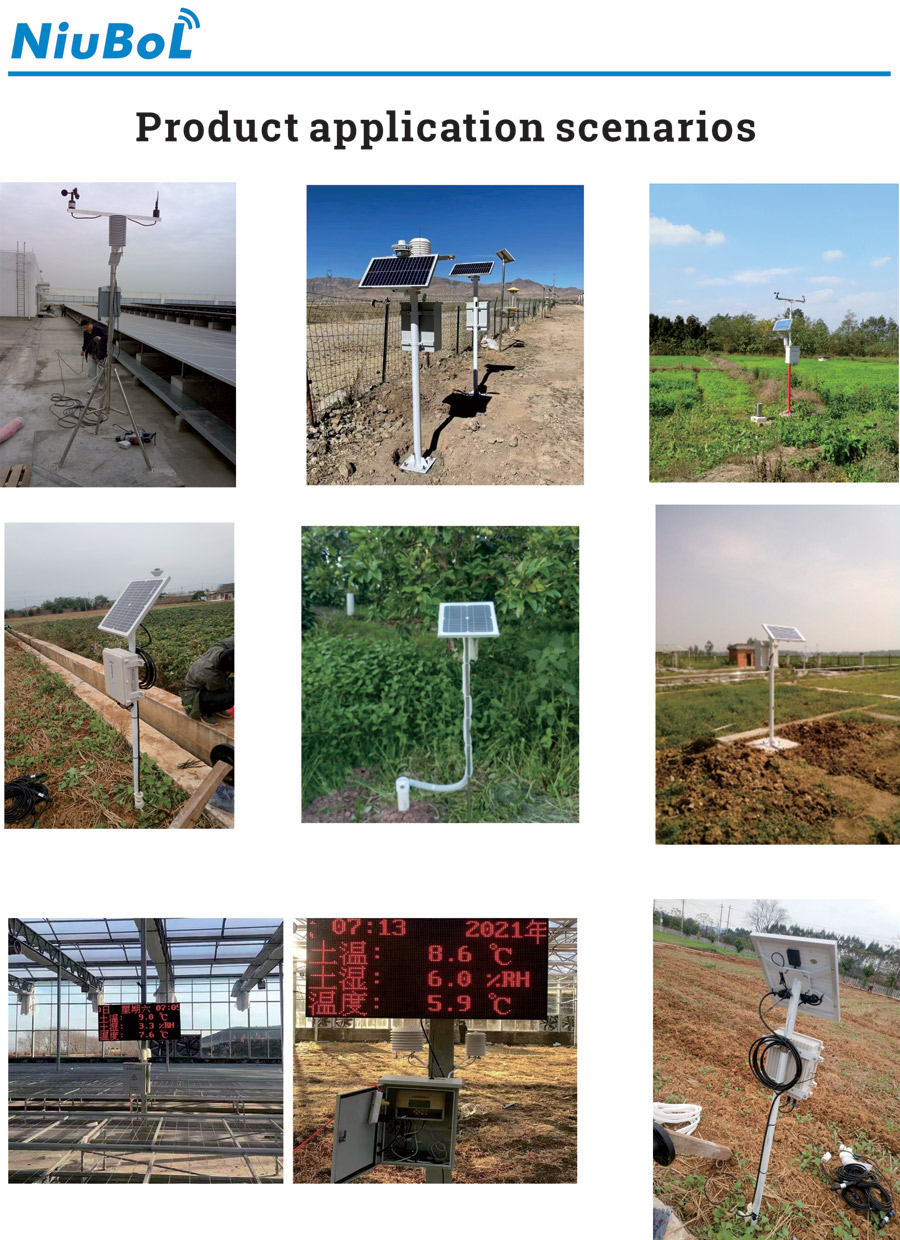
A combined farm station is useful when measured channels and calculated indicators remain distinguishable. Keep input records, name the calculation method and test incomplete-data behaviour. Select the instruments for the actual observation task, then evaluate crop interpretations separately instead of assuming that integration alone makes every dashboard output actionable.
Prev:Soil Moisture Monitoring System: Size Polling, Storage and Network Traffic
Next:Agricultural Weather Monitoring System: Response Time vs Reporting Interval
Related recommendations
Sensors & Weather Stations Catalog
 Agriculture Sensors and Weather Stations Catalog-NiuBoL.pdf
Weather Stations Catalog-NiuBoL.pdf
Agriculture Sensors Catalog-NiuBoL.pdf
Water Quality Sensor Catalog-NiuBoL.pdf
Related products
 Combined air temperature and relative humidity sensor
 TDR Soil Moisture & Temperature Sensor for irrigation| RS485 |4-20mA| NBL-S-THR
 Soil pH sensor RS485 soil Testing instrument soil ph meter for agriculture |NBL-S-PH
 Wind Speed sensor Output Modbus/RS485/Analog/0-5V/4-20mA
 Tipping bucket rain gauge for weather monitoring auto rainfall sensor RS485/Outdoor/stainless steel
 Pyranometer Solar Radiation Sensor 4-20mA/RS485

Screenshot, WhatsApp to identify the QR code
WhatsApp number:+8615367865107
(Click on WhatsApp to copy and add friends)

