





— Blogs —
—Products—
 Consumer hotline +8618073152920
 WhatsApp:+8615367865107
Address:Room 102, District D, Houhu Industrial Park, Yuelu District, Changsha City, Hunan Province, China
Product knowledge
Time:2026-03-04 10:03:03 Popularity:807
A soil moisture monitoring system needs separate acquisition, recording and upload schedules. Reading every probe frequently does not require transmitting every reading immediately, and a long reporting interval does not prove that observations were stored between reports. Size the field bus, memory and communications from a defined record format and operating cycle before expanding the network.
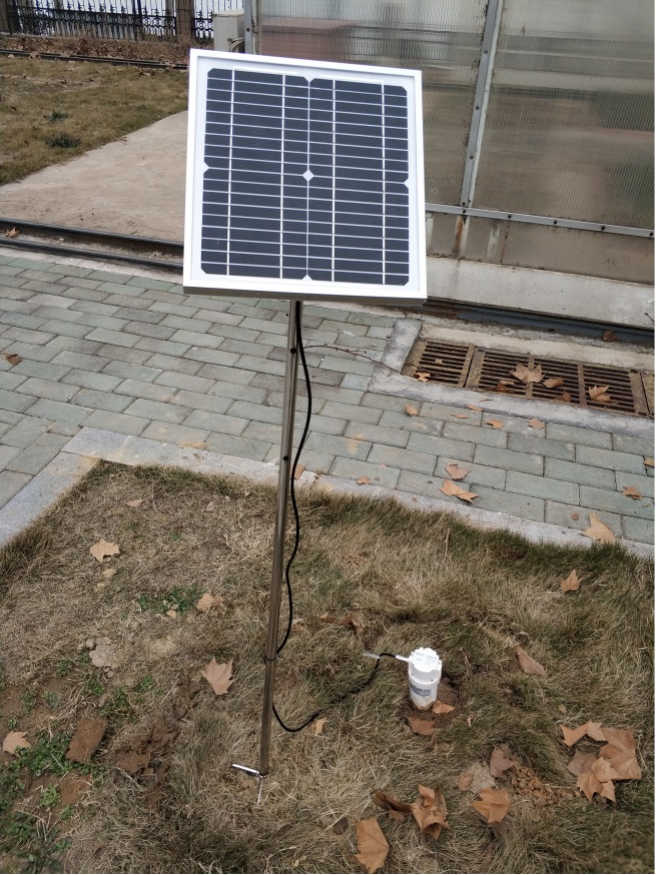
A profile with four depths and two quantities at each depth contains eight measurement channels. It may use one digital device address, not eight. Several separate probes can produce a similar channel count but require more addresses, wiring and responses. Start with the actual equipment map rather than the number of dashboard tiles.
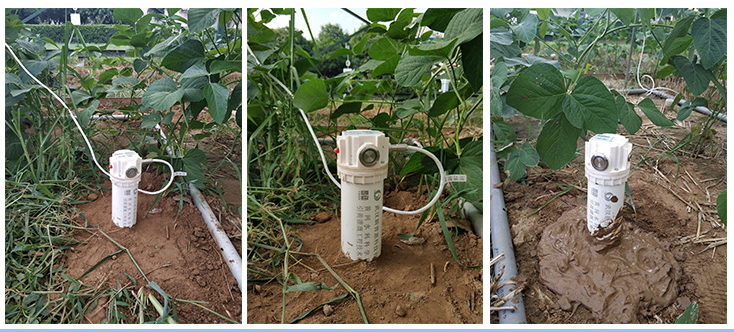
The NiuBoL NBL-S-TMSMS combines multi-depth moisture and temperature sensing. Specify the ordered nodes and communication version, then obtain its register definitions. A general layer count does not establish how many registers can be read together or whether each quantity has the same update time.
| Schedule | What occurs | What to specify |
|---|---|---|
| Acquisition | The sensor or logger obtains an observation | Wake time, settling time and complete polling cycle |
| Recording | An identified observation is retained | Record interval, timestamp, channel status and local capacity |
| Reporting | The retained data or a summary is transmitted | Upload interval, payload and recovery after interruption |
A node can, for example, record at one interval and transmit a group of records less often if its supplied logger supports that behaviour. Do not infer local storage from a cellular connection or assume that a daily summary retains every underlying observation. Decide which records the project needs to recover after a fault.
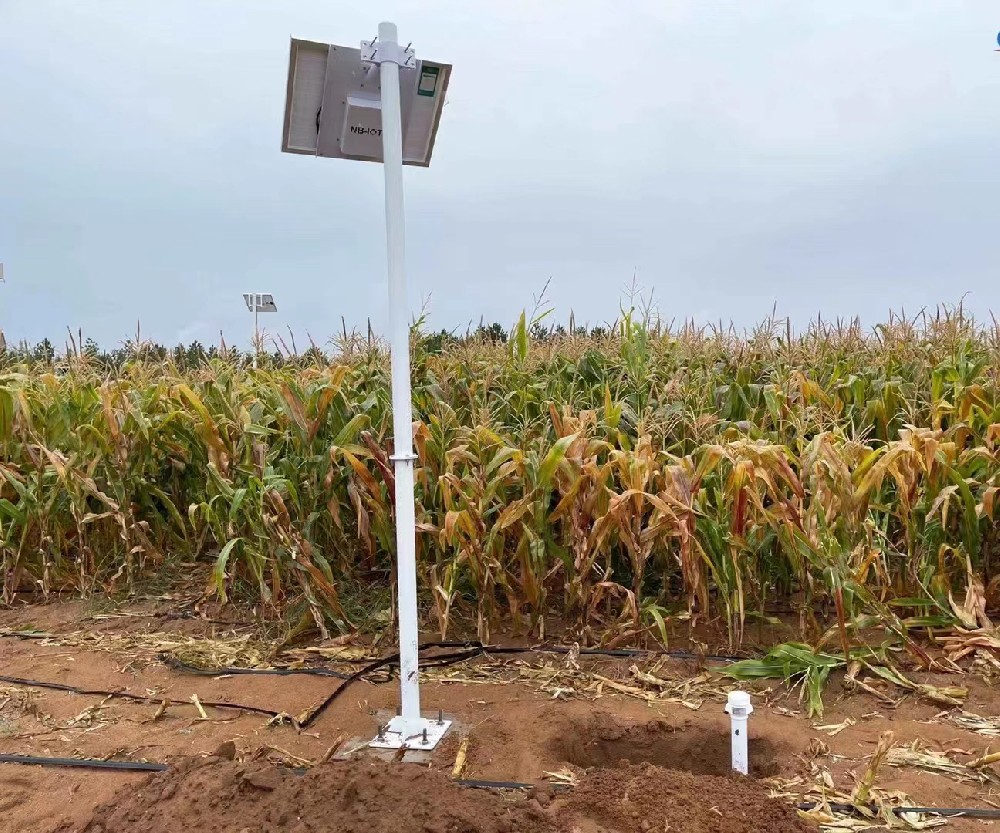
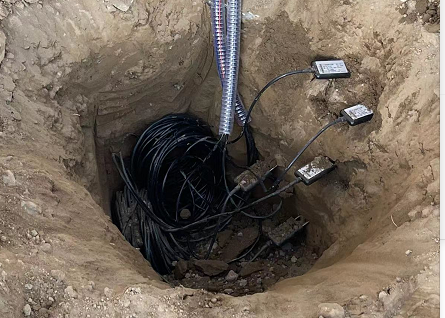
RS485 Modbus RTU is a local acquisition arrangement, not an unlimited network capacity. Calculate from the actual requests, response sizes, serial settings and device timing. A trunk with short branches is different from a collection of long star branches; an architecture diagram showing many field points does not prescribe the electrical wiring topology.
For a generic framing example, an eight-byte request followed by a 21-byte response contains 29 bytes. At 9600 bit/s and an assumed 11 transmitted bits per byte, serialization alone takes about 33 ms. This is not a NBL-S-TMSMS register-map example or a complete response-time specification. Silent intervals, turnaround and sensor readiness add time.
A timeout can dominate an otherwise fast cycle. If one unavailable unit is given a two-second timeout and one retry, it can consume roughly four seconds before the logger proceeds. Check whether the scheduler continues serving healthy devices and whether repeated faults change the observation intervals elsewhere on the bus.
| NBL-S-TMSMS item | Configuration information | Network implication |
|---|---|---|
| Measured quantities | Multi-depth volumetric soil moisture and temperature | Map both quantity and node depth |
| Depth arrangement | Standard depth options include 10, 20, 30 and 40 cm; ordered arrangements can differ | Do not hard-code every supplied tube to one profile length |
| Moisture performance | Dry to moisture-saturated soil; 0.1% resolution; stated ±3% laboratory accuracy | Field interpretation still depends on soil and installation |
| Temperature measurement | -40 to 80 C; accuracy ±0.5 C; resolution 0.1 C | Retain temperature with moisture observations |
| Interface and supply | RS485 Modbus configuration; 12 VDC supply option | Confirm supplied power and communication version, including wake behaviour |
| Ingress protection | IP67 above-ground section; IP68 underground section | Do not apply the buried-section rating to every connector or logger |
Different supplied electronics can have different standby and startup behaviour. Measure the selected assembly rather than transferring a current figure between a bare RS485 tube and a complete wireless node. Include the logger and modem when checking supply voltage, solar demand and restart conditions.
At a five-minute record interval, one profile produces 288 records per day. Thirty days gives 8,640 records per profile. Twelve profiles therefore produce 103,680 records. These counts assume one complete profile record at each interval, not a separate record for each individual measurement channel.
If a deliberately simplified binary format uses 32 bytes per complete profile record, the raw data requires 3,317,760 bytes, about 3.32 MB in decimal units. Real storage also needs metadata, indexes, configuration, filesystem space and a recovery margin. JSON or CSV representations can be larger; obtain a sample from the actual logger and measure it.
Define what happens when memory fills. Overwriting the oldest observations may be acceptable for a short operational buffer but not for a research archive expected to preserve an entire season. A capacity stated as a number of days is meaningful only with the record interval, channel layout and storage format.
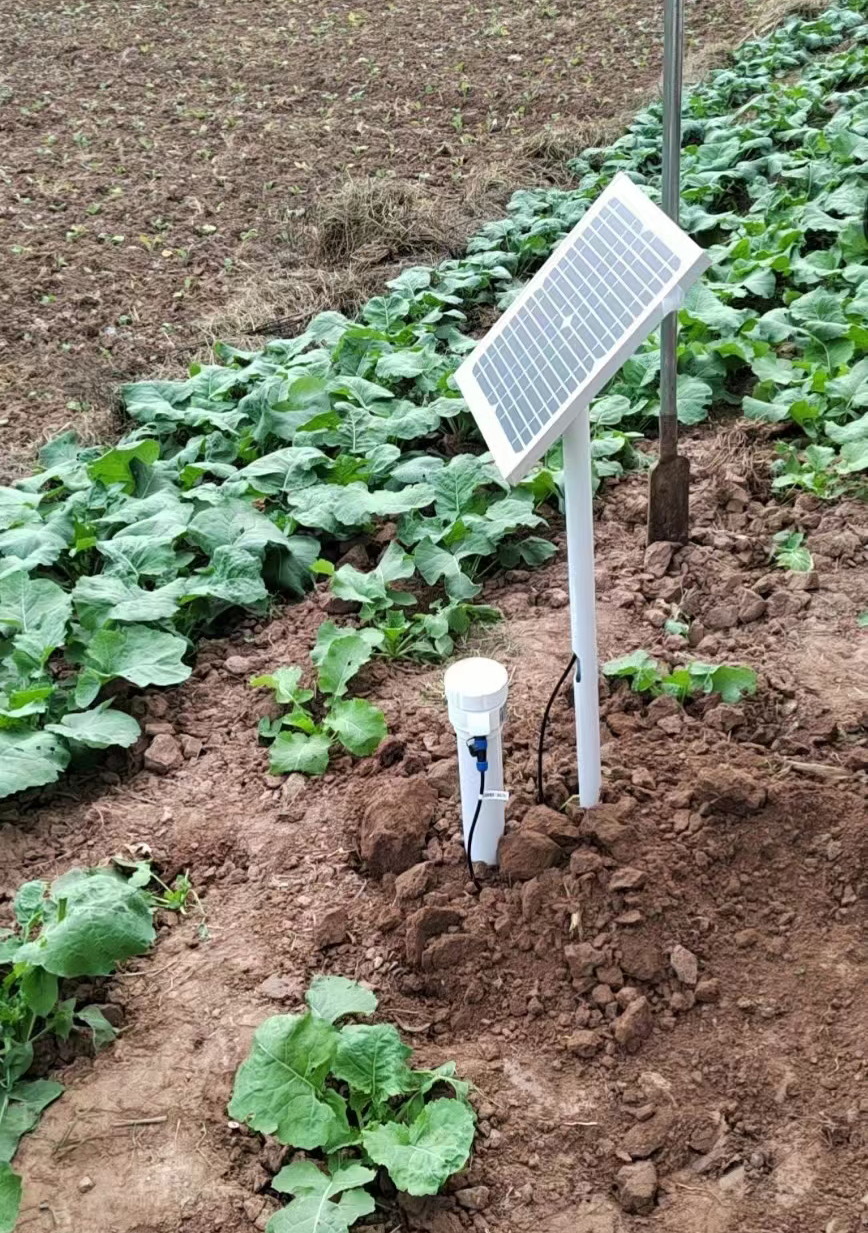
For another illustrative calculation, assume a complete upload payload is 350 bytes and one node sends it every five minutes. The application payload is 350 multiplied by 288 multiplied by 30, or 3,024,000 bytes over thirty days. This excludes transport overhead, connection establishment, acknowledgements, retries, keep-alives and any other transmitted content.
A nominal payload estimate is therefore not a mobile-data allowance guarantee. Measure traffic over representative operation, including poor coverage and reconnects. If the node batches records, check that the batch format retains each observation time rather than assigning the upload time to every reading.
For a larger farm, compare independent wireless nodes with local clusters connected to an acquisition point. More nodes can improve location coverage but also increase subscriptions and service work. Fewer gateways can reduce those items while increasing cable design and shared-point dependencies. Select from the field layout and required fault tolerance, not a universal area-per-node rule.
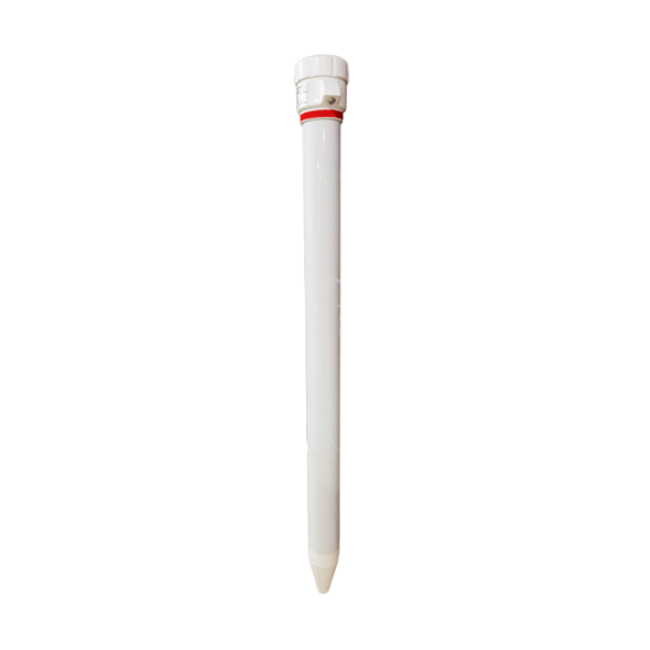
Perform these checks on the configuration being supplied. Do not promise adaptive reporting, compression, remote updates or multiple simultaneous server connections unless they are included and demonstrated. A sensor's Modbus output alone does not provide those logger or platform functions.
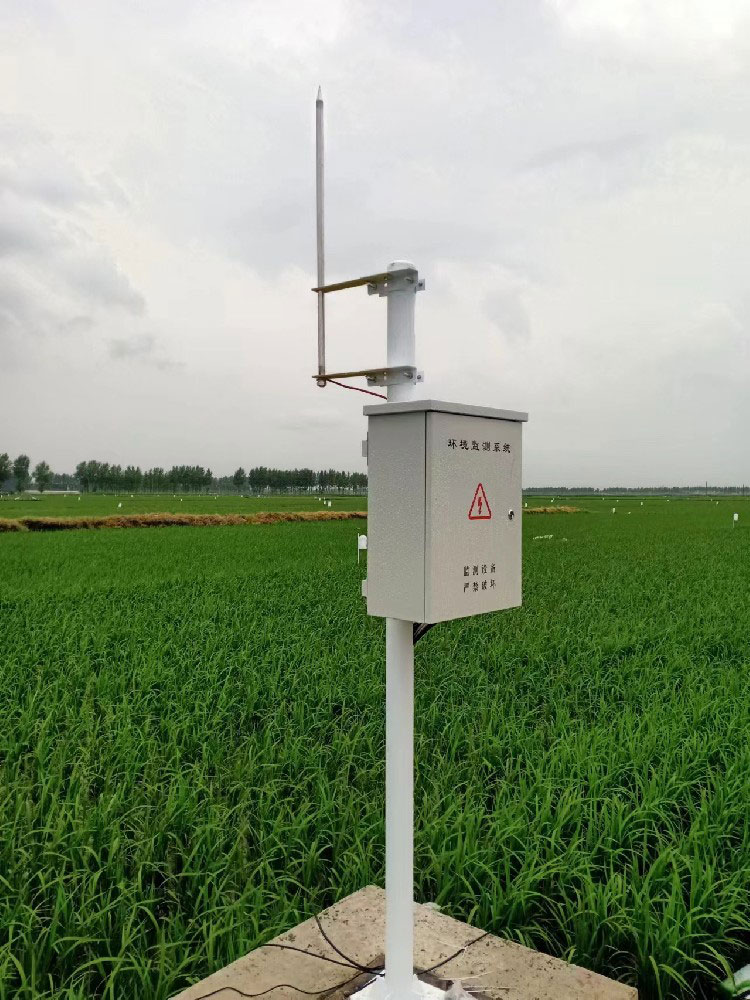
A successful response does not make every value agronomically usable. Frozen-soil readings are an important example: liquid water and ice have different dielectric behaviour, so a dielectric probe must not be described as automatically measuring their combined total. Operating below freezing and obtaining a quantitative water-content result are different claims.
USDA research on dielectric measurements in frozen soil describes the importance of liquid water, ice, temperature and calibration. Keep soil temperature and an appropriate interpretation status with winter records. A flat curve can indicate several conditions and is not proof that total water remained unchanged.
For enquiries, send the profile count, node depths, selected instruments, logging and reporting intervals, required offline duration and proposed network. Ask NiuBoL to separate sensor, logger, storage and communications capabilities. This makes a network proposal testable before a larger rollout.
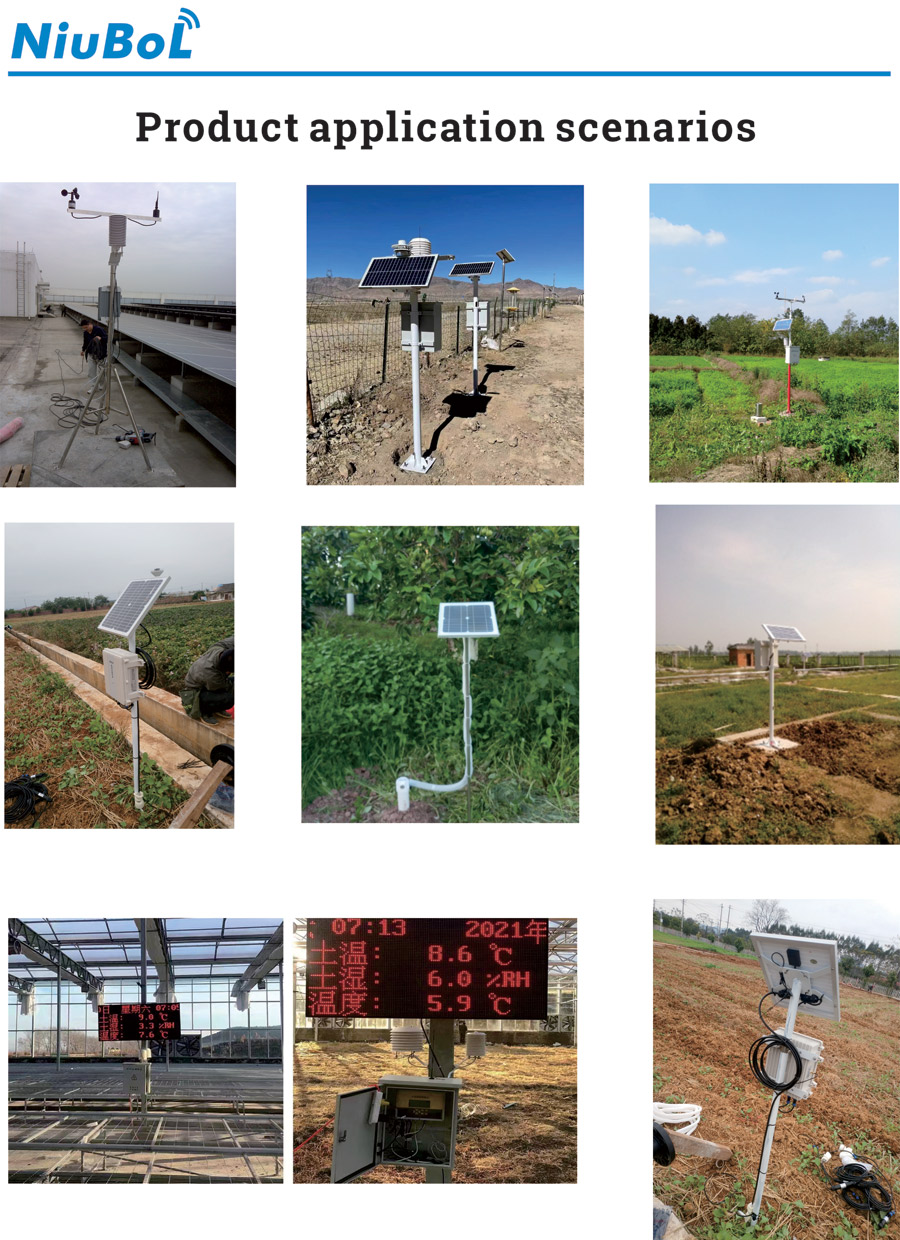
No. A multi-depth device can return several channels from one address, while separate probes may each need their own. Use the ordered equipment's map and supported read operations to calculate polling demand rather than equating channel count with device count.
No. It only helps estimate transmission time. Include device readiness, request spacing, turnaround and failure timeouts. Measure a complete cycle with both healthy and unavailable devices before committing to a network-wide acquisition interval.
The interval produces 288 records per day for each profile. Required bytes depend on the complete record format and channel arrangement. Multiply an actual measured record size by the required retention count, then add system overhead and a suitable reserve.
Not reliably. Message framing, security, connection behaviour, retries and service traffic can exceed the raw measurement bytes. Use a payload estimate for planning, then verify representative traffic on the selected node and network.
Do not make that assumption. Ice and liquid water affect dielectric response differently, and an unfrozen-soil calibration does not establish total-water accuracy after freezing. Preserve temperature and use an appropriate validated interpretation for the intended winter measurement.
It should identify instruments and node depths, logger inputs, supported schedules, storage behaviour, uplink configuration and the planned interruption tests. Keep service terms and any optional functions explicit. A general promise of an open system does not replace those details.
Size a soil network from complete records and measured operating cycles. Distinguish sensing, recording and reporting; allow timeouts and real storage overhead; and test interrupted operation before expanding the installation. Communications capacity supports the observation programme, but it does not replace soil-specific interpretation.
 NBL-S-TMSMS-Tubular-Multi-depth-Soil-Moisture-Sensor-Instruction-Manual.pdf
NBL-S-TM-Soil-temperature-and-moisture-sensor-Instruction-Manual-4.0.pdf
NBL-S-THR-Soil-temperature-and-moisture-sensors-Instruction-Manual-V4.0.pdf
Prev:Types of Soil Sensors: Continuous Probes vs Field Tests
Next:Agricultural Environmental Monitoring Station: Audit Derived Crop Indicators
Related recommendations
Sensors & Weather Stations Catalog
Agriculture Sensors and Weather Stations Catalog-NiuBoL.pdf
Weather Stations Catalog-NiuBoL.pdf
Agriculture Sensors Catalog-NiuBoL.pdf
Water Quality Sensor Catalog-NiuBoL.pdf
Related products
 Combined air temperature and relative humidity sensor
 TDR Soil Moisture & Temperature Sensor for irrigation| RS485 |4-20mA| NBL-S-THR
 Soil pH sensor RS485 soil Testing instrument soil ph meter for agriculture |NBL-S-PH
 Wind Speed sensor Output Modbus/RS485/Analog/0-5V/4-20mA
 Tipping bucket rain gauge for weather monitoring auto rainfall sensor RS485/Outdoor/stainless steel
 Pyranometer Solar Radiation Sensor 4-20mA/RS485

Screenshot, WhatsApp to identify the QR code
WhatsApp number:+8615367865107
(Click on WhatsApp to copy and add friends)

