





— Blogs —
—Products—
 Consumer hotline +8618073152920
 WhatsApp:+8615367865107
Address:Room 102, District D, Houhu Industrial Park, Yuelu District, Changsha City, Hunan Province, China
Product knowledge
Time:2026-03-06 17:45:21 Popularity:652
An agricultural microclimate monitoring station can record crop-zone light, but the usefulness of that record depends on its quantity, measurement plane and time basis. Total solar irradiance, photosynthetically active radiation and illuminance are not interchangeable channels. For a crop trial or greenhouse project, specify the required light observation before choosing the NiuBoL sensor and logger configuration.
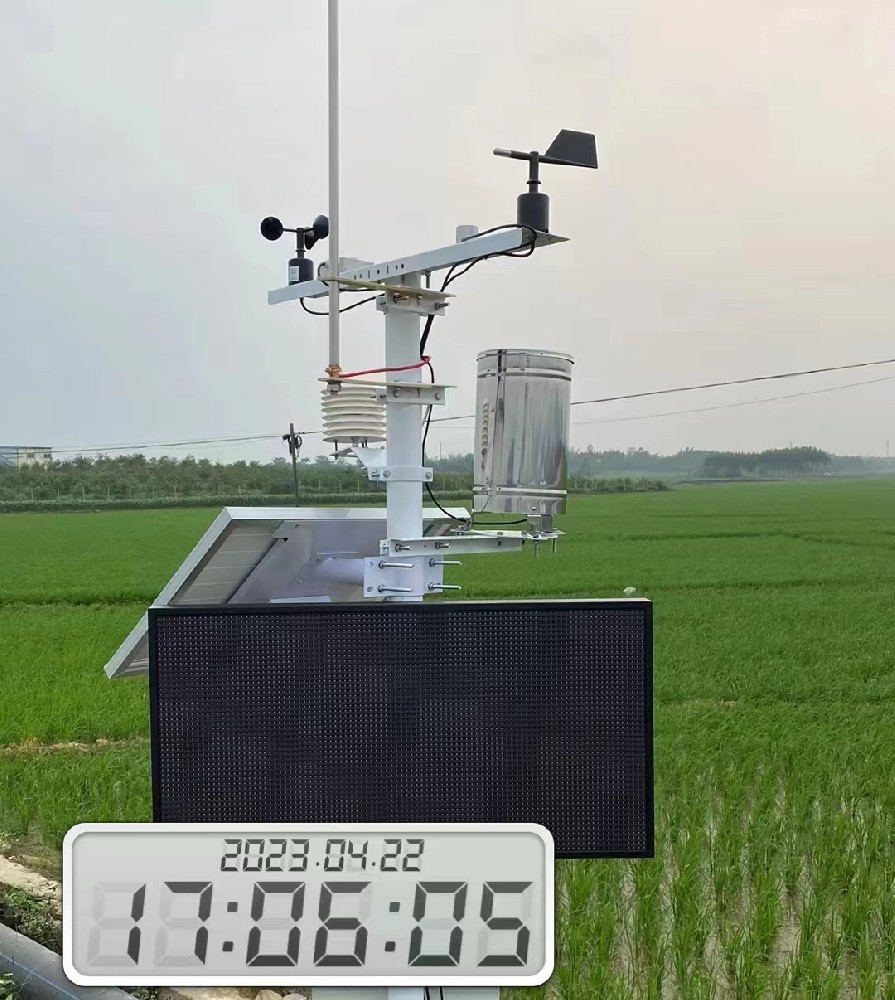
A pyranometer records broadband solar irradiance in W/m2. A PAR instrument responds to the photosynthetically active spectral region, conventionally 400-700 nm. PPFD expresses photon flux density within that region in micromoles/m2/s. Illuminance in Lux weights light differently for human vision. A dashboard label cannot turn one measurement into another.
For a greenhouse lighting assessment, the required input may be PPFD at the crop surface and its daily integral. An energy-balance study may instead need broadband short-wave irradiance. Some trials need both; that requires separate suitable channels rather than assuming a standard radiation sensor outputs both quantities automatically.
| Trial question | Appropriate observation | Important boundary |
|---|---|---|
| How much broadband solar energy reaches the surface? | Solar irradiance integrated over the required period | Not the photon count within PAR |
| How much plant-relevant light reaches the crop? | Suitable PAR or PPFD measurement with stated units | Does not directly measure photosynthesis |
| What is the daily photon exposure? | Daily light integral calculated from valid PPFD records | Requires time integration and data completeness |
| How bright does a location appear? | Illuminance in Lux | No universal conversion to PPFD for every spectrum |
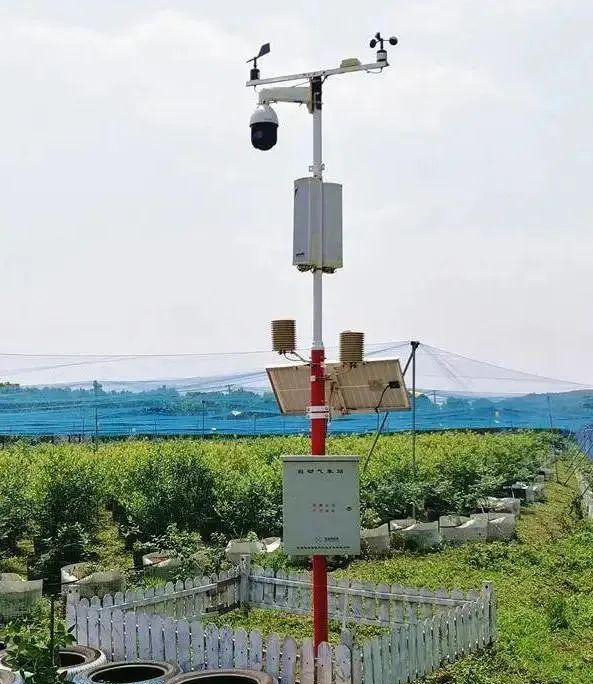
The NBL-W-PARS is a filtered silicon PAR sensor. For the selected version, obtain the output quantity, unit, calibration coefficient and range that the logger must use. A radiometric range in W/m2 and a photon-based sensitivity coefficient are not permission to relabel a register without the appropriate conversion and calibration basis.
| NBL-W-PARS item | Specification | Integration requirement |
|---|---|---|
| Spectral response | 400-700 nm | Assess suitability for the light source used in the trial |
| Specified radiometric range | 0-2000 W/m2 | Establish the supplied photon-flux range separately if PPFD is required |
| Response | Approximately 1 s at 99% | Does not specify the logger's averaging or daily integration |
| Supply | 12-24 VDC | Check voltage at the installed instrument |
| Output options | RS485 Modbus, 0-5 V or 0-2.5 V | Select the actual input type and scaling |
| Environment and construction | -40 to 65 C; aluminium-alloy housing; standard 2.5 m cable | Specify cable material, ingress conditions and electrical load for the ordered version |
A separate NBL-W-HPRS pyranometer may be appropriate where the study also needs broadband solar irradiance. Do not assume its wider spectrum can be converted to PAR with one fixed factor for sunlight, glazing and every artificial lamp. The crop trial should retain the two quantity names and units separately.
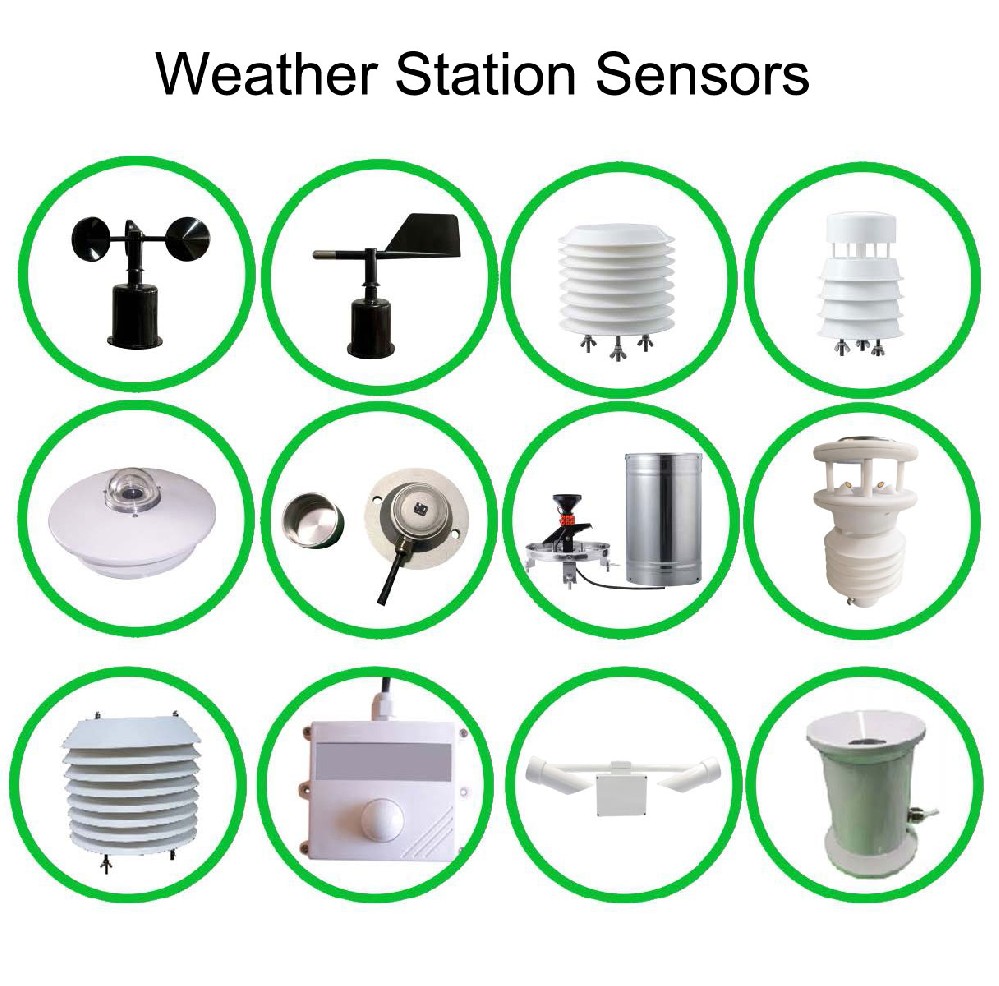
Light received above the canopy differs from light within or beneath it. Select the plane that represents the trial question and record the height relative to the crop. If the plants grow past a fixed sensor, a time-series change may partly describe a changed measurement position rather than a change in incoming light.
Shade from a frame, mast or cable can create regular dips. Distinguish unintended obstruction from the shade treatment being studied. Moving a sensor to avoid every shadow would undermine a trial intended to measure the actual light under a crop cover. Photograph the position and retain notes when the canopy, curtain or structure changes.
In orchards, sunflecks and row geometry make one point especially sensitive to placement. Decide whether the deliverable is a local observation, a spatial survey or a representative plot estimate. A single permanent head cannot establish a spatial average merely because its data are uploaded continuously.
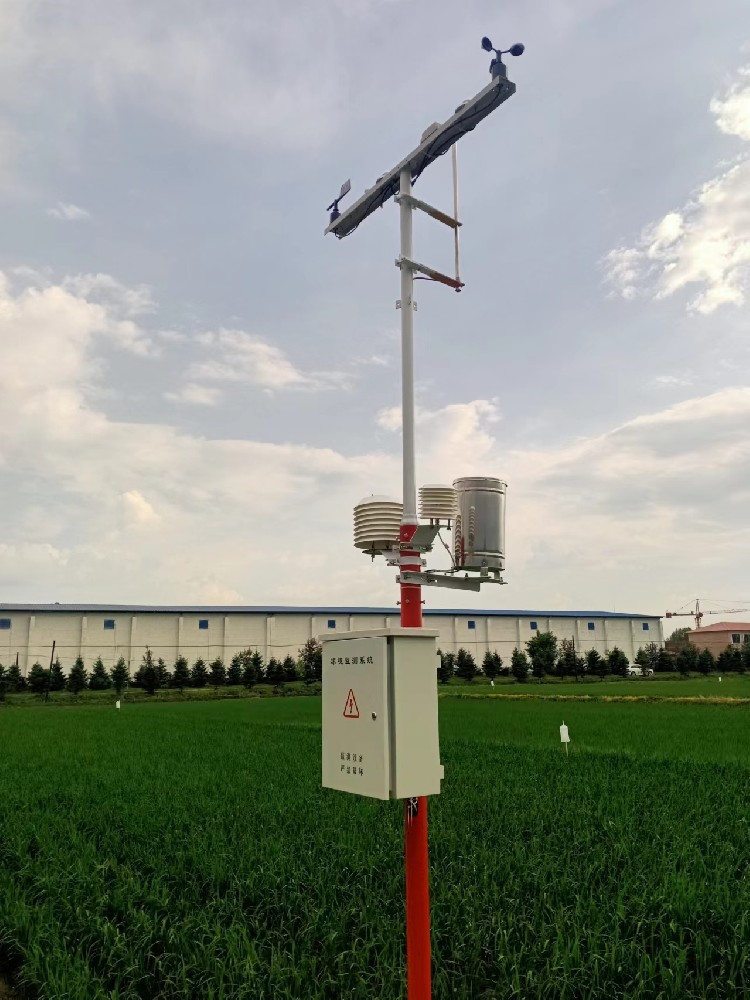
Daily light integral, DLI, expresses the daily photon exposure in moles/m2/day. Purdue greenhouse light guidance distinguishes the instantaneous light level from the daily total. The logger or software performs that integration; the presence of a PAR head does not establish a built-in DLI function.
For interval-average PPFD, multiply each value in micromoles/m2/s by its interval in seconds, sum the valid intervals and divide by 1,000,000. As a hypothetical constant-light example, 300 micromoles/m2/s for 12 hours gives 12.96 moles/m2 for that day. A single midday reading of 300 cannot establish the same total.
Record whether an output is an interval mean or an instantaneous sample. Intermittent cloud or moving shade can make infrequent samples unrepresentative. Choose acquisition and averaging around the expected variation, and agree the daily boundary before comparing the results with other instruments or trials.
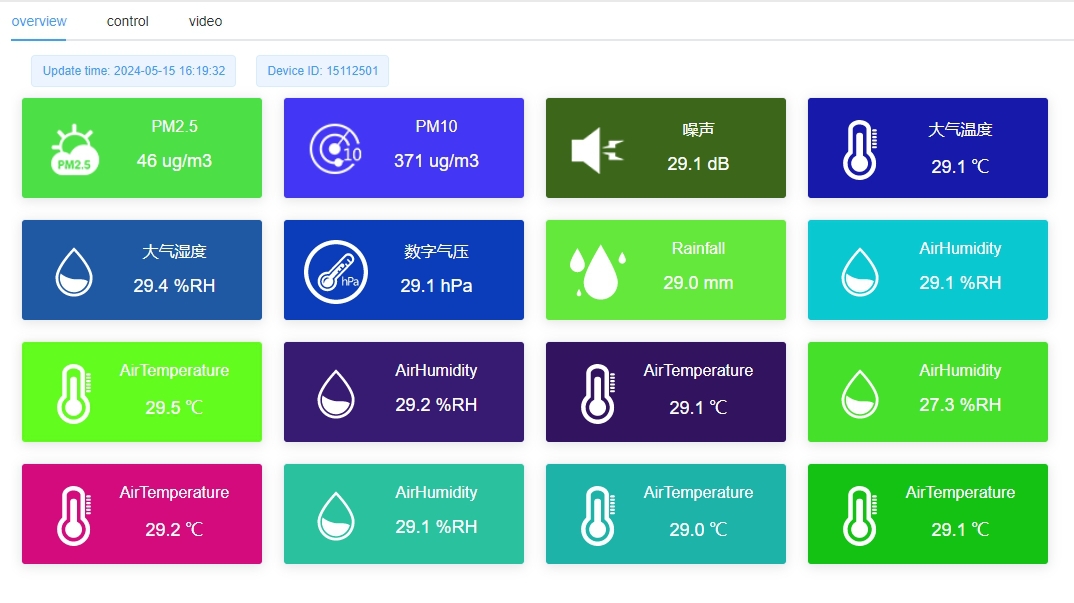
A missing light record is not a measured zero. If two hours of daylight are lost, a daily total formed only from the remaining intervals is incomplete. Show coverage and apply a documented exclusion or estimation method if the trial requires one. Do not silently label a partial accumulation as a complete daily exposure.
An unchanged value can also be misleading. Check whether the sensor is still responding and whether the logger distinguishes a current reading from a retained value after a communication failure. Where historical recovery is required, demonstrate it with the chosen logger; a sensor-side RS485 port does not itself provide local storage or network retransmission.
Keep temperature and humidity observations with light records when they support the experiment. They provide context, not a substitute for measuring growth or plant condition. A higher photon total alone cannot prove faster photosynthesis, better yield or an economically useful lighting response.
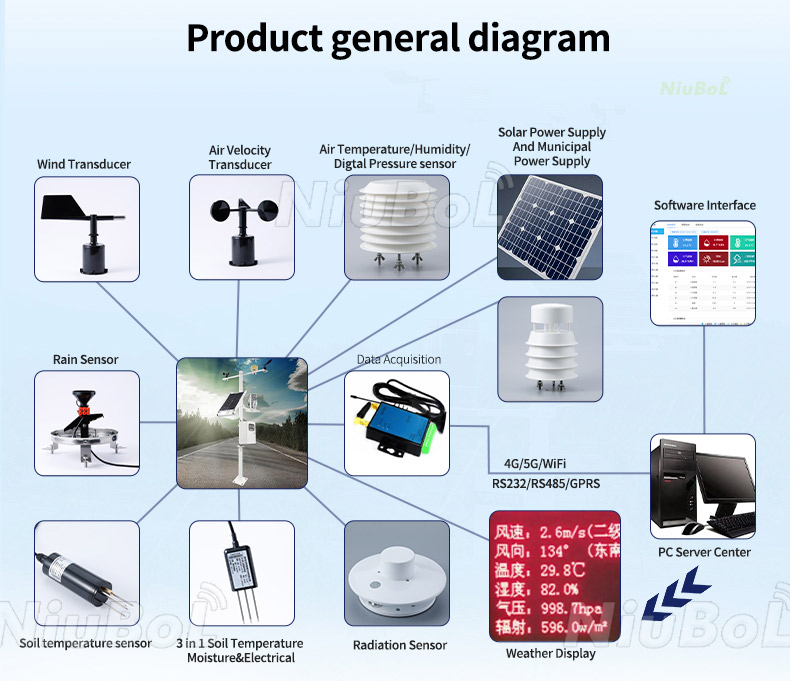
For RS485 Modbus RTU integration, verify the sensor address, register, scale factor and unit through the actual PLC, RTU or data logger. For a voltage output, match the input range and use the supplied calibration basis. A 0-2.5 V sensor read with an assumed 0-5 V conversion can produce an apparently smooth but incorrectly scaled history.
Use an appropriate reference or approved input simulation to check the acquisition conversion, then check the daily integration independently. A comparison under one spectrum does not establish performance under every grow-light type. Request the relevant spectral response and calibration information for narrow-band lighting rather than assuming sunlight suitability is sufficient.
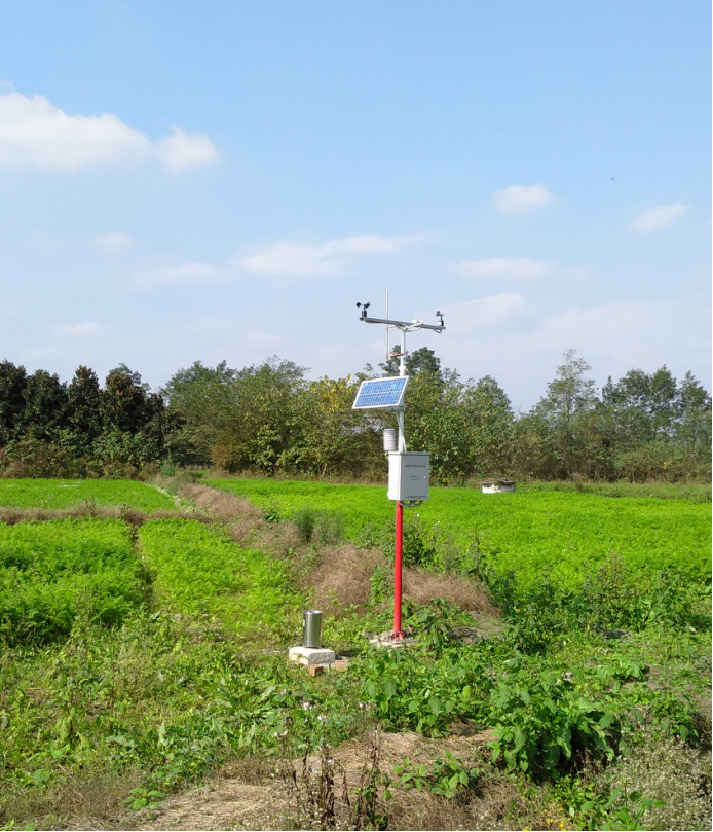
Inspect for deposits, standing water, insects, cable damage and a changed measurement plane. Use cleaning materials approved for the supplied optical surface; do not impose one solvent or wiping procedure on every radiation sensor. Record the service time so a change following cleaning can be interpreted correctly.
If several heads are compared, check them together under a common exposure before deployment and again when a difference becomes questionable. Do not erase an unexplained plot difference by applying an arbitrary offset. First separate instrument differences, mounting changes and real environmental variation.
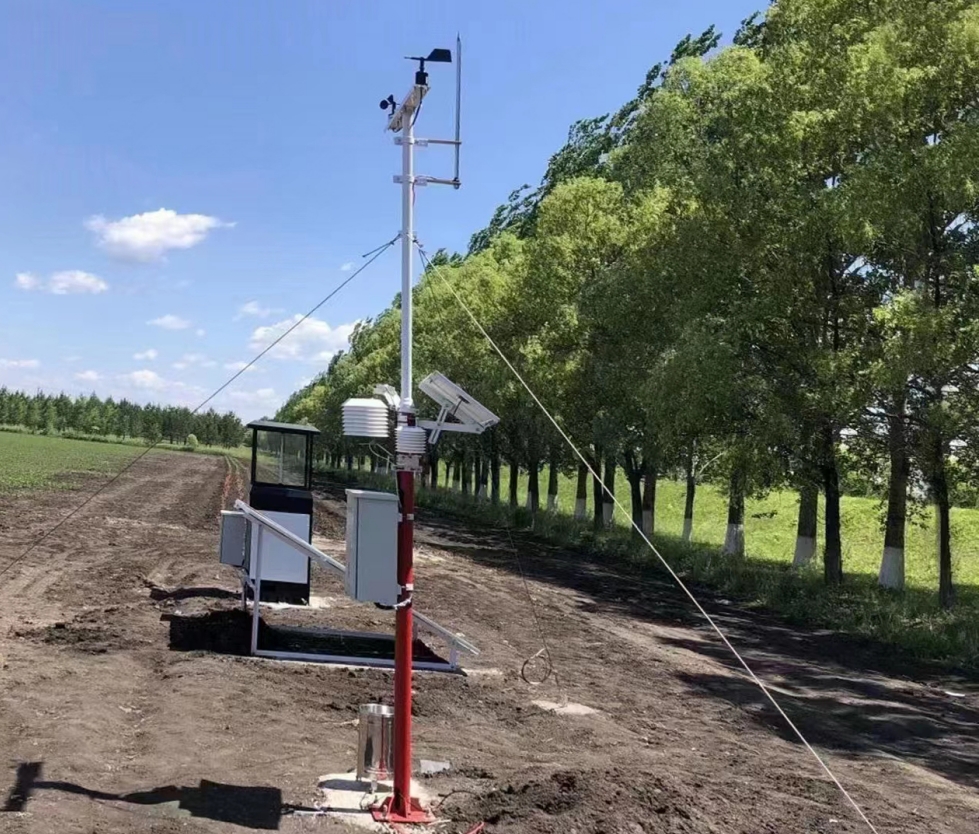
Send NiuBoL the required light quantity, source spectrum, crop height, measurement planes, expected acquisition periods and receiving format. State which additional air, soil or wind observations the trial needs. NBL-W-SS and NBL-W-DS wind sensors have IP65 protection, but they are separate options rather than prerequisites for a light-focused experiment.
Identify the responsibility for DLI processing, software export and any remote platform. Ask for cable configuration, whole-station power demand and access for sensor cleaning. This produces a more useful quotation than specifying a large list of channels without saying how the observations will support the trial.
Not as a general rule. Select the required spectral response and output quantity. Projects needing both broadband radiation and plant photon flux should specify separate suitable channels.
No. Establish the supplied calibration and any valid conversion for the measurement and spectrum. A unit label alone does not change an energy measurement into photon flux density.
Do not assume that function. A compatible logger or application can integrate correctly timed PPFD observations, provided that the calculation and missing-data rules are included in its configuration.
Only if that plane answers the study question. Within-canopy or treatment-level measurements need their own defined positions and a plan for crop growth and spatial variability.
Provide the light source, required quantity and range, sensor positions, electrical output and data destination. Include the daily-integration and export requirements separately from the sensor supply.
No. It establishes a light exposure under the measurement method. Crop response requires appropriate plant observations and an experimental or agronomic interpretation.
An agricultural microclimate monitoring station should preserve the meaning of light data from the sensing surface to the final crop record. Choose PAR, PPFD, total irradiance or illuminance deliberately, define the observation plane and validate any daily integration. NiuBoL can review the sensor and acquisition package against those requirements without treating one light channel as every plant-growth measurement.
Prev:Agricultural Weather Station: Observations, Forecasts and Crop Predictions
Next:Radar Water Level Gauge Troubleshooting: Stuck Readings, Jumps and Offsets
Related recommendations
Sensors & Weather Stations Catalog
 Agriculture Sensors and Weather Stations Catalog-NiuBoL.pdf
Weather Stations Catalog-NiuBoL.pdf
Agriculture Sensors Catalog-NiuBoL.pdf
Water Quality Sensor Catalog-NiuBoL.pdf
Related products
 Combined air temperature and relative humidity sensor
 TDR Soil Moisture & Temperature Sensor for irrigation| RS485 |4-20mA| NBL-S-THR
 Soil pH sensor RS485 soil Testing instrument soil ph meter for agriculture |NBL-S-PH
 Wind Speed sensor Output Modbus/RS485/Analog/0-5V/4-20mA
 Tipping bucket rain gauge for weather monitoring auto rainfall sensor RS485/Outdoor/stainless steel
 Pyranometer Solar Radiation Sensor 4-20mA/RS485

Screenshot, WhatsApp to identify the QR code
WhatsApp number:+8615367865107
(Click on WhatsApp to copy and add friends)

