





— Blogs —
—Products—
 Consumer hotline +8618073152920
WhatsApp:+8615367865107
Address:Room 102, District D, Houhu Industrial Park, Yuelu District, Changsha City, Hunan Province, China
Product knowledge
Time:2025-08-31 13:55:07 Popularity:2784
An NBL-W-SS replacement must match the required range, supply and receiving input, not just the appearance of the old cup sensor. Price the selected output version together with any cable, mounting or controller changes. Keep wind-speed replacement separate from an upgrade to combined wind-speed and direction measurement.
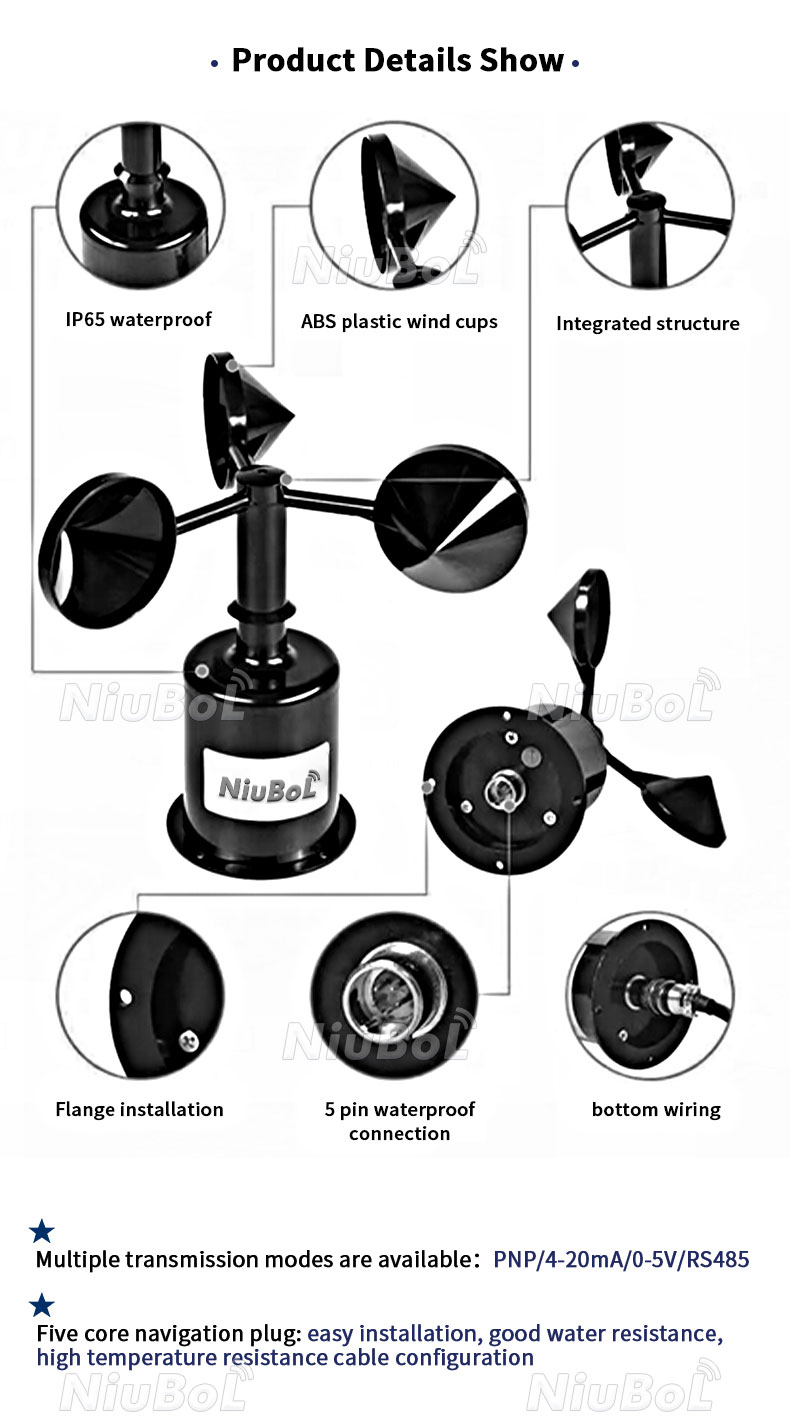
Start with the old sensor's label, wiring and controller configuration. Photograph the connector and mounting base, and record the supply measured at the installation. A three-cup rotor identifies the general principle, but not the signal type or conversion relationship. Similar-looking units can need different receiving inputs.
If the old wind record has become unreliable, check the rotor, wiring and input before condemning the sensor. A damaged cup assembly suggests a mechanical problem; a freely rotating sensor with a constant logger value requires an electrical and acquisition check. Replacing the sensor will not repair a broken cable or an incorrectly configured PLC channel.
Request an itemized NiuBoL quotation for the defined replacement. List the sensor, cable, connector and mounting changes separately from controller work. For a wider technology comparison rather than a replacement, use the anemometer price comparison across measurement packages.
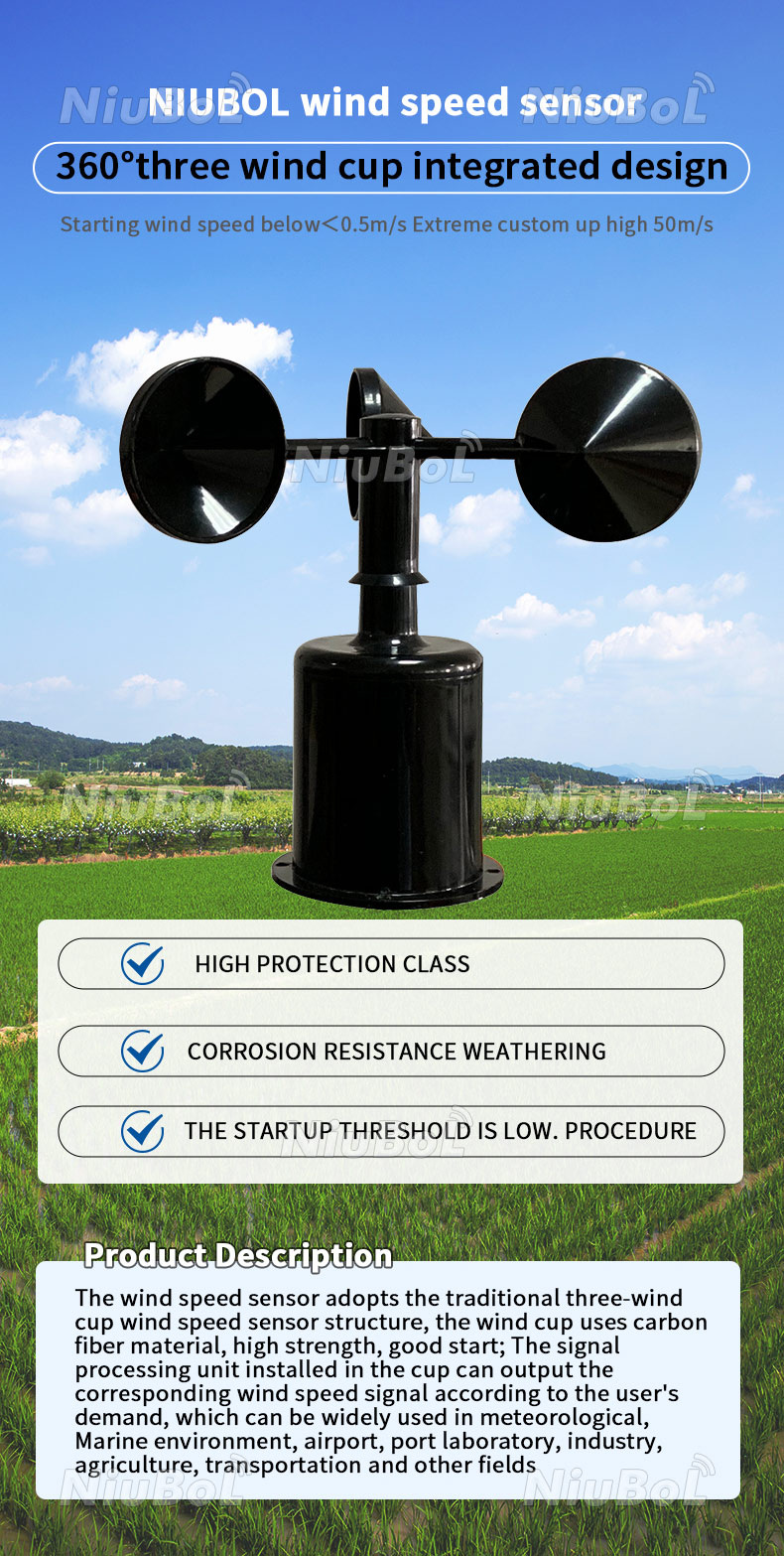
The NBL-W-SS cup anemometer measures wind speed using a rotating three-cup assembly. It does not determine wind direction. A station requiring both measurements needs an appropriate separate direction sensor or a combined wind instrument.
RS485 Modbus RTU, current, voltage and pulse are configuration choices. Their presence in a product specification does not mean one ordered sensor simultaneously provides every listed signal. A low sensor price can be offset by a new PLC input module if the selected output does not match the existing controller.
| NBL-W-SS parameter | Specified value | Effect on the quotation |
|---|---|---|
| Wind-speed range | 0-45 m/s or 0-70 m/s | Identify the ordered range and expected site maximum. |
| Accuracy | +/-(0.3 + 0.03V) m/s; V is wind speed | Compare the same expression, not resolution alone. |
| Resolution / starting speed | 0.1 m/s / no more than 0.5 m/s | Starting response matters where light wind is important. |
| Supply | 5 V DC or 12-24 V DC, depending on configuration | Match the supply to the selected output version. |
| Output choices | RS485 Modbus RTU, 4-20 mA, 0-5 V, 0-2.5 V or pulse | Specify one required receiving interface. |
| Outdoor protection / operating temperature | IP65 / -40 to 80 degree C | These ratings do not establish ice-free or salt-spray performance. |
| Standard cable | 2.5 m; other lengths can be specified | List extension length and termination separately. |
Do not multiply resolution by an assumed number of counts to obtain accuracy. At V = 10 m/s, the stated accuracy expression gives +/-0.6 m/s. That is a different property from a 0.1 m/s displayed increment. If a project requires a tighter uncertainty, review the actual sensor specification and installation before accepting the quotation.
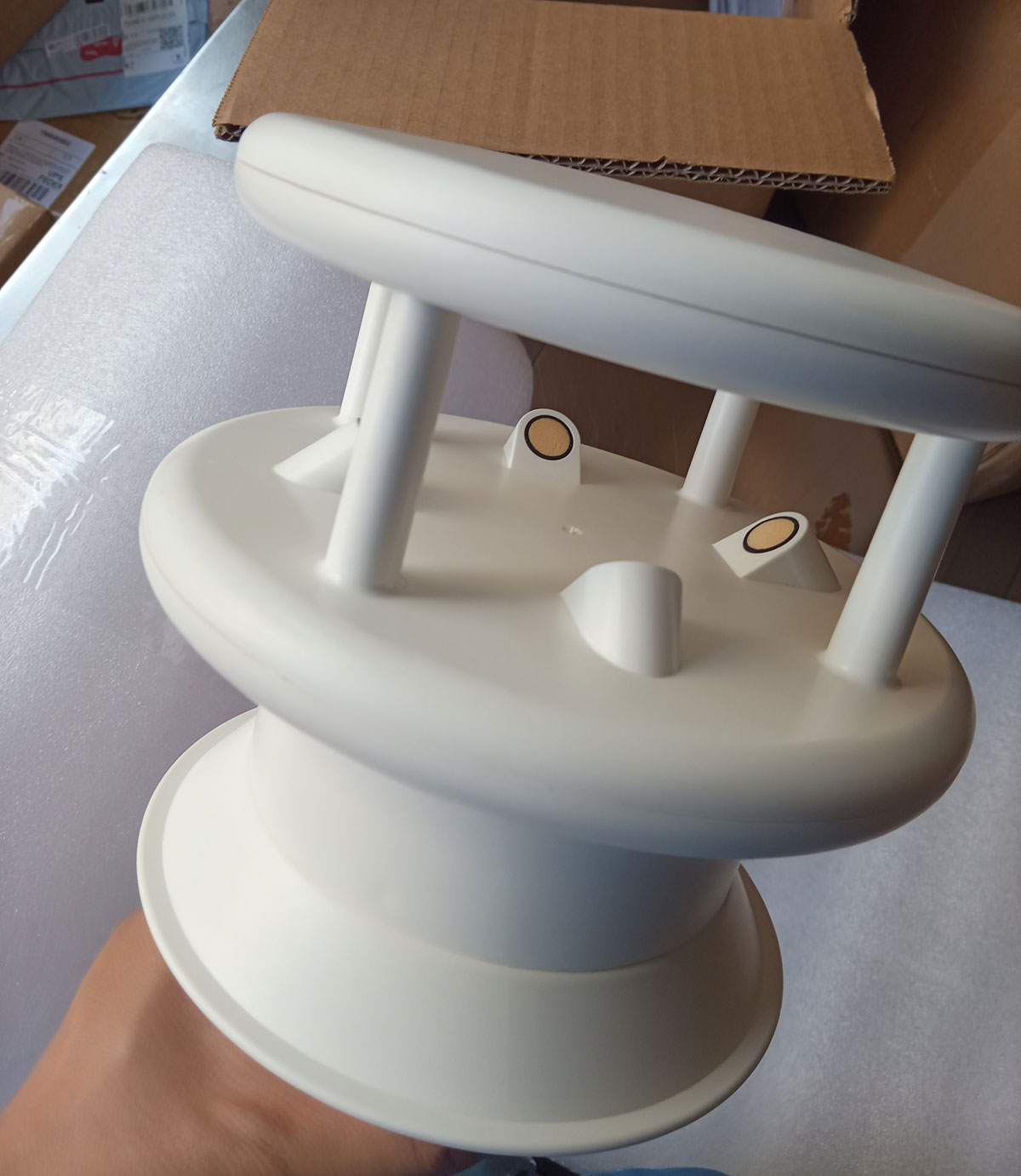
The NBL-W-21GUWS uses ultrasonic transit-time measurements to derive wind speed and direction. Compare it with the complete two-channel mechanical arrangement, rather than with a speed-only cup sensor. A combined unit can change the number of mounts, cable runs and input connections, but the actual saving depends on the proposed installation.
No conventional rotating cups or vane means there are no cup bearings to inspect. It does not mean the sensor requires no inspection: contamination, obstructed acoustic paths, loose mounting and cable damage can still affect service. Do not use the measurement principle alone to promise a fixed maintenance saving.
| NBL-W-21GUWS parameter | Value | Upgrade consideration |
|---|---|---|
| Wind-speed range / resolution | 0-60 m/s / 0.01 m/s | Resolution is not the accuracy claim. |
| Direction range / accuracy | 0-359 degrees / +/-3 degrees | Agree the orientation procedure and direction convention. |
| Supply / communication | 12-24 V DC / RS485 Modbus | Confirm register decoding with the receiving equipment. |
| Protection / temperature | IP65 / -20 to 80 degree C | Check whether the site falls inside these operating conditions. |
| Optional heating | 3 W heating power | Confirm inclusion and control arrangement; size power for heating separately. |
A quotation marked "ultrasonic" does not by itself include heating. Nor does a heater specification establish operation under every icing condition. For a cold remote site, identify the ordered option, expected operating duty and available energy before comparing it with an unheated sensor.
A pulse-output sensor needs a counter or frequency input and the correct conversion relationship. An analog version needs a compatible input range, electrical loading and engineering-unit scaling. An RS485 version needs a Modbus-capable master with the correct address, serial settings and register interpretation. These are different integration tasks; RS485 is not inherently the most expensive or least expensive solution in every project.
The NBL-W-SS pulse version uses W = 0 at f = 0; otherwise W = 0.1 + 0.0875 x f, with W in m/s and f as pulse frequency in Hz. At 100 Hz, this gives 8.85 m/s. A logger retaining another sensor's coefficient can show a plausible but wrong speed. Verify the supplied version and its conversion before using this relationship.
Ask the integrator to identify existing usable inputs before ordering adapters. Where a wind sensor is part of a multi-sensor bus, check polling requirements and device addressing. A gateway provides remote delivery only if it supports the selected sensor and destination protocol; a sensor's RS485 port alone does not provide MQTT or an internet connection.
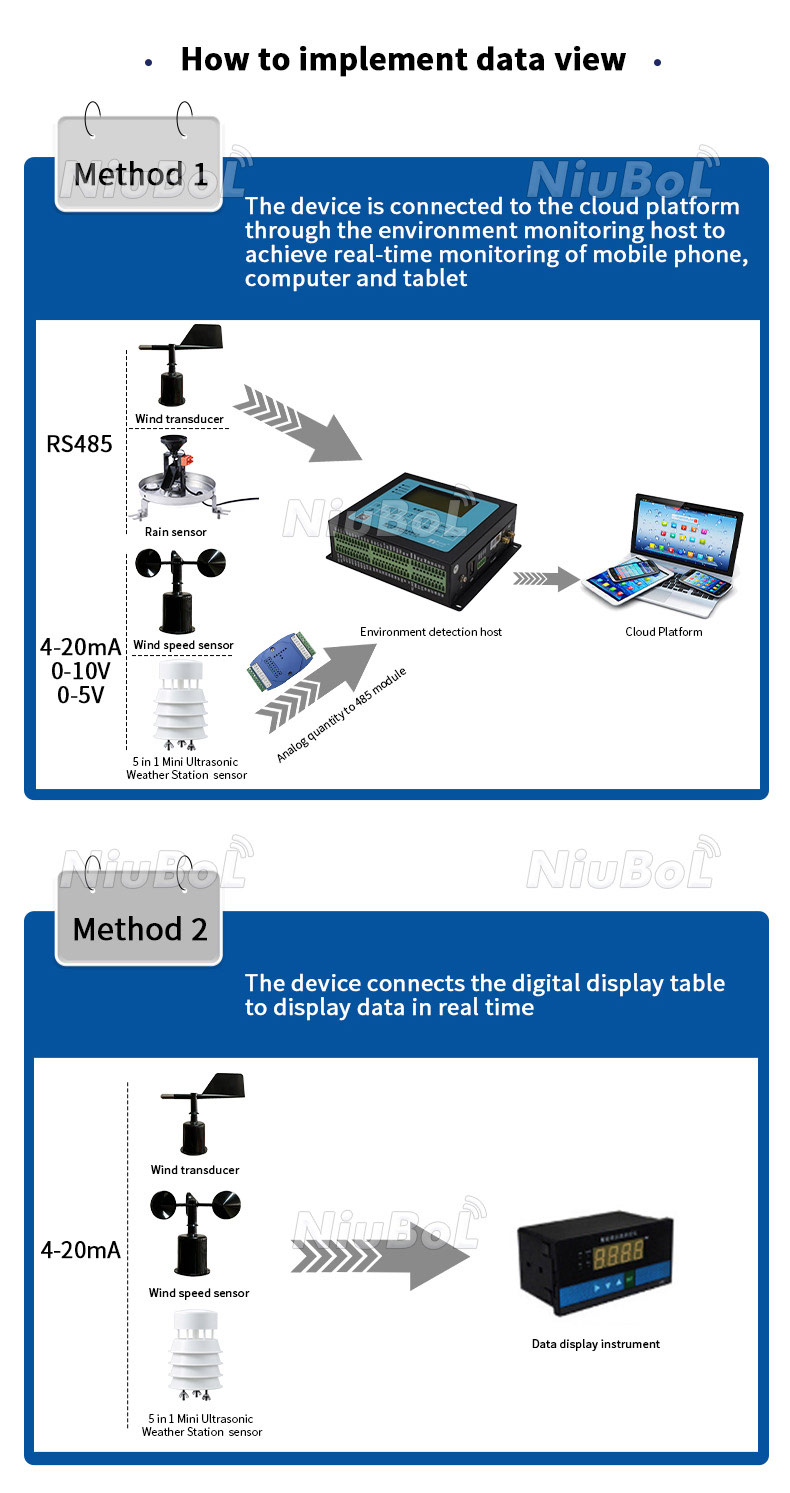
The data logger, modem, solar supply, mast and enclosure are not automatically part of an anemometer price. List them separately when requesting a complete station. A replacement sensor on an existing mast may need none of these additions, while a new isolated monitoring point may need all of them.
For cable changes, specify length, termination and routing rather than asking only for a longer cable. Check power at the sensor under load, and evaluate the selected signal over the proposed run. Mechanical access matters too: a sensor that requires a tower visit has a different inspection cost from one mounted where routine access is possible.
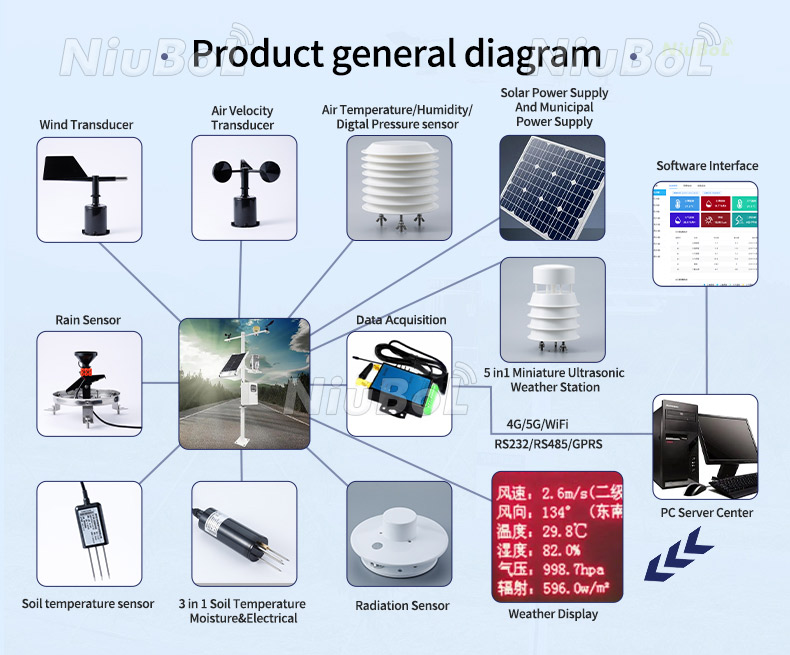
Give NiuBoL the measured channels, required range, output, supply, cable length, quantity and destination. Describe exposure to icing, salt, dust or vibration. Identify whether the purchase replaces an existing sensor or creates a new monitoring point, and provide the controller model or input specification where available.
If calibration documents or application-specific approvals are required, name the document, scope and acceptance requirement. Do not treat a general quality-system certificate as a calibration result for the ordered instrument. Ask whether each requested document is available and included in the offer.
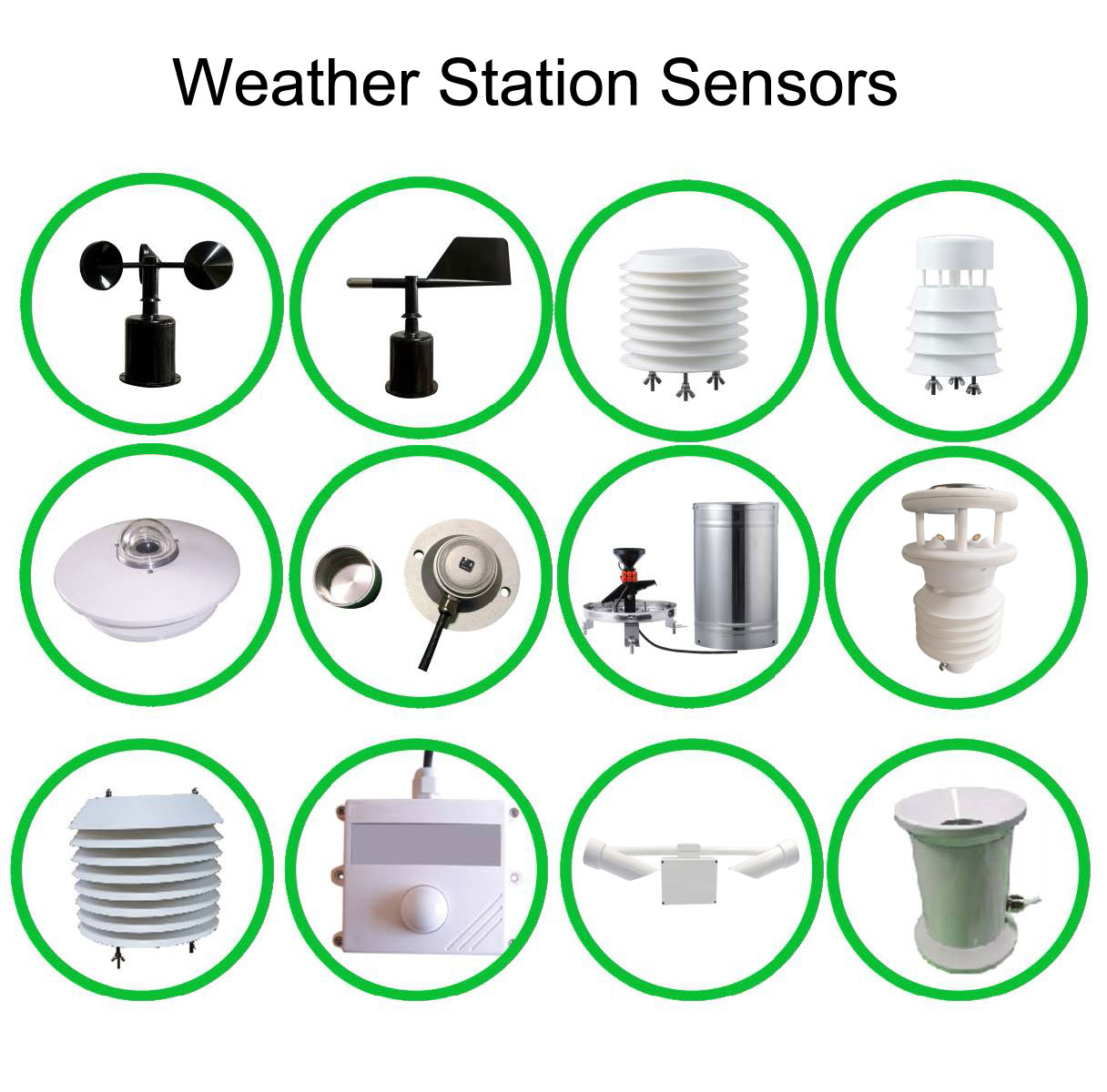
Specify the 0-45 or 0-70 m/s range, output, supply, cable, connector and quantity. Clarify whether the existing mast and receiving input will be reused. Ask for any adapter, installation or configuration work as separate lines rather than assuming it is included in the sensor price.
Only when it matches the supplied sensor's documented relationship. Check frequency input settings and conversion independently. For NBL-W-SS, zero frequency maps to zero speed; the nonzero-frequency expression is different. Verify a known input or test condition before accepting the saved wind-speed record.
No. Resolution describes the output increment, not the measurement error. Compare accuracy expressions, operating conditions and response requirements. A fine digital increment cannot correct poor exposure or a blocked sensing path.
Not on the same input without compatible receiving hardware and software. Confirm whether the controller has a suitable Modbus master port or needs a converter. Include that work when comparing the replacement prices.
Identify the operating temperature, icing conditions and any ordered heating option. For NBL-W-21GUWS, the listed optional heater is 3 W. Confirm its supply and operation; do not assume that heater power is the complete station load or a guarantee against all icing.
Request the actual warranty and service terms offered for the configuration. Do not infer a guaranteed lifetime from a housing material or IP65 rating. Also clarify available replacement parts and the procedure for checking a suspect sensor.
 NBL-W-21GUWS-Ultrasonic-Wind-speed-and-direction-Sensor.pdf
NBL-W-SS-Wind-Speed-Sensors-Instruction-Manual.pdf
NBL-W-SDS-Integrated-Wind-Speed-and-Direction-Sensor-Manual.pdf
NBL-W-DS-wind-direction-sensor-Manual.pdf
NBL-W-21MUWS-Ultrasonic-wind-speed-and-direction-sensor-instruction-manual.pdf
Price an NBL-W-SS replacement against the old installation's input, supply, range and mounting. Check the fault first, then verify scaling after connection. Treat a move to NBL-W-21GUWS as a measurement and integration change rather than assuming it is a drop-in replacement for a cup sensor.
Prev:Buying Weather Stations for Agricultural Projects: Crop Decisions and Sensor Locations
Next:Automatic Weather Station Cost: Local Logging or Remote Reporting?
Related recommendations
Sensors & Weather Stations Catalog
 Agriculture Sensors and Weather Stations Catalog-NiuBoL.pdf
Weather Stations Catalog-NiuBoL.pdf
Agriculture Sensors Catalog-NiuBoL.pdf
Water Quality Sensor Catalog-NiuBoL.pdf
Related products
 Combined air temperature and relative humidity sensor
 TDR Soil Moisture & Temperature Sensor for irrigation| RS485 |4-20mA| NBL-S-THR
 Soil pH sensor RS485 soil Testing instrument soil ph meter for agriculture |NBL-S-PH
 Wind Speed sensor Output Modbus/RS485/Analog/0-5V/4-20mA
 Tipping bucket rain gauge for weather monitoring auto rainfall sensor RS485/Outdoor/stainless steel
 Pyranometer Solar Radiation Sensor 4-20mA/RS485


Screenshot, WhatsApp to identify the QR code
WhatsApp number:+8615367865107
(Click on WhatsApp to copy and add friends)

