





— Blogs —
—Products—
 Consumer hotline +8618073152920
 WhatsApp:+8615367865107
Address:Room 102, District D, Houhu Industrial Park, Yuelu District, Changsha City, Hunan Province, China
Product knowledge
Time:2026-08-08 13:42:20 Popularity:161
anemometer price searches usually come from buyers who need a working wind speed and wind direction sensor package, not a loose component. The useful decision is whether the device can measure the right condition, connect to the existing system and survive the actual installation site.
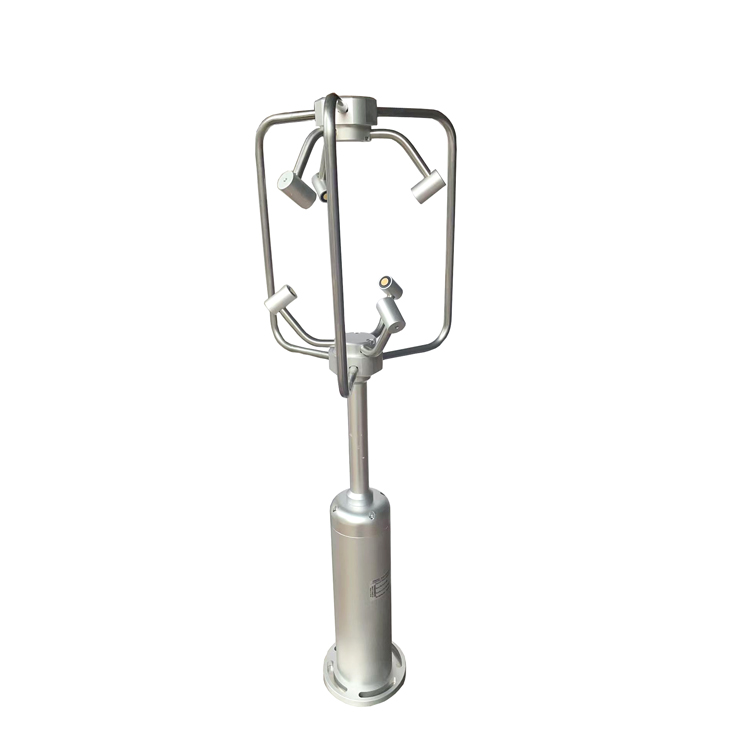
For weather, safety and environmental monitoring projects, the buyer should start with the application: what value must be measured, how often the data is needed, where the device will be installed, and who will maintain it. The model number matters, but it should come after range, output, power, mounting and service access are clear.
| Cost item | What to confirm | Why it changes the quotation |
|---|---|---|
| Measuring range | Confirm the normal and peak value, not only the parameter name. | Range affects model selection and whether the reading is useful. |
| Output and controller | Confirm RS485, analog, pulse, wireless or platform requirement. | Interface scope changes hardware and commissioning work. |
| Mechanical scope | Check bracket, pole, immersion holder, cabinet or mounting kit. | Missing accessories often appear as extra project cost. |
| Documentation | Ask for wiring, protocol, calibration and installation notes. | Good documents reduce distributor and contractor support time. |
| Shipment scope | Confirm packing, quantity, destination and spare parts. | Export projects need clearer packing and replacement planning. |
A wind speed and direction sensor does not work as a standalone device. In a typical NiuBoL project, the wind speed and wind direction sensors sit at the field measurement layer and send values to a data logger or RTU. The data logger or RTU then forwards data through a 4G or Ethernet uplink to a weather monitoring platform. The buyer should confirm the data path, protocol and register table before the sensor is shipped, not after installation.
The integration question is whether the anemometer can be read by the buyer's existing data logger or RTU and weather monitoring platform. NiuBoL sensors commonly use RS485 Modbus RTU at the sensor layer, which is compatible with most PLC, RTU and gateway products on the market. wind data feeds into safety alarms, environmental monitoring and weather station packages. The purchase file should state which controller or platform will receive the data and what register mapping is expected.
| Integration layer | What the buyer confirms | Why it matters |
|---|---|---|
| Sensor layer | wind speed and wind direction sensors with RS485 Modbus RTU output | Defines the physical and protocol interface. |
| Controller | data logger or RTU reads Modbus registers | Determines whether data reaches the control logic. |
| Uplink | 4G or Ethernet to weather monitoring platform | Defines how field data reaches the operator. |
| Platform | weather monitoring platform | Determines whether alarms, trends and reports are available. |
| Register table | Modbus address, baud rate and function code list | Without it, commissioning stalls at first read. |
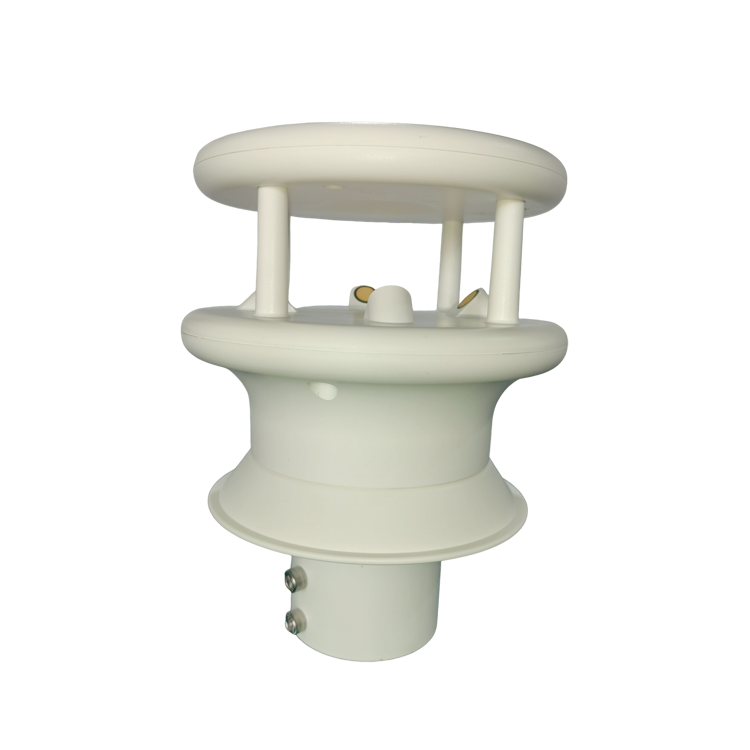
RS485 is the physical serial standard used by NiuBoL anemometer sensors at the field bus level. Modbus RTU is the protocol that runs on top of RS485. RS485 Modbus RTU transmits wind speed and direction registers to the data logger. The typical baud rate is 9600 bps, and each sensor on the bus needs a unique slave address. The buyer should request the register table, baud rate setting and wiring diagram with the shipment.
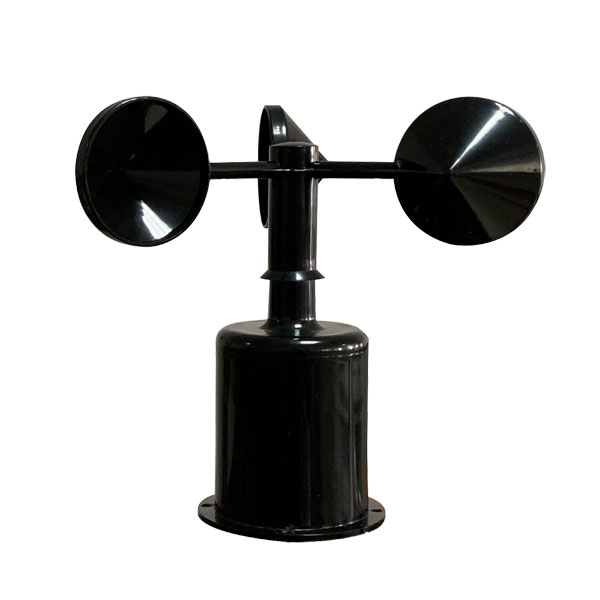
For NBL-W-WS and NBL-W-DS ultrasonic and cup-type wind sensors, the RS485 A/B lines connect to the controller's RS485 port. Shielded twisted-pair cable is recommended. For multi-sensor buses, assign unique Modbus addresses, check termination resistors at both ends and verify grounding to prevent signal interference. The purchase specification should include baud rate, slave address range and register list so that the integrator can read values without reverse-engineering.
| RS485 / Modbus item | Typical setting | Buyer action |
|---|---|---|
| Baud rate | 9600 bps | Confirm matching controller port setting. |
| Slave address | 1-247, unique per bus | Assign before installation; document in handover. |
| Protocol | Modbus RTU | Confirm controller supports function codes 03 and 06. |
| Register table | Address map for measured values | Request from supplier with shipment. |
| Wiring | RS485 A/B + power + ground, shielded | Use shielded twisted-pair; ground at one end. |
| Termination | 120 ohm resistor at bus ends | Add for long cable runs to prevent reflections. |
| Parameter | Typical project choice | Procurement meaning |
|---|---|---|
| Product direction | wind speed and wind direction sensor | Keeps quotation tied to the correct NiuBoL range. |
| Model reference | NBL-W-WS / NBL-W-DS | Final model should be confirmed against site details. |
| Output | RS485 Modbus, analog, pulse, wireless or platform upload depending on model | Do not assume every model has every interface. |
| Power | Mains, DC or solar package depending on product | Power design changes accessories and price. |
| Installation | Pole, bracket, immersion, cabinet or field mounting as applicable | Mechanical details affect long-term data. |
| Protection | Outdoor or wet-site protection according to product category | Must match rain, dust, humidity and maintenance access. |
| Documents | Wiring, protocol, installation and packing records | Needed for contractor handover. |
| Application | Site challenge | Recommended approach | Buyer value |
|---|---|---|---|
| Distributor quotation | Customer gives only a product term. | Convert the inquiry into parameter, range, output and installation questions. | Fewer wrong quotations. |
| System integration | The value must enter an existing controller. | Confirm interface, protocol and cable before order. | Shorter commissioning time. |
| Engineering contractor | Site conditions are not fully documented. | Request photos, drawings and power details. | Less on-site improvisation. |
| Export project | Packing and documents affect handover. | Define accessory list and documentation scope. | Lower support burden after delivery. |
This option is not suitable when the buyer cannot define the measurement purpose or when the site lacks safe installation and maintenance access. In that case, confirm the project boundary before ordering hardware.
Compare anemometer price offers by the working scope, not by one unit number. One quotation may include only the device, while another includes mounting hardware, cable, controller, software, documents and packing. Those are different project packages.
| Quotation line | Acceptable detail | Buyer risk when missing |
|---|---|---|
| Model | NBL-W-WS / NBL-W-DS or alternative model clearly stated | Buyer cannot verify whether offers are comparable. |
| Output | RS485, analog, pulse, wireless or platform upload stated | Integrator may receive the wrong signal type. |
| Accessories | Cable, bracket, cabinet, pole or mounting parts listed | Site team buys missing parts after delivery. |
| Support files | Wiring, protocol, installation and packing documents | Commissioning depends on repeated clarification. |
For anemometer price, send application, target range, required output, installation method, power condition, cable length, quantity, destination country and whether you need only the product or a complete monitoring package.
| RFQ field | Why it matters |
|---|---|
| Application and site | Defines whether the product is used for monitoring, alarm, control or reporting. |
| Required parameters and range | Prevents over-specified or under-specified models. |
| Output and platform | Determines whether RS485, pulse, analog, gateway or software support is needed. |
| Installation and cable | Changes brackets, enclosure, lightning protection, cable length and packaging. |
| Quantity and delivery country | Affects packing method, shipping plan and project lead time. |
NiuBoL can match wind speed and wind direction sensor options around the planned application, but the buyer should not treat NBL-W-WS / NBL-W-DS as a fixed answer before checking the site. For sensor-type products, RS485 Modbus RTU is often useful for digital integration. For complete systems, the data logger, gateway, platform and power package must be specified together.
A project document for anemometer price should describe the field decision, product direction and data path. This is more useful than a one-line request for wind speed and wind direction sensor.
| Specification item | Write it this way | Do not leave it as |
|---|---|---|
| Application | wind speed and wind direction sensor for weather, safety and environmental monitoring with model reference NBL-W-WS / NBL-W-DS. | General monitoring equipment. |
| Signal | Required output and controller or platform connection stated before order. | Standard output. |
| Installation | Installation method, cable length and site exposure confirmed by buyer. | Easy installation. |
| Acceptance | Live data, signal check and handover document completed before acceptance. | Normal operation after delivery. |
Lifecycle cost for anemometer price comes from cleaning, calibration or comparison, outdoor exposure, consumables, spare parts and communication support. Buyers should ask what needs routine inspection and which parts can be stocked locally.
| Lifecycle item | What to plan | Procurement value |
|---|---|---|
| Cleaning | Define interval by dust, fouling, insects, algae, sludge or field exposure. | Prevents good hardware from producing poor data. |
| Calibration or comparison | Record reference checks where the parameter requires it. | Creates evidence for acceptance and later troubleshooting. |
| Spare parts | Confirm consumables, cables, brackets, batteries or vulnerable parts. | Avoids long downtime after a minor failure. |
| Remote support | Keep photos, wiring and configuration files available. | Allows faster supplier support without repeated site visits. |
Keep photos, wiring records, serial numbers, first live data, platform settings and maintenance responsibility in the handover package. These records are low cost and very useful when the site asks for support months later.
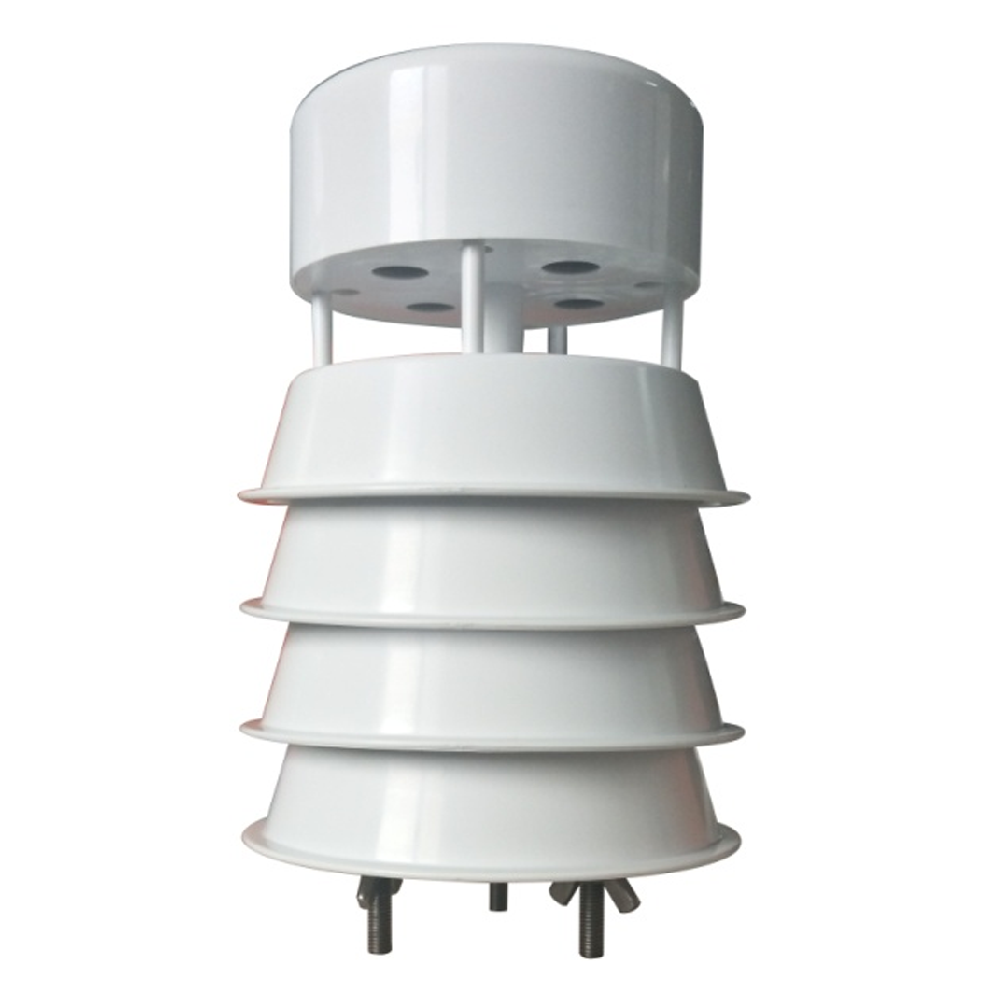
Confirm the measurement purpose, installation environment, signal output, power supply, cable route, data platform, maintenance access, and acceptance record. These details help the project team avoid field changes after procurement.
Match the communication interface, address plan, polling interval, unit display, alarm rule, and cabinet wiring with the existing gateway or controller. The integration document should be approved before site work starts.
Temperature, moisture, fouling, vibration, flow condition, cable distance, enclosure position, and service access can all affect long-term stability. The final selection should follow the real installation point, not only the catalog text.
The RFQ should include target parameter, range, output protocol, supply voltage, cable length, mounting method, enclosure requirement, quantity, project location, and any platform or data format requirement.
Acceptance should verify live value, unit, timestamp, wiring, address, platform channel, alarm action, photos, and the first stable data records. Keeping this evidence makes later operation easier to support.
Define cleaning, inspection, calibration or comparison method, spare parts, responsible team, and service interval according to the medium and site access. A clear plan reduces unexpected downtime.
Yes, but each site should use a consistent naming rule, address list, installation photo standard, and data template. This keeps commissioning and future expansion easier to manage.
NiuBoL can review the application condition, help match the sensor package, provide interface information, and support model selection for project teams that need reliable field data.
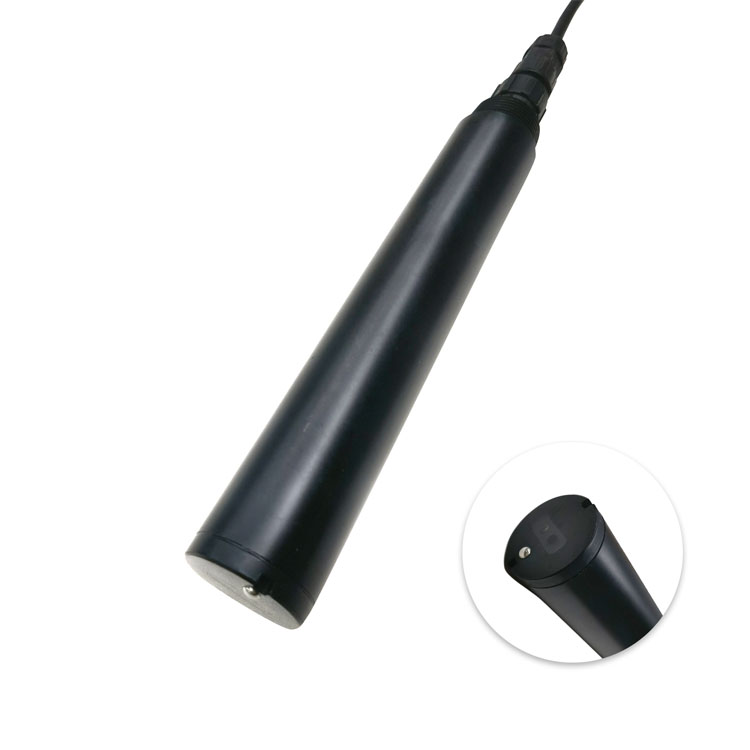
4-20 mA.
anemometer price should lead to a clear procurement file, not a vague product request. Buyers who define application, signal, installation and handover records can get a more accurate NiuBoL recommendation and a more comparable quotation.
Prev:Sensor for Water Quality: How to Choose a Practical Monitoring Package
Next:Automatic Irrigation System Using Arduino: When to Use Industrial Soil Sensors
Related recommendations
Sensors & Weather Stations Catalog
 Agriculture Sensors and Weather Stations Catalog-NiuBoL.pdf
Weather Stations Catalog-NiuBoL.pdf
Agriculture Sensors Catalog-NiuBoL.pdf
Water Quality Sensor Catalog-NiuBoL.pdf
Related products
 Combined air temperature and relative humidity sensor
 Soil Moisture Temperature sensor for irrigation|NBL-S-THR
 Soil pH sensor RS485 soil Testing instrument soil ph meter for agriculture |NBL-S-PH
 Wind Speed sensor Output Modbus/RS485/Analog/0-5V/4-20mA
 Tipping bucket rain gauge for weather monitoring auto rainfall sensor RS485/Outdoor/stainless steel
 Pyranometer Solar Radiation Sensor 4-20mA/RS485

Screenshot, WhatsApp to identify the QR code
WhatsApp number:+8615367865107
(Click on WhatsApp to copy and add friends)

