





— Blogs —
—Products—
 Consumer hotline +8618073152920
 WhatsApp:+8615367865107
Address:Room 102, District D, Houhu Industrial Park, Yuelu District, Changsha City, Hunan Province, China
Product knowledge
Time:2026-03-28 16:29:11 Popularity:525
NiuBoL Integrated Ultrasonic Weather Station – High-integration, no mechanical parts, low power consumption automatic meteorological observation equipment.
Traditional conventional weather stations adopt a modular sensor combination approach, where each meteorological element (such as wind speed and direction, rainfall, temperature and humidity) requires independent installation of corresponding instruments. Wind speed and direction usually use mechanical cup anemometers and wind vanes, while rainfall uses tipping bucket rain gauges. This distributed architecture results in larger overall volume, complex wiring, high installation space requirements, and mechanical parts exposed to the outdoors for a long time are prone to wear, aging, jamming and other problems, directly affecting data continuity and accuracy.
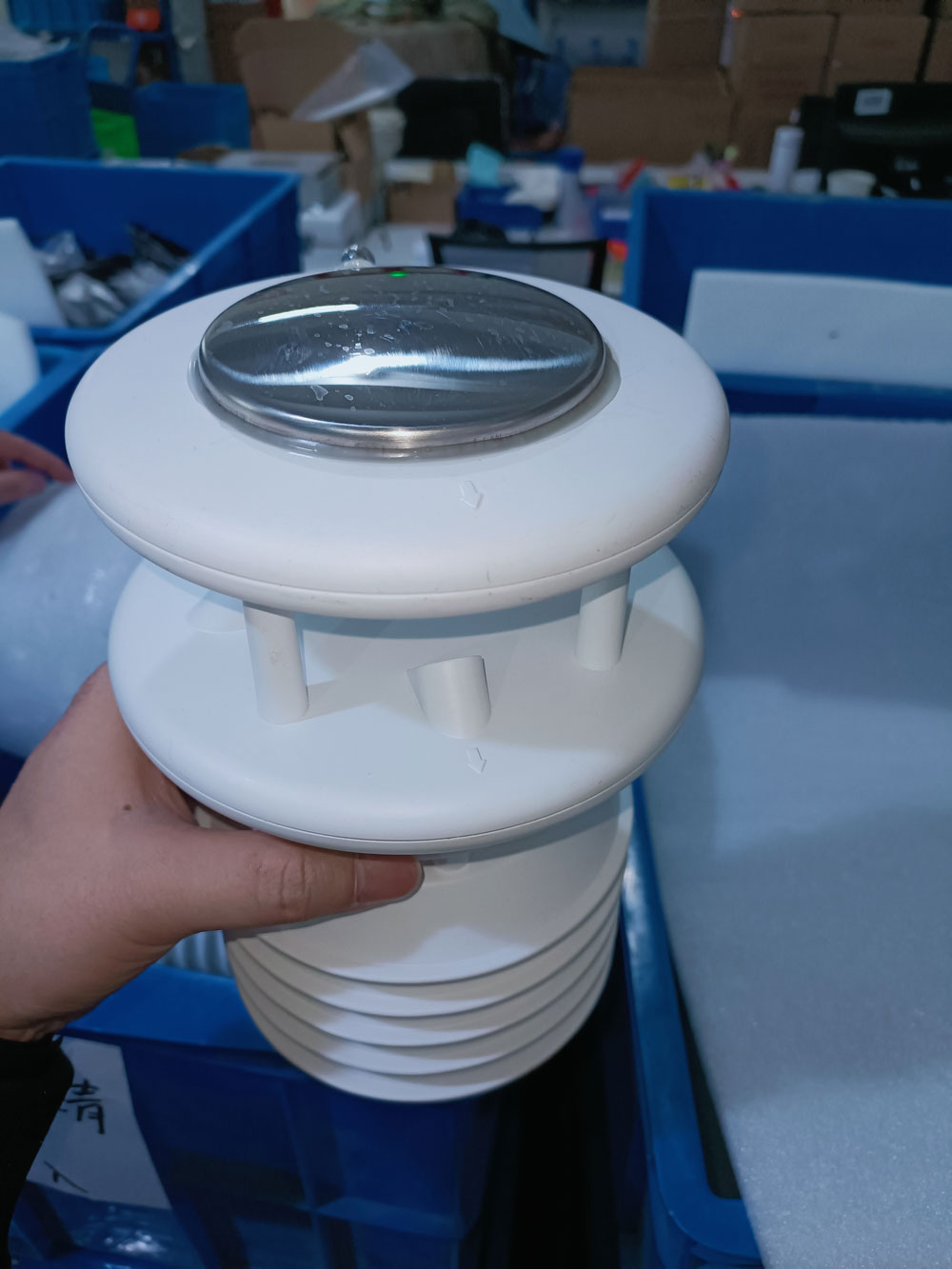
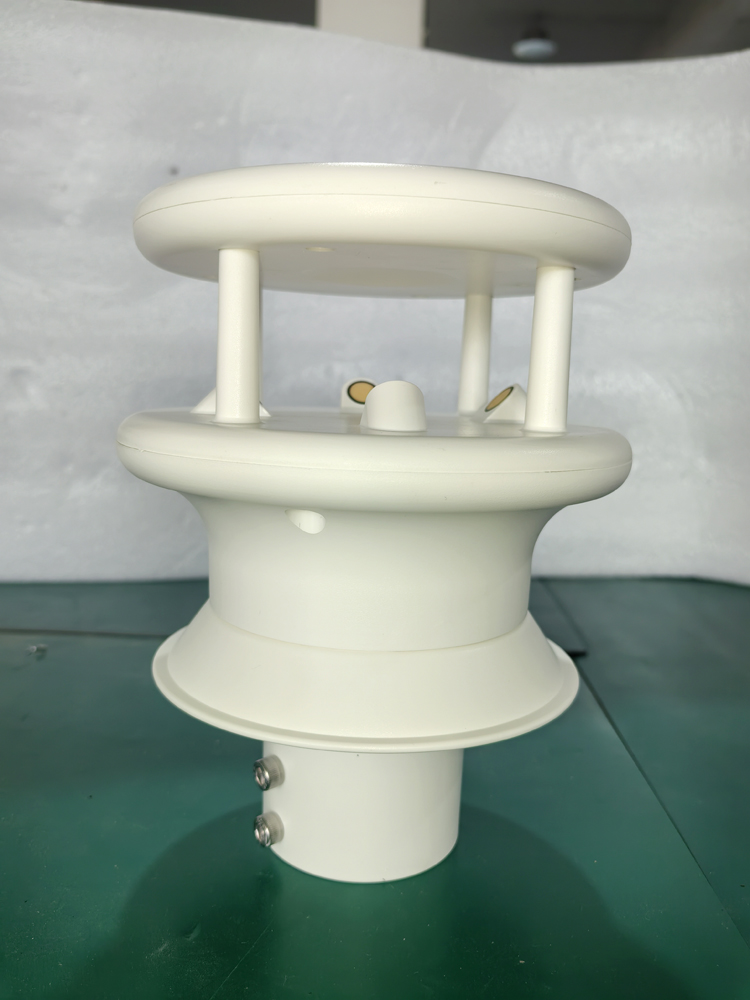
The NiuBoL ultrasonic weather station adopts a highly integrated integrated design, integrating core elements such as wind speed, wind direction, temperature, humidity, air pressure and optical rainfall into a single probe unit. Through ultrasonic time difference method and piezoelectric ceramic kinetic energy rainfall monitoring technology, multi-parameter synchronous acquisition is realized. The sensor has no moving or rotating parts, fundamentally eliminating the risk of mechanical wear and significantly improving the long-term stability and data reliability of the system.
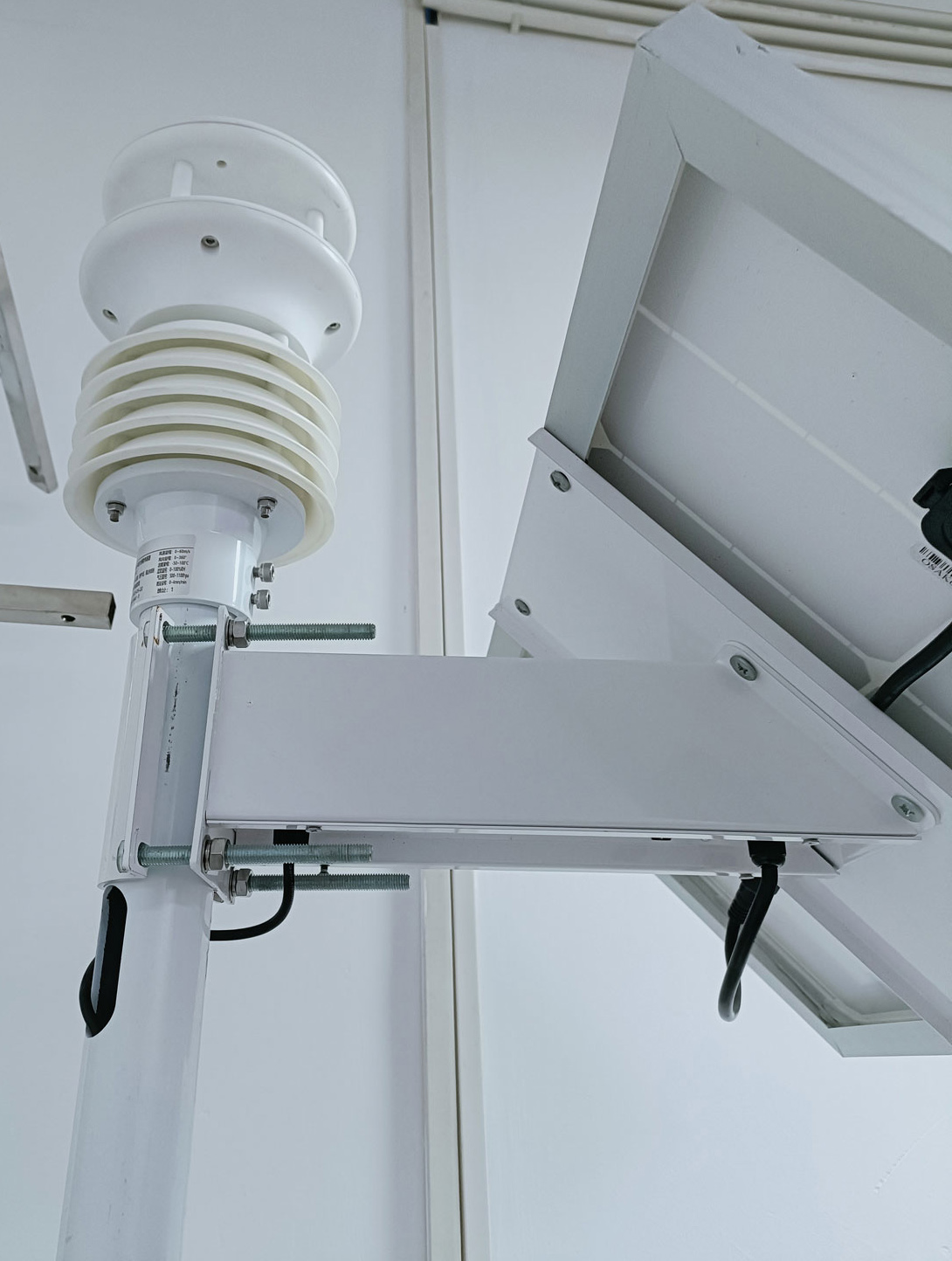
In engineering deployment, the ultrasonic weather station can be directly sleeved on a standard pole or additionally installed on composite facilities such as smart light poles, greatly simplifying on-site construction procedures, shortening project delivery cycles, and is particularly suitable for field monitoring projects with limited space or rapid deployment.
Conventional weather stations rely on mechanical cup rotation counting, which has a starting wind speed threshold (usually above 0.5-1m/s). There is an obvious measurement blind zone in the low wind speed section, and mechanical bearings are easily affected by sand, dust and icing, leading to accuracy degradation.
The NiuBoL ultrasonic weather station adopts the time difference method principle: the wind speed vector is calculated by measuring the propagation time difference of ultrasonic waves in the north-south and east-west directions. When the wind blows from the north, the propagation time from N to S is shortened, while the opposite direction is extended. This method is not directly affected by ambient temperature, has no starting wind speed, covers a range of 0~60m/s, and has faster response speed.
Traditional tipping bucket rain gauges rely on mechanical tipping bucket action and are easily affected by tipping bucket lag during heavy rainfall, freezing or insect blockage.
The NiuBoL ultrasonic weather station integrates a piezoelectric ceramic kinetic energy rainfall sensor, which accurately identifies individual raindrops based on raindrop impact kinetic energy (P=mv). It can continuously monitor from light rain to heavy rain, output real-time rainfall intensity and cumulative rainfall, and has stronger anti-interference ability.
Temperature, humidity, air pressure and other parameters are covered in both systems, but the ultrasonic weather station achieves a compact layout through an integrated probe, reducing mutual interference between sensors and improving overall measurement consistency.
1. High Integration and Miniaturization
A single probe integrates more than 10 meteorological elements, occupying far less space than traditional multi-sensor combinations, suitable for space-constrained scenarios such as urban smart poles and grassland fire prevention stations.
2. Low Maintenance Characteristics
No mechanical moving parts, basically achieving maintenance-free operation. Traditional mechanical sensors require regular lubrication, cleaning and bearing replacement, while ultrasonic weather stations basically do not require calibration on site, significantly reducing the full life cycle operation and maintenance costs.
3. Low Power Consumption Design
Average power consumption is only 0.4W (without dust sensor) or 1W (with dust), which is very suitable for solar-powered field unattended automatic weather stations, extending battery life and reducing power supply system configuration requirements.
4. High Reliability and Environmental Adaptability
High-strength structural design, protection level IP65, operating temperature -40~80℃, humidity 0-95%RH, can work stably under harsh climatic conditions. ASA engineering plastic or high-strength shell enhances corrosion resistance and anti-aging ability.
5. Fast Deployment and Debugging-Free
Direct sleeve installation, simple wiring, supports standard MODBUS protocol output, and engineering companies can quickly complete on-site deployment and system access.
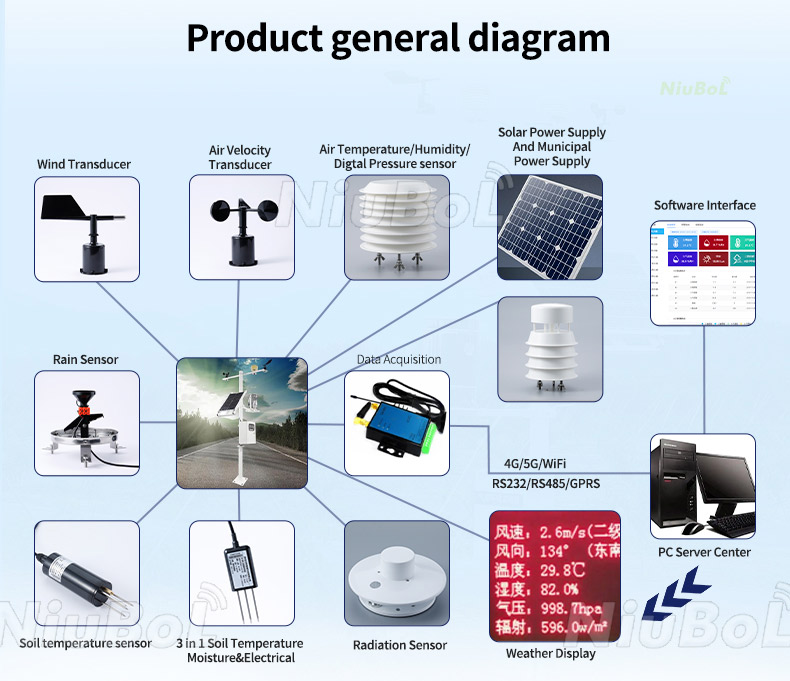
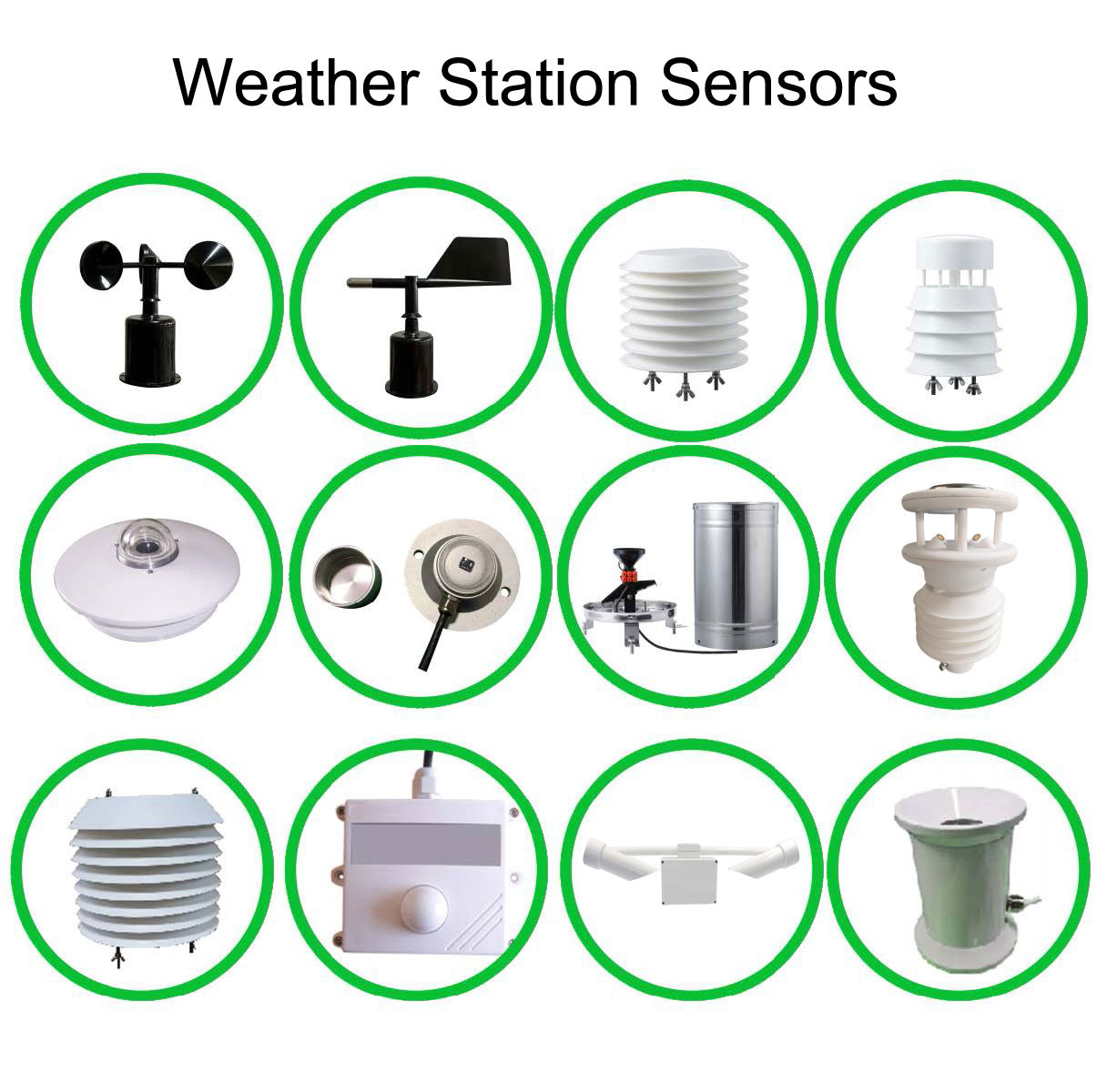
The NBL-W-10GUWS all-in-one ultrasonic weather station, as the core model, can quickly and accurately detect parameters such as wind speed, wind direction, atmospheric temperature, humidity and air pressure, and optionally expand elements such as PM2.5, PM10, noise, radiation and rainfall.
| Parameter Name | Range | Resolution | Remarks |
|---|---|---|---|
| Wind Speed | 0~60 m/s | 0.01 m/s | Ultrasonic time difference method |
| Wind Direction | 0~359° | 1° | 360° omnidirectional |
| Temperature | -40~80℃ | 0.1℃ | - |
| Humidity | 0~100% RH | 0.1% RH | - |
| Air Pressure | 10~1100 hPa | 0.1 hPa | - |
| PM2.5 | 0~1000 μg/m³ | 1 μg/m³ | Optional |
| PM10 | 0~2000 μg/m³ | 1 μg/m³ | Optional |
| Noise | 30~130 dB | 0.1 dB | Optional |
| Illuminance | 0~200000 Lux | 10 Lux | Optional |
| Rainfall | 0~8 mm/min | 0.01 mm | Piezoelectric ceramic kinetic energy type |
| Radiation | 0~1500 W/m² | 1 W/m² | Optional |
| Power Supply Voltage | DC 9-24V | - | Wide voltage input |
| Average Power Consumption | 0.4W (without dust)/1W (with dust) | - | Low power consumption design |
| Communication Protocol | RS485 | - | Standard MODBUS protocol |
| Protection Level | IP65 | - | Waterproof and dustproof |
Spring strong wind and dry weather is a high-incidence period for grassland fires. The NiuBoL ultrasonic weather station monitors elements such as wind speed, wind direction, temperature, humidity, air pressure and rainfall in real time. When high temperature, low humidity and strong wind combination conditions are detected, the system can provide fire risk warnings for fire departments and support the early deployment of fire prevention forces and materials. The flat terrain and vast area of grasslands make the miniaturization and low maintenance characteristics of ultrasonic weather stations particularly suitable for large-scale distributed deployment, forming a coverage monitoring network.
Provide precise micro-meteorological data for crop growth cycles to guide irrigation, fertilization and disaster prevention decisions. The integrated design facilitates rapid deployment in fields or forest areas and reduces occupation of cultivated land space.
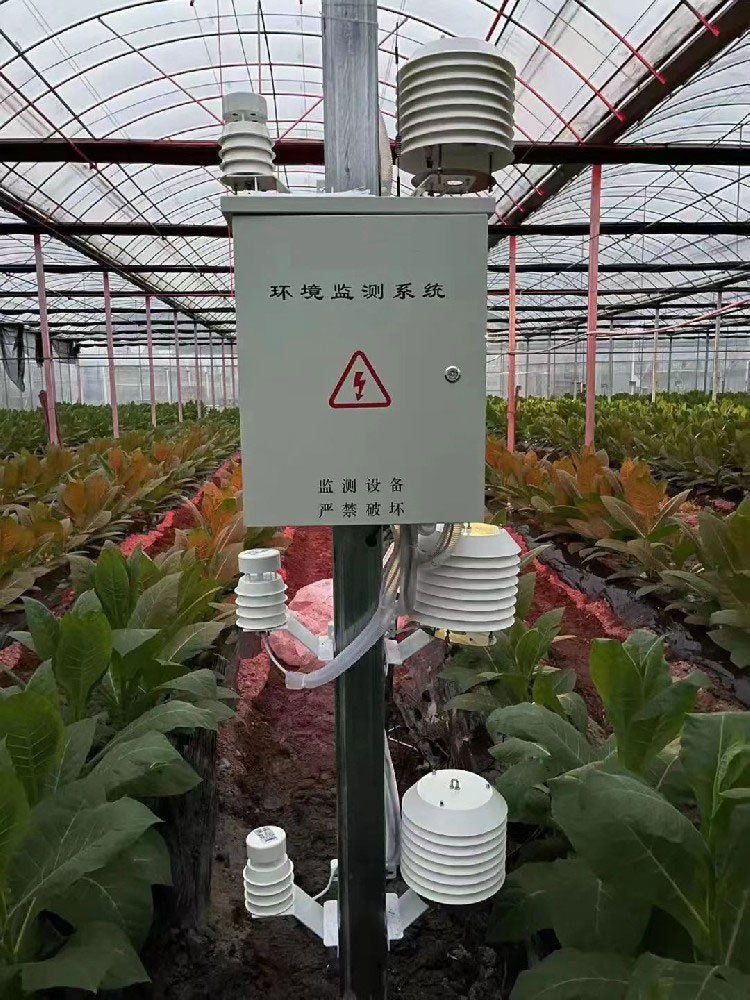
Combined with extended parameters such as PM2.5, PM10 and noise, it supports atmospheric pollution tracing and environmental quality assessment. It can be additionally installed on smart light poles to achieve composite monitoring of urban multi-functional poles.
Provide real-time wind field data for aircraft takeoff and landing, ship berthing and highway operation, supporting strong wind warnings and operational safety management.
Low power consumption and easy installation characteristics are suitable for the construction of remote scientific investigation stations or campus meteorological observation stations, supporting long-term continuous data collection and teaching display.
Corrosion-resistant design adapts to nearshore or wetland environments and provides reliable data for port scheduling and hydro-meteorological joint monitoring.
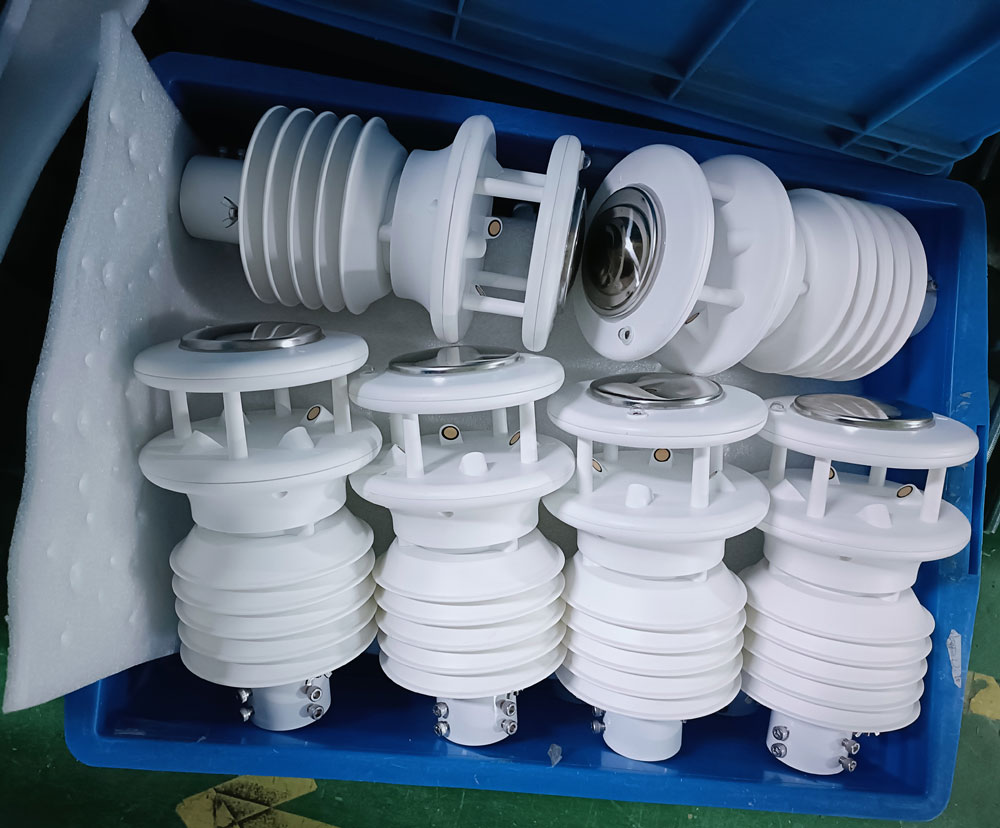
When installing, it is recommended to choose an open area to avoid turbulence caused by surrounding buildings, trees or high-rise buildings affecting measurement accuracy. The sensor should be installed on a vertical pole to ensure that the probe is on the same horizontal plane, and use a compass to accurately align with the geographic true north direction.
Key Precautions include:
Keep at least 2 meters away from radar and radio transmitting devices to avoid electromagnetic interference.
Use the shielded cable recommended by the manufacturer, correctly connect the shielding layer and perform stress relief.
Keep the installation location away from vibration sources and ensure continuous and stable power supply to the equipment.
Regularly check surface cleanliness to prevent foreign objects from adhering and affecting the ultrasonic path.
The system supports RS485 MODBUS protocol, which is convenient for seamless docking with data collectors, edge gateways or cloud platforms. Engineering companies can quickly realize data upload, WebGIS display and alarm linkage.
Q1. What is the biggest difference between ultrasonic weather station and conventional mechanical weather station?
The ultrasonic weather station adopts an integrated design with no mechanical parts, high integration and low maintenance, while conventional weather station sensors are dispersed and have mechanical wear problems.
Q2. Does the NiuBoL ultrasonic weather station support solar power supply?
Yes, the low power consumption design (average 0.4W-1W) is very suitable for solar + battery powered field unattended scenarios.
Q3. Is the wind speed and direction measurement principle affected by temperature?
The ultrasonic time difference method for calculating wind speed and direction has no direct correlation with temperature, and the measurement stability is higher.
Q4. What technology is used for rainfall measurement?
It adopts the piezoelectric ceramic kinetic energy principle, which accurately calculates rainfall intensity and cumulative rainfall based on raindrop impact kinetic energy, with strong anti-clogging ability.
Q5. Does this equipment support multi-element expansion?
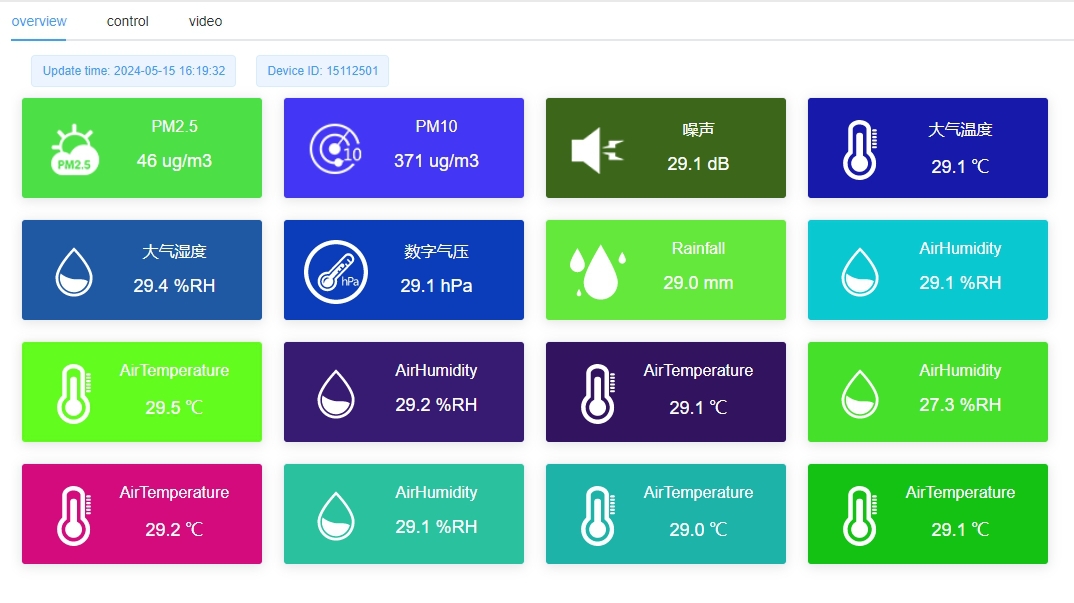
Yes, it supports optional integration of parameters such as PM2.5, PM10 and noise to form a composite meteorological monitoring node.
Q6. How does the installation space requirement compare with conventional weather stations?
The ultrasonic weather station is small and compact, can be directly sleeved on poles or attached to smart light poles, and the space requirement is significantly reduced.
Q7. What is the protection level and environmental adaptability?
IP65 protection level, operating temperature -40~80℃, suitable for various harsh outdoor climate environments.
Q8. What types of engineering projects is it suitable for?
It is widely used in projects such as grassland fire prevention, agricultural meteorology, environmental monitoring, airport ports, smart city poles and scientific investigation.
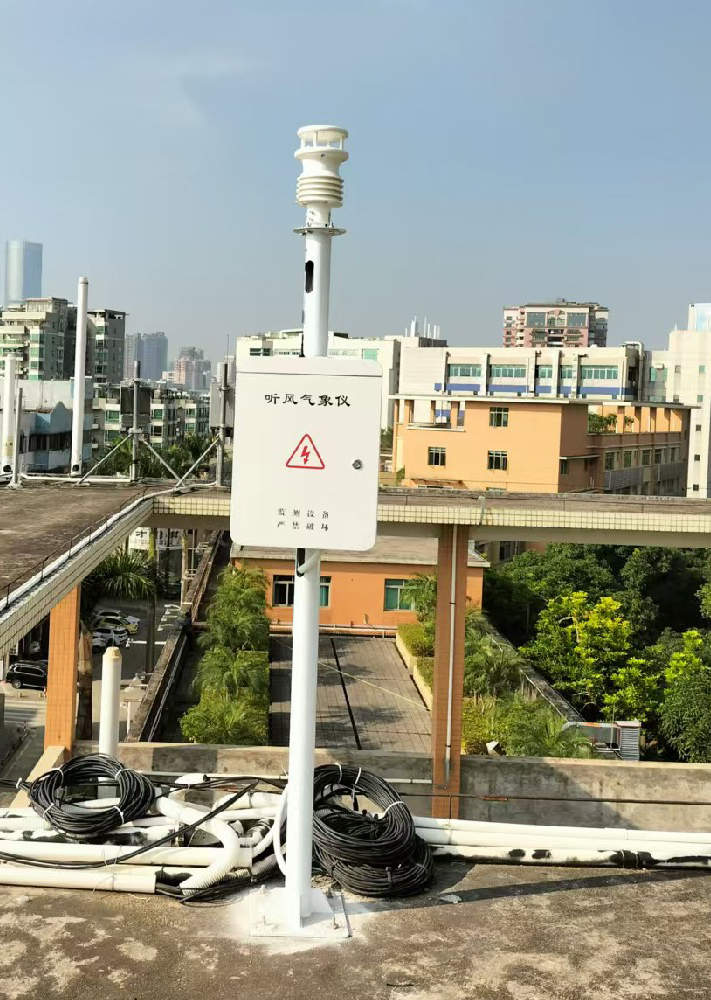
The ultrasonic weather station demonstrates significant engineering application value in comparison with conventional weather stations due to its advantages of high integration, low maintenance, low power consumption and fast deployment. The NiuBoL ultrasonic weather station, with its integrated multi-parameter sensor as the core, provides system integrators, IoT solution providers, project contractors and engineering companies with efficient and reliable outdoor meteorological monitoring solutions.
In scenarios such as grassland fire prevention, agricultural production, environmental protection supervision and traffic safety, this equipment can effectively improve the continuity and accuracy of meteorological data collection and support scientific decision-making and disaster prevention and control. Choosing the NiuBoL ultrasonic weather station helps reduce the full life cycle cost of the project and improve system operation reliability.
As a professional meteorological equipment manufacturer and supplier, NiuBoL is committed to providing mature technical products and integration support for industry partners. If you need detailed selection comparison, system solution design or on-site deployment guidance, please contact the professional team for further cooperation to jointly promote the application and upgrading of meteorological monitoring technology in various fields.
 NBL-W-21GUWS-Ultrasonic-Wind-speed-and-direction-Sensor.pdf
NBL-W-61MUWS-Ultrasonic-Weather-Station-Instruction-Manual.pdf
NBL-W-71MUWS-Micrometeorological-Sensor-Operating-Instructions.pdf
Related recommendations
Sensors & Weather Stations Catalog
Agriculture Sensors and Weather Stations Catalog-NiuBoL.pdf
Weather Stations Catalog-NiuBoL.pdf
Agriculture Sensors Catalog-NiuBoL.pdf
Water Quality Sensor Catalog-NiuBoL.pdf
Related products
 Combined air temperature and relative humidity sensor
 TDR Soil Moisture & Temperature Sensor for irrigation| RS485 |4-20mA| NBL-S-THR
 Soil pH sensor RS485 soil Testing instrument soil ph meter for agriculture |NBL-S-PH
 Wind Speed sensor Output Modbus/RS485/Analog/0-5V/4-20mA
 Tipping bucket rain gauge for weather monitoring auto rainfall sensor RS485/Outdoor/stainless steel
 Pyranometer Solar Radiation Sensor 4-20mA/RS485

Screenshot, WhatsApp to identify the QR code
WhatsApp number:+8615367865107
(Click on WhatsApp to copy and add friends)

