





— Blogs —
—Products—
 Consumer hotline +8618073152920
 WhatsApp:+8615367865107
Address:Room 102, District D, Houhu Industrial Park, Yuelu District, Changsha City, Hunan Province, China
Product knowledge
Time:2026-03-28 16:22:00 Popularity:516
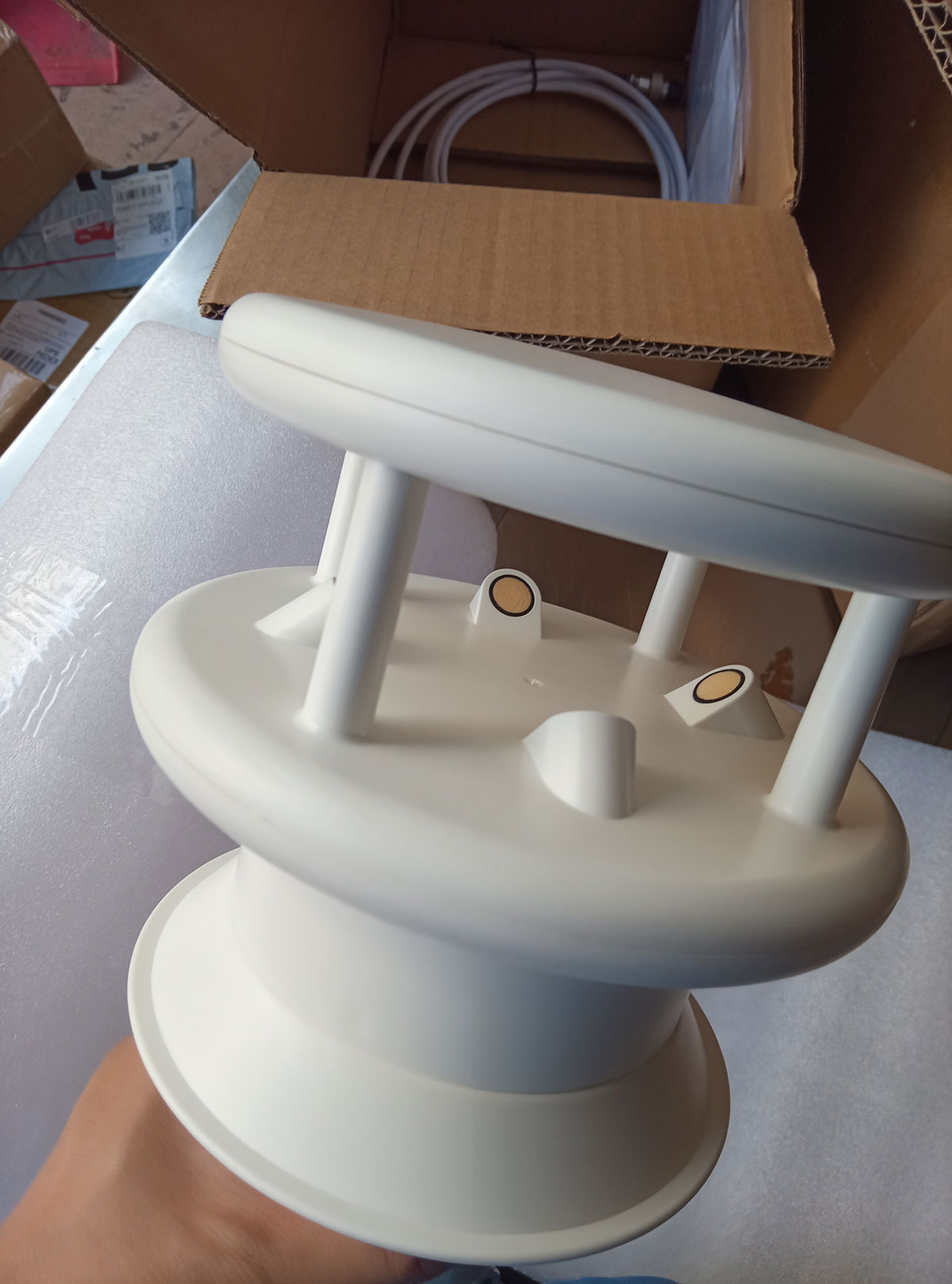
NiuBoL Ultrasonic Wind Speed and Direction Sensor – High-precision, no starting wind speed outdoor meteorological monitoring equipment for 24-hour continuous online monitoring.
Strong wind weather is usually accompanied by cold air activity, cold waves or typhoon processes. When the wind force reaches a certain level, it will cause chain reactions to multiple industries and fields.
Strong winds can directly break crop branches and leaves, causing plant lodging, especially during the flowering and fruiting periods of crops. Strong winds will interfere with the pollination process and blow off fruits, directly reducing yield. At the same time, as a transmission medium, strong winds can accelerate the spread of pathogens and the migration of pests, aggravating the spread of diseases and pests, causing compound losses to food security and cash crops.
Strong winds stir up surface dust, forming sandstorms, significantly reducing atmospheric visibility and increasing the risk of vehicle rear-end collisions. When wind force acts on the side of vehicles, it affects driving stability and may cause rollover accidents in severe cases. At key nodes such as highways, bridges and airports, strong winds may also cause flight delays, ship suspensions and road closures.
Strong winds easily blow down unsecured billboards, hanging signs and roof components, threatening the safety of pedestrians and vehicles. Falling trees and utility poles may smash buildings, block roads, and cause power line failures, leading to large-scale power outages. The structural safety risks of urban high-rise buildings, bridges and outdoor facilities under strong winds increase significantly.
To effectively cope with the above hazards, real-time and accurate wind speed and direction monitoring has become the foundation of disaster prevention and mitigation. Traditional mechanical cup anemometers have problems such as starting wind speed, mechanical wear and high maintenance volume, while ultrasonic wind speed and direction instruments provide a solution with a wider range and lower maintenance cost by virtue of non-contact measurement principles.
The NiuBoL ultrasonic wind speed and direction instrument is based on the ultrasonic time difference method measurement principle. The sensor arranges ultrasonic transceiver units in four directions: North (N), South (S), East (E) and West (W). By accurately measuring the propagation time difference of ultrasonic waves from N to S and S to N, as well as from E to W and W to E, the wind speed component is calculated. When the wind blows from the north, the propagation time from N to S is shortened, while the opposite direction is extended. The wind speed magnitude and wind direction angle can be solved through the time difference.
This method is not directly affected by environmental factors such as temperature, humidity and air pressure. It has the characteristics of fast response, high precision and no starting wind speed. Even under light wind or extreme strong wind (0~60m/s) conditions, it can still maintain stable output. The sensor has a built-in signal processing unit, which can directly output digital signals to avoid interference in analog signal transmission.

The NiuBoL NBL-W-21GUWS ultrasonic wind speed and direction sensor adopts a highly integrated integrated design with no moving mechanical parts, fundamentally eliminating wear problems during long-term use. The shell is made of ASA engineering plastic, which has excellent weather resistance and corrosion resistance, and is suitable for long-term exposure to harsh outdoor climate environments.
Main advantages include:
No starting wind speed, range covers 0~60m/s, can capture the full wind speed spectrum from calm wind to strong wind.
Full digital output, high integration, rapid response and strong anti-interference ability.
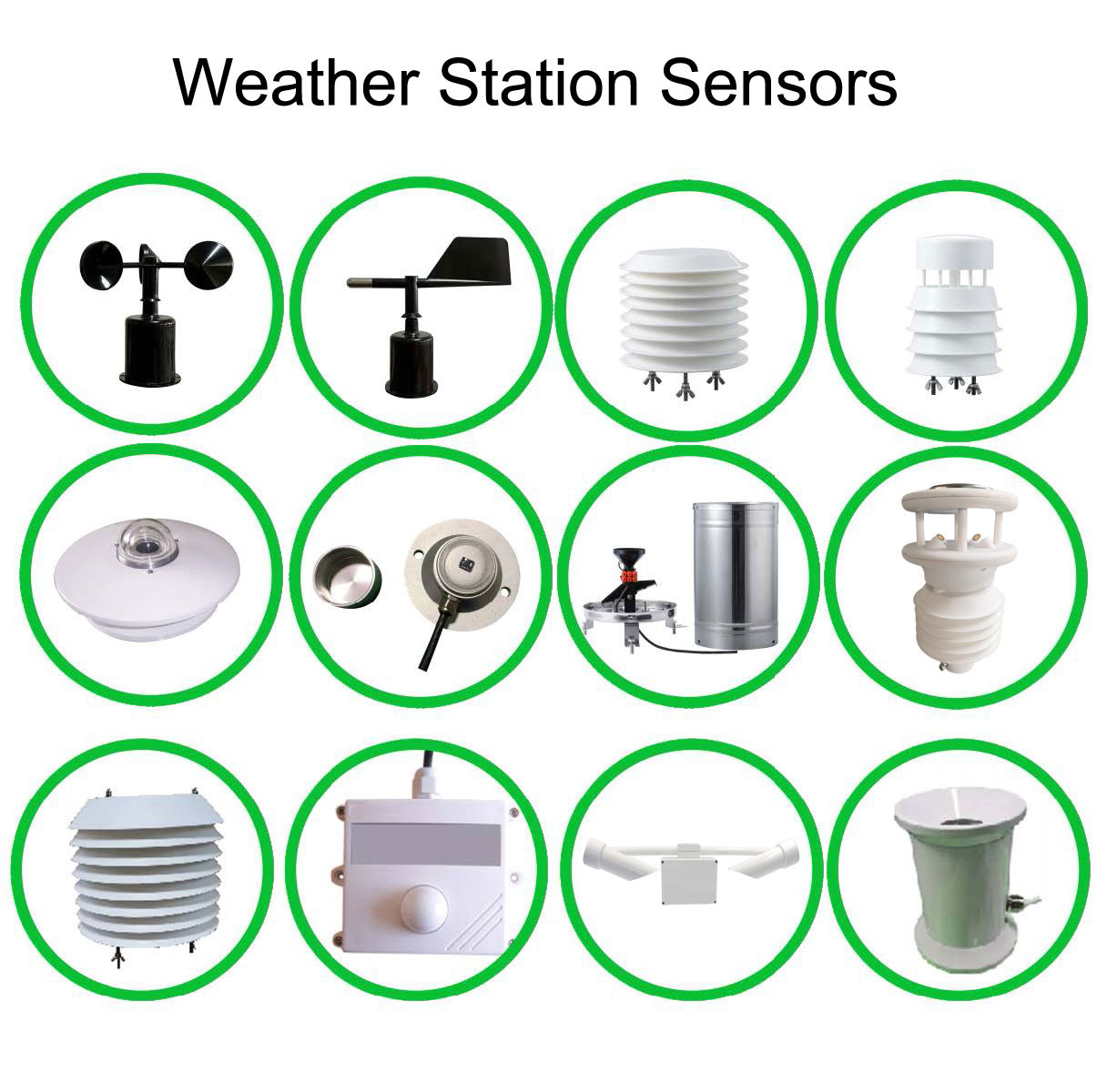
Optional integration of multiple meteorological elements such as temperature and humidity, air pressure, PM2.5, PM10, noise, radiation and rainfall to form a composite meteorological station.
Low maintenance characteristics, basically no need for regular calibration and mechanical lubrication on site.
High-strength structural design, adapting to a wide temperature range of -20~80℃ and 0~100% RH humidity environment.
Optional heating function (3W) to prevent low-temperature icing from affecting measurement.
These characteristics make it particularly suitable for unattended meteorological monitoring stations that require long-term stable operation, as well as engineering projects such as wind power generation, aviation and ports that have high requirements for accuracy and reliability.
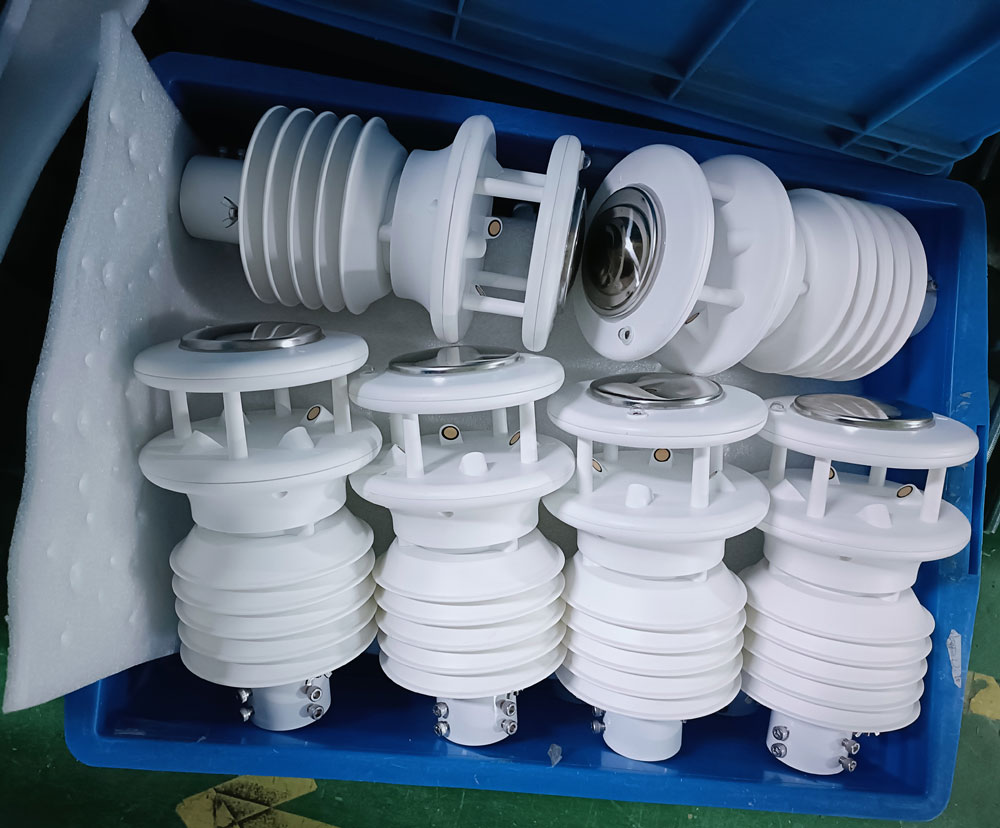
| Parameter Name | Range | Remarks |
|---|---|---|
| Wind Speed | 0~60 m/s | Ultrasonic time difference method |
| Wind Direction | 0~359° | 360° omnidirectional |
| Power Supply Voltage | DC 12-24V | Wide voltage input |
| Signal Output | RS485 | Standard MODBUS protocol |
| Baud Rate | 9600 bps | Configurable |
| Operating Temperature | -20~80℃ | Industrial grade |
| Operating Humidity | 0~100% RH | Full humidity range |
| Protection Level | IP65 | Waterproof and dustproof |
| Heating Power | 3W (optional) | Anti-icing |
The communication protocol adopts standard MODBUS RTU, which supports seamless docking with mainstream data collectors, PLC and IoT platforms, facilitating system integration.
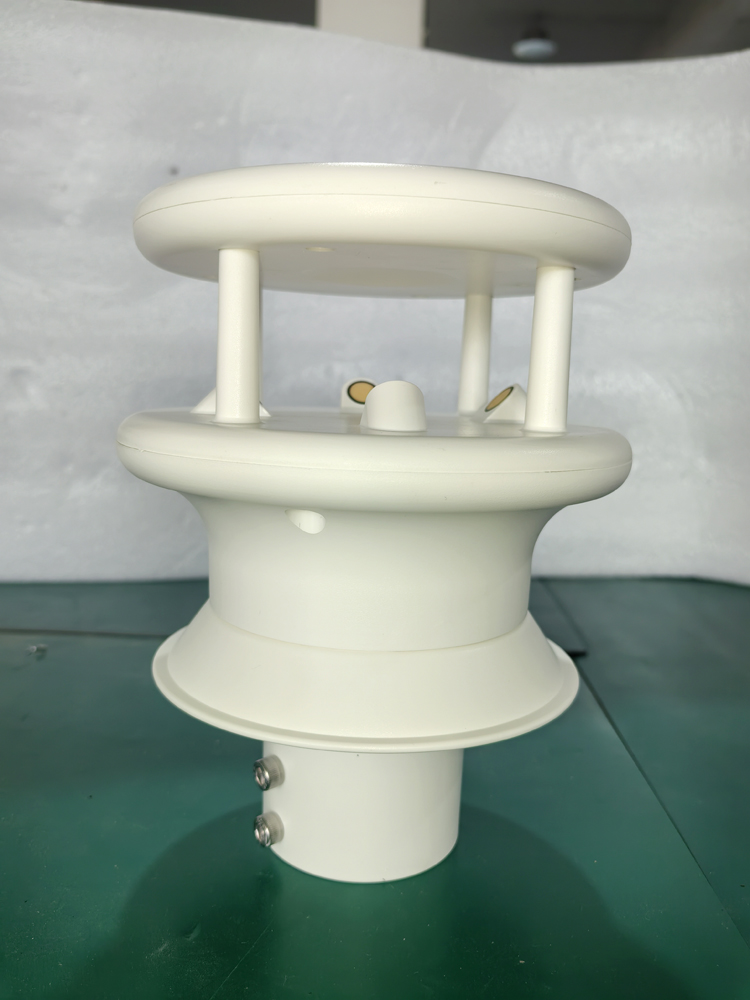
Correct installation is the key to ensuring the measurement accuracy of the ultrasonic wind speed and direction instrument. NiuBoL sensor is recommended to be installed on a vertical installation pipe to ensure that the probe is on the same horizontal plane.
Installation Steps:
Positioning: Choose an open area to avoid turbulence or airflow obstruction caused by surrounding buildings, trees, utility poles, etc.
Alignment: Use a standard compass to determine the geographic north pole direction, align the sensor north-pointing mark with the true north direction and then fix it.
Wiring: Pass the signal cable through the installation pipe and pay attention to stress relief treatment.
Fixing: Reserve 3 equally spaced M5 screw holes at the top of the installation pipe (7.5mm from the top of the pipe), and use stainless steel screws to firmly fix the sensor.
Connection: Gently insert the rotary plug and lock the sleeve to ensure reliable contact.
Key Precautions:
The installation location must be far away from radar and radio transmitting devices, keeping at least 2 meters distance to avoid electromagnetic interference.
Avoid proximity to vibration sources, ship engines or vehicle engines and other strong interference equipment.
Use the shielded cable recommended by the manufacturer and correctly connect the shielding layer.
Ensure continuous and stable power supply to the equipment.
Regularly check the cleanliness of the sensor surface to prevent birds from nesting or foreign objects from adhering and affecting the ultrasonic path.
After installation, verify the stability of the output signal and pointing accuracy through the data acquisition system, and then it can be put into long-term operation.
Meteorological and Environmental Monitoring: As the core sensor of automatic weather stations, it provides real-time wind field data and supports the operation of strong wind warning models.
Wind Power Generation: Accurately monitor wind speed and direction to optimize wind turbine yaw control and power generation efficiency evaluation.
Transportation Infrastructure: Deployed on bridges, tunnels, highways and airports to support strong wind traffic restrictions, flight scheduling and structural safety monitoring.
Navigation and Ports: Provide wind condition reference for ship berthing and loading/unloading operations to reduce operational risks.
Industrial and Agricultural Protection: Used in conjunction with agricultural meteorological stations to provide early warning of the impact of strong winds on crops and guide the erection of windproof nets and field management.
The NiuBoL sensor supports multi-element expansion and can be integrated with sensors such as rainfall, temperature and humidity to form a complete outdoor meteorological monitoring node, meeting the requirements of different projects for data dimensions and real-time performance.
Q1. What are the core advantages of ultrasonic wind speed and direction instrument compared with traditional mechanical anemometers?
Ultrasonic sensors have no starting wind speed, no mechanical wear parts, wider measurement range, stable long-term accuracy and extremely low maintenance.
Q2. What is the communication protocol of NiuBoL NBL-W-21GUWS?
It adopts the standard MODBUS RTU protocol and outputs through RS485 interface, which is convenient for integration with various data collectors and IoT platforms.
Q3. Does this sensor support multi-meteorological element integration?
Yes, it supports optional integration of parameters such as temperature and humidity, air pressure, PM2.5, PM10, noise, radiation and rainfall to form a composite meteorological monitoring device.
Q4. How to ensure measurement accuracy under strong wind weather?
The integrated high-strength design and time difference measurement principle ensure that the accuracy of ±0.5+3%FS is maintained within the range of 0~60m/s, and it is not directly interfered by environmental factors such as temperature.
Q5. Is direction alignment the most important thing to pay attention to during installation?
Yes, a compass must be used to align the sensor north-pointing mark with the geographic true north to ensure accurate wind direction measurement.
Q6. Can the protection level meet the needs of long-term outdoor exposure?
IP65 protection level, combined with ASA engineering plastic shell, has strong corrosion resistance and weather resistance, suitable for various harsh climate environments.
Q7. What typical engineering projects is this equipment suitable for?
It is widely used in projects such as automatic weather stations, wind farms, airport ports, bridge monitoring, agricultural meteorological stations and urban environmental monitoring.
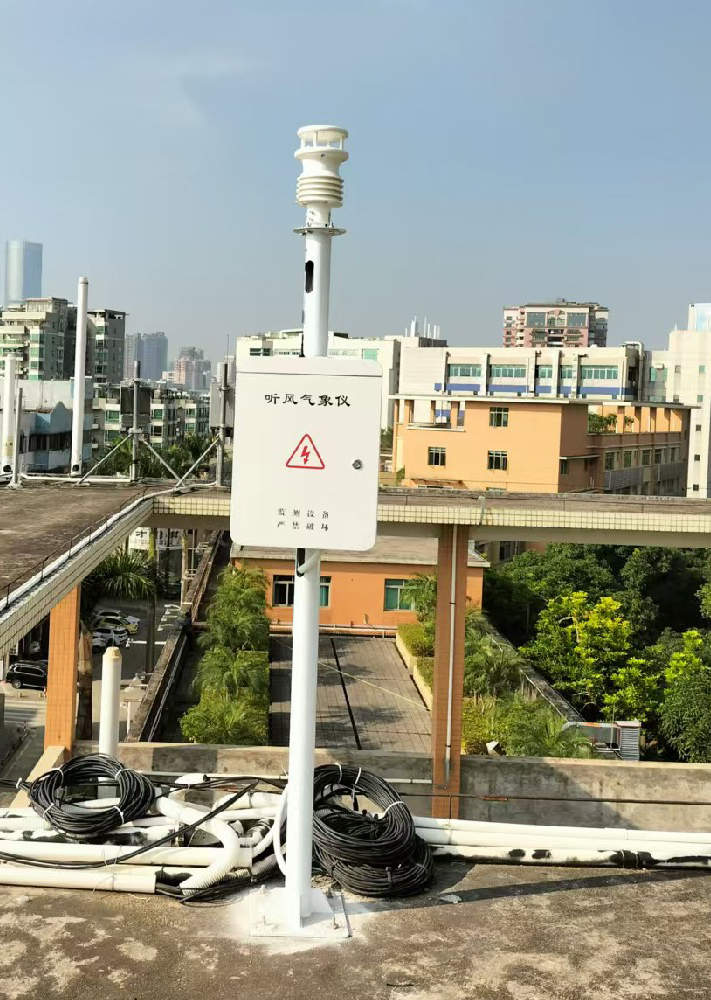
Strong wind weather poses multiple hazards to agriculture, transportation, infrastructure and residents' lives and property safety. Real-time and accurate wind speed and direction monitoring is the foundation for improving early warning capabilities and protection levels. The NiuBoL ultrasonic wind speed and direction instrument provides reliable wind field data solutions for system integrators, IoT solution providers, project contractors and engineering companies with its time difference measurement principle, high integration design and low maintenance characteristics.
In the context of climate change, the frequency of extreme strong wind events may increase. Choosing an ultrasonic wind speed and direction sensor with stable performance and easy integration will help build a more resilient meteorological monitoring network, reduce disaster risks and support safe production in the industry.
As a professional meteorological sensor manufacturer, NiuBoL focuses on providing high-precision outdoor monitoring equipment and technical support for industry partners. If you need product selection, system integration solutions or installation and debugging guidance, please contact the professional team for further cooperation to jointly improve the monitoring and prevention capabilities of strong wind weather.
 NBL-W-21GUWS-Ultrasonic-Wind-speed-and-direction-Sensor.pdf
NBL-W-61MUWS-Ultrasonic-Weather-Station-Instruction-Manual.pdf
NBL-W-71MUWS-Micrometeorological-Sensor-Operating-Instructions.pdf
Prev:Buoy Water Quality Monitoring Station: Assisting Water Pollution Control and Aquaculture Management
Related recommendations
Sensors & Weather Stations Catalog
Agriculture Sensors and Weather Stations Catalog-NiuBoL.pdf
Weather Stations Catalog-NiuBoL.pdf
Agriculture Sensors Catalog-NiuBoL.pdf
Water Quality Sensor Catalog-NiuBoL.pdf
Related products
 Combined air temperature and relative humidity sensor
 TDR Soil Moisture & Temperature Sensor for irrigation| RS485 |4-20mA| NBL-S-THR
 Soil pH sensor RS485 soil Testing instrument soil ph meter for agriculture |NBL-S-PH
 Wind Speed sensor Output Modbus/RS485/Analog/0-5V/4-20mA
 Tipping bucket rain gauge for weather monitoring auto rainfall sensor RS485/Outdoor/stainless steel
 Pyranometer Solar Radiation Sensor 4-20mA/RS485

Screenshot, WhatsApp to identify the QR code
WhatsApp number:+8615367865107
(Click on WhatsApp to copy and add friends)

