





— Blogs —
—Products—
 Consumer hotline +8618073152920
 WhatsApp:+8615367865107
Address:Room 102, District D, Houhu Industrial Park, Yuelu District, Changsha City, Hunan Province, China
Product knowledge
Time:2026-03-28 16:15:53 Popularity:535
NiuBoL Buoy Water Quality Monitoring Station – Real-time multi-parameter water quality and meteorological data collection for lakes, rivers, reservoirs and ditches.
China has a low per capita possession of water resources, and water pollution problems have further aggravated the shortage of freshwater resources. Urban sewage and factory wastewater generated during the industrialization process have placed continuous pressure on natural water bodies such as lakes, rivers and reservoirs. As an unattended intelligent monitoring platform, the buoy water quality monitoring station can continuously collect hydrological, water quality and meteorological parameters, forming a regional water quality monitoring network to help relevant departments grasp the dynamic changes and trends of water quality in real time, identify pollution sources in a timely manner and evaluate governance effects.
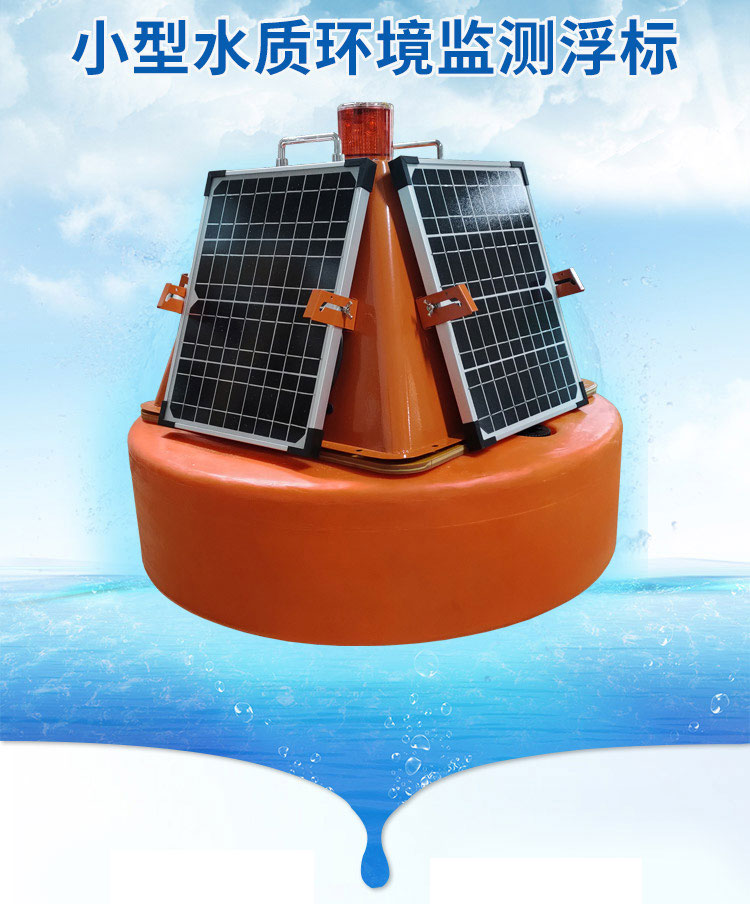
Compared with traditional manual sampling monitoring, the buoy system has the characteristics of many measurement parameters, high precision, large storage capacity and stable operation. It adopts solar power supply and low-power design to ensure long-term stable operation in complex outdoor environments without frequent on-site maintenance. The system realizes the full-process automation of data from collection to analysis through the architecture of perception layer (sensors and micro control unit), transmission layer (GPRS/4G/5G or RS485/RS232), platform layer (cloud server) and application layer (Web and mobile interfaces).
In water pollution prevention and control, buoy water quality monitoring stations can be deployed at different water level monitoring points to form a distributed monitoring network. After real-time data is uploaded, environmental protection departments can quickly locate pollution events in combination with pollution discharge outlet locations and water flow models, supporting emergency response and long-term governance. At the same time, the accumulation of historical data provides quantitative basis for water environment capacity assessment, ecological restoration project planning and policy formulation, helping to alleviate urban water shortage and promote regional ecological environment improvement.
Aquaculture is an important economic pillar in many regions, but water quality fluctuations often lead to stress, disease outbreaks and yield losses in cultured organisms. Factors such as insufficient dissolved oxygen, ammonia nitrogen accumulation or abnormal pH can cause large-scale losses. The NiuBoL buoy water quality online monitoring station is optimized for aquaculture scenarios, integrating a circular truncated buoy platform to achieve all-weather real-time monitoring and provide data support for scientific feeding, aeration regulation and disease prevention.
The system supports free combination of multiple water quality sensors, covering aquaculture ponds, lake net cages and nearshore aquaculture areas. Data is displayed through the IoT platform, allowing users to remotely view real-time curves and historical records, avoiding daily on-site inspections. Equipped with an independent power supply alarm module, it immediately pushes SMS or platform alerts when key parameters exceed limits, shortening response time and reducing economic risks.
Compared with fixed shore-based monitoring, buoy-type deployment is closer to the actual environment of the aquaculture water body and can reflect water quality gradient changes in vertical and horizontal directions, providing more representative data for precise aquaculture management.
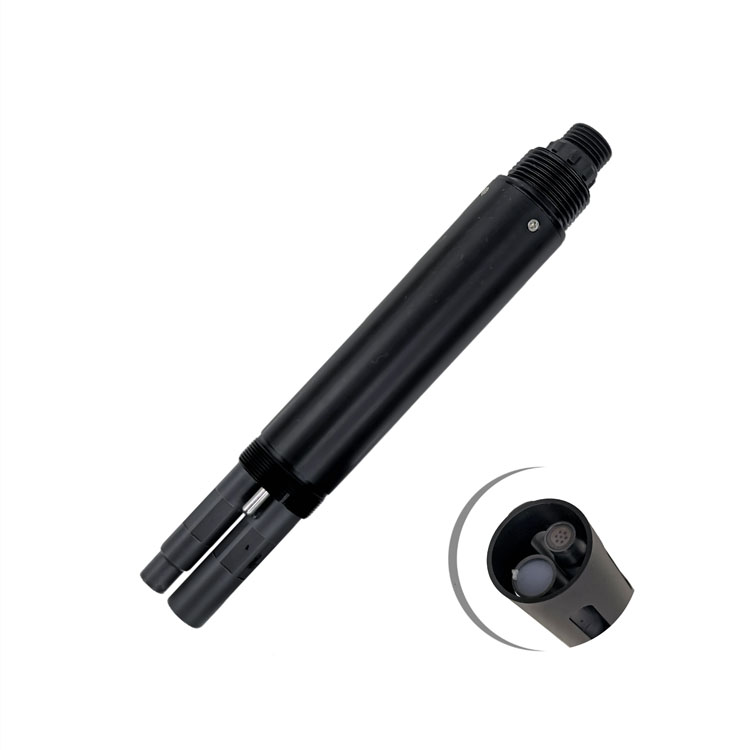
The NiuBoL buoy water quality monitoring system is based on IoT technology and supports multi-parameter monitoring including pH, dissolved oxygen, conductivity, ammonia nitrogen, nitrate, turbidity, COD, chlorophyll, blue-green algae, chroma, temperature, etc. The following are the functions and values of typical sensors:
Measurement range: usually 0-14, unit pH.
Function: Reflects the acid-base balance of the water body, affecting algae activity, carbon dioxide form and toxic ammonia form transformation.
Value: pH increase may increase the toxicity of free ammonia, while decrease may increase the harm of iron ions, etc.; real-time monitoring guides lime or acid-base adjustment to maintain the suitable range for aquaculture (usually 7.0-8.5).
Measurement range: 0-20 mg/L or 0-200% saturation, unit mg/L or %.
Function: Quantifies the free oxygen content in water, directly affecting the respiration and metabolism of aquatic organisms.
Value: Low dissolved oxygen environment easily causes fish to float or die; the system links with aeration equipment to maintain DO above 5 mg/L, significantly reducing hypoxia risk.
Measurement range: 0-5000 μS/cm or higher, unit μS/cm.
Function: Characterizes the total amount of ions in water, indirectly reflecting salinity and mineral content.
Value: Monitors salinity changes or abnormal ions introduced by pollution, assisting in judging sewage mixing or evaporation concentration.
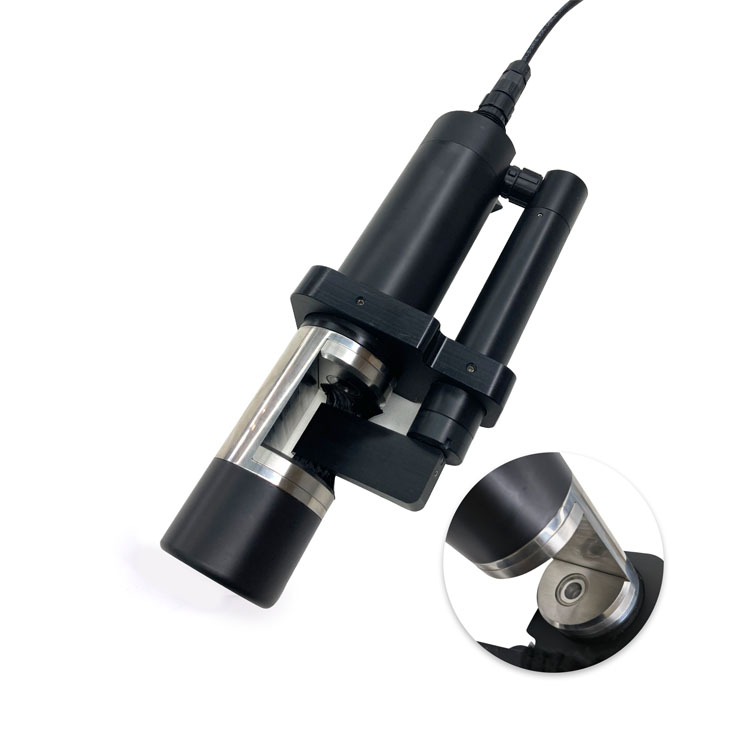
Measurement range: 0-100 mg/L or higher, unit mg/L.
Function: Detects total ammonia nitrogen (NH3-N) concentration, including free ammonia and ammonium ions.
Value: High ammonia nitrogen is a common toxic factor in aquaculture, especially when pH is alkaline, toxicity increases; early warning allows timely water change or biological regulation to prevent cumulative poisoning.
Measurement range: depending on model, usually μg/L to mg/L level.
Function: Monitors nitrate nitrogen content, reflecting the nitrification process in the nitrogen cycle.
Value: Excessive nitrate may promote eutrophication; combined with ammonia nitrogen data to assess nitrogen load and guide nitrogen control measures.
Measurement range: 0-1000 NTU, unit NTU.
Function: Quantifies the light scattering degree caused by suspended particles in water.
Value: High turbidity affects light and dissolved oxygen, indicating sediment or organic pollution; assists in assessing water transparency and filtration needs.
Measurement range: 0-400 mg/L (as KHP) etc., unit mg/L.
Function: Reflects the chemical oxygen demand of organic matter in water.
Value: Assesses organic pollution load; high COD indicates sewage input risk and provides basis for pollution source tracing.
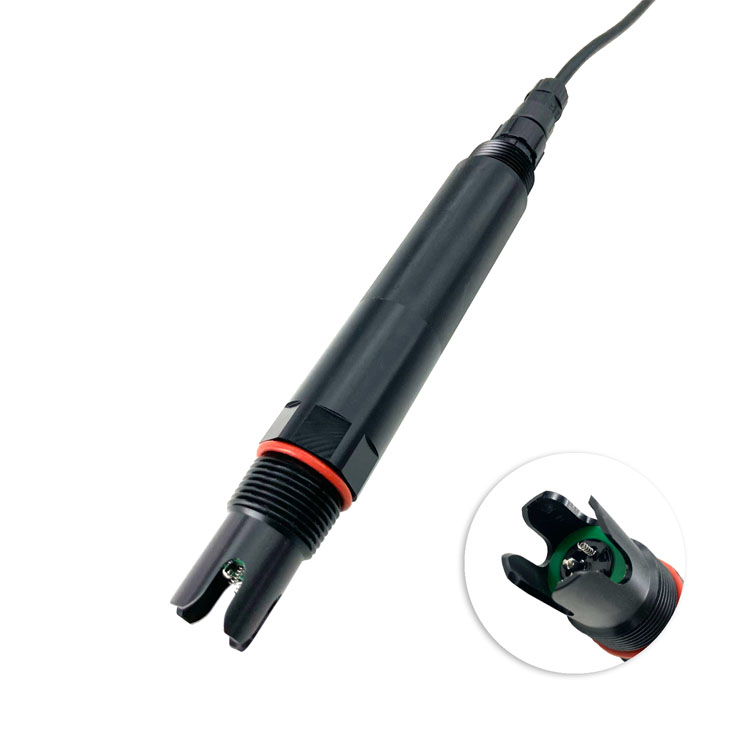
Measurement range: 0-400 μg/L, unit μg/L.
Function: Detects chlorophyll a content by fluorescence method, characterizing phytoplankton biomass.
Value: Increased chlorophyll indicates algae reproduction and may cause water blooms; early intervention reduces eutrophication risk.
Measurement range: hundreds to hundreds of thousands cells/mL or μg/L level.
Function: Specifically detects blue-green algae (cyanobacteria) pigments (such as phycocyanin).
Value: Blue-green algae outbreaks easily produce toxins and odors; real-time monitoring supports algal bloom warning and ecological regulation.
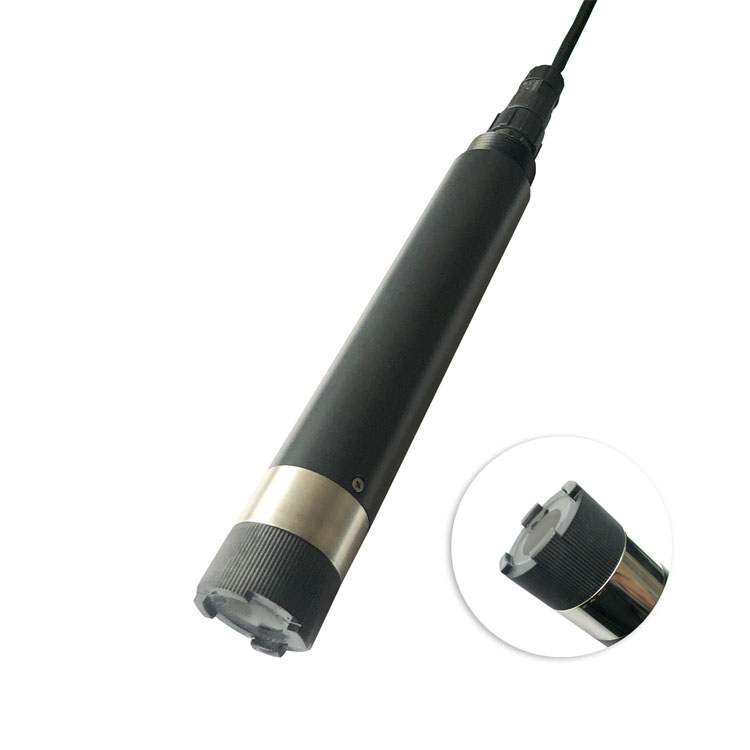
The system supports modular expansion of sensors. Some models are equipped with self-cleaning brushes to reduce interference from biological attachment on measurement. The data acquisition module aggregates signals through RS485 (Modbus RTU) bus to ensure synchronization of multiple parameters.
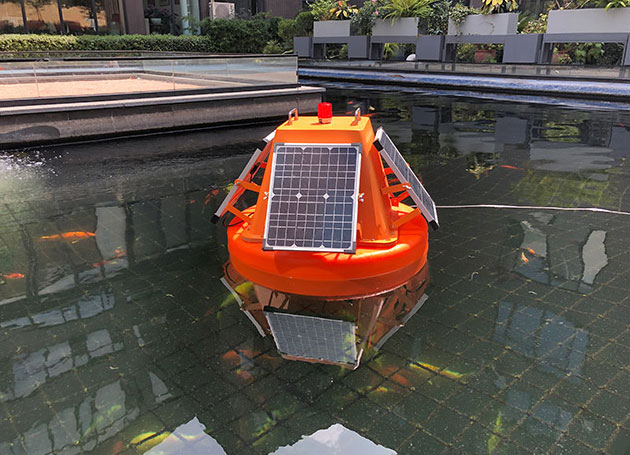
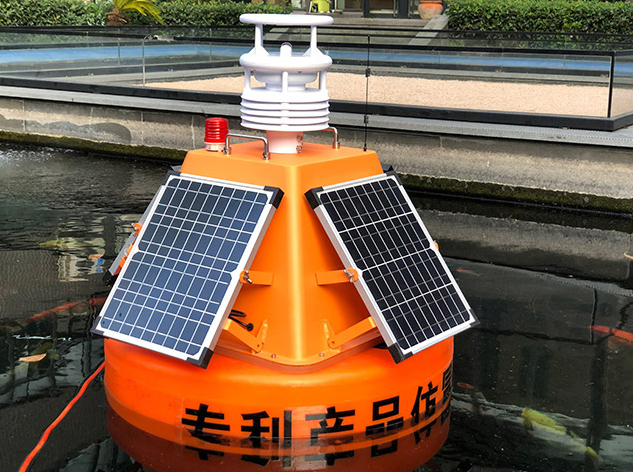
The NiuBoL buoy water quality monitoring station adopts a 360° circular buoy platform, integrating data acquisition, display, storage and transmission functions, supporting SMS alarm and automatic light sensing control. Communication methods include wired (RS232, RS485, RJ45) and wireless (GPRS/4G/5G), compatible with mainstream IoT platforms. Solar power supply combined with low-power design, together with battery backup, adapts to long-term unattended scenarios.
The system structure is clear:
Perception layer: micro control unit, power module and multi-parameter water quality sensors.
Transmission layer: connects the core network and base station to achieve reliable data upload.
Platform layer: cloud server processes IoT data, supporting storage and preliminary analysis.
Application layer: provides Web and APP interfaces for remote monitoring and management.
The buoy body is made of corrosion-resistant, high-buoyancy materials with strong wind and wave resistance and biological attachment resistance, facilitating deployment and recovery. Optional built-in GPS positioning enhances equipment asset management.
| Parameter Name | Measurement Range Example | Typical Accuracy | Remarks |
|---|---|---|---|
| pH | 0–14 | ±0.1 | Glass electrode or ISFET optional |
| Dissolved Oxygen | 0–20 mg/L or 0–200% | ±0.3 mg/L or ±2% | Optical or electrochemical method |
| Conductivity | 0–5000 μS/cm | ±1.5% FS | Four-electrode method |
| Ammonia Nitrogen | 0–100 mg/L | ±5% FS | Ion selective or spectroscopic method |
| Nitrate | 0–100 mg/L (depending on model) | ±5-10% FS | UV or ion selective |
| Turbidity | 0–1000 NTU | ±3% or ±3 NTU | Optical scattering method |
| COD | 0–400 mg/L | ±5% FS | UV absorption or chemical method |
| Chlorophyll | 0–400 μg/L | ±3-10% FS | Fluorescence method |
| Blue-green Algae | 100–300000 cells/mL | ±5-15% | Phycocyanin fluorescence method |
| Water Temperature | 0–50℃ | ±0.5℃ | Thermistor |
Actual parameters shall be subject to specific configuration. Supports free combination of more than 10 indicators according to needs.
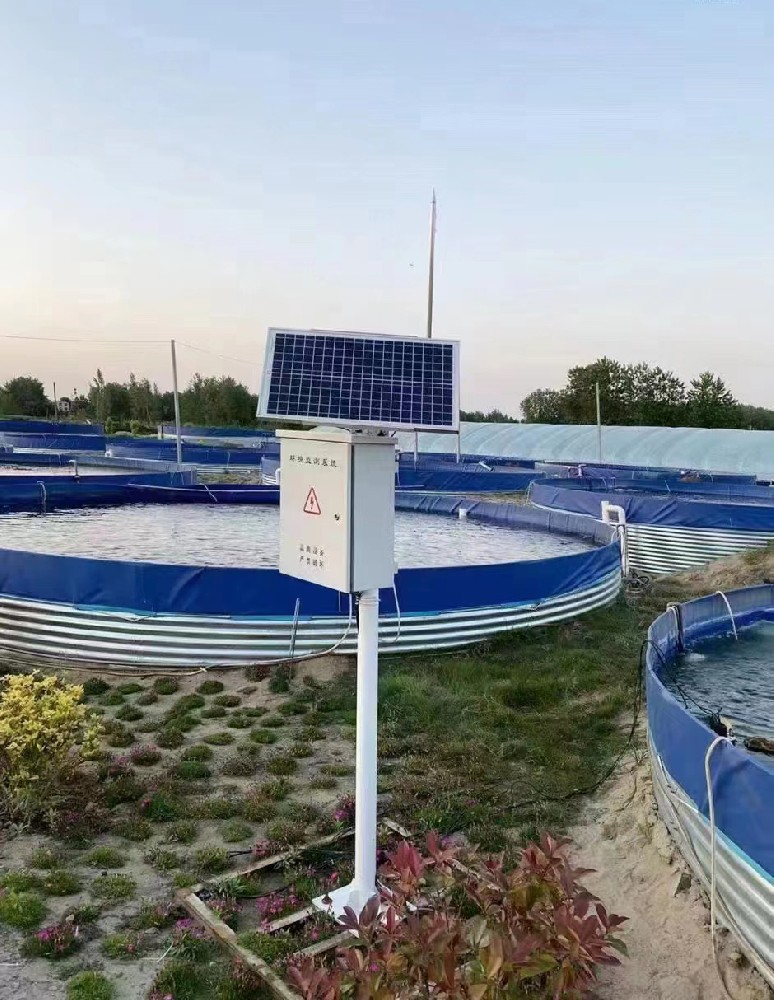
The site selection of the buoy water quality monitoring station needs to consider water flow stability, suitable water depth and avoidance of strong interference areas. Anchor fixing ensures stable platform posture, and solar panel orientation optimizes light collection. After installation, perform sensor calibration and communication testing to confirm data upload to the cloud platform.
For large-scale projects, the NiuBoL system can be deployed in a network to form a watershed or lake water quality monitoring grid. Open interfaces facilitate system integrators to connect with existing SCADA or environmental supervision platforms to achieve data fusion and linkage alarms. Project contractors can combine video monitoring modules to further enhance on-site visual management.
Q1. What is the main difference between buoy water quality monitoring station and fixed shore-based monitoring station?
Buoy-type deployment is more flexible and can keep the sensor at a suitable depth as the water level changes, reflecting the real microenvironment of the water body. It is suitable for large-area water bodies or aquaculture areas.
Q2. What communication methods does the NiuBoL buoy system support?
It supports wired methods such as RS232, RS485, USB, RJ45, and wireless transmission such as GPRS/4G/5G, facilitating integration in different project environments.
Q3. How does the system achieve long-term unattended operation?
It adopts solar power supply + low-power design, with battery backup. Sensors can be configured with self-cleaning function, significantly reducing maintenance frequency.
Q4. Which parameters are recommended for priority monitoring in aquaculture?
It is recommended to prioritize dissolved oxygen, pH, ammonia nitrogen, water temperature and turbidity. Chlorophyll and blue-green algae can be extended when necessary for algal bloom and eutrophication prevention and control.
Q5. Does the buoy platform support parameter customization and expansion?
Yes, the system adopts modular design and supports free selection and combination of more than 10 kinds of water quality sensors according to project requirements.
Q6. How to remotely view data and receive alarms?
After data is uploaded to the cloud platform, users can view real-time curves, historical records and statistical reports in real time through Web or mobile APP. When parameters exceed limits, SMS or platform alarms are triggered.
Q7. What engineering points should be noted during installation?
Ensure the buoy is stably anchored, the sensor immersion depth is appropriate, the solar panel is not blocked, and perform initial calibration and communication debugging.
Q8. What typical project scenarios is this system suitable for?
It is widely applicable to lake and river protection, reservoir water quality supervision, urban inland river pollution monitoring and online water quality management of various aquaculture bases.
The buoy water quality monitoring station provides key data support for water pollution control through multi-parameter real-time online monitoring, and at the same time plays a scientific management role in aquaculture. The NiuBoL buoy water quality monitoring system, with its circular truncated buoy platform, solar low-power design and flexible sensor configuration, meets the deployment needs of system integrators, IoT solution providers, project contractors and engineering companies in different water environment projects.
In the context of water ecological environment protection and green industrial development, choosing a professional and reliable buoy water quality monitoring solution helps improve monitoring coverage, response speed and data utilization efficiency. NiuBoL is committed to providing mature IoT water quality monitoring products and integration support for industry partners. If you need detailed technical solutions, sensor selection or project deployment guidance, please contact the professional team for further cooperation to jointly promote the improvement of water environment monitoring and governance levels.
 NBL-RDO-206 Online Fluorescence Dissolved Oxygen Sensor.pdf
NBL-COD-208 Online COD Water Quality Sensor.pdf
NBL-CL-206 Water Quality Sensor Online Residual Chlorine Sensor.pdf
Prev:NiuBoL Small Weather Station: Intelligent Environmental Monitoring System Solution for Greenhouse
Related recommendations
Sensors & Weather Stations Catalog
Agriculture Sensors and Weather Stations Catalog-NiuBoL.pdf
Weather Stations Catalog-NiuBoL.pdf
Agriculture Sensors Catalog-NiuBoL.pdf
Water Quality Sensor Catalog-NiuBoL.pdf
Related products
 Combined air temperature and relative humidity sensor
 TDR Soil Moisture & Temperature Sensor for irrigation| RS485 |4-20mA| NBL-S-THR
 Soil pH sensor RS485 soil Testing instrument soil ph meter for agriculture |NBL-S-PH
 Wind Speed sensor Output Modbus/RS485/Analog/0-5V/4-20mA
 Tipping bucket rain gauge for weather monitoring auto rainfall sensor RS485/Outdoor/stainless steel
 Pyranometer Solar Radiation Sensor 4-20mA/RS485

Screenshot, WhatsApp to identify the QR code
WhatsApp number:+8615367865107
(Click on WhatsApp to copy and add friends)

