





— Blogs —
—Products—
 Consumer hotline +8618073152920
 WhatsApp:+8615367865107
Address:Room 102, District D, Houhu Industrial Park, Yuelu District, Changsha City, Hunan Province, China
Product knowledge
Time:2025-12-22 14:50:11 Popularity:879
Among the many parameters in water quality monitoring, pH value (acidity and alkalinity) is recognized as one of the most important indicators. Whether in natural ecosystems or artificial industrial production, fluctuations in water body pH can trigger chain reactions. For aquatic organisms, pH value directly affects their respiration rate and osmotic pressure balance; for industrial processes, uncontrolled pH may lead to equipment corrosion or reduced chemical reaction efficiency.
With the development of smart water affairs and digital agriculture, traditional laboratory sampling detection can no longer meet real-time supervision needs. Targeting complex monitoring environments, NiuBoL Technology has developed and produced the NBL-PHG-206 water pH sensor. With industrial-grade stability and digital convenience, it provides precise “measurement standards” for various water body monitoring.
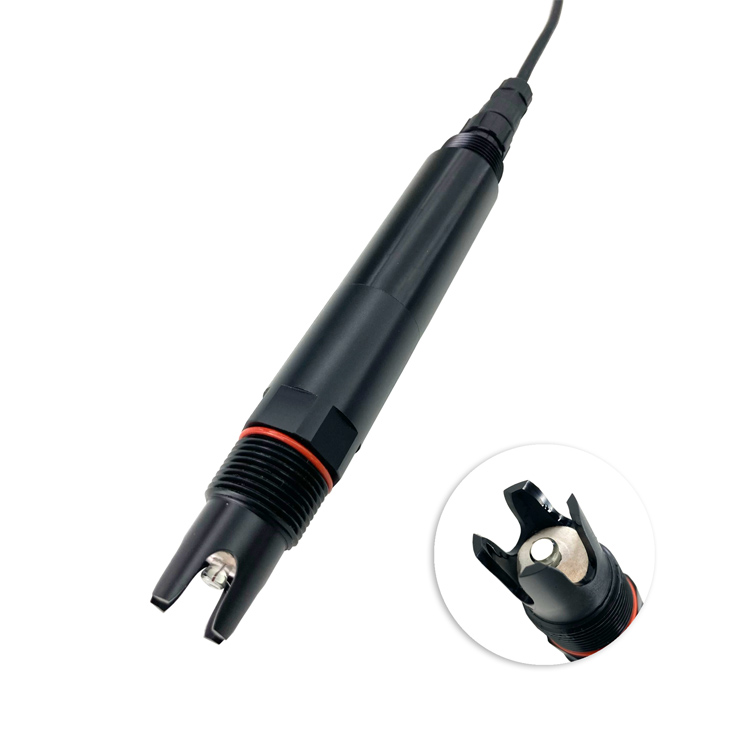
What is a Water pH Sensor?
The NBL-PHG-206 is an industrial online pH transmitter using the glass electrode method. It is not just a sensing element but an intelligent terminal integrating signal amplification, temperature compensation, and digital processing. Its highest IP68 protection level ensures long-term stable operation in harsh field or underwater environments.
Core Measurement Principle: Glass Electrode Method
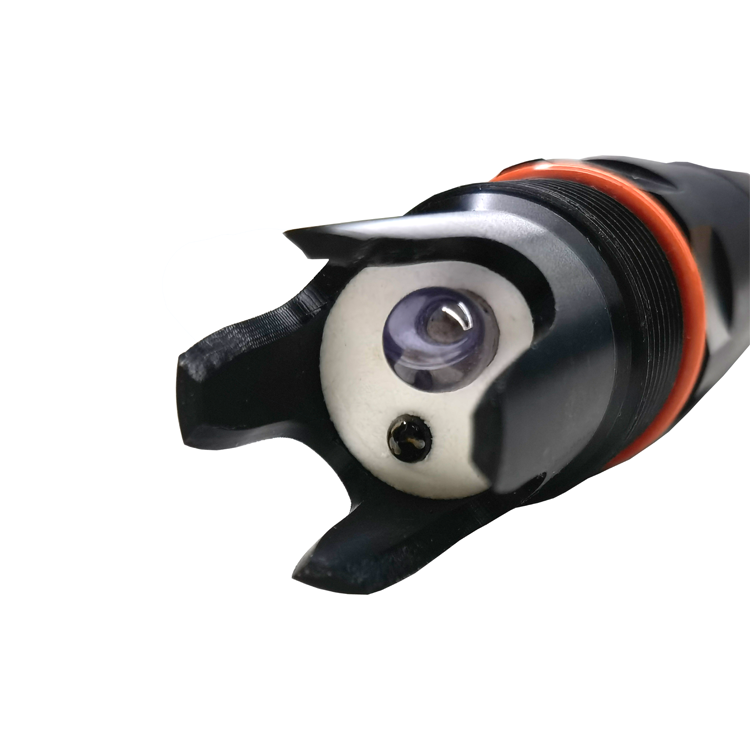
This sensor uses the classic **glass electrode method (potentiometric method)** for measurement. The core of the electrode is a glass membrane highly sensitive to hydrogen ions. When the electrode is immersed in the tested water sample, a potential difference occurs inside and outside the glass membrane.
Application of Nernst Equation: This potential difference follows the Nernst equation relationship with hydrogen ion activity (i.e., pH value) in the solution. The sensor's internal high-impedance differential amplifier captures this weak signal and converts it into digital data.
Automatic Temperature Compensation: Since pH measurement is significantly affected by temperature, the NBL-PHG-206 has a built-in Pt1000 temperature sensor for real-time automatic temperature compensation, ensuring objective and accurate measurement results within 0-50℃ fluctuations.
NiuBoL focuses on overcoming short lifespan and easy contamination issues of industrial electrodes in designing NBL-PHG-206:
Patented pH Electrode Technology: Internal reference solution seeps out extremely slowly through a microporous salt bridge under at least 100KPa (1Bar) pressure. This positive pressure design ensures seepage lasts over 20 months, effectively preventing external impurities from flowing back into the electrode, doubling electrode lifespan compared to ordinary industrial electrodes.
High-Impedance Differential Amplifier: Targeting possible stray currents and electromagnetic interference in water bodies, the sensor adopts dual high-impedance differential amplification circuits, significantly improving response speed and anti-interference capability.
Digital Communication Module: Adopts RS-485 (Modbus RTU) communication protocol. Digital signals can transmit over kilometers without attenuation and precision loss common in analog signals during transmission.
Housing Material and Installation: Body uses ABS/PC alloy material with excellent chemical stability. End designed with 3/4 NPT thread, greatly facilitating immersion installation or integration in pipelines and tanks.
| Parameter Item | Technical Performance/Specification |
|---|---|
| Model | NBL-PHG-206 |
| Measurement Principle | Glass Electrode Method |
| pH Range and Resolution | 0 ~ 14.00 pH / 0.01 pH |
| Measurement Accuracy | ±0.1 pH / ±0.3 ℃ |
| Response Time (T90) | < 30s |
| Output Method | RS-485 (Modbus RTU Protocol) |
| Temperature Compensation | Automatic Temperature Compensation (Built-in Pt1000) |
| Power Supply | 12 ~ 24V DC |
| Power Consumption | 0.2W @ 12V |
| Operating Conditions | Temperature 0 ~ 50℃, Pressure ≤ 0.2MPa |
| Protection Level | IP68 |
| Installation Interface | 3/4 NPT Thread |
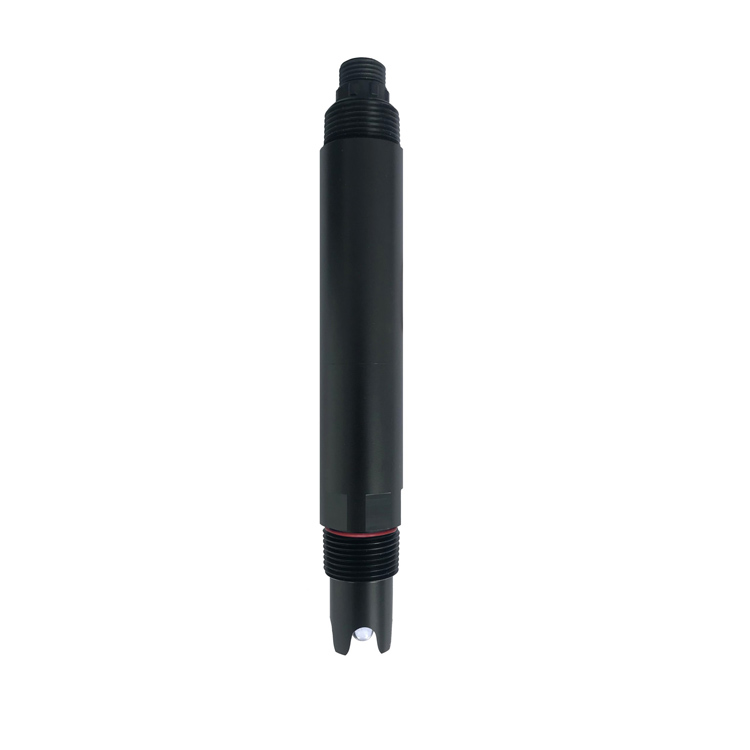
High Integration Brought by Digitization
As a digital sensor, NBL-PHG-206 can conveniently connect to third-party devices such as PLC, DCS, industrial control computers, or touch screens. Isolation design between power, measurement, and output ensures pure and safe measurement results in complex electrical environments.
Simple and User-Friendly Operation Logic
The sensor supports plug-and-play, pre-calibrated to high standards before leaving the factory. For ordinary application scenarios, users can directly put it into use without tedious on-site calibration, greatly lowering professional technical thresholds.
Super Strong Environmental Adaptability
IP68 level means the sensor can be completely immersed in water. Whether freshwater, seawater, or mildly corrosive industrial wastewater, its patented reference system ensures long-term monitoring performance.
Aquaculture (Freshwater/Seawater): Real-time monitors pH balance in fish, shrimp, crab ponds to prevent large-scale biological deaths due to acid-base fluctuations.
Surface Water and River Monitoring: Used in river chief system supervision and black-odor water treatment, real-time uploading monitoring point data.
Industrial Production and Process Control: Controls neutralization reaction processes in chemical, paper, electroplating, and other industries to ensure process compliance.
Sewage Treatment: Monitors biochemical tank and discharge outlet pH status to ensure discharge standards and protect microbial communities.
Preparation Before Measurement
Before formal measurement, clean the electrode with distilled or deionized water and dry with filter paper. During measurement, ensure at least 1/3 of the sensor length is inserted into the tested liquid to guarantee full contact between reference electrode and glass membrane.
Standard Calibration Process
Although NiuBoL sensors are calibrated before leaving the factory, long-term use (recommend every 3-6 months) suggests correction through the following steps:
Zero Point Calibration: Use pH=6.86 standard solution; after value stabilizes, write zero offset via Modbus command.
Slope Calibration:
Acidic Environment: Use pH=4.00 solution for correction.
Alkaline Environment: Use pH=9.18 solution for correction.
Maintenance and Daily Care
Activation and Storage: When not in use, strictly prohibit dry storage or long-term immersion in distilled water. Must insert into protective cap with 3mol/L potassium chloride (KCl) solution for storage.
Electrode Cleaning: If deposits on glass membrane, wash with dilute hydrochloric acid then rinse with water. Avoid contact with organic silicone oils and protein solutions.
Failure Judgment: If response remains extremely slow or values drift significantly after calibration and cleaning, electrode lifespan has ended; replace with new sensor.
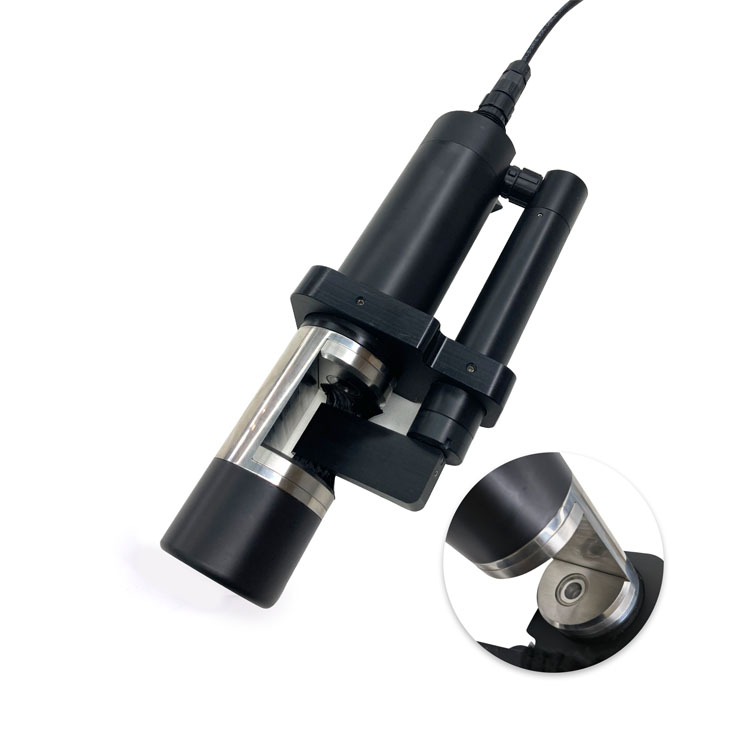
Q1: Why does this sensor claim no calibration needed for use?
A: Because NiuBoL performs two or more point calibrations with precision standard solutions before leaving the factory and stores calibration parameters internally. Users can read accurate values immediately after connecting.
Q2: How far can RS-485 signals transmit?
A: In conventional environments, RS-485 communication distance reaches 1200 meters. For farther distances, use signal repeaters or integrate wireless transmission modules.
Q3: Can it measure extremely high temperature or high-pressure liquids?
A: This model's standard operating conditions are temperature 0-50℃, pressure ≤ 0.2MPa. If your application exceeds this range (e.g., high-temperature boiler water), contact technical team for customized high-temperature high-pressure electrode selection.
Q4: Can the glass membrane be replaced separately if broken?
A: NBL-PHG-206 adopts integrated full encapsulation process to achieve IP68 waterproof performance; electrode and transmitter circuit are integrated. If glass membrane breaks, recommend replacing entire sensor.
Q5: How to replenish reference solution when depleted?
A: This electrode uses patented solid/semi-solid reference system, no manual reference solution addition needed. Its positive seepage design ensures long-term use.
Q6: What causes unstable jumping measurement data?
A: Check if cable connection terminals are dry; if contaminated, wipe with anhydrous alcohol and blow dry. Also ensure stable power supply and no severe static interference from sensor installation.
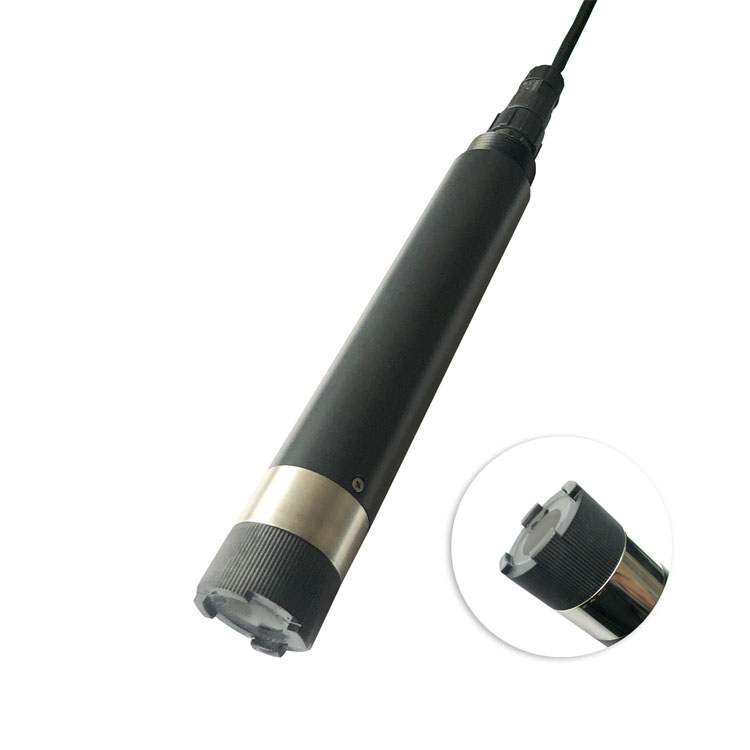
The NiuBoL NBL-PHG-206 water pH sensor, with its patented long-life reference technology, digital RS-485 interface, and excellent IP68 protection performance, transforms complex water chemical analysis into simple and reliable industrial digital monitoring. It not only reduces maintenance frequency and technical costs but also becomes the cornerstone of modern smart environmental protection and scientific breeding due to precise measurement capabilities.
Whether you are an integrator or end user, NiuBoL can provide a complete solution from sensors to data cloud platforms. If you have more specific technical questions about online pH measurement, feel free to consult NiuBoL professional engineers.
Related recommendations
Sensors & Weather Stations Catalog
 Agriculture Sensors and Weather Stations Catalog-NiuBoL.pdf
Weather Stations Catalog-NiuBoL.pdf
Agriculture Sensors Catalog-NiuBoL.pdf
Water Quality Sensor Catalog-NiuBoL.pdf
Related products
 Combined air temperature and relative humidity sensor
 TDR Soil Moisture & Temperature Sensor for irrigation| RS485 |4-20mA| NBL-S-THR
 Soil pH sensor RS485 soil Testing instrument soil ph meter for agriculture |NBL-S-PH
 Wind Speed sensor Output Modbus/RS485/Analog/0-5V/4-20mA
 Tipping bucket rain gauge for weather monitoring auto rainfall sensor RS485/Outdoor/stainless steel
 Pyranometer Solar Radiation Sensor 4-20mA/RS485

Screenshot, WhatsApp to identify the QR code
WhatsApp number:+8615367865107
(Click on WhatsApp to copy and add friends)

