





— Blogs —
—Products—
 Consumer hotline +8618073152920
 WhatsApp:+8615367865107
Address:Room 102, District D, Houhu Industrial Park, Yuelu District, Changsha City, Hunan Province, China
Product knowledge
Time:2025-12-23 13:38:30 Popularity:764
In modern smart water affairs and environmental monitoring systems, dissolved oxygen (Dissolved Oxygen, DO) is a core indicator for evaluating water body self-purification capacity, biological activity, and process operation efficiency. Traditional electrochemical sensors (such as polarographic method) have inherent defects such as easy drying of electrolyte, frequent electrode polishing, and flow rate limitations, making them difficult to meet long-term automated monitoring needs.
The RDO-206 fluorescence dissolved oxygen sensor launched by NiuBoL utilizes the physical principle of fluorescence quenching to achieve breakthrough solutions with no electrolyte, no preheating, and strong anti-interference capability, reshaping standards in industrial and environmental monitoring.
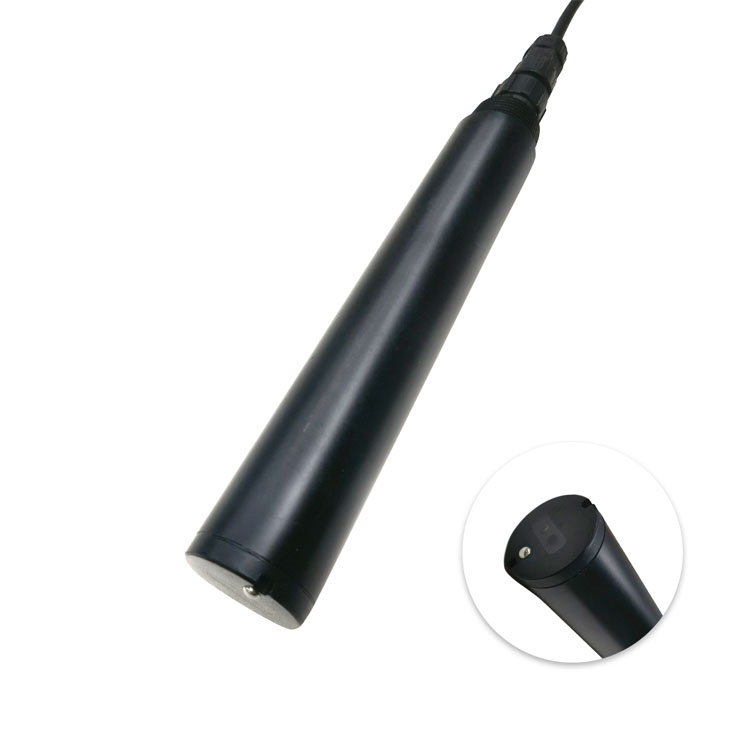
The measurement process of NiuBoL sensor involves no chemical consumption; its core lies in the physical interaction between the fluorescent substance membrane at the probe tip and oxygen molecules.
Energy Transfer Process
The internal light source of the sensor emits controlled blue light to irradiate the fluorescent membrane. Fluorescent molecules absorb energy to enter an excited state and then return to the ground state by releasing red light. If oxygen molecules exist in the water body, they collide with excited fluorescent substances (quenching effect).
Low Oxygen Environment: Low collision frequency, high fluorescence intensity, and long duration (lifetime).
High Oxygen Environment: Oxygen molecules “capture” excitation energy, causing fluorescence quenching, weaker intensity, and shorter lifetime.
Phase Difference Measurement Technology
RDO-206 uses phase detection to calculate fluorescence lifetime. Compared to sensors measuring intensity alone, this method has extremely high stability. Even if the fluorescent membrane is slightly contaminated or the light source slightly attenuates, the measured phase shift can still accurately reflect true oxygen concentration with minimal zero drift.
As a high-performance online sensor, its technical parameters demonstrate excellent industrial-grade stability:
| Parameter Category | Technical Performance Indicator |
|---|---|
| Product Model | NBL-RDO-206 |
| Measurement Principle | Fluorescence Method (Based on Physical Lifetime/Phase Difference Measurement) |
| Measurement Range | 0~20.00 mg/L (0~200% Saturation) |
| Resolution | 0.01 mg/L; 0.1 ℃ |
| Measurement Accuracy | ±2% FS; ±0.3 ℃ |
| Response Time (T90) | < 30s |
| Minimum Detection Limit | 0.08 mg/L |
| Output Method | RS-485 (Standard Modbus RTU Protocol) |
| Power Supply Voltage | 12~24V DC |
| Static Power Consumption | < 0.2W @12V |
| Operating Environment | Temperature 0~50 ℃; Pressure ≤0.2 MPa |
| Housing Material | POM, ABS/PC Alloy, 316L Stainless Steel |
| Protection Level | IP68 (Supports Long-Term Underwater Immersion) |
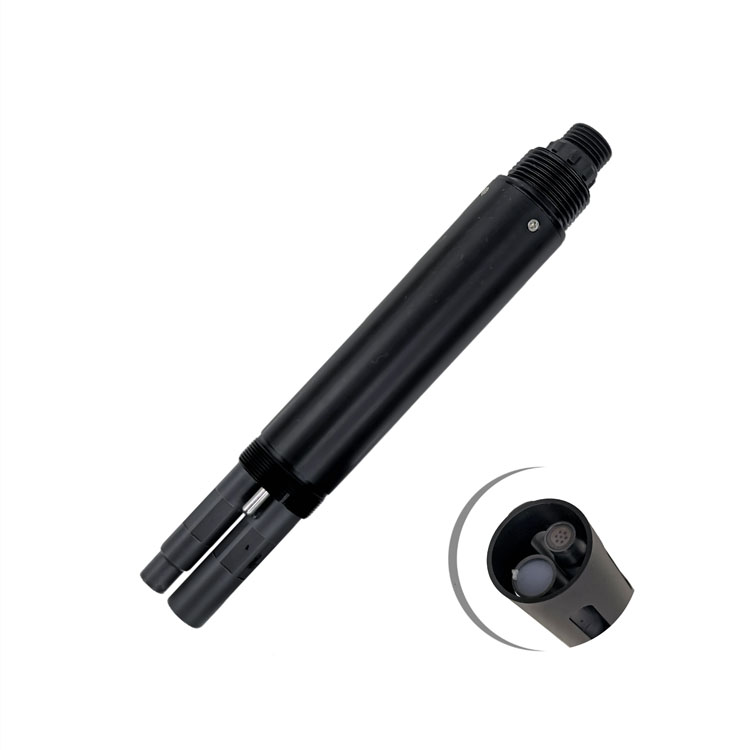
To ensure long-term measurement accuracy of NiuBoL sensor, strictly follow these physical installation specifications during engineering implementation:
Installation Location Selection
Water Flow Representativeness: Install in areas with good water circulation that truly reflect overall water quality, avoiding dead zones.
Avoid Direct Bubbles: Strictly prohibit installation directly above aeration heads. Bubble accumulation on membrane head surface causes data noise.
Installation Method and Angle
Tilted Installation (Recommended): Recommend 45° angle with horizontal plane. This angle utilizes natural water flow to flush membrane surface, reducing attachments, and allows bubbles to slide away along the slope.
Bracket Fixing: NiuBoL supports immersion bracket installation (for aeration tanks) and floating ball installation (for natural rivers with fluctuating levels).
In operation and maintenance, if abnormal data is found, refer to the following steps for troubleshooting:
Readings Show Violent Fluctuations:
Cause: Usually large bubbles attached to fluorescent membrane head surface.
Solution: Adjust installation angle to avoid direct aeration spray zones or add flow disturbance devices.
Response Speed Slows Down:
Cause: Check if membrane head surface is covered by oil stains, biofilm, or algae.
Solution: Perform gentle cleaning as required.
No Communication or Data Interruption:
Cause: Check power voltage (needs above 12V); check if RS-485 A/B lines are reversed.
Solution: Repair wiring, ensure shielding layer grounded to reduce interference.
Fixed Deviation in Measurement Values:
Cause: Possibly due to uncompensated altitude (air pressure) or drastic salinity changes.
Solution: Write current actual salinity value via Modbus protocol.
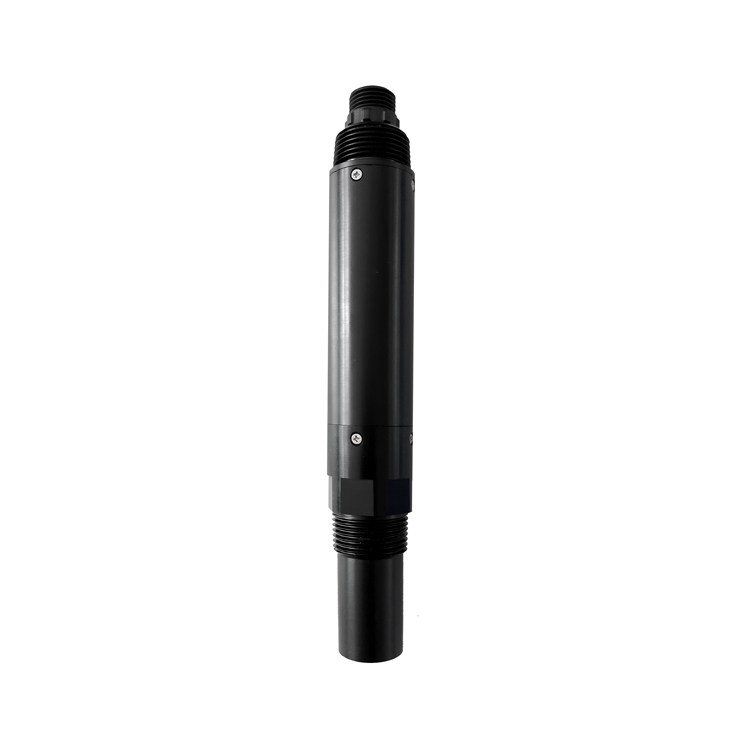
Sewage Treatment: Smart Brain of Aeration Tank
In biochemical treatment stage, dissolved oxygen control is key to energy saving. Real-time data provided by RDO-206 can directly participate in fan frequency conversion control. Stabilizing DO between 1.5-2.0mg/L not only improves nitrification efficiency but also reduces invalid fan operation, saving significant electricity costs for sewage plants.
Precise Aquaculture: All-Weather Dissolved Oxygen Protection
High-density aquaculture (such as shrimp, fish) is extremely sensitive to dissolved oxygen. Due to NiuBoL sensor's extremely low power consumption, it is very suitable for battery-powered systems. When dissolved oxygen drops to critical value at midnight, the system can immediately trigger alarms and link oxygen pumps.
Environmental Monitoring: River and Reservoir Inspection
For unattended buoy stations, RDO-206's no-frequent-calibration characteristic reduces field costs. Its non-oxygen-consuming property ensures precise operation even in extremely slow-flow reservoir bottoms.
| Maintenance Item | Recommended Cycle | Operation Method |
|---|---|---|
| Regular Cleaning | Every 30 days | Rinse once with clean water. If dirt present, gently wipe with damp soft cloth. |
| Avoid Strong Alkali | During Cleaning | Do not use strong acids, strong bases, or organic solvents like alcohol to avoid damaging fluorescent coating. |
| Activation Recommendation | After Long-Term Dry Storage | Soak in water for 48 hours before use to reactivate. |
| Membrane Head Replacement | Annually | Regularly replace fluorescent membrane head to ensure optical system linearity and sensitivity. |
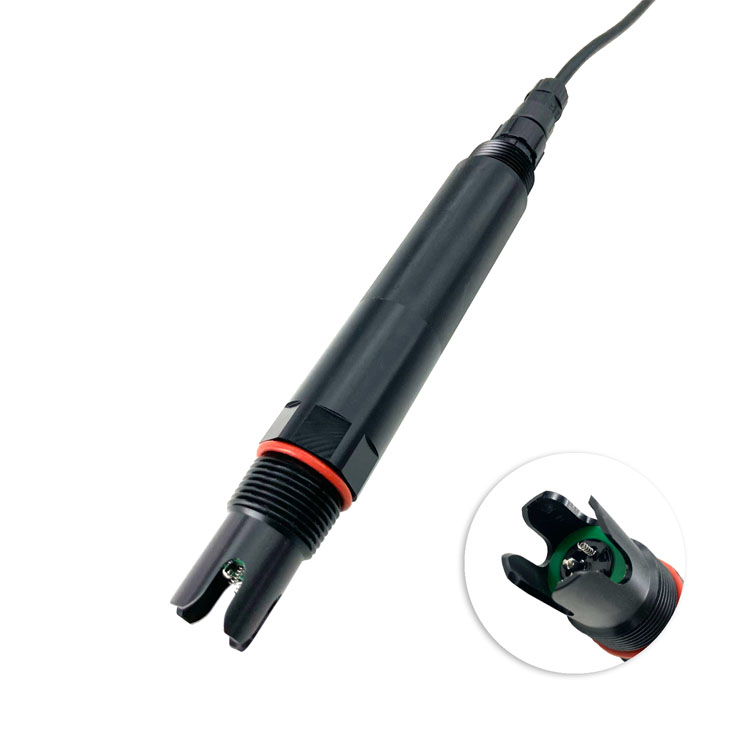
Can the NBL-RDO-206 fluorescence dissolved oxygen sensor work in seawater?
A: Yes. Due to high seawater salinity reducing oxygen solubility, NiuBoL sensor supports built-in salinity compensation; users can set salinity parameters via commands for automatically corrected accurate concentration readings.
Why is this sensor very suitable for low-power monitoring stations?
A: NBL-RDO-206 operating power consumption is only 0.2W with digital signal output. This design greatly reduces solar power system burden, ideal for building remote monitoring stations.
Is the sensor interfered by hydrogen sulfide (H2S)?
A: No interference. Traditional electrochemical sensors are poisoned and fail by sulfides, while NiuBoL's fluorescence quenching technology is based on physical optical sensing with excellent tolerance to sulfides, carbon dioxide, etc.
How often does the sensor need calibration?
A: In general monitoring environments, stability can maintain 3 months or longer without calibration. In harsh conditions, recommend simple air slope calibration quarterly.
Is there a flow rate requirement for measurement?
A: No. Fluorescence sensors do not consume oxygen molecules during measurement, so accuracy remains unaffected even in completely still water bodies (flow rate 0).
Can cable length be customized?
A: Yes. Standard cable length is 5 meters, but NiuBoL supports customization of longer shielded cables based on actual engineering needs for deep wells or long-distance monitoring.
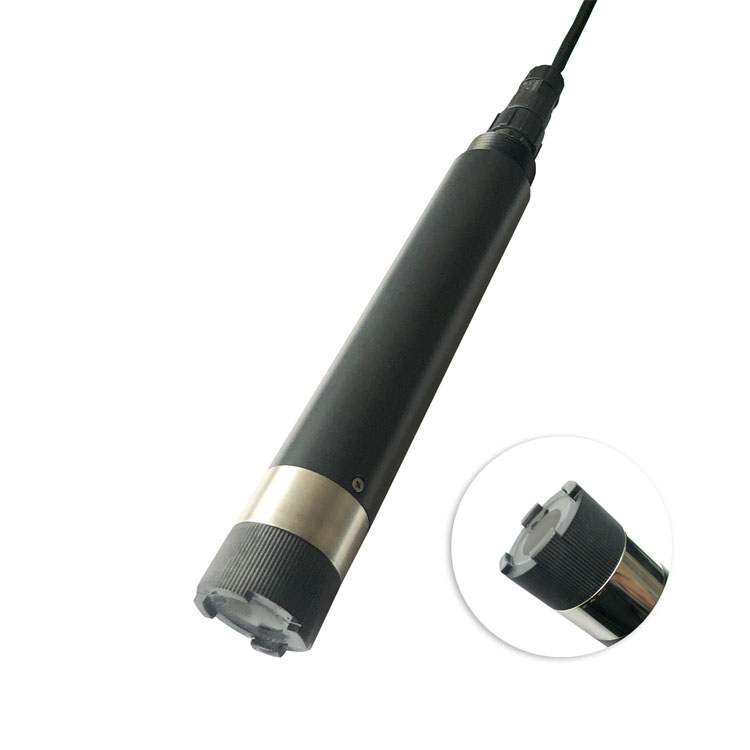
The NiuBoL fluorescence dissolved oxygen sensor NBL-RDO-206, with its advantages of no polarization, maintenance-free, and high stability from fluorescence quenching principle, has become core hardware in smart environmental monitoring. Whether in industrial wastewater treatment or ecological aquaculture, it ensures data accuracy and reliability with excellent physical characteristics.
 NBL-RDO-206 Online Fluorescence Dissolved Oxygen Sensor.pdf
NBL-COD-208 Online COD Water Quality Sensor.pdf
NBL-CL-206 Water Quality Sensor Online Residual Chlorine Sensor.pdf
Prev:Core of Smart Water Quality Monitoring: Introduction to NiuBoL Water pH Sensor
Next:Smart Cultivation:NiuBoL Greenhouse Intelligent Environmental Monitoring Solution
Related recommendations
Sensors & Weather Stations Catalog
Agriculture Sensors and Weather Stations Catalog-NiuBoL.pdf
Weather Stations Catalog-NiuBoL.pdf
Agriculture Sensors Catalog-NiuBoL.pdf
Water Quality Sensor Catalog-NiuBoL.pdf
Related products
 Combined air temperature and relative humidity sensor
 TDR Soil Moisture & Temperature Sensor for irrigation| RS485 |4-20mA| NBL-S-THR
 Soil pH sensor RS485 soil Testing instrument soil ph meter for agriculture |NBL-S-PH
 Wind Speed sensor Output Modbus/RS485/Analog/0-5V/4-20mA
 Tipping bucket rain gauge for weather monitoring auto rainfall sensor RS485/Outdoor/stainless steel
 Pyranometer Solar Radiation Sensor 4-20mA/RS485

Screenshot, WhatsApp to identify the QR code
WhatsApp number:+8615367865107
(Click on WhatsApp to copy and add friends)

