





— Blogs —
—Products—
 Consumer hotline +8618073152920
 WhatsApp:+8615367865107
Address:Room 102, District D, Houhu Industrial Park, Yuelu District, Changsha City, Hunan Province, China
Product knowledge
Time:2025-12-23 13:39:57 Popularity:765
In the wave of transformation from traditional agriculture to modern agriculture, greenhouses, as core facilities ensuring year-round supply of agricultural products, are experiencing a profound shift in management mode from “experience-driven” to “data-driven.” Traditional manual measurement and control methods are not only inefficient but also difficult to achieve precise and timely environmental parameter regulation.
Based on this, NiuBoL utilizes IoT technology to build a greenhouse environmental monitoring solution integrating environmental monitoring, data analysis, and precise regulation. By real-time capturing core environmental factors, this solution can significantly improve agricultural product quality, achieving refined, efficient, and modernized production.
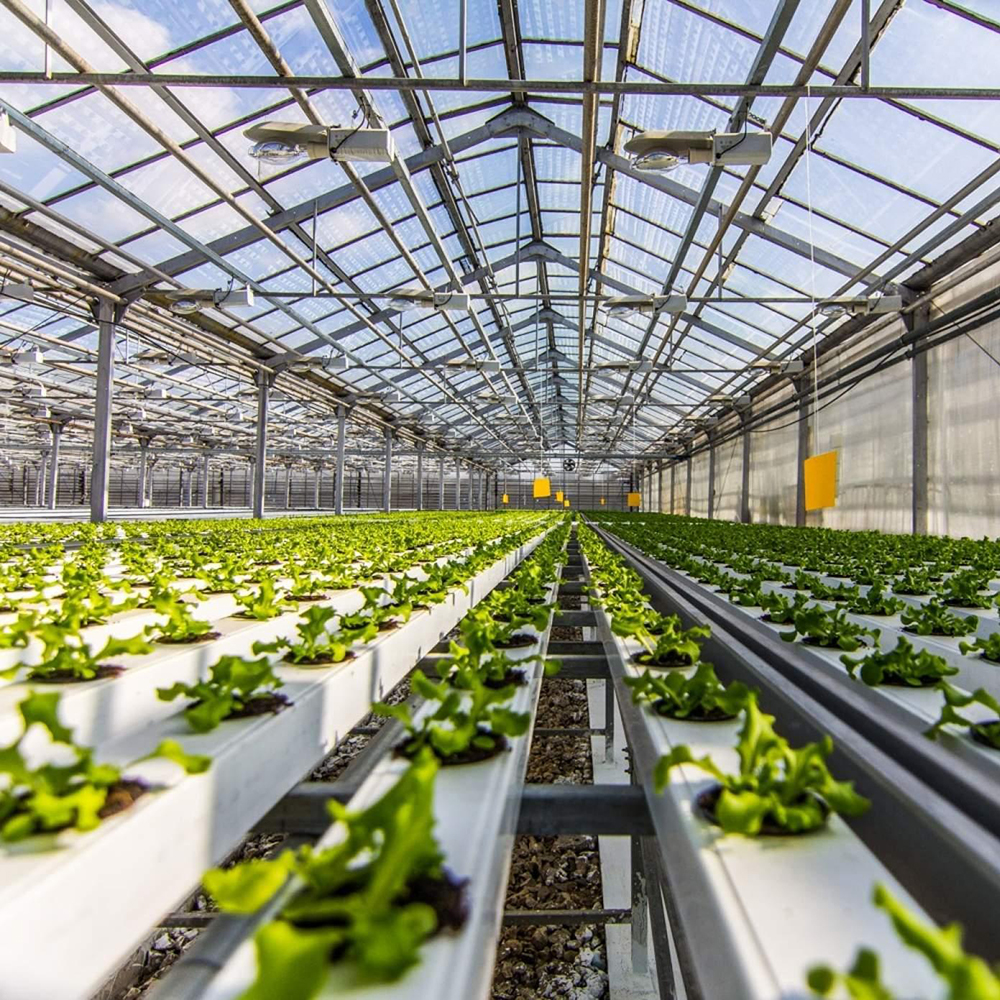
A greenhouse environmental monitoring system is an intelligent management platform integrating sensor technology, automation control technology, and wireless communication technology.
Its core logic follows the closed loop of “perception-transmission-decision-execution”:
Perception: Sensor terminals real-time acquire physical parameters such as air, soil, and light.
Transmission: Uploaded to the cloud via collectors through RS-485 or LoRaWAN wireless protocols.
Decision: Cloud platform compares thresholds based on crop growth models to analyze if current environment is in optimal range.
Execution: Automatically triggers control commands to link ventilation, shading, irrigation, and other actuators for physical regulation.
The NiuBoL greenhouse environmental monitoring system consists of the following core modules:
Perception Layer: Environmental Collection Terminals
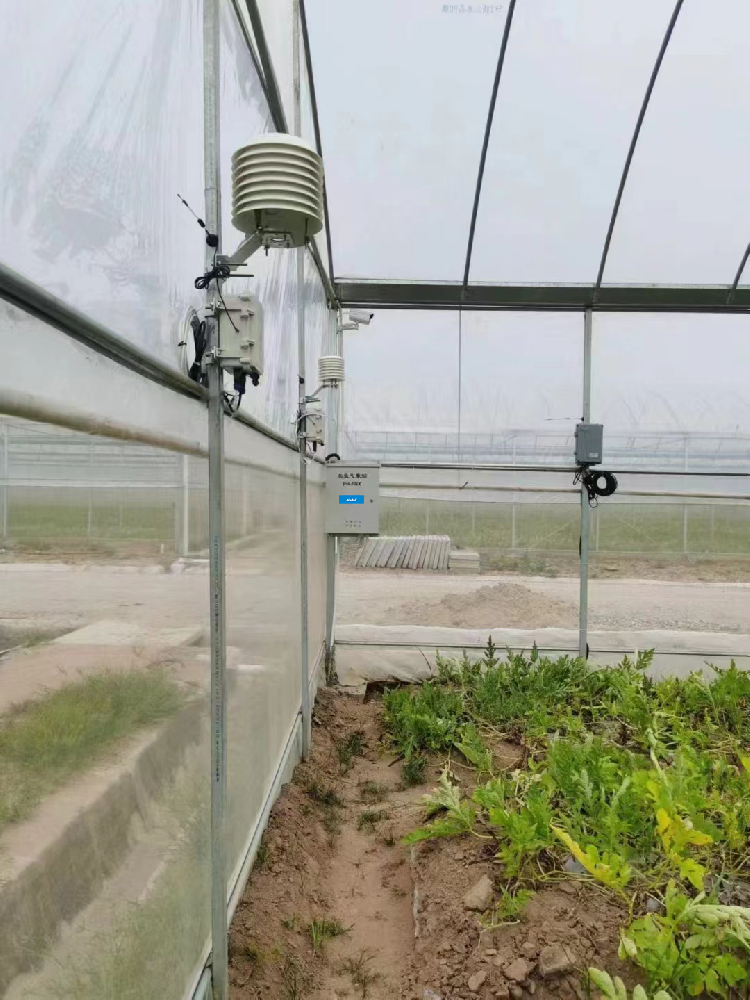
Composed of sensors deployed at key nodes in the greenhouse, ensuring comprehensive coverage of greenhouse microclimate (temperature, humidity, pressure, CO2, light) and soil moisture (moisture, temperature, pH, EC).
Transmission Layer: Data Highway
Supports wired RS-485 (Modbus RTU) and LoRaWAN wireless transmission suitable for large-area deployment, ensuring signal penetration and low-power operation in complex environments.
Platform Layer: Decision Brain
NiuBoL intelligent greenhouse cloud monitoring platform provides data storage, trend charts, abnormal warnings, etc. Managers can make management, analysis, and decisions via mobile phone or computer.
Execution Layer: Automated Closed Loop
Through intelligent controllers, links rolling film, rolling quilt, wet curtain, shading net, air conditioning, supplementary lighting, and irrigation-fertilization integration equipment to achieve true unattended operation.
In greenhouses, sensor precision and stability directly determine planting quality.
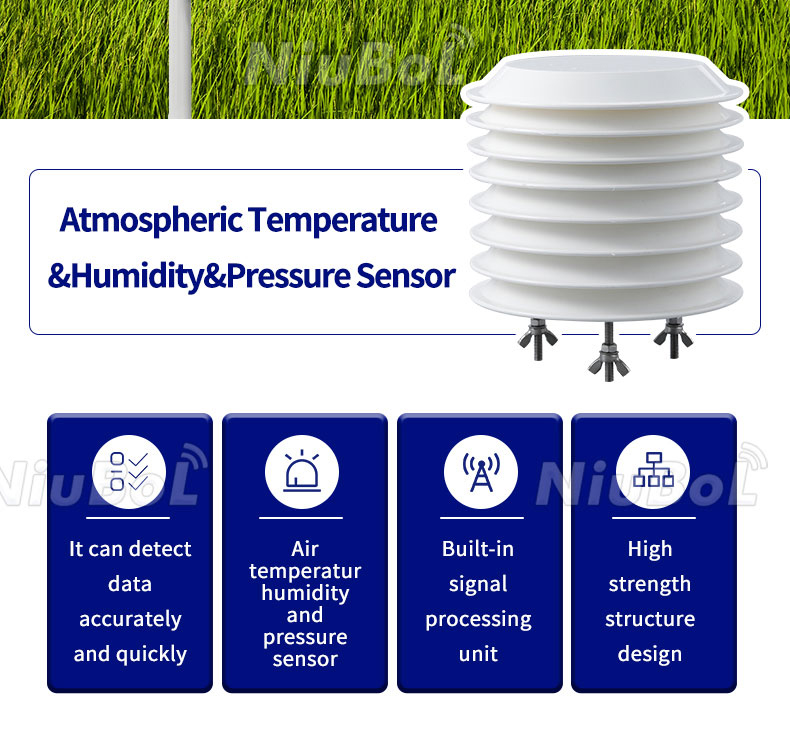
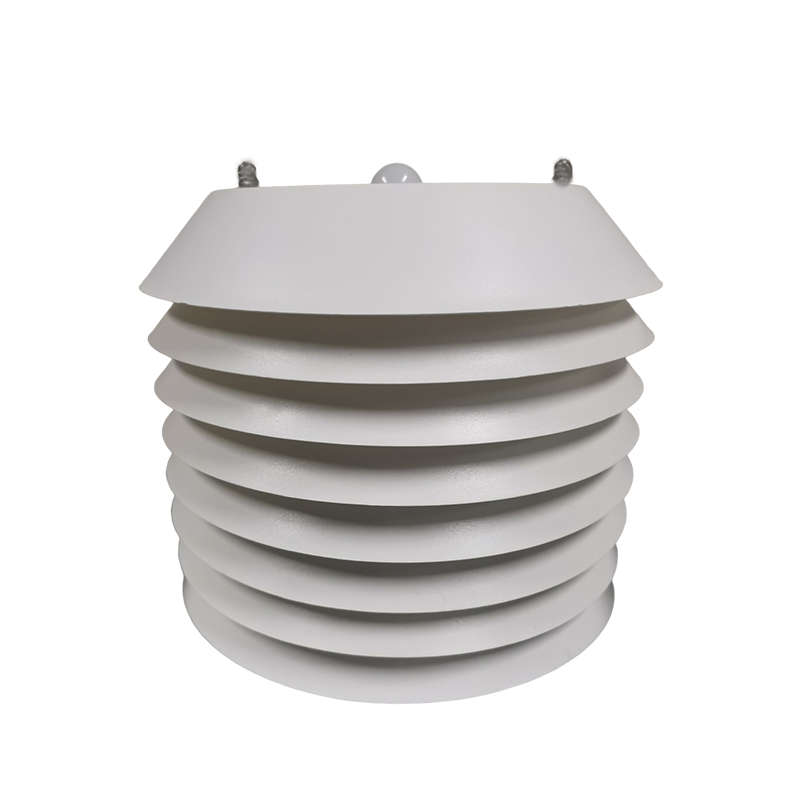
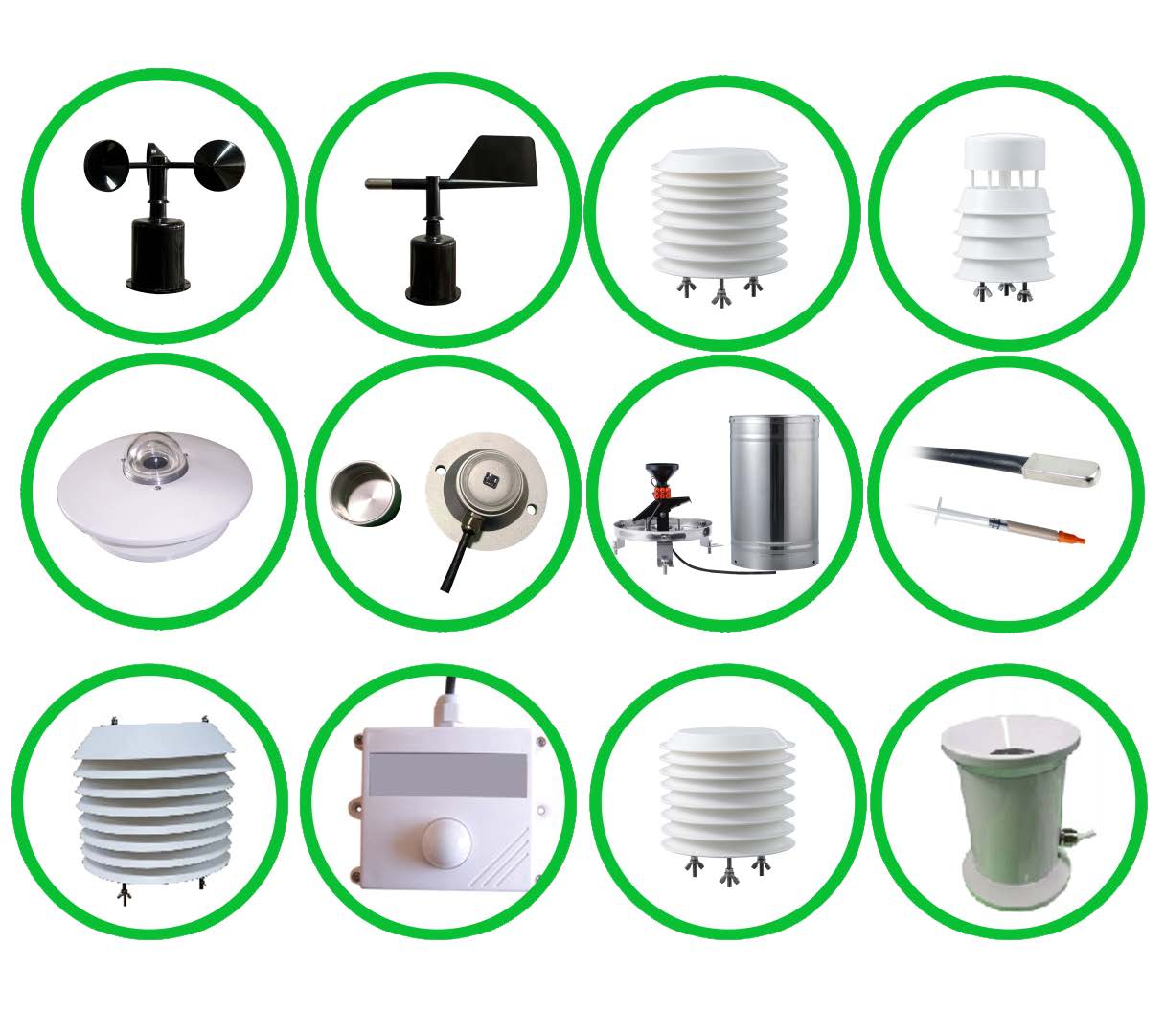
Atmospheric Temperature Humidity Pressure Sensor (NBL-W-LBTH)
| Monitoring Parameter | Measurement Range | Accuracy | Resolution |
|---|---|---|---|
| Air Temperature | -40~80℃ | ±0.5℃ | 0.1℃ |
| Air Humidity | 0~100%RH | ±5%RH | 0.1%RH |
| Atmospheric Pressure | 10~1200hPa | ±1.5hPa | 0.1hPa |
| Output Form | RS-485 | ||
| Operating Temperature | -40℃~80℃ |
Role and Function: As the greenhouse “thermometer,” it real-time monitors basic meteorological elements inside the greenhouse. Temperature affects metabolism, humidity relates to transpiration and pest risk, while pressure monitoring provides reference for complex microclimate analysis. Mainly used to link skylights, fans, and wet curtains to maintain stable greenhouse climate.
Carbon Dioxide Sensor (NBL-W-CO2)
| Parameter Item | Technical Indicator | Parameter Item | Technical Indicator |
|---|---|---|---|
| Measurement Range | 0~5000ppm | Accuracy | ±(50ppm+3%F·S) |
| Resolution | 1ppm | Power Supply | DC 12V-24V |
| Output Form | 4~20mA / RS-485 | Product Power Consumption | 0.2W |
Role and Function: Monitors “carbon source” concentration in the greenhouse. In sealed greenhouses, photosynthesis often causes sharp CO2 drops. This sensor timely triggers ventilation or artificial CO2 supplementation, ensuring plants in efficient growth state, significantly improving yield.
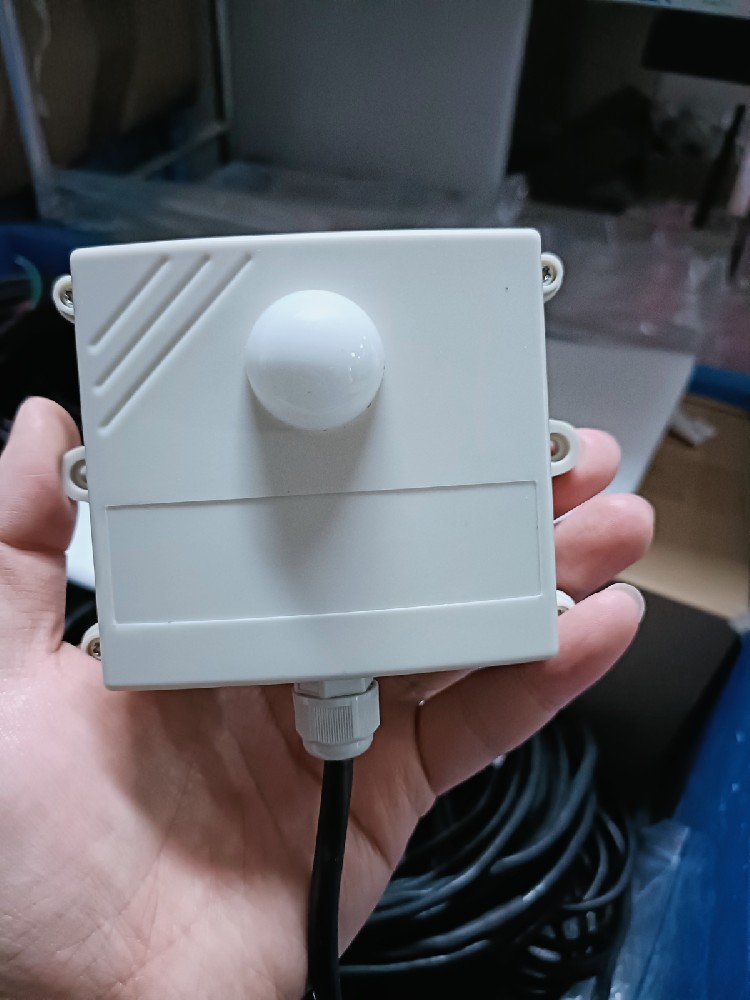
Illuminance Sensor (NBL-W-LUX)
| Parameter Item | Technical Indicator | Parameter Item | Technical Indicator |
|---|---|---|---|
| Measurement Range | 0~200,000 Lux | Wavelength Range | 380nm~730nm |
| Accuracy | ±7% | Output Form | 4-20mA / 0-5V / RS485 |
| Operating Temperature | -10℃~70℃ | Protection Level | Waterproof Design, Easy Installation |
Role and Function: Simulates plant perception of brightness. By monitoring total illuminance, the system automatically determines whether to open shading nets to prevent burns or start supplementary lights on rainy days, ensuring crops get sufficient daily photosynthesis time.
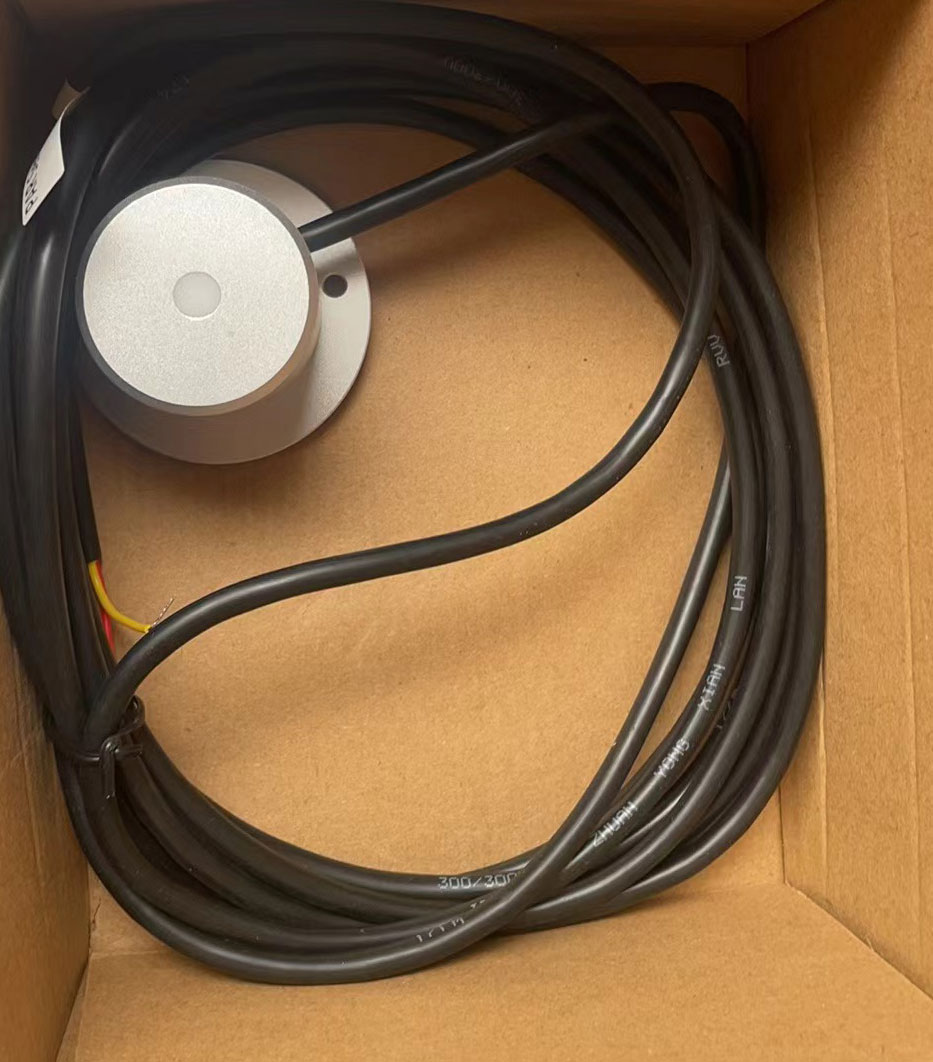
Photosynthetically Active Radiation Sensor (NBL-W-PARS)
| Parameter Item | Technical Indicator | Parameter Item | Technical Indicator |
|---|---|---|---|
| Spectral Range | 400~700nm | Measurement Range | 0~2000 W/㎡ |
| Response Time | About 1s (99%) | Sensitivity | 5~50 µv/µmol·s⁻¹ |
| Operating Temperature | -40~65℃ | Output Form | 0-5V / RS485 |
Role and Function: Specifically measures 400-700nm band energy essential for plant photosynthesis. It more scientifically reflects plants' true “production potential” than ordinary illuminance meters, often used in crop growth scientific analysis and precise supplementary lighting for high-quality flowers.
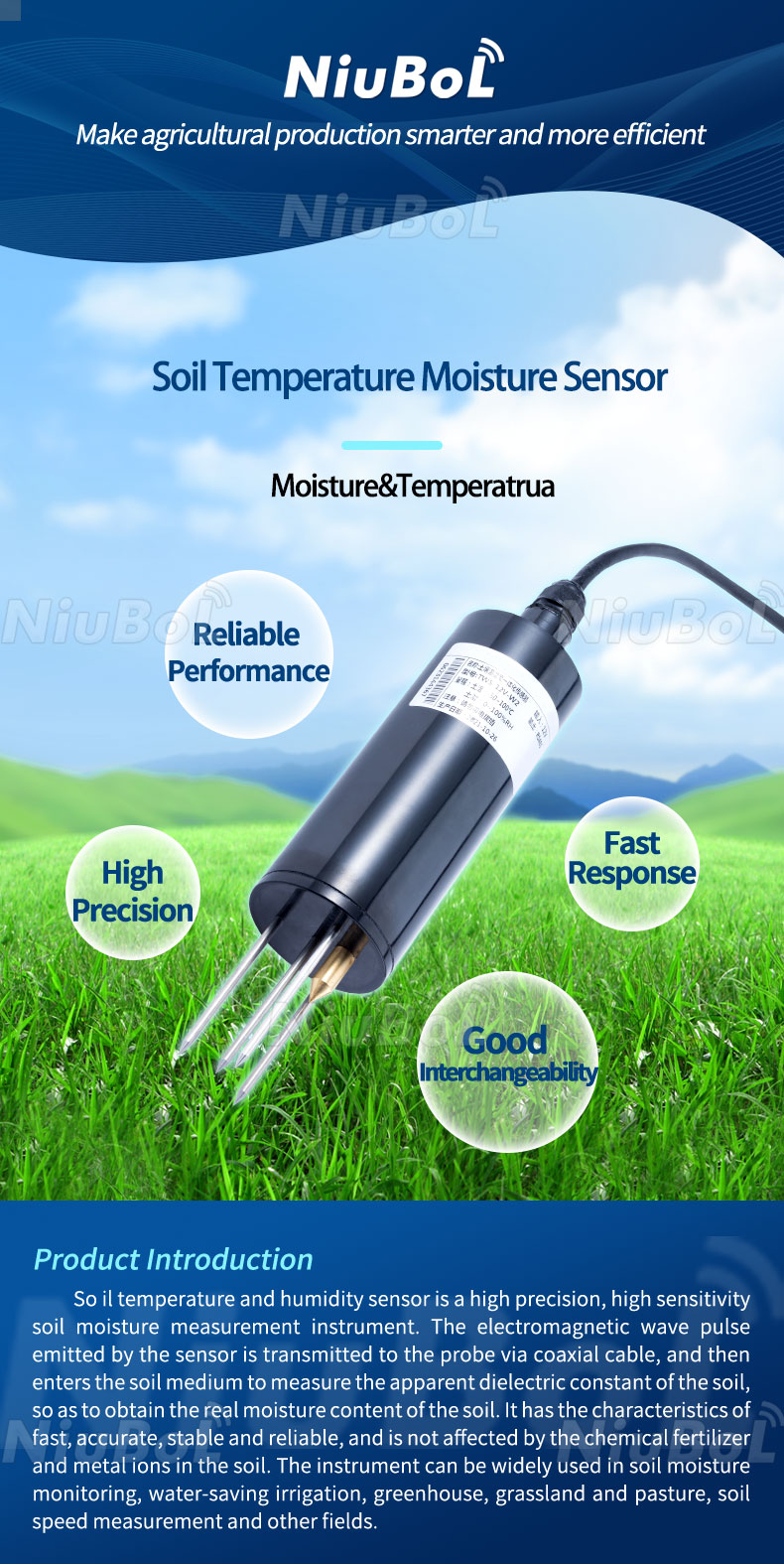
Soil Temperature Humidity Conductivity Sensor (NBL-S-TMC)
| Parameter Item | Measurement Range | Resolution | Accuracy |
|---|---|---|---|
| Soil Temperature | -40~80℃ | 0.1℃ | ±0.5℃ |
| Soil Humidity | 0~100%RH | 0.1%RH | ±5% |
| Conductivity (EC) | 0~10000us/cm | 1us/cm | ±3% |
| Protection Level | IP68 (Long-Term Immersion) | ||
| Probe Material | Anti-Corrosion Special Alloy Electrode |
Role and Function: Directly feedbacks root survival environment. Humidity data used for automatic drip irrigation activation, conductivity (EC) reflects soil fertility and salt status. By monitoring EC value, precise water-fertilizer integration schemes can be achieved, preventing “seedling burn” or soil compaction from excessive fertilization.
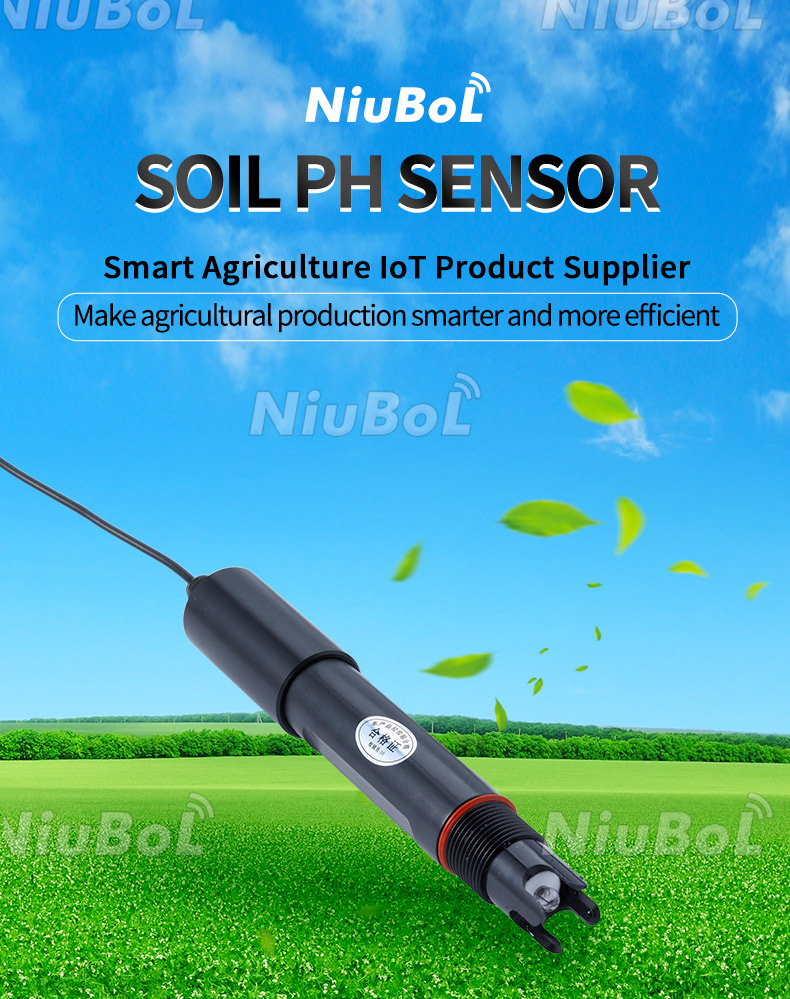
Soil pH Sensor (NBL-S-PH)
| Parameter Item | Technical Indicator | Parameter Item | Technical Indicator |
|---|---|---|---|
| Measurement Range | 0~14 pH | Resolution | 0.01 pH |
| Accuracy | ±0.1 pH | Response Time | < 10 seconds (in water) |
| Operating Environment | Temperature 0~80℃ | Power Consumption | 0.2W |
Role and Function: Soil pH value determines effective nutrient absorption. This sensor real-time tracks acid-base dynamics, guiding farmers in scientific acid or alkali adjustment, solving lag pain points of traditional sampling assays.
Real-Time Monitoring and Scientific Decision-Making: 24-hour uninterrupted collection provides data support for optimizing planting plans.
Intelligent Warning Mechanism: When real-time parameters exceed alarm thresholds, the system immediately pushes warnings via cloud platform to prevent risks.
Monitoring Control Linkage: Supports monitoring data linking with greenhouse hardware equipment for intelligent environmental parameter regulation.
Historical Query Function: Supports querying historical data statistical reports, facilitating managers to summarize optimal growth models.
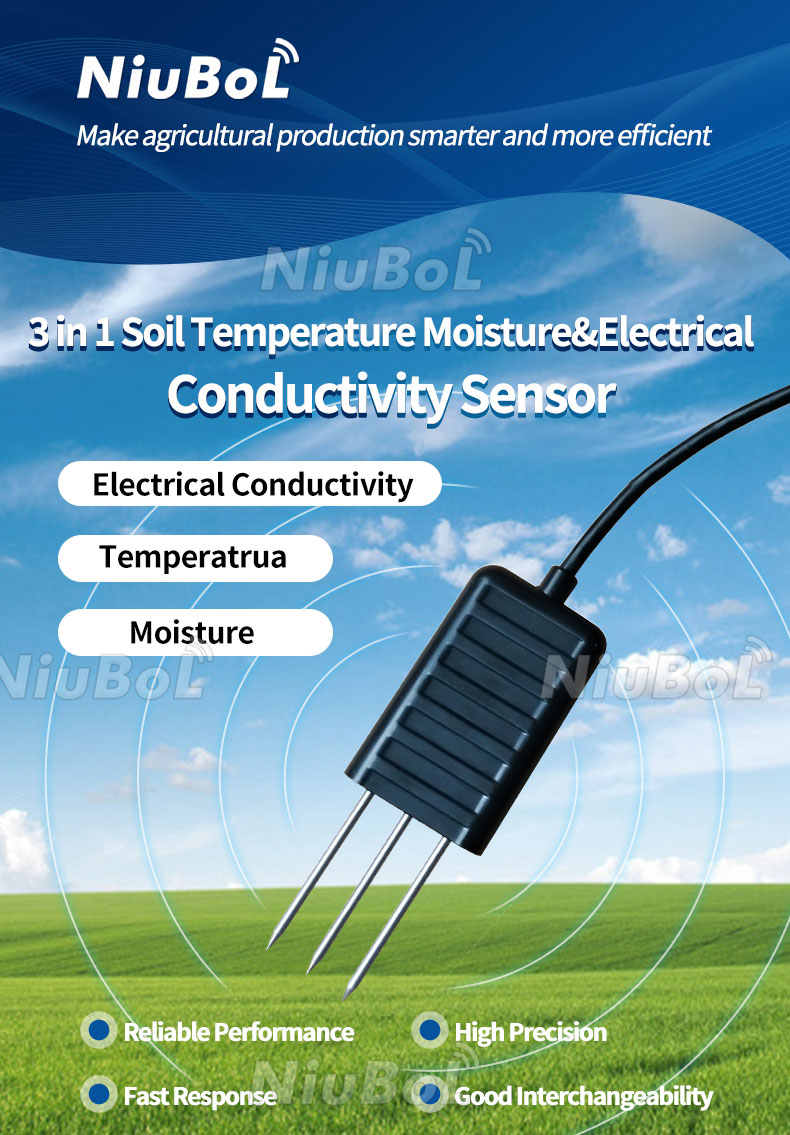
Location Selection: Meteorological sensors should be installed in middle canopy position; soil sensors need burial in crop main root zone.
Bubble Avoidance: Light probes need to avoid beam shadows; CO2 sensors should avoid air outlets.
Regular Maintenance: Meteorological louver boxes need checks for debris blockage; light windows should be gently wiped with soft cloth to ensure clean light-receiving surface.
Long-Term Storage: Soil probes should be cleaned and dry stored when idle; pH electrodes need attention to protective bulb.
Q1: Are sensors easily damaged in greenhouse high humidity environments?
A: NiuBoL greenhouse sensors all adopt anti-corrosion and sealing treatment. For example, atmospheric temperature humidity pressure sensors use louver box protection, soil sensors reach IP68 protection level, fully capable of withstanding long-term high humidity or even immersion environments.
Q2: Greenhouse area is very large, what if data transmission signal is unstable?
A: We support RS485 bus transmission and LoRaWAN/4G multiple communication methods. For large greenhouse clusters, recommend LoRa long-distance low-power wireless solution with strong penetration and stable signal coverage to solve cross-greenhouse data transmission difficulties.
Q3: Can the system access my existing greenhouse shading curtains and spray systems?
A: Yes. NiuBoL intelligent controllers have rich relay interfaces and analog/switch input/output; through logic configuration, can link control existing rolling film, rolling quilt, spray irrigation, and other power execution equipment.
Q4: What is the difference between illuminance sensor and photosynthetically active sensor?
A: Illuminance (Lux) is brightness based on human eye perception, mainly for general lighting monitoring; while photosynthetically active radiation (PAR) measures specific energy band required for plant photosynthesis, with more practical guidance significance for crop physiological analysis.
Q5: What are consequences of excessively high soil conductivity (EC value)?
A: Excessively high soil conductivity usually means severe salinization, leading to crop root dehydration and stunted development. By monitoring EC value with NiuBoL soil sensor, can guide timely leaching or fertilizer ratio adjustment.
Q6: Can data on the platform be exported?
A: Supports. Cloud platform provides historical data query function; managers can export Excel statistical reports as needed for cross-season planting analysis.
Q7: Is system installation complex, requiring professional electricians?
A: NiuBoL follows modular design. Sensors are mostly plug-and-play or connected via standard terminals. We provide detailed installation manuals and remote guidance; ordinary technicians can quickly complete deployment.
Q8: If disconnected from network, will the system still work automatically?
A: NiuBoL intelligent control units have local edge computing capability. Even during network interruption, preset control logic continues local execution, ensuring continuous greenhouse environment stability.
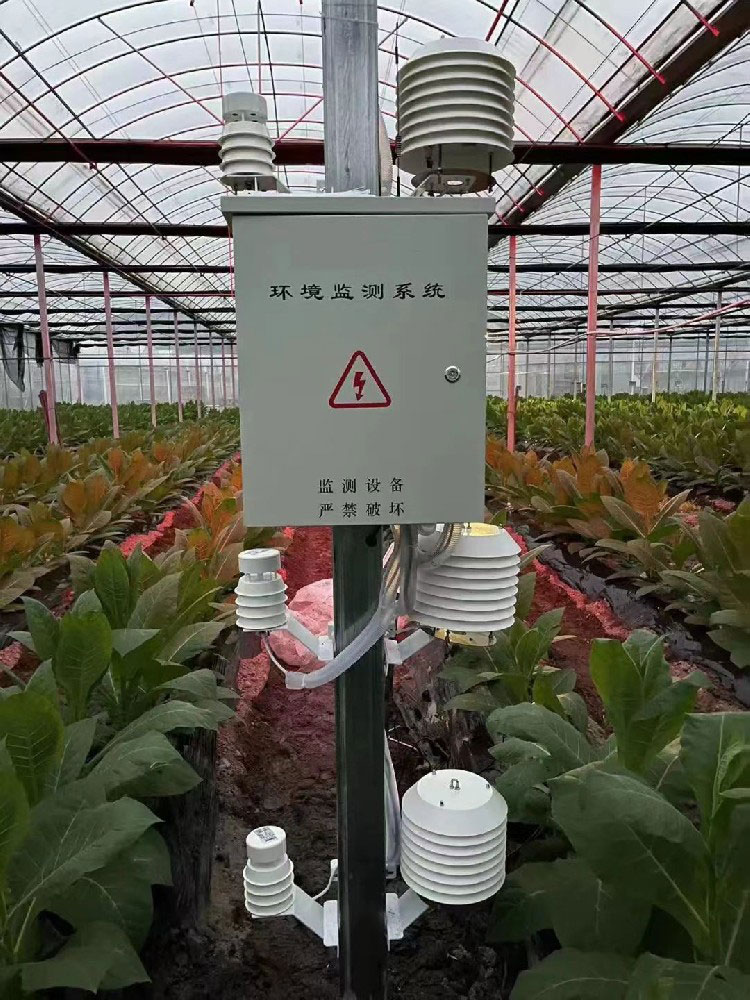
The NiuBoL greenhouse intelligent environmental monitoring solution is not just hardware stacking but a deep digital reshaping of agricultural production logic. Through real-time monitoring by high-precision sensors and linkage management by intelligent systems, farmers shift from “depending on weather” to “operating by data,” significantly enhancing greenhouse operation risk resistance and economic returns. In the future, with further penetration of IoT technology, this refined management mode will become standard configuration for every modern greenhouse.
 NBL-W-PARS-RAR-SENSOR-User-Manual.pdf
NBL-S-THR-Soil-temperature-and-moisture-sensors.pdf
NBL-S-TMC-Soil-temperature-and-moisture-ec-sensor.pdf
NBL-W-LBTH-Atmosphere-temperature-humidity-and-pressure-sensor.pdf
Prev:Fluorescence Quenching Technology:Applications of NiuBoL Fluorescence Dissolved Oxygen Sensor
Next:Soil pH Sensor: Soil pH Value Management and Intelligent Sensing Technology
Related recommendations
Sensors & Weather Stations Catalog
Agriculture Sensors and Weather Stations Catalog-NiuBoL.pdf
Weather Stations Catalog-NiuBoL.pdf
Agriculture Sensors Catalog-NiuBoL.pdf
Water Quality Sensor Catalog-NiuBoL.pdf
Related products
 Combined air temperature and relative humidity sensor
 TDR Soil Moisture & Temperature Sensor for irrigation| RS485 |4-20mA| NBL-S-THR
 Soil pH sensor RS485 soil Testing instrument soil ph meter for agriculture |NBL-S-PH
 Wind Speed sensor Output Modbus/RS485/Analog/0-5V/4-20mA
 Tipping bucket rain gauge for weather monitoring auto rainfall sensor RS485/Outdoor/stainless steel
 Pyranometer Solar Radiation Sensor 4-20mA/RS485

Screenshot, WhatsApp to identify the QR code
WhatsApp number:+8615367865107
(Click on WhatsApp to copy and add friends)

