





— Blogs —
—Products—
 Consumer hotline +8618073152920
 WhatsApp:+8615367865107
Address:Room 102, District D, Houhu Industrial Park, Yuelu District, Changsha City, Hunan Province, China
Product knowledge
Time:2026-01-02 11:01:27 Popularity:1005
In the evolutionary blueprint of modern agriculture, water-fertilizer integration (Fertigation) is no longer simply hardware stacking, but an efficiency revolution about productivity enhancement and resource allocation optimization. Through a controllable pipeline system, it precisely delivers water and nutrients to crop roots. This “small meals many times” supply mode is gradually replacing traditional extensive planting methods.
However, for many producers planning to transform to smart agriculture, “cost” is always a key link in the decision chain. This article will deeply analyze the cost composition elements of intelligent water-fertilizer integration technology based on NiuBoL's practical experience, and lead you to re-understand this agricultural technology that changes the fate of the land.
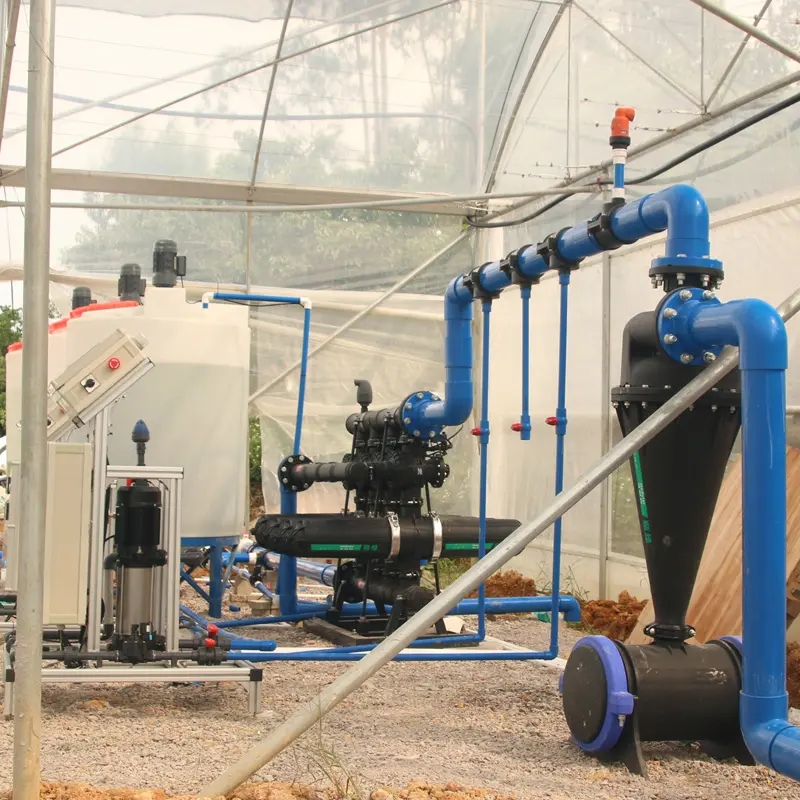
Intelligent water-fertilizer integration technology, at its core, lies in “precision” and “linkage”. It utilizes a pressure system (or natural terrain drop) to prepare soluble solid fertilizers or liquid fertilizers into fertilizer solutions, fuse them with irrigation water, and through pipeline systems and end drippers (or nozzles), infiltrate the main root development area of crops timely, quantitatively, and evenly with tiny flow rates.
The subtlety of this technology lies in keeping the root soil always in a loose state and with suitable water content. At the same time, the system can combine the soil environment and nutrient status fed back by NiuBoL environmental monitoring equipment, and perform personalized demand design according to the water and fertilizer requirements at different growth stages of crops. This “on-demand allocation” mode thoroughly solves the pain points of nutrient loss and water waste in traditional irrigation.
Building an efficient NiuBoL intelligent water-fertilizer integration system, its investment cost is driven by multiple factors. Understanding these factors helps farm owners find the best balance between budget and effect.
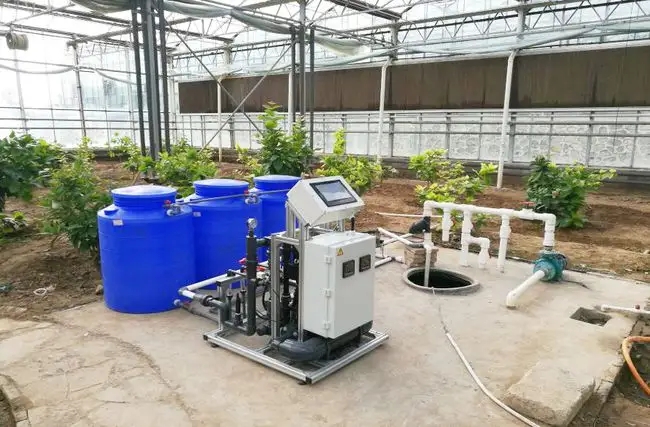
This is the foundation of cost composition. A complete water-fertilizer integration system includes:
Head System: Water pumps, automatic fertilizer applicators, multi-stage filtration systems, pressure gauges, and flow meters.
Water Distribution Pipeline Network: Main pipes, branch pipes, capillary pipes, and various connectors.
End Irrigators: Drip irrigation belts, drip arrows, nozzles, or pressure-compensated drippers.
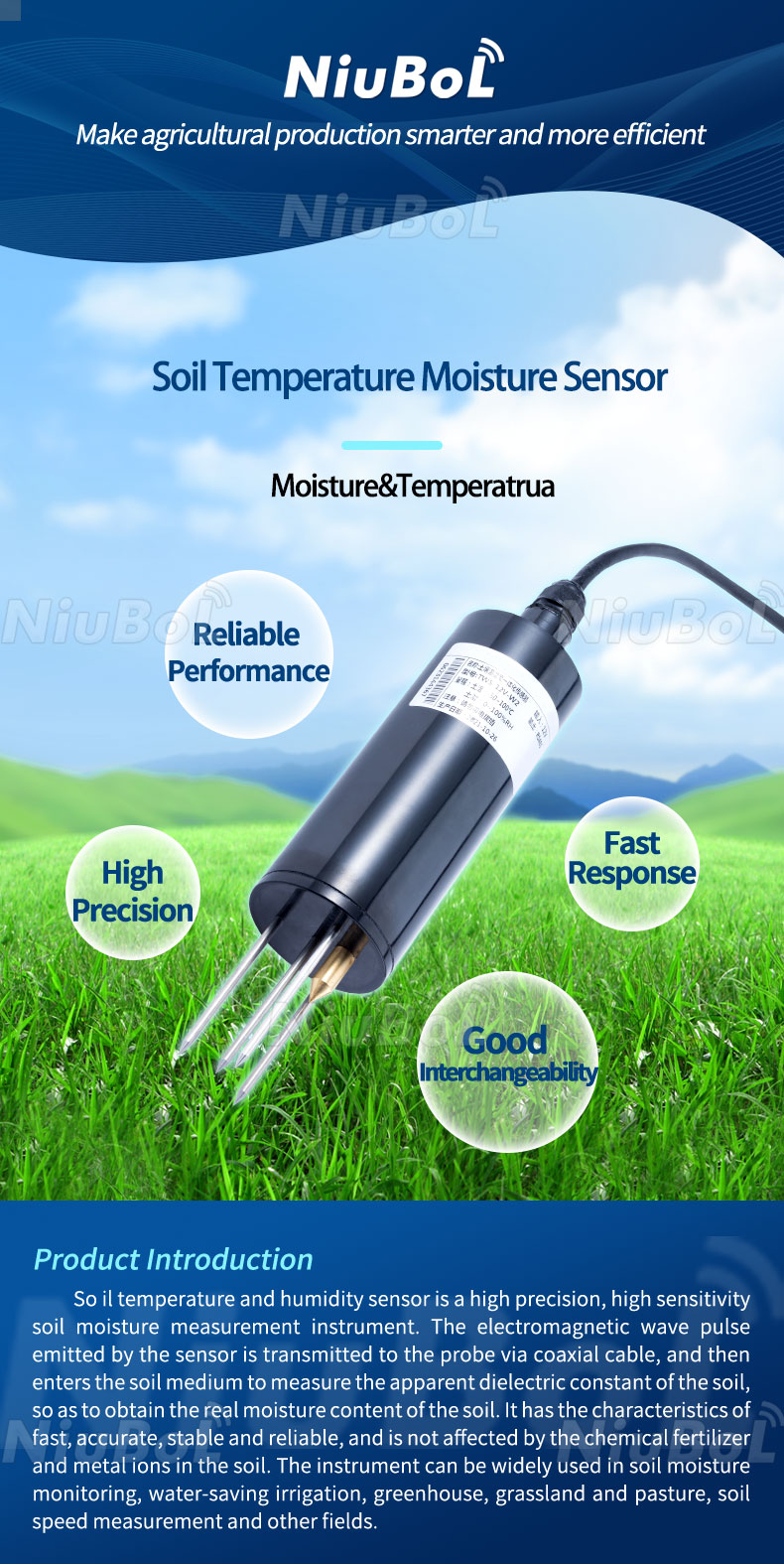
Control System: PLC controllers, solenoid valves, sensors (such as NiuBoL soil moisture/EC sensors), and wireless transmission modules.
NiuBoL reminds you: The higher the automation level, the higher the initial equipment cost, but the more significant the long-term labor savings effect.
The type and location of the water source directly determine the water diversion cost.
Water Source Types: River water, well water, reservoir water, or pond water. Digging deep wells or building large reservoirs is a major part of initial investment.
Water Quality Impact: Poor water quality (high sand content or high organic matter) requires more complex sand filters or self-cleaning disc filters to protect end drippers from clogging, which will significantly increase head system costs.
Different crop planting spacings and cultivation methods (such as open field, greenhouse, soilless cultivation) directly determine the density of pipeline laying and the number of end irrigators.
Fruit Trees and Field Crops: Fruit trees usually use circular drip irrigation or double-strip drip irrigation, while field crops need large-area drip irrigation belts. The higher the planting density, the higher the per-acre material cost.
Soil infiltration rate and water-holding capacity are the basis of hydraulic design.
Sandy Soil: Fast permeability, weak water retention, requires larger flow rates, denser spacing drippers, and high-frequency irrigation pulses.
Clay Soil: Slow infiltration, prone to water accumulation, requires small flow drippers to prevent surface runoff. This design difference will directly affect the selection and cost of capillary pipes.
Design is the blueprint of the system. Excellent plans can maximize the utilization rate of head systems by reasonably dividing rotation irrigation zones, thereby reducing per-unit-area investment.
NiuBoL suggests: Comprehensively consider terrain drops, pipeline pressure compensation, and crop configuration; professional design can avoid waste caused by oversized pipe diameters or uneven end water output due to undersized diameters.
The size of the area has a significant scale effect on costs.
Scale Effect: If a set of core head systems (such as large fertilizer applicators and filtration systems) only serves 10 acres, the per-acre unit cost is extremely high. But if it serves 100 acres through rotation irrigation control, the hardware cost per unit area will be greatly diluted.
Marginal Diminishing: As the area expands, the utilization rate of main pipes and head equipment increases, and the return on investment (ROI) significantly improves.
Water-fertilizer integration must use high-quality fully water-soluble fertilizers.
Fertilizer Costs: Water-soluble fertilizers are usually more expensive than granular fertilizers, but due to their high utilization rate, the actual fertilizer input per acre will decrease by 30%~50%.
System Maintenance: High-quality fertilizers have less residue, which can extend the replacement cycle of filters and drippers, reducing long-term operation and maintenance expenses.
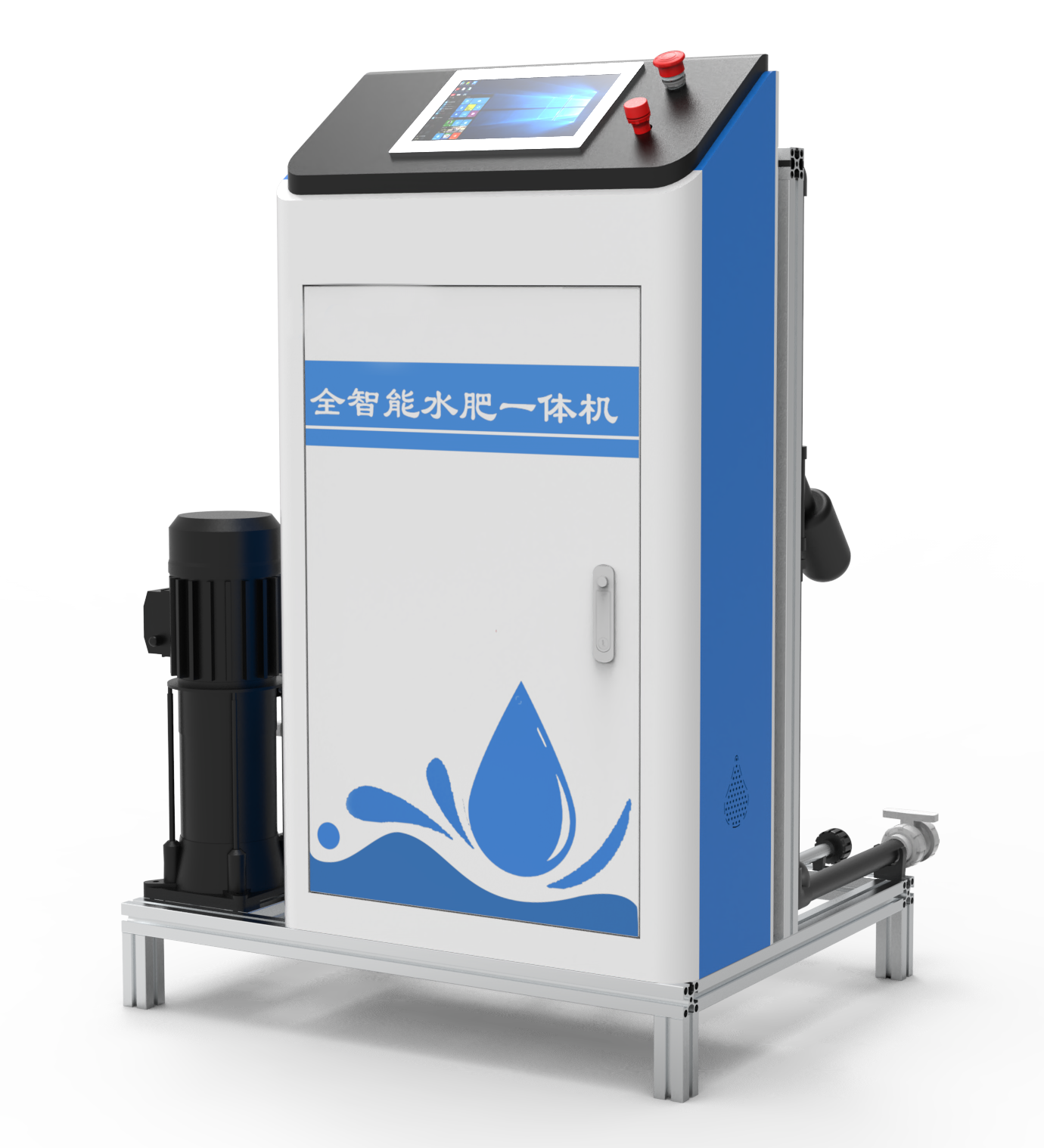
As a leader in smart agriculture, NiuBoL provides not just a set of equipment, but a data-driven closed-loop management system.
Perception and Execution Linkage: Through real-time monitoring of root microenvironments with NiuBoL soil temperature and humidity/EC sensors, the system automatically adjusts fertilizer solution ratios and irrigation durations to achieve true “on-demand supply”.
Anti-Interference Stable Transmission: Adopts mature wireless communication technologies (LoRa/4G, etc.) to ensure precise command delivery to every solenoid valve in complex field terrains.
Cloud Management Platform: Users can remotely monitor all data via mobile phones or computers, generate historical reports, and analyze water and fertilizer efficiency for each season.

| Question | Answer |
|---|---|
| Q1: What is the approximate per-acre investment for installing a water-fertilizer integration system? | A: This is a dynamic range. Open field crops may range from a few hundred to one or two thousand yuan, while high-standard greenhouses or soilless cultivation systems may reach several thousand yuan. It mainly depends on water source distance, automation level, and crop planting density. |
| Q2: Can water-fertilizer integration really save fertilizer? | A: Yes. Traditional fertilization fertilizer utilization rate is only 20%-30%, while water-fertilizer integration delivers fertilizer directly to roots with water, increasing utilization rate to 60%-80% or more. |
| Q3: How to handle dripper clogging? | A: Prevention is greater than treatment. NiuBoL emphasizes configuring qualified filters according to water quality and regularly acid washing or flushing the system. |
| Q4: Is system maintenance complex? How much land can one person manage? | A: With highly automated system support, one person can easily manage hundreds or even thousands of acres through the cloud platform, with daily routine equipment inspections only. |
| Q5: Are there requirements for terrain? Can it be installed on sloping land? | A: Yes. Through pressure-compensated drippers (PC drippers), the system can ensure completely consistent flow rates at each outlet in undulating terrains. |
| Q6: How long does it take to recover the investment? | A: Based on crop premium and saved costs, most cash crops (such as fruit trees, vegetables, grapes, etc.) can usually recover the investment within 1-2 harvest seasons. |
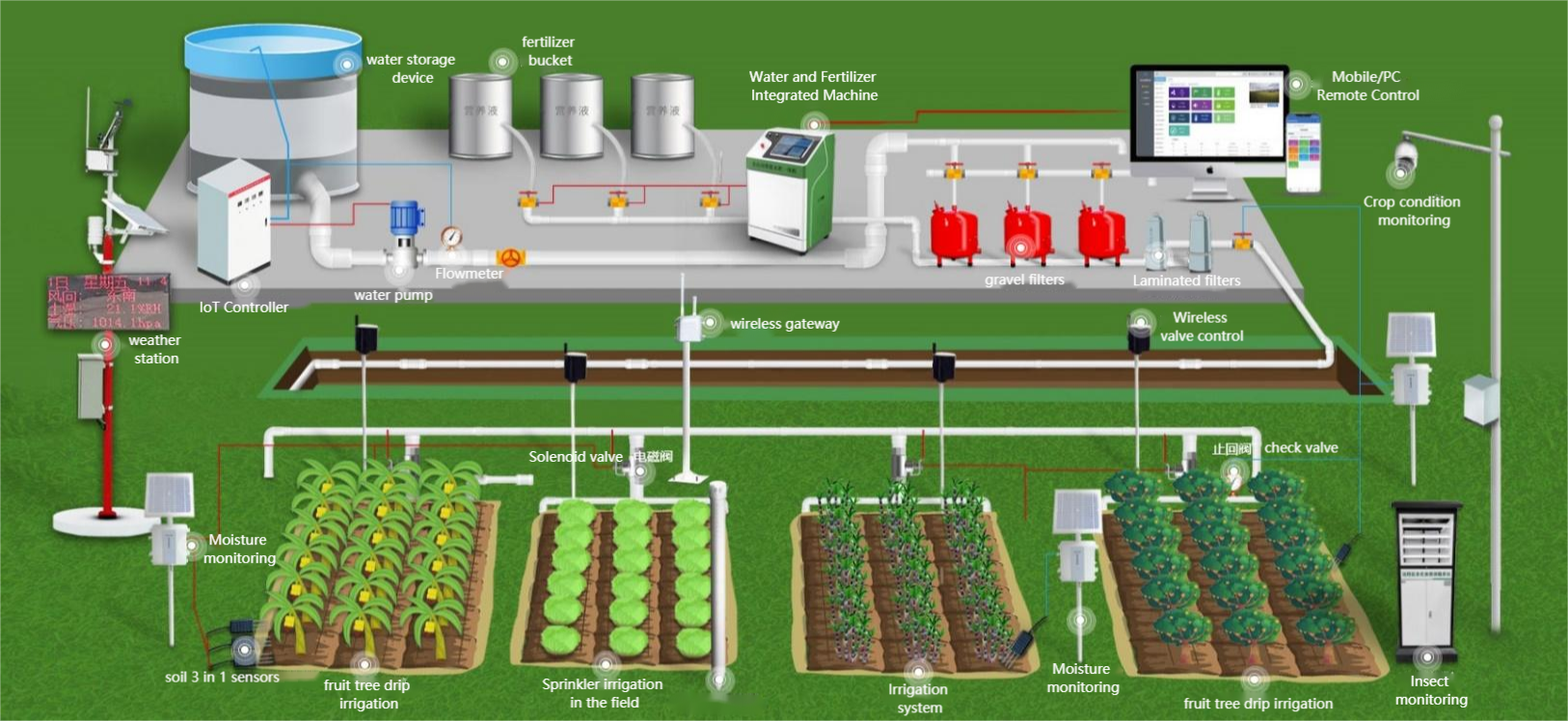
The application of intelligent water-fertilizer integration technology is a strategic investment shifting from “land management” to “crop refined operation”. Although initially facing costs of equipment, design, and infrastructure, its brought water saving, fertilizer saving, labor saving, and significant improvement in crop quality provide definitive answers for sustainable agricultural development.
Choose NiuBoL, through scientific cost control and intelligent system solutions, let every drop of water and fertilizer turn into the land's bountiful harvest.
Communication Standards: RS485, Modbus-RTU, wireless 4G/NB-IoT.
Key Units: Flow (m^3/h), Pressure (MPa), Electrical Conductivity (mS/cm), Area (Mu/Hectare).
Core Components: PLC controller, Venturi/pump-driven fertilizer applicator, sand+disc combination filter.
Protection Level: Head control cabinet IP65, sensors IP68.
Do you need a detailed NiuBoL cost budget table customized according to your planting scale? Contact us, NiuBoL will provide you with full-set professional suggestions from hydraulic design to intelligent configuration.
Prev:NiuBoL Water-Fertilizer Integration Solutions and Full-Scenario Implementation Strategies
Next:Working Principle and Application of NiuBoL Water-Fertilizer Integrated Irrigation Equipment
Related recommendations
Sensors & Weather Stations Catalog
 Agriculture Sensors and Weather Stations Catalog-NiuBoL.pdf
Weather Stations Catalog-NiuBoL.pdf
Agriculture Sensors Catalog-NiuBoL.pdf
Water Quality Sensor Catalog-NiuBoL.pdf
Related products
 Combined air temperature and relative humidity sensor
 TDR Soil Moisture & Temperature Sensor for irrigation| RS485 |4-20mA| NBL-S-THR
 Soil pH sensor RS485 soil Testing instrument soil ph meter for agriculture |NBL-S-PH
 Wind Speed sensor Output Modbus/RS485/Analog/0-5V/4-20mA
 Tipping bucket rain gauge for weather monitoring auto rainfall sensor RS485/Outdoor/stainless steel
 Pyranometer Solar Radiation Sensor 4-20mA/RS485

Screenshot, WhatsApp to identify the QR code
WhatsApp number:+8615367865107
(Click on WhatsApp to copy and add friends)

