





— Blogs —
—Products—
 Consumer hotline +8618073152920
 WhatsApp:+8615367865107
Address:Room 102, District D, Houhu Industrial Park, Yuelu District, Changsha City, Hunan Province, China
Product knowledge
Time:2026-02-13 15:42:44 Popularity:463
In the dual wave of photovoltaic asset energization and digitalization, power station yield no longer depends solely on module power but on precise perception of environmental factors. As an environmental monitoring equipment manufacturer, NiuBoL's photovoltaic power station environmental monitoring equipment is specifically designed for system integrators, EPC contractors, and IoT solution providers, aiming to build a solid intelligent defense line for power station equipment through high-precision underlying data acquisition.
From pre-construction resource assessment (meteorological station evaluation) to post-grid-connection O&M decisions, the environmental monitoring system serves not only as the core basis for calculating power generation efficiency PR (Performance Ratio) but also as an intelligent sentinel safeguarding core assets such as inverters and combiner boxes.
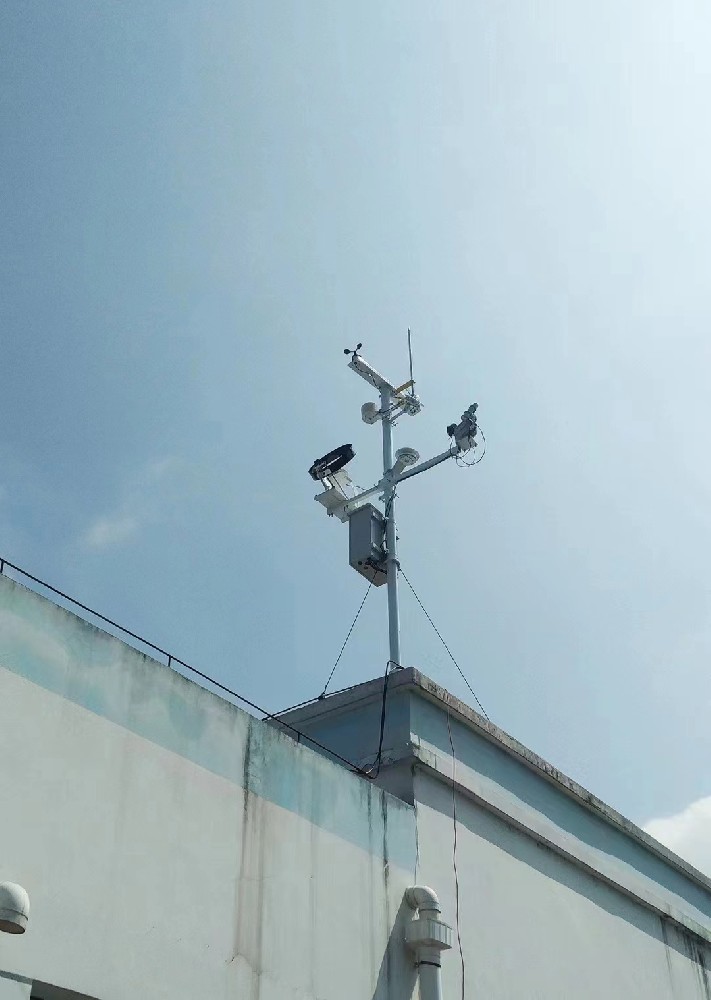
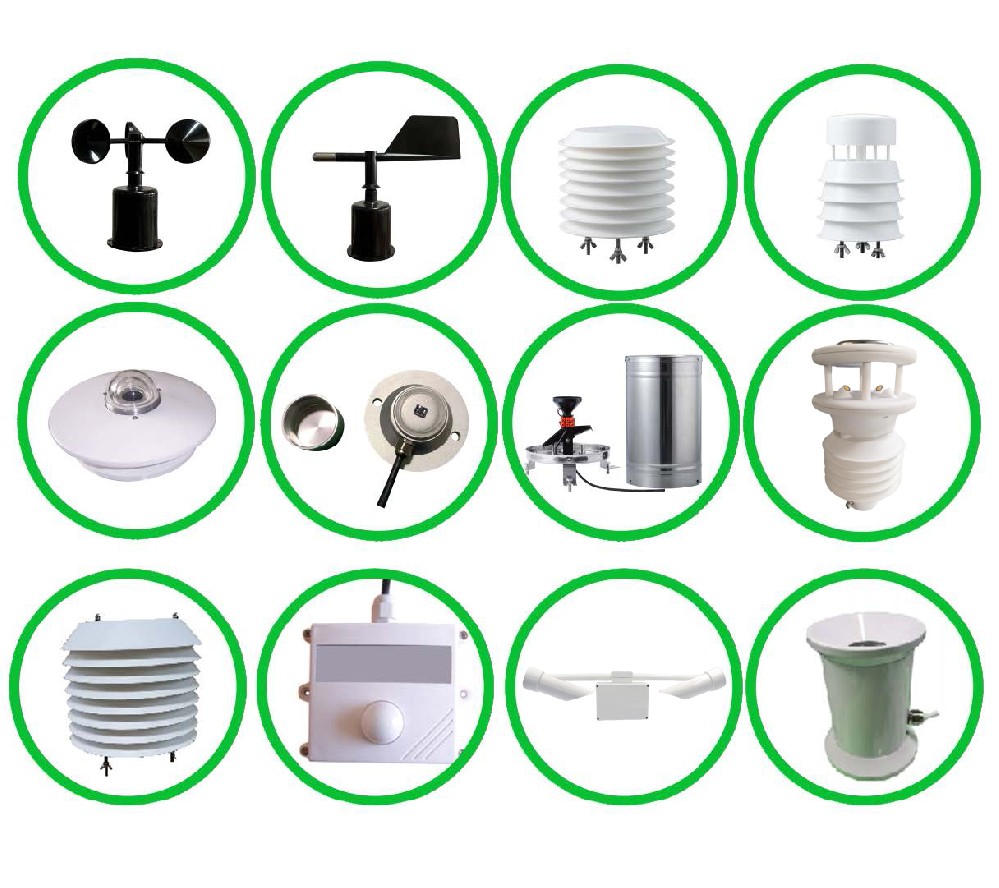
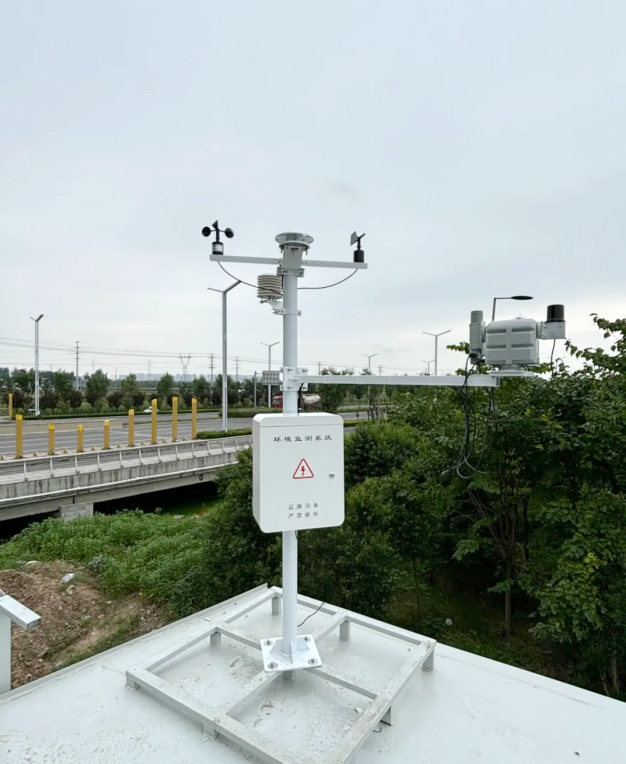
A standard photovoltaic environmental monitoring station consists of sensors across multiple dimensions, synchronized in real time via RS485 bus to provide multi-dimensional environmental parameters to the monitoring system.
1. Core Monitoring Device Composition
| Monitoring Dimension | Sensor Type | Engineering Value and Function |
|---|---|---|
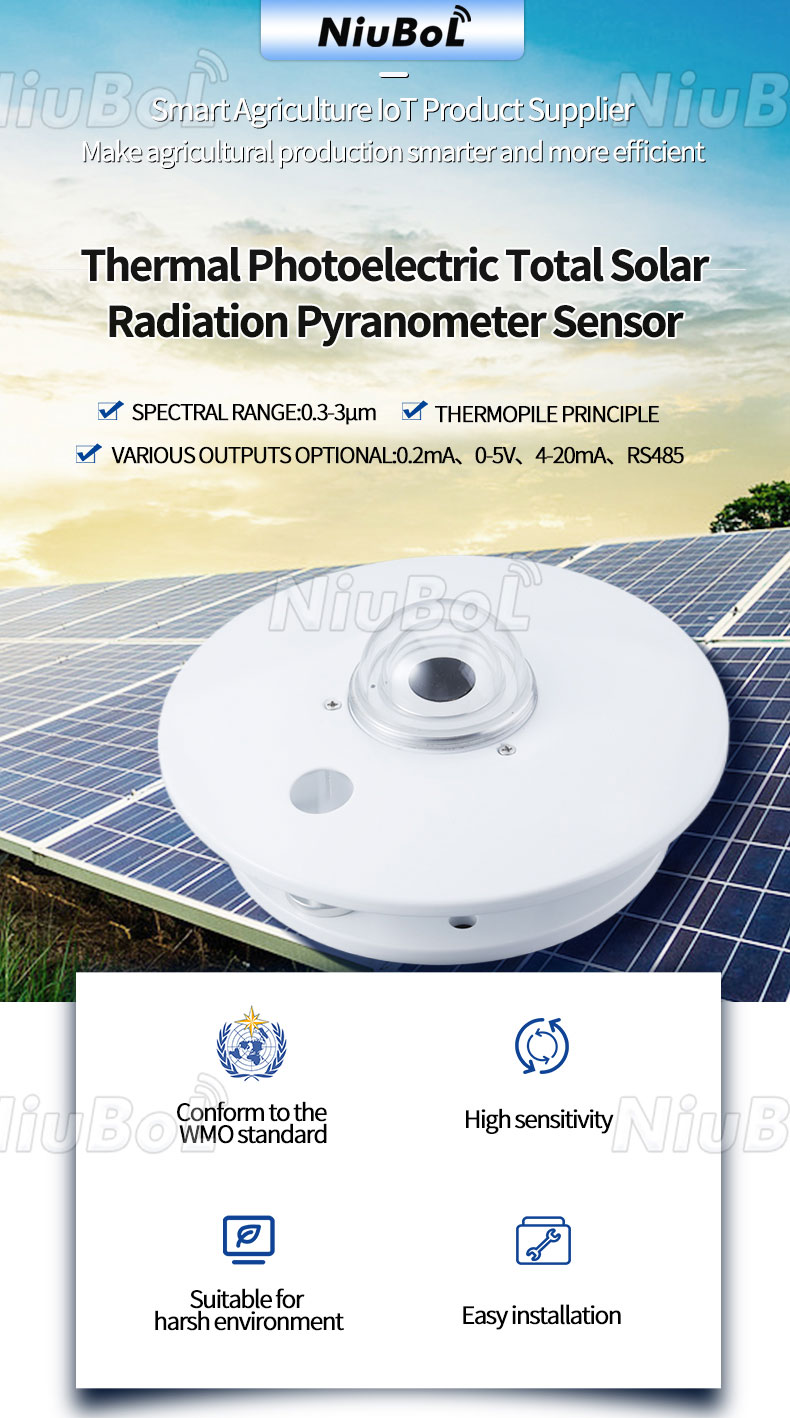
| Horizontal / Total Irradiance | Total Irradiance Sensor (Pyranometer) | Measures instantaneous irradiance and cumulative radiation, serving as the core benchmark for calculating power station PR values. |
| Inclined Plane Irradiance | Inclined Plane Pyranometer | Installed on the module plane, directly reflects the actual effective radiation received by the photovoltaic array. |
| Module Backsheet Temperature | Industrial-grade Backsheet Temperature Sensor | Monitors photovoltaic module operating temperature for correcting output power attenuation and early warning of hot spot risks. |
| Ambient Temperature & Humidity | Meteorological Temperature & Humidity Sensor | Evaluates inverter heat dissipation environment and condensation risks under extreme weather. |
| Wind Speed & Direction | Mechanical / Ultrasonic Anemometer | Monitors wind load; triggers bracket reinforcement or horizontal single-axis tracking protection logic in winds above level 10. |
| Rainfall Monitoring | Tipping Bucket Rain Gauge | Monitors precipitation intensity, linking with cable trench drainage systems and module self-cleaning scheduling. |
| Atmospheric Pressure | Digital Barometer | Assists high-precision power prediction models, improving accuracy in electricity market trading declarations. |
Through integration of NiuBoL's perception solutions, system integrators can shift photovoltaic O&M from "passive emergency repairs" to "proactive prevention."
1. "Thermal Protection Logic" for Inverters and Core Assets
Inverters are the heart of power stations, with lifespan closely tied to environmental temperature.
Integrated Application: Dedicated environmental sensors monitor inverter room temperature in real time. When temperature reaches 38℃ (safety warning threshold), the system automatically triggers heat dissipation logic or pushes power limitation warnings.
Value: Early detection of hidden dangers to avoid massive losses from inverter burnout and downtime.
2. "Intelligent Disaster Mitigation Mechanism" Under Extreme Weather
Photovoltaic power stations are often located in open areas such as deserts and mountains, with high risks of lightning and hurricanes.
Linkage Logic: When wind speed sensors detect winds exceeding design load, the system links horizontal single-axis tracking brackets to return to "wind-avoidance mode"; rainfall sensors detect short-term heavy precipitation and immediately check cable trench water levels to activate automatic drainage and prevent water immersion and leakage.
3. Photovoltaic PR Efficiency and Fault Diagnosis
Integrators use meteorological station data for real-time benchmarking against inverter output power.
Fault Localization: If irradiance is normal but power generation is low, the system combines backsheet temperature and irradiance data to automatically determine whether performance degradation is due to dust shading, module microcracks, or bird droppings.
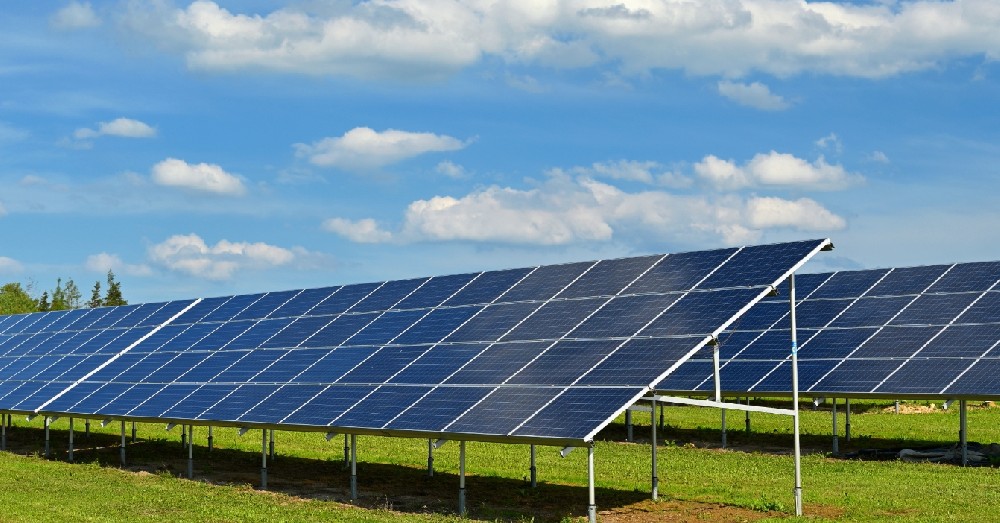
The photovoltaic environmental meteorological station runs through every stage from project inception to decommissioning.
First Stage: Pre-Project Decision-Making (Data Cornerstone)
Before construction, establishing a temporary meteorological station to collect at least one full year of solar radiation, temperature, wind speed, and other data is the only standard for investors to evaluate IRR (internal rate of return). NiuBoL's high-precision data ensures the scientific nature of investment models, key to financing success.
Second Stage: Grid-Connected Operation Period (Power Generation Forecasting)
In a marketized electricity trading environment, power stations must accurately declare generation plans. Relying on real-time environmental data from the meteorological station combined with high-precision algorithms to build power generation prediction models minimizes deviation, strengthens competitiveness, and effectively avoids grid penalties due to inaccurate power forecasting.
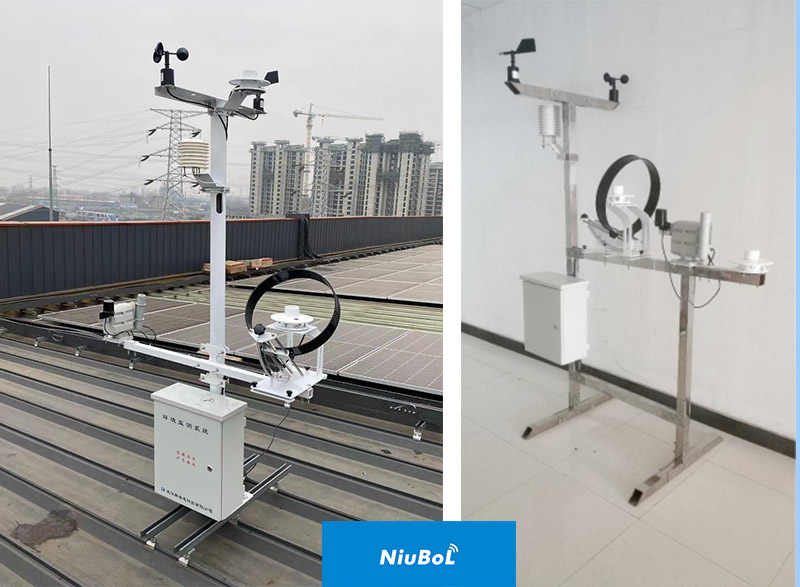
Addressing the stringent requirements of photovoltaic engineering, NiuBoL sensors adopt industrial-grade protection and standardized interfaces.
| Parameter Item | NBL-W-HPRS Solar Radiation Sensor | NBL-W-PPT Module Temperature Sensor | NBL-W-WS Wind Speed & Direction Anemometer |
|---|---|---|---|
| Technical Principle | Thermopile / Silicon Photocell Principle | High-precision PT100/1000 Element | Three-Cup / Ultrasonic Principle |
| Communication Interface | RS485 (Modbus-RTU) | RS485 (Modbus-RTU) | RS485 (Modbus-RTU) |
| Measurement Range | 0 ~ 2000 W/m² | -40 ~ 120℃ | 0 ~ 60 m/s |
| Measurement Accuracy | < ±2% (annual) | ±0.2℃ | ±(0.3+0.03V) m/s |
| Response Time | < 15s (95%) | < 10s | < 5s |
| Protection Rating | IP67 | IP68 (waterproof surface-mounted design) | IP65 |
| Power Supply Voltage | DC 12-24V | DC 12-24V | DC 12-24V |
Large power stations (100MW+) cover vast areas where a single monitoring point cannot represent the entire site environment.
Distributed Deployment Strategy: Recommend integrators adopt a "master station + slave station" mode in arrays. The master station monitors full-dimensional meteorological parameters (wind, rain, radiation), while slave stations monitor only module backsheet temperature and inclined plane irradiance.
Timestamp Synchronization: NiuBoL data collectors support high-precision clock synchronization. In the integrator's backend system, ensure environmental data and inverter power data are benchmarked under the same timestamp to avoid generation curve misjudgments due to data delay.
Protocol Benchmarking: NiuBoL full product line supports standard Modbus protocol. During integration, ensure RTU polling frequency matches sensor response time (e.g., pyranometers typically require 1-15 seconds stabilization) to obtain the most authentic data fluctuations.
Sensor Installation Positions:
Radiometer: Must ensure level bubble is centered, with no surrounding buildings or poles obstructing.
Backsheet Temperature Sensor: Should be attached to the center of a representative module backsheet in the photovoltaic array, avoiding edge positions that cause thermal deviation.
Lightning and Surge Protection: Photovoltaic areas are open; all sensor outgoing lines must be protected by metal conduits and reliably grounded. RS485 bus ends recommend installation of signal surge protectors.
1. Why must inclined plane irradiance data be included when calculating PR efficiency?
Since photovoltaic modules typically have tilt angles, horizontal irradiance data cannot directly reflect the effective energy received by cells. Integrating inclined plane pyranometers significantly improves power generation prediction model accuracy.
2. How is the NiuBoL module temperature sensor installed? Does it affect module safety?
We use industrial-grade high-adhesion thermal conductive adhesive or dedicated surface-mounted structure, non-penetrating installation, without damaging the module backsheet while ensuring high thermal conduction efficiency between sensor and backsheet.
3. How to prevent measurement deviation of radiation sensors in sandy and dusty environments?
NiuBoL radiometer domes undergo anti-soiling coating treatment, but in high-dust areas (e.g., deserts), recommend integrators include "sensor self-cleaning" or "quarterly cleaning" processes in O&M plans.
4. Does the equipment support access to third-party monitoring cloud platforms?
Yes. We provide detailed Modbus register mapping tables, allowing integrators to independently access data into Huawei, Sungrow, or self-built power station management platforms.
5. Can sensors operate stably in ultra-low temperature environments?
NiuBoL environmental monitoring stations undergo -40℃ low-temperature startup and operation tests; core components meet industrial-grade wide-temperature standards, ensuring stable data flow in extremely cold regions.
6. How to prevent birds from nesting on sensor crossarms affecting monitoring?
NiuBoL bracket crossarms can be optionally equipped with stainless steel bird spikes. For radiation sensors, the spherical dome design itself resists debris accumulation; combined with regular O&M, data remains unobstructed.
7. How to interface meteorological station data with grid power prediction systems?
We provide standardized data gateways supporting protocol forwarding (e.g., 104 protocol), facilitating integrators to directly upload environmental data to dispatch side or power prediction systems.
8. How to ensure sensor stability in strong electromagnetic interference environments?
NiuBoL sensors enhance power isolation and signal filtering in circuit design; RS485 interfaces feature high anti-interference characteristics, effectively resisting harmonic interference from inverter operation.
9. Do radiation sensors require periodic "zeroing" or calibration?
According to WMO specifications, total irradiance sensors recommend national meteorological standard calibration every 2 years. NiuBoL provides supporting calibration services and supports on-site fine-tuning via Modbus offset.
10. How does the module backsheet temperature sensor handle detachment due to strong winds?
We use industrial-grade strong thermal conductive pressure-sensitive adhesive and recommend covering with a layer of dedicated weather-resistant protective tape during engineering installation, providing double protection against detachment in strong winds and extreme cold.
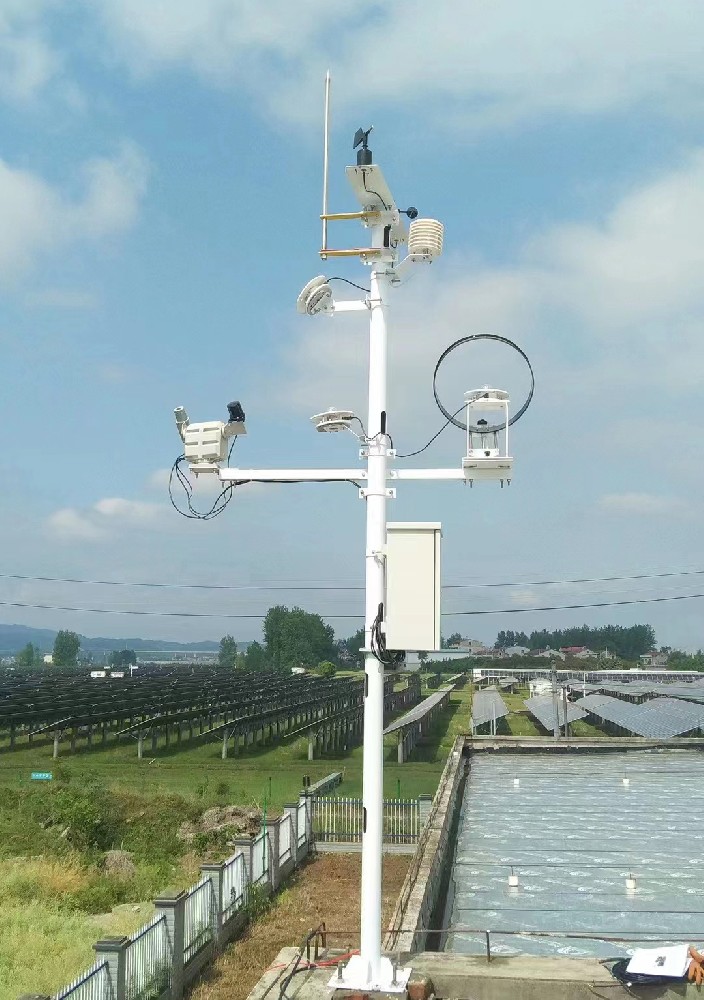
From ensuring inverter thermal stability to defending against physical damage from "extreme weather," NiuBoL photovoltaic power station environmental monitoring equipment shifts O&M risks forward through "real-time monitoring + early warning" mode.
For system integrators, choosing NiuBoL solutions with industrial-grade precision and high protocol compatibility is not just to meet basic grid-connection monitoring requirements but to provide clients with an "intelligent sentinel" covering full-life-cycle value. Through precise environmental data support, it helps photovoltaic assets maximize value in every sunlight cycle.
If you are currently preparing photovoltaic power station bidding documents or selecting environmental monitoring systems, please contact the NiuBoL technical team. We will provide detailed technical specifications, Modbus protocol documentation, and customized sensor configuration solutions for specific terrains.
 NBL-W-HPRS-Solar-Radiation-Sensor-Instruction-Manual-V3.0.pdf
NBL-W-SRS-Solar-radiation-sensor-instruction-manual-V4.0.pdf
NBL-W-PPT-SMD-Solar-Panel-Temperature-Sensors.pdf
NBL-W-PSS Soiling Sensor Photovoltaic Dust Monitoring Instrument Data Sheet.pdf
Prev:Industrial-Grade Photovoltaic Power Station Environmental Monitoring Station
Next:Industrial-grade Seven-Element Automatic Weather Station Integration Solution
Related recommendations
Sensors & Weather Stations Catalog
Agriculture Sensors and Weather Stations Catalog-NiuBoL.pdf
Weather Stations Catalog-NiuBoL.pdf
Agriculture Sensors Catalog-NiuBoL.pdf
Water Quality Sensor Catalog-NiuBoL.pdf
Related products
 Combined air temperature and relative humidity sensor
 TDR Soil Moisture & Temperature Sensor for irrigation| RS485 |4-20mA| NBL-S-THR
 Soil pH sensor RS485 soil Testing instrument soil ph meter for agriculture |NBL-S-PH
 Wind Speed sensor Output Modbus/RS485/Analog/0-5V/4-20mA
 Tipping bucket rain gauge for weather monitoring auto rainfall sensor RS485/Outdoor/stainless steel
 Pyranometer Solar Radiation Sensor 4-20mA/RS485

Screenshot, WhatsApp to identify the QR code
WhatsApp number:+8615367865107
(Click on WhatsApp to copy and add friends)

