





— Blogs —
—Products—
 Consumer hotline +8618073152920
 WhatsApp:+8615367865107
Address:Room 102, District D, Houhu Industrial Park, Yuelu District, Changsha City, Hunan Province, China
Product knowledge
Time:2026-02-14 15:45:25 Popularity:581
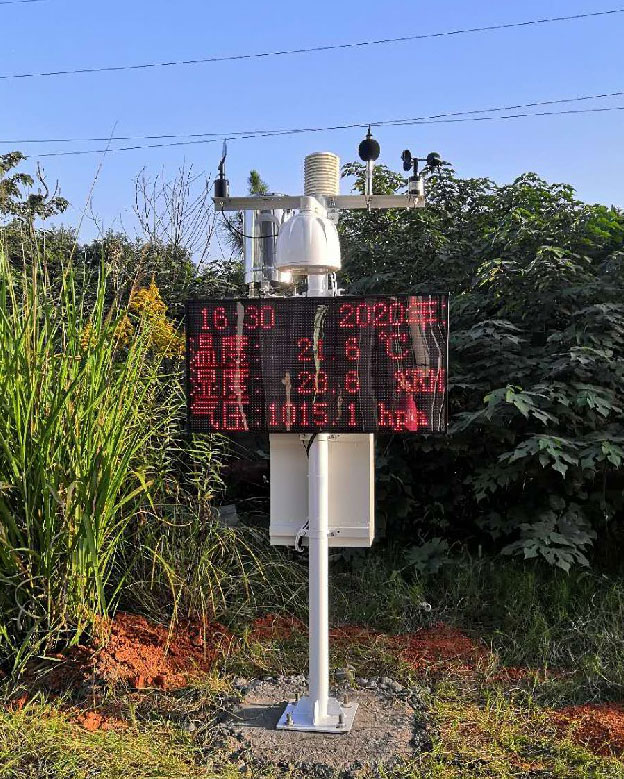
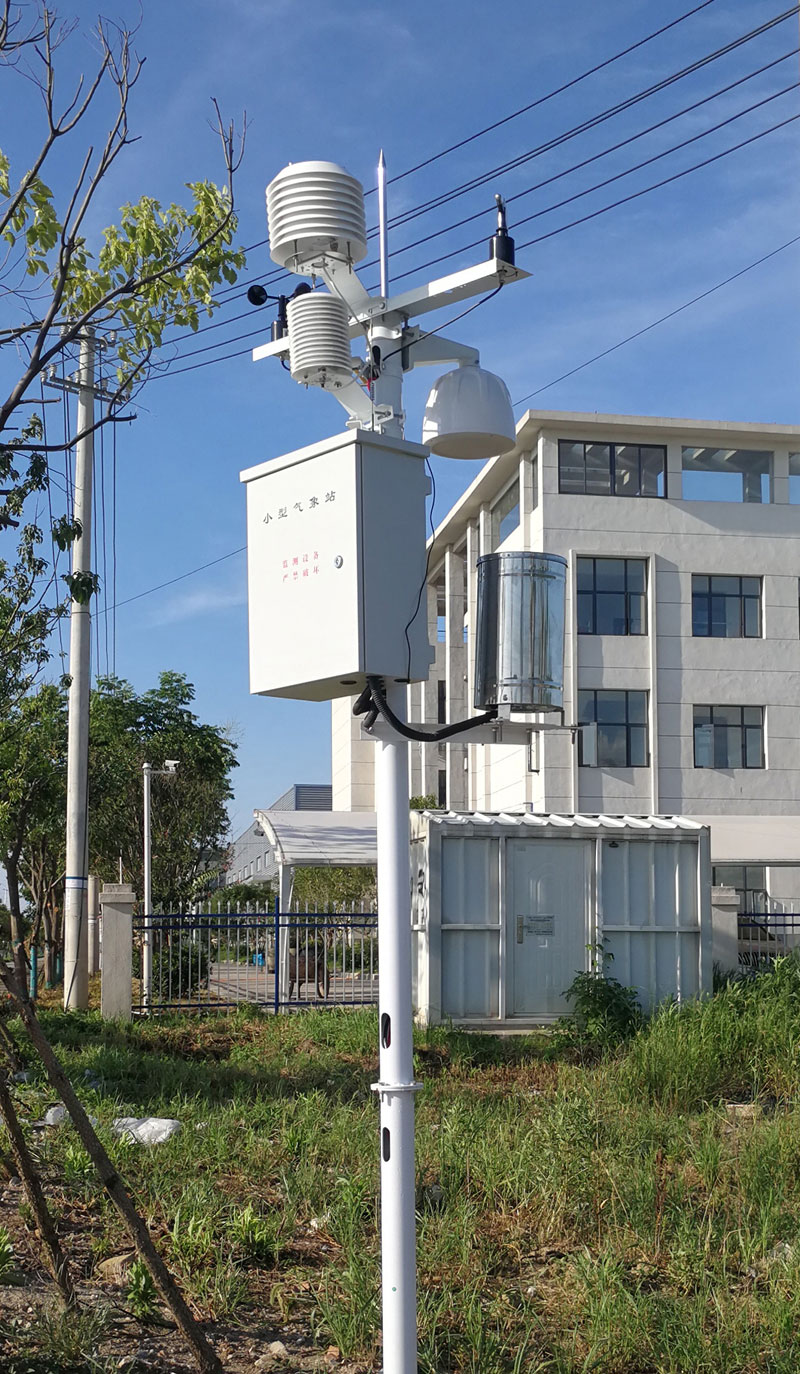
In the vertical field of Industrial Internet of Things (IIoT), real-time acquisition of environmental meteorological data has become the core support for project decision-making. NiuBoL, as a professional environmental sensing equipment manufacturer, launches the seven-element automatic weather station, which provides system integrators, IoT solution providers, and project contractors with a highly competitive underlying hardware foundation through a highly integrated sensor matrix and standardized industrial communication protocols.
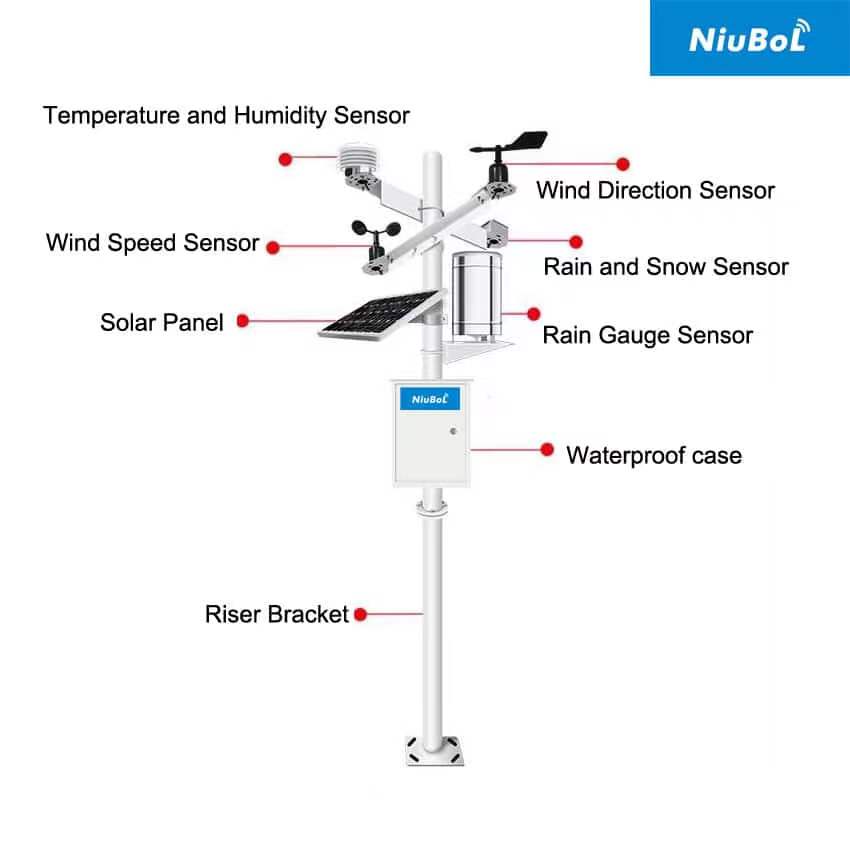
The seven-element automatic weather station is not a simple hardware stacking, but achieves comprehensive modeling of microclimate environments through deep integration of the meteorological “golden combination” parameters.
| Monitoring Element | Sensor Function and Engineering Value | Typical Application Logic |
|---|---|---|
| Air Temperature | Monitors thermal environment fluctuations, uses high-sensitivity thermistor, paired with radiation shield. | Corrects deviations in other meteorological parameters, determines frost or extreme high temperature. |
| Air Humidity | Monitors atmospheric moisture content, uses capacitive sensing element with high stability. | Evaluates plant transpiration, predicts high-risk periods for pests and diseases or smog formation. |
| Atmospheric Pressure | Monitors pressure change trends, uses high-precision silicon piezoresistive sensor. | Predicts movement of weather systems (cyclones/anticyclones) and precipitation probability. |
| Wind Speed | Measures horizontal air movement velocity, offers mechanical or ultrasonic options. | Evaluates structural loads, wind power efficiency, and pollutant diffusion speed. |
| Wind Direction | Determines airflow origin direction, supports 0-360° full-range monitoring. | Determines weather system movement, assists aviation and port operation scheduling. |
| Rainfall | Monitors precipitation intensity and accumulation, optional tipping bucket or piezoelectric type. | Triggers flood warning, links with irrigation system to achieve “rain stop pump off”. |
| Solar Radiation | Monitors total radiation, uses photoelectric or thermopile principle. | Photovoltaic power generation prediction, crop photosynthesis efficiency assessment. |
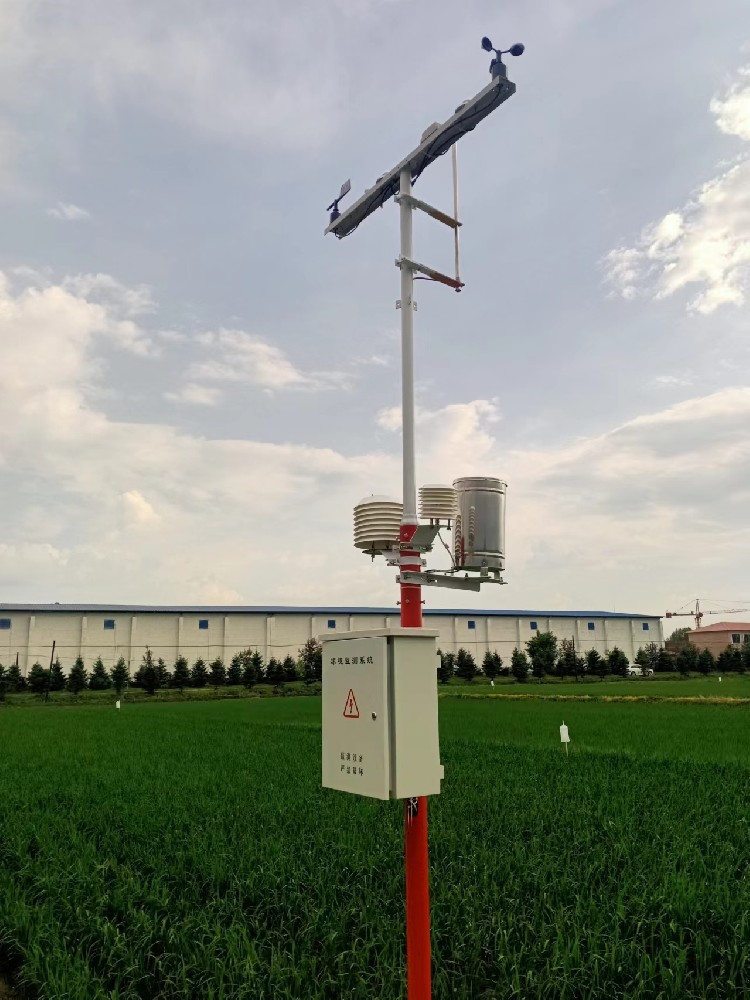
For integrators, the NiuBoL seven-element automatic weather station is not only a data source but also a core unit for building intelligent applications.
1. Smart Agriculture and Precision Farming Decision-Making
In modern large-field planting or greenhouse cluster projects, the weather station serves as the “sensory arm” of the smart brain. By accessing the seven-element data to the edge gateway via RS485 bus, the system can automatically calculate accumulated temperature, dew point, and evapotranspiration (ET0). This integration solution can significantly improve fertilizer utilization and provide objective disaster determination basis for agricultural insurance.
2. New Energy: Photovoltaic and Wind Power Efficiency Evaluation
In the new energy field, solar radiation and wind field data are key to ROI analysis. The NiuBoL seven-element station can provide real-time power prediction references for distributed photovoltaics and assist wind farms in micro-siting and turbine operation and maintenance scheduling.
3. Smart City and Traffic Safety Monitoring
Deployed along highways or at key urban nodes, the seven-element station can monitor heavy rainfall, crosswinds, and visibility risks in real time. Its highly integrated all-in-one design (integrated weather station) greatly reduces deployment difficulty and visual interference in urban precision areas.
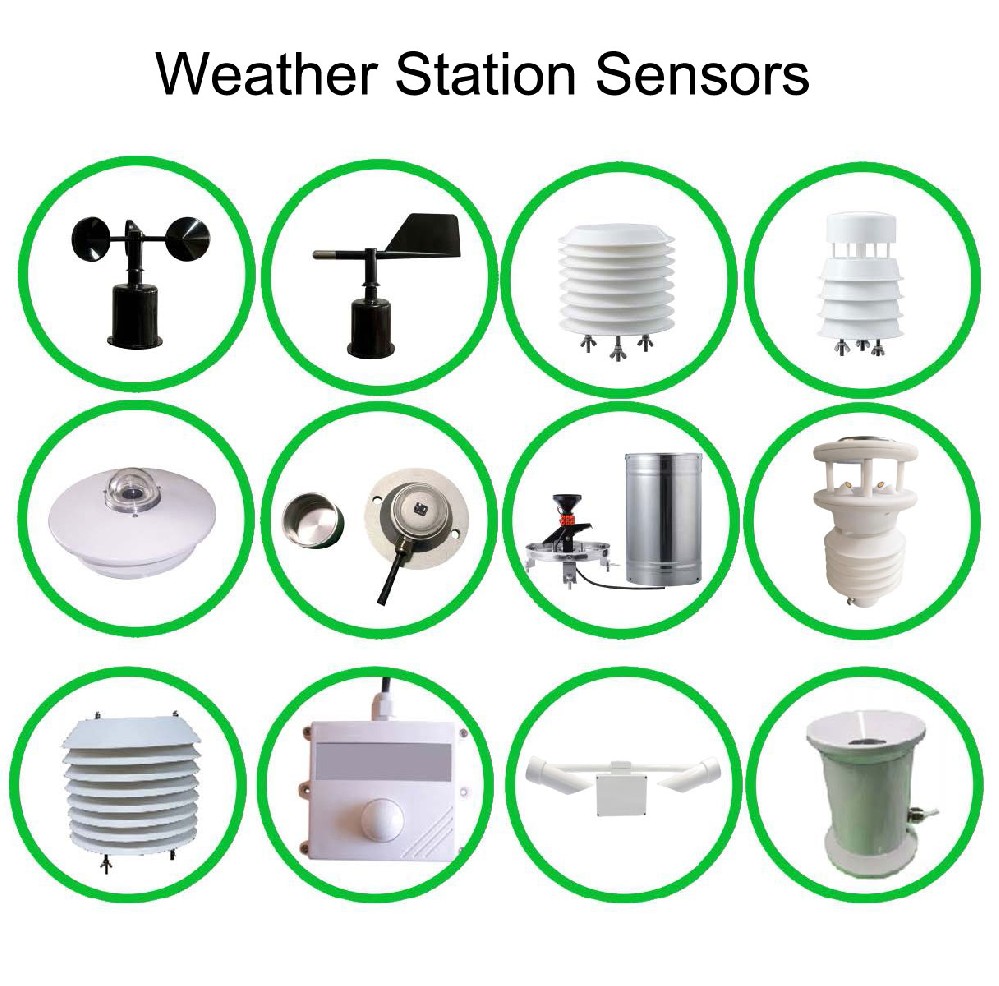
When selecting equipment for projects, integrators should focus on sensor linearity, consistency, and interface anti-interference capabilities.
| Parameter Item | Technical Specification / Industrial Standard |
|---|---|
| Communication Interface | RS485 (supports Modbus-RTU protocol) |
| Power Supply Range | DC 12-24V (low power design, suitable for solar power) |
| Protection Rating | IP65 (corrosion-resistant, UV-resistant) |
| Measurement Range | Temperature (-40~85℃) / Wind Speed (0~60m/s) / Radiation (0~2000W/m²) |
| Accuracy | Industrial-grade high precision (complies with meteorological observation specifications) |
| System Structure | Supports split-type bracket installation or integrated high-integration installation |
Breakpoint Resume Mechanism: The core collector of NiuBoL weather station has built-in large-capacity Flash storage. When network signal fluctuates (such as 4G packet loss), data is automatically stored locally and automatically retransmitted after communication recovery, ensuring the integrity of historical data, which is crucial for scientific research and meteorological traceability projects.
Rapid Deployment: The integrated seven-element weather station adopts a single-pole structure design, with all sensors internally calibrated and protocol-matched before leaving the factory. On-site installation only requires “one plug, one twist, one power-on”, which can save more than 70% of labor costs compared to traditional scattered component assembly.
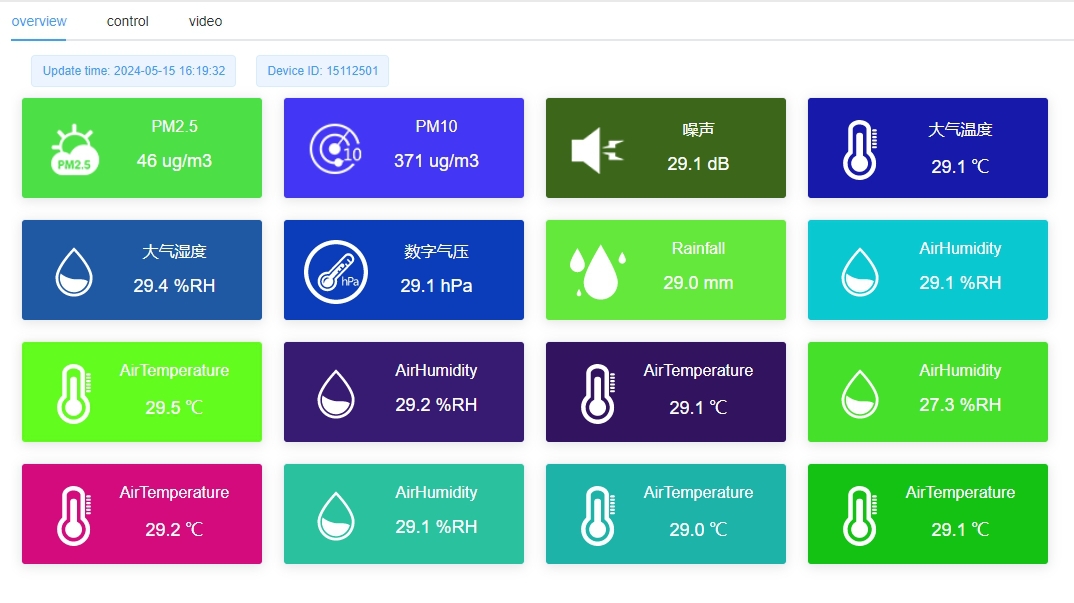
To ensure long-term high reliability of the meteorological observation system in harsh outdoor environments, integrators should follow the following engineering standards:
Protocol Consistency: Ensure all sensor nodes support standard Modbus-RTU protocol, facilitating polling sampling on the same RS485 bus and reducing RTU development complexity.
Power Supply Balance: For remote areas, accurately calculate solar panel power and battery capacity based on equipment peak power consumption (including heating modules) to ensure observation continuity for more than 15 days during continuous rainy weather.
Angle Compensation: When installing wind direction sensor, use compass for north alignment (0° correction); radiation sensor must be installed horizontally to avoid cosine error.
Anti-Electromagnetic Interference (EMC): For strong interference environments such as industrial parks and photovoltaic substations, NiuBoL sensors add multi-level TVS surge protection and filter capacitors in circuit design to ensure Modbus communication remains free of garbled codes in complex electromagnetic backgrounds.
Temperature and Humidity Self-Balancing Radiation Shield: Uses high-reflectivity UV-resistant material, combined with special internal airflow channel design, to ensure air temperature sampling is not affected by solar radiation heating, maintaining high accuracy even in calm wind conditions.
Q1. Can the seven-element automatic weather station be customized according to project requirements, such as removing rainfall and adding UV monitoring?
Yes. NiuBoL adopts a modular architecture solution, allowing integrators to flexibly add or remove sensor nodes according to specific industry needs (such as scenic spots, environmental protection, scientific research).
Q2. What is the transmission distance of the RS485 bus, and is a repeater required?
Under standard twisted-pair shielded cable, RS485 can stably transmit 1200 meters. For longer distances or extreme electromagnetic interference environments, it is recommended to extend via wireless transparent transmission modules or fiber optic transceivers.
Q3. How long can the equipment be used in coastal high-salt fog environments?
NiuBoL seven-element weather station adopts special anti-corrosion coating and high-strength engineering plastic, with key sensor windows having salt fog corrosion resistance, typically designed for a service life of 3-5 years.
Q4. Does the system support access to third-party IoT cloud platforms?
Fully supported. We provide detailed register address mapping tables and Modbus communication protocol manuals, allowing integrators to independently write drivers to connect to any third-party cloud platform based on MQTT or HTTP protocols.
Q5. What is the difference between integrated seven-element weather station and split-type?
The integrated design highly integrates sensors into a single body, small size, easy deployment, no debugging required, suitable for smart cities and mobile monitoring; the split-type facilitates individual maintenance of each element and strictly follows meteorological bureau installation specifications.
Q6. How to solve the problem of sensor icing affecting wind speed and direction monitoring in winter?
For high-cold areas, NiuBoL provides sensor models with automatic constant temperature heating function, which can prevent ice and snow from freezing mechanical components or blocking sampling holes of piezoelectric sensors.
Q7. What impact does the cosine response of the solar radiation sensor have on measurement accuracy?
High-quality radiometers (such as those used by NiuBoL) have excellent cosine correction function, ensuring accurate energy capture even at low solar elevation angles.
Q8. What is the maintenance cycle of the equipment?
It is recommended to perform on-site maintenance every six months, including cleaning dust from the radiation shield, checking for leaf blockage in the rain gauge, and calibrating the wind direction zero point.
Q9. If the rainfall element fails, will it affect the monitoring of the other six elements?
No. The system adopts a bus-type parallel architecture, with each sensor module relatively independent. A single point of failure will not cause link downtime, and supports online hot-swappable maintenance.
Q10. Will dust covering the solar radiation sensor cause significant data deviation?
Radiometers are optical precision instruments, and surface dust accumulation will cause readings to be low. NiuBoL adopts a self-cleaning tilted design, but it is still recommended that integrators inform users in the solution to clean the sensing surface every quarter to ensure the accuracy of photovoltaic predictions.
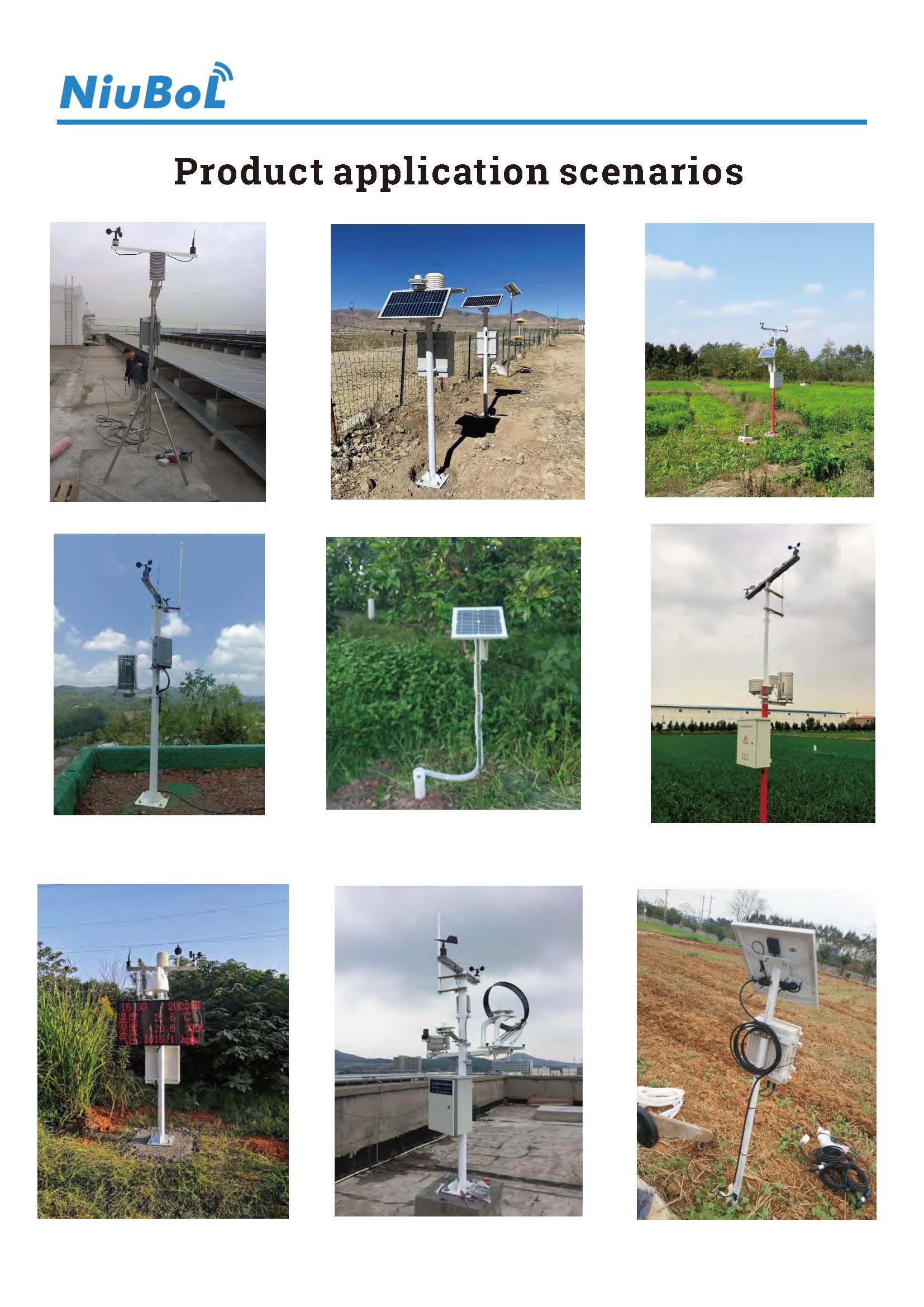
The NiuBoL seven-element automatic weather station is not only an environmental data acquisition terminal but also the core infrastructure for various industries to achieve digital transformation. By providing high-precision, highly integrated, and easy-to-integrate sensor solutions, we assist partners in quickly building robust perception networks in agriculture, transportation, energy, and environmental protection fields.
If you are conducting technical selection or bidding for related projects, please contact the NiuBoL expert team. We will provide you with complete system topology diagrams, register manuals, and more competitive bulk procurement support.
Related recommendations
Sensors & Weather Stations Catalog
 Agriculture Sensors and Weather Stations Catalog-NiuBoL.pdf
Weather Stations Catalog-NiuBoL.pdf
Agriculture Sensors Catalog-NiuBoL.pdf
Water Quality Sensor Catalog-NiuBoL.pdf
Related products
 Combined air temperature and relative humidity sensor
 TDR Soil Moisture & Temperature Sensor for irrigation| RS485 |4-20mA| NBL-S-THR
 Soil pH sensor RS485 soil Testing instrument soil ph meter for agriculture |NBL-S-PH
 Wind Speed sensor Output Modbus/RS485/Analog/0-5V/4-20mA
 Tipping bucket rain gauge for weather monitoring auto rainfall sensor RS485/Outdoor/stainless steel
 Pyranometer Solar Radiation Sensor 4-20mA/RS485

Screenshot, WhatsApp to identify the QR code
WhatsApp number:+8615367865107
(Click on WhatsApp to copy and add friends)

