





— Blogs —
—Products—
 Consumer hotline +8618073152920
 WhatsApp:+8615367865107
Address:Room 102, District D, Houhu Industrial Park, Yuelu District, Changsha City, Hunan Province, China
Product knowledge
Time:2026-02-14 15:56:05 Popularity:517
In the context of increasingly stringent regulations under the Environmental Protection Law, Environmental Noise Emission Standard for Construction Site Boundaries (GB 12523-2011), and various local dust control rules, the dust online monitoring system has become a standardized environmental sensing device that system integrators, IoT solution providers, project contractors, and engineering companies must incorporate.
The NiuBoL NBL-W-PM dust online monitoring sensor uses the laser scattering principle as its core, integrating PM2.5, PM10, noise, and five meteorological parameters (wind speed, wind direction, temperature, humidity). It supports RS485/MODBUS RTU protocol and can seamlessly connect to SCADA, PLC, and various cloud platforms, providing precise and traceable dust data along with intelligent linkage capabilities for smart construction site dust monitoring, building engineering dust control, mining environmental monitoring, and municipal infrastructure projects.
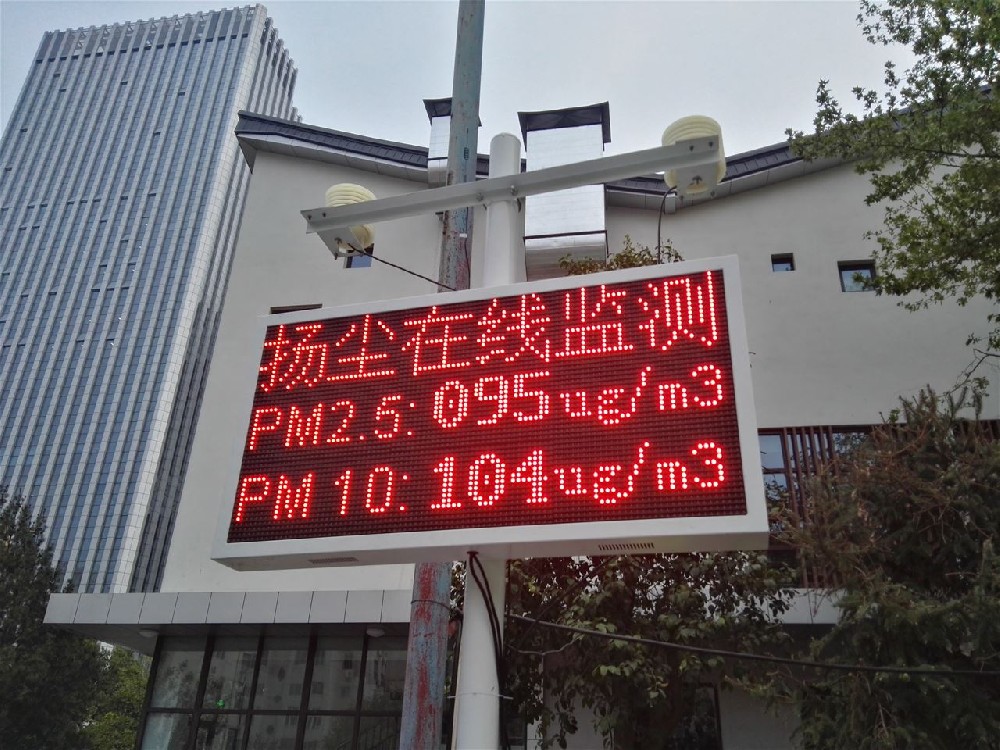
The NiuBoL NBL-W-PM series adopts imported lasers and high-sensitivity photoelectric sensors, achieving real-time continuous monitoring of PM2.5 and PM10 based on the laser scattering method. The device features a built-in temperature and humidity compensation algorithm that automatically corrects measurement deviations caused by changes in ambient temperature and humidity, ensuring stable data performance across the full range of -20℃ to +60℃ and 0 to 99% RH. This compensation mechanism is particularly suitable for high-temperature summer or high-humidity rainy season conditions on construction sites, avoiding the interference issues common in traditional β-ray or gravimetric sensors.
The sensor also integrates a noise monitoring module (30–130 dB range, A-weighted standard), ultrasonic wind speed and direction sensors, as well as temperature and humidity detection units, forming a multi-parameter integrated acquisition node of “dust + meteorology + noise”. Data is output via RS485 and supports the MODBUS RTU protocol, allowing direct connection to mainstream PLCs (such as Siemens S7-1200/1500, Rockwell CompactLogix) or LoRaWAN/4G/5G gateways for minute-level data upload to cloud platforms. A built-in fan ensures stable sampling airflow, with high integration for rapid on-site deployment.
In addition, the NBL-W-PM supports customizable supply voltage (DC 12V-24V) and output signal types to adapt to different project electrical specifications. The cloud platform enables big data analysis, combining historical data and meteorological models to predict dust diffusion trends and help project teams optimize construction scheduling in advance. Compared to traditional manual sampling methods, this system controls errors within ±15% or ±10 μg/m³ (whichever is greater), significantly better than the ±20% of traditional methods, and complies with the requirements of the Ambient Air Quality Standard (GB3095-2012).
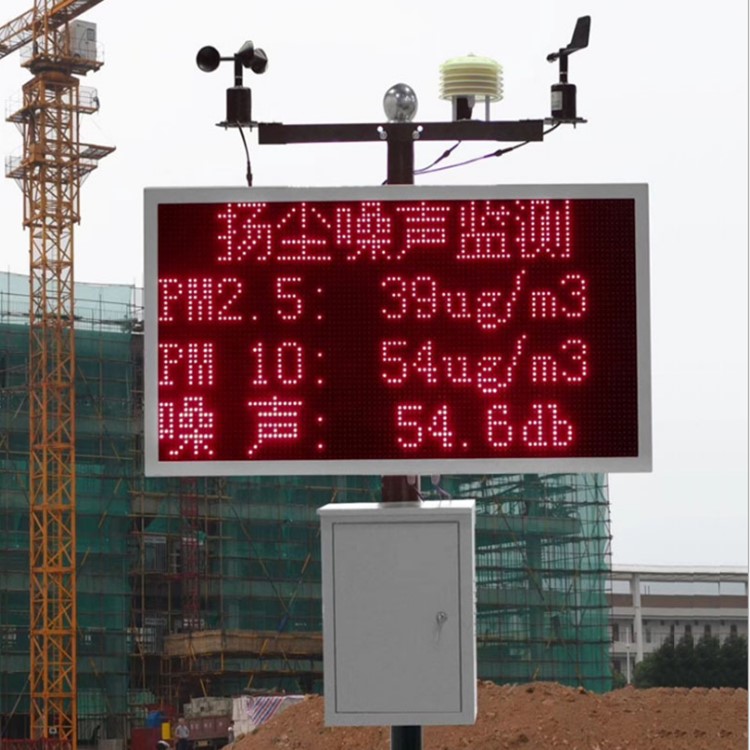
The following table summarizes the key technical specifications of the NBL-W-PM sensor:
| Parameter | Range | Accuracy / Relative Error | Remarks |
|---|---|---|---|
| PM2.5 | 0~1000 μg/m³ | ±15% or ±10 μg/m³ (whichever is greater) | Laser scattering method, 25℃, 50% RH |
| PM10 | 0~2000 μg/m³ | ±15% or ±10 μg/m³ (whichever is greater) | Laser scattering method, 25℃, 50% RH |
| Noise | 30~130 dB | ±1.5 dB | A-weighted |
| Wind Speed | 0~60 m/s | ±0.3 + 3% FS | Ultrasonic time-difference method |
| Wind Direction | 0~359° | ±3° | Ultrasonic time-difference method |
| Temperature | -20~+60℃ | ±0.5℃ | Built-in compensation |
| Humidity | 0~99% RH | ±3% RH | Built-in compensation |
| Supply Voltage | DC 12~24 V | - | Typical power consumption 350 mW |
| Protection Rating | IP65 | - | Dustproof and waterproof |
| Operating Temperature | -20~+60℃ | - | Full operating conditions |
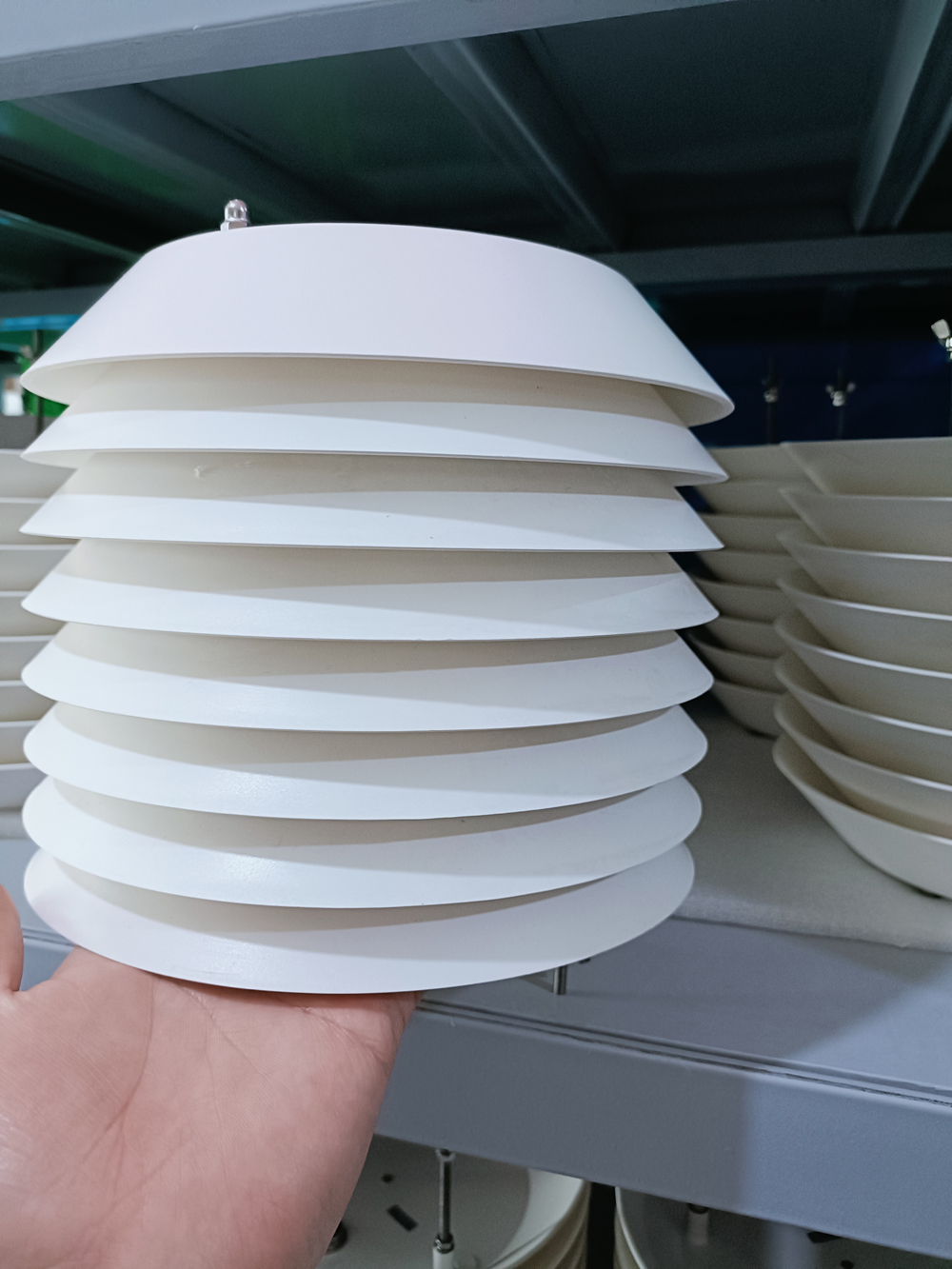
In smart construction site projects, system integrators typically use the NBL-W-PM as the core node of the “environmental perception layer”, deeply integrated with the upper-level smart construction site platform. This integration emphasizes system compatibility and scalability, ensuring seamless embedding of the dust online monitoring system into existing infrastructure.
First, in terms of intelligent dust linkage control: when PM10 concentration exceeds the set threshold (e.g., 150 μg/m³, 15-minute average), the system automatically activates tower crane sprinklers, fog cannons, or water trucks via MODBUS commands, achieving a closed loop of “perception-decision-execution”. For example, in subway tunnel construction scenarios, combined with wind speed and direction data, the system can directionally activate fog cannons in specific areas, reducing water waste while keeping noise levels below 85 dB to comply with GB 12523-2011 standards. This solution shortens response time to as little as 8 seconds, significantly outperforming manual intervention modes.
Second, for multi-site centralized supervision platforms, integrators can deploy multiple NBL-W-PM units connected via 4G/5G or LoRaWAN gateways to a unified cloud platform, supporting GIS map visualization, historical data curves, exceedance alarm push notifications, and automatic generation of daily/monthly reports. Data includes device ID, GPS coordinates, and timestamps for full-chain tamper-proof traceability, meeting environmental department on-site enforcement review requirements. In large building complex projects, this integration allows project contractors to monitor dust distribution across multiple sub-areas in real time, identify high-risk periods (such as low-wind nighttime operations) through big data analysis, and adjust construction plans to reduce complaint risks. NiuBoL’s modular design facilitates expansion, such as adding TSP (total suspended particulate) monitoring or video linkage modules, further enhancing system compatibility.
In mining environmental monitoring, system integrators can integrate the NBL-W-PM into DCS (Distributed Control System) frameworks, using noise and dust data to optimize ventilation systems. For example, in open-pit mining areas, when the sensor detects changes in wind direction, it can trigger alarms to prevent dust diffusion toward residential areas.
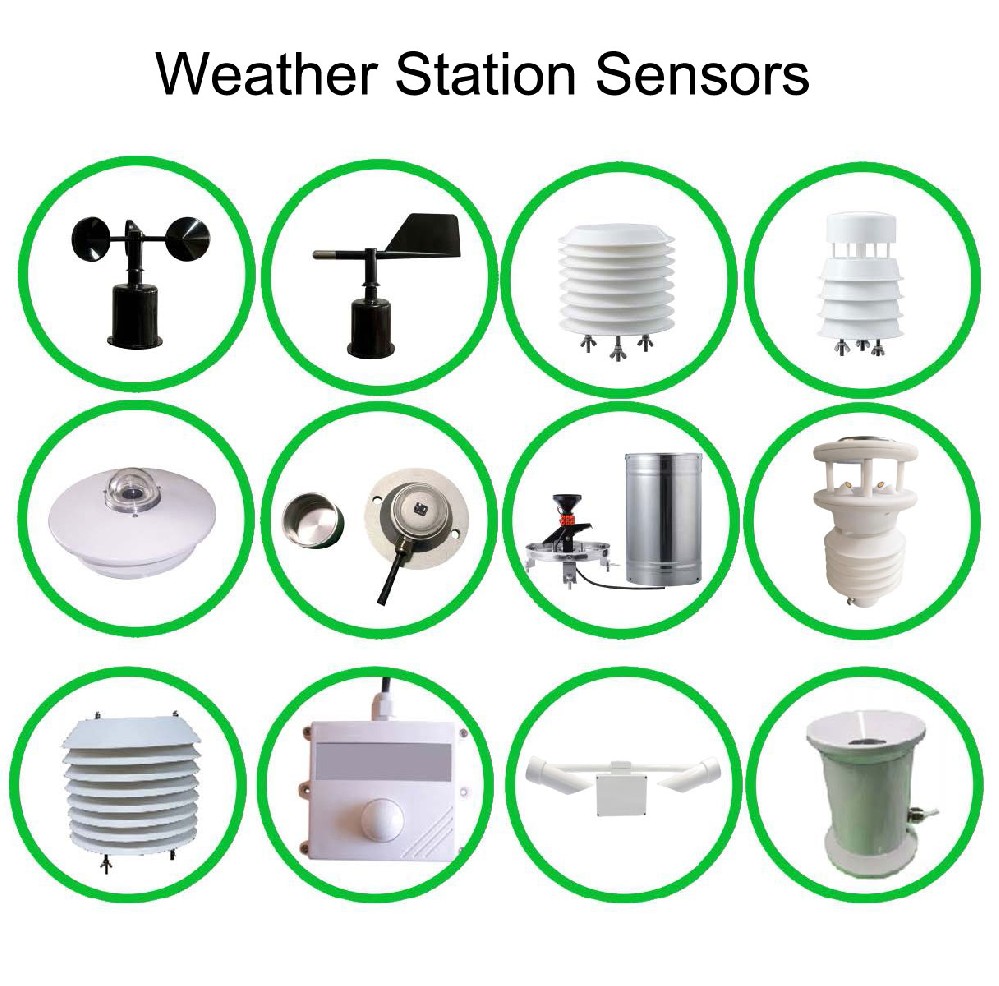
When selecting equipment, system integrators should evaluate based on project scale, regulatory requirements, and site conditions. First, assess site size and regulatory intensity: for ordinary construction sites (≤50,000 m²), the basic configuration (PM2.5 + PM10 + noise + five meteorological parameters) is recommended to meet basic compliance needs; for key regulated or demonstration sites (such as subways, mines), prioritize enhanced versions (integrated TSP, video capture, or O3 monitoring) for more comprehensive environmental assessment.
Second, review communication methods: if the project has stable mains power and requires high-frequency transmission, choose RS485 combined with 4G/5G gateway solutions to ensure data latency below 5 seconds; for remote or temporary sites, LoRaWAN low-power options are more suitable, supporting continuous operation for 7-10 days on battery power. Linkage requirements are also critical: if automatic control of fog cannons/sprinklers is needed, select models with DO (digital output) or Modbus master functionality for direct interfacing with actuators.
Accuracy and resolution requirements vary by application; for example, PM2.5 resolution of 0.1 μg/m³ is suitable for precise compliance monitoring, while noise accuracy of ±1.5 dB ensures compliance with nighttime construction restrictions.
Power consumption and protection rating should not be overlooked: IP65 level is suitable for dusty and humid environments, and average power consumption of 350 mW supports remote deployment. Finally, consider scalability and maintenance convenience.
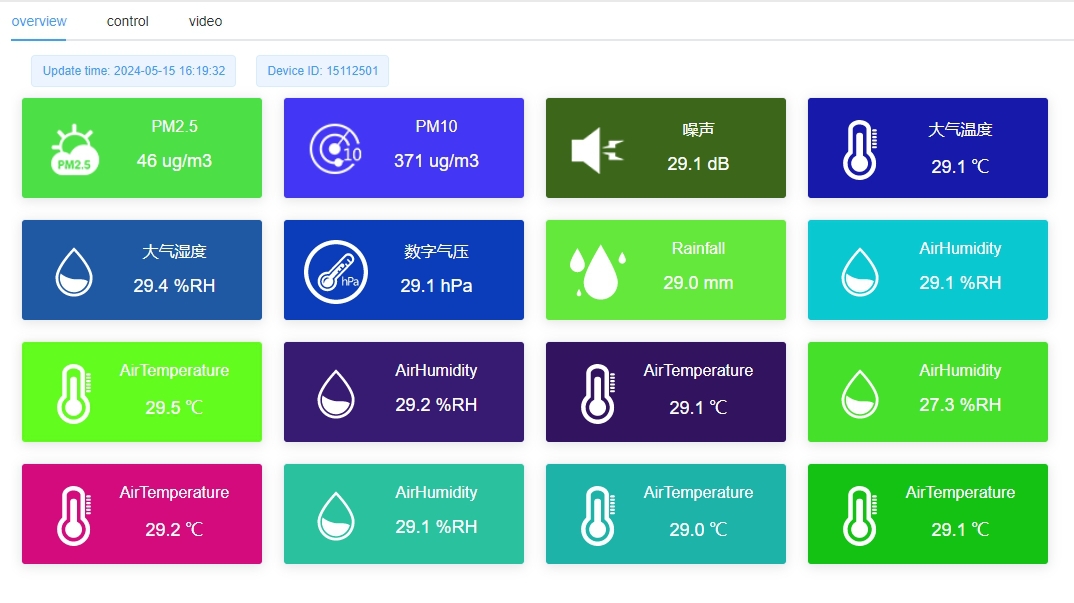
When integrating the dust online monitoring system, system integrators must focus on optimizing installation location: monitoring points should be at least 5 meters away from local pollution sources (such as boilers, asphalt pavers), at a height of 1.5–2 meters (human breathing zone), with the sensor air inlet facing upward and unobstructed to avoid sampling bias. Wind speed and direction sensors should be installed away from building structure interference to ensure clear ultrasonic paths.
Power supply stability is critical: it is recommended to use DC 12-24V isolated power supplies and install surge protection devices (SPD), especially in areas prone to lightning, to prevent damage to electronic components from strikes.
Maintenance plans should include regular inspections: clean the laser cavity and fan filter every 30 days, verify accuracy deviation within specification every 90 days, and it is recommended to cooperate with CNAS-accredited third-party organizations for annual audits.
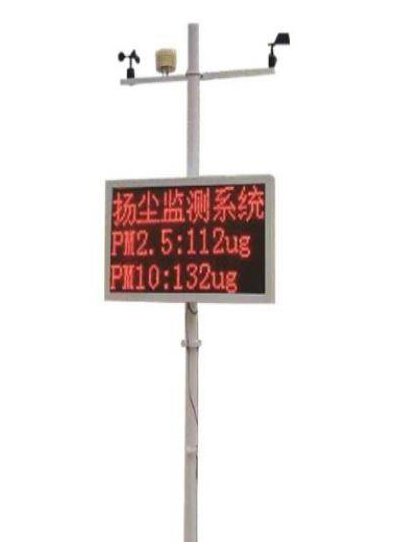
1. What are the differences between laser scattering method and β-ray method?
Laser scattering method offers faster response (second-level), lower maintenance cost, and no radioactive source, suitable for continuous online monitoring; β-ray method has slightly higher accuracy but requires regular filter paper replacement, suitable for fixed stations.
2. Will accuracy drift in high-humidity and high-dust environments?
The device has built-in temperature and humidity compensation and automatic heating dehumidification function. Actual tests show drift less than ±8% at 95% RH, ensuring long-term stability.
3. Does it support direct linkage with fog cannons and water trucks?
Yes, it supports direct control of device start/stop through RS485 switch output or Modbus commands, enabling automated governance.
4. Which industry projects is it suitable for?
Widely used in smart construction sites, mining operations, municipal infrastructure, and building engineering, targeting system integration and engineering contracting needs.
5. How does power consumption affect remote deployment?
Average 350 mW low power consumption supports solar or battery power supply, suitable for IoT projects in remote areas, with continuous operation possible for several months.
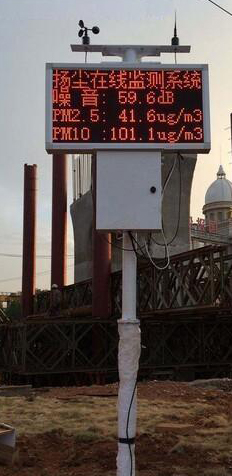
The NiuBoL NBL-W-PM dust online monitoring system, with its laser scattering high-precision sensor as the core, integrates multi-parameter perception, IoT transmission, intelligent linkage, and full-chain traceable data, providing system integrators and engineering projects with a mature and reliable overall dust governance solution. It not only helps projects avoid environmental compliance risks but also achieves proactive prevention and refined management through intelligent control and big data analysis, truly transforming “green construction” from a slogan into a practical, quantifiable, and assessable engineering practice. Whether for real-time linkage in smart construction sites or environmental optimization in mining, NiuBoL is committed to delivering precise environmental data and driving industry efficiency improvements.
Prev:Industrial-grade Seven-Element Automatic Weather Station Integration Solution
Next:Direct Solar Radiation Sensor: Core Value and Application Scenarios
Related recommendations
Sensors & Weather Stations Catalog
 Agriculture Sensors and Weather Stations Catalog-NiuBoL.pdf
Weather Stations Catalog-NiuBoL.pdf
Agriculture Sensors Catalog-NiuBoL.pdf
Water Quality Sensor Catalog-NiuBoL.pdf
Related products
 Combined air temperature and relative humidity sensor
 TDR Soil Moisture & Temperature Sensor for irrigation| RS485 |4-20mA| NBL-S-THR
 Soil pH sensor RS485 soil Testing instrument soil ph meter for agriculture |NBL-S-PH
 Wind Speed sensor Output Modbus/RS485/Analog/0-5V/4-20mA
 Tipping bucket rain gauge for weather monitoring auto rainfall sensor RS485/Outdoor/stainless steel
 Pyranometer Solar Radiation Sensor 4-20mA/RS485

Screenshot, WhatsApp to identify the QR code
WhatsApp number:+8615367865107
(Click on WhatsApp to copy and add friends)

