





— Blogs —
—Products—
 Consumer hotline +8618073152920
 WhatsApp:+8615367865107
Address:Room 102, District D, Houhu Industrial Park, Yuelu District, Changsha City, Hunan Province, China
Product knowledge
Time:2026-02-14 16:01:25 Popularity:528
The core demands of system integrators, engineering companies, and other photovoltaic clients have shifted toward cost reduction, efficiency improvement, and enhanced project delivery quality. As a core monitoring device in solar projects, the selection and integration of direct solar radiation sensors directly determine the accuracy of power generation forecasting and the return on investment for photovoltaic and concentrated solar power (CSP) projects. Ordinary pyranometers cannot distinguish between direct and diffuse radiation and fail to meet high-precision project requirements. With its precise design and strict calibration, the NiuBoL direct solar radiation sensor becomes a key partner for integrators to enhance competitiveness.
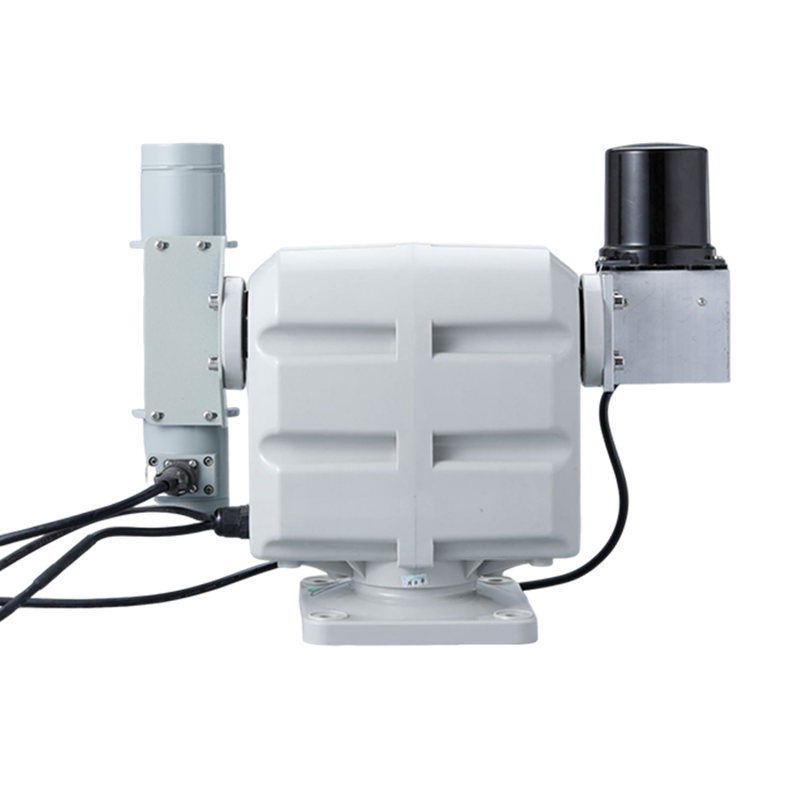
Direct solar radiation refers to the radiation received on a surface perpendicular to the sun (with a field of view of approximately 0.5°) and the very narrow annular sky scattering around the sun, measured using a pyrheliometer.
Direct Normal Irradiance (DNI) is a core indicator for the design and optimization of solar projects. A dedicated direct solar radiation sensor effectively shields diffuse light interference and captures only direct beam data, making it an essential device for medium-to-large-scale photovoltaic and concentrated solar power projects.
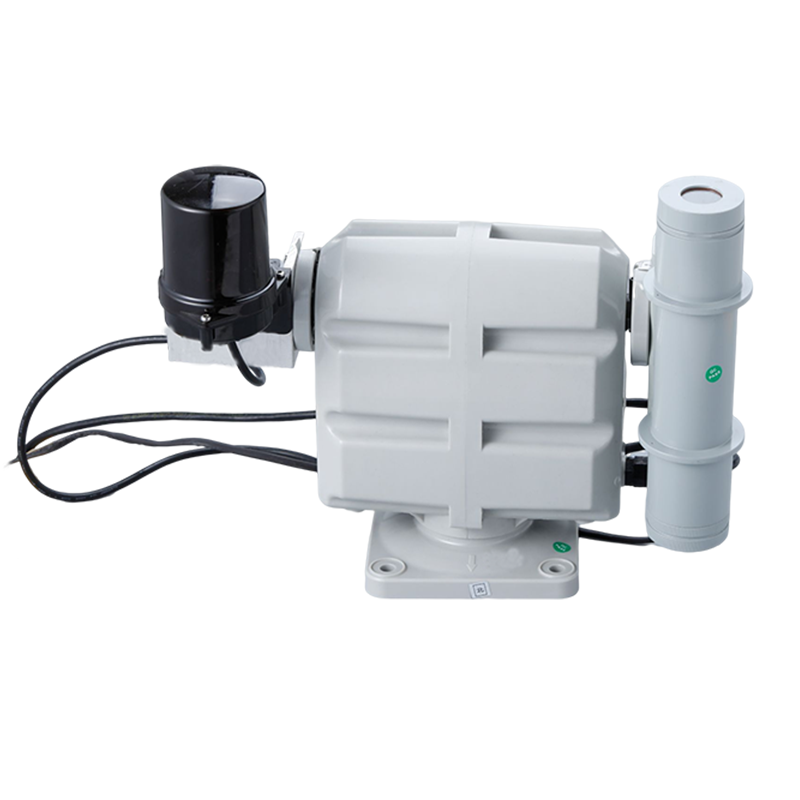
The NiuBoL sensor consists of an optical tube and an automatic tracking device. The optical tube incorporates seven diaphragms, a thermopile, and a desiccant, equipped with JGS3 quartz glass window, capable of precisely capturing radiation in the 0.27–3.2 μm wavelength range. The automatic tracking device uses a stepper motor drive with tracking accuracy<168h ±1°, powered by standard DC 12V, suitable for field conditions and system integration.
Key selection differences for integrators: Ordinary total radiation pyranometers only measure global radiation, with lower accuracy, poor compatibility, and weak adaptation to operating conditions. The NiuBoL sensor measures direct radiation separately, available in working-class (<5%) and standard-class (<2%) versions, supports multiple signal outputs and Modbus protocol, adapts to harsh conditions from -45℃ to +45℃, and reduces integration failure rates.
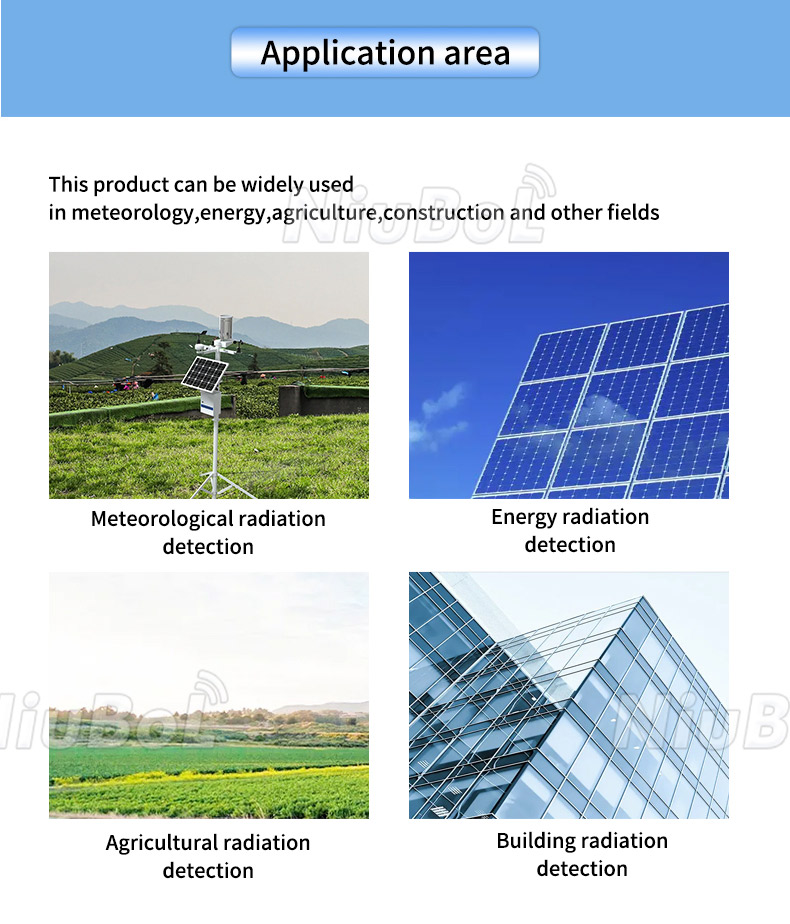
The NiuBoL sensor provides customized integration solutions for core scenarios such as photovoltaics and concentrated solar power, seamlessly integrating into the overall solutions of integrators and increasing project added value.
CSP efficiency depends entirely on DNI accuracy. The NiuBoL sensor's high collimation precision and fast response characteristics support precise heliostat field alignment and intelligent system control. Integrated with central control systems, it has been applied in a 50 MW western project, resulting in annual power generation exceeding expectations by 2%.
The sensor enables integrators to establish accurate power generation models (prediction error<5%), optimize module performance (annual power generation increase of 2%–3%), and reduce O&M costs. In an eastern 200 MW fishery-photovoltaic complementary project, annual O&M costs were reduced by 15% after application.
The NiuBoL standard version (accuracy<2%) meets scientific research-grade data requirements, supports real-time data upload and protocol customization, helping integrators expand into scientific research and meteorological business areas.
| Parameter | Specification |
|---|---|
| Measurement Range | 0~2000 W/m² |
| Signal Output | 0~20 mV |
| Measurement Accuracy | Working class<5%; Standard class <2% |
| Sensitivity | 7~14 μV/(W·m⁻²) |
| Time Constant | ≤15 s (99%) |
| Internal Resistance | Approx. 80 Ω |
| Tracking Accuracy | <168 h ±1° |
| Power Supply | DC 12 V |
| Output | Voltage: 0-5 V (optional) |
| Annual Stability | ±1% (sensitivity change rate) |
| Operating Environment | -45℃~+45℃ |
| Cable Length | Standard: 2.5 m |
| Opening Angle | 4° |
| Product Weight | 5 kg |
| Power Consumption | 50 mW |
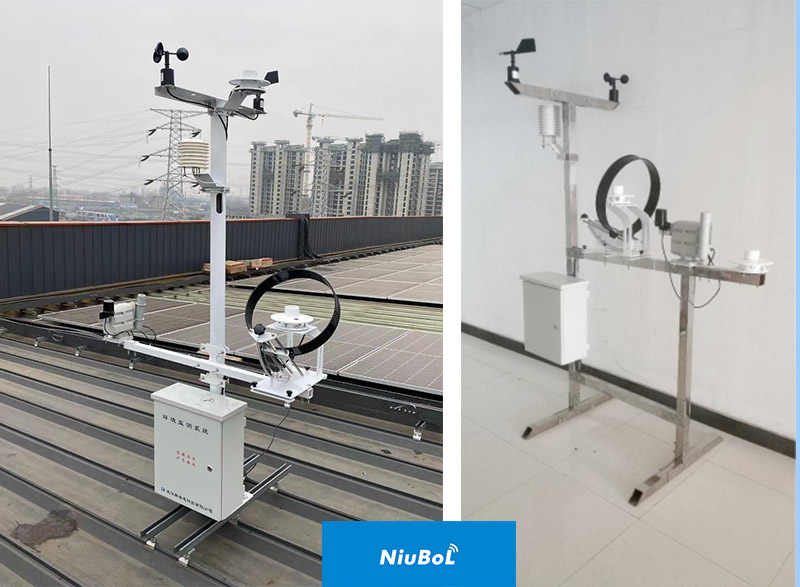
Precise selection and standardized integration are key for integrators to reduce costs, increase efficiency, and minimize after-sales issues.
By project type: Select standard class (<2%) for CSP and scientific research; working class (<5%) for photovoltaics.
By operating conditions: Prioritize NiuBoL native protection configuration for harsh environments; custom anti-corrosion for high-humidity conditions.
By integration needs: Choose signal type and protocol based on existing systems; customizable cable length and power supply.
By O&M: Prioritize automatic tracking type for remote projects, paired with manufacturer calibration services.
4.2.1 Select installation area with no obstructions and ensure the mounting surface is level.
4.2.2 Use shielded cables for standardized wiring and apply proper waterproofing.
4.2.3 Pre-debug system compatibility and calibrate tracking accuracy.
4.2.4 Perform on-site calibration after installation, recalibrate every 2 years, and conduct regular maintenance.
1. Compared to other radiation sensors, pyrheliometers require not only sensitive sensing elements but also accurate tracking to obtain precise direct radiation data. Maintaining continuous, accurate, and reliable sun tracking under all weather conditions year-round is challenging, so strictly follow operating procedures.
2. At the start of each workday, check if the quartz glass window of the optical tube is clean. If there is dust or condensation, promptly blow it off with an ear syringe or wipe gently with a soft cloth or optical lens paper.
3. Check tracking condition once a month and make timely adjustments (align the light spot).
4. This instrument is a precision device. Strictly follow operating procedures during commissioning. Do not apply excessive force, handle with care, and minimize vibration to avoid damage.
5. For instruments used for more than two years, sensitivity must be recalibrated by the manufacturer or a metrology department.
Q1: Which protocols are supported? Can they be customized?
A1: Default support for Modbus RTU/TCP; customization available according to project requirements for compatibility with existing systems.
Q2: Does automatic tracking require manual intervention?
A2: No frequent intervention needed; monthly checks and light spot adjustments are sufficient to maintain accuracy.
Q3: What support is available for bulk procurement?
A3: Technical consultation, customized solutions, batch calibration, installation and commissioning guidance, and after-sales training are provided.
Q4: What is the service life in harsh environments?
A4: 3–5 years in harsh environments, 5–8 years under normal conditions; standardized maintenance can extend service life.
Q5: What are the core competitive advantages?
A5: High compatibility, high stability, high cost-performance ratio, paired with dedicated full-process integration services.
With its precise design, high compatibility, and strict calibration, the NiuBoL direct solar radiation sensor adapts to multi-scenario integration needs in photovoltaics, concentrated solar power, and more, providing integrators with a one-stop solution. Its stable performance helps integrators reduce costs, increase efficiency, and improve project delivery quality. Diverse customization services meet various project requirements, making it a reliable partner for integrators to enhance competitiveness.
Related recommendations
Sensors & Weather Stations Catalog
 Agriculture Sensors and Weather Stations Catalog-NiuBoL.pdf
Weather Stations Catalog-NiuBoL.pdf
Agriculture Sensors Catalog-NiuBoL.pdf
Water Quality Sensor Catalog-NiuBoL.pdf
Related products
 Combined air temperature and relative humidity sensor
 TDR Soil Moisture & Temperature Sensor for irrigation| RS485 |4-20mA| NBL-S-THR
 Soil pH sensor RS485 soil Testing instrument soil ph meter for agriculture |NBL-S-PH
 Wind Speed sensor Output Modbus/RS485/Analog/0-5V/4-20mA
 Tipping bucket rain gauge for weather monitoring auto rainfall sensor RS485/Outdoor/stainless steel
 Pyranometer Solar Radiation Sensor 4-20mA/RS485

Screenshot, WhatsApp to identify the QR code
WhatsApp number:+8615367865107
(Click on WhatsApp to copy and add friends)

