





— Blogs —
—Products—
 Consumer hotline +8618073152920
 WhatsApp:+8615367865107
Address:Room 102, District D, Houhu Industrial Park, Yuelu District, Changsha City, Hunan Province, China
Product knowledge
Time:2026-02-13 15:32:30 Popularity:507
In the process of energizing photovoltaic assets and digitalizing management, ensuring power station yield (IRR) has shifted from simple equipment stacking to refined environmental perception. As a professional environmental sensing technology manufacturer, NiuBoL's photovoltaic power station environmental monitoring instrument series is specifically designed for system integrators, EPC contractors, and IoT solution providers, aiming to build a solid "data foundation" for full-life-cycle management of power stations through high-precision underlying data acquisition.
For professional O&M, the core value of environmental monitoring instruments lies in eliminating the "black box" of power generation fluctuations. Through real-time data analysis, managers can clearly determine whether increases or decreases in power generation result from natural weather fluctuations or systematic faults, achieving a transition from "passive emergency repairs" to "proactive early warnings."
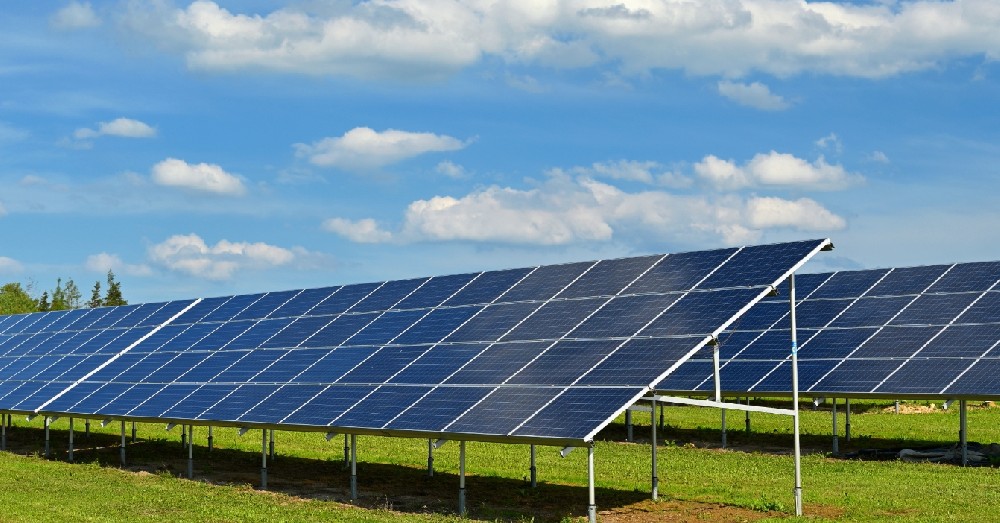
The role of photovoltaic power station environmental monitoring instruments extends beyond real-time display to their deep applications in power generation performance analysis and safety protection.
1. Quantitative Benchmark for Performance Ratio (PR Value)
System efficiency (Performance Ratio, PR) is a globally recognized indicator for measuring the operational health of photovoltaic power stations. Its core calculation formula is:
PR = Actual Power Generation / Theoretical Power Generation
The core of theoretical power generation calculation relies on real-time irradiance obtained from total irradiance sensors. If PR values remain consistently low, the system can combine other parameters from the environmental monitoring instrument to automatically determine whether the cause is module soiling, shading, or cable losses.
2. Precise Correction of Temperature Losses
Photovoltaic modules have a significant negative temperature coefficient (output power decreases as temperature rises).
Technical Application: Real-time monitoring of module backsheet temperature via NBL-W-PPT surface-mounted temperature sensor allows the O&M platform to accurately quantify power attenuation due to temperature rise, correct power generation prediction models, and prevent false alarms.
3. Structural Protection Against Environmental Risks
Wind Speed and Direction Monitoring: In strong wind conditions, monitoring data can link with horizontal single-axis tracking systems to return to a wind-avoidance posture, protecting bracket structural safety.
Rainfall Recording and O&M Decision-Making: Recording rainfall events not only explains efficiency recovery after cleaning but also assists in formulating precise manual cleaning plans through long-term rain-free records, reducing invalid O&M expenditures.
In system integration, hardware consistency and stability determine project delivery quality. Below are the professional parameters of NiuBoL's core sensors:
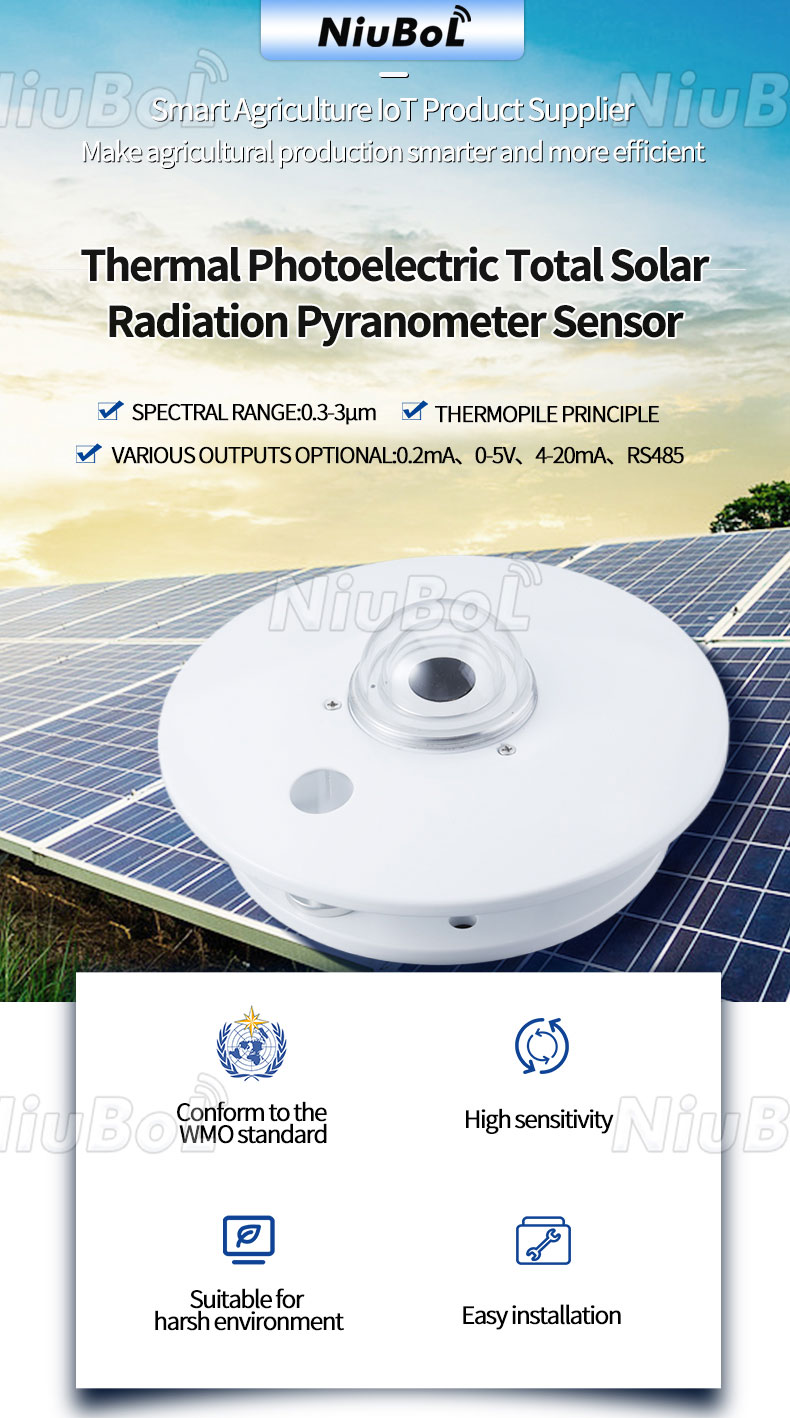
1. NBL-W-HPRS Solar Radiation Sensor (Thermopile Principle)
Adopts wound electroplated multi-junction thermopile, surface coated with high-absorptivity black coating, equipped with double-layer glass dome to effectively suppress air convection effects on the temperature difference between hot and cold junctions.
| Technical Indicator | Industrial Specification Standard |
|---|---|
| Sensing Principle | Thermopile |
| Spectral Range | 0.3 ~ 3.0 μm |
| Measurement Range | 0 ~ 2000 W/m² |
| Sensitivity | 7 ~ 14 μV/W·m² |
| Response Time | ≤ 35s (99%) |
| Annual Stability | ≤2% |
| Cosine Response | ≤ 7% (at solar zenith angle 10°) |
| Communication Interface | RS485 (Modbus) / 4-20mA / 0-5V |
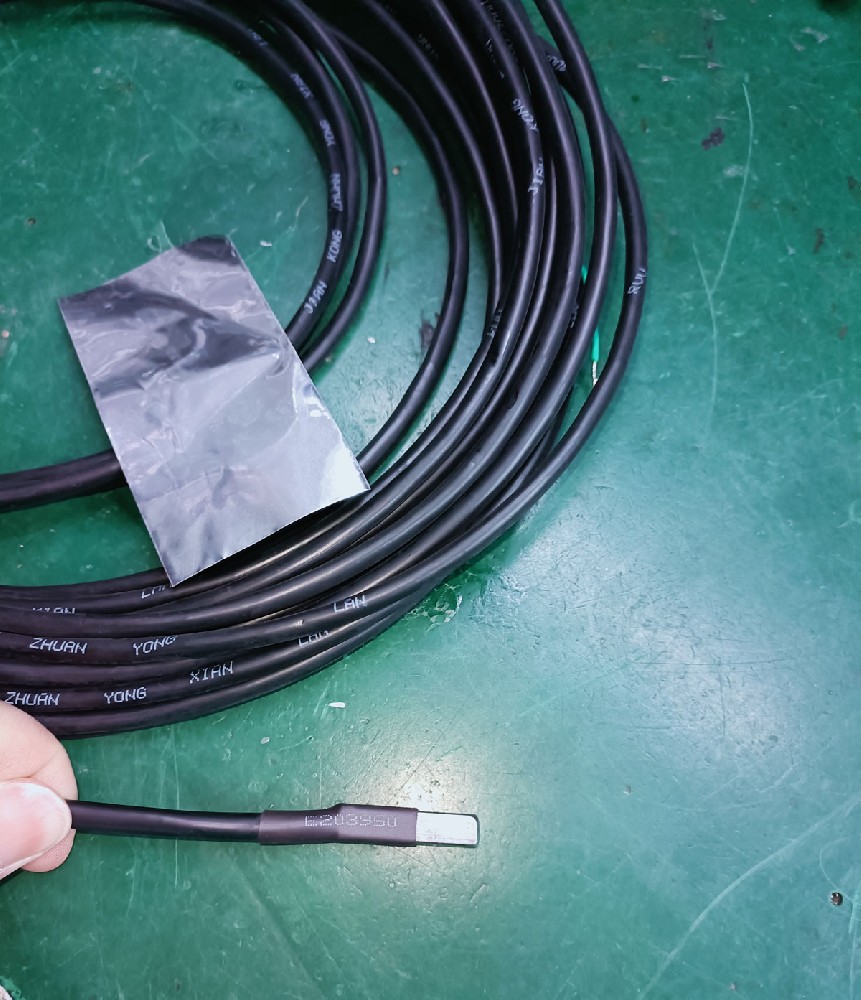
2. NBL-W-PPT PV Module Temperature Transmitter
Designed specifically for module backsheets, using high-precision thermistors with excellent load capacity and anti-interference characteristics.
| Technical Indicator | Industrial Specification Standard |
|---|---|
| Sensing Element | High-precision thermistor |
| Measurement Range | -50 ~ 100℃ (optional -20 ~ 50℃) |
| Measurement Accuracy | ±0.5 ℃ |
| Output Signal | RS485 / 4-20mA / 0-5V / 0-2.5V |
| Load Resistance | Voltage type ≥1KΩ; Current type ≤250Ω |
| Product Power Consumption | Ultra-low power 0.15W |
| Protection Design | Compact size, supports surface-mounted installation |
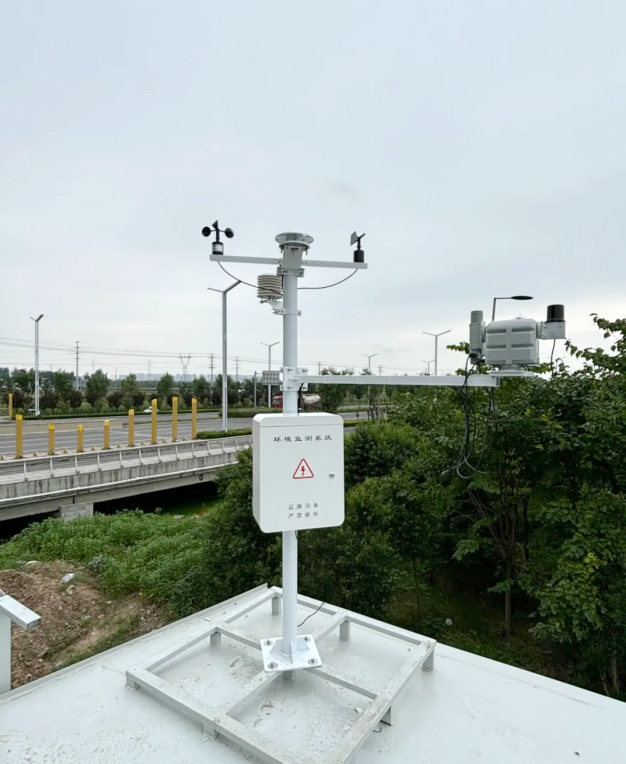
NiuBoL's monitoring solutions can easily integrate into various smart photovoltaic management platforms through standardized industrial interfaces.
1. Distributed Photovoltaic Asset Evaluation (C&I Scenarios)
In commercial and industrial distributed power stations, owners focus on investment returns. NiuBoL distributed monitoring instruments serve as the "power station referee," identifying insufficient irradiance due to consecutive rainy days versus underperformance caused by module faults, protecting investors' legitimate returns.
2. Precise O&M for Large Ground-Mounted Power Stations
In centralized power stations, multi-point deployment of environmental monitoring instruments enables establishment of full-site solar resource distribution maps. Wind speed and direction data are used to evaluate natural cooling effects on modules, further optimizing power generation prediction models.
3. Support for Electricity Market Trading and Declaration
As photovoltaics enter electricity trading markets, high-precision environmental forecasting becomes key to avoiding penalties for prediction deviation assessments. Long-term recorded solar radiation data forms the scientific foundation for building accurate prediction models and succeeding in trading markets.
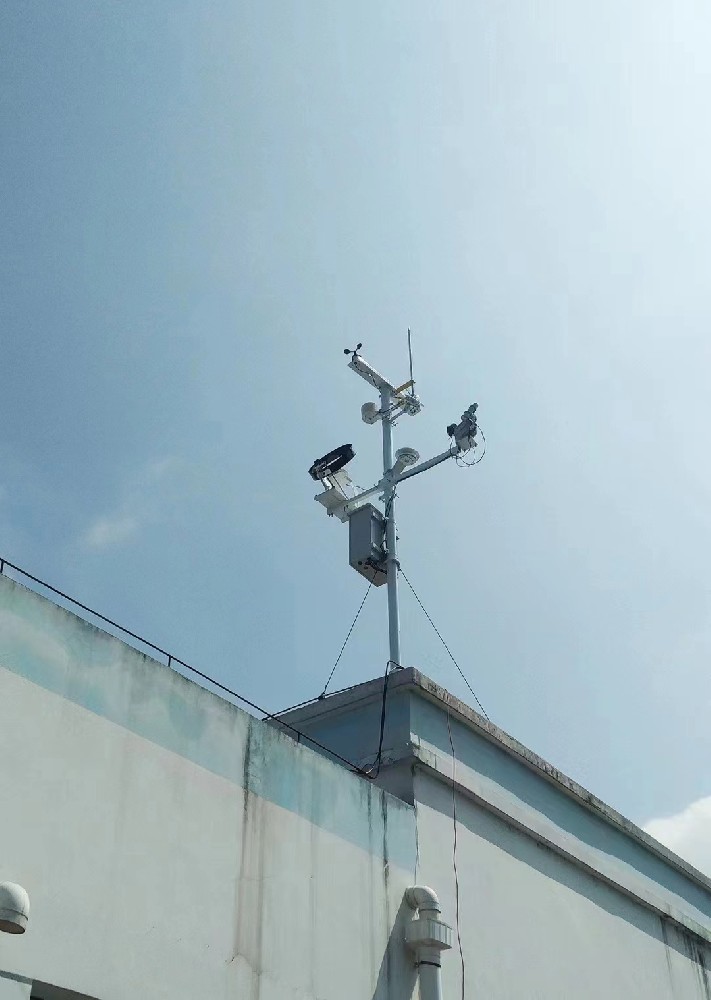
Communication Protocol Adaptation: Prioritize RS485 (Modbus-RTU) digital output. NiuBoL sensors feature proprietary line design with strong anti-interference capability, suitable for complex electromagnetic environments in photovoltaic areas.
Installation Position Standards:
Radiometer: Must be installed on a horizontal reference plane at the top of the array, ensuring the level bubble is centered, with no surrounding buildings or poles obstructing.
Temperature Sensor: Should be attached to the center of a representative module backsheet in the middle of the array, ensuring full contact between the sensor sensing surface and the backsheet.
Power Redundancy: For remote power stations, NiuBoL sensors support DC 12-24V wide-voltage power supply; low-power design perfectly adapts to solar off-grid power systems.
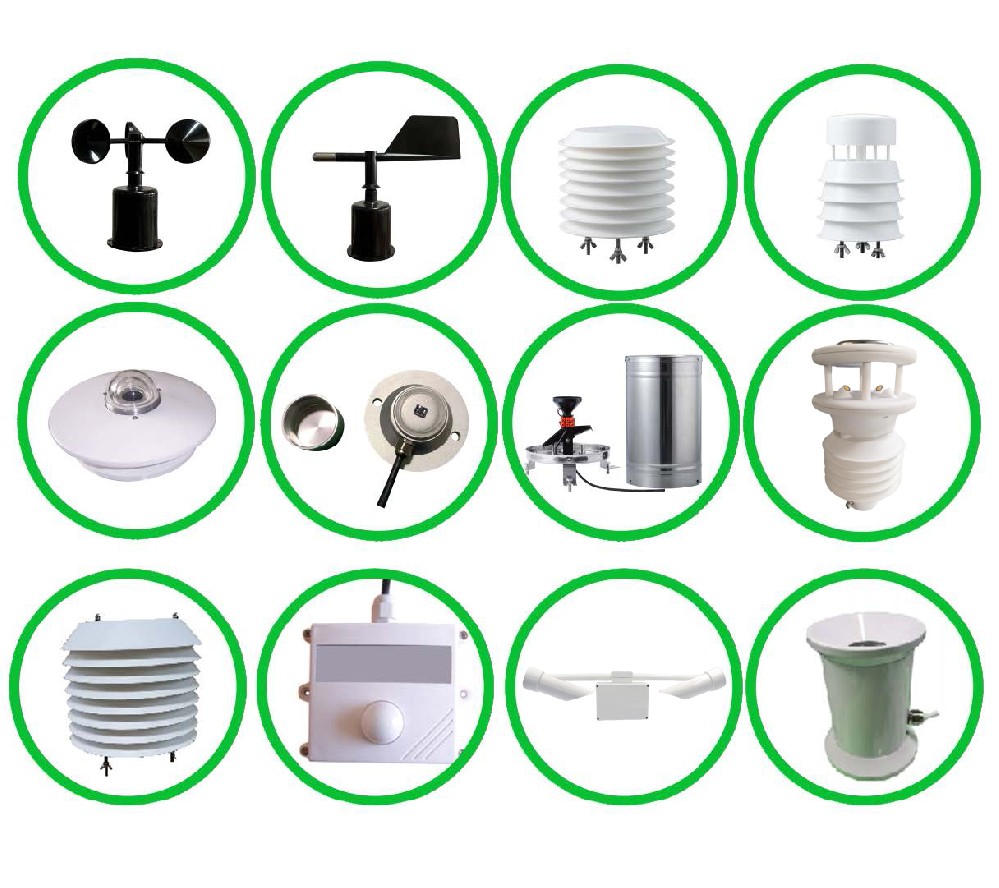
1. Why do we still need independent environmental monitoring instruments when we have inverter power generation data?
Inverters only reflect "output energy" and cannot know "input solar energy." Without environmental data, it is impossible to determine whether reduced power generation is due to cloud cover or equipment microcracks. Environmental monitoring instruments are the only scientific benchmark for calculating PR values.
2. What advantages does the thermopile principle total radiometer have over silicon photocell principle?
Thermopile radiation sensors (NBL-W-HPRS) feature full-spectrum response, extremely low annual drift (≤2%), and better cosine response characteristics, making them the preferred choice for national meteorological standards and industrial-grade power stations.
3. Does the NBL-W-PPT PV module sensor require penetrating the module backsheet during installation?
No. It adopts a compact surface-mounted structure, fixed with high-thermal-conductivity tape or brackets, without damaging the module's insulation performance or waterproof structure.
4. How does RS485 bus transmission distance perform?
Under standard twisted-pair shielded cable at 9600bps baud rate, RS485 can stably transmit up to 1200 meters.
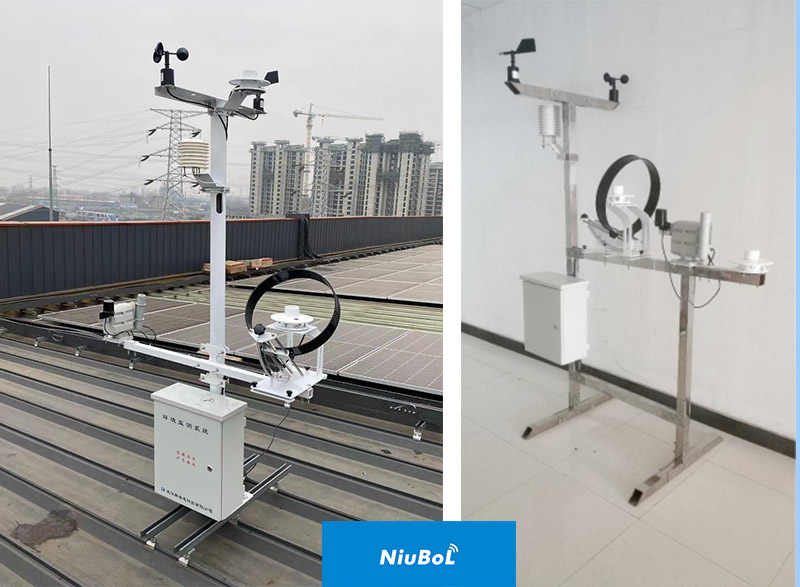
5. How to handle temperature measurement in severe cold environments?
NBL-W-PPT measurement range down to -50℃, with wide-temperature circuit design, providing ±0.5℃ high-precision sampling even in extremely cold regions.
6. What is the specific function of the double-layer glass dome on the radiation sensor?
The outer dome protects the sensor from rain and snow erosion; the inner dome intercepts infrared radiation from the outer dome and reduces air convection interference, ensuring pure temperature difference signals at the thermopile hot and cold junctions.
7. Does the system support access to third-party monitoring platforms?
Fully supported. We provide detailed register manuals, allowing integrators to seamlessly access data into Huawei, Sungrow, or third-party self-developed cloud platforms.
8. What is the maintenance cycle for the equipment?
Recommend cleaning the solar radiation sensor glass dome every 3 months. For NBL-W-HPRS, with extremely high annual stability, typically requires meteorological calibration every 2 years to maintain long-term accuracy.
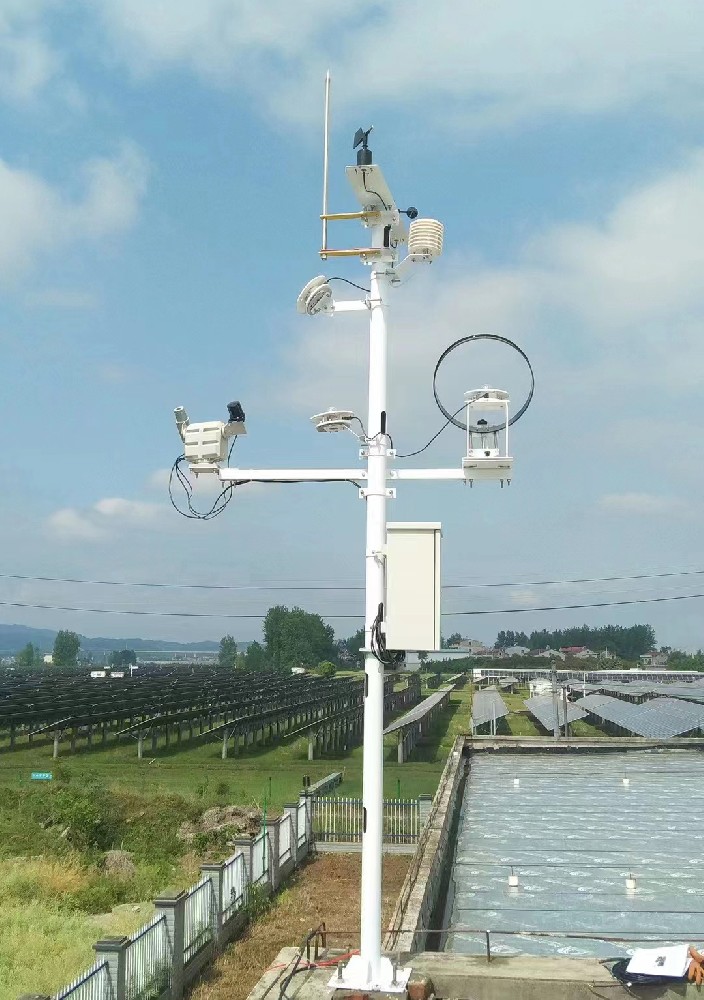
NiuBoL's distributed and ground-mounted power station environmental monitoring solutions are not merely data collection tools but the "gold standard" for asset evaluation. Through high-precision NBL-W-HPRS total radiometers and NBL-W-PPT temperature transmitters, we assist integrators in transforming every photovoltaic project into transparent, efficient, and predictable "green assets."
If you are currently conducting bidding selection or technical proposal preparation for related photovoltaic projects, please contact the NiuBoL expert team. We will provide you with complete Modbus communication protocol manuals, engineering installation drawings, and highly competitive B2B procurement support.
 NBL-W-HPRS-Solar-Radiation-Sensor-Instruction-Manual-V3.0.pdf
NBL-W-SRS-Solar-radiation-sensor-instruction-manual-V4.0.pdf
NBL-W-PPT-SMD-Solar-Panel-Temperature-Sensors.pdf
NBL-W-PSS Soiling Sensor Photovoltaic Dust Monitoring Instrument Data Sheet.pdf
Prev:Photovoltaic Power Station Dust Monitoring System: Reliable Integrated Solution for O&M Optimization
Related recommendations
Sensors & Weather Stations Catalog
Agriculture Sensors and Weather Stations Catalog-NiuBoL.pdf
Weather Stations Catalog-NiuBoL.pdf
Agriculture Sensors Catalog-NiuBoL.pdf
Water Quality Sensor Catalog-NiuBoL.pdf
Related products
 Combined air temperature and relative humidity sensor
 TDR Soil Moisture & Temperature Sensor for irrigation| RS485 |4-20mA| NBL-S-THR
 Soil pH sensor RS485 soil Testing instrument soil ph meter for agriculture |NBL-S-PH
 Wind Speed sensor Output Modbus/RS485/Analog/0-5V/4-20mA
 Tipping bucket rain gauge for weather monitoring auto rainfall sensor RS485/Outdoor/stainless steel
 Pyranometer Solar Radiation Sensor 4-20mA/RS485

Screenshot, WhatsApp to identify the QR code
WhatsApp number:+8615367865107
(Click on WhatsApp to copy and add friends)

