





— Blogs —
—Products—
 Consumer hotline +8618073152920
 WhatsApp:+8615367865107
Address:Room 102, District D, Houhu Industrial Park, Yuelu District, Changsha City, Hunan Province, China
Product knowledge
Time:2025-12-08 17:42:24 Popularity:907
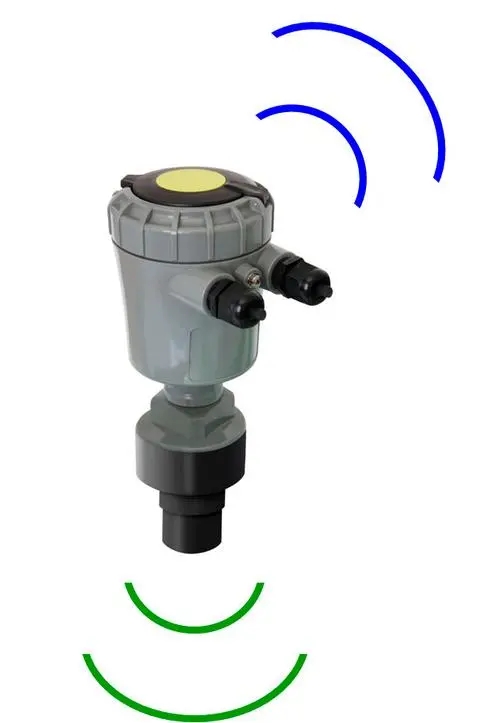
An ultrasonic level gauge is a level measurement device that uses non-contact measurement technology. It determines the distance from the sensor to the surface of the measured medium (liquid or solid powder) by transmitting and receiving ultrasonic pulses, and then calculates the level height of the medium.
NiuBoL ultrasonic level gauges are characterized by high reliability, excellent cost-performance ratio, and easy installation and maintenance. They are particularly suitable for corrosive, contaminated, or viscous media in contact with the probe, as well as scenarios requiring remote IoT monitoring, such as sewage treatment, corrosive chemical plants, and river level monitoring.
The core principle of the ultrasonic level gauge is based on the simple physics formula: Distance = Speed × Time.
Transmission: The ultrasonic transducer inside the gauge emits a series of high-frequency ultrasonic pulses toward the medium surface.
Propagation & Reflection: The acoustic pulse travels through the air and is reflected back when it hits the medium surface.
Reception: The transducer receives the reflected ultrasonic echo.
Calculation: The gauge accurately measures the time difference (t) from transmission to reception.
L = C × t / 2
where C is the speed of sound in air. Since sound speed is affected by temperature (higher temperature → faster sound speed), high-precision NiuBoL ultrasonic level gauges are equipped with built-in temperature sensors for sound speed compensation to ensure accurate measurement results.
Level Output: The final level value (H) is obtained by subtracting the measured distance (L) from the known total container height (Htotal):
H = Htotal − L
The NiuBoL ultrasonic level gauge mainly consists of the following core components:
Ultrasonic Transducer (Probe): Responsible for transmitting and receiving ultrasonic pulses. The probe material and structure determine its corrosion resistance and protection rating.
Signal Processing Circuit: Generates excitation pulses, receives weak echo signals, amplifies, filters, and performs echo recognition.
Microprocessor (CPU): The “brain” of the system, responsible for calculating sound wave propagation time, temperature compensation, distance calculation, level conversion, and communication output.
Display & Output Module: Provides on-site level display (LCD/LED) and standard signal output (e.g., 4–20 mA, RS485/Modbus).
Housing & Protective Cover: Provides environmental protection to ensure stable operation in humid, dusty, or corrosive environments.
NiuBoL provides targeted measurement methods and selection solutions based on medium properties and environmental conditions:
| Medium Property | Probe Selection | Applicable Conditions | Key Technical Considerations |
|---|---|---|---|
| Non-corrosive | Standard ultrasonic probe | Clean water tanks, ordinary storage tanks, underground wells | Cost-effectiveness, range accuracy |
| Corrosive | PTFE corrosion-resistant probe | Chemical acid/alkali solutions, highly corrosive sewage tanks | Chemical resistance of probe material, sealing performance |
Operating Condition Limitations & Exclusions:
Pressure Limitation: Ultrasonic level gauges are not suitable for pressurized conditions (e.g., sealed pressure vessels); they are mainly used for open tanks or non-pressurized storage.
Temperature Limitation: Standard models are for ambient temperature. When the measured medium (especially sewage) temperature is too high, large amounts of vapor or steam are generated. Ultrasonic waves are heavily absorbed by this vapor, causing severe signal attenuation or failure to reflect, resulting in measurement failure.
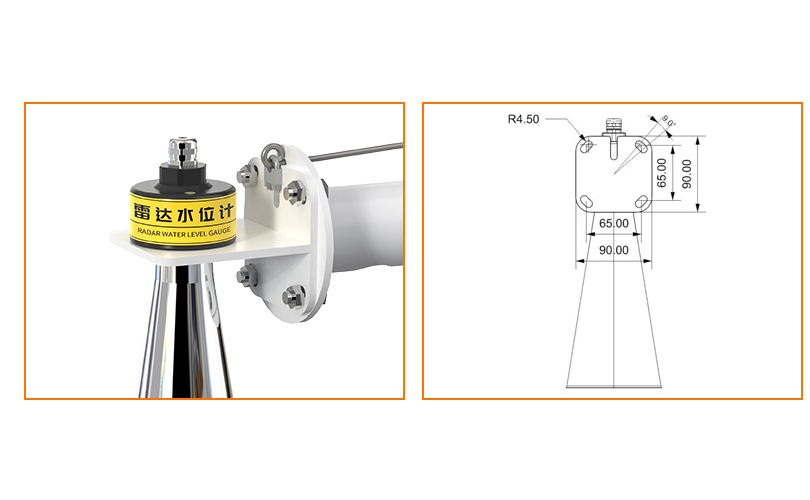
Mounting Method: Threaded or flanged mounting is recommended to ensure stable probe fixation, reduce wind influence and shaking, and avoid measurement errors.
Away from Interference Sources: The installation location should be as far as possible from strong magnetic fields (e.g., high-power motors, frequency converters) and strong vibration sources to prevent signal interference.
One Gauge Per Tank Rule: Only one ultrasonic level gauge should be used per sewage tank to avoid mutual interference and crosstalk errors that affect accuracy.
Optimal Position: For conical containers with flat tops, install the gauge as close as possible to the center of the top to ensure the shortest measurement path and strongest echo signal.
Probe Direction Calibration (90° Rule): The emitting surface of the ultrasonic probe must be parallel to the measured liquid surface to ensure perpendicular transmission and maximum reflected echo energy.
Avoid Obstacles: Ensure no agitators, ladders, or protruding pool walls directly below the probe, as these can generate false echoes and interfere with measurement.
| Fault Symptom | Common Cause Analysis | Quick Troubleshooting Ideas |
|---|---|---|
| Unstable/flashing display data | 1. Large surface fluctuation (stirring, inflow) 2. Strong interference near probe (false echoes) | 1. Increase damping (delay) setting 2. Check if installation avoids inlet and obstacles |
| No signal or very weak signal | 1. Probe contaminated or scaled 2. Excessive steam/fog on site 3. Probe not perpendicular to liquid surface | 1. Clean probe surface 2. Check medium temperature and ventilation 3. Adjust probe direction to ensure perpendicularity |
| Measured value remains unchanged | 1. Instrument frozen 2. Output signal line broken 3. Probe “locked” on fixed echo (false echo) | 1. Power cycle the instrument 2. Check wiring terminals 3. Run echo map and suppress false echoes |
| Data does not match actual level | 1. Temperature compensation failure 2. Incorrect zero/range settings | 1. Check built-in temperature sensor 2. Re-calibrate zero and range |
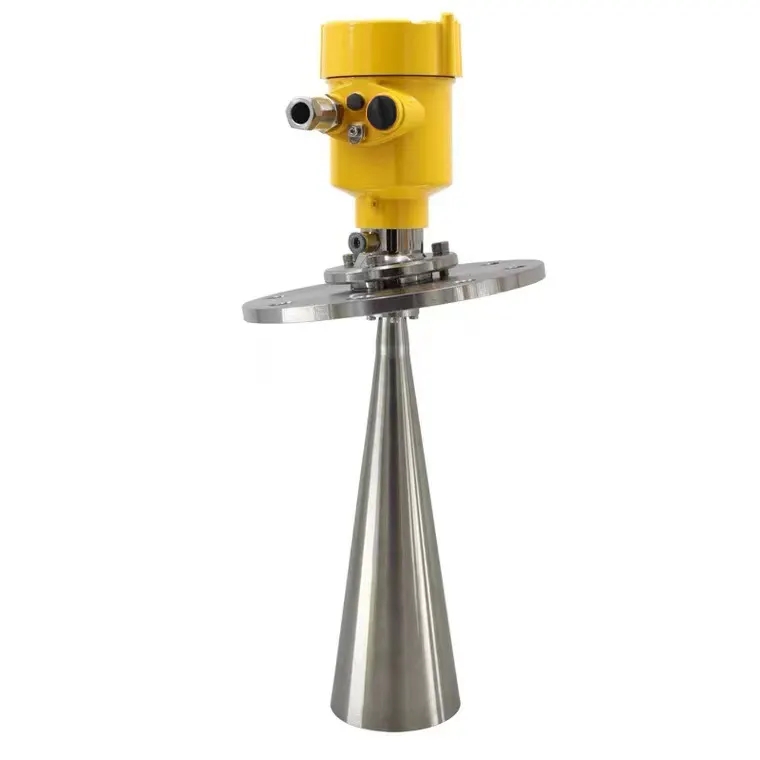
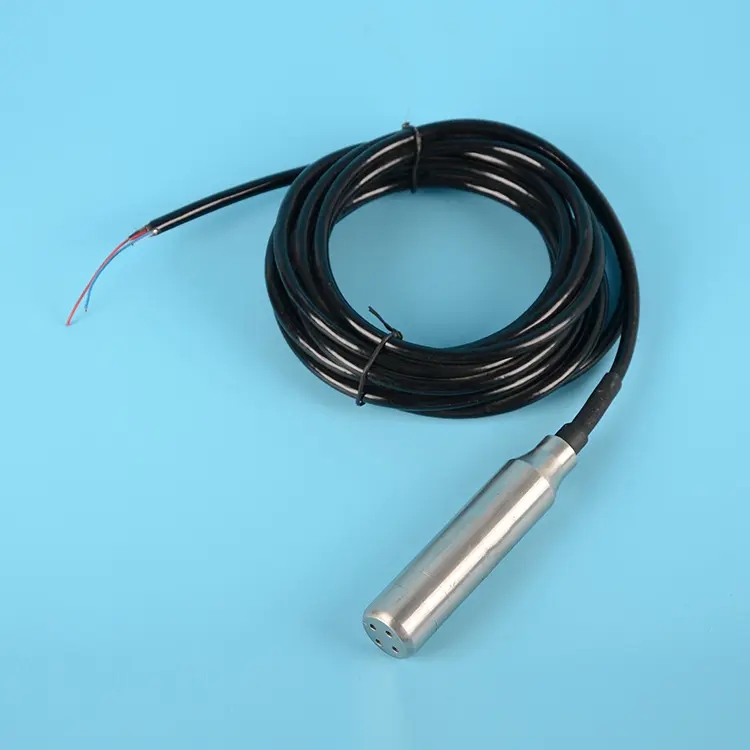
| Feature | NiuBoL Ultrasonic Level Gauge | Submersible Level Gauge (Hydrostatic) | Radar Level Gauge |
|---|---|---|---|
| Measurement Method | Non-contact | Contact (probe immersed) | Non-contact (microwave/pulse) |
| Applicable Media | Liquids, solid powders | Liquids (density-sensitive) | Liquids, solids (suitable for high pressure/temperature) |
| Advantages | Low cost, easy maintenance, excellent corrosion resistance (PTFE probe) | High accuracy (when pressure stable), unaffected by air medium | Extremely high accuracy, unaffected by temperature/steam, strong anti-interference |
| Limitations | Affected by temperature, vapor, foam, strong wind | Susceptible to corrosion/blockage, requires regular cleaning | High cost, complex installation, requirements on dielectric constant |
| NiuBoL Positioning | High cost-performance, reliable first choice for sewage/river/normal temperature & pressure conditions | ||
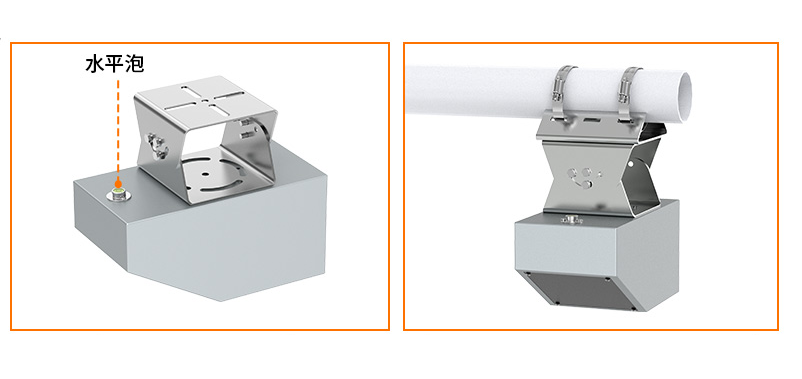
NiuBoL ultrasonic level gauges can be seamlessly integrated into IoT system architecture:
Data Acquisition Layer: NiuBoL ultrasonic level gauge + data logger.
Network Transmission Layer: Data uploaded via GPRS/4G/LoRa modules.
Cloud Platform/Application Layer: NiuBoL cloud platform or user’s own system.
System Features:
Real-time monitoring of current level height: Know site conditions anytime, anywhere.
Data statistics and visualization: Device overview, map display (intuitive deployment location), alarm statistics.
Historical data analysis: Query historical data, trend analysis, alarm records for decision-making and fault tracing.
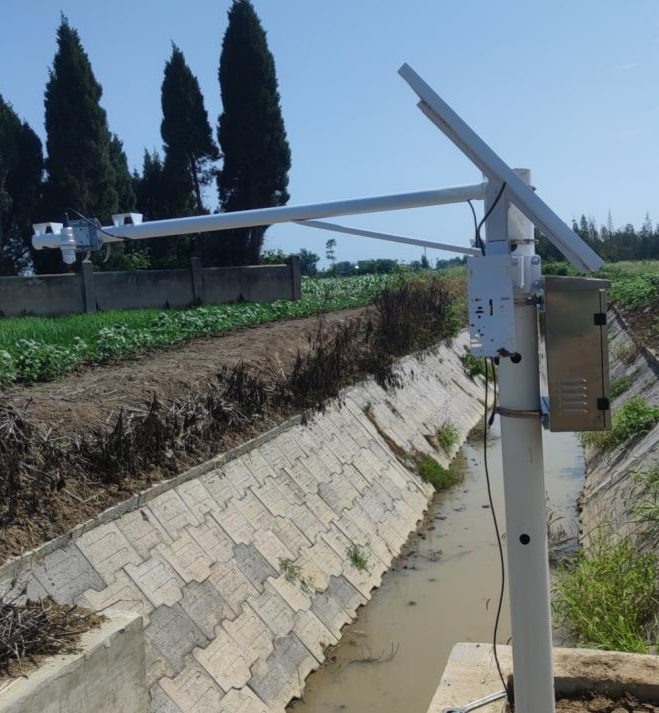
Water treatment industry: Regulating tanks, sedimentation tanks, Pasteur metering channels in sewage treatment plants; clean water tanks and raw water wells in waterworks.
Hydrology and water conservancy: Flash flood warning and water/rainfall monitoring in small and medium river basins; reservoir level monitoring.
Chemical enterprises: Level measurement of corrosive acid/alkali storage tanks and process tanks (using PTFE corrosion-resistant probes).
Underground wells: Level measurement in urban underground wells and deep wells.
Confirm medium properties: Non-corrosive (standard probe) vs. corrosive (must use PTFE probe).
Confirm range: Determine maximum measurement distance and minimum blind zone, reserve safety margin (usually 0.3–0.5 m blind zone below probe).
Confirm temperature and pressure: Not suitable for pressurized conditions; medium temperature should be ambient to avoid steam/vapor.
Confirm output and power supply: Required signal output (4–20 mA, RS485/Modbus) and power supply (24 VDC or others).
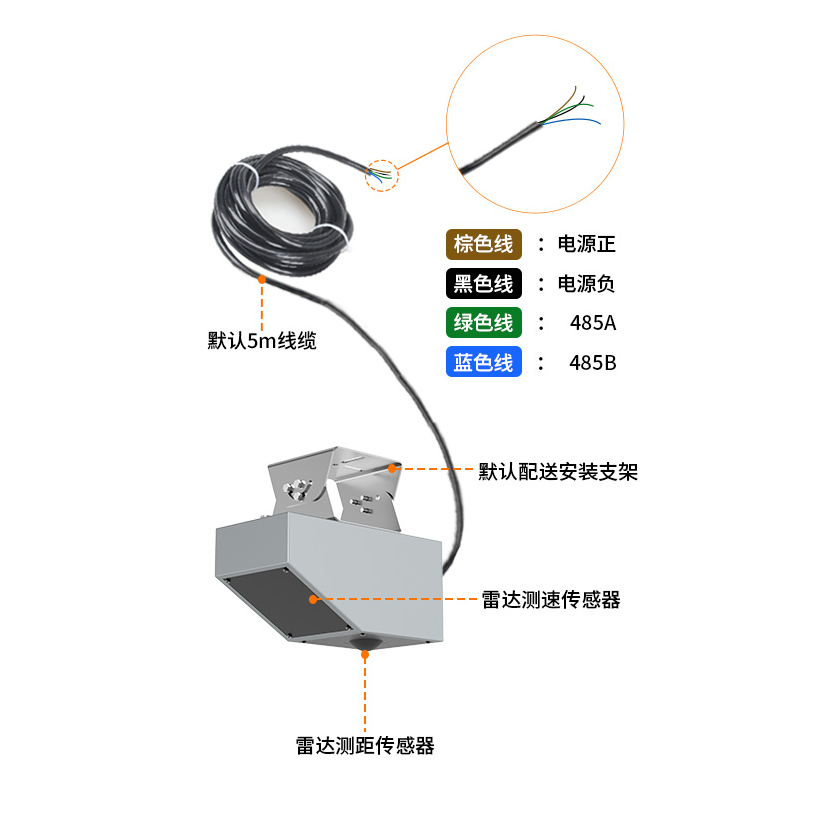
Q: What is the blind zone of an ultrasonic level gauge?
A: The blind zone is the unmeasurable area directly below the probe, typically 0.3–0.5 m. The exact value depends on the model; ensure the highest level is below the blind zone during selection.
Q: How much does steam affect an ultrasonic level gauge?
A: The impact is very significant. Steam and mist absorb or scatter ultrasonic signals, causing echo attenuation and preventing normal measurement. Therefore, ultrasonic is not suitable for high-temperature, high-humidity, or steam-heavy conditions.
Q: Can an ultrasonic level gauge accurately measure through foam?
A: Foam absorbs sound energy. Thin foam has minimal impact; thick, dense foam may cause reflection or absorption, leading to inaccurate or failed measurement.
Q: How to solve false echo problems?
A: False echoes are usually caused by tank walls, agitators, or nearby obstacles. Adjust probe position, avoid obstacles, or use the instrument’s false echo learning/suppression function.
Q: What corrosive media can PTFE probes measure?
A: PTFE has excellent chemical resistance and can measure most acids, alkalis, salts, and organic solvents — ideal for chemical sewage and strongly corrosive levels.
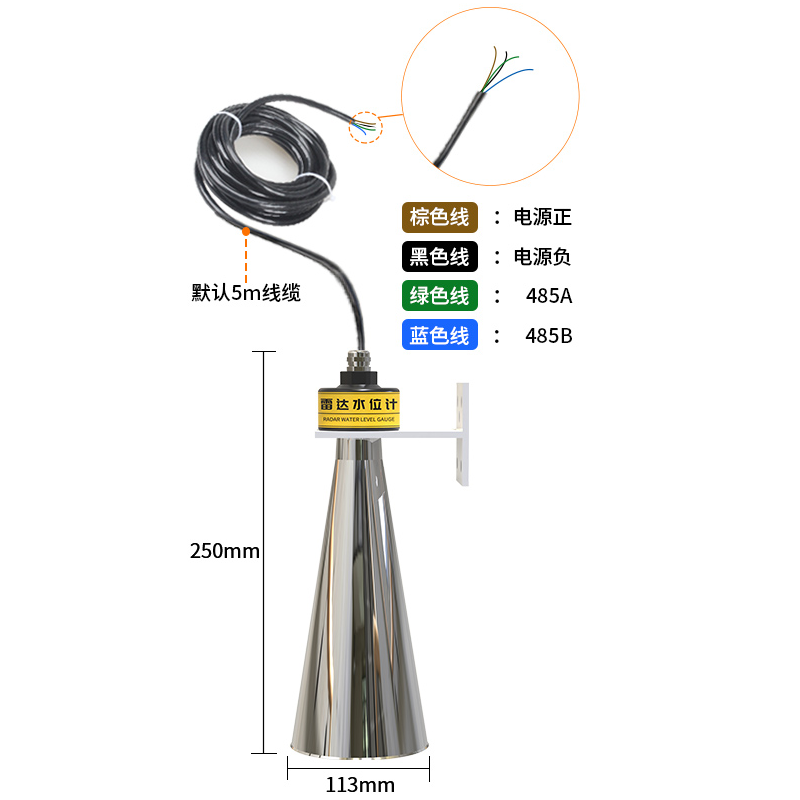
Q: Why can’t ultrasonic level gauges be used in sealed pressure vessels?
A: Sound speed in gas changes with density and pressure, severely affecting TOF calculation accuracy. Therefore, ultrasonic is not suitable for pressurized conditions.
Q: What is the highest measurement accuracy of an ultrasonic level gauge?
A: Under ideal ambient conditions, NiuBoL high-precision models typically achieve ±0.25% to ±0.5% of range.
Q: Does it require regular maintenance and calibration?
A: As a non-contact instrument, maintenance is low. Main task is periodic cleaning of probe surface dirt/crystals. Calibration frequency depends on industry standards and accuracy requirements.
Q: What range can one NiuBoL ultrasonic level gauge cover?
A: NiuBoL offers multiple range models: 0–5 m, 0–10 m, 0–15 m, and larger ranges — select based on actual tank depth.
Q: How does the IoT system implement level alarms?
A: In the NiuBoL cloud platform, high/low alarm thresholds can be set for each gauge. When real-time level exceeds the range, the system immediately triggers notifications (SMS, APP push).
Q11: What certifications does NiuBoL have?
A11: CE, ISO9001, RoHS, and nationally recognized meteorological calibration certificates.
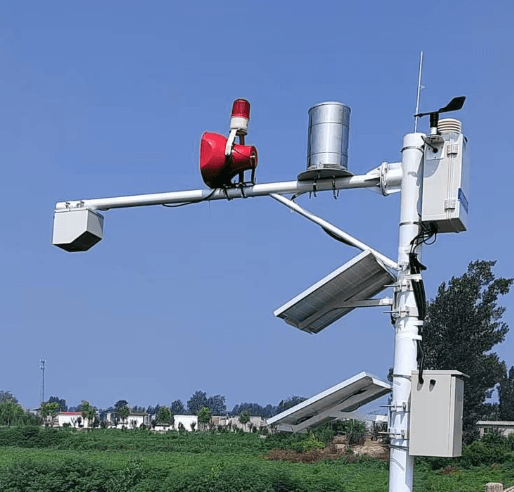
With its non-contact high reliability, PTFE probe options for corrosive conditions, and perfect integration with IoT systems, the NiuBoL ultrasonic level gauge has become the preferred solution for intelligent level measurement in modern industry and environmental monitoring. It not only effectively solves the pollution and corrosion problems of traditional contact instruments but also significantly improves management efficiency and early warning capability in water treatment, water conservancy, and chemical industries through real-time monitoring and data analysis.
Choosing NiuBoL means choosing a high cost-performance, highly reliable expert in intelligent level measurement.
Prev:Five Common Level Sensors: Principles, Structures
Next:Maintenance and Calibration Guide for Tipping Bucket Rain Gauges
Related recommendations
Sensors & Weather Stations Catalog
 Agriculture Sensors and Weather Stations Catalog-NiuBoL.pdf
Weather Stations Catalog-NiuBoL.pdf
Agriculture Sensors Catalog-NiuBoL.pdf
Water Quality Sensor Catalog-NiuBoL.pdf
Related products
 Combined air temperature and relative humidity sensor
 TDR Soil Moisture & Temperature Sensor for irrigation| RS485 |4-20mA| NBL-S-THR
 Soil pH sensor RS485 soil Testing instrument soil ph meter for agriculture |NBL-S-PH
 Wind Speed sensor Output Modbus/RS485/Analog/0-5V/4-20mA
 Tipping bucket rain gauge for weather monitoring auto rainfall sensor RS485/Outdoor/stainless steel
 Pyranometer Solar Radiation Sensor 4-20mA/RS485

Screenshot, WhatsApp to identify the QR code
WhatsApp number:+8615367865107
(Click on WhatsApp to copy and add friends)

