





— Blogs —
—Products—
 Consumer hotline +8618073152920
 WhatsApp:+8615367865107
Address:Room 102, District D, Houhu Industrial Park, Yuelu District, Changsha City, Hunan Province, China
Product knowledge
Time:2025-12-15 15:02:02 Popularity:769
Leaf wetness is a key environmental factor affecting plant health and agricultural yield. Traditional methods relying on manual observation can no longer meet modern agriculture's requirements for real-time and accurate data, giving rise to widespread application of leaf wetness sensors.
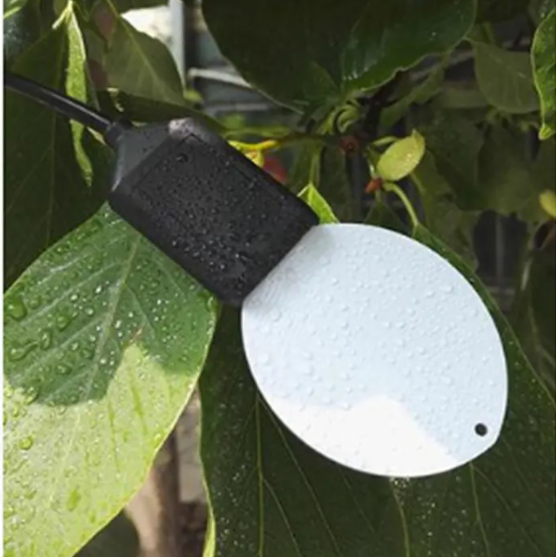
Leaf wetness sensor is a device capable of real-time, quantitative measurement of moisture content on plant leaf surfaces.
Measurement Object: Moisture on leaf surface, including dew, fog, rainfall residue, and even ice crystals.
Core Role: Precisely reflects leaf surface wetness degree by measuring moisture impact on sensor capacitance, resistance, or conductivity characteristics.
Understanding and controlling leaf surface temperature & humidity has multiple strategic significances for high-efficiency agriculture:
Pest & Disease Prevention: Excessive leaf surface humidity creates moist environment easily infected by bacteria or fungi. Prolonged wetness leads to leaf structure damage. Real-time monitoring provides early warning for bacterial or fungal infection.
Pesticide Application Optimization: Monitoring leaf surface humidity and temperature helps control pesticide droplet retention time, ensuring pesticide effectiveness and utilization rate.
Precision Water & Fertilizer Management: As indirect indicator of plant water status, guides farmers to rationally control fertilizer and water usage, reducing water resource and fertilizer waste.
Plant Growth Research: Deep understanding of plant growth and development for scientific research.
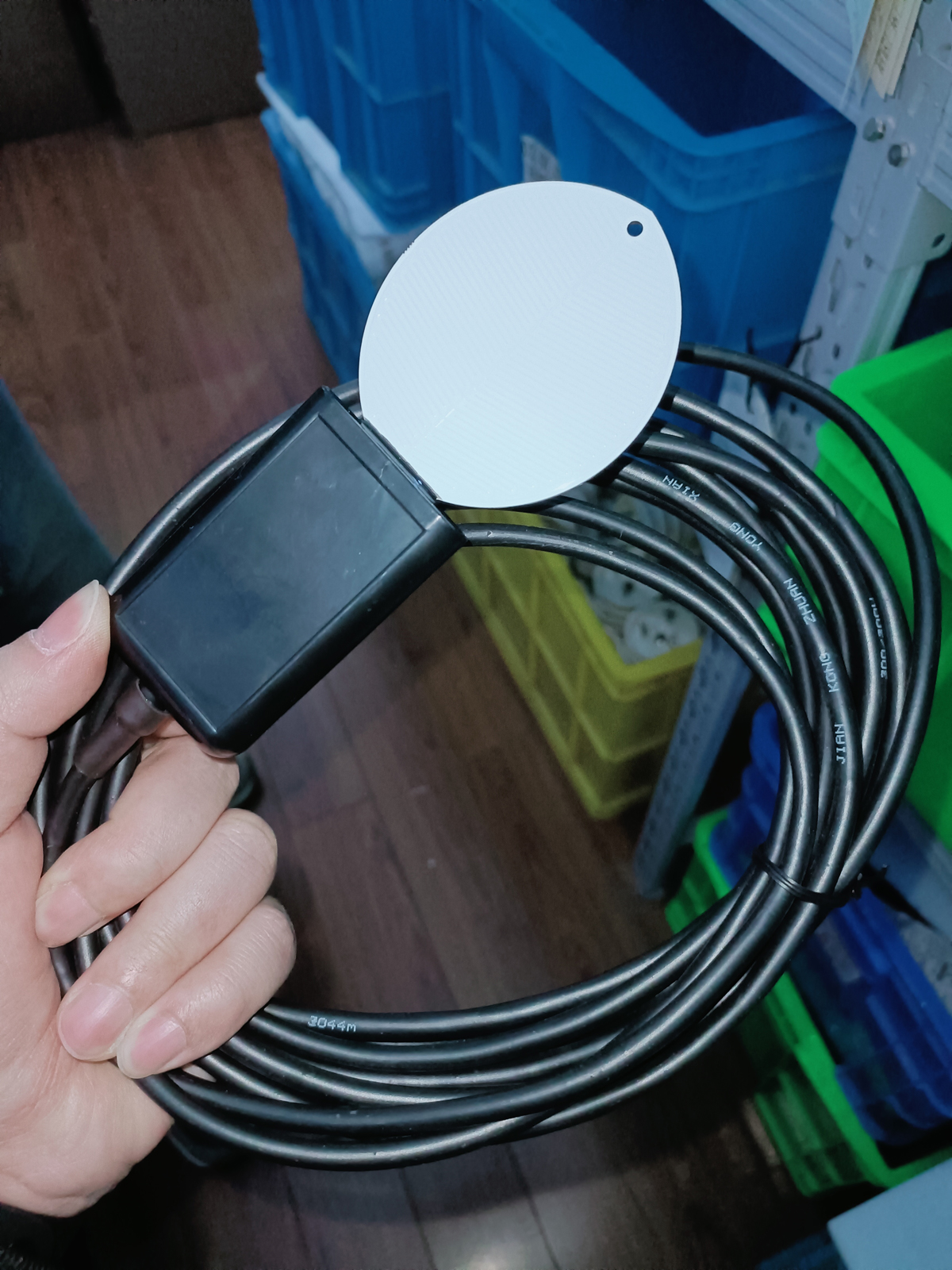
Leaf wetness sensor design principles vary but revolve around moisture conductivity or dielectric properties.
| Principle Type | Working Mechanism | Sensor Characteristics | Application Scenarios |
| Capacitive | Moisture on leaf surface enters between electrodes as medium, increasing capacitor dielectric constant, changing capacitance. Measures capacitance change. | High sensitivity, often used for trace moisture detection | High sensitivity, often used for trace moisture detection |
| Resistive | Uses two electrodes through leaf surface. Moisture is conductor; increased moisture reduces current impedance. Measures resistance change. | Relatively low cost, sensitive to water droplet coverage | Relatively low cost, sensitive to water droplet coverage |
| Conductive | Similar to resistive; increased moisture leads to more electrolytes in water, increasing current conductivity. Measures current conductivity change. | Easily affected by water quality (electrolyte content) | Easily affected by water quality (electrolyte content) |
NiuBoL leaf surface temperature & humidity sensor adopts core principle based on precise monitoring of dielectric constant and integrates temperature detection, achieving major functional breakthrough:
Dielectric Constant Monitoring: Precisely monitors trace moisture or ice crystal residue by measuring leaf surface dielectric constant changes. Dielectric constant measures substance polarization degree in external electric field; water dielectric constant far higher than air and leaf, so moisture attachment causes significant dielectric constant change.
Temperature Composite Detection: Sensor includes temperature detection function (temperature range -40–80°C, accuracy ±0.5°C), distinguishing detected moisture (dew, rain) or ice crystals. This function particularly important for high-altitude or winter pest/disease warning.
Appearance Simulation: Sensor appearance simulates real leaf design, more accurately reflecting real leaf surface environment, improving measurement representativeness and accuracy.
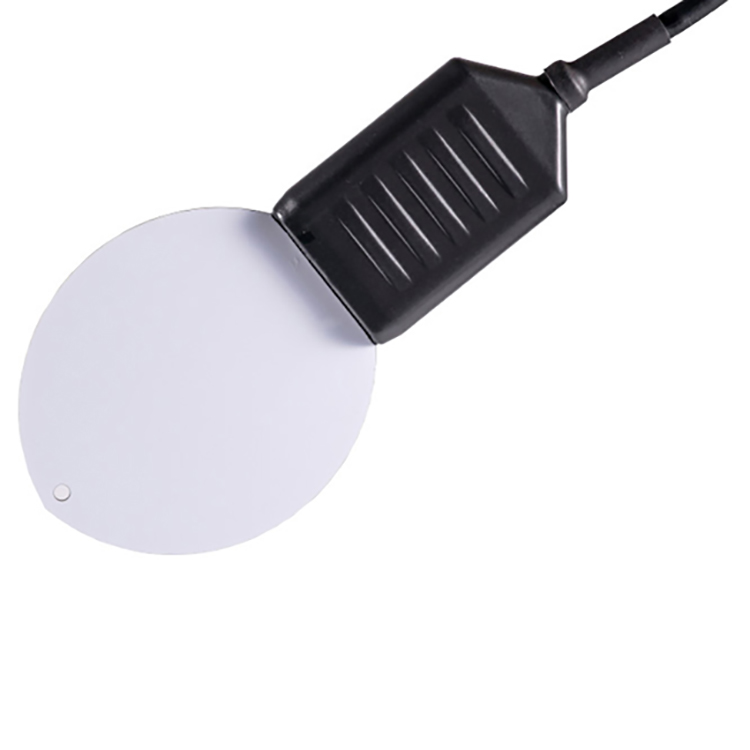
To ensure sensor output humidity data truly and accurately reflects plant leaf condition, design and optimization crucial.
Sensor Shape & Fit: Sensor shape (e.g., flat or sheet) must adapt to different plant types and leaf shapes, ensuring tight fit with leaf surface. NiuBoL simulated real leaf design optimizes this requirement.
Material Selection: Sensor materials need good conductivity, mechanical stability, and corrosion resistance. Metals, carbon fiber, polymers often selected to ensure signal stability and long lifespan.
Installation Method: Installation method ensures tight fit with leaf surface without adversely affecting plant growth. Methods include adhesive, clip, or NiuBoL recommended suspension fixing (non-metallic wire perforation suspension).
Sensor precision (deviation from true value) and sensitivity (response to changes) are key performance measures:
Sensor Structure Optimization: Optimize electrode shape and size, reducing sensor own structural error. NiuBoL sensor has high sensitivity and fast response features.
Regular Calibration & Adjustment: Compare with high-precision reference sensor for regular calibration. Compensate and adjust for environmental factors like temperature/humidity impact in use environment.
Manufacturing Process Control: Strictly control processing precision and process during manufacturing, ensuring sensor manufacturing quality and consistency.
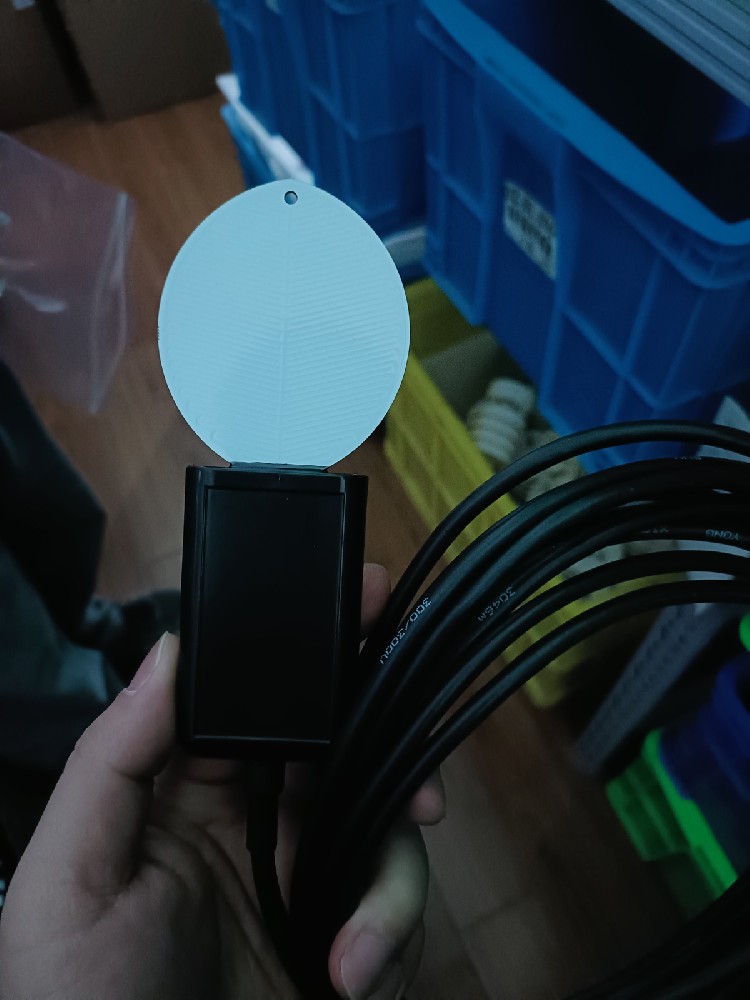
Leaf wetness sensor application value lies in achieving agricultural production automation, precision, and environmental protection.
| Advantage Point | Specific Embodiment | Value Contribution |
| Improve crop production efficiency | Precisely measure leaf moisture, irrigate and fertilize appropriately according to actual needs | Avoid excess or deficiency, improve yield and quality |
| Resource saving & environmental protection | Control water and fertilizer usage based on crop needs | Reduce water resource waste and soil/environment pollution from fertilizer runoff |
| Automation control | Can cooperate with automation control systems (e.g., IoT platform) | Automatically control irrigation and fertilization, reducing farmer workload |
| Disease warning | Real-time monitor wetness duration, provide early data support for pathogen infection | Take timely measures to protect crop health, reduce losses |
| Multi-function integration | NiuBoL can additionally expand air temperature/humidity, illuminance, and other environmental monitoring elements | Provide comprehensive agricultural microclimate monitoring data |
Stable performance, high sensitivity: Ensures data reliability and capture of trace changes.
Sealed waterproof, low power consumption: Suitable for long-term uninterrupted detection in multiple sites.
Communication method: Industrial standard RS485 output, default baud rate 9600 bps and customizable, easy system integration.
Power supply method: DC 12V–24V (compatible with mains power), low power consumption (standby 72 mW).
Leaf wetness sensors are developing toward higher intelligence and integration:
High Integration & Miniaturization: Integrate humidity, temperature, illuminance, and other sensors on smaller chips, improving space efficiency and deployment flexibility.
Wireless Networking: Combine LoRa, NB-IoT, and other low-power wide-area network technologies for larger range, lower cost wireless deployment.
Model-Driven Intelligence: Sensor data more deeply combined with crop growth models and pest/disease models, directly outputting “irrigation suggestions” or “disease risk probability”, achieving higher-level decision support.
Bionic Optimization: Further optimize sensor bionic design to more perfectly simulate leaf thermodynamic characteristics and surface structure, improving universality and accuracy in different environments.
Leaf wetness sensor is an indispensable key link in smart agriculture system. NiuBoL leaf surface temperature & humidity sensor, through its unique simulated leaf appearance design, precise monitoring principle based on dielectric constant, and temperature compensation function, solves traditional sensor problem in distinguishing ice crystals and moisture, showing huge application potential in pest/disease warning and precision irrigation control. Although sensor has cost and maintenance considerations, its brought high efficiency, low consumption economic and environmental benefits make it occupy important position in agricultural sustainable development.
 NBL-W-LM-Leaf-Temperature-and-Humidity-Sensor-Instruction-Manual.pdf
Prev:Precise Rain Measurement:Rainfall Sensor Principle, Application, Installation
Next:Soil Moisture Monitoring Station Principle, Application, Manufacturer Advantages
Related recommendations
Sensors & Weather Stations Catalog
Agriculture Sensors and Weather Stations Catalog-NiuBoL.pdf
Weather Stations Catalog-NiuBoL.pdf
Agriculture Sensors Catalog-NiuBoL.pdf
Water Quality Sensor Catalog-NiuBoL.pdf
Related products
 Combined air temperature and relative humidity sensor
 TDR Soil Moisture & Temperature Sensor for irrigation| RS485 |4-20mA| NBL-S-THR
 Soil pH sensor RS485 soil Testing instrument soil ph meter for agriculture |NBL-S-PH
 Wind Speed sensor Output Modbus/RS485/Analog/0-5V/4-20mA
 Tipping bucket rain gauge for weather monitoring auto rainfall sensor RS485/Outdoor/stainless steel
 Pyranometer Solar Radiation Sensor 4-20mA/RS485

Screenshot, WhatsApp to identify the QR code
WhatsApp number:+8615367865107
(Click on WhatsApp to copy and add friends)

