





— Blogs —
—Products—
 Consumer hotline +8618073152920
 WhatsApp:+8615367865107
Address:Room 102, District D, Houhu Industrial Park, Yuelu District, Changsha City, Hunan Province, China
Product knowledge
Time:2025-12-15 14:38:59 Popularity:877
Rainfall sensor (or rain gauge, rainfall transmitter) is a fundamental instrument in meteorological and hydrological observation, designed to precisely measure liquid precipitation amount, precipitation intensity, and precipitation start/end time. Its data is key input for flood prevention, water resource management, and climate research.
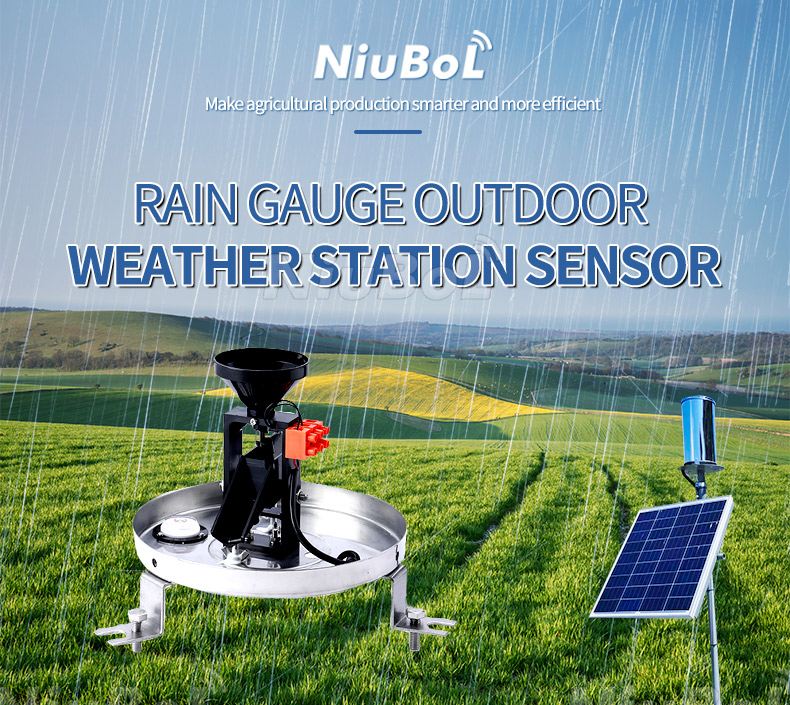
The core of rainfall sensor lies in converting physical process of precipitation into measurable electrical signals. Common principles include mechanical, optical, capacitive, and resistive types.
Mechanical (Tipping Bucket Type):
This is the most common and long-standing type. It measures rainfall through mechanical action of raindrops on the device.
Working Mechanism: Rainwater falls into a precision tipping bucket through the catchment funnel. When precipitation reaches preset value (e.g., 0.2 mm), water fills one side of the bucket, causing it to lose balance and tip, while raising the other empty side to receive water. Each tipping action triggers a switch signal (e.g., reed switch on/off). Accumulation of precipitation is achieved by counting.
Optical Rainfall Gauge:
Utilizes light reflection or scattering principle. Light emitted by transmitter scatters or reflects when raindrops fall into detection area, captured by receiver to measure, calculating raindrop size and quantity.
Capacitive & Resistive Rainfall Gauge:
These sensors change capacitor capacitance or circuit resistance (water is conductor) when raindrops fall into detection area, inferring precipitation by measuring these electrical parameter changes.
Laser & Ultrasonic Rainfall Gauge:
Utilizes laser beam scattering when passing through raindrops or ultrasonic reflection from raindrops, measuring reflected light or sound wave intensity and time to calculate raindrop size and quantity, thereby obtaining precipitation.
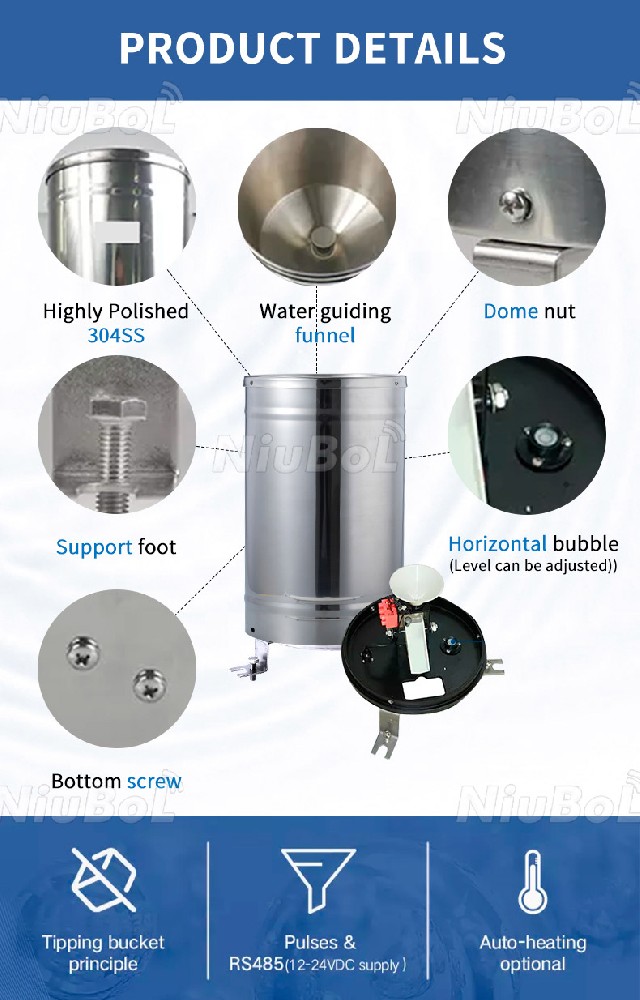
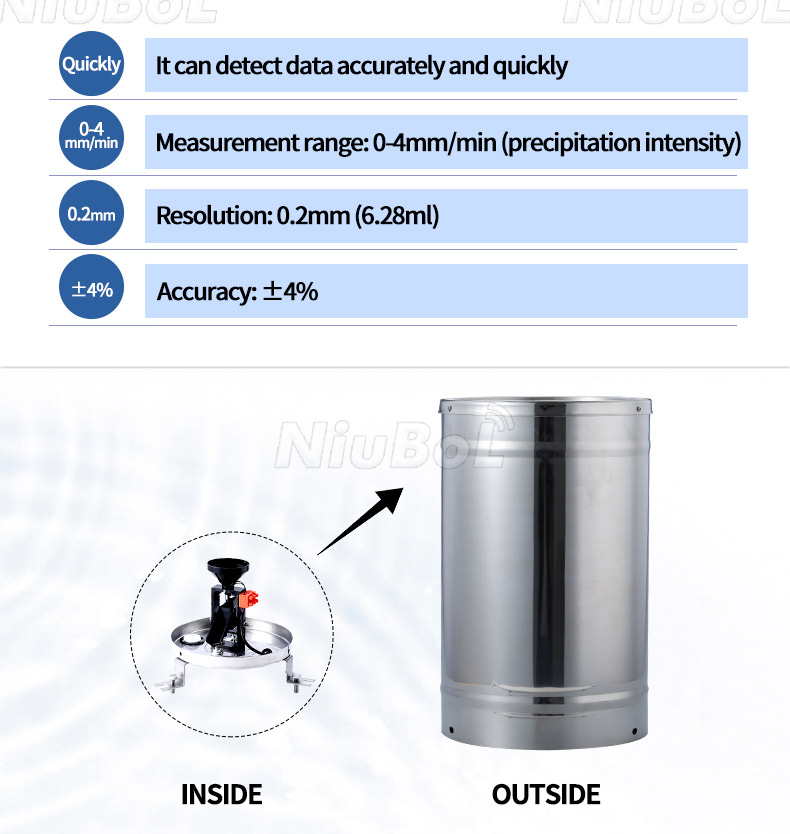
NiuBoL NBL-W-RS rain gauge is designed and manufactured based on classic tipping bucket mechanical principle, complying with national standards (GB11832-89) and hydrological specifications (SL61-2003), with high stability and reliability.
Catchment Funnel Diameter: NBL-W-RS catchment diameter Φ200±0.6 mm, key dimension ensuring standardized collection area. Rainwater enters metering structure through this funnel.
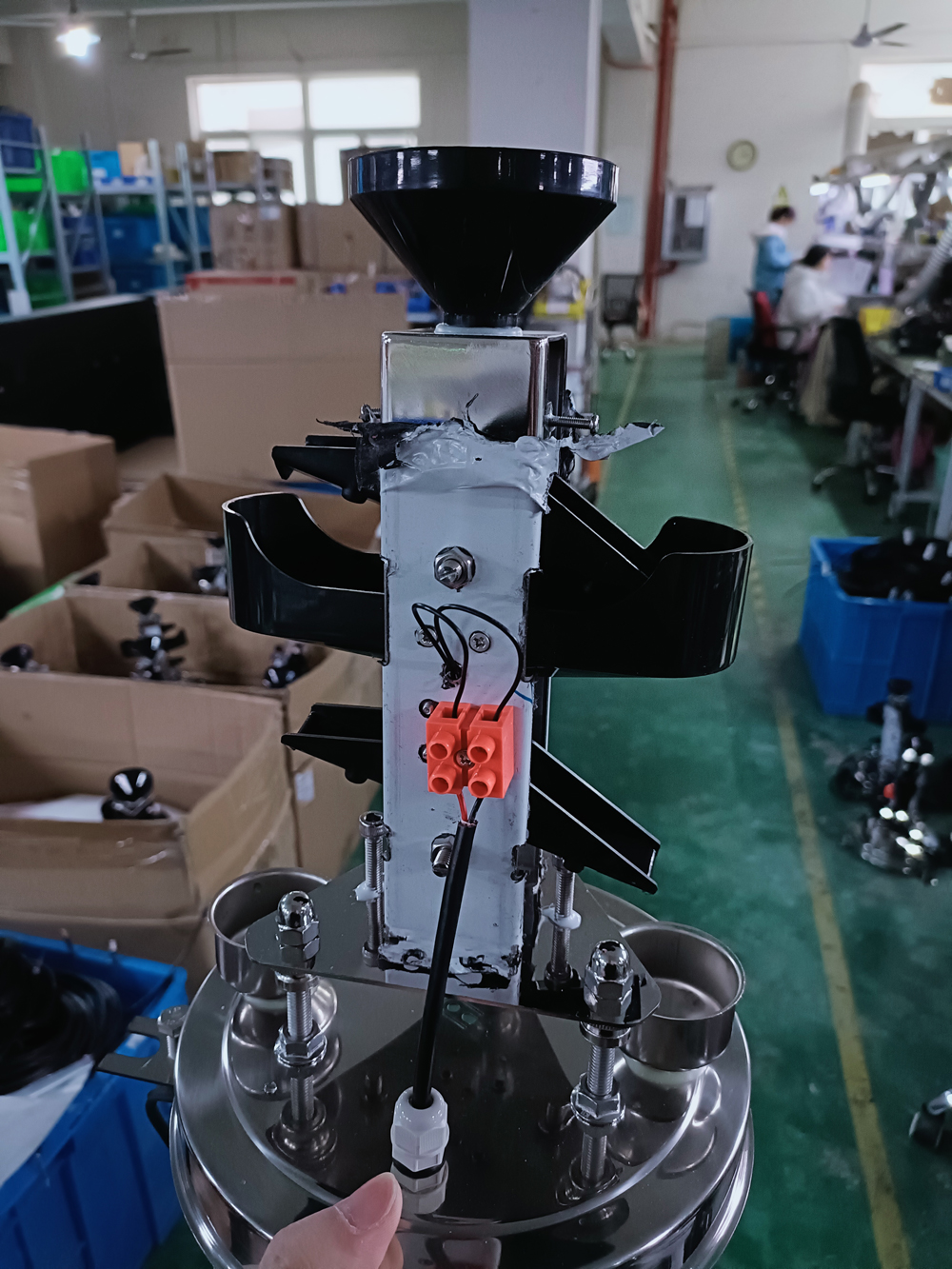
Tipping Bucket Mechanism: Core of measurement. When rainfall reaches 0.2 mm or 0.1 mm resolution, bucket quickly tips, discharging water.
Switch Signal Output: Each bucket tip generates switch pulse signal (reed switch on/off). Cooperating with various radiation recorders or data collectors achieves remote telemetry of rainfall.
Filter Mesh: Cylindrical filter mesh below catchment mouth filters dust, sediment, leaves, insects, etc., preventing blockage of water flow channel — important accessory ensuring measurement accuracy.
| Parameter Category | NBL-W-RS Specification | Technical Significance |
| Resolution | 0.2 mm (6.28 ml) | Minimum precipitation increment sensor can recognize, reflecting measurement fineness |
| Accuracy | ±4% (indoor static test, rainfall intensity 2 mm/min) | Measures deviation between sensor output value and true value |
| Measurement Range | 0–4 mm/min (precipitation intensity) | Suitable for daily to relatively strong rainfall intensity measurement |
| Output Form | Switch signal, voltage (0–2.5 V/0–5 V), RS485, 4–20 mA | Provides multiple signal outputs for easy access to various automatic reporting systems |
| Power Supply Method | DC 5 V or DC 12 V–24 V | Adapts to different field monitoring station power supply needs |
| Environmental Adaptability | Operating temperature 0–50°C, storage temperature -40–80°C | Ensures stable operation under different climate conditions |
When choosing suitable rainfall sensor, balance precision, price, maintenance requirements, and other factors.
| Sensor Type | Advantages | Disadvantages | Applicable Scenarios |
| Tipping Bucket (Mechanical) Rainfall Sensor | Low price, easy maintenance, high accuracy (under standard rainfall intensity), complies with national standards | Requires regular bucket cleaning, affected by wind and high-intensity rainfall (bucket not draining timely), less automated | Meteorological stations, hydrological stations, agriculture/forestry, monitoring requiring high reliability and standardization |
| Optical Rainfall Sensor | High precision, high automation, easy installation | Higher price, sensitive to light conditions and raindrop size distribution | Scientific research monitoring requiring extremely high precision |
| Laser/Ultrasonic Rainfall Sensor | Extremely high precision, can measure raindrop spectrum (size and quantity), high automation | Highest price, high manufacturing cost | Aerospace, refined transportation, complex atmospheric research |
| Capacitive/Resistive Rainfall Sensor | Simple structure, relatively low cost | Easily affected by water quality, temperature, and other environmental factors, precision stability challenging | Low-cost, simple rainwater detection applications |
NiuBoL NBL-W-RS, as tipping bucket rain gauge, is suitable for hydrological automatic reporting systems aimed at flood prevention, water supply scheduling, and water regime management — reliable choice for achieving remote rainfall telemetry.
Rainfall sensor data is indispensable information source in Earth science, environmental management, and engineering construction.
Hydrological Monitoring Foundation: Measuring precipitation is foundation of hydrological monitoring, used to predict river water level, flow speed, discharge, etc.
Flood Warning: Inputting real-time measurement results from rainfall sensor into flood warning system can predict flood occurrence and scale, providing important data for advance countermeasures, maximizing disaster damage reduction.
Water Resource Management: Used for irrigation control, reservoir storage, and drainage system operation control, better managing and protecting water resources.
Weather Forecast Model: Collecting large amounts of precipitation data for creating and correcting weather forecast models, generating rainfall charts.
Climate Change Trends: Through long-term precipitation data collection and analysis, determine precipitation change trends in a region, monitoring climate change impact.
Agricultural Irrigation Control: Monitor precipitation, guide farmers or automation systems to precisely control irrigation amount, reducing water waste, improving crop yield.
Urban Rain/Sewage Management: Monitor and control rainwater and wastewater flow, assisting urban drainage system timely discharge accumulated rainwater, avoiding urban waterlogging, achieving more effective urban management.
Environmental Protection: Used for monitoring haze, air quality, etc., and analyzing precipitation impact on pollutant migration.
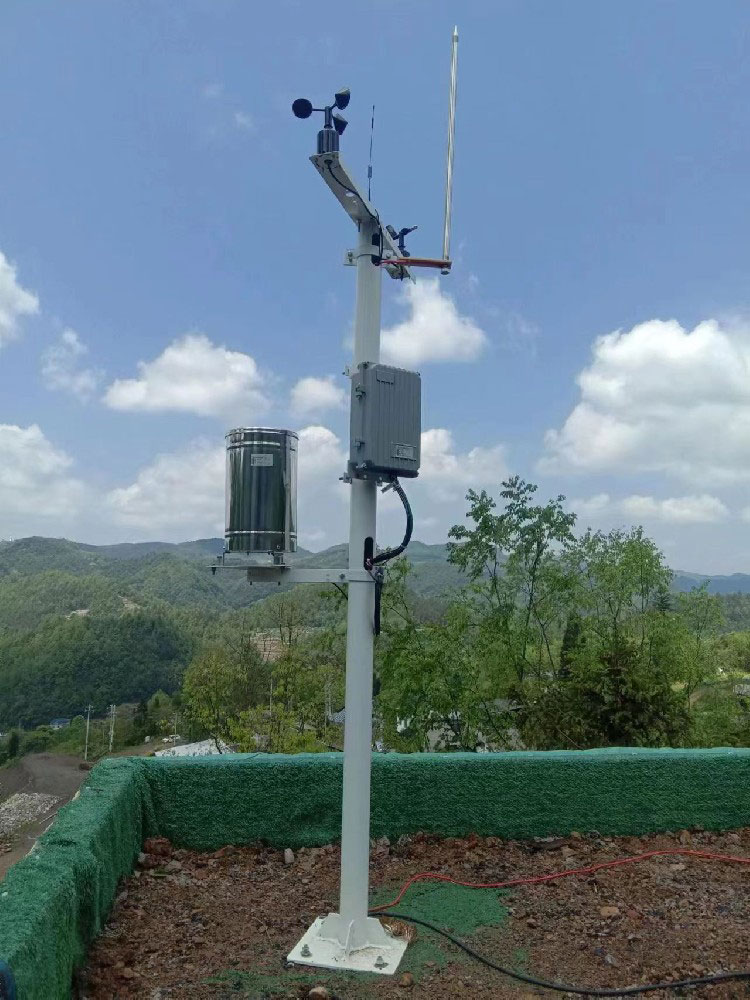
Correct installation and regular maintenance are key to ensuring tipping bucket rain gauge precision.
Determine scenario & standards: Clearly apply to meteorology, hydrology, or agriculture, confirm if needs to comply with national hydrological standards (e.g., SL61-2003).
Precision & resolution: Choose appropriate resolution (NBL-W-RS 0.2 mm, NBL-W-DRS 0.1 mm) and accuracy based on budget and needs.
Output form: Choose matching data acquisition system output form (switch signal, RS485, voltage, etc.).
Installation location should choose appropriate height from ground, fully exposed to rainwater, open position avoiding obstructions.
Fix bracket: Fix overall structure on ground, self-made large cylinder, or iron column flange with bracket.
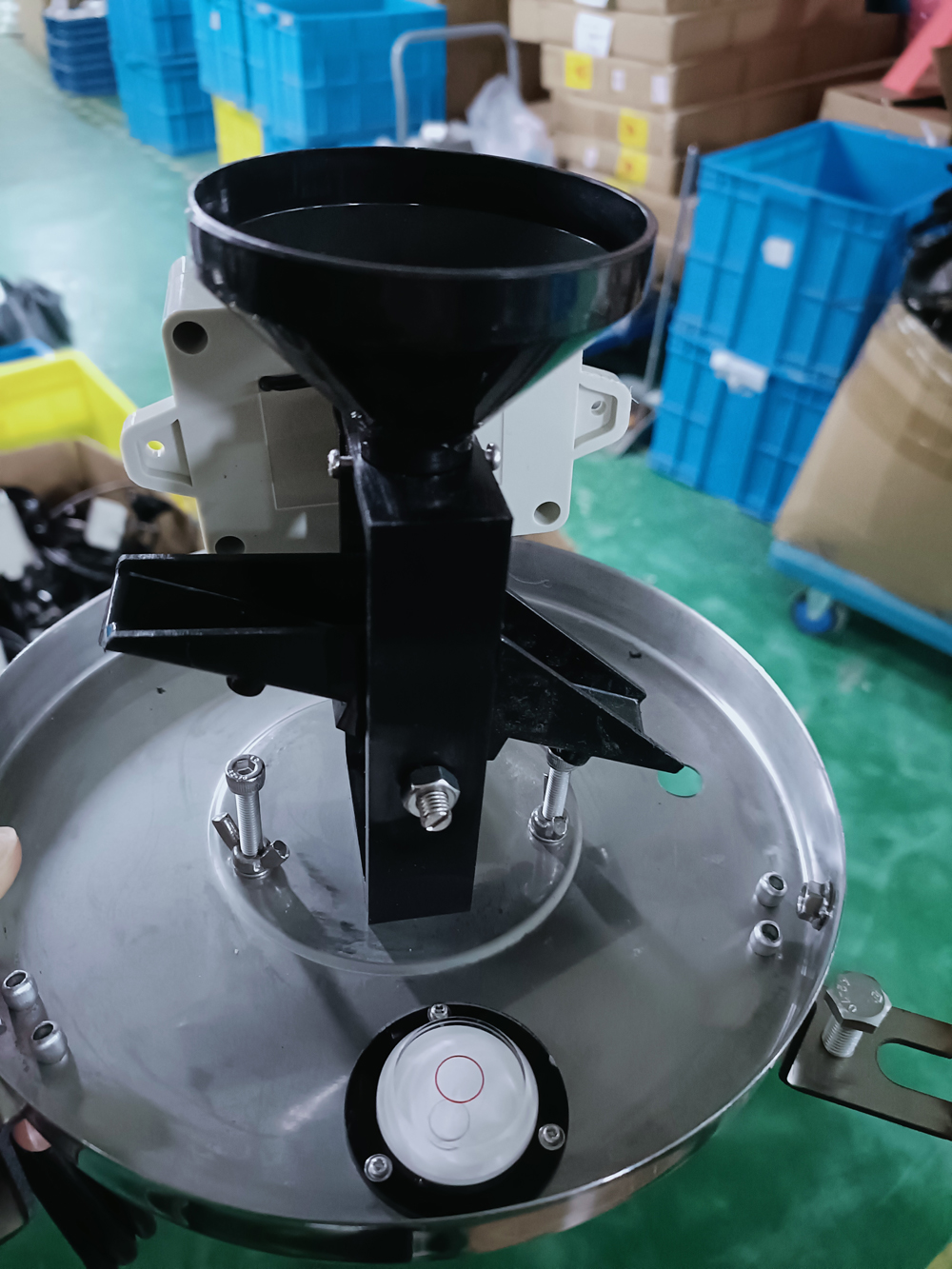
Precision leveling (core step): Use three leveling screws on base to carefully adjust until level bubble indicates horizontal (bubble stays in circle center). After leveling, slowly tighten fixing expansion screws; if level bubble changes, readjust.
Assembly & wiring: Assemble and fix sensor according to instructions, correctly connect power or data lines. Do not connect with power on.
Debugging inspection: After fixing, cut nylon tie on funnel. Slowly pour quantitative clean water (60–70 mm) into rainfall sensor, observe if data displayed on collector matches poured water amount to inspect if instrument normal.
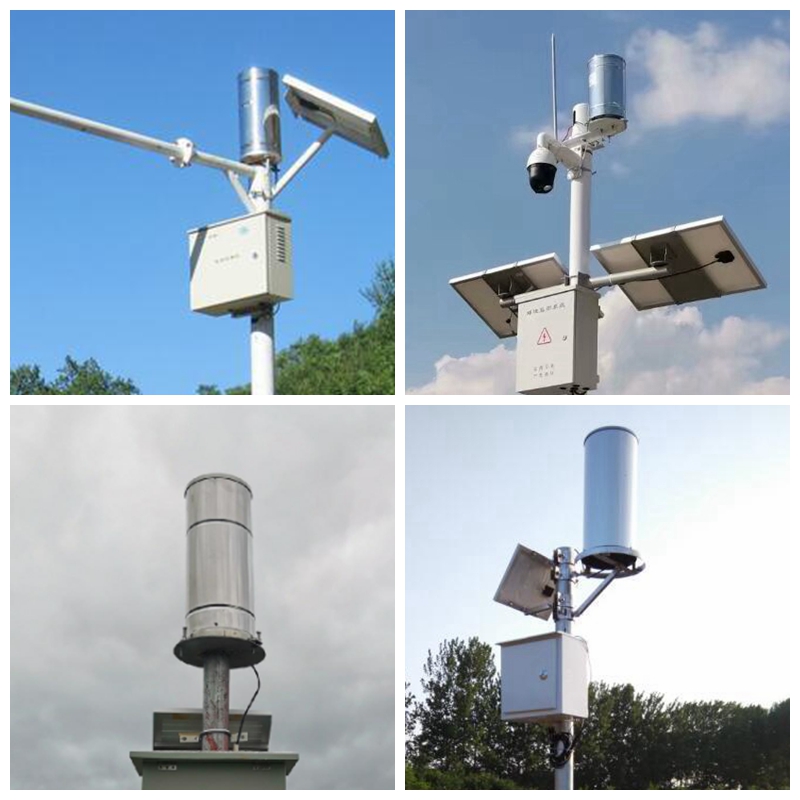
Regular cleaning: Regularly check sensor, clear dust, sediment, leaves, insects, etc., on catchment bucket (funnel), removable cylindrical filter mesh rinsed with clean water.
Bucket cleaning: When bucket inner wall dirty, rinse with water, alcohol, or detergent solution, strictly prohibit wiping with fingers or other objects to avoid oil contamination or scratching inner wall affecting precision.
Winter handling: During winter freezing period, stop using instrument, take back indoors to avoid mechanical structure damage from freezing.
Fault troubleshooting:
No reading: Check if wiring correct and secure; check if internal bucket nylon tie cut.
Reading mismatch: Clean bucket inner wall, re-inject quantitative water for inspection adjustment.
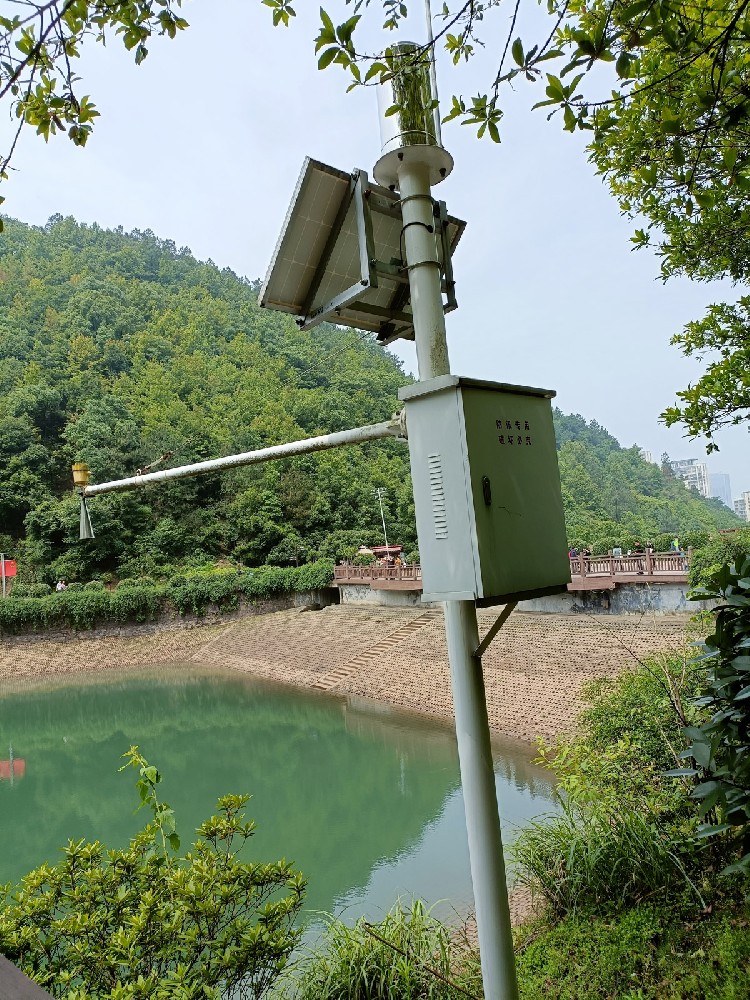
In the future, rainfall sensors will upgrade from traditional measurement tools to highly intelligent data nodes.
Intelligent & Big Data Integration: Rainfall sensors will access Internet+ and big data platforms for real-time data transmission, cloud storage, and analysis. Big data can help more accurately predict precipitation and flood situations, supporting climate change research.
Artificial Intelligence & Autonomous Monitoring: Sensors will combine artificial intelligence technology for autonomous monitoring and data analysis. AI can improve data accuracy and prediction precision through learning algorithms, better coping with water resource management and climate change.
Higher Precision & New Materials: Introduce new materials and advanced algorithms (especially in optical, laser sensors), further improving measurement precision and raindrop spectrum analysis capability, meeting refined observation needs.
Innovative Applications:
Precision water resource management: Use high-density sensor network data to more finely understand groundwater and surface water changes, optimizing water resource scheduling.
Smart city drainage: Link rainfall data with urban drainage system model for intelligent operation of urban drainage system and waterlogging prevention.
NiuBoL NBL-W-RS tipping bucket rain gauge, as reliable equipment complying with hydrological standards, is key tool for achieving precise rainfall telemetry. Correct installation, especially precision leveling and regular maintenance, is foundation for ensuring long-term high-precision operation. With IoT development, rainfall sensors will continue to play core role in building safer, smarter urban and environmental management systems.
 NBL-W-ARS-Tipping-bucket-rain-gauge-instruction-manual.pdf
Prev:Noise Sensor: Working Principle, Technical Advantages & Applications
Next:Precision Principle, Design,Smart Agriculture Applications of Leaf Wetness Sensor
Related recommendations
Sensors & Weather Stations Catalog
Agriculture Sensors and Weather Stations Catalog-NiuBoL.pdf
Weather Stations Catalog-NiuBoL.pdf
Agriculture Sensors Catalog-NiuBoL.pdf
Water Quality Sensor Catalog-NiuBoL.pdf
Related products
 Combined air temperature and relative humidity sensor
 TDR Soil Moisture & Temperature Sensor for irrigation| RS485 |4-20mA| NBL-S-THR
 Soil pH sensor RS485 soil Testing instrument soil ph meter for agriculture |NBL-S-PH
 Wind Speed sensor Output Modbus/RS485/Analog/0-5V/4-20mA
 Tipping bucket rain gauge for weather monitoring auto rainfall sensor RS485/Outdoor/stainless steel
 Pyranometer Solar Radiation Sensor 4-20mA/RS485

Screenshot, WhatsApp to identify the QR code
WhatsApp number:+8615367865107
(Click on WhatsApp to copy and add friends)

